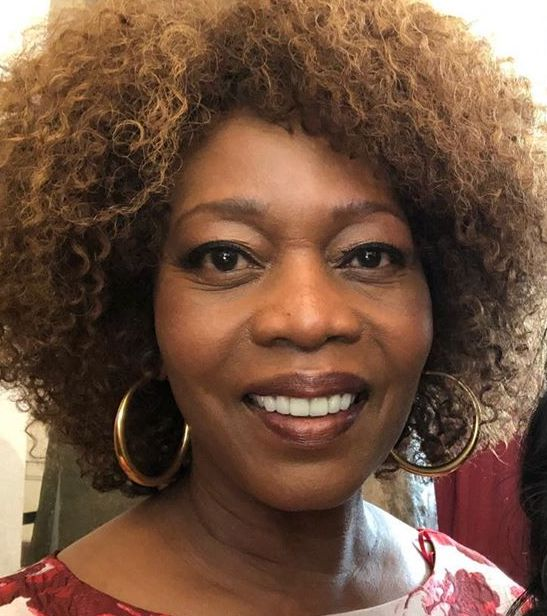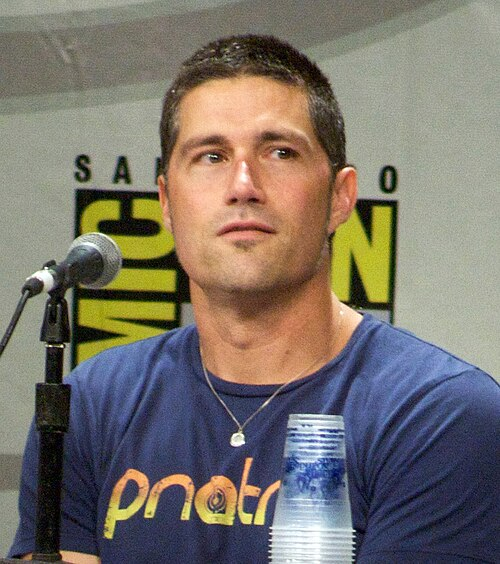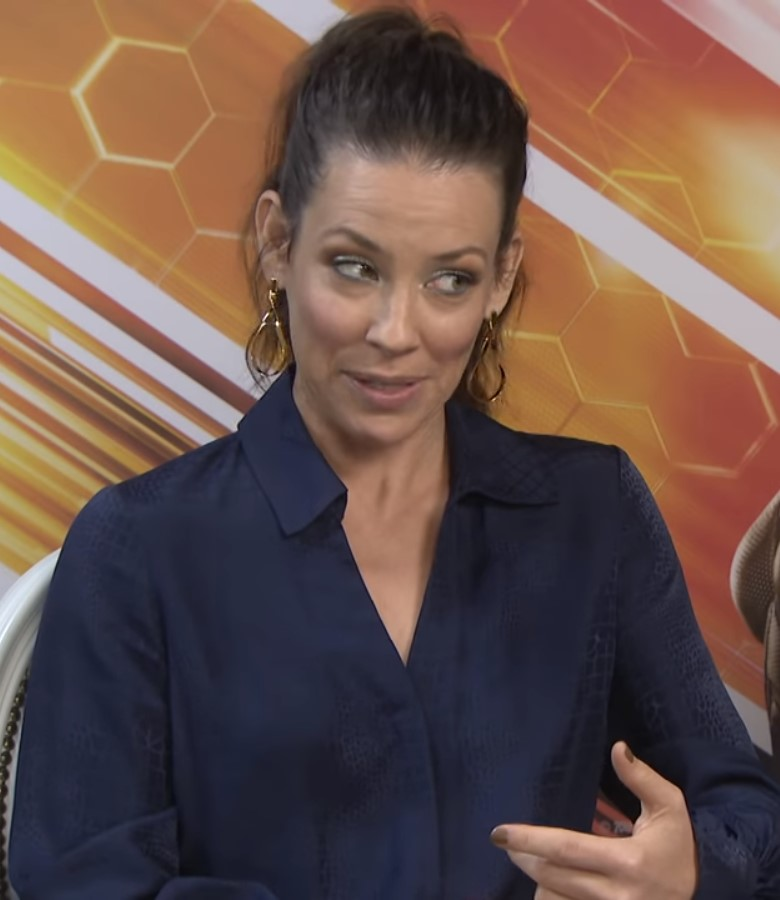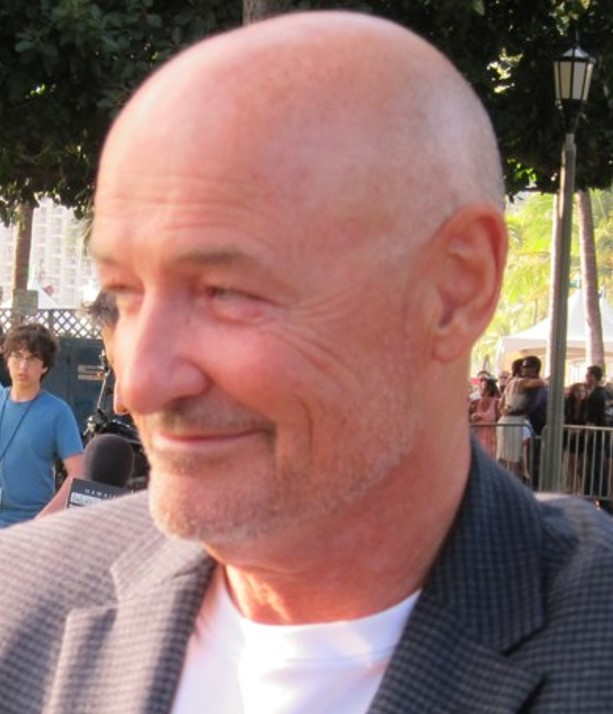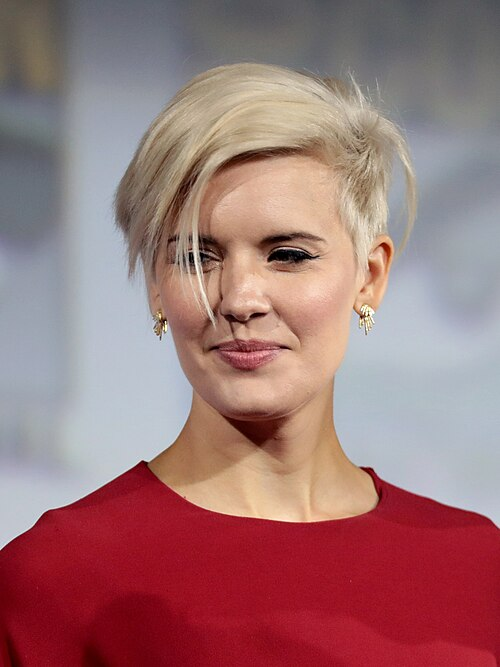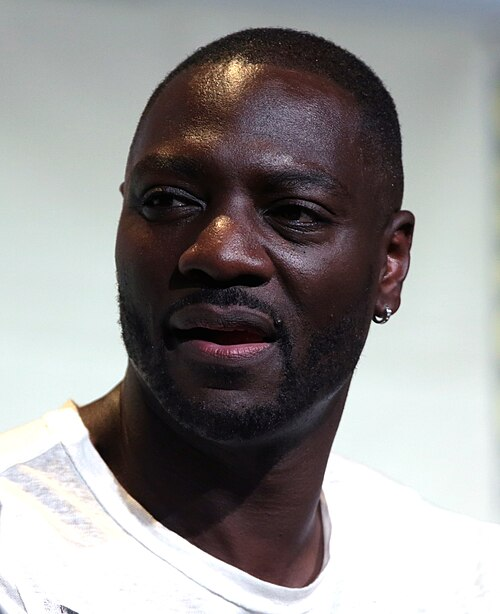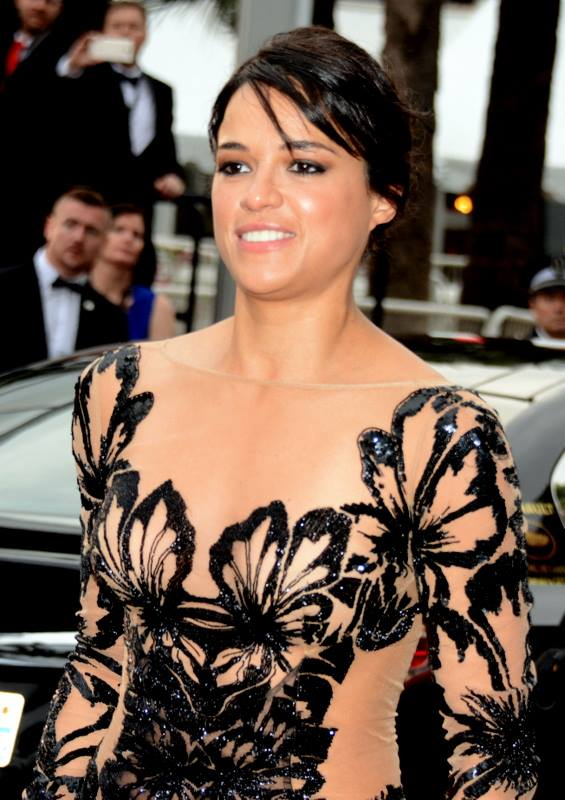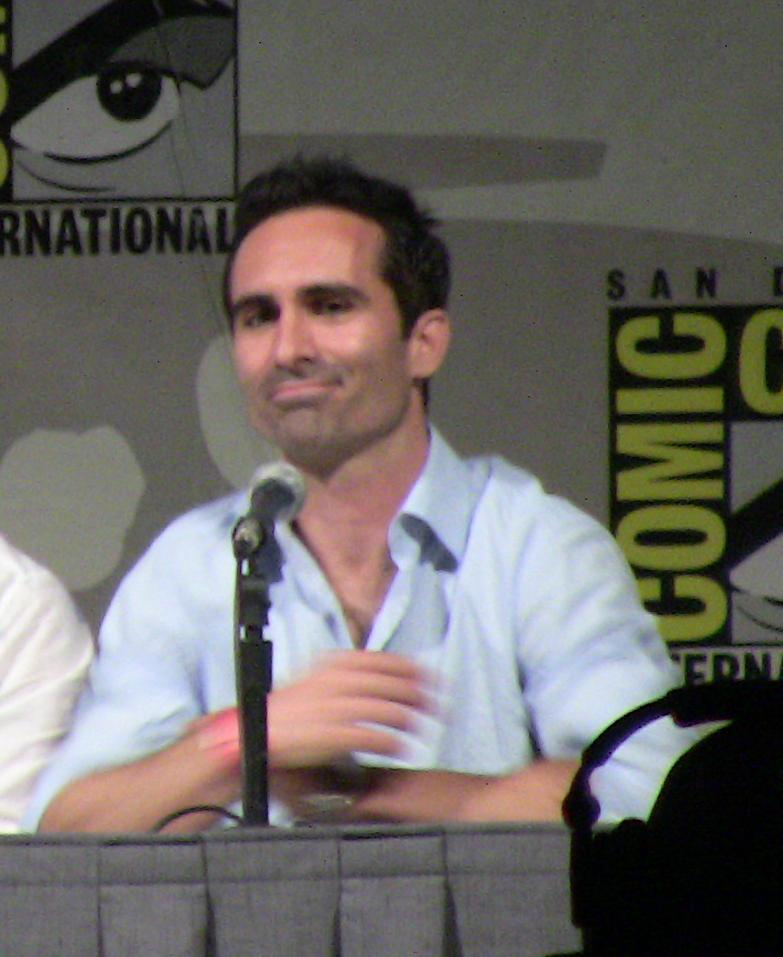
The Flash Cast: Religion, Faith, and What the Bible Says

THE FLASH in large plain white lettering over an original AI-generated city-at-dusk illustration, labeled AI-Generated

AI-generated editorial cover; not official show artwork.

Explore 30 cast profiles from Grant Gustin’s The Flash. This collection covers the central ensemble and prominent recurring performers across the show’s nine seasons. Each portrait links to a complete Famous Faith profile explaining the public evidence about that person’s religion, the limits of what is known, and a Christian reflection on the themes their work raises.

Barry Allen’s world includes scientists, journalists, family members, mentors, and rivals. Some performers appear for years; others leave a strong impression through a particular role or season. The guide below groups people by their place in the story rather than assuming that every character is part of the team. Actors who portray several characters appear once, with the major roles identified on their cards.

The central ensemble

These performers form much of the continuing human world around the Flash. Their characters bring family loyalty, professional skill, humor, and difficult choices to the series. Familiarity with a character can make an actor feel personally familiar too, but a long-running performance is not the same as a religious testimony.

AI-Generated portrait of Grant Gustin

AI-generated editorial portrait.

Grant Gustin

Barry Allen / The Flash

Grant Gustin’s current religion is not established by the reliable sources reviewed here. We have not verified a direct personal profession of Christian faith or a current denomination.

AI-Generated portrait of Candice Patton

AI-generated editorial portrait.

Candice Patton

Iris West-Allen

Candice Patton’s religious affiliation and a personal profession of Christian faith are unconfirmed in the sources reviewed for this profile.

AI-Generated portrait of Danielle Panabaker

AI-generated editorial portrait.

Danielle Panabaker

Caitlin Snow / Frost / Khione

Danielle Panabaker’s current religion is unconfirmed here. Conflicting online labels are not supported by a clear personal statement in the sources reviewed.

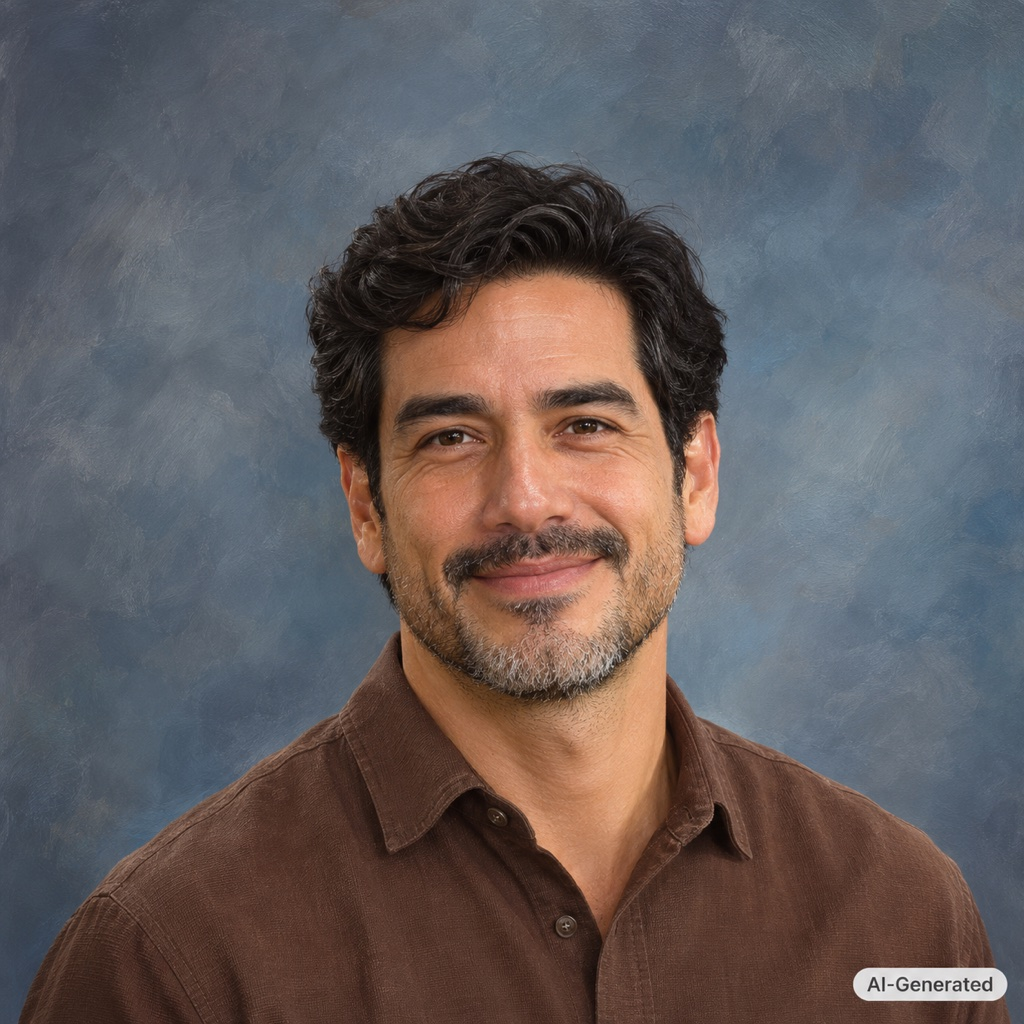
AI-Generated portrait of Carlos Valdes

AI-generated editorial portrait.

Carlos Valdes

Cisco Ramon / Vibe

Carlos Valdes’s religion is not confirmed by the public sources reviewed here. His acting and musical work do not establish a personal Christian profession.
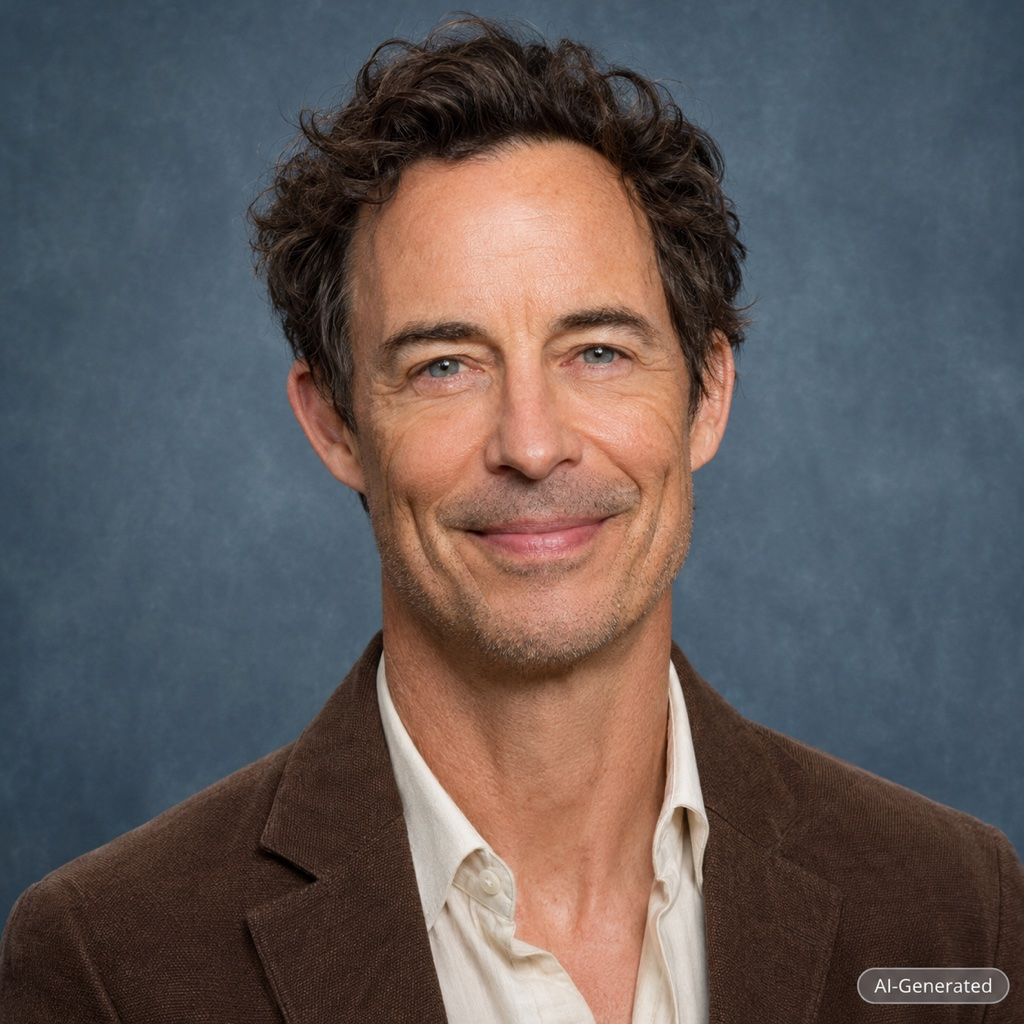
AI-Generated portrait of Tom Cavanagh

AI-generated editorial portrait.

Tom Cavanagh

Harrison Wells variants / Reverse-Flash

Tom Cavanagh has a documented Catholic family background. That history does not establish his current beliefs or, by itself, a profession of biblical Christianity.
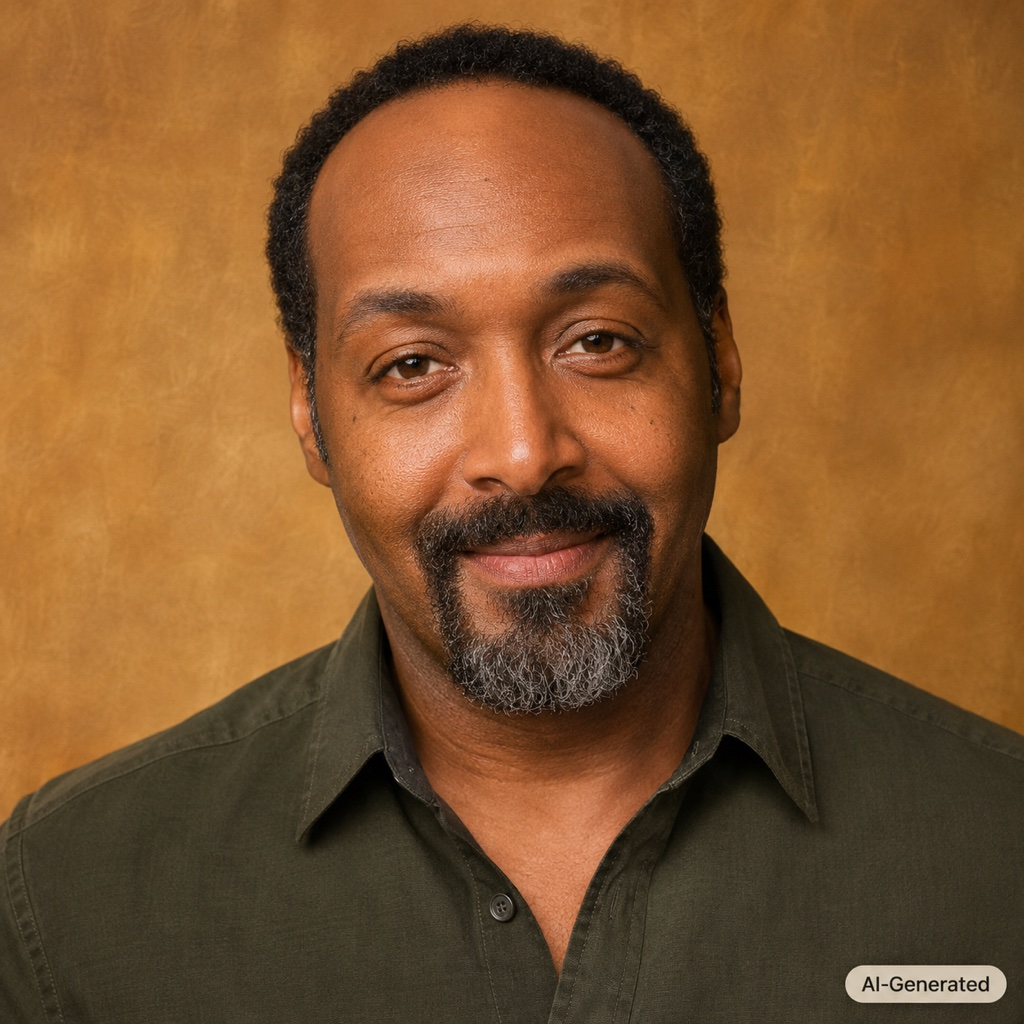
AI-Generated portrait of Jesse L. Martin

AI-generated editorial portrait.

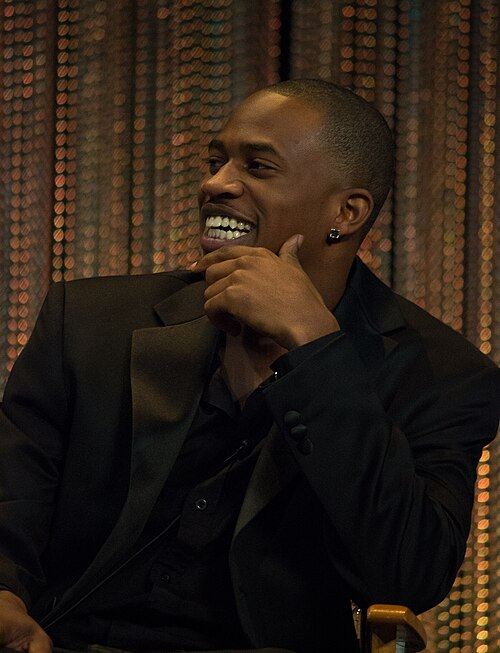
Jesse L. Martin

Joe West

Jesse L. Martin’s present religious affiliation is unconfirmed in the sources reviewed here. His stage and television roles do not establish a personal Christian testimony.

AI-Generated portrait of Rick Cosnett

AI-generated editorial portrait.

Rick Cosnett

Eddie Thawne / Cobalt Blue

Rick Cosnett’s current religion and a personal profession of Christian faith are not established by the sources reviewed for this profile.
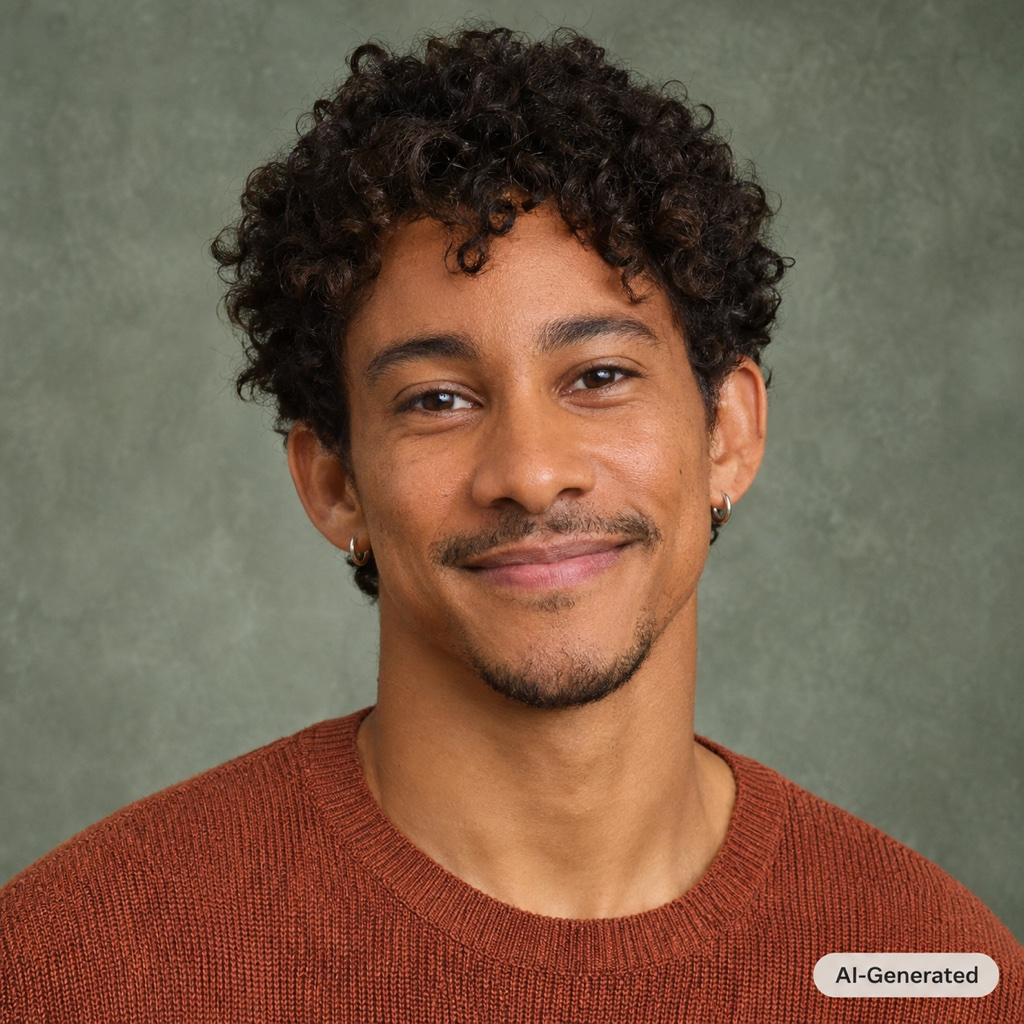
AI-Generated portrait of Keiynan Lonsdale

AI-generated editorial portrait.

Keiynan Lonsdale

Wally West / Kid Flash

Keiynan Lonsdale has spoken about spirituality and feeling spiritually led in his creative work. Those comments do not establish a specific religion or a profession of biblical Christianity.

AI-Generated portrait of Danielle Nicolet

AI-generated editorial portrait.

Danielle Nicolet

Cecile Horton

Danielle Nicolet’s current religion is unconfirmed in the sources reviewed here. Faith-related film titles and ordinary expressions about faith do not establish a Christian profession.

AI-Generated portrait of Jessica Parker Kennedy

AI-generated editorial portrait.

Jessica Parker Kennedy

Nora West-Allen / XS

Jessica Parker Kennedy has a documented Jewish upbringing and married in a Jewish ceremony. Those facts do not establish her current level of observance or a profession of Christian faith.

AI-Generated portrait of Kayla Compton

AI-generated editorial portrait.

Kayla Compton

Allegra Garcia

Kayla Compton’s present religious affiliation and a clear personal profession of Christian faith remain unconfirmed in the reliable sources reviewed here.
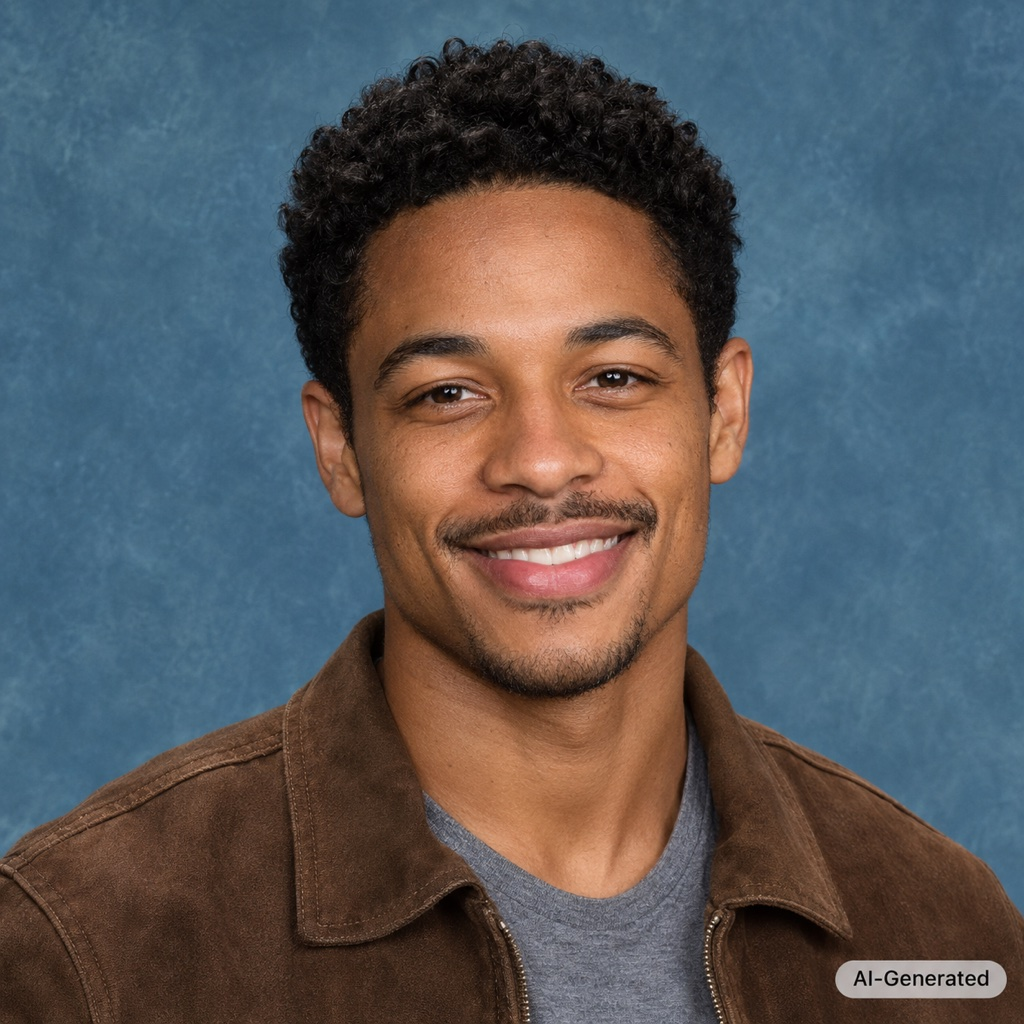
AI-Generated portrait of Brandon McKnight

AI-generated editorial portrait.

Brandon McKnight

Chester P. Runk

Brandon McKnight’s religion is unconfirmed in the reviewed public sources. His professional and personal-growth discussions do not establish a denomination or a Christian testimony.

AI-Generated portrait of Hartley Sawyer

AI-generated editorial portrait.

Hartley Sawyer

Ralph Dibny / Elongated Man

Hartley Sawyer’s current religion is not established by the sources reviewed here. A character’s redemption story is not evidence of the actor’s personal Christian faith.

Family, allies, and mentors

This group includes family connections, experienced guides, and people who contribute from outside the central team. It also shows the variety of the cast’s other work, from Broadway and legal drama to films with religious themes. Those professional connections deserve attention without being used as shortcuts to a religious label.
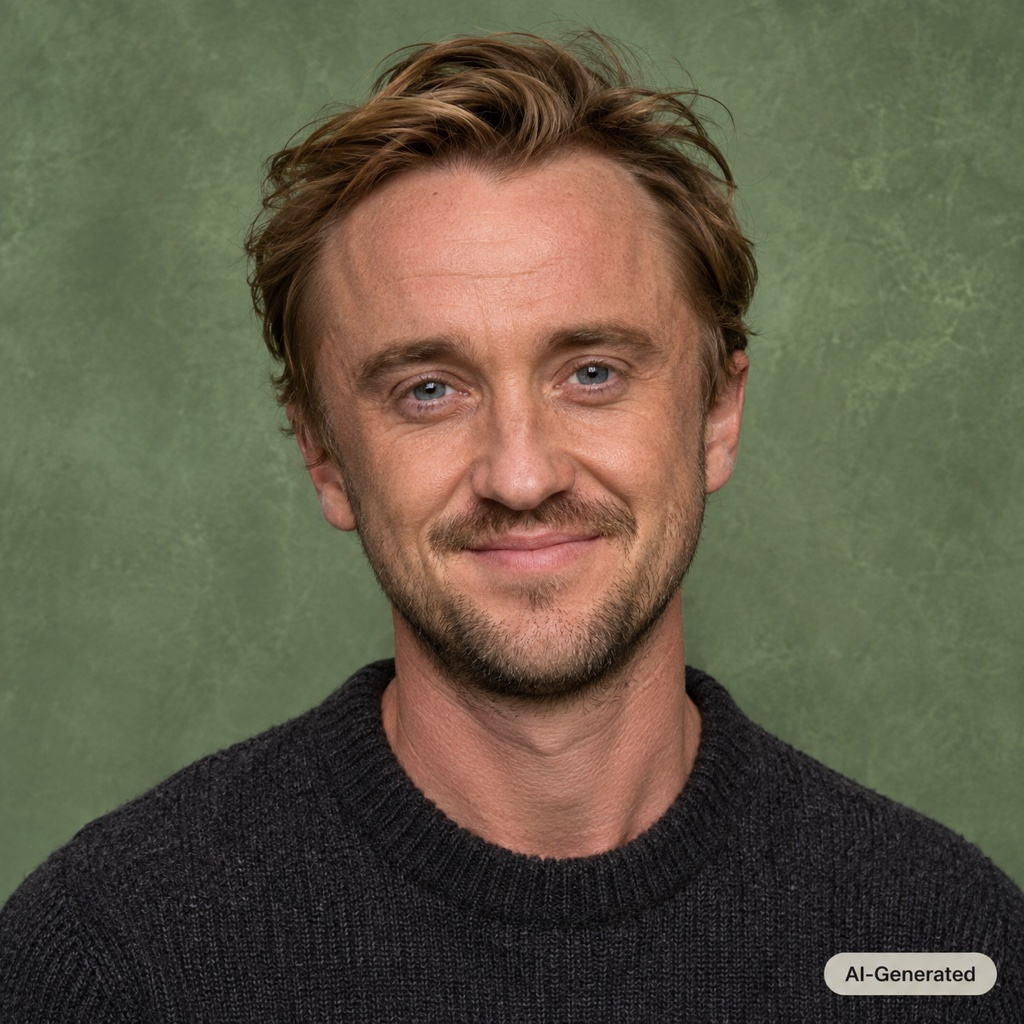
AI-Generated portrait of Tom Felton

AI-generated editorial portrait.

Tom Felton

Julian Albert / Alchemy

Tom Felton has described an Anglican upbringing and an agnostic outlook in historical interviews about Risen. Those comments do not establish a current profession of Christian faith.
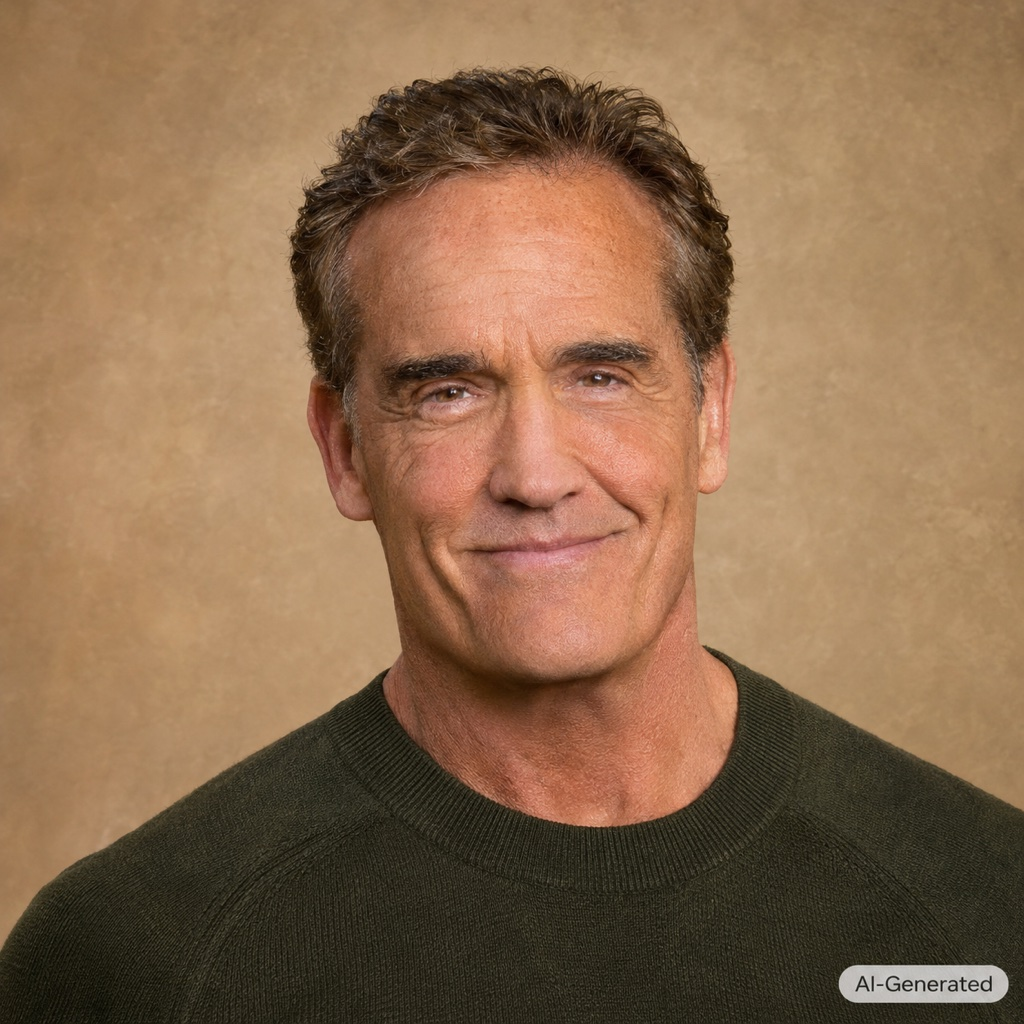
AI-Generated portrait of John Wesley Shipp

AI-generated editorial portrait.

John Wesley Shipp

Henry Allen / Jay Garrick

John Wesley Shipp has documented Baptist family roots and a reported church connection. These facts do not establish every present belief or make a religious label proof of salvation.

AI-Generated portrait of Michelle Harrison

AI-generated editorial portrait.

Michelle Harrison

Nora Allen / Speed Force

Michelle Harrison’s current religion and a personal profession of Christian faith are not established by the public sources reviewed here.

AI-Generated portrait of Violett Beane

AI-generated editorial portrait.

Violett Beane

Jesse Wells / Jesse Quick

Violett Beane has described being raised Quaker and has spoken about uncertainty regarding religion and spirituality. Those historical comments do not establish a current Christian profession.

AI-Generated portrait of Jordan Fisher

AI-generated editorial portrait.

Jordan Fisher

Bart West-Allen / Impulse

Jordan Fisher’s current religion and an explicit personal Christian profession are not established by the reliable sources reviewed here. Unsourced biography labels are not sufficient confirmation.

AI-Generated portrait of Robbie Amell

AI-generated editorial portrait.

Robbie Amell

Ronnie Raymond / Firestorm

Robbie Amell’s present religious affiliation is unconfirmed in the reliable sources reviewed here. Claims about a Jewish upbringing were not supported here by a traceable personal statement.
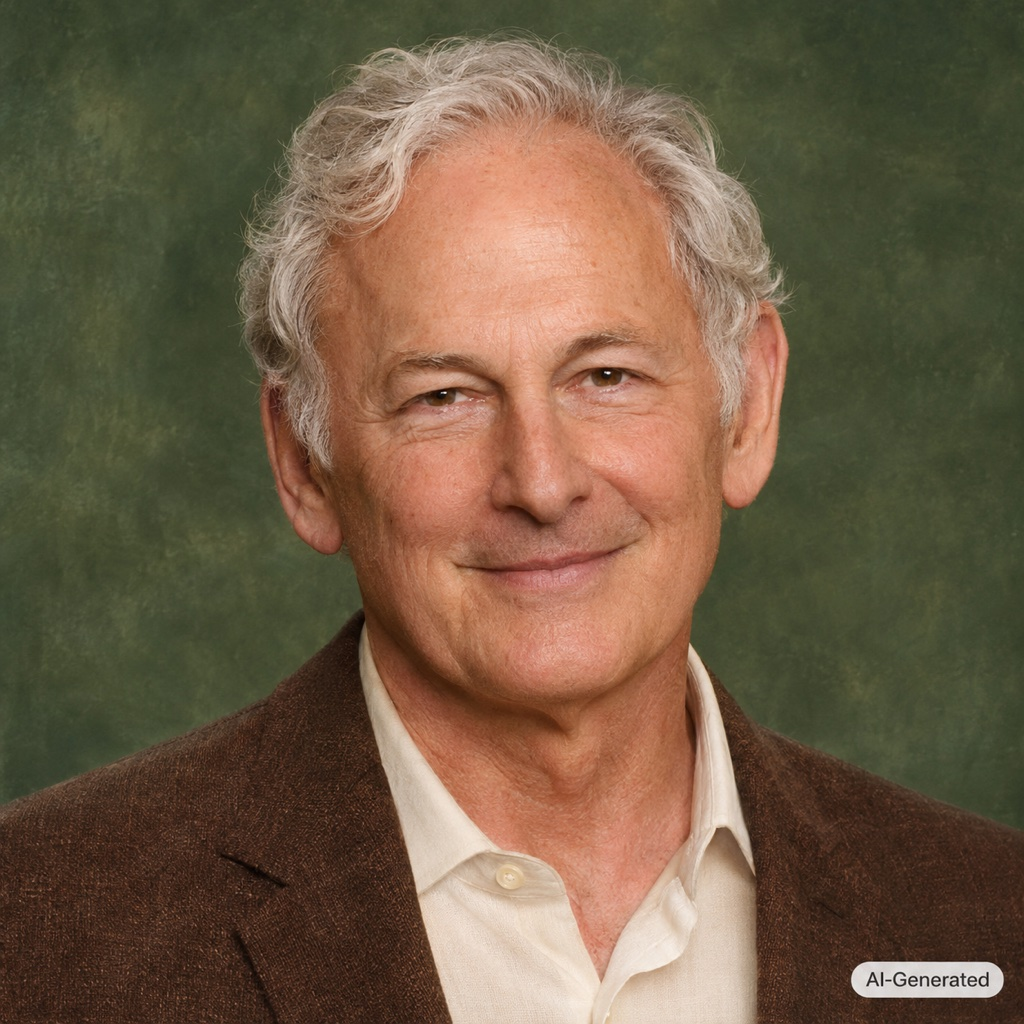
AI-Generated portrait of Victor Garber

AI-generated editorial portrait.

Victor Garber

Martin Stein / Firestorm

Victor Garber has publicly discussed his Jewish family background. That background and his role as Jesus in Godspell do not establish a personal profession of Christian faith.
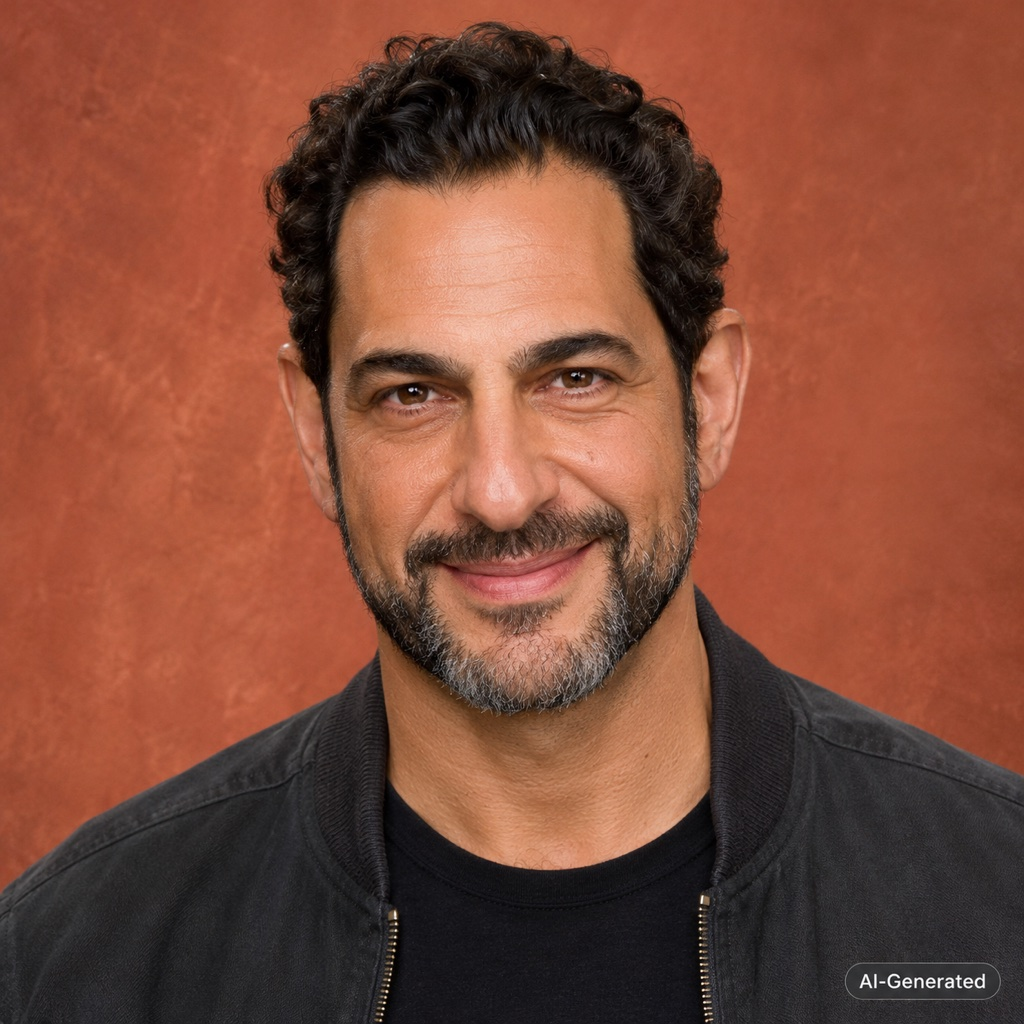
AI-Generated portrait of Patrick Sabongui

AI-generated editorial portrait.

Patrick Sabongui

David Singh

Patrick Sabongui’s current religious affiliation and a clear personal Christian profession are unconfirmed in the reviewed sources. Heritage and fictional characters do not establish religion.

Major rivals and other powerful figures

The series gives many memorable performances to people playing rivals, complicated allies, and figures with extraordinary power. Their moral choices belong to the fiction. An actor who convincingly portrays an antagonist may have publicly discussed faith, while an admirable screen character tells us little about its performer’s private beliefs.
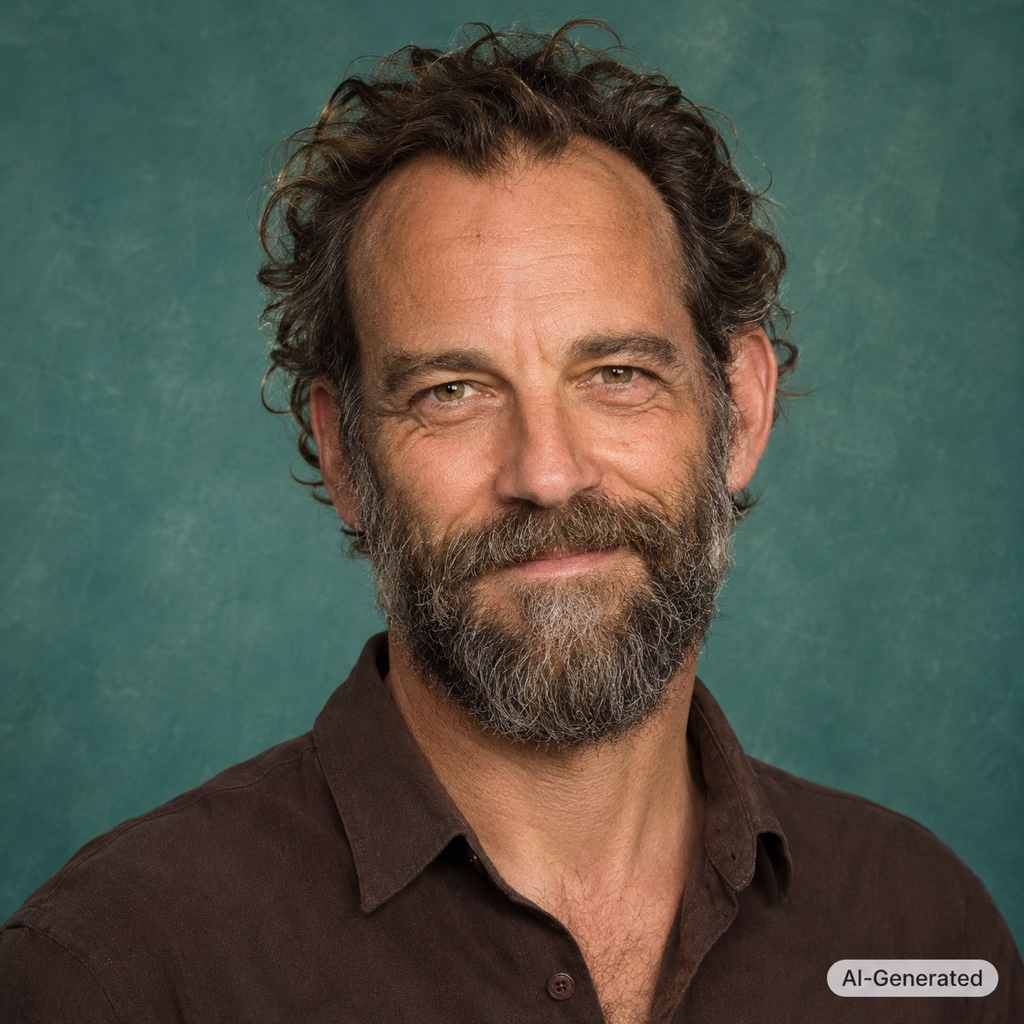
AI-Generated portrait of Neil Sandilands

AI-generated editorial portrait.

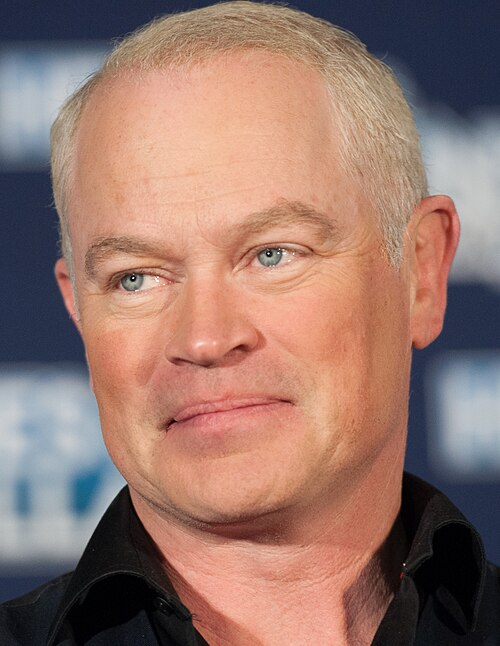
Neil Sandilands

Clifford DeVoe / The Thinker

Neil Sandilands’s current religious affiliation and a clear personal profession of Christian faith remain unconfirmed in the sources reviewed here.
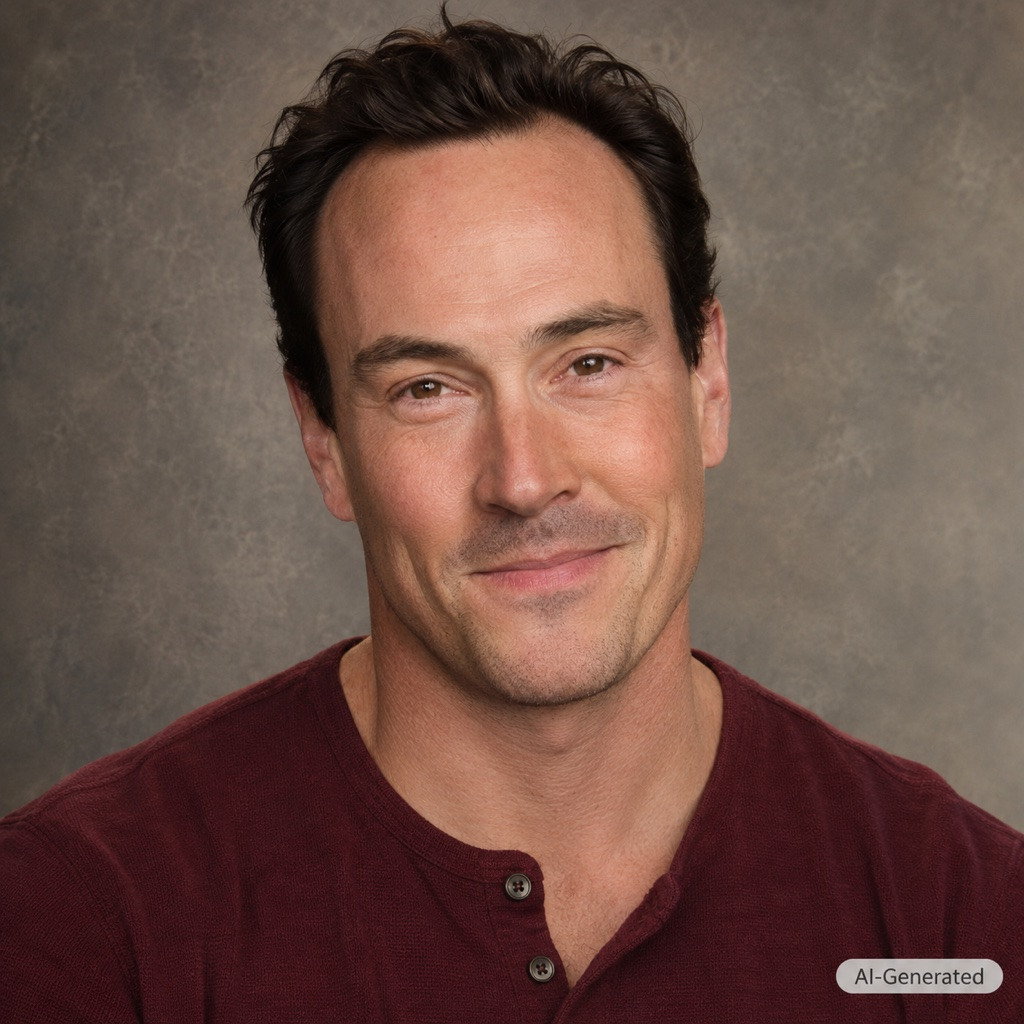
AI-Generated portrait of Chris Klein

AI-generated editorial portrait.

Chris Klein

Orlin Dwyer / Cicada

Chris Klein has described a Catholic upbringing and discussed Christian-themed work in a 2026 interview. Those statements do not establish a complete present doctrinal position or, by themselves, a saving faith in Christ.

AI-Generated portrait of Efrat Dor

AI-generated editorial portrait.

Efrat Dor

Eva McCulloch / Mirror Monarch

Efrat Dor has a documented Jewish family background. Her present religious observance and a personal profession of Christian faith are not established by the sources reviewed here.

AI-Generated portrait of Jon Cor

AI-generated editorial portrait.

Jon Cor

Mark Blaine / Chillblaine

Jon Cor’s current religion is unconfirmed in the sources reviewed here. His work in supernatural dramas and Christmas entertainment does not establish personal Christian faith.
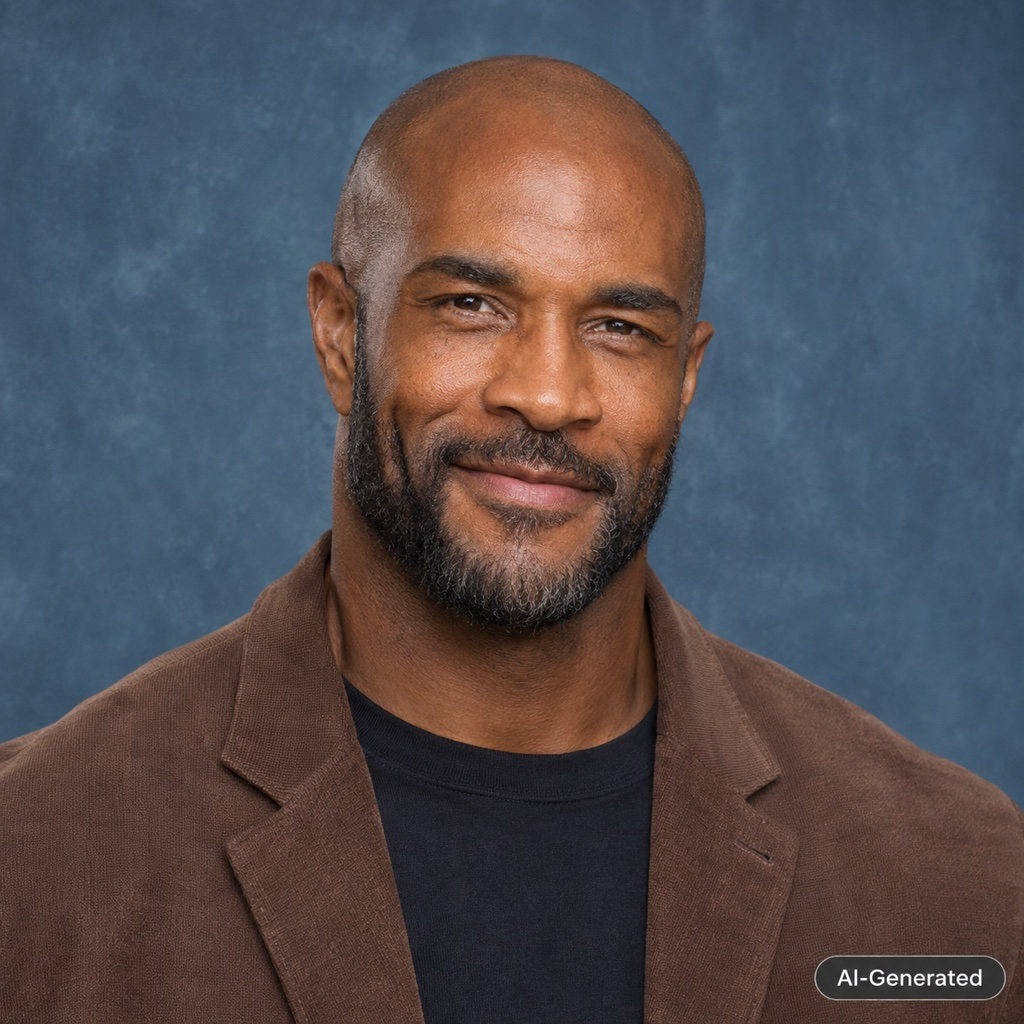
AI-Generated portrait of LaMonica Garrett

AI-generated editorial portrait.

LaMonica Garrett

The Monitor / Anti-Monitor

LaMonica Garrett has explicitly identified himself as Christian in a published endorsement and described sharing what Jesus has done for him. That documents a public Christian profession.

AI-Generated portrait of Teddy Sears

AI-generated editorial portrait.

Teddy Sears

Hunter Zolomon / Zoom

Teddy Sears has spoken about faith in a historical career interview, but the reviewed material does not establish a denomination or an explicit personal Christian profession.
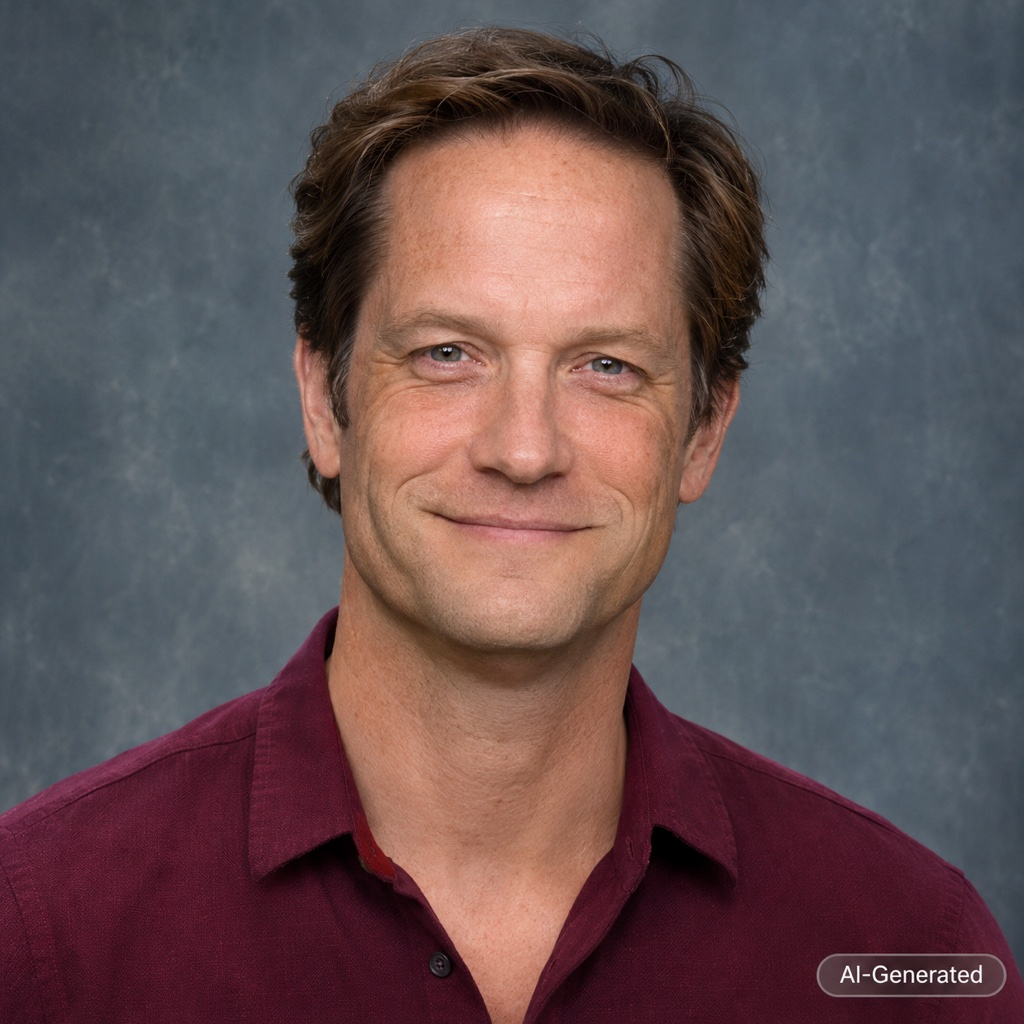
AI-Generated portrait of Matt Letscher

AI-generated editorial portrait.

Matt Letscher

Eobard Thawne / Reverse-Flash

Matt Letscher’s current religious affiliation and a clear personal profession of Christian faith remain unconfirmed in the public sources reviewed here.

AI-Generated portrait of Wentworth Miller

AI-generated editorial portrait.

Wentworth Miller

Leonard Snart / Captain Cold

Wentworth Miller has said he did not grow up within one particular religion. The reviewed sources do not establish a current denomination or a profession of Christian faith.
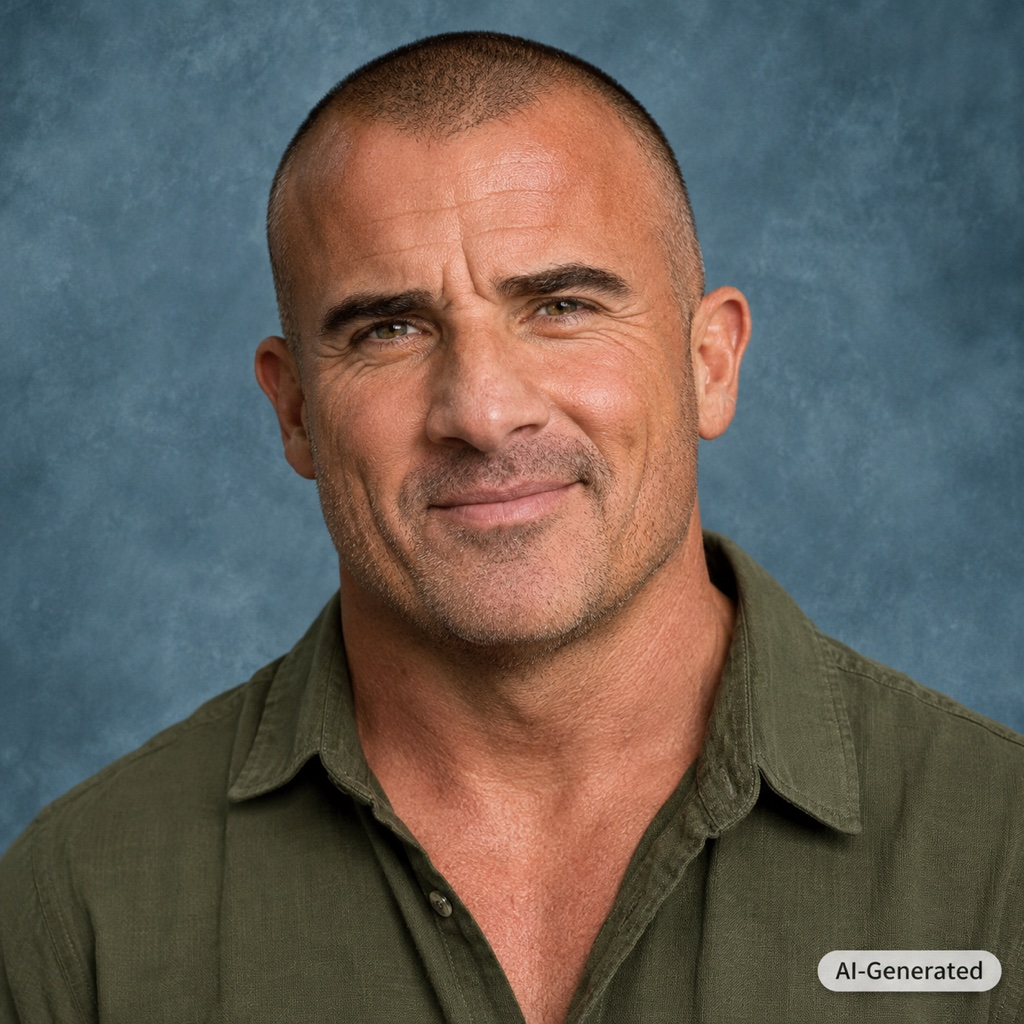
AI-Generated portrait of Dominic Purcell

AI-generated editorial portrait.

Dominic Purcell

Mick Rory / Heat Wave

Dominic Purcell’s current religious affiliation and a clear personal profession of Christian faith remain unconfirmed in the sources reviewed here.

What does The Flash cast believe?

The evidence differs substantially among the performers. LaMonica Garrett has explicitly identified himself as Christian in a published statement. Other profiles document a Catholic family background, Jewish heritage, a Quaker upbringing, or broader spiritual language. Several current affiliations remain unconfirmed. Those differences should be reported clearly rather than replaced with a single convenient answer about the whole cast.

A direct statement about belief deserves more weight than a copied biography label. A dated statement should retain its date, and a wedding or childhood tradition should not be turned into a complete account of present doctrine. The individual profiles link their sources so readers can see both the evidence and its limits. An unanswered question is more honest than a confident claim that the available material cannot support.

Religious labels and biblical Christianity

Famous Faith’s position is that salvation is by God’s grace alone through faith in Jesus Christ alone. Some people classify Catholicism as a branch of Christianity; that classification does not settle disagreements about the gospel or establish any particular person’s salvation. We report Catholic background where documented without treating a religious institution, ceremony, family tradition, or personal merit as a substitute for Christ.

The same care applies to every other label. A person can have a significant religious heritage without affirming every teaching associated with it. Playing a pastor, appearing in a film about Jesus, or working on a show with God in its title is not proof of personal faith. Nor does playing a villain establish unbelief. The question concerns the real person’s own convictions, and we do not claim to know anyone’s heart.

Heroism, second chances, and the gospel

The Flash repeatedly asks what people will do with power and whether a damaged relationship or a terrible mistake can be repaired. Those themes can encourage worthwhile reflection. Scripture also takes wrongdoing seriously, but its answer is not that a person becomes fast enough, clever enough, or admired enough to erase guilt. Romans 3:23 says all have sinned.

Christian hope rests on Jesus Christ dying for sinners and rising bodily from the dead (1 Corinthians 15:3–4). Salvation is received by grace through faith, apart from works (Ephesians 2:8–9). A changed life follows as the fruit of faith; it does not purchase forgiveness. A fictional hero’s sacrifice can be emotionally powerful, but it should not replace the actual saving work of Christ.

Enjoy the performances, follow the sources, and keep the difference between actor and character clear. The reflections in these profiles are Famous Faith’s own biblical commentary. They are not presented as beliefs held by every actor, intended messages from the production, or an endorsement of the show’s supernatural ideas.

Sources and image disclosures

Series and cast context: DC’s The Flash series listing and the cast and character guide. The individual profiles link their biographical sources, interviews, published statements, and historical religious evidence.

Cover and all 30 cast portraits: AI-generated editorial images created for Famous Faith and labeled AI-Generated. The portraits are illustrations representing the performers, not photographs. The original city cover uses the show’s name as plain text and does not use official logos, emblems, costumes, or promotional artwork. No endorsement by the cast, producers, or rights holders is implied.


Browse more people and show groups on Famous Faith.

Reacher Cast: Religion, Faith, and What the Bible Says

REACHER in large bold letters over an AI-generated painted open-road scene, labeled AI-Generated

AI-generated editorial cover; not official show artwork.

Explore 31 Reacher cast profiles across seasons 1–4. Alan Ritchson’s Jack Reacher anchors a changing ensemble of investigators, allies, and adversaries. This guide brings the people behind those roles together with linked portraits, documented public statements about religion, and a biblical perspective on faith. The cards are grouped by the season in which the featured character first appears; recurring performers are listed once.

An actor’s screen role is not a religious testimony. A fictional hero may show courage without telling us whether the performer trusts Christ. An actor playing a ruthless antagonist may have publicly discussed faith. Each individual profile separates professional credits from personal statements and makes uncertainty visible. Use the portraits or names to open the complete profiles and their linked sources.

Season 1: Margrave and the people who started the story

The opening ensemble includes Jack Reacher, Frances Neagley, Oscar Finlay, and Roscoe Conklin, alongside the people connected to the Margrave investigation. Alan Ritchson and Maria Sten also have roles beyond this first-season grouping. The younger Reacher is listed with the actor who portrays him.

AI-Generated portrait of Alan Ritchson

AI-generated editorial portrait.

Alan Ritchson

Jack Reacher

Alan Ritchson publicly professes Christian faith. Explore his statements, Catholic upbringing, and the distinction between a religious label and salvation through Christ.

AI-Generated portrait of Maria Sten

AI-generated editorial portrait.

Maria Sten

Frances Neagley

Maria Sten’s religion is not confirmed in the reliable public sources reviewed for this profile. We have not established a clear personal profession of Christian faith or a current denomination.

AI-Generated portrait of Malcolm Goodwin

AI-generated editorial portrait.

Malcolm Goodwin

Oscar Finlay

Malcolm Goodwin has described himself as a person of faith. His public comments establish that faith matters to him, but the interview reviewed here does not establish a complete Christian profession or denomination.

AI-Generated portrait of Willa Fitzgerald

AI-generated editorial portrait.

Willa Fitzgerald

Roscoe Conklin

Willa Fitzgerald’s religion is not confirmed in the reliable public sources reviewed for this profile. We have not established a clear personal profession of Christian faith or a current denomination.

AI-Generated portrait of Chris Webster

AI-generated editorial portrait.

Chris Webster

KJ Kliner

Chris Webster’s religion is not confirmed in the reliable public sources reviewed for this profile. We have not established a clear personal profession of Christian faith or a current denomination.

AI-Generated portrait of Bruce McGill

AI-generated editorial portrait.

Bruce McGill

Mayor Grover Teale

Bruce McGill’s religion is not confirmed in the reliable public sources reviewed for this profile. We have not established a clear personal profession of Christian faith or a current denomination.

AI-Generated portrait of Hugh Thompson

AI-generated editorial portrait.

Hugh Thompson

Baker

Hugh Thompson’s religion is not confirmed in the reliable public sources reviewed for this profile. We have not established a clear personal profession of Christian faith or a current denomination.

AI-Generated portrait of Kristin Kreuk

AI-generated editorial portrait.

Kristin Kreuk

Charlie Hubble

Kristin Kreuk’s religion is not confirmed in the reliable public sources reviewed for this profile. We have not established a clear personal profession of Christian faith or a current denomination.

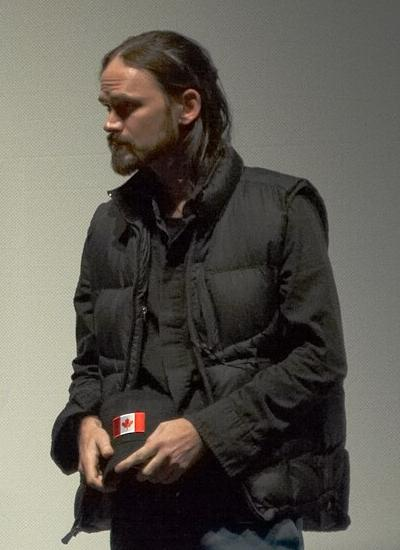
Currie Graham performing at a live event in 2009

Photograph: taraplatt / Wikimedia Commons, CC BY-SA 2.0; cropped. Full credit below.

Currie Graham

Kliner Sr.

Currie Graham’s religion is not confirmed in the reliable public sources reviewed for this profile. We have not established a clear personal profession of Christian faith or a current denomination.

AI-Generated portrait of Harvey Guillén

AI-generated editorial portrait.

Harvey Guillén

Jasper

Harvey Guillén’s religion is not confirmed in the reliable public sources reviewed for this profile. We have not established a clear personal profession of Christian faith or a current denomination.

AI-Generated portrait of Maxwell Jenkins

AI-generated editorial portrait.

Maxwell Jenkins

Young Jack Reacher

Maxwell Jenkins’s religion is not confirmed in the reliable public sources reviewed for this profile. We have not established a clear personal profession of Christian faith or a current denomination.

Season 2: Old colleagues and new threats

The second-season collection brings together members of Reacher’s former team and major figures in the investigation surrounding them. Loyalty is central to the story, but loyalty to a fictional team does not establish an actor’s religious beliefs. Follow each profile for the evidence about the individual performer.

AI-Generated portrait of Serinda Swan

AI-generated editorial portrait.

Serinda Swan

Karla Dixon

Serinda Swan’s religion is not confirmed in the reliable public sources reviewed for this profile. We have not established a clear personal profession of Christian faith or a current denomination.

AI-Generated portrait of Shaun Sipos

AI-generated editorial portrait.

Shaun Sipos

David O’Donnell

Shaun Sipos’s religion is not confirmed in the reliable public sources reviewed for this profile. We have not established a clear personal profession of Christian faith or a current denomination.

AI-Generated portrait of Ferdinand Kingsley

AI-generated editorial portrait.

Ferdinand Kingsley

A.M.

Ferdinand Kingsley’s religion is not confirmed in the reliable public sources reviewed for this profile. We have not established a clear personal profession of Christian faith or a current denomination.

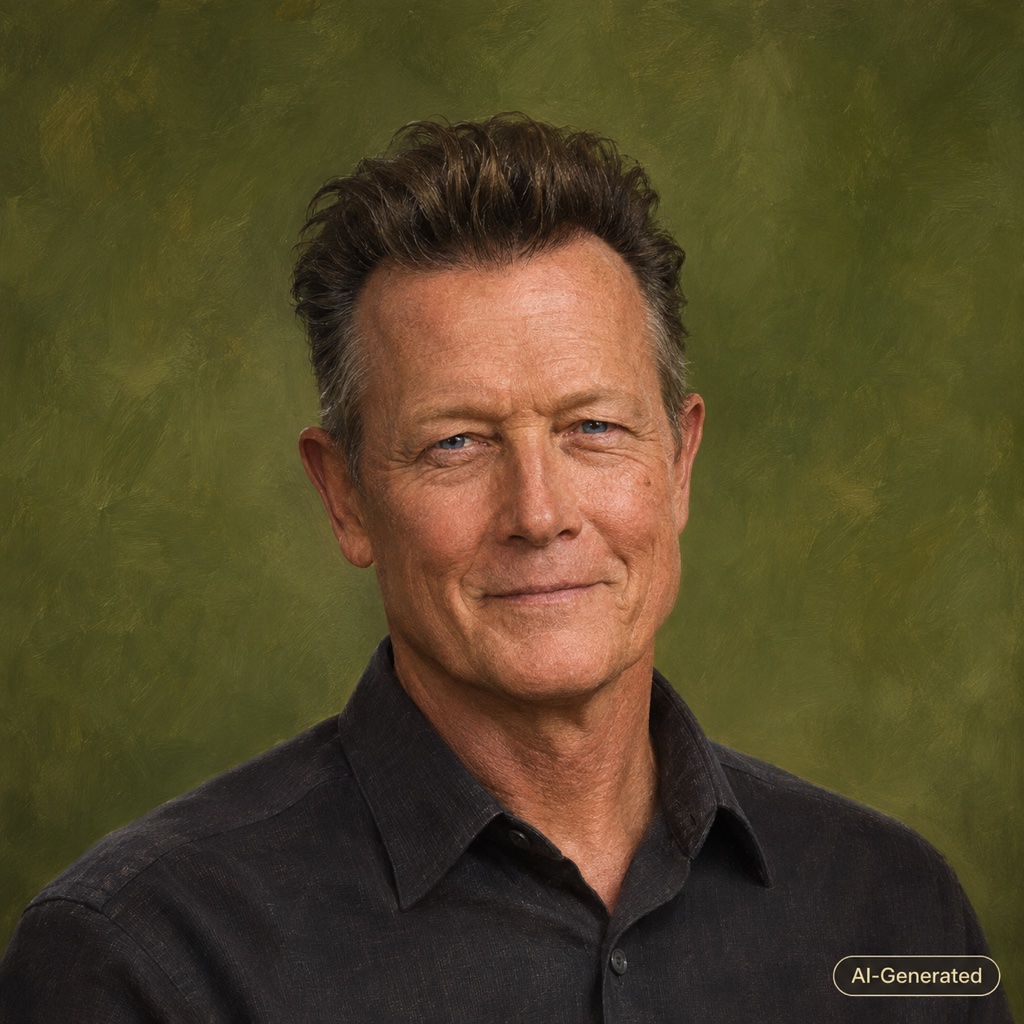
AI-Generated portrait of Robert Patrick

AI-generated editorial portrait.

Robert Patrick

Shane Langston

Robert Patrick has publicly identified with the Anglican-Episcopal tradition. That establishes a stated affiliation; it does not independently settle every question about his beliefs or salvation.

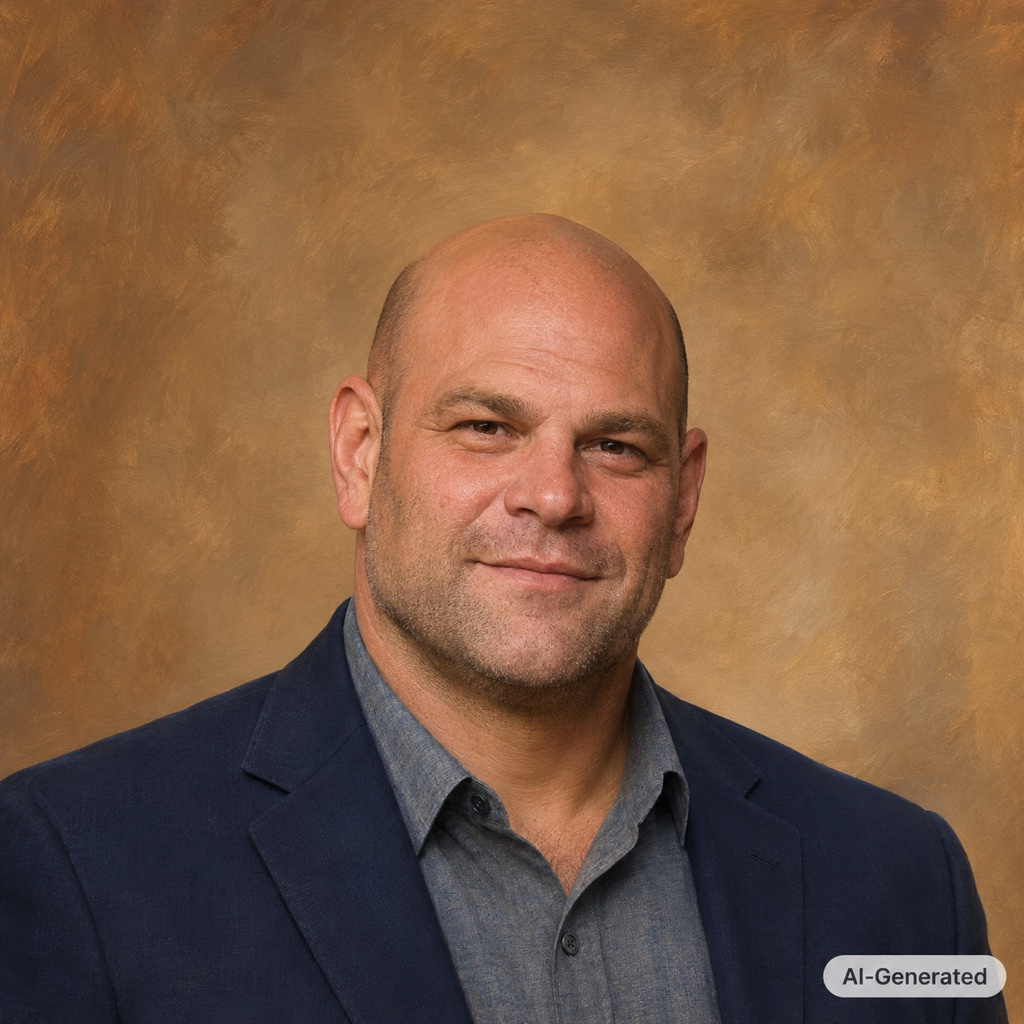
AI-Generated portrait of Domenick Lombardozzi

AI-generated editorial portrait.

Domenick Lombardozzi

Guy Russo

Domenick Lombardozzi’s religion is not confirmed in the reliable public sources reviewed for this profile. We have not established a clear personal profession of Christian faith or a current denomination.

Season 3: The Beck operation

The third-season cast includes investigators, members of the Beck household, and the formidable Paulie. Their stories raise questions about courage, deception, and responsibility. Those themes are discussed as Christian reflections, with care to distinguish the site’s biblical explanation from the actors’ own statements.

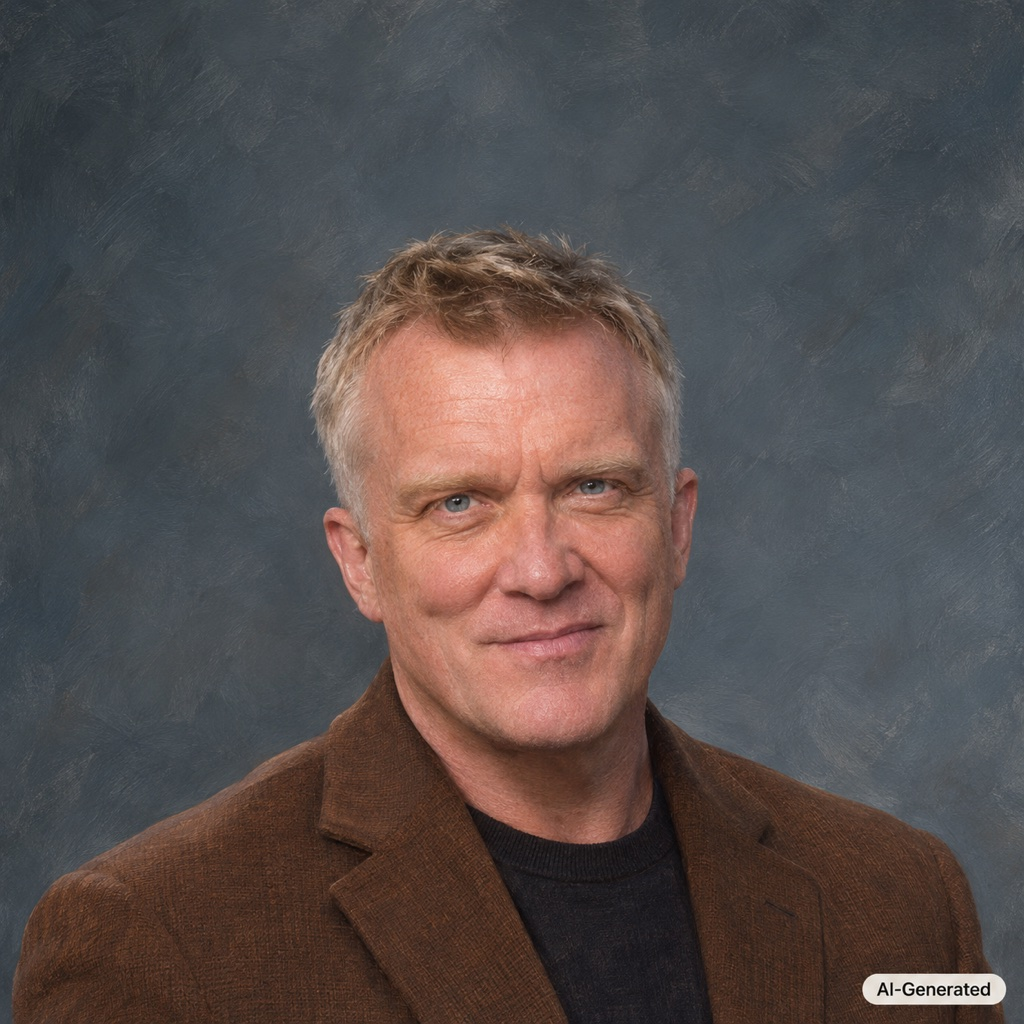
AI-Generated portrait of Anthony Michael Hall

AI-generated editorial portrait.

Anthony Michael Hall

Zachary Beck

Anthony Michael Hall has publicly discussed a Catholic background and belief in God. Those statements are documented, but they do not establish every aspect of his present theology.

AI-Generated portrait of Sonya Cassidy

AI-generated editorial portrait.

Sonya Cassidy

Susan Duffy

Sonya Cassidy’s religion is not confirmed in the reliable public sources reviewed for this profile. We have not established a clear personal profession of Christian faith or a current denomination.

AI-Generated portrait of Brian Tee

AI-generated editorial portrait.

Brian Tee

Francis Xavier Quinn

Brian Tee said in a 2024 interview that he was not religious, while also describing spiritual responses to grief. That is stronger evidence than an unsupported Christian label.

AI-Generated portrait of Johnny Berchtold

AI-generated editorial portrait.

Johnny Berchtold

Richard Beck

Johnny Berchtold’s religion is not confirmed in the reliable public sources reviewed for this profile. We have not established a clear personal profession of Christian faith or a current denomination.

AI-Generated portrait of Roberto Montesinos

AI-generated editorial portrait.

Roberto Montesinos

Guillermo Villanueva

Roberto Montesinos’s religion is not confirmed in the reliable public sources reviewed for this profile. We have not established a clear personal profession of Christian faith or a current denomination.

AI-Generated portrait of Olivier Richters

AI-generated editorial portrait.

Olivier Richters

Paulie

Olivier Richters’s religion is not confirmed in the reliable public sources reviewed for this profile. We have not established a clear personal profession of Christian faith or a current denomination.

AI-Generated portrait of Daniel David Stewart

AI-generated editorial portrait.

Daniel David Stewart

Steven Elliot

Daniel David Stewart’s religion is not confirmed in the reliable public sources reviewed for this profile. We have not established a clear personal profession of Christian faith or a current denomination.

Season 4: New York and a wider conspiracy

The fourth-season collection introduces a new group of allies and adversaries. It includes actors with long television careers and internationally known musicians. Their public religious histories vary, and several affiliations remain unconfirmed. The profiles preserve those differences rather than assigning everyone the same spiritual label.

AI-Generated portrait of Sydelle Noel

AI-generated editorial portrait.

Sydelle Noel

Tamara Green

Sydelle Noel’s religion is not confirmed in the reliable public sources reviewed for this profile. We have not established a clear personal profession of Christian faith or a current denomination.

AI-Generated portrait of Agnez Mo

AI-generated editorial portrait.

Agnez Mo

Lila Hoth

Agnez Mo has publicly identified herself as Christian and has spoken about faith in God. Her statements support that identification, while leaving her current denomination and detailed beliefs unconfirmed.

AI-Generated portrait of Anggun

AI-generated editorial portrait.

Anggun

Amisha Hoth

Anggun has described a Muslim upbringing, Catholic schooling, and an interest in Buddhism in a historical interview. Her current religious affiliation and a personal profession of Christian faith are not established by the sources reviewed.

AI-Generated portrait of Christopher Rodriguez-Marquette

AI-generated editorial portrait.

Christopher Rodriguez-Marquette

Jacob Merrick

Christopher Rodriguez-Marquette’s religion is not confirmed in the reliable public sources reviewed for this profile. We have not established a clear personal profession of Christian faith or a current denomination.

AI-Generated portrait of Kevin Corrigan

AI-generated editorial portrait.

Kevin Corrigan

Shaun Docherty

Kevin Corrigan’s religion is not confirmed in the reliable public sources reviewed for this profile. We have not established a clear personal profession of Christian faith or a current denomination.

AI-Generated portrait of Kevin Weisman

AI-generated editorial portrait.

Kevin Weisman

Russell Plum

Kevin Weisman has publicly discussed his Jewish identity. The reviewed sources do not establish a specific denomination, level of religious observance, or a personal profession of Christian faith.

AI-Generated portrait of Marc Blucas

AI-generated editorial portrait.

Marc Blucas

John Sampson

Marc Blucas’s religion is not confirmed in the reliable public sources reviewed for this profile. We have not established a clear personal profession of Christian faith or a current denomination.

AI-Generated portrait of Kathleen Robertson

AI-generated editorial portrait.

Kathleen Robertson

Elspeth Sampson

Kathleen Robertson’s religion is not confirmed in the reliable public sources reviewed for this profile. We have not established a clear personal profession of Christian faith or a current denomination.

What does the cast believe?

The answer differs from person to person. Alan Ritchson has publicly discussed Christian faith, while other profiles document a denominational identification, a religious upbringing, or broader spiritual language. Some actors have not made a clear personal statement in the sources reviewed. We report those limits rather than treating silence as proof of unbelief. A dated interview also needs to remain dated; it should not be presented as a fresh account of every current conviction.

Religious language is worth examining carefully. A reference to God, attendance at a religious school, or a childhood church connection does not automatically establish personal trust in Jesus Christ. Neither does a charitable reputation. Famous Faith reports a person’s own statements while distinguishing them from the theological conclusions of this site. We do not claim to know an actor’s heart.

Christian faith, religious labels, and grace

Famous Faith’s position is that salvation is by God’s grace alone through faith in Jesus Christ alone. Some people regard Catholicism as a branch of Christianity; that classification does not settle disagreements about the gospel or establish any individual’s salvation. When a profile discusses a Catholic background, the label is reported as history or self-identification, not offered as proof of biblical faith. No institution, family tradition, ceremony, or human merit can save a sinner.

Romans 3:23 includes every person in the reality of sin. First Corinthians 15:3–4 points to Jesus Christ dying for sins and rising from the dead. Ephesians 2:8–9 describes salvation as God’s gift received through faith, apart from works. Good works follow genuine faith as its fruit; they do not buy forgiveness. These truths apply equally to celebrated actors and ordinary viewers, regardless of their background.

Justice on screen and justice before God

Reacher’s stories often begin with wrongdoing that powerful people hope will remain hidden. That can prompt worthwhile questions about truth, courage, and the responsibility to protect others. Scripture also warns against confusing a desire for justice with permission for personal vengeance. Romans 12:19 directs believers to leave final vengeance to God. A television thriller should be evaluated as entertainment, with discernment about its violence and moral choices.

A capable fictional investigator can expose a conspiracy, but cannot solve humanity’s deepest problem. The Christian hope rests in the real death and resurrection of Jesus, not in a hero’s strength or the satisfaction of seeing an antagonist defeated. Enjoying a performance need not mean endorsing every action in the script. The individual profiles use these story themes for reflection while keeping the performer’s actual beliefs separate.

Sources and image credits

Cast context: season 1 cast listing, Amazon’s season 2 introduction, Amazon’s season 3 character guide, and Radio Times’ season 4 cast guide. Individual profiles link their career and faith sources.

Cover and 30 cast portraits: AI-generated editorial illustrations created for Famous Faith, labeled AI-Generated; not photographs or official show artwork. Currie Graham photograph: taraplatt, via Wikimedia Commons, CC BY-SA 2.0; cropped and resized from the 2009 photograph. The crop is shared under the same license. No endorsement implied.

Browse more people and show groups on Famous Faith.

Suits Cast: Religion, Faith, and What the Bible Says

SUITS in large bold white letters over an AI-generated Manhattan law-office illustration

The people of Suits make arguments for a living, but questions about the actors’ faith require evidence rather than a persuasive guess. This guide brings together ten Famous Faith profiles, from the original ensemble to major later-season characters. Each profile distinguishes the actor’s public religious history from the beliefs of the lawyer or colleague played on screen. Follow the cards below for the sources, the limits of what is known, and a biblical reflection on the themes their characters raise.

Explore all ten Suits cast profiles

AI-Generated portrait of Gabriel Macht

AI-generated editorial portrait; not a photograph.

Gabriel Macht

Harvey Specter

Macht has a documented Jewish family background; that history does not establish his present religious practice or a Christian profession.

AI-Generated portrait of Patrick J. Adams

AI-generated editorial portrait; not a photograph.

Patrick J. Adams

Mike Ross

Adams has used church imagery when discussing the meaning of acting, but the reviewed interviews do not establish his personal religion.

AI-Generated portrait of Meghan Markle

AI-generated editorial portrait; not a photograph.

Meghan Markle

Rachel Zane

Markle’s 2018 baptism by the Archbishop of Canterbury is documented. That event does not disclose every aspect of her present beliefs.

AI-Generated portrait of Sarah Rafferty

AI-generated editorial portrait; not a photograph.

Sarah Rafferty

Donna Paulsen

Rafferty has discussed family and self-care, but the reviewed interviews do not establish a clear Christian profession or denomination.

AI-Generated portrait of Rick Hoffman

AI-generated editorial portrait; not a photograph.

Rick Hoffman

Louis Litt

Hoffman has publicly identified himself as Jewish. That statement does not supply a detailed account of his current religious practice.

AI-Generated portrait of Gina Torres

AI-generated editorial portrait; not a photograph.

Gina Torres

Jessica Pearson

Torres has directly described growing up Catholic. Her childhood background does not establish her current doctrine or a saving faith in Christ.

AI-Generated portrait of Wendell Pierce

AI-generated editorial portrait; not a photograph.

Wendell Pierce

Robert Zane

Pierce has publicly identified as Catholic and discussed struggles with faith. Famous Faith distinguishes that label from a profession of the biblical gospel.

AI-Generated portrait of Amanda Schull

AI-generated editorial portrait; not a photograph.

Amanda Schull

Katrina Bennett

Schull has starred in faith-themed entertainment, including The Blessing Bracelet. Her character’s beliefs do not establish her own religion.

AI-Generated portrait of Dulé Hill

AI-generated editorial portrait; not a photograph.

Dulé Hill

Alex Williams

Hill explicitly identified himself as Christian in a direct interview and described faith as his highest priority. The statement is reported with its date and limits.

Katherine Heigl — photograph by Luke Ford

Photograph by Luke Ford / Wikimedia Commons, CC BY-SA 2.5; cropped and resized.

Katherine Heigl

Samantha Wheeler

Heigl has discussed her Mormon upbringing and changes in her practice. Those statements do not establish a current profession of biblical Christianity.

What the public record can tell us

The evidence is different for each person. Some actors have directly named a religious identity. Others have described a childhood background, participated in a documented ceremony, or spoken broadly about faith without supplying a full doctrinal account. Those statements deserve to be reported at the level they actually support. An old interview should retain its date, and a family member’s religion should not become an assumed personal testimony.

A profile also needs room for uncertainty. Not finding a clear profession of faith does not prove that an actor rejects God. Likewise, a reference to church, a religious school, or a part in a faith-themed movie does not establish a saving trust in Jesus. Our purpose is to show the available evidence so readers can understand both what has been said and what remains private.

Catholic and Mormon backgrounds require careful distinctions

Several profiles discuss Catholic or Mormon history. Famous Faith does not treat either label as proof of biblical Christianity. Our position is that salvation is by grace alone through faith in Jesus Christ alone. Some people regard Catholicism as a branch of Christianity; that classification does not settle disagreements about the gospel. A person’s salvation rests on Christ, not on the religious label used or the institution attended.

These convictions should be explained accurately and respectfully. We should not assume an actor agrees with every doctrine associated with a childhood religion, and we cannot pronounce judgment on a heart we do not know. The relevant profiles distinguish documented statements from the site’s own theological explanation. That approach allows honesty about doctrine without inventing private beliefs.

Truth, ambition, and grace in Suits

The series gives viewers many reasons to think about conscience. Talent can conceal a secret for a time, loyalty can become pressure to compromise, and a desire for respect can turn into envy. Those are useful questions for self-examination. They are not a basis for accusing the cast of sharing every failing written into their characters. An actor’s performance and an actor’s personal confession are different kinds of evidence.

The Bible’s answer to guilt is not that a person can eventually make a stronger argument or accumulate enough admirable deeds. Romans 3:23 says all have sinned. First Corinthians 15:3–4 centers the gospel on Jesus dying for sins and rising again. Ephesians 2:8–9 says salvation is a gift of grace received through faith, apart from works. These truths apply to celebrated actors and ordinary viewers alike.

Enjoy the performances, explore the linked sources, and take the deeper questions to Scripture itself. A television drama may start a conversation about integrity, forgiveness, or hope. The gospel points beyond entertainment to the Savior who offers mercy to sinners. As cast members speak more clearly about faith, their individual profiles can be updated with their own words and the proper context.

Sources and image credits

Professional cast context: Netflix Tudum’s cast guide and Universal Pictures’ series listing. Direct interviews and religious-history sources are linked in each profile.

Cover and nine cast portraits: AI-generated editorial illustrations created for Famous Faith, labeled AI-Generated. They are not photographs or official show artwork. Katherine Heigl photograph: Luke Ford, via Wikimedia Commons, CC BY-SA 2.5; cropped square and resized. No endorsement is implied.
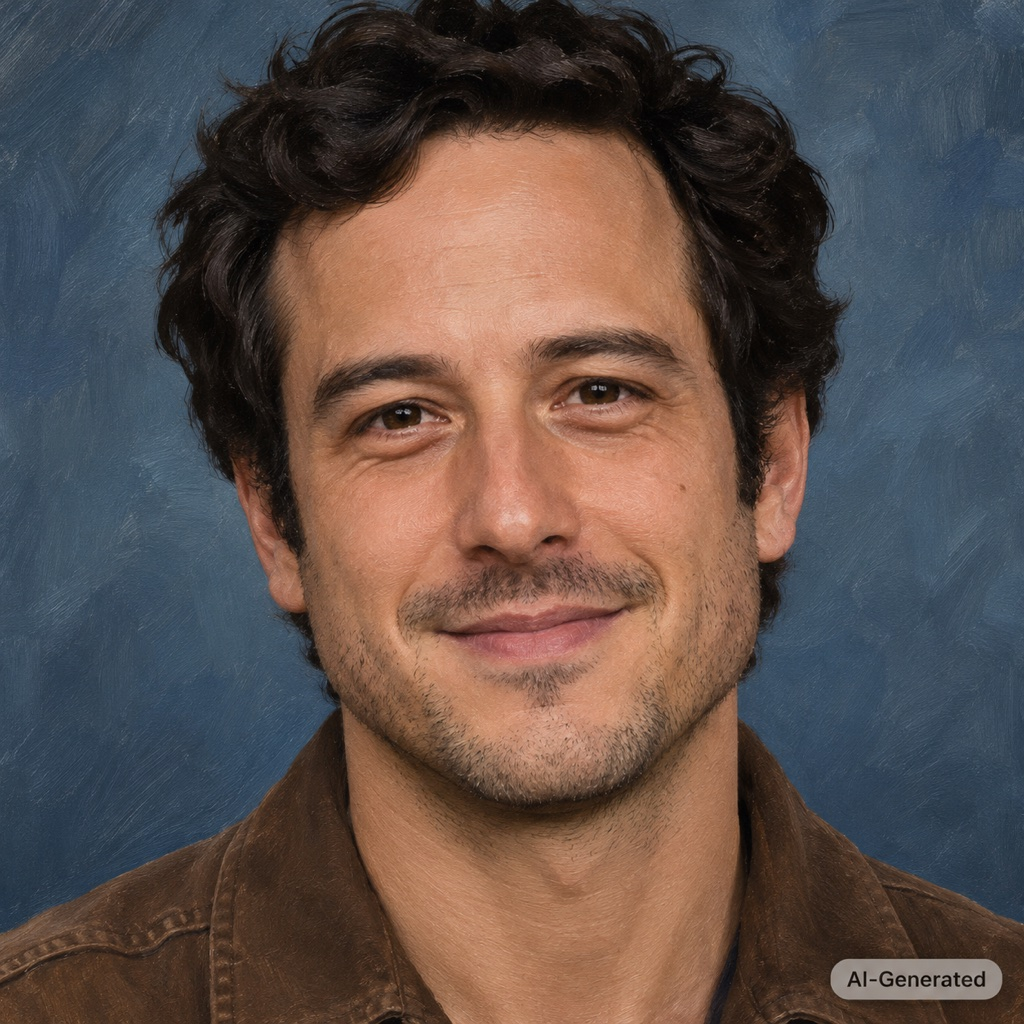
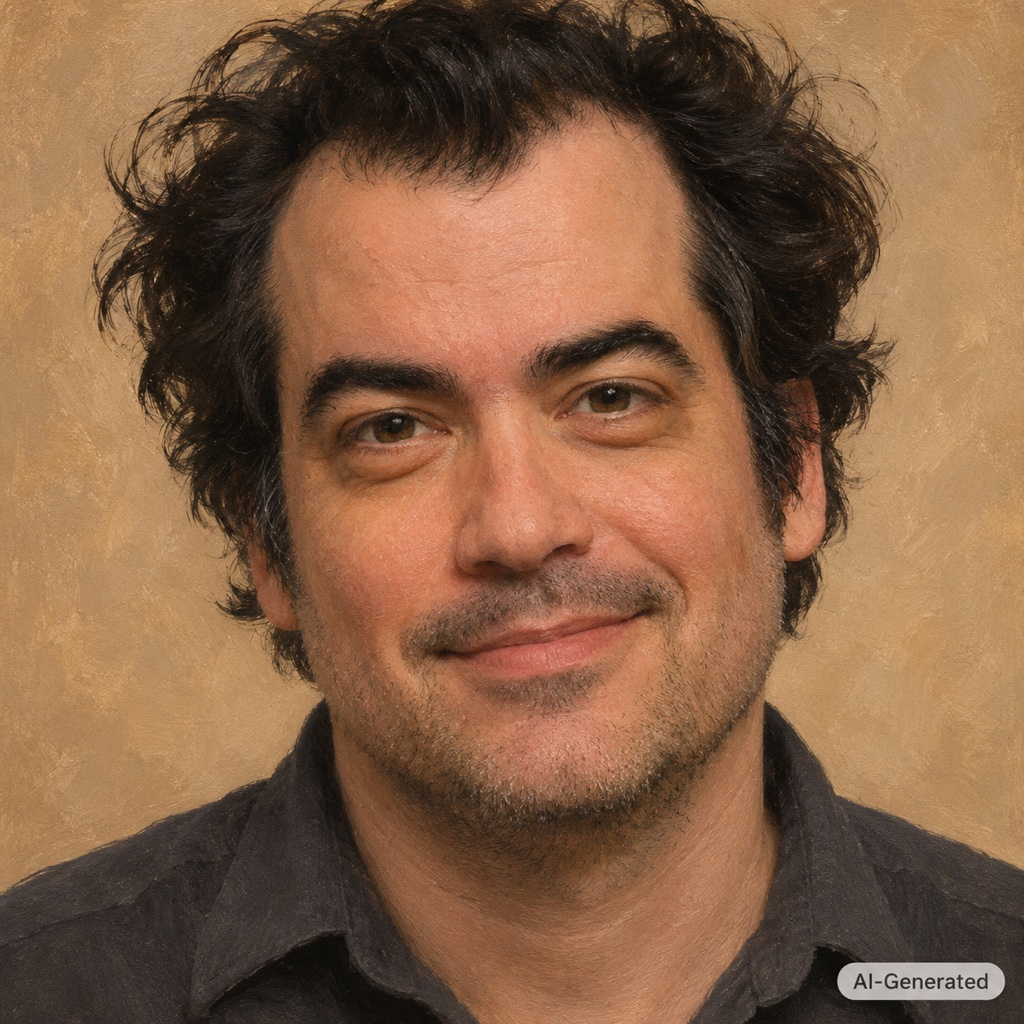
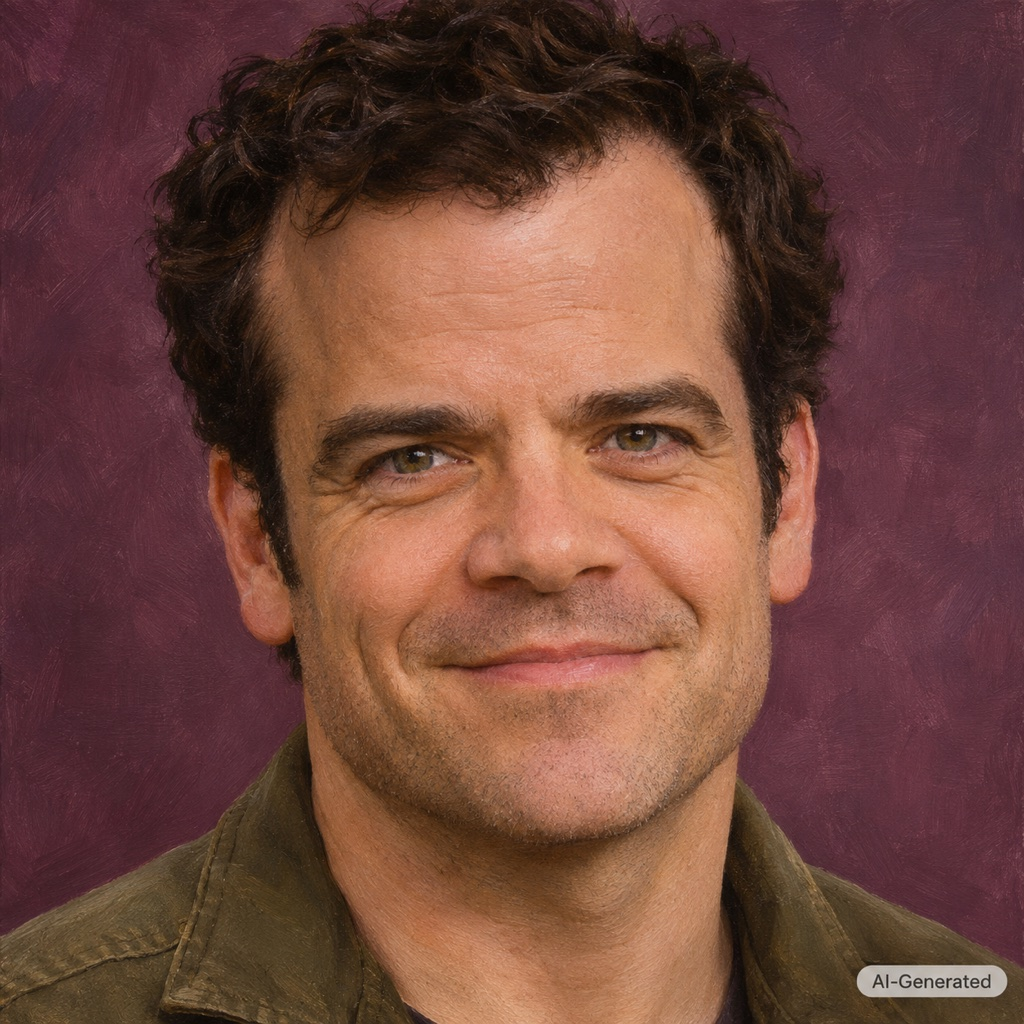
The Rookie Cast: What Are Their Religions? Who Is Christian?

THE ROOKIE in large bold white letters over an AI-generated Los Angeles police-station illustration

The Rookie brings together characters at different stages of life and service. John Nolan starts again in middle age; Lucy Chen, Tim Bradford, Angela Lopez, Nyla Harper, Wade Grey, Bailey Nune, Celina Juarez, Wesley Evers, and Miles Penn each add a different perspective. Viewers often ask what the actors behind these roles believe about God. This guide connects our individual Famous Faith profiles and keeps an important boundary in view: a character’s convictions do not establish an actor’s faith.

The cast and their faith profiles

AI-Generated portrait of Melissa O’Neil
AI-generated portrait of Melissa O’Neil; not a photograph.

Melissa O’Neil (Lucy Chen) has a career in music, theater, and television. We found no clear first-person Christian profession that we could verify.

AI-Generated portrait of Eric Winter
AI-generated portrait of Eric Winter; not a photograph.

Eric Winter (Tim Bradford) plays the officer whose discipline and relationships have made him a fan favorite. His personal faith is not established by the reliable public material we found.

AI-Generated portrait of Nathan Fillion
AI-generated portrait of Nathan Fillion; not a photograph.

Nathan Fillion (John Nolan) stars in and executive produces the series. His long acting career and Nolan’s story of a second chance do not by themselves reveal his beliefs.

AI-Generated portrait of Alyssa Diaz
AI-generated portrait of Alyssa Diaz; not a photograph.

Alyssa Diaz (Angela Lopez) brings a wide television background to a role involving justice, family, and responsibility. We did not find a clear, verifiable public profession of Christian faith.

AI-Generated portrait of Mekia Cox
AI-generated portrait of Mekia Cox; not a photograph.

Mekia Cox (Nyla Harper) has performed in theater, dance, film, and television. Her portrayal of a training officer cannot tell us what she personally believes about Jesus.

AI-Generated portrait of Richard T. Jones
AI-generated portrait of Richard T. Jones; not a photograph.

Richard T. Jones (Wade Grey) has spoken directly about rededicating himself to the Lord and about Jesus helping him. His interview gives us a basis to report a public expression of Christian faith while leaving the judgment of his heart to God.

AI-Generated portrait of Jenna Dewan
AI-generated portrait of Jenna Dewan; not a photograph.

Jenna Dewan (Bailey Nune) has discussed spirituality publicly. A broad spiritual conversation is not the same as a clear profession of the biblical gospel.

AI-Generated portrait of Lisseth Chavez
AI-generated portrait of Lisseth Chavez; not a photograph.

Lisseth Chavez (Celina Juarez) is known for work on The Rookie, Chicago P.D., and Legends of Tomorrow. Her public professional biography does not establish her personal faith.

AI-Generated portrait of Shawn Ashmore
AI-generated portrait of Shawn Ashmore; not a photograph.

Shawn Ashmore (Wesley Evers) is also familiar from the X-Men films. A fictional lawyer’s moral choices cannot answer the question of the actor’s religion.

AI-Generated portrait of Deric Augustine
AI-generated portrait of Deric Augustine; not a photograph.

Deric Augustine (Miles Penn) joins the ensemble as one of its newer rookies. His professional and charitable work deserves to be described accurately without treating it as a declaration of theology.

Why we separate actors from characters

A television drama can make an invented person feel real. The audience sees decisions, failures, friendships, and perhaps religious language in a script. But an actor may portray a believer, a skeptic, or someone with no stated faith. Even a faith-related project is still a professional role. We therefore look for the actor’s own public words, preferably in a direct interview or statement, before assigning a religious description. When evidence is missing, “we do not know” is a more truthful answer than a confident guess.

This practice is also respectful. Public figures can choose what to share. An absence of testimony in a promotional interview does not prove unbelief, and a religious-sounding phrase does not establish saving faith. A label attached by an unsourced entertainment site should not carry the weight of someone’s own explanation. Where a source does support a narrower claim, as Jones’s interview does, we say exactly what the source supports.

The gospel is more than an inspiring storyline

The Rookie often deals in courage, accountability, second chances, and care for other people. Christians can talk about those themes, but they should not confuse them with the gospel itself. Romans 3:23 says all have sinned. Romans 5:8 says Christ died for sinners. First Corinthians 15:3–4 summarizes his death for sins and resurrection, and Ephesians 2:8–9 teaches salvation by grace through faith, not by works. The hope of Christianity rests on Jesus Christ rather than on a person’s achievements, popularity, denomination label, or good intentions.

The cast’s stories may prompt viewers to ask serious questions about justice and mercy. Those questions are worth taking to Scripture and to honest conversation. Our profiles provide the public evidence we could verify about the actors, and they make clear where that evidence stops. As cast members speak about faith in their own words, we can revise the relevant profiles and keep this guide current.

Photo note: The featured image is an AI-generated editorial illustration of a generic Los Angeles police setting. It is not a photograph from The Rookie. Cast portraits are AI-generated editorial illustrations created for Famous Faith and reused from the linked actor profiles. They are not photographs or official show images. Each is labeled AI-Generated. No endorsement is implied.
Source: ABC’s official cast page for The Rookie, together with the sources linked in each profile.

The King of Queens Cast: Religion, Faith, and What the Bible Says

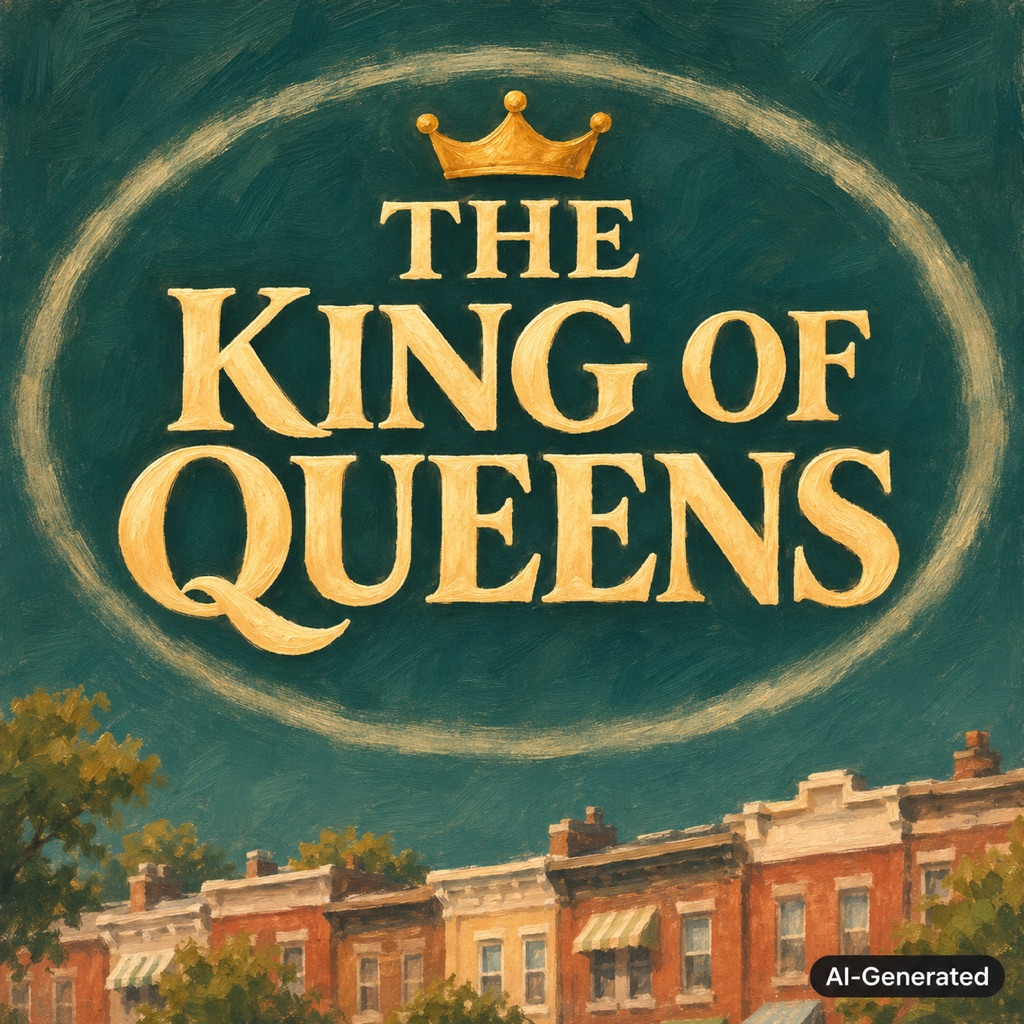
AI-generated painted title card for The King of Queens cast and faith guide, labeled AI-Generated.

AI-generated painted editorial title card for The King of Queens cast guide; not official show artwork.

The King of Queens makes a familiar promise: spend a little time with this household, and an ordinary problem will become a very funny mess. Doug wants comfort, Carrie wants a straight answer, and Arthur rarely wants to remain quietly in the background. Friends arrive with advice that may help or may make everything worse. Under the jokes are questions about truth, patience, marriage, and the way we treat people close to us.

This guide connects nine cast profiles with those biblical questions. It also separates two subjects that can easily become confused. What an actor has said about faith is one question. What a fictional character can teach us about our own conduct is another. A script cannot tell us what its performer believes about God.

Who played the familiar faces in Queens?

Kevin James played Doug Heffernan, and Leah Remini played Carrie Heffernan. Jerry Stiller, who died in 2020, played Carrie’s father, Arthur Spooner. Victor Williams played Deacon Palmer, while Merrin Dungey played his wife, Kelly. Patton Oswalt played Spence Olchin, Gary Valentine played Danny Heffernan, Nicole Sullivan played Holly Shumpert, and Larry Romano played Richie Iannucci.

Those roles gave the show a circle of marriages, friendships, family duties, and competing plans. The people who performed them had separate lives and different public stories. The profiles below follow the evidence available for each person, including a clear statement when a present religious affiliation cannot be confirmed.

What do the cast members’ public statements establish?

Kevin James has openly described himself as Catholic Christian. Leah Remini has discussed leaving Scientology, her Catholic childhood, and her belief in God, without supplying a full statement of Christian doctrine in the interview cited here. Stiller’s Jewish background was a visible part of his life and comedy. Oswalt publicly identified as an atheist in a dated interview.

For Williams, Valentine, Sullivan, Romano, and Dungey, the sources reviewed do not establish a definite present religious affiliation. That is a limit of the evidence, not proof that any of them lacks faith. It would be unfair to assign a religion from a surname, a relative, a charitable act, or a role. Each linked profile explains its sources and the boundary between a fact and an assumption.

Which cast profile would you like to read?

What happens when comfort becomes king?

Doug’s desire for an easy day supplies a useful starting point for self-examination. Comfort is a good gift, but it becomes a problem when another person’s needs feel like an offense simply because they interrupt our plans. A small excuse can grow into a larger lie when protecting convenience matters more than telling the truth.

Philippians 2:3-4 calls Christians to consider other people’s interests. That does not mean rest is wrong or every request must receive a yes. It means love should shape the answer. We can set a reasonable boundary honestly instead of building a story that makes us look better. The question is how we respond when loving someone costs us something.

  • Tell the truth about your plans.
  • Share work without keeping a score.
  • Listen before defending your comfort.
  • Admit a mistake while it is small.

These are applications for viewers. They are not accusations against James or any other performer. Comedy can reveal a temptation by making it larger than life. Scripture asks us to notice the quieter version that appears in our own kitchens and conversations.

Can a sharp reply repair a marriage?

Doug and Carrie’s exchanges often turn on who can land the next line. A joke may succeed because an argument feels familiar. Yet winning a verbal contest and caring for a spouse are different goals. We can make a true observation in a way that humiliates someone, or use humor to avoid admitting that we are hurt.

Proverbs 15:1 commends a gentle answer. Ephesians 4:29 asks whether our words help the listener. Biblical gentleness does not forbid a serious disagreement, and forgiveness does not require hiding harm. It calls us to speak honestly without making cruelty our method. A marriage needs more than two people who can prove a point. It needs people willing to hear a concern and take responsibility.

What do Arthur and Holly reveal about dignity?

Arthur’s place in the Heffernan home raises questions about patience with an older relative. Holly’s work raises questions about how a household treats someone who provides help. The show’s comic situations can send viewers back to a serious issue: do we see a person, or merely an interruption, obligation, or service?

The Bible gives older people and working people dignity that does not depend on how convenient they are. First Timothy 5 discusses responsibility toward family. James 2 warns against valuing people according to visible status. Care can require planning, outside help, and healthy limits. It should still begin with the conviction that a neighbor matters more than the task we want completed.

What makes a friend more than an accomplice?

Deacon, Spence, Danny, and Richie give Doug a wider world than his own living room. Friendship brings laughter and loyalty, but it can also become a way to avoid correction. We may call someone supportive when what we really mean is that the person always agrees with us.

Proverbs 27:6 recognizes the value of honest correction from a friend. Ephesians 4:15 connects truth with love. A faithful friend can listen with compassion and still say that a dishonest plan is wrong. The same standard applies when we are the one being corrected. Humility means receiving the help we would like to believe we no longer need.

Does identifying a fault make us right with God?

It is easy to finish an episode thinking that another person needs to change. Scripture turns the examination toward all of us. Romans 3:23 says everyone has sinned and falls short of God’s glory. We have lied, acted from pride, envied a neighbor, and failed to love. Recognizing those failures is a beginning, but recognition cannot erase guilt.

Religious labels cannot do that work either. Belonging to a church, admiring a Christian actor, having Jewish or Catholic roots, or being known as a good friend does not give us a perfect record before God. We need forgiveness that rests on something stronger than our next promise to improve.

What is the gospel’s hope for an imperfect household?

Jesus Christ, the eternal Son of God, became human and lived without sin. He willingly died on the cross for sinners, bearing the judgment we deserve. He was buried and rose bodily from the dead. First Corinthians 15:3-4 places His death and resurrection at the center of the good news. Christianity offers more than a useful lesson about getting along.

Ephesians 2:8-9 teaches that salvation is God’s gift, received through faith rather than earned through works. Jesus calls us to repent and believe, turning from sin and trusting His finished work for forgiveness and eternal life. Good works follow as a response to grace. They do not become the payment that makes God accept us.

No article can announce the hidden condition of a cast member’s heart or declare an individual’s eternal destination. We can report public statements accurately, disagree with care, and point readers to Christ. After the laughter, the most useful question is personal: what am I trusting to make me right with God?

Sources and image credit

Featured image: AI-generated painted editorial title card created for Famous Faith. This is an illustration, not official show artwork. No endorsement is implied.
Parks and Recreation Cast: Religion, Faith, and What the Bible Says

Parks and Recreation television series logo

Parks and Recreation brings together the workers and friends of a fictional parks department in Pawnee, Indiana. Its comedy gives viewers plenty to discuss: friendship, ambition, public service, loyalty, and the effort to do something useful with a life. The people playing these characters have lives beyond the screen. This guide brings together Famous Faith’s profiles of twelve familiar cast members and asks how Christians can think carefully about public statements of faith.

Are the Parks and Recreation cast members Christians? There is no single answer for the cast as a group. Each person’s profile considers the available public evidence separately. A childhood religious background, a role in a television show, and a present personal profession of faith are different things. Follow the individual links for dated sources, context, and a Biblical reflection.

Explore the Parks and Recreation cast

Choose a name below to read the full profile. These pages distinguish what a person has publicly said from what remains unknown.

Retta

Known on the show as: Donna Meagle

Read Retta’s religion and faith profile →

Jim O’Heir

Known on the show as: Jerry / Garry Gergich

Read Jim O’Heir’s religion and faith profile →

Why a character cannot tell us an actor’s religion

Actors speak words written for a story. They may play someone whose beliefs differ greatly from their own. A moving scene about prayer does not establish the performer’s private faith. Neither does a joke about religion establish that an actor has rejected God. Looking at a fictional character can help us discuss the story, but it cannot settle a question about the real person.

The same care is needed with interviews. A statement from years ago belongs to that time. Someone may describe childhood church attendance without saying that they currently attend. Another person may discuss a cultural identity without making a claim about belief in God. Good reading keeps those differences clear. When a reliable current statement is unavailable, an honest answer says so.

Service, friendship, and the limits of being good

Stories about people trying to improve their community can remind us that neighbors matter. Christians should care about ordinary work, honest service, and the people whose needs are easy to overlook. A kindness need not be famous to be worthwhile. Visiting someone lonely, telling the truth at work, or helping a family through a hard week can matter deeply even when no audience notices.

Yet useful work does not remove guilt before God. We can help a neighbor while also protecting our pride. We can serve well in public and speak harshly at home. The Bible’s account of sin reaches beyond a tally of visible achievements. God sees the heart, including motives that other people never know. This is why the question of salvation is larger than whether a celebrity—or any of us—seems like a good person.

This reflection is not a claim about any cast member’s hidden motives. It is a call for readers, including the writer, to examine ourselves. Comparing ourselves with people on a screen is an easy way to avoid that examination. God’s standard is his holiness, not our ability to find someone who appears worse than we are.

The Christian message: grace for guilty people

The Bible presents God as holy, good, and just. He made us, sustains us, and has the right to command our love and obedience. His law exposes our sin. We have lied, envied, put ourselves first, and failed to love God and our neighbors as we should. This includes the writer and the reader. Romans 3:23 teaches that all have sinned and fall short of God’s glory.

A just God does not simply pretend that evil does not matter. Our sin deserves judgment, and we cannot erase it with charitable work, religious habits, or a better public image. That leaves us needing more than advice or encouragement. We need forgiveness and reconciliation with the God we have offended.

The good news is that God sent his Son, Jesus Christ. Jesus is truly God and truly human. He lived the sinless life we have not lived. At the cross, he willingly bore the judgment for sinners in their place. He died, was buried, and rose bodily from the dead. First Corinthians 15:3–4 places his death for our sins and his resurrection at the center of the gospel.

Salvation is God’s gift of grace, received through faith in Jesus Christ, not earned by works. Ephesians 2:8–10 connects that gift with a changed life: good works are the result of salvation, not the price paid for it. We do not make ourselves acceptable first and then ask Jesus to complete the process. We come to him as people who need mercy.

God calls us to repent and believe. Repentance is a change of mind about God, our sin, and our supposed ability to rescue ourselves. That change produces a changed direction in life. It does not mean instant perfection, but it does mean turning from the defense of sin toward Christ. Faith rests on who Jesus is and what he has accomplished, rather than on our record or reputation.

Read with interest, humility, and care

It is reasonable to be interested in the beliefs of people whose work we enjoy. That interest should lead to accurate reading and respectful discussion. It should not become a claim to know someone’s heart. These profiles report public information; they cannot deliver God’s final judgment on a person.

As you explore the cast, keep the deepest question personal: what are you trusting for forgiveness before God? A famous person’s belief cannot save us, and another person’s uncertainty cannot excuse our own response. The Christian invitation is to turn to the risen Jesus Christ himself.

Sources and image credit

Series overview: NBC / Peacock’s official Parks and Recreation page. Sources for personal statements appear in each linked cast profile. Biblical references: Romans 3:23; 1 Corinthians 15:3–4; Ephesians 2:8–10.

Logo: NBC, via Wikimedia Commons, public-domain text logo. The series name and logo are used for identification; Famous Faith is not affiliated with NBC or the show.

Modern Family: Faith, Family, and the Bible

Modern Family television series logo

Modern Family turns ordinary household problems into comedy: a parent wants to be understood, someone hides an embarrassing mistake, or relatives discover that their plans do not fit together. Beneath the jokes are familiar desires for love, belonging, and a family that stays present when life becomes difficult.

This Famous Faith guide brings together 13 cast profiles. It also considers the show through Scripture, recognizing moments of care while distinguishing its ideas from biblical Christianity. The actors are real people, the characters are fictional, and neither a television role nor a religious background gives us access to someone’s heart.

What is Modern Family about?

ABC describes three connected households within the Pritchett, Dunphy, and Tucker families. Jay and Gloria, Claire and Phil, and Mitchell and Cameron raise children while navigating different personalities and expectations. Their relationships provide the setting for the comedy.

The series began in 2009 and concluded in 2020 after eleven seasons; ABC announced its final season and April 8 finale. The cast links below include the central ensemble and Reid Ewing, whose Dylan became an important part of the Dunphy family’s story.

This is a cast guide, not a claim that everyone in the series shares a religion. The individual articles distinguish upbringing, public identification, personal spiritual language, and beliefs that remain unconfirmed. Each gives its sources and explains the limits of the available evidence.

What religion are the Modern Family cast members?

Several performers have discussed religious backgrounds. Others have not supplied a clear public account in the sources reviewed. Select a portrait to read the full article. An older statement is identified as older, and an unanswered question is left unanswered rather than replaced by a guess.

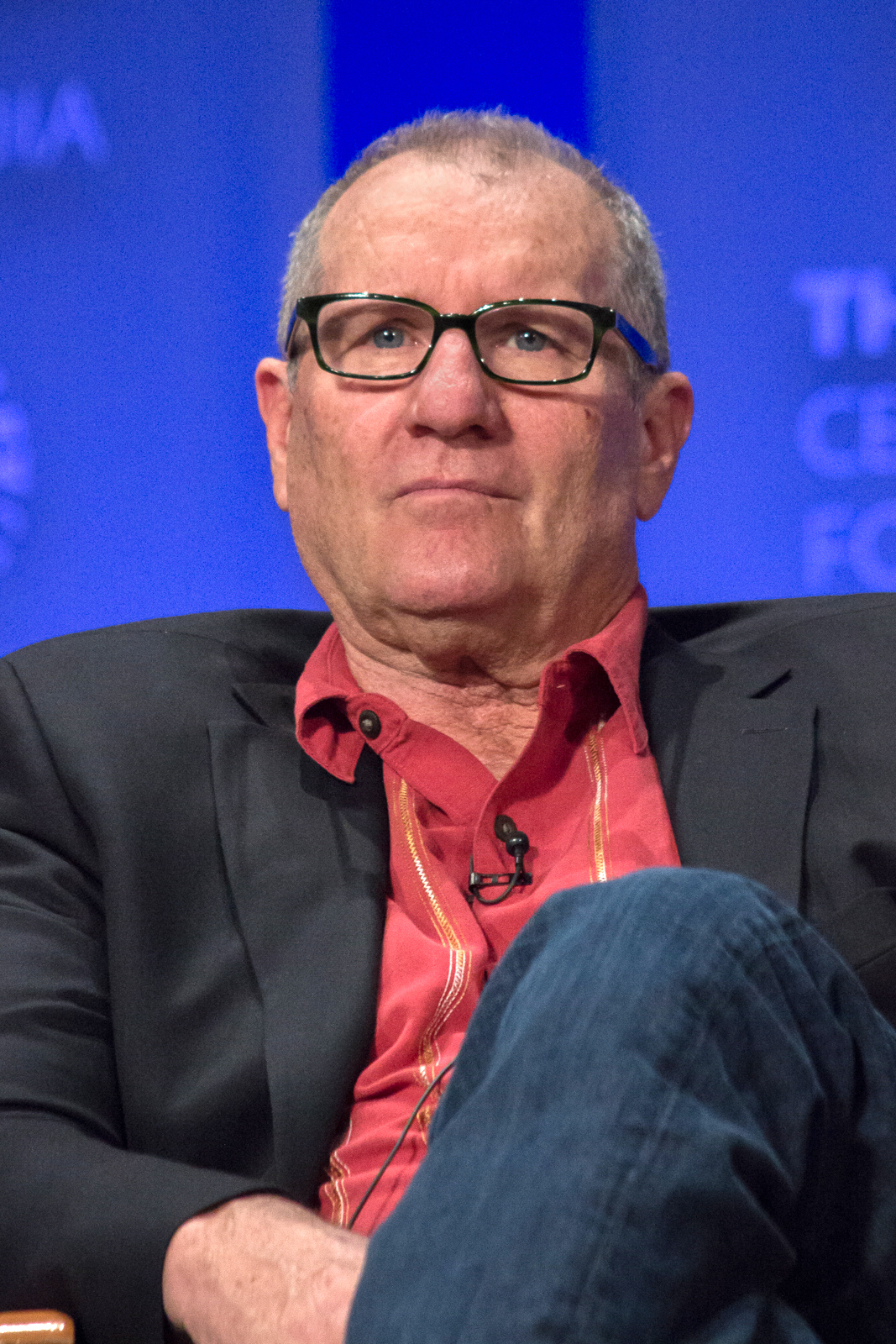
Portrait of Ed O’Neill
Ed O’NeillJay PritchettIrish-Catholic upbringing; present personal faith not clearly established.
Portrait of Sofía Vergara in 2020
Sofía VergaraGloria Delgado-PritchettCatholic upbringing and childhood belief described in a 2011 interview.
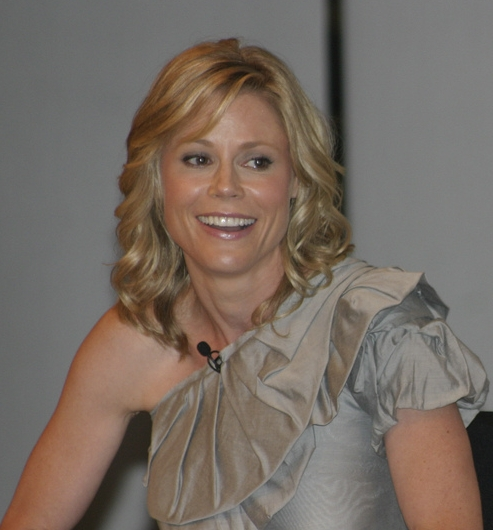
Portrait of Julie Bowen
Julie BowenClaire DunphyUsed a Protestant label publicly in 2014; detailed current beliefs unconfirmed.
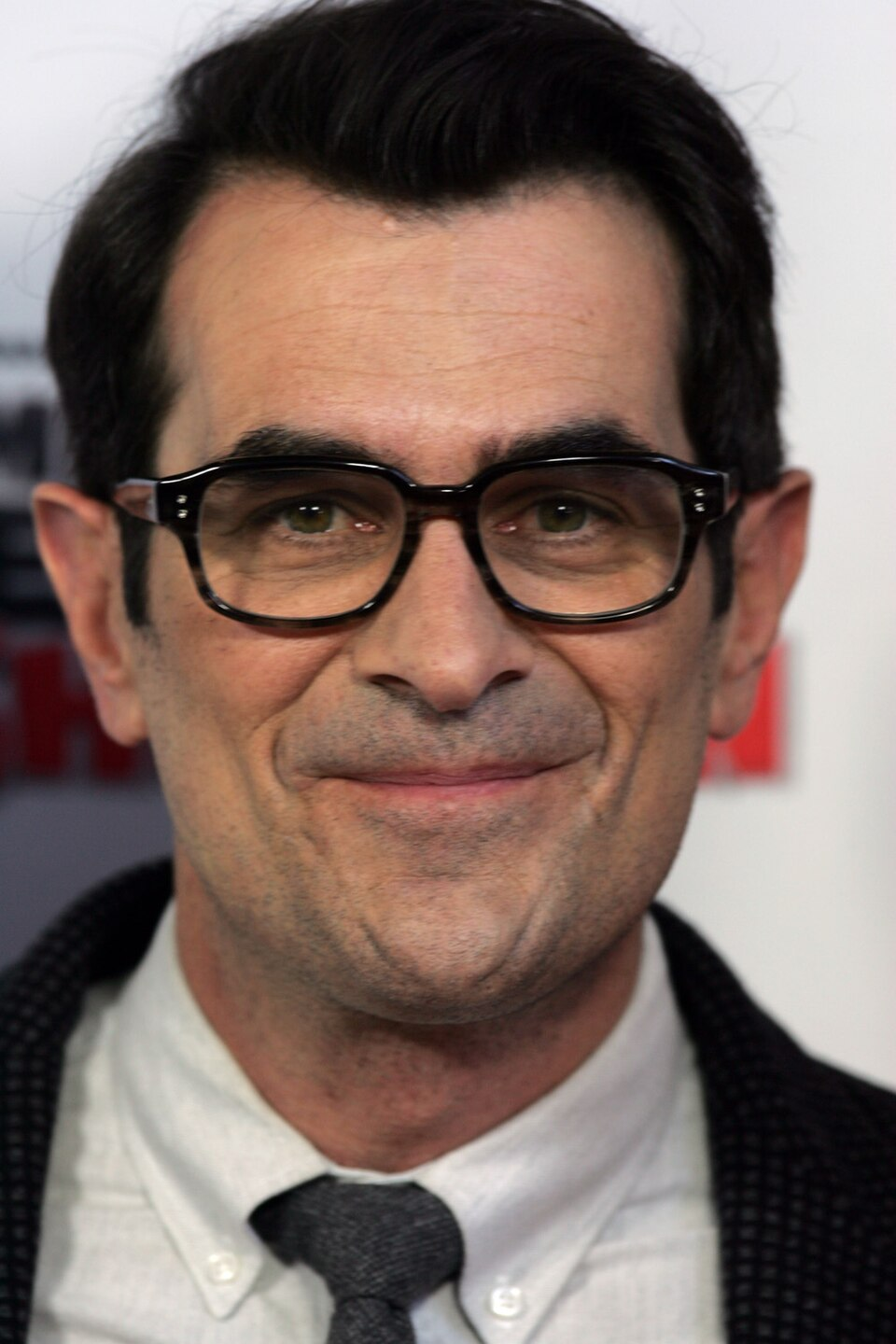
Headshot of Ty Burrell in 2014
Ty BurrellPhil DunphySaid he was not religious in 2017; described several religious influences.
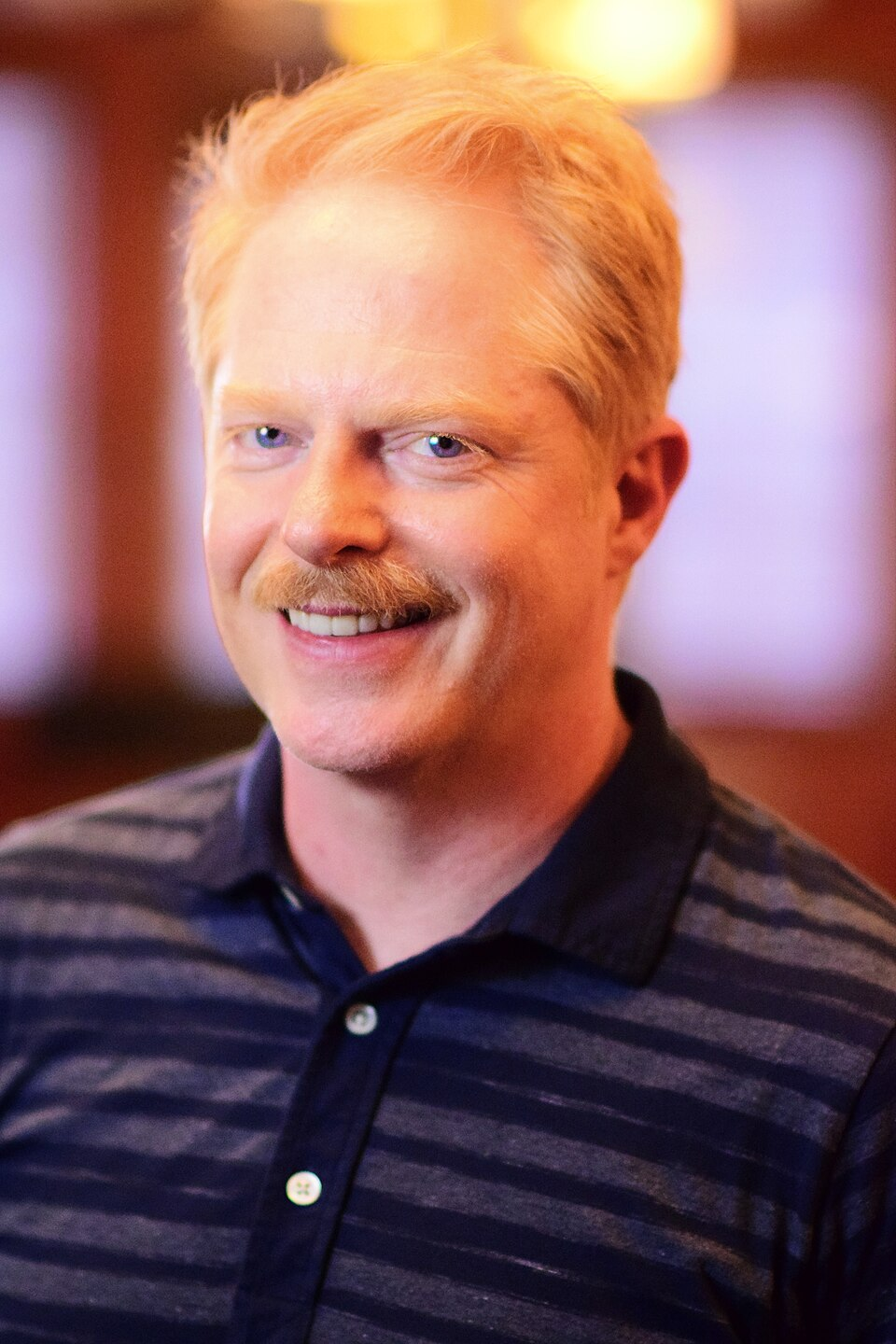
Portrait of Jesse Tyler Ferguson
Jesse Tyler FergusonMitchell PritchettDescribed a Catholic upbringing; current affiliation not clearly established.
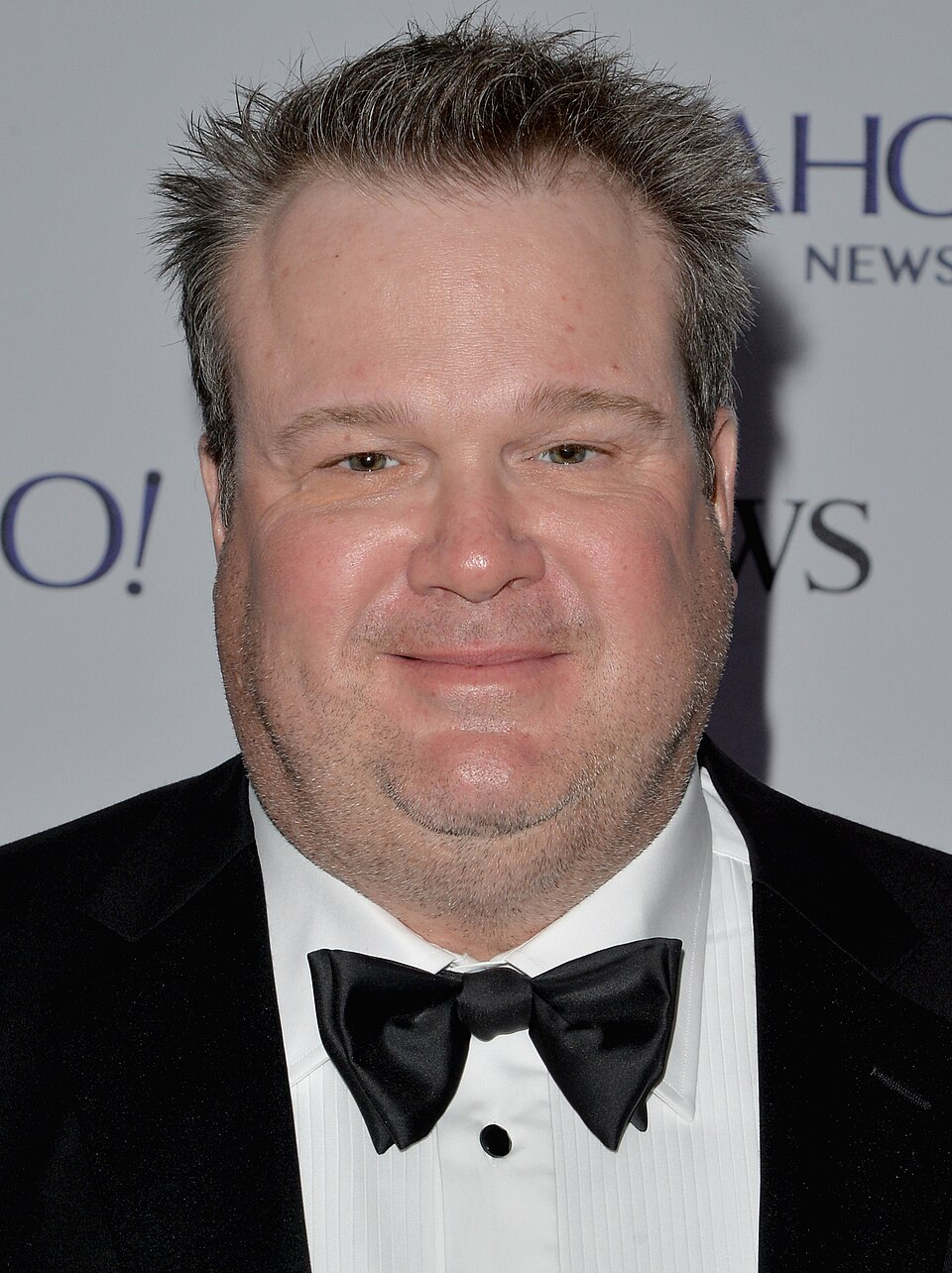
Headshot of Eric Stonestreet in May 2014
Eric StonestreetCameron TuckerCurrent religious affiliation unconfirmed in the sources reviewed.
Headshot of Sarah Hyland at PaleyFest in 2015
Sarah HylandHaley DunphyA Christian label appears in secondary summaries; direct confirmation remains unclear.
Headshot of Ariel Winter at PaleyFest in 2015
Ariel WinterAlex DunphyReported Greek Orthodox Easter observance in 2018; current practice not fully established.
Portrait of Nolan Gould in 2017
Nolan GouldLuke DunphyReferred to church in a childhood interview; current affiliation unconfirmed.
Portrait of Rico Rodriguez in 2010
Rico RodriguezManny DelgadoCurrent religious affiliation unconfirmed in the sources reviewed.
Portrait of Aubrey Anderson-Emmons in a 2018 FoodMania Review video
Aubrey Anderson-EmmonsLily Tucker-PritchettCurrent religious affiliation unconfirmed in the sources reviewed.
Official promotional portrait of Jeremy Maguire as Joe Pritchett
Jeremy MaguireJoe PritchettPersonal religious beliefs unconfirmed; no inference from his screen family.
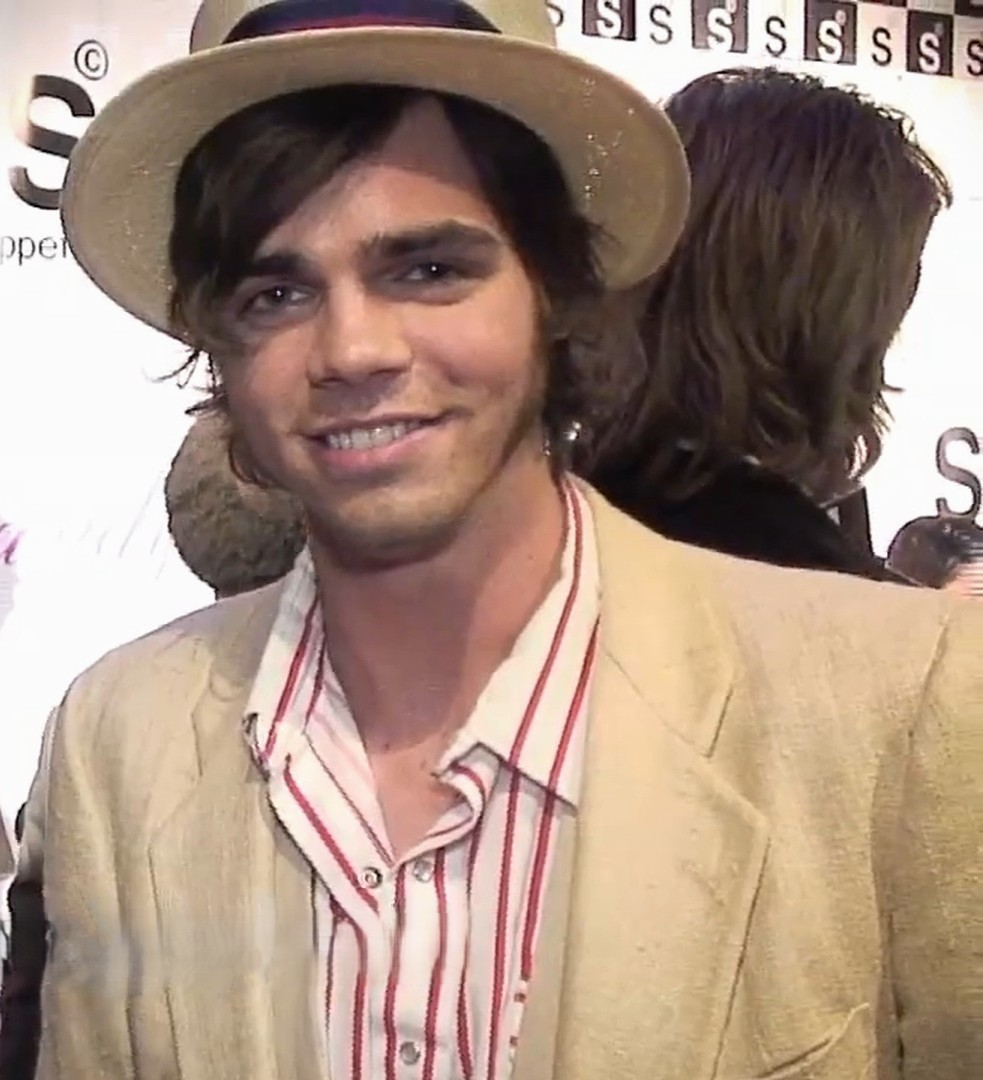
Portrait of Reid Ewing from RealTVfilms
Reid EwingDylan MarshallDiscussed personal growth; precise religious affiliation unconfirmed.

The good we can recognize in family comedy

Stories about family can remind us that love takes ordinary forms. Someone gives up time, listens after a hard day, or remains patient with a person who is difficult to understand. These acts may seem small beside a dramatic speech, but they shape real households.

Scripture values patience, kindness, and consideration. Philippians 2:3–4 directs us away from selfish ambition toward the interests of others. Christians can appreciate a scene that recognizes those goods without treating the whole show as a guide to Christian living.

Affection across generations can also be worth noticing. Older people are not obstacles to be discarded, and younger people are not projects to control. Both need to be heard. Parents have responsibilities toward children, and children are called to honor parents. Ephesians 6:1–4 places obligations on both sides rather than giving either side permission to be cruel.

Humor can sometimes help us see a fault we would resist hearing about directly. A character who insists on being right may remind us of our own pride. A frantic attempt to control an occasion may expose how easily love gets pushed aside by the wish to manage an image. The useful question is not only whether a scene makes us laugh, but what it helps us notice.

Where the show and Scripture differ

Recognizing kindness does not mean endorsing every joke, relationship, or choice. Modern Family is a comedy with its own assumptions about family and sexuality. Christians need to test those assumptions by Scripture rather than allowing familiarity with likable characters to settle moral questions.

Genesis 2:24 presents marriage as the union of a man and a woman, and Jesus refers back to that pattern in Matthew 19:4–6. The show includes relationships and family arrangements that do not all reflect that biblical pattern. A Christian discussion should state the difference clearly while refusing contempt toward the people involved.

That standard also challenges heterosexual characters and viewers. Sexual faithfulness, truthful speech, self-control, and sacrificial love matter throughout family life. It would be inconsistent to notice one disagreement with Scripture while excusing adultery, dishonesty, selfishness, or harsh treatment elsewhere.

Our convictions should shape how we speak as well as what we affirm. People are made in God’s image. First Peter 3:15 calls for gentleness and respect when explaining Christian hope. Biblical disagreement is not permission to mock a performer, assume private beliefs, or forget our own need for mercy.

Secrets, apologies, and real forgiveness

A sitcom can create a problem, let a misunderstanding grow, and resolve it before the episode ends. Real households do not always work that quickly. A broken promise can leave consequences, and trust may take time to rebuild. A heartfelt apology is a beginning rather than a device that makes every effect disappear.

The Bible calls us to speak truthfully and put away bitterness. Ephesians 4:25–32 connects honest speech, care in anger, kindness, and forgiveness. These are practical commands for people who live close enough to hurt one another, not simply attractive ideas for a family photograph.

Forgiveness should not be confused with pretending that wrong is harmless. Nor does it require calling manipulation good or silencing a person who needs help. Mercy and truth belong together. Christians can seek reconciliation while taking wrongdoing and responsibility seriously.

The show’s imperfect families can therefore prompt honest reflection. Where do we hide behind humor? When do we want an apology from others while defending our own behavior? Are we willing to listen when love requires more than being entertaining or winning the conversation?

God’s law reaches our own homes

It is easy to examine a fictional family from a safe distance. Scripture brings the examination closer. Have we always spoken truthfully? Have we loved our neighbors as ourselves? Have we honored God above our comfort, ambitions, and wish to be admired?

His commands expose envy, selfishness, pride, and hidden motives as well as visible acts. Romans 3:23 says all have sinned and fall short of God’s glory. The writer and reader share that condition with every cast member. We cannot become innocent by identifying the flaws in a television character.

Neither a loving family background nor a good public reputation can erase guilt. Good deeds matter, but they cannot rewrite a guilty past into a sinless record. If God is holy and just, we need more than another chance to manage our image. We need a Savior.

The gospel offers more than a happier ending

Jesus Christ is the Son of God who became truly human. He lived without sin, perfectly obeying the Father and loving his neighbors. He willingly died on the cross as the substitute for sinners, bearing the judgment we deserve. He was buried and rose bodily from the dead on the third day.

First Corinthians 15:3–4 puts his death for sins and resurrection at the center of the good news. The cross shows the seriousness of our wrongs and the depth of God’s mercy. The resurrection establishes hope beyond death, grounded in Christ rather than our ability to produce a better story about ourselves.

Ephesians 2:8–9 teaches that salvation is God’s gift by grace through faith, not a reward for works. We receive forgiveness by trusting Christ’s finished work. A changed life follows as the fruit of that grace, not the price paid to receive it. Turning to Jesus means acknowledging our need and depending on the Savior who has done what we could not do.

Family affection is a good gift, but even the strongest household cannot take Christ’s place. A religious label cannot do that either. Explore the cast articles, examine their public statements fairly, and let the question of someone else’s faith lead to an honest consideration of your own response to Jesus.

Sources and image credits

Series and cast information: ABC’s cast guide, ABC’s series description and finale announcement linked above, and the interviews linked in each individual profile. Featured logo: ABC / Wikimedia Commons, public-domain text logo, web-sized version. Names and logos identify the series; no affiliation or endorsement is implied.

Portraits are reused from the linked profiles and cropped only for display in the cards. Original credits and license links follow.

Ed O’Neill: iDominick (Dominick Dusseault), Wikimedia Commons, CC BY-SA 2.0. Lighting and level adjustments in the Commons version; cropped and resized for display.

Sofía Vergara: Britt Bellamy / Wikimedia Commons, CC BY 3.0. Cropped portrait from 2020; web-sized version.

Julie Bowen: Rubenstein / Wikimedia Commons, CC BY 2.0. Cropped, web-sized portrait.

Ty Burrell: Eva Rinaldi / Wikimedia Commons, CC BY-SA 2.0. Web-sized headshot from 2014.

Jesse Tyler Ferguson: Philip Romano / Wikimedia Commons, CC BY-SA 4.0. Web-sized portrait.

Eric Stonestreet: Yahoo / Wikimedia Commons, CC BY 2.0. Cropped, web-sized headshot from 2014.

Sarah Hyland: iDominick / Wikimedia Commons, CC BY-SA 2.0. Cropped, web-sized headshot.

Ariel Winter: iDominick / Wikimedia Commons, CC BY-SA 2.0. Cropped, web-sized headshot.

Nolan Gould: OnceUponATime863 / Wikimedia Commons, CC BY-SA 4.0. Cropped, web-sized portrait from 2017.

Rico Rodriguez: Josh Hallett / Wikimedia Commons, CC BY-SA 2.0. Web-sized portrait from 2010.

Aubrey Anderson-Emmons: FoodMania Review / Wikimedia Commons, CC BY 3.0. Cropped portrait of Aubrey Anderson-Emmons from a 2018 video; web-sized version.

Jeremy Maguire: ABC, official Modern Family actor biography. Copyright ABC; promotional portrait reproduced at web size to identify the performer discussed. No affiliation or endorsement implied.

Reid Ewing: RealTVfilms / Wikimedia Commons, CC BY-SA 3.0. Cropped, web-sized portrait from a video.

Desperate Housewives: Secrets, Grace, and the Bible

Desperate Housewives television series logo

Desperate Housewives turns a tidy suburban street into a place where appearances rarely tell the whole story. Behind the houses and friendly greetings are marriages under strain, old wounds, hidden choices, and neighbors who need one another more than they first admit. Its mix of comedy, mystery, and domestic drama gives viewers plenty to discuss—and gives us a useful opening to consider truth, sin, mercy, and the hope offered in Jesus Christ.

This FamousFaith hub brings together 20 cast profiles. Each article begins with what can responsibly be said about the performer’s own beliefs. An actor’s religion is not determined by a character, and an uncertain public record stays uncertain. Use the portraits below to explore the people behind Wisteria Lane.

Appreciating the creativity behind Wisteria Lane

The ABC series ran from 2004 to 2012. Its distinctive approach joins ordinary household pressures to larger mysteries, while Mary Alice Young’s narration helps connect the stories. The ensemble’s timing lets a scene move from a sharp joke to a moment of loneliness or grief. That kind of storytelling depends on writers, actors, and many other people working together.

Creativity is a gift worth appreciating. A memorable performance can help us notice fears and contradictions we might overlook in ourselves. Appreciation does not require agreeing with every message a show presents. We can recognize skill while thinking carefully about what a story asks us to laugh at, excuse, or admire.

A perfect-looking life can still hide a troubled heart

One of the show’s strongest themes is the distance between a public appearance and a private reality. A beautiful home cannot guarantee a peaceful family. A polite smile can conceal anger. An impressive routine can become a way to avoid an uncomfortable truth. The suburb is fictional, but that temptation is familiar.

Scripture makes the point more deeply. First Samuel 16:7 teaches that God sees the heart. We may hide something from a neighbor, but we cannot hide it from Him. This should make us more honest about ourselves and less eager to assume that we understand someone else’s entire life from a glimpse.

The answer is not to replace a respectable image with public oversharing. It is to come honestly before God. He already knows our record, our motives, and the things we hoped nobody would notice.

Friendship and marriage need more than clever survival

Stories about neighbors can remind us of the good in shared burdens. Listening, bringing a meal, checking on someone who is isolated, and keeping a promise all have value. Jesus’ command to love our neighbors reaches beyond people whose lives look comfortable or whose choices are easy for us to understand.

The Bible also honors marriage and faithful love. At the same time, it rejects adultery, deceit, revenge, and treating another person as a means to our own happiness. A story may make a destructive choice seem glamorous, comic, or understandable. Understanding a temptation does not make yielding to it harmless.

Christians can watch with discernment: what consequences are shown, what wrongs are minimized, and what kind of love is being offered as the answer? These questions help us think instead of simply absorbing the mood of a scene. The series contains mature material; readers should use judgment about viewing it.

The narrator’s perspective is a storytelling device

Mary Alice’s narration gives the audience knowledge that the characters do not share. It works as a dramatic frame, but it is not a reliable guide to the afterlife. A fictional voice speaking after death should not become the basis for what we believe about eternity.

The Bible directs our hope to God’s revelation, not to an appealing television picture. Hebrews 9:27 speaks of death and judgment. That makes our relationship with God a present question. We need more than the hope that our story will sound sympathetic when someone else tells it.

God’s law exposes a need every neighbor shares

It is easy to spot wrongdoing in a dramatic plot and miss it in our own homes. The Ten Commandments bring the issue back to us. Have we lied, stolen, coveted, dishonored our parents, or used God’s name carelessly? Have we loved the Lord above our possessions, comfort, and reputation?

Jesus also addresses anger and lust in Matthew 5. Sin reaches beneath the surface of public behavior. Romans 3:23 says all have sinned and fall short of God’s glory. The reader, writer, and cast members all need mercy. We cannot earn innocence by comparing ourselves with a fictional villain, and good deeds cannot erase a guilty past.

Grace is more than another chance to manage the image

The Gospel is good news because God has provided a Savior. Jesus Christ is the eternal Son of God who became truly human. He lived without sin and perfectly obeyed the Father. He willingly died on the cross for our sins, bearing the judgment we deserve. He was buried and rose bodily from the dead on the third day.

Salvation is God’s gift by grace through faith, not a reward for our works (Ephesians 2:8–9). A religious family, a good reputation, or an improved routine cannot save us. Christ’s finished work is sufficient. You can acknowledge your sin before God and trust the crucified and risen Jesus as your only hope of forgiveness and eternal life.

That is a hope deeper than keeping a secret safe or finding a happier ending on Wisteria Lane. The living Savior offers real reconciliation with God. Explore the cast profiles below, and let the questions about other people’s beliefs lead you to consider your own response to Him.

Explore all 20 cast profiles

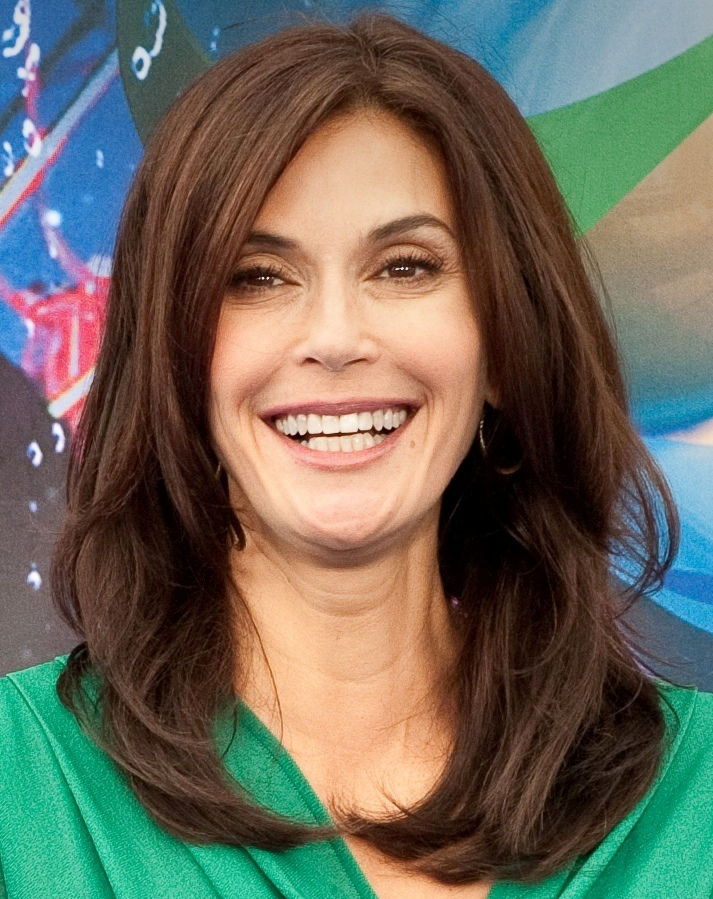
Teri Hatcher
Teri Hatcher
Susan Mayer / Delfino
Eva Longoria
Eva Longoria
Gabrielle Solis
Marcia Cross
Marcia Cross
Bree Van de Kamp / Hodge
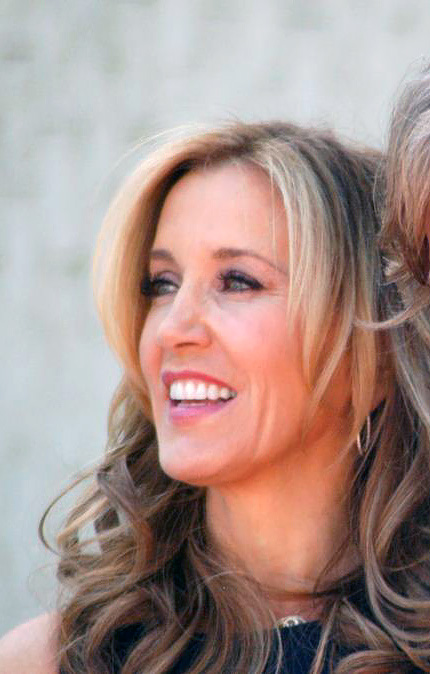
Felicity Huffman
Felicity Huffman
Lynette Scavo
Nicollette Sheridan
Nicollette Sheridan
Edie Britt
Dana Delany
Dana Delany
Katherine Mayfair
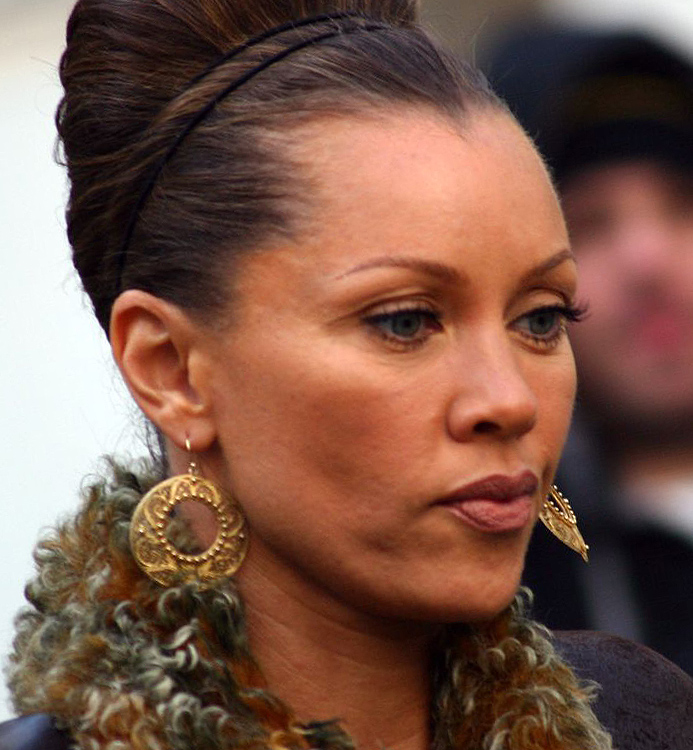
Vanessa Williams
Vanessa Williams
Renee Perry
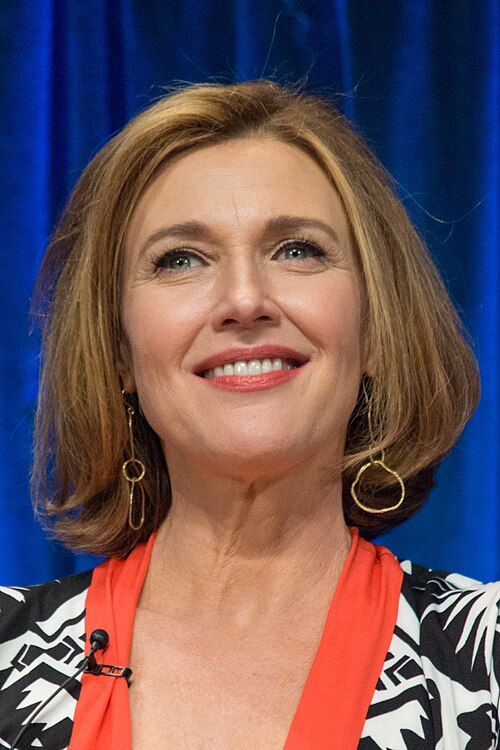
Brenda Strong
Brenda Strong
Mary Alice Young
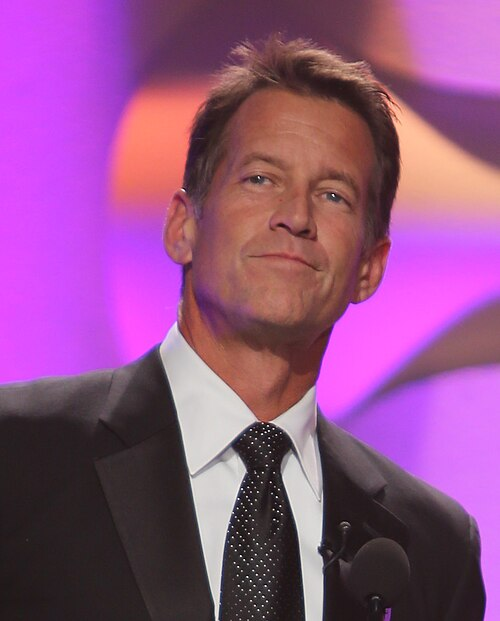
James Denton
James Denton
Mike Delfino
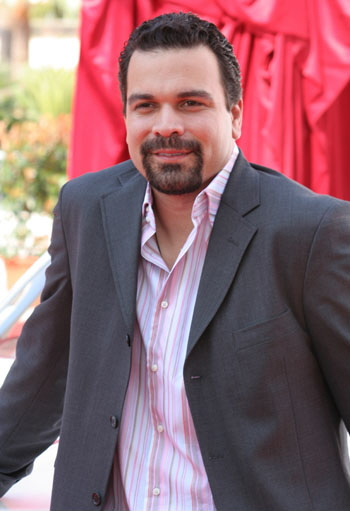
Ricardo Antonio Chavira
Carlos Solis
Doug Savant
Doug Savant
Tom Scavo
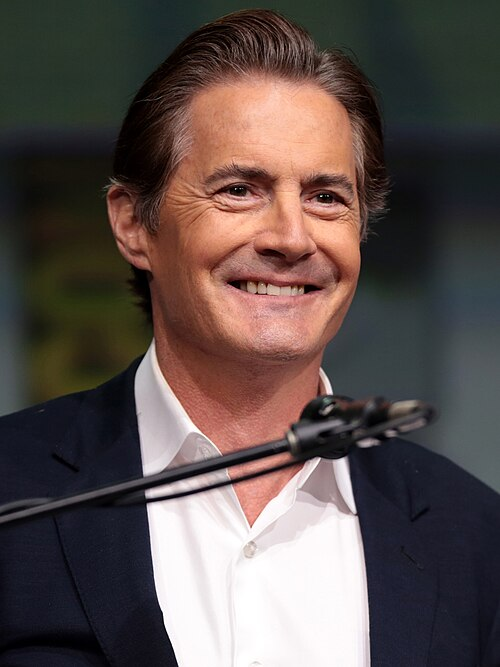
Kyle MacLachlan
Kyle MacLachlan
Orson Hodge
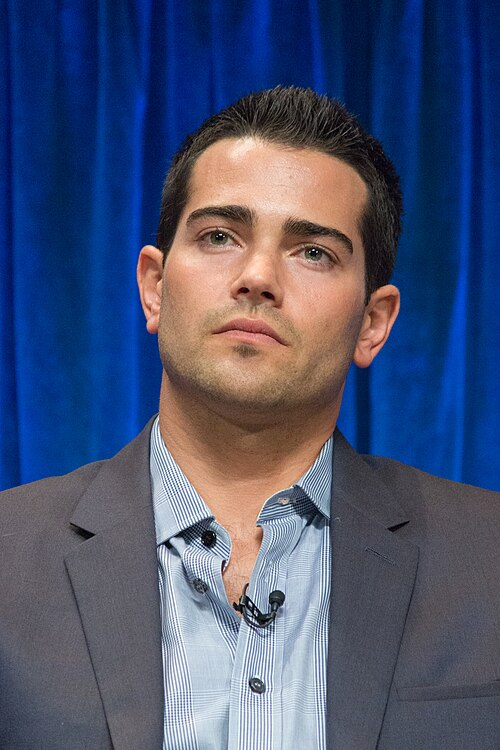
Jesse Metcalfe
Jesse Metcalfe
John Rowland
Neal McDonough
Neal McDonough
Dave Williams
Mark Moses
Mark Moses
Paul Young
Steven Culp
Steven Culp
Rex Van de Kamp
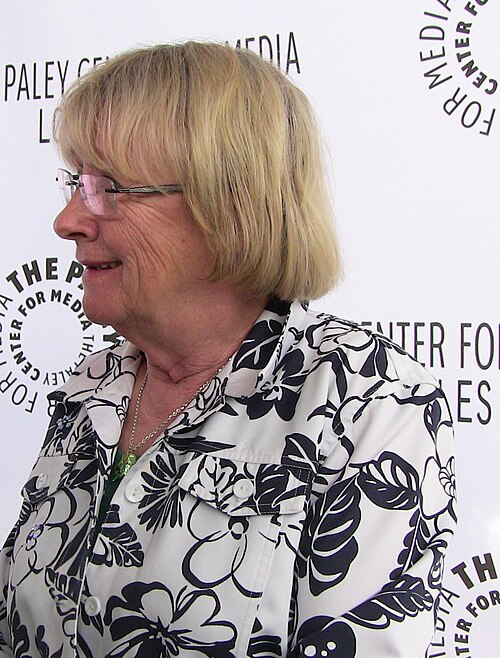
Kathryn Joosten
Kathryn Joosten
Karen McCluskey
Alfre Woodard
Alfre Woodard
Betty Applewhite
Drea de Matteo
Drea de Matteo
Angie Bolen
Andrea Bowen
Andrea Bowen
Julie Mayer

Sources and image credits

Featured logo: ABC, via Wikimedia Commons. Public-domain text logo; trademarks belong to their respective owners. Used to identify the series; no affiliation or endorsement implied. Wikimedia’s web-sized version.

Cast portraits are reused from the linked FamousFaith profiles. Credits and licenses follow; no additional image-file changes were made for this gallery.

Marcia Cross

Photo: Kirk Weaver, Marcia Cross, April 2008, CC BY 3.0. Wikimedia Commons web-sized version.

Felicity Huffman

Photo: Angela George, Felicity Huffman at her Hollywood Walk of Fame ceremony, March 7, 2012, CC BY-SA 3.0. Portrait crop supplied by Wikimedia Commons.

Nicollette Sheridan

Photo: Pete Williams, Nicollette Sheridan, March 2008, CC BY-SA 2.0. Portrait crop supplied by Wikimedia Commons.

Dana Delany

Photo: Jonathan Ryan, Dana Delany at the Irish Awards, February 11, 2012, CC BY 2.0. Portrait crop supplied by Wikimedia Commons.

Vanessa Williams

Photo: Christopher Peterson, Vanessa Williams in Bryant Park, February 9, 2007, CC BY-SA 4.0. Portrait crop supplied by Wikimedia Commons.

Brenda Strong

Photo: iDominick, Brenda Strong at PaleyFest, March 10, 2013, CC BY-SA 2.0. Wikimedia Commons web-sized version.

James Denton

Photo: State Farm, James Denton at the 2014 Hero Dog Awards, CC BY 2.0. Wikimedia Commons portrait crop, web-sized version.

Doug Savant

Photo: Kristin Dos Santos, Doug Savant at PaleyFest, April 18, 2009, CC BY-SA 2.0. Wikimedia Commons web-sized version.

Kyle MacLachlan

Photo: Gage Skidmore, Kyle MacLachlan at San Diego Comic-Con, July 21, 2017, CC BY-SA 3.0. Wikimedia Commons web-sized version.

Jesse Metcalfe

Featured image: Jesse Metcalfe at PaleyFest 2013, photograph by iDominick, via Wikimedia Commons, CC BY-SA 2.0. Wikimedia’s 500-pixel version; no other changes.

Neal McDonough

Featured image: Neal McDonough, 2016, by Heroes & Villains, via Wikimedia Commons, CC BY-SA 2.0. Existing Commons crop, 500-pixel version; no additional changes.

Mark Moses

Featured image: Mark Moses, April 2026, by PhilipRomanoPhoto, via Wikimedia Commons, CC BY-SA 4.0. Wikimedia’s 500-pixel version; no other changes.

Steven Culp

Featured image: Steven Culp portrait accompanying the linked myFanbase interview. Source: myFanbase. Small source thumbnail used unchanged for identification; copyright remains with its respective owner.

Kathryn Joosten

Featured image: Kathryn Joosten at PaleyFest, 2009, by Kristin Dos Santos, via Wikimedia Commons, CC BY-SA 2.0. Wikimedia’s 500-pixel version; no other changes.

Alfre Woodard

Featured image: Alfre Woodard, 2019, Office of U.S. Representative Terri Sewell, via Wikimedia Commons. Public domain, U.S. Congress image. Existing Commons crop used unchanged.

Drea de Matteo

Featured image: Drea de Matteo, February 2015, credited to Gabbot on Wikimedia Commons (Flickr source: Tony Shek), CC BY-SA 2.0. Existing Commons image, 500-pixel version; no additional changes.

Andrea Bowen

Featured image: Andrea Bowen at the Annie Awards, photograph by John Mueller, commissioned for the Wikimedia Foundation, via Wikimedia Commons, CC BY 2.5. Used as supplied.
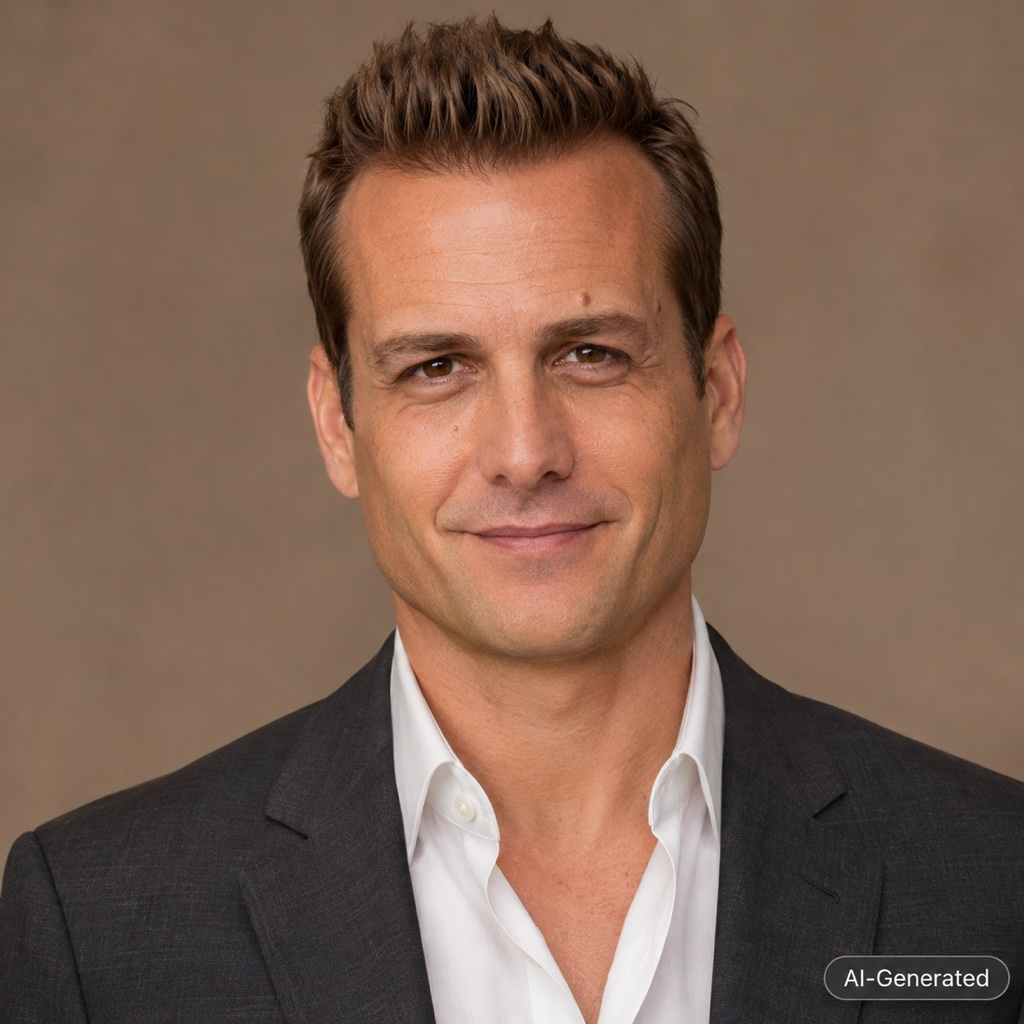
LOST: Faith, Redemption, and the Bible

LOST title card with white lettering on a black background

LOST begins with people stranded after a plane crash and grows into a story about trust, guilt, belonging, sacrifice, and death. Its mysteries are memorable, but so are the people trying to live with one another. This FamousFaith guide brings together all 24 cast profiles in our series and considers the show’s major themes through the Bible.

The actors have different public religious backgrounds and beliefs. Some have spoken directly about faith; others have not established a clear affiliation in the sources reviewed. Each linked profile explains the evidence and its limits, keeps the actor separate from the character, and presents the Gospel of Jesus Christ. Public statements do not give us access to anyone’s heart or final standing before God.

Spoiler note: the discussion below includes major themes and references to the series ending.

Is LOST a Christian show?

LOST uses Christian imagery alongside ideas and symbols drawn from other traditions. In a 2008 FanBolt interview, Damon Lindelof described using different kinds of religious allegory and aiming for broadly spiritual themes. That creative approach helps explain why viewers from different backgrounds find questions worth discussing in the series.

The presence of a cross, a priest, or a character named Christian does not make the whole story a presentation of biblical Christianity. Nor does a fictional character’s belief identify the religion of the performer. We can appreciate the questions while testing the answers against Scripture.

The Bible makes specific claims about the Creator, sin, judgment, and Jesus Christ. Those claims cannot be reduced to a general feeling that every spiritual path means the same thing. Respect for people with different beliefs should go together with honesty about real differences.

Jack, Locke, and the question of trust

Jack and Locke often give viewers contrasting ways of approaching the unknown. Jack wants explanations and control. Locke longs for purpose and is willing to see meaning in events others dismiss. Both perspectives can expose something recognizable in us: pride in our own understanding on one side, and the temptation to trust too quickly on the other.

Biblical faith is not a choice to stop thinking. Acts 17 shows Paul reasoning with his hearers and pointing to Jesus’ resurrection. First John 4:1 calls for testing spiritual claims. Confidence is valuable only when its object is trustworthy. Strong feelings about a leader, a sign, or a personal destiny cannot make a falsehood true.

At the same time, knowledge is not the same as total control. Human beings cannot see every consequence or answer every question. Christians are called to humility before God, whose wisdom exceeds ours. We need both honest inquiry and a willingness to hear truth that challenges our preferred plans.

Community can heal, and power can harm

The survivors need one another for food, shelter, protection, and encouragement. Their experience makes a simple truth vivid: isolation can leave people vulnerable. Galatians 6:2 calls believers to bear one another’s burdens. Sharing work, listening to grief, and helping someone who cannot repay us are concrete forms of love.

Yet LOST also portrays secrecy, manipulation, and leaders who defend harmful methods by appealing to a larger purpose. That behavior should not be excused merely because a group claims special knowledge. Romans 3:8 rejects doing evil so that good may result. A worthy goal does not turn lying, coercion, or cruelty into righteousness.

Jesus describes leadership in terms of service in Mark 10:42–45. His standard challenges families, workplaces, churches, and governments alike. People are neighbors to love, not disposable pieces in a plan. Loyalty to a leader never removes our responsibility to tell the truth and protect the vulnerable.

Can people escape the wrong they have done?

Many LOST characters carry shame, resentment, betrayal, or violence into their new surroundings. The island changes their circumstances without automatically changing their hearts. That is a useful picture of a common hope: perhaps a new job, new relationship, or new place will finally leave our old failures behind.

The Bible encourages real change, confession, and making amends where possible. But it does not teach that a fresh beginning makes past wrongdoing unreal. Forgiveness is meaningful precisely because harm matters. Trust may need time to rebuild, and mercy can coexist with accountability and appropriate boundaries.

God’s law reaches beneath the stories we tell to defend ourselves. The Ten Commandments forbid false witness, theft, adultery, murder, coveting, and giving anything God’s place. Jesus also exposes sinful anger and lust in the heart. Romans 3:23 says all have sinned. We may recognize a character’s guilt more easily than our own, but God’s standard applies to us too.

Sacrifice and the Savior we actually need

LOST includes costly acts of courage, especially when characters choose another person’s safety over their own. Christians can honor self-giving love while remembering that a fictional hero is not an exact substitute for Jesus. Human sacrifice within a story does not automatically explain the cross.

Jesus is God’s divine Son, not another flawed person seeking a way to redeem his own past. He became man and lived a sinless life. He willingly died on the cross as the substitute for sinners, bearing the judgment we deserve. He was buried and rose bodily from the dead. First Corinthians 15:3–4 puts these events at the center of the Gospel.

God is holy and just. We cannot erase guilt through good deeds, religious performance, family loyalty, or bravery. We need the forgiveness Christ provides. Salvation is God’s gift by grace through faith, not works, as Ephesians 2:8–9 teaches. We are invited to acknowledge our sin and trust Jesus’ finished work for forgiveness and eternal life.

What about the ending and life after death?

The final season’s flash-sideways story and the gathering at the end should be distinguished from the characters’ lives on the island. ABC News’s contemporary explanation emphasizes that the island events happened within the story; the characters did not all die in the original crash. The ending presents a fictional picture of reunion after death.

That image can express longing for reconciliation and people we have lost. It should not be treated as a biblical map of the afterlife. Scripture teaches judgment and locates eternal life in Jesus Christ. John 14:6 presents him as the way to the Father; Hebrews 9:27 speaks of death and judgment. Friendship, emotional closure, and spiritual imagery cannot replace reconciliation with God through the Savior.

The Christian hope is more than remembering each other or moving into an undefined light. It rests on the risen Christ, who conquered death and promises life to those who trust him. The show can open the conversation, but Jesus supplies the hope.

Meet the LOST cast

Choose a name or portrait below to read the full sourced profile. The order follows our LOST series, beginning with Matthew Fox and ending with Cynthia Watros. Read each account with its dates and limits in view; an unknown belief should remain unknown until sound evidence supports a clearer answer.

Matthew FoxMatthew FoxJack Shephard
Evangeline LillyEvangeline LillyKate Austen
Terry O’QuinnTerry O’QuinnJohn Locke
Josh HollowayJosh HollowayJames “Sawyer” Ford
Jorge GarciaJorge GarciaHugo “Hurley” Reyes
Naveen AndrewsNaveen AndrewsSayid Jarrah
Michael EmersonMichael EmersonBenjamin Linus
Henry Ian CusickHenry Ian CusickDesmond Hume
Dominic MonaghanDominic MonaghanCharlie Pace
Daniel Dae KimDaniel Dae KimJin-Soo Kwon
Yunjin KimYunjin KimSun-Hwa Kwon
Elizabeth MitchellElizabeth MitchellJuliet Burke
Emilie de RavinEmilie de RavinClaire Littleton
Harold PerrineauHarold PerrineauMichael Dawson
Ian SomerhalderIan SomerhalderBoone Carlyle
Maggie GraceMaggie GraceShannon Rutherford
Michelle RodriguezMichelle RodriguezAna Lucia Cortez
Néstor CarbonellNéstor CarbonellRichard Alpert
Jeremy DaviesJeremy DaviesDaniel Faraday
Ken LeungKen LeungMiles Straume
Jeff FaheyJeff FaheyFrank Lapidus

Sources

FanBolt: Interview with Damon Lindelof and Carlton Cuse, December 2008.

ABC News: LOST finale explained, May 2010.

Individual actor sources appear in the linked profiles. Scripture: Exodus 20:1–17; Matthew 5:21–30; Mark 10:42–45; Acts 17:16–34; Romans 3:8, 23–26; Galatians 6:2; 1 John 4:1; 1 Corinthians 15:3–4; Ephesians 2:8–10; John 14:6; Hebrews 9:27.

Logo: LOST title card, creator not identified in the source file, via Wikimedia Commons. Public-domain text logo. No changes. LOST and its logo are trademarks of their respective owners, used for identification. No endorsement implied.
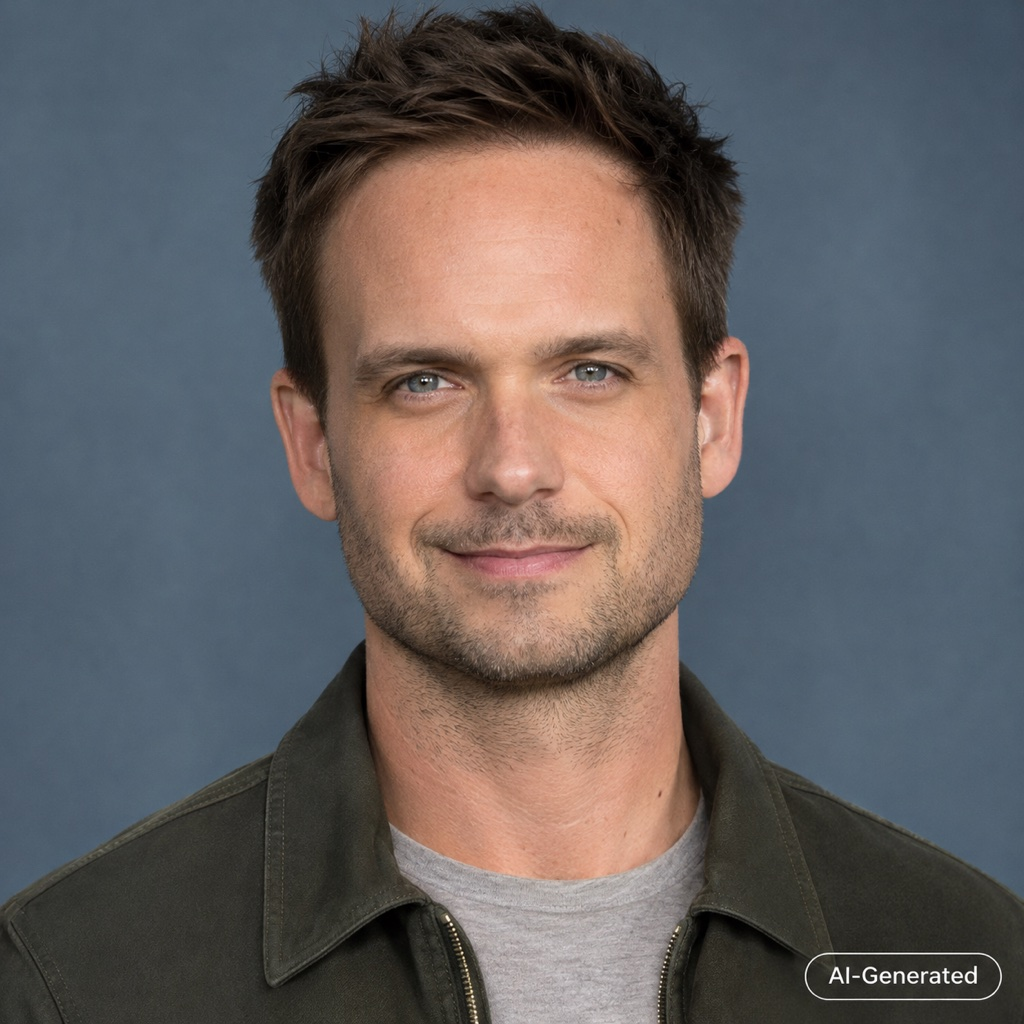
Cast portrait credits

Matthew Fox: Ewen Roberts, via Wikimedia Commons, CC BY 2.0. Commons crop and adjustments; resized.
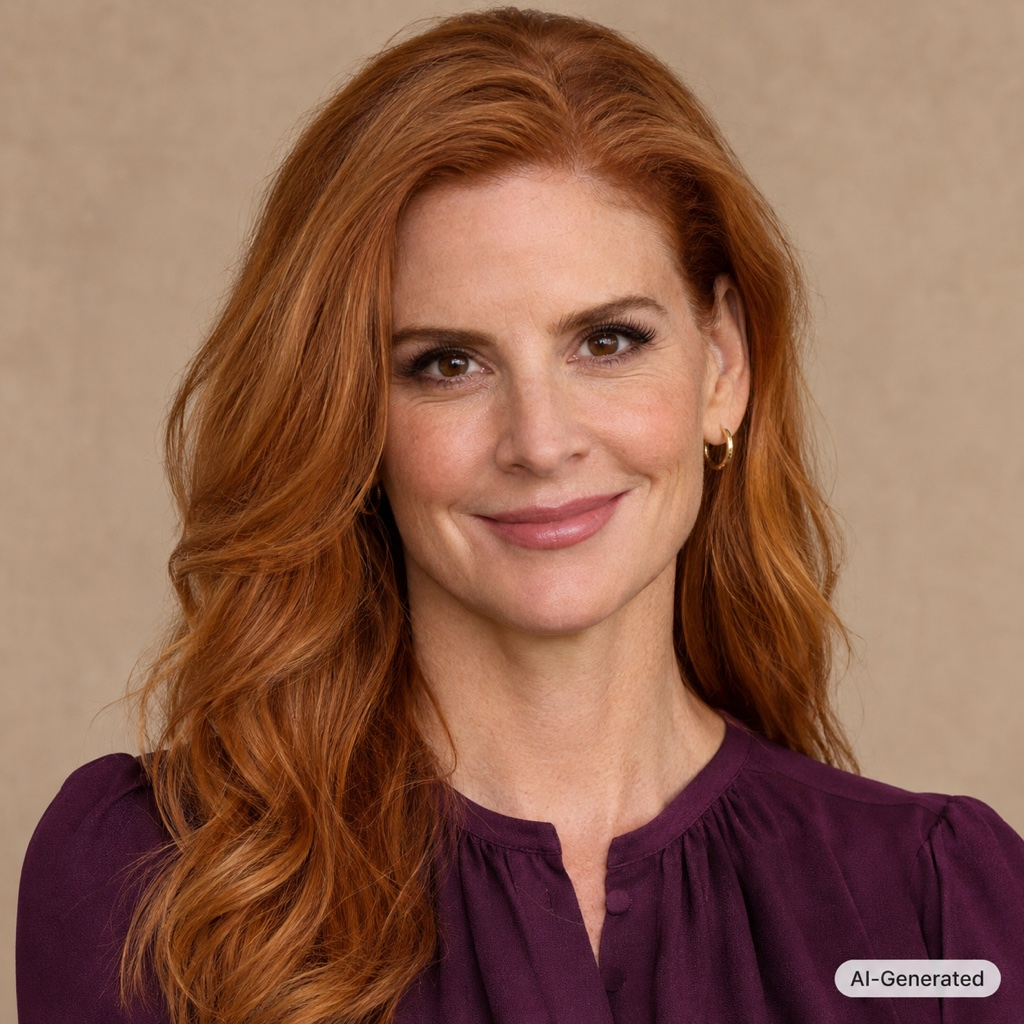
Evangeline Lilly: MTV UK, via Wikimedia Commons, CC BY 3.0. Video still, cropped on Commons.

Terry O’Quinn: Michele Meyer, via Wikimedia Commons, CC BY 2.0. Cropped on Commons.

Josh Holloway: Gage Skidmore, via Wikimedia Commons, CC BY-SA 3.0. Resized.
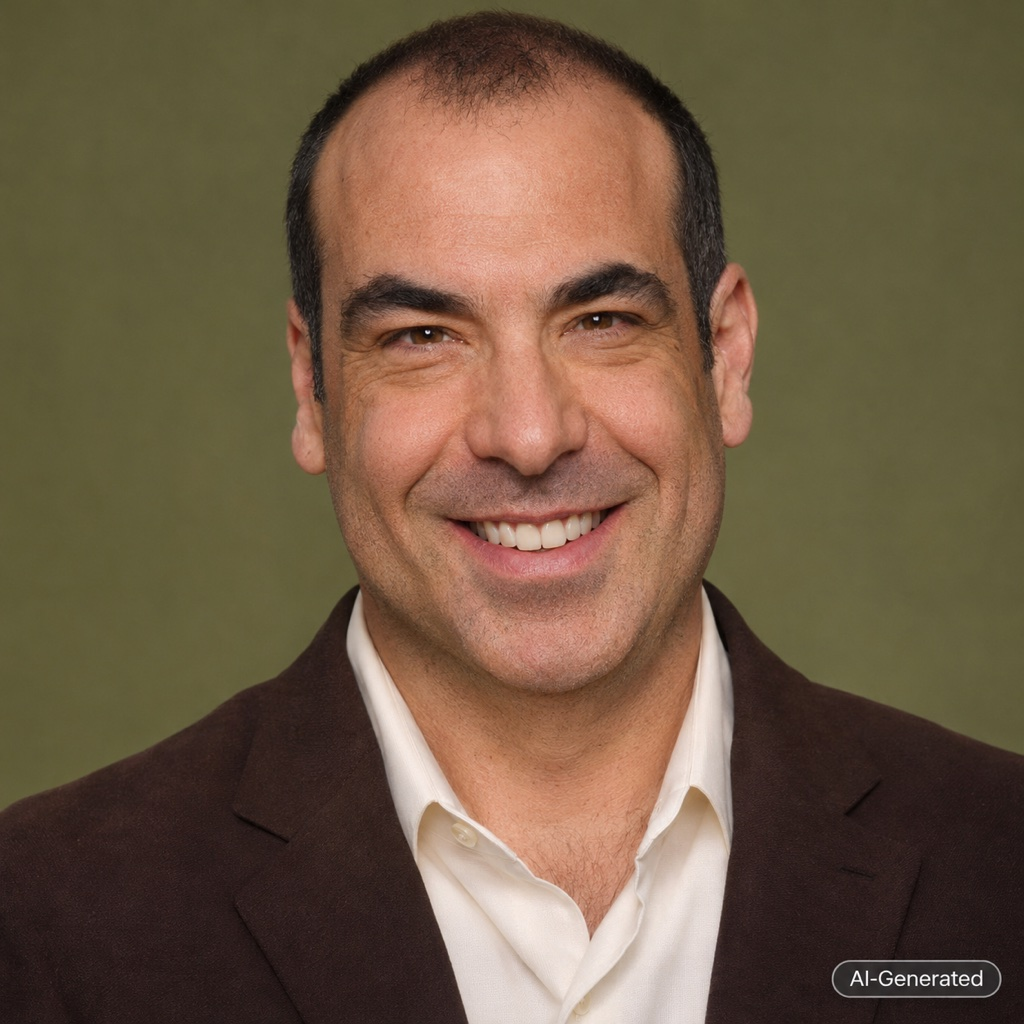
Jorge Garcia: Ewen and Donabel Roberts, via Wikimedia Commons, CC BY 2.0. Cropped on Commons.

Naveen Andrews: Bryan Berlin, via Wikimedia Commons, CC BY-SA 4.0. Commons crop; resized.

Michael Emerson: Genevieve, via Wikimedia Commons, CC BY 2.0. Resized.

Henry Ian Cusick: vagueonthehow, via Wikimedia Commons, CC BY 2.0. Cropped on Commons.

Dominic Monaghan: U2soul; crop and adjustments by RanZag, via Wikimedia Commons, CC BY 2.0.

Daniel Dae Kim: Ewen Roberts, via Wikimedia Commons, CC BY 2.0. Cropped on Commons.

Yunjin Kim: Lotte Entertainment (롯데엔터테인먼트), via Wikimedia Commons, CC BY 3.0. Video still.

Elizabeth Mitchell: Luke Ford/lukeford.net, via Wikimedia Commons, CC BY-SA 2.5. No changes.

Emilie de Ravin: Miguel Discart, via Wikimedia Commons, CC BY-SA 2.0. Resized.

Harold Perrineau: Derek Hofmann, cropped by Aiksu, via Wikimedia Commons, CC BY-SA 2.0. Existing crop.

Ian Somerhalder: John Manard / WikiPortraits, via Wikimedia Commons, CC BY-SA 4.0. Resized.

Maggie Grace: Gage Skidmore, via Wikimedia Commons, CC BY-SA 2.0. Existing crop, resized.

Adewale Akinnuoye-Agbaje: Gage Skidmore, cropped by Mike210381, via Wikimedia Commons, CC BY-SA 2.0. Existing crop, resized.

Michelle Rodriguez: Georges Biard, via Wikimedia Commons, CC BY-SA 3.0. No changes.

Néstor Carbonell: Kristin Dos Santos, via Wikimedia Commons, CC BY-SA 2.0. No changes.

Jeremy Davies: jbach, cropped by Wikimedia contributors, via Wikimedia Commons, CC BY-SA 2.0. Existing crop.

Ken Leung: Crosa, cropped by StrangeloveFan101, via Wikimedia Commons, CC BY 2.0. Existing crop, resized.

Jeff Fahey: Kevin Payravi / WikiPortraits, Wikimedia Commons, via source file, CC BY-SA 4.0. Existing crop, resized.

Malcolm David Kelley: iDominick, via Wikimedia Commons, CC BY-SA 2.0. Existing crop, resized.

Cynthia Watros: Sgt. Zachary Mott, U.S. Army, via Wikimedia Commons. Public domain in the United States. Existing crop, resized.

Everybody Loves Raymond: Faith, Family, and the Bible

Surviving Everybody Loves Raymond cast members at the 2025 reunion

Everybody Loves Raymond presents a family familiar with Catholic life, but its cast members have different religious backgrounds and public beliefs. Some have spoken plainly about faith. Others have shared much less. This guide brings together all nine main cast profiles and looks at the show’s family life through the Bible.

The comedy works because ordinary relationships can be both loving and difficult. A dinner becomes a contest. A favor becomes a debt. A brother feels overlooked. A husband wants peace without taking responsibility. Those situations can make us laugh, but they can also help us recognize habits we need to change.

What religion are the Everybody Loves Raymond cast members?

The table below summarizes the evidence reviewed for this series. Each name opens a full profile with sources, a biblical comparison, and the gospel. Public identity is not the same thing as knowing someone’s heart, and an unanswered question should not be replaced with a guess.

Cast member Character What the public record supports
Ray Romano Ray Barone Current beliefs not clearly established; dated skeptical remark reported by secondary sources.
Patricia Heaton Debra Barone Publicly professes Christian faith; later interviews describe Catholic identity.
Brad Garrett Robert Barone Jewish upbringing and identity; reported distance from religious practice in 2014.
Doris Roberts Marie Barone Documented Jewish identity; detailed personal theology not established.
Peter Boyle Frank Barone Catholic background and a reported return to Mass after 1999.
Monica Horan Amy MacDougall Barone Raised Catholic; converted to Judaism before marrying Phil Rosenthal.
Madylin Sweeten Ally Barone Personal religious beliefs unconfirmed in the sources reviewed.
Sawyer Sweeten Geoffrey Barone Personal religious beliefs unconfirmed in the sources reviewed.
Sullivan Sweeten Michael Barone Personal religious beliefs unconfirmed in the sources reviewed.

The original CBS cast description establishes the characters and family relationships. It does not establish the actors’ personal faith. Keeping those two subjects separate is essential, especially for performers who joined the series as children.

Is Everybody Loves Raymond a Christian show?

It is a family sitcom with religious elements, rather than a systematic presentation of Christianity. In a Beliefnet interview, Patricia Heaton explained that church life and Catholic identity were woven into the Barone family. She described a storyline about Ray’s reluctance to attend church and a conversation about why Debra went.

That setting gives the show room to talk about gratitude, marriage, guilt, forgiveness, and the place of God in everyday life. It does not mean that every joke or character choice agrees with Scripture. A believable portrayal of flawed people is not automatically an endorsement of their behavior.

What does the Bible say about Ray and Debra’s marriage?

Ray and Debra’s conflicts often expose how easy it is to want the benefits of marriage while resisting its duties. Viewers may recognize avoiding a difficult conversation, making excuses, keeping score, or using sarcasm when honesty feels costly.

Ephesians 5:21–33 sets marriage within reverence for Christ and calls husbands to sacrificial love. Philippians 2:3–4 challenges selfish ambition and urges concern for another person’s interests. Those passages do not give either spouse permission to control, belittle, or neglect the other.

A practical response is to ask a better question than who won the argument. Did I tell the truth? Did I listen? Did I take responsibility for my part? The biblical goal is not a household where nobody ever disagrees. It is a relationship shaped by humility, faithfulness, and love.

How does Marie’s interference compare with biblical love?

Marie can be generous and intrusive in the same conversation. Her role makes a recognizable problem funny: a person can sincerely care while also insisting that everyone accept her way of doing things. Good intentions do not automatically make an action wise.

First Corinthians 13:4–5 describes love as patient and kind, without insisting on its own way. Genesis 2:24 also speaks of marriage as establishing a new family bond. Parents deserve honor, but adult children need to carry responsibilities in their own households.

That balance challenges both generations. Parents can offer help without turning it into control. Adult children can establish boundaries without contempt. These are lessons viewers can apply to themselves, rather than excuses to diagnose the actors who played the characters.

What do Robert’s rivalry and Frank’s bluntness reveal?

Robert’s frustration about Ray’s attention highlights the danger of comparison. James 3:14–16 warns about envy and selfish ambition. Another person’s success can become a reason to feel cheated when we treat affection as a contest with only one winner.

Frank’s blunt speech raises another question: is what I am saying helpful, or am I enjoying the ability to wound? Ephesians 4:29 calls for words that build others up. Honesty does not require cruelty. Humor can expose foolishness without teaching us to dismiss another person’s dignity.

A sitcom often returns its characters to familiar patterns so another episode can work. Real life calls for something deeper than repeating the same fight. Repentance means acknowledging wrong and turning from it, not merely waiting until the tension passes.

Is family affection enough to deal with sin?

Family love is valuable, but it cannot make us innocent before God. Romans 3:23 teaches that all have sinned. The Ten Commandments expose dishonesty, theft, coveting, and failure to honor God. Jesus’ teaching in Matthew 5 reaches inward to anger and lust.

These failures are not limited to unusually troubled families. They appear in respectable homes, religious communities, and ordinary routines. We can laugh at a character’s selfishness while avoiding our own. The Bible asks us to examine ourselves honestly instead of grading our lives against someone worse.

What is the full gospel of Jesus Christ?

God is holy and just. Sin deserves judgment, and we cannot erase guilt by doing enough good things, belonging to a church, or being loved by our family. We need forgiveness that deals with wrongdoing rather than pretending it never mattered.

God has provided a Savior through His Son, Jesus Christ. Jesus lived without sin, died on the cross for sinners, and rose bodily from the dead. First Corinthians 15:3–4 places His death, burial, and resurrection at the center of the gospel. Romans 5:8 presents His death as the expression of God’s love for sinful people.

Salvation is received by grace through faith, not earned by works (Ephesians 2:8–9). Jesus calls us to repent and believe: turn from sin and trust Him rather than our own goodness. Forgiveness begins a changed life of following Christ, loving others, and returning to Him when we fail.

No cast member’s public religious label can answer that personal question for us. The purpose of this series is to report public beliefs accurately and invite readers to consider Jesus. We do not claim to know anyone’s heart or final standing before God.

Where should I start reading?

Choose any cast member in the table above, or browse the Famous Faith Index. Read the evidence with its dates and limits in view. Then consider the larger question the Bible places before every one of us: am I relying on myself, or on the grace God offers through Jesus Christ?

Photo credit: Sonja Flemming/CBS, ©2025 CBS Broadcasting, Inc., via TV Insider. Surviving cast members at the 2025 reunion: Madylin Sweeten, Brad Garrett, Monica Horan, Patricia Heaton, Ray Romano, and Sullivan Sweeten. Resized and compressed.