What Is Jack Black’s Religion? Is He a Christian?

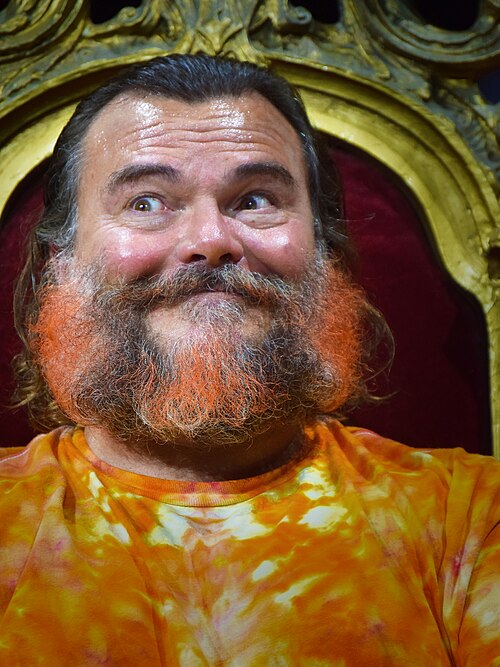
Jack Black at New York Comic Con in 2022

Jack Black’s public comments point to a Jewish upbringing, a strong connection to Jewish culture, and a period when he described himself as an atheist. Those details belong together. His own words show why one simple label can leave out an important part of his story.

In a 2019 WIRED interview, Black answered a question about his religion by saying, “Judaism. Born and raised.” In an earlier interview with NPR’s Fresh Air, he called himself “kind of an atheist.” The dates matter: these are statements made in different settings, not a reason to pretend we know every part of his present beliefs.

What has Jack Black said about Judaism?

During WIRED’s interview with Black and Awkwafina, he described his father’s conversion to Judaism and Protestant background. He also talked about celebrating both Hanukkah and Christmas. His answer was playful, but it clearly placed his childhood within Judaism.

Religious identity can involve family history, holidays, community, and belief. A person may identify with a tradition while holding questions about God. Black’s comments are a useful reminder to listen to the meaning someone gives a label rather than forcing that label to answer every question.

Why has he also been described as an atheist?

In his 2012 conversation with Terry Gross, Black discussed the emotional force of rock music. While describing the way a powerful song could lift him, he said that he did not have much spirituality in his life and used the atheist description. He explained that music could give him something close to a spiritual feeling.

That was a direct statement about his outlook at that time. It is stronger evidence than a stranger guessing from a comedy routine. His later description of his Jewish roots adds context, but it does not fully explain whether his views about God changed. The sources reviewed here do not settle that question.

For that reason, the most accurate short answer is that Black has publicly described both Jewish identity and atheist beliefs. His connection to Jewish culture should not be erased, and his earlier words about unbelief should not be ignored.

How do his movies and music fit into the picture?

Black is known for a mix of acting, comedy, singing, and guitar playing. School of Rock brought those abilities together, while his work in family films introduced him to another generation of viewers. His band, Tenacious D, also makes music an important part of his public life.

In 2026, he returned as the voice of Bowser in The Super Mario Galaxy Movie. Nintendo’s official cast announcement confirms that role. His performance is entertainment, however, and a fictional villain does not tell us what an actor believes about God.

Music is the more useful bridge because Black himself connected it with a sense of wonder. Many people recognize that feeling. A song can stir joy, sorrow, gratitude, or longing before we have words for the experience. Taking that seriously does not require pretending that every moving experience carries the same religious meaning.

How does the Bible compare with those ideas?

The Bible celebrates music. Psalm 150 calls people to praise God with instruments and voices. Creativity and delight can be good gifts, and Christians do not need to dismiss the joy someone finds in a performance. James 1:17 connects good gifts with God’s generosity.

Yet Scripture makes a claim beyond the power of an experience. God exists whether we feel inspired or empty. Genesis 1:1 presents Him as the Creator, and Acts 17:24–28 describes Him as the giver of life who is near to those who seek Him. Biblical faith rests on who God is, rather than on whether a song produces a certain emotion.

Christianity also grows from the story of Israel and the Hebrew Scriptures. Jesus was Jewish, and His earliest followers were Jewish. The central Christian claim is that He is the promised Messiah. That claim should be explained honestly, without treating Jewish people or anyone with doubts as objects of contempt.

What is the gospel’s invitation to the reader?

The Bible says our deepest problem is sin. All of us have failed to love God and our neighbors as we should. Romans 3:23 includes the religious person, the skeptic, and the celebrity in that same need. Sin deserves God’s judgment, and we cannot cancel our guilt through talent, kindness, or religious heritage.

God’s answer is Jesus Christ. The Son of God became human and lived without sin. He willingly died on the cross, bearing the judgment sinners deserve, and rose bodily from the dead. First Corinthians 15:3–4 describes His death for our sins, burial, and resurrection as the heart of the good news.

Salvation is a gift of grace through faith, not a prize for good behavior (Ephesians 2:8–9). God calls us to repent of sin and trust in Jesus as Savior and Lord. You can bring your questions to Him honestly. Read one of the Gospels, consider Jesus’ claims, and seek Him. This invitation is for the reader; it is not a claim to know Jack Black’s heart.

Photo credit: Philip Romano, Wikimedia Commons, CC BY-SA 4.0. Cropped portrait, resized for this page.


What Is Margot Robbie’s Religion? Is She a Christian?

Margot Robbie at the Babylon premiere in 2023

Margot Robbie’s religion is less clearly documented than her movie career. Some celebrity profiles describe her as Christian, but the sources reviewed for this article do not provide a clear, recent statement from Robbie explaining her personal beliefs. The most careful answer is that her current religious views are not publicly established by the evidence available here.

That leaves room for an honest distinction. A published label can tell us what a website says about an actor. A direct interview can tell us what that actor actually says she believes. Those are different kinds of evidence, and readers deserve to know which kind they are getting.

What has been reported about Margot Robbie’s faith?

Beliefnet’s celebrity faith profile calls Robbie Christian and reports a Christian family background and church attendance with her grandfather. However, that profile does not link to a direct statement from Robbie supporting its religious label. Those claims should therefore be treated as reported background rather than a verified account of her present convictions.

The interviews reviewed here focus much more on acting, producing, family, and creative work. They do not establish a denomination, a regular worship practice, or a detailed view of God. It would be just as unfair to turn that limited information into a claim that she is an atheist. When the evidence is limited, saying so is more useful than filling the gap with a guess.

Why do so many readers want to know about her?

Robbie grew up in Australia and moved into television through Neighbours. She later worked in American television and became widely known through The Wolf of Wall Street. Her career has since included major studio films and demanding character roles. That range helps explain why audiences are interested in the person behind the performances.

She is also a producer. In Vogue’s 2023 interview about Barbie, she discussed developing the project through LuckyChap and giving its filmmakers creative room. Her work reaches beyond appearing in front of a camera to helping decide which stories get made.

Her 2026 film Wuthering Heights pairs her with Jacob Elordi under director Emerald Fennell. The official film site lists Robbie as both a star and a producer. These professional choices tell us about her work. They do not supply a religious confession, and a character’s words should never be used as a substitute for her own.

How does the Bible guide a fair discussion of someone’s beliefs?

The Bible calls people to speak truthfully and listen carefully. Proverbs 18:13 warns against answering before hearing, while James 1:19 urges us to be quick to listen and slow to speak. Applied here, those principles mean resisting easy labels when the supporting evidence is weak.

Scripture also gives every person dignity. Genesis 1:27 teaches that human beings are made in God’s image. A famous actress is neither a spiritual trophy nor a target. She is a person whose words should be handled with the same care we would want for our own.

Creativity and careful work are worth appreciating. Yet the Bible separates a person’s gifts from the question of reconciliation with God. Talent, success, a family tradition, and public approval cannot answer that question for any of us. This moves the discussion from what we can verify about Robbie to what Scripture asks each reader to consider.

What does it mean to be a Christian?

Christianity centers on Jesus Christ, not on a career, a country, or a religious family name. The Bible teaches that God is holy and good. He made us to know Him and love our neighbors. But all of us have sinned: we have rejected God’s authority in our thoughts, desires, words, and actions. Romans 3:23 says this is a problem shared by everyone.

Sin brings real guilt and separates us from God. We cannot repair that relationship by collecting good deeds or becoming more impressive. The good news is that God acted in love. Jesus, the eternal Son of God, became human, lived without sin, and willingly died on the cross for sinners. He bore the judgment we deserve. He was buried and rose bodily from the dead, defeating death and confirming His victory.

First Corinthians 15:3–4 places His death for our sins and His resurrection at the heart of the gospel. Ephesians 2:8–9 teaches that salvation is God’s gift, received through faith rather than earned through works. God calls us to repent, turning from sin, and trust in Jesus Christ as Savior and Lord.

You do not need fame, a clean history, or the right family background to come to Him. You need His mercy. Following Jesus involves a changed direction, with obedience growing from grace rather than buying it. If you are exploring faith, read the Gospel of John and ask who Jesus is and why He came. Robbie’s public religious identity remains uncertain in the sources reviewed here. The invitation of the gospel, however, is clear and is addressed to you as well.

Photo credit: Eva Rinaldi, Wikimedia Commons, CC BY-SA 2.0. Cropped portrait; reused without further changes.

What Is Joseph Quinn’s Religion? Is He a Christian?

Joseph Quinn at CinemaCon in April 2024

Joseph Quinn became widely known as Eddie Munson in Stranger Things, then moved into a range of major film roles. His interviews discuss acting, sudden recognition, and the pressure of public attention. The reliable sources reviewed here do not establish a current religious affiliation or a clear personal profession of Christian faith. His Marvel work includes the Human Torch, and he is also confirmed for the Avengers: Doomsday cast.

A character’s reputation is not the actor’s religion. Neither Eddie’s outsider identity nor the dramatic imagery surrounding his story provides evidence that Quinn personally follows a particular faith. His own statements must guide the answer.

What has Joseph Quinn shared about belief?

In a December 2022 British GQ interview, Quinn discussed the enormous change brought by Stranger Things and the way strangers can construct stories about a public figure. He noted that people may create narratives that are not true. That observation is especially relevant when answering questions about private beliefs.

A June 2024 British GQ profile explored his growing film career, work habits, and adjustment to new opportunities. These interviews provide useful context about the person behind Eddie Munson. They do not supply a denomination, church membership, or detailed statement about salvation.

Even a casual religious phrase in conversation would need context. Familiar expressions about God are not necessarily a full confession of faith. A responsible profile should distinguish ordinary language, a family background, and a clearly stated personal conviction.

Is Joseph Quinn a Christian?

A current public profession of trusting Jesus Christ as Savior and Lord is not established in the sources cited here. It would therefore be inaccurate to present Quinn as a confirmed Christian. The same limited record does not justify labeling him an atheist.

This answer describes the evidence available for the profile, not a judgment about his heart. Christians can explain definite beliefs while admitting what they do not know about another person. Truthful witness matters more than producing a confident label.

Public stories and false witness

Quinn’s comments about invented narratives raise a biblical concern. Exodus 20:16 forbids false witness. Proverbs 18:13 warns against answering before hearing, and verse 17 reminds readers that an initial account may need examination. These principles apply to online speculation as surely as to personal disputes.

A widely repeated claim does not become true merely because it appears in several biographies. Those pages may be repeating one another. Claims about religion should have an identifiable basis in the person’s own words or reliable reporting, especially when the subject has not clearly addressed the question.

Christians should also avoid turning caution into a way to imply something negative. Saying that a belief is unconfirmed does not mean the person is dishonest or spiritually hostile. It means the answer has limits.

Outsiders, dignity, and discernment

Eddie Munson’s outsider status is part of what drew viewers to the character. Stories about people who are misunderstood can prompt useful reflection, but an actor should not be reduced to that one role. A performance can convey ideas the performer does not personally share.

The Bible calls for fair treatment rather than judging by appearance or social status. James 2:1–9 condemns favoritism, and Genesis 1:27 grounds human dignity in God’s image. Those truths challenge the habit of treating unfamiliar people as suspicious simply because they do not fit an accepted image.

At the same time, discernment is not the same as approving every idea or choice. Christians are called to examine what is true and good. The standard should be Scripture, applied consistently and with humility, rather than fear, rumor, or enthusiasm for a favorite character.

Achievement and the deeper question of identity

Professional recognition can change how other people treat someone, but it cannot answer every question about purpose or worth. Jesus asks what it profits a person to gain the world and lose his soul (Mark 8:36). That question reaches people in ordinary careers as much as successful performers.

Scripture values diligent work and gratitude for good gifts. Yet it also teaches that we are accountable to God beyond what an audience sees. A polished reputation cannot remove pride, selfishness, dishonesty, or the failures of love hidden within the heart.

The gospel of Jesus Christ

All have sinned and fall short of God’s glory (Romans 3:23). Sin brings death and judgment (Romans 6:23; Hebrews 9:27). Good intentions, religious heritage, public approval, and moral effort cannot earn forgiveness.

Jesus Christ, the eternal Son of God, became truly human and lived without sin. Fully God and fully man, He willingly died on the cross as a substitute for sinners, bearing the judgment we deserve. He was buried and rose bodily from the dead on the third day (John 1:1–14; 1 Peter 2:22–24; 1 Corinthians 15:3–4).

Salvation is God’s gift of grace received through faith in Christ, not a reward for works (Ephesians 2:8–9). God calls us to repent, turning from sin and self-rule, and trust the crucified and risen Savior. Good works follow from new life rather than purchasing it.

Quinn’s current personal faith should remain unconfirmed where the evidence is limited. The Christian invitation to every reader is nevertheless clear: consider Jesus Christ Himself, who offers reconciliation with God beyond anything a reputation or a successful role can provide.

Sources

Portrait: Gage Skidmore, CC BY-SA 3.0, via Wikimedia Commons. Cropped or resized where needed.

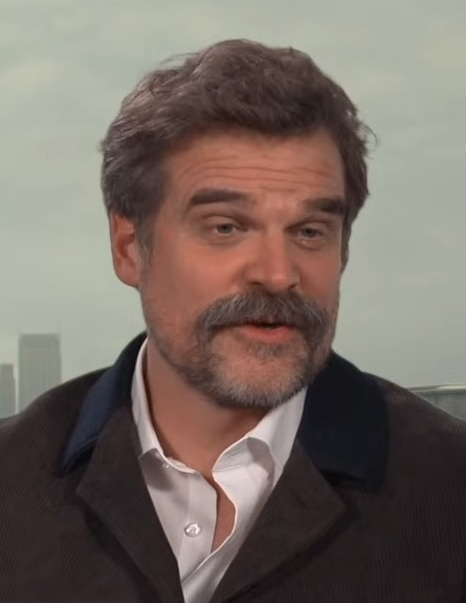
What Is David Harbour’s Religion? Is He a Christian?

David Harbour in a 2025 interview

David Harbour has described a spiritual search that has included Catholicism, Buddhist practice, and questions about consciousness and meaning. A 2025 British GQ interview highlighted his continuing connection with a Buddhist monastery and the influence of a longtime friend who became a monk. His public story is more complex than one fixed denominational label.

Harbour plays Jim Hopper in Stranger Things. Hopper’s struggles, courage, and experiences with the Upside Down belong to a fictional character. They do not establish the actor’s faith. Harbour’s own interviews are the proper starting point. His Marvel work includes Red Guardian, and he is also announced for the Avengers: Doomsday cast.

What has David Harbour said about religion?

In a 2019 interview with The Pitch, Harbour described having explored Catholicism and Buddhism. Asked about the paranormal, he expressed a view centered on consciousness rather than a straightforward belief in ghosts. His answer was exploratory and personal, not a formal creed.

That same year, he told Esquire that he had given up Catholicism while discussing the spiritual questions he had explored through reading. This is important context: a past interest in Catholic thinkers should not automatically be presented as a current Christian affiliation.

In April 2025, British GQ described Harbour’s periodic visits to a monastery associated with the tradition of Thích Nhất Hạnh. He discussed meditation, conversation, and the help he found through a friend who had become a Buddhist monk. He also reflected on change and the temporary nature of life.

Is David Harbour a Christian?

The sources reviewed here document an earlier Catholic connection and a broader, continuing spiritual search. They do not establish a current public profession of trusting Jesus Christ as Savior and Lord. It would therefore be misleading to describe him as a confirmed Christian simply because he once explored Catholicism.

It would also be too strong to assign him a complete Buddhist creed from monastery visits alone. A person can find a practice or relationship meaningful without publicly affirming every doctrine connected with it. Accurate reporting should describe the connections he has actually discussed and leave unsupported claims aside.

Change, impermanence, and a lasting hope

Harbour’s reflections on change raise a question people face in every stage of life. Roles end, relationships change, bodies age, and achievements cannot be held forever. The Bible recognizes that human life is brief. James 4:14 compares it to a mist, and Ecclesiastes repeatedly challenges confidence in earthly success.

Christianity does not answer this reality by denying it. It directs our attention to the eternal God. Psalm 90 connects the passing of human generations with God’s enduring nature. Recognizing our limits can help expose pride and remind us that control over the future has always been incomplete.

Yet Christian hope is more than accepting change. Jesus promises resurrection and life to those who trust Him (John 11:25–26). The final hope is not simply a calmer attitude toward death but Christ’s victory over death and the restoration of His people.

Spiritual experience and spiritual truth

A monastery visit, a conversation, or a moment of stillness can feel significant. Christians should not mock someone for finding relief or for asking serious questions. But a meaningful experience does not by itself determine whether its underlying beliefs are true.

The Bible calls for discernment. First John 4:1 tells believers to test spiritual claims, and Acts 17:11 commends examining teaching through Scripture. Christian faith is directed toward the God revealed in Jesus Christ. It cannot be reduced to a general feeling that something important exists beyond daily life.

This distinction also protects people from equating religious intensity with maturity. The New Testament describes spiritual fruit in terms of love, patience, kindness, and self-control (Galatians 5:22–23). Impressive feelings or confident language are not a substitute for truth and a life shaped by grace.

A Savior rather than a new technique

Many people seek a way to become calmer, kinder, or less controlled by ambition. Those can be worthwhile aims, but the Bible identifies a deeper problem: sin separates us from God. We need forgiveness, not only a more manageable daily experience.

All have sinned, including religious seekers and people who feel spiritually settled (Romans 3:23). God sees our thoughts, desires, and failures of love. The consequence is death and judgment (Romans 6:23; Hebrews 9:27). We cannot remove guilt through meditation, religious effort, or a record of good deeds.

The gospel of Jesus Christ

God’s Son, Jesus Christ, became truly human while remaining fully God. He lived without sin and willingly died on the cross as a substitute for sinners, bearing the judgment we deserve. He was buried and rose bodily from the dead on the third day (John 1:1–14; 1 Peter 2:22–24; 1 Corinthians 15:3–4).

Salvation is God’s gift of grace, received through faith rather than earned by works (Ephesians 2:8–9). God calls us to repent, turning from sin and self-rule, and trust the crucified and risen Savior. Christian obedience grows from that new life; it does not purchase it.

Harbour’s public spiritual search can be described without forcing a label beyond the evidence. The Christian invitation to every reader is to consider Jesus Himself: the Savior who offers reconciliation with God and a hope that endures when everything familiar changes.

Sources

Portrait: PelucheEn ElEstuche, CC BY 3.0, via Wikimedia Commons. Cropped or resized where needed.

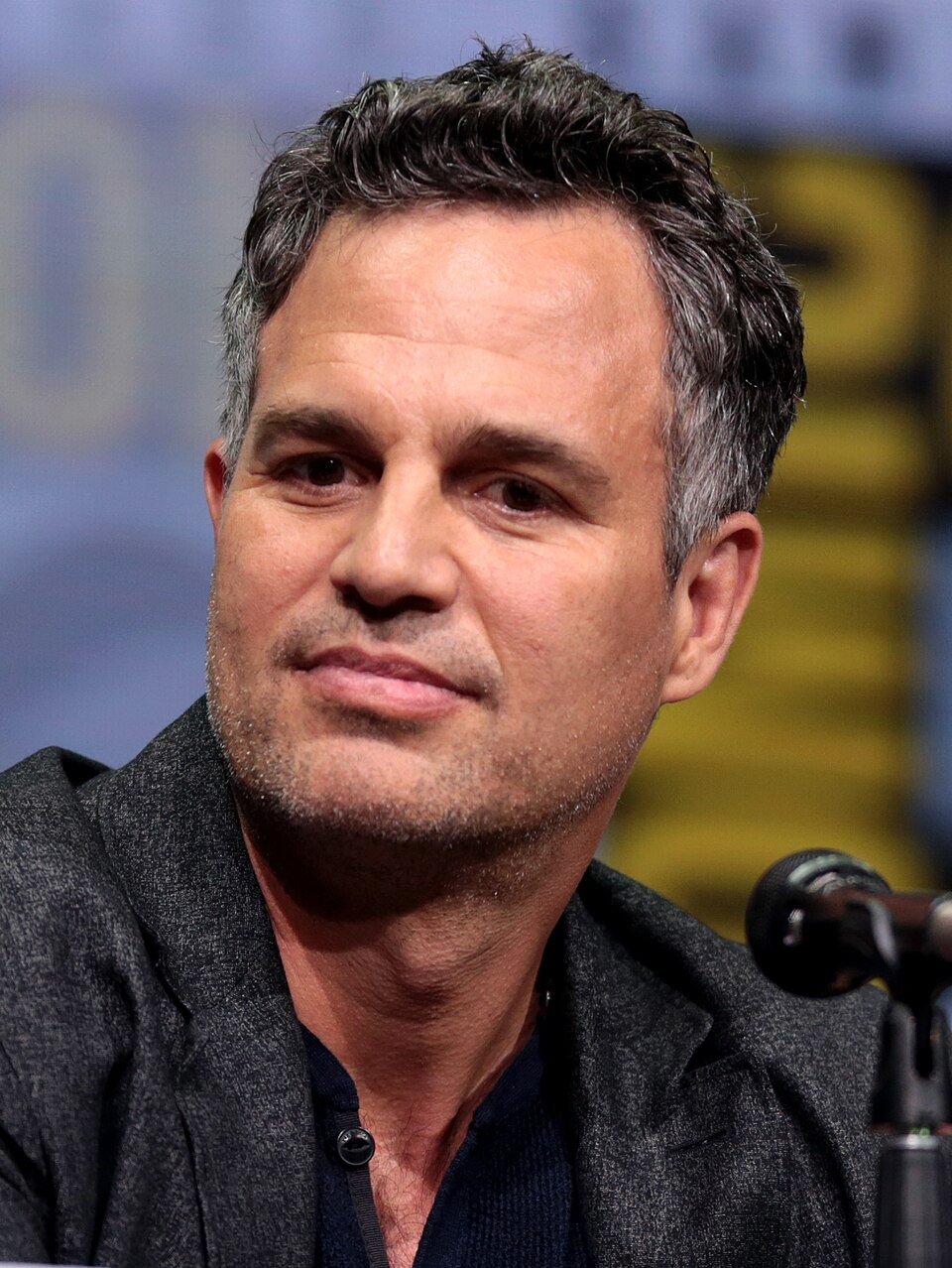
What Is Mark Ruffalo’s Religion? Is He a Christian?

Mark Ruffalo at San Diego Comic-Con in 2017

Mark Ruffalo grew up around several religious influences, including Catholic and evangelical Christian relatives and a Bahá’í father. In a 2016 interview, he said he was not religious and referred to his Catholic upbringing. Other public comments show that he has also reflected on God and spirituality.

The evidence therefore calls for a nuanced answer. His family’s beliefs are part of his background, but they do not automatically establish that he identifies as a Christian today.

A household with different perspectives

Ruffalo is known for films including Spotlight and Dark Waters, as well as playing Bruce Banner and the Hulk in Marvel movies. His work has often involved stories about people confronting difficult questions and institutions. Those performances place him at the center of the Avengers ensemble.

In a 2004 conversation published by the Golden Globes in 2021, Ruffalo recalled growing up with Catholic, evangelical Christian, and Bahá’í influences in his family. He described caring for relatives who held different beliefs and spoke about a personal spiritual journey.

In a 2016 interview about Spotlight, an interviewer asked whether he was religious. Ruffalo answered no and noted that he had been raised Catholic. He also spoke with concern for people hurt by abuse and for those whose faith had been damaged by the church’s response.

Later, during a 2019 conversation reported by Religion News Service, Ruffalo again described his varied family background and the influence of people who cared for their communities. His comments help explain why faith-related themes appear in some of his work without proving that he follows the beliefs of a character.

Those statements are dated and should be read in context. They support describing a varied upbringing and personal reflections on spirituality, while leaving his current private convictions to him.

Compassion, justice, and truth

Ruffalo’s concern for people who have been harmed is a fitting place for Christians to listen carefully. Scripture calls people to care for their neighbors and speak truthfully. Harm committed by religious people is real harm, and it should not be excused to protect an institution’s image.

The Bible also says human dignity rests on the fact that people are made in God’s image. That is true whether a person shares our beliefs or not. Respectful disagreement should never require indifference to another person’s suffering.

At the same time, Scripture applies God’s moral standard to everyone. Have we lied, stolen, or coveted another person’s position? Have we harbored hateful anger or lust? The writer and reader are included in those questions. God is holy and just, and Romans 3:23 says all have sinned.

Good causes and honest work matter, but they cannot erase guilt before God. We need His forgiveness as well as the desire to help others.

The gift offered in Christ

Jesus Christ is God’s divine Son who became human and lived without sin. He willingly died on the cross in our place, bearing the full penalty for our sins. He was buried and rose bodily from the dead. His finished work is the foundation of Christian hope.

God offers forgiveness and eternal life as a free gift by grace through faith in Jesus Christ. Religious rituals, good works, and self-improvement cannot earn it. The invitation is to trust the risen Savior and what He has done for us.

Ruffalo’s story illustrates why family background and personal belief should be distinguished. For all of us, the gospel points to the same Savior and the life He offers freely.

Sources

Golden Globes’ publication of Ruffalo’s 2004 comments; Mid-day interview, February 2016; Religion News Service on Ruffalo and Dark Waters, December 2019. Bible passages: Genesis 1:27; Exodus 20:15–17; Matthew 5:21–28; Romans 3:23–26; 1 Corinthians 15:3–4; Ephesians 2:8–9.

Photo: Gage Skidmore, July 22, 2017, via Wikimedia Commons, CC BY-SA 2.0. Cropped, web-sized version.

What Is Kenneth Branagh’s Religion? Is He a Christian?

Kenneth Branagh at the 2026 Toronto International Film Festival

Kenneth Branagh grew up in a Protestant family in Belfast. His public reflections describe that background partly as a family and social tradition. They do not, by themselves, establish a detailed account of his current Christian beliefs or church membership.

That distinction matters when answering whether he is a Christian. A Protestant upbringing is part of his biography. Personal faith in Jesus Christ is another question, and we should not claim certainty about it from a childhood label or a film he directed.

What has Branagh said about his upbringing?

In a 2021 Here & Now interview about Belfast, Branagh explained that his family attended church but had a largely nominal connection with Protestantism. His parents also taught him that people were equal regardless of their religion.

He described religious identity as intertwined with local custom and community boundaries. Catholic neighbors attended a different church, but they remained neighbors. His account helps readers understand how religious labels can function socially even when a family’s personal convictions are less clearly defined.

Why does Belfast matter to this question?

Branagh’s film looks back toward a childhood disrupted by conflict. His interview recalls a mixed neighborhood and the shock of seeing Catholic families pressured to leave. His own family eventually left Belfast too. The story presents a child’s view of divisions he did not fully understand.

A film inspired by memory can raise important spiritual questions without serving as its maker’s statement of doctrine. We can examine the themes Branagh brings to the screen while being careful not to assign every character’s speech or attitude to him personally.

What connects his storytelling with questions of belief?

Branagh is known for acting and directing, including Shakespeare adaptations and mainstream films. His work often invites viewers to consider loyalty, power, conscience, and responsibility. These are human questions that also appear throughout Scripture. He also directed Thor and voiced the opening distress call in Avengers: Infinity War.

Storytelling gives us a chance to consider someone else’s point of view. It cannot replace careful reasoning about truth. A moving scene may help us feel the pain of division, but its emotional force does not settle every claim about God. That requires looking beyond the screen.

What does Scripture say about religious hostility?

Christians should take religious violence seriously rather than excuse it because someone uses a familiar label. Jesus commands love for our neighbors and even our enemies in Matthew 5. James 2 rejects favoritism. Hatred is not made holy by attaching God’s name to it.

This does not mean theological differences are unimportant. Protestants and Catholics have real disagreements, and those deserve honest discussion. Yet disagreement must not become permission to threaten, dehumanize, or mistreat people. Christians are called to speak truth with love, as Ephesians 4:15 teaches.

Is inheriting a tradition the same as trusting Christ?

No family can believe on another person’s behalf. Religious customs can teach useful truths and give a child a framework for questions. They can also become habits that continue without much reflection. Jesus challenged people who honored God outwardly while their hearts were far from Him in Mark 7:6.

That warning is for all religious communities. It invites each reader to ask: What am I actually relying on? My family’s history, my church attendance, my moral reputation, or Jesus Himself? A respected tradition cannot automatically answer the personal question of faith.

How does God’s law expose our need?

It is easy to condemn another group’s wrongdoing while overlooking our own. God’s commands reach everyone. We are to speak truth, honor Him, reject theft, and remain faithful. We must also love others rather than nourish contempt or envy. Have we kept that standard without failure?

Romans 3:23 says all have sinned. Our guilt cannot be erased by being on the right side of a neighborhood boundary or winning an argument about religion. Romans 3:20 explains that the law reveals sin. It shows the need for a Savior who can do what our moral efforts cannot.

What is the good news about Jesus?

Jesus Christ, God’s Son, lived a sinless life and willingly died on the cross for our sins. He bore the judgment we deserve. He was buried and rose bodily from the dead. First Corinthians 15:3–4 places these events at the center of the Gospel.

Forgiveness and eternal life are gifts of grace received through faith in Him. Ephesians 2:8–9 explains that salvation is not earned by works. You can trust Christ’s finished work rather than your heritage or achievements. His invitation reaches people across the boundaries that often divide us.

Branagh’s childhood reflections show why religious identity deserves careful handling. Scripture takes the discussion further: beyond the label we inherited, who is the Savior we trust? That is a question every reader can consider personally.

Sources and photo credit

Here & Now: Kenneth Branagh discusses Belfast, 2021; TheWrap interview on childhood displacement and Belfast.

Photo: K6ka, Wikimedia Commons, CC BY-SA 4.0. Resized; image remains under the same license.

What Is Danai Gurira’s Religion? Is She a Christian?

Danai Gurira portrait

Danai Gurira, known for Michonne in The Walking Dead, has publicly identified as Christian. She has also explored the complicated relationship between faith, African identity, and colonial power in her writing. Those two facts should be held together. Her willingness to question religious coercion does not cancel her stated faith, and her Christian identity does not mean every character in her work speaks for her.

Her screen work also includes Okoye, a role that carries from Black Panther into Avengers: Infinity War and Endgame.

Danai Gurira’s public Christian identity

In a 2013 American Theatre interview with Tim Sanford, Gurira addressed her Christianity while discussing her play The Convert. The conversation explored faith and the harm caused when religion is tied to domination. Her perspective was not simply an outsider’s rejection of Christianity. She was examining difficult history while speaking from her own Christian identity.

In an interview published by Marin Theatre, Gurira discussed Christian faith alongside her Zimbabwean heritage and family history. Her account shows that cultural belonging and faith can be intertwined in personal and complicated ways. It does not justify assuming that every African Christian shares an identical experience or theological outlook.

Gurira has also discussed prayer and meditation as practices that help center her sense of purpose in an interview with Men’s Journal. These statements give a firmer basis for describing her public faith than guessing from the roles she plays. Still, a celebrity profile cannot establish every detail of her theology or certify anyone’s standing before God.

Christian faith and the misuse of power

The Bible provides grounds for rejecting manipulation in religion. Second Corinthians 4:2 rejects deception and distortion of God’s word. First Peter 3:15 calls believers to explain their hope with gentleness and respect. People should hear the truth about Christ without being treated as tools, threats, or targets of cultural contempt.

Scripture also teaches that all people bear God’s image (Genesis 1:27). James 2 condemns favoritism. Those principles challenge racism, arrogance, and the idea that one people’s worth depends on adopting another people’s social status. The gospel is good news for every nation. It does not make any ethnicity the measure of human dignity.

Taking difficult questions seriously

Art can invite us to notice suffering and ask how belief affects real lives. A play’s exploration of religious conflict should not automatically be treated as the author’s rejection of faith. Neither should an actor’s performance be read as a complete confession of personal belief. We can evaluate a work thoughtfully while allowing the artist’s own stated convictions to speak for themselves.

Christians do not have to deny wrongdoing in church history to trust Jesus. We can acknowledge sin and ask whether our conduct agrees with His teaching. Repentance is part of Christian faith, not an admission that Christ has failed. Jesus’ character and saving work remain the foundation of hope even when those claiming His name act badly.

A faith claim and a personal response

It is fair to report that Gurira has called herself Christian. It is also fair to leave unspoken details unspoken. Readers should avoid either dismissing her stated faith or treating her reputation as proof of their own relationship with God. Her story can encourage serious reflection on truth, dignity, and purpose. The Bible’s call, however, reaches each of us personally: hear the gospel, repent, and trust Christ.

A personal question for the reader

There is nothing wrong with being interested in Danai Gurira’s faith. Learning what another person actually believes can lead to thoughtful, respectful conversations. But our first concern should be our own standing before God and where we will spend eternity. A celebrity’s confidence, uncertainty, religious background, or kindness cannot answer that question for us.

The gospel: forgiveness through Jesus Christ

The Bible says God created us and is perfectly holy. All of us have sinned against Him in our thoughts, words, and actions (Romans 3:23). We cannot erase that guilt by being more successful, joining a religious group, or doing enough good things. Sin deserves judgment, and its wages are death (Romans 6:23).

God loved sinners enough to send His Son. Jesus Christ, fully God and fully man, lived a sinless life, died on the cross for our sins, and rose bodily from the dead. His death and resurrection are the heart of the gospel (1 Corinthians 15:3–4). He alone can reconcile us to God.

Salvation is a gift of grace received through faith, not a reward for our works (Ephesians 2:8–9). Jesus calls us to repent and believe—to turn from sin and self-rule and trust Him as Savior and Lord (Mark 1:15). You can speak honestly to God today, confess your sin, and ask for His mercy through Christ. A prayer is not a magic formula; the hope is Jesus Himself. Read the Gospel of John and find a church that faithfully teaches Scripture as you consider and respond to His invitation.

Image: Gage Skidmore, Wikimedia Commons. Attribution 4.0 International. Cropped and/or resized for display.

What Is Brie Larson’s Religion? Is She a Christian?

Brie Larson at San Diego Comic Con in 2016

Brie Larson has spoken about meditation, quiet time, and caring for her inner life. Those are among the clearest personal practices she has described in interviews. The sources reviewed for this article do not establish a specific religious affiliation or a clear, current statement of belief about God.

That makes her public outlook easier to describe through her own words than through a celebrity database label. She has explained how she handles pressure and makes room to think. Readers can learn something real from those comments without assuming more than she has said.

What has Brie Larson said about meditation?

In a 2015 Fast Company interview about the demands of acting, Larson described a daily routine involving meditation and an hour of silence. She talked about reading, writing in a journal, and avoiding her phone during that time. The purpose in that discussion was creating space around demanding work.

She returned to the subject in a 2020 interview with Marie Claire. While discussing self-care, she said, “I do therapy and meditation.” She also described trying different activities when she felt stressed. Her comments show that reflection and practical support matter to her.

The word meditation can describe several different practices. Some people use it within a religion; others use it as a way to focus or rest. Larson’s comments in these interviews do not, by themselves, identify her as Buddhist, Hindu, Christian, or a follower of another faith. They are evidence of practices, not a complete map of her spiritual beliefs.

What else does her public story help explain?

Larson’s career has moved between smaller dramas and huge studio productions. She earned an Academy Award for Room, and many viewers know her as Carol Danvers in Captain Marvel. These are different kinds of performances, requiring different kinds of preparation and public attention. Captain Marvel also brings her into the wider Avengers ensemble.

A Vanity Fair profile explored her early years in acting, the financial difficulties her family faced, and her move toward directing. It also described the care she puts into her work and the importance of friendships. Her story includes persistence and cooperation as well as individual achievement.

For 2026’s The Super Mario Galaxy Movie, she joined another familiar screen universe as the voice of Rosalina. Nintendo’s cast announcement lists her in that role. Fans who discover her through animation may have different questions from viewers who first saw Room, but both deserve a careful answer about the actual person.

An actor’s public comments and fictional roles need to stay separate. A character’s strength, fears, or view of the universe belongs to the story. It does not become the performer’s personal creed simply because she brings the character to life.

How does the Bible approach rest and reflection?

Larson’s interest in making quiet space raises a question many readers share: what should we do with a mind that never seems to stop? Scripture takes human limits seriously. In Mark 6:31, Jesus invited His disciples to come away and rest. Rest is not a failure to be useful. It recognizes that we are people with limits rather than machines.

The Bible also speaks positively about meditation, but gives it a particular focus. Psalm 1:1–3 describes delighting in God’s instruction and thinking about it day and night. Joshua 1:8 connects that reflection with living according to God’s word. Biblical meditation involves attending to what God has revealed and responding to Him.

This is a comparison between ideas, not a claim that Larson’s routine is the same practice. Quiet time can make room for careful thought. The Christian question goes further: whose voice and truth will guide that thought? A calmer feeling may be welcome, but it cannot, on its own, decide what is true about God.

What does Christianity say about our deeper need?

The Bible’s message goes beyond helping us handle a busy schedule. God created us for a relationship with Him. He is holy and good, and His commands show us how to love. Yet all of us have sinned. We have loved ourselves more than God and failed our neighbors in thoughts, words, and actions. Romans 3:23 describes this as a universal human problem.

We need forgiveness, not just more control over our thoughts. Sin brings guilt and judgment, and no amount of fame, personal discipline, or religious effort can erase it. That is why the gospel is good news rather than one more self-improvement plan.

God sent His Son, Jesus Christ, who became human and lived without sin. Jesus willingly died on the cross for sinners, bearing the judgment we deserve. He was buried and rose bodily from the dead. First Corinthians 15:3–4 identifies His death for our sins and resurrection as central to the gospel.

God calls you to repent, turning from sin, and trust in Jesus as Savior and Lord. Ephesians 2:8–9 teaches that salvation is a gift received by faith, not a reward earned by works. Obedience grows from that grace. If Larson’s comments have made you think about your inner life, consider reading the Gospel of John as well. The Christian invitation is to know the living Savior, with room for honest questions and a clear need for His mercy.

Photo credit: Gage Skidmore, Wikimedia Commons, CC BY-SA 2.0. Cropped portrait, resized.

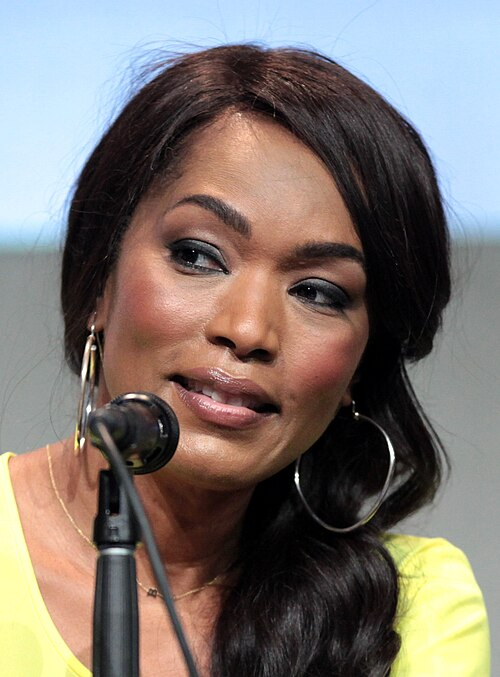
What Is Angela Bassett’s Religion? Is She a Christian?

Portrait of Angela Bassett.

Angela Bassett has spoken openly about Christian faith, prayer, and relying on Scripture. In a December 2015 interview with Parade, she described the center of her life as “love of God and faith.” She contrasted that center with allowing fame or money to become the thing she served.

Bassett also plays Queen Ramonda in the Black Panther films, with an appearance in Avengers: Endgame.

That is a personal statement about her priorities. Bassett’s performances can introduce audiences to many different characters, but her own interviews provide the better starting point for understanding her religious beliefs.

How did Angela Bassett’s faith develop?

Bassett told Parade that she grew up around church in Florida. Her memories included Sunday school, choir, Bible study with her grandmother, and a community involved in teaching and correcting children. She also described ministers in her family.

Her account connects faith with people and practices she knew well. It does not suggest that religion was simply an idea she encountered after becoming famous. Still, a childhood history should not be used to assign an unverified current church membership or claim a complete picture of her theology.

What has she said about trusting God at work?

In a January 16, 2015 Christian Post interview, Bassett discussed directing the film Whitney. She described doubts about taking on the responsibility and said she returned to her faith when challenges arose.

She referenced Romans 8:28 and described God as the rock she kept coming back to. That gives readers something more specific than a general statement about being spiritual. Scripture and dependence on God were part of the way she explained facing uncertainty in her work.

Did she mention God at the Golden Globes?

Yes. In her January 2023 acceptance speech for Black Panther: Wakanda Forever, Bassett spoke about God’s grace and repeated her mother’s lesson about prayer. The Christian Post reported the speech on January 12, 2023.

Her thanks fit a longer pattern of public faith comments. They should be understood as gratitude, rather than proof that an award demonstrates God’s approval of every belief or decision. Christians who receive no public honor can still be faithful, and success is never a complete spiritual report card.

What does the Bible say about serving fame or money?

Bassett’s concern about making fame and money life’s center raises a question Jesus addressed directly. In Matthew 6:24, He teaches that we cannot serve both God and money. The issue is not merely possession. It is mastery: what controls our choices and receives our deepest loyalty?

The same question applies beyond Hollywood. A business owner can serve profit, a student can serve grades, and a parent can serve a carefully managed image. Good things become dangerous when we ask them to provide the security and meaning that belong to God.

First Timothy 6:17–19 directs those with resources toward humility, generosity, and hope in God. A grateful life receives opportunities as gifts and uses them responsibly. It does not treat them as evidence of personal superiority.

Does Romans 8:28 promise an easy path?

Romans 8:28 offers hope to those who love God, but it does not say that every experience is pleasant or that every ambition will succeed. Verse 29 explains the direction of God’s purpose: shaping His people to become like Christ.

Sometimes growth includes waiting, disappointment, or admitting that we need help. Christian confidence rests in God’s character, not our ability to explain every difficulty. That gives the passage a deeper meaning than simply expecting the next project to go well.

It also keeps us from judging another person’s faith by visible results. The Bible’s faithful people include those who suffered, endured rejection, and never received public applause. Christ Himself walked the path of the cross before the resurrection.

Why do all of us need the gospel?

Faith is not a way to turn a successful career into a claim of innocence. Romans 3:23 teaches that everyone has sinned. Pride, greed, dishonesty, and failure to love God expose our need for forgiveness, including when our public image looks strong.

Jesus Christ lived without sin, died for our sins, and rose bodily from the dead (1 Corinthians 15:3–4). Salvation is a gift of grace received through faith, not a reward for achievement or good intentions (Ephesians 2:8–9).

Bassett’s public words invite a useful discussion about what we serve. Let that discussion lead to an honest response to Jesus. Turn from sin and trust Him as Savior. Read His words for yourself, and place your hope in the One whose worth does not rise or fall with applause.

Sources

Featured image: Angela Bassett by Gage Skidmore. CC BY-SA 2.0. Existing Wikimedia crop.

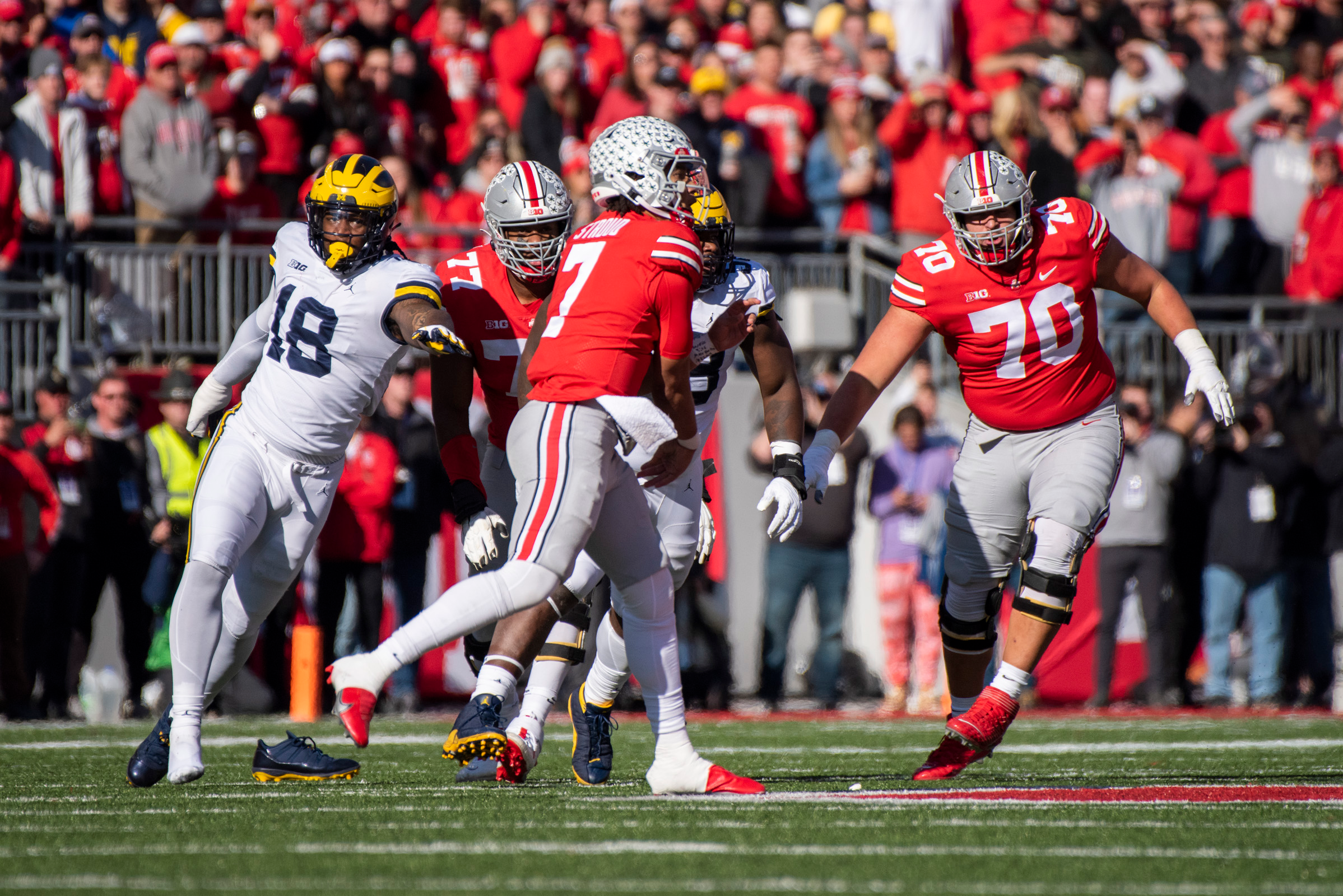
What Is C.J. Stroud’s Religion? Is He a Christian?

C.J. Stroud has become one of the NFL’s most watched young quarterbacks, and he has also been willing to speak openly about Jesus. After important games, Stroud has used his platform to give credit to God and to explain that his faith became real to him during college. So, is C.J. Stroud a Christian?

His own public words provide a much better answer than speculation. Still, Christians should remember that a public confession is not an invitation to pretend we can see into another person’s heart. God alone judges perfectly.

What has C.J. Stroud said publicly about faith?

Stroud has directly talked about Jesus Christ in interviews and postgame remarks. An Associated Press report on NFL players and faith noted that he has publicly credited Jesus. In a separate report after a Houston Texans game, Stroud explained that his faith took on a personal importance during his college years. He has also spoken about using his platform to point beyond football.

This is not merely a case of someone using vague spiritual language. Stroud has named Jesus in public and has connected his football platform to Christian faith. That makes it reasonable to report that Christianity is part of his stated identity.

Is C.J. Stroud a Christian?

Yes—C.J. Stroud publicly identifies with Christian faith and has spoken about Jesus Christ. That is what the available public record supports. We should also keep the right boundary: only the Lord knows the depth and condition of any person’s heart.

The gospel Stroud points toward is bigger than sports. The Bible says that all people have sinned and need forgiveness. Jesus Christ came into the world, died for sinners, and rose again. Salvation is not earned by being successful or admired. It is received by grace through faith in Christ.

That is a needed reminder when an athlete is praised for confidence, preparation, or victory. Those qualities may be good, but they cannot save us. Jesus does not offer a better game plan. He offers forgiveness and new life.

What should we take away?

Stroud has been unusually clear about the Christian faith he says he holds. Christians can thank God for that, pray that he would continue to grow, and avoid making him a celebrity pastor. His role is not to replace a local church or the Bible. But his willingness to name Jesus can encourage people to take the gospel seriously.

Whether we are fans or not, the same question reaches every one of us: What will we do with Jesus? He welcomes all who come to Him in repentance and faith.

Sources

Image credit: C.J. Stroud at Michigan–Ohio State in 2022, photo by Maize & Blue Nation, CC BY 2.0, via Wikimedia Commons.