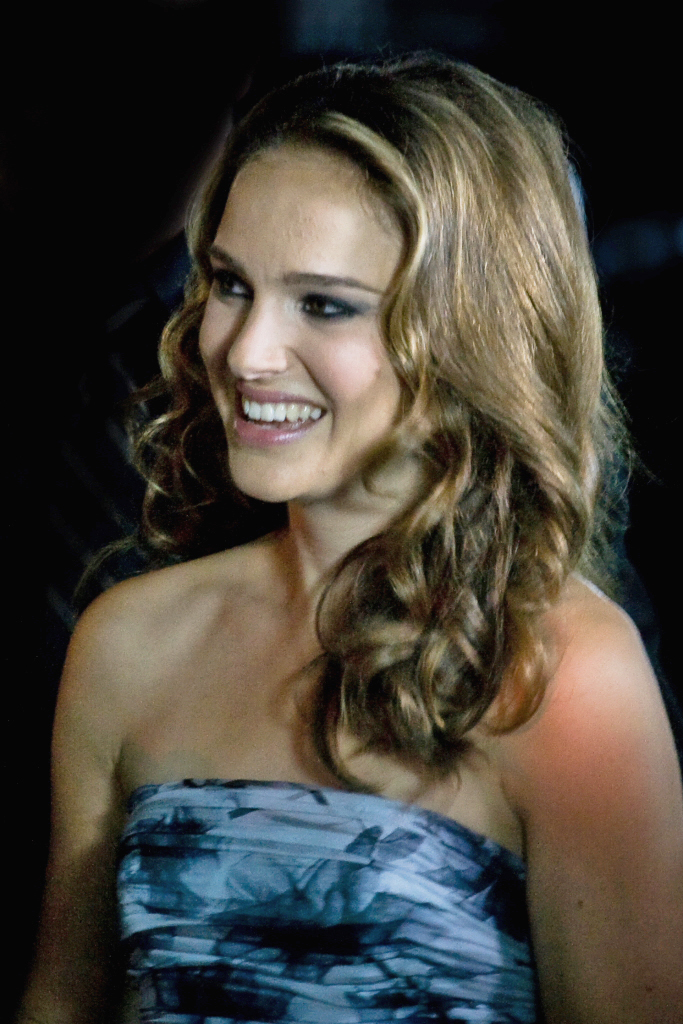
What Is Natalie Portman’s Religion? Is She a Christian?

Natalie Portman is an award-winning actor, writer, and director. People looking for an answer about her religion will find a clear part of the public record: she has often spoken about being Jewish and about the importance of Jewish history, family, and tradition.

That information should be handled carefully. This site reports documented public statements; it does not claim to know anyone’s heart or final standing before God.

A public Jewish identity

Portman has discussed Jewish identity in several interviews. In a Jewish Telegraphic Agency interview, she spoke about Judaism and her personal connection to Jewish life. In an Armchair Expert interview, she also spoke about tradition, family, and the way faith can shape compassion for other people.

These interviews support a straightforward conclusion: Natalie Portman publicly identifies as Jewish. They do not support saying that she is a Christian. The sources reviewed for this article do not contain a clear public statement that she has repented and trusted Jesus Christ alone for forgiveness.

Respect and clarity

Christians should never use this subject to mock or dismiss anyone. Jesus was born into a Jewish family, lived under the Law, and fulfilled the promises God gave through the Scriptures. The Christian claim is not that heritage has no value. It is that every person, Jewish or Gentile, needs the mercy of God offered through Jesus.

The Bible teaches that sin separates every one of us from God. Good work, fame, intelligence, family tradition, and sincere religious interest cannot remove that separation. Jesus Christ gave Himself for sinners and rose from the grave. That is why the gospel is good news.

Is Natalie Portman a Christian?

Based on the public evidence, the careful answer is no clear public profession of Christian faith has been found. Her comments point to Jewish identity and tradition. We should leave room for the truth that God alone sees a person’s inner life.

A word to the reader

It is easy to ask what famous people believe and ignore the question in front of us. Have you turned to Christ? If you have never done so, repent—turn from sin and self-rule—and trust in Jesus Christ. He offers forgiveness and new life to all who come to Him.

Sources

Image credit: Natalie Portman at the Black Swan premiere, 2010, by Josh Jensen, via Wikimedia Commons.
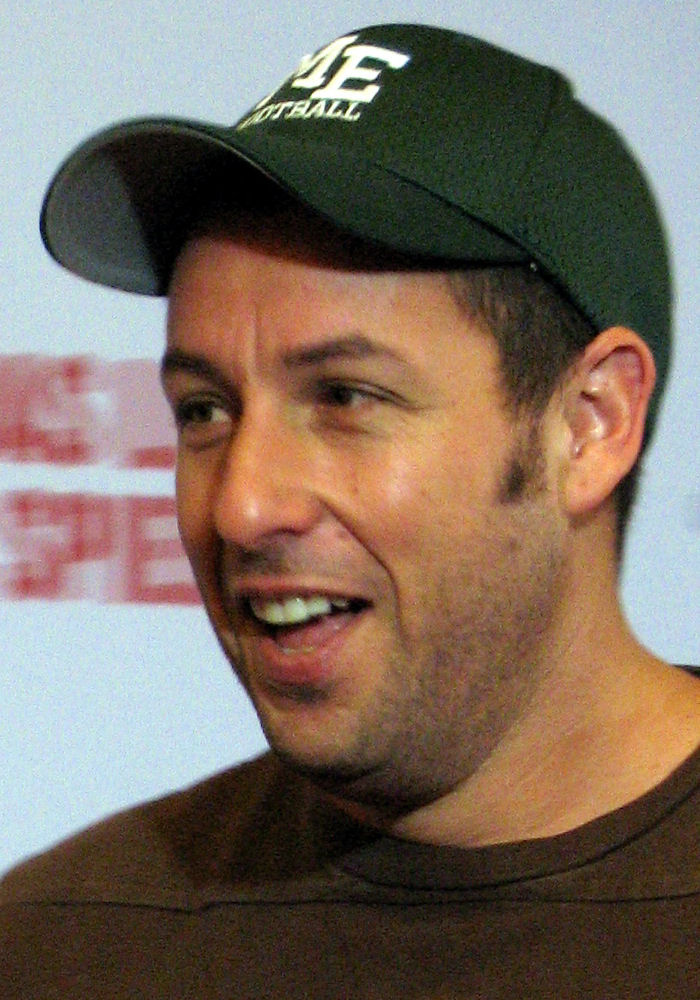
What Is Adam Sandler’s Religion? Is He a Christian?

Adam Sandler is known for comedy, music, and films that reach a very large audience. He also speaks about his Jewish background in public work. That is the right starting point for an honest answer about his religion.

Famous Faith does not label people by rumor. We look for documented public statements and try not to say more than the evidence allows. A person’s heart belongs to God alone.

Jewish identity in Sandler’s work

Sandler’s Jewish identity has been part of his public comedy for many years. His well-known “Chanukah Song” uses humor to celebrate Jewish people and the holiday of Hanukkah. In a Fresh Air interview carried by LAist, he also talked about the place of Jewish comedy in his life and career.

It is fair to say that Adam Sandler has publicly identified with Jewish culture and tradition. That does not tell us every detail of his religious practice. It also does not make him a Christian. The public sources used for this article do not show a clear profession that he has trusted Jesus Christ as Lord and Savior.

What Christians believe about Jesus

Christians should speak about Jewish people with care and respect. Jesus Himself was Jewish, as were His first disciples. The New Testament does not tell us to look down on anyone because of background or heritage. Instead, it tells us the good news that Jesus is the promised Messiah who died for our sins and rose again.

That message is not an attack on a person’s identity. It is an invitation to know the Savior. Culture, family, success, and humor can all be meaningful gifts, but they cannot take away sin or make us right with God.

Is Adam Sandler a Christian?

Based on his public comments and work, Adam Sandler is publicly associated with Jewish identity, not a stated Christian faith. We should not make claims beyond that. Only God knows whether a person has privately come to faith in Christ.

A word to the reader

The deeper question is not whether a celebrity has the right label. It is whether we have been reconciled to God. If you have never done so, repent—turn from sin and self-rule—and trust in Jesus Christ. He is the only Savior who can forgive sins and give new life.

Sources

Image credit: Adam Sandler in Berlin, 2009, by Franz Richter, Wikimedia Commons, CC BY-SA 3.0.

What Is Angelina Jolie’s Religion? Is She a Christian?

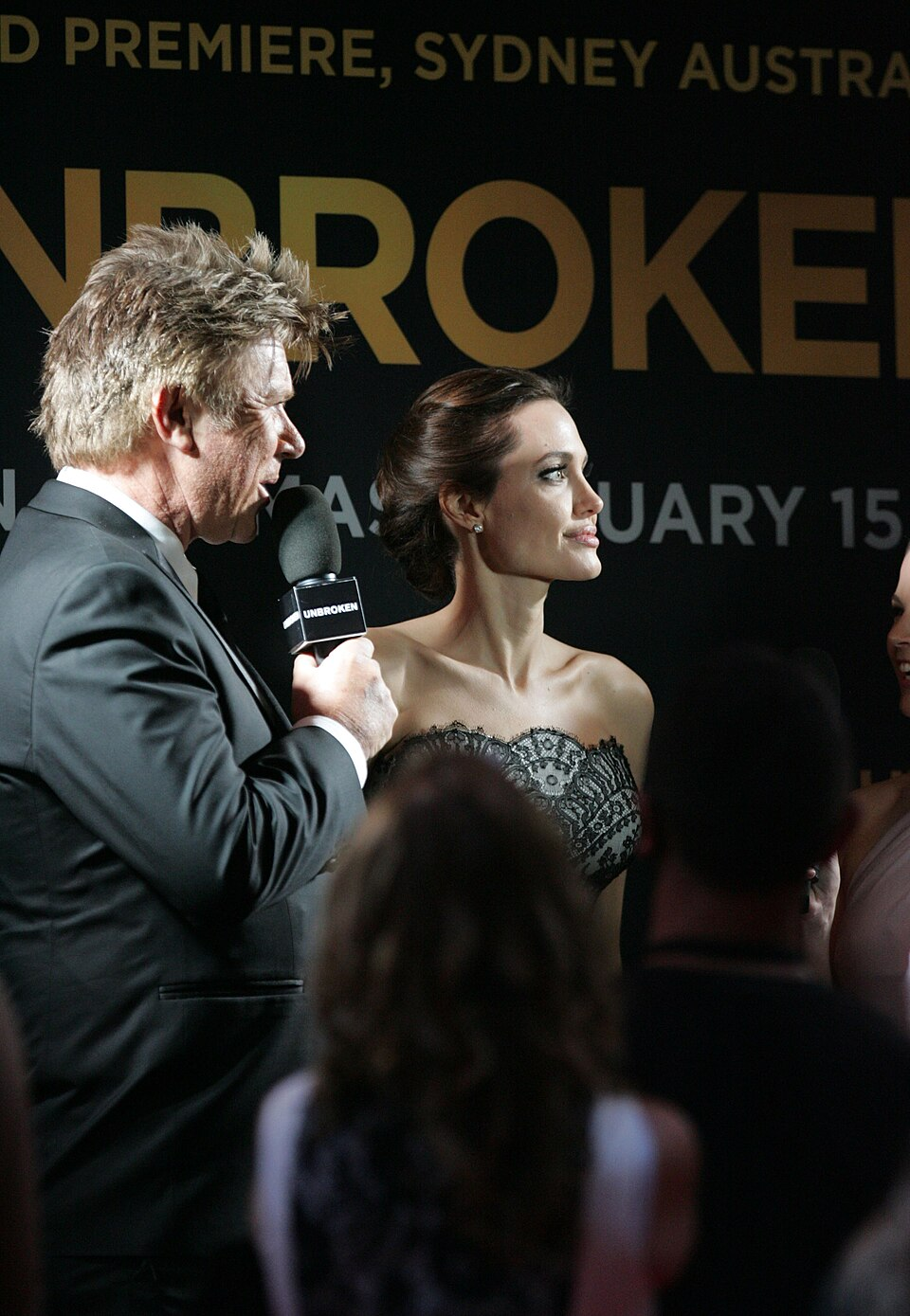
Angelina Jolie at the Unbroken premiere in 2014

Angelina Jolie is an actor, director, and humanitarian whose family life has often been discussed in public. People sometimes ask whether she is a Christian. The most careful answer comes from her own public comments: she has spoken about helping her children learn about several faith traditions, but she has not made a clear public profession of Christian faith.

That distinction is important. Famous Faith does not decide what is in anyone’s heart. We can only report what someone has publicly said and compare it with the message of the Bible.

What Jolie has said about religion

In a 2010 interview with Parade, Jolie described wanting her children to learn about many religions. She said they would visit church, temple, Buddhist ceremonies, and mosques. Her point was that she wanted them to understand different people and their beliefs.

This is a broad and respectful approach to religious education. Still, learning about many faiths is different from saying that all faiths teach the same thing. Christianity makes specific claims about Jesus Christ. The Bible says Jesus is the Son of God, that He died for sins, and that He rose from the dead.

Is Angelina Jolie a Christian?

Based on the public record used here, it would not be accurate to call Angelina Jolie a Christian simply because she has visited churches or discussed religion. There is no clear public statement from her that she has repented of sin and trusted Jesus Christ alone for forgiveness. It would also be wrong to say with certainty what she does or does not believe beyond those public remarks.

Fame, activism, family devotion, and a desire to understand people are good subjects to consider. But none of them can answer the deepest question: how can a sinner be made right with God? The answer is not found in choosing a spiritual path that feels right. It is found in the finished work of Christ.

A word to the reader

Every person should examine his or her own beliefs. Jesus did not ask us to build our hope on a mixture of religious ideas. He called people to turn from sin and believe the gospel. If you have never done so, repent—turn from sin and self-rule—and trust in Jesus Christ. He alone offers forgiveness, peace with God, and eternal life.

Sources

Image credit: Angelina Jolie at the Unbroken premiere, 2014, by Eva Rinaldi, via Wikimedia Commons.

What Is Brad Pitt’s Religion? Is He a Christian?

Brad Pitt at NASA Headquarters in 2019

Brad Pitt is one of the most recognized actors in the world, so people naturally wonder what he believes about God and religion. His public comments do not fit into one simple label. They show a childhood shaped by church, followed by years of questioning and changing descriptions of belief.

That matters because Famous Faith looks at what people have actually said in public. It does not pretend to see into anyone’s heart. Only God knows a person fully.

A Southern Baptist beginning

In a 2011 interview with Fresh Air, Pitt described being raised Southern Baptist. He said that when he was young his routine included Sunday school, Bible study, and daily prayer. He also said he encountered charismatic Christianity later. Those details show that Christian teaching was part of his early life.

But a Christian background is not the same thing as a present Christian confession. Many people grow up around church without personally trusting Christ. Jesus warned that a person can know religious words and still need a new heart.

Later descriptions of belief

Pitt spoke more openly about his doubts in a 2019 GQ profile. He said he had moved from calling himself agnostic to calling himself atheist for a time. Later, he spoke instead about connection and spirituality. That is a real difference from a clear public statement that he has repented of sin and placed his faith in Jesus Christ.

We should not fill in the gaps. Public interviews can tell us what someone has said, but they cannot tell us a person’s final standing before God. On the evidence available, Brad Pitt has spoken about a Christian upbringing and spiritual questions, but he has not made a clear public profession of saving faith in Jesus.

Why this question matters

Believing that people are connected, appreciating a religious upbringing, or wanting to become a better person cannot remove sin. The Bible says that all have sinned and that forgiveness is found in Jesus Christ alone. He died for sinners and rose again.

A word to the reader

This is not only a question about Brad Pitt. It is a question for every one of us. If you have never done so, repent—turn from sin and self-rule—and trust in Jesus Christ. Do not rest in a family background, a label, or vague spirituality. Trust the Savior who gives real forgiveness and new life.

Sources

Image credit: Brad Pitt at NASA Headquarters, 2019, NASA/Joel Kowsky, via Wikimedia Commons.

What Was Duncan Sheik’s Religion? Was He a Christian?

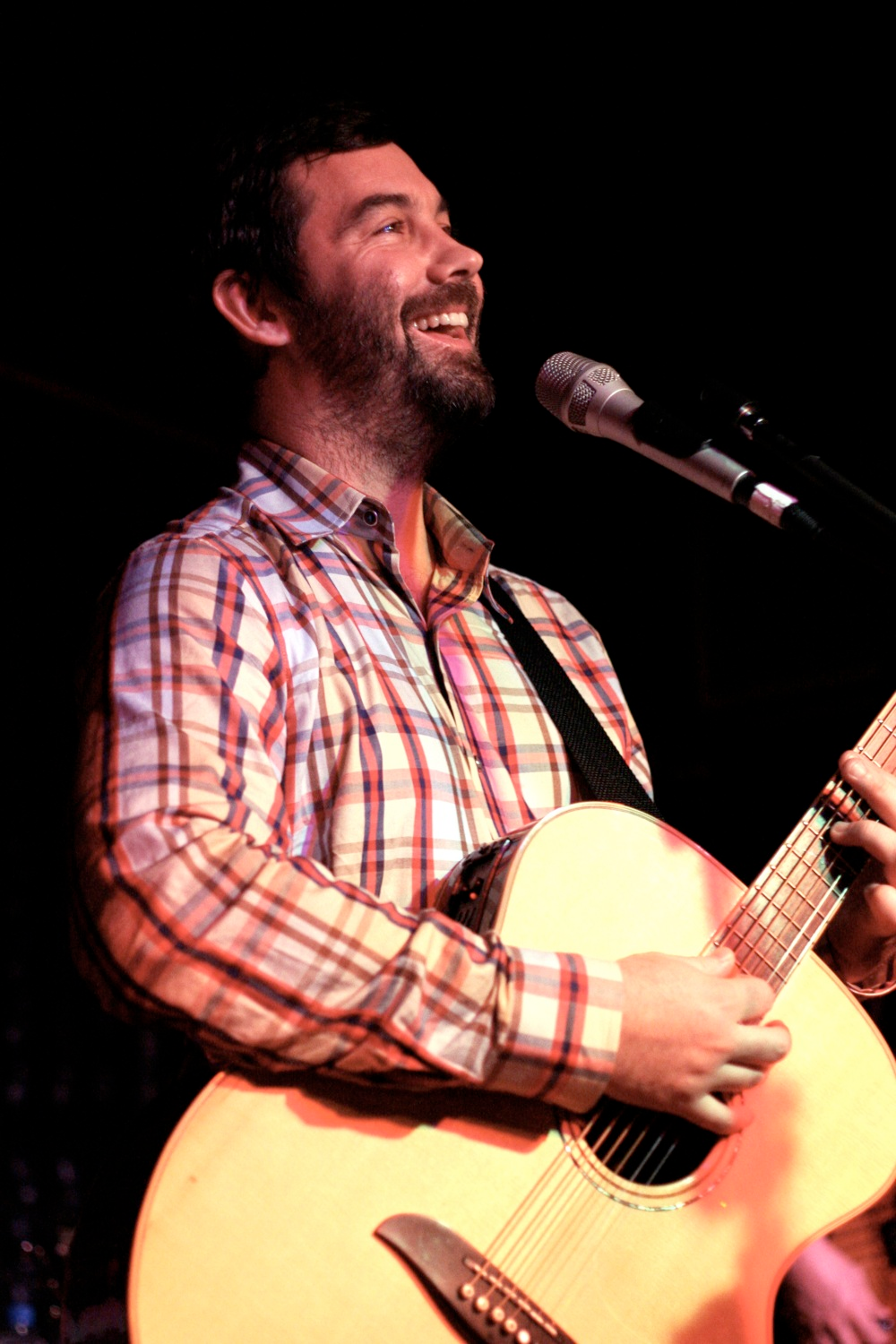
Duncan Sheik in 2006

Duncan Sheik, the singer-songwriter known for “Barely Breathing” and the Tony- and Grammy-winning composer of Spring Awakening, died in September 2026 at age 56. When a well-known artist dies, people sometimes begin searching for answers about his beliefs. That question deserves both honesty and kindness.

Famous Faith does not claim to know where Duncan Sheik stood before God at the end of his life. No article can see a person’s heart. But we can look at what he said publicly about religion and compare ideas carefully with the good news of Jesus Christ.

What did Duncan Sheik say about religion?

Sheik spoke publicly and directly about Buddhism. The Associated Press reported that he and lyricist Steven Sater were practicing Buddhists when they met through chanting and later created Spring Awakening. In a later interview, Sheik said he began studying Eastern religions as a teenager and started practicing Buddhism formally when he was 19.

Those comments give us more than a vague spiritual label. They show that Buddhist practice was an important part of his public life and creative work. His music often dealt with longing, pain, beauty, and the search for meaning. Yet those themes, by themselves, do not turn a person into a Christian. Many people use spiritual language while holding very different beliefs about God, sin, salvation, and Jesus.

Was Duncan Sheik a Christian?

Based on the reliable public material available, it would not be accurate to call Duncan Sheik a Christian simply because he was thoughtful, spiritual, or interested in religious questions. His own public comments pointed to Buddhism, not to a clear profession of faith in Christ.

Still, Christians should be careful here. We must not pretend to know another person’s final standing with God. The Bible warns against proud judgment and reminds us that the Lord knows the heart. Our task is to report what is known, tell the truth about the gospel, and leave ultimate judgment to God.

Why the difference matters

Christianity is not mainly a path of self-improvement, meditation, or trying to become a better version of ourselves. The Bible teaches that every person is a sinner who needs mercy. Jesus Christ lived without sin, died for sinners, and rose again. He offers forgiveness and new life to those who turn to Him in faith.

That does not make the question of Duncan Sheik’s beliefs an excuse to speak coldly about his death. It is a reason to think seriously about our own lives. Success, talent, applause, and even beautiful art cannot remove sin or reconcile us to God. Only Jesus can do that.

A respectful takeaway

Duncan Sheik left behind songs and musical work that mattered to many people. The public evidence points to Buddhist practice as part of his life. We can remember his work with respect, avoid making claims beyond the evidence, and let his death remind us that the gospel is not merely a topic for celebrities. It is good news for every one of us.

Sources

Image credit: Duncan Sheik, 2006, by P.B. Rage, CC BY-SA 2.0, via Wikimedia Commons.

What Was Bob Mackie’s Religion? Was He a Christian?

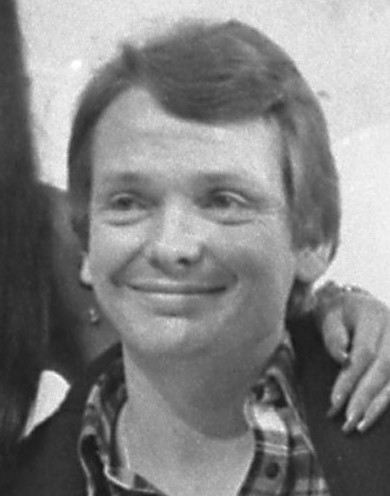
Bob Mackie in 1975

Bob Mackie, the celebrated costume designer whose work helped shape the public image of performers such as Cher and Carol Burnett, died in September 2026 at age 87. His designs were colorful, daring, funny, and instantly recognizable. After the death of a person known by millions, it is natural for people to ask a larger question: what did he believe about God?

Famous Faith does not claim to know where Bob Mackie stood before God when he died. No article can see into a person’s heart. What we can do is look carefully at the public record, state what it does and does not show, and remember what the Bible says about the gospel.

What did Bob Mackie say about religion?

Public profiles of Mackie focused mainly on his long career in costume design, his work for television and film, and the entertainers who wore his creations. In the reliable interviews and biographical material I found, he did not give a clear public explanation of a faith commitment, a relationship with Jesus Christ, or a religious identity.

That does not mean he had no private beliefs. It simply means we should not fill in the blanks. A person can be famous for an entire lifetime while keeping the most personal parts of life away from the public. Christians should resist the urge to turn silence into a firm answer.

Was Bob Mackie a Christian?

Based on the available public evidence, it would not be accurate to say that Bob Mackie was a Christian. I have not found a reliable public profession of Christian faith from him. At the same time, it would be just as wrong to say that we know the final condition of his soul. God alone knows every heart perfectly.

This is an important distinction. Being talented, kind, creative, successful, or admired does not tell us whether someone trusted in Christ. Nor does a person’s public image tell the whole story. The Bible calls believers to speak truthfully, humbly, and with compassion.

Why the gospel matters

The beauty of a great design can remind us that people are made to recognize beauty. But beauty, achievement, and applause cannot deal with sin. Scripture teaches that all of us have sinned and need God’s mercy. Jesus Christ came into the world, lived without sin, died for sinners, and rose again. He offers real forgiveness and new life to everyone who turns to Him in faith.

That message is not only for people in the spotlight. It is for every person who has ever wondered whether success is enough, whether mistakes can be forgiven, or whether God truly sees them. Jesus does see us, and His grace is greater than our past.

A respectful takeaway

Bob Mackie left behind a remarkable body of work. The public evidence does not give us a clear answer about his religion or whether he trusted Christ. Rather than pretending certainty, we can honor the truth, leave judgment to God, and let this question turn our attention to the hope offered in Jesus.

Sources

Image credit: Bob Mackie, 1975, photo by Larry Bessel, Los Angeles Times Photographic Collection at UCLA, CC BY 4.0, via Wikimedia Commons.

What Was Peter Max’s Religion? Was He a Christian?

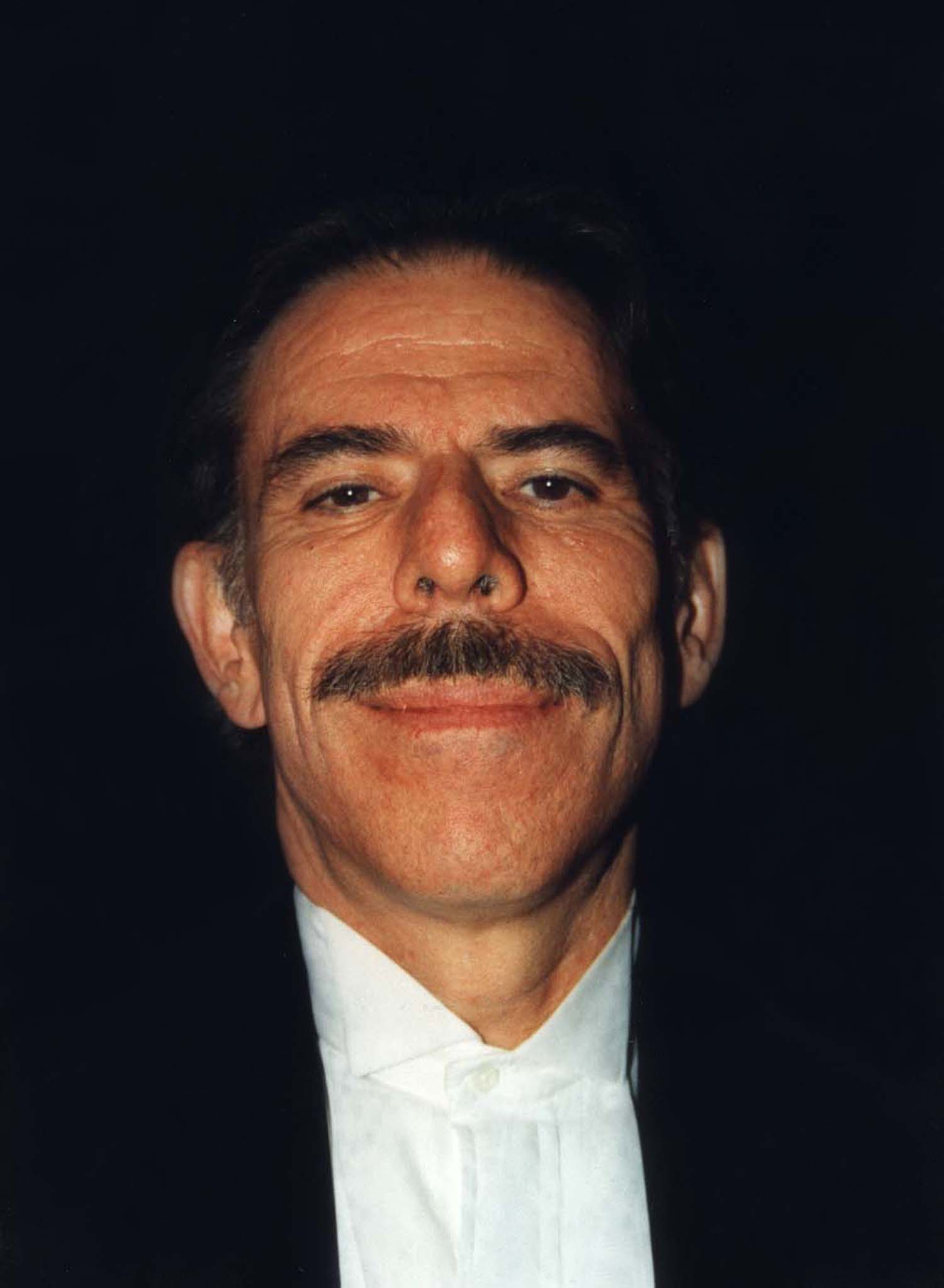
Peter Max in 1998

Peter Max, the artist whose bright, colorful work became closely connected with the pop-art spirit of the 1960s, died in September 2026 at age 88. His paintings, posters, and public art made him recognizable to several generations. After his death, some readers may wonder what shaped his religious background and whether he was a Christian.

That is a serious question, and it deserves a careful answer. Famous Faith does not claim to know the condition of Peter Max’s heart before God. Only the Lord knows that perfectly. We can, however, look at his documented background and public statements without pretending to know more than the evidence allows.

What was Peter Max’s religious background?

Peter Max was born Peter Max Finkelstein in Berlin to a Jewish family. The Associated Press noted that background in its obituary. His Jewish heritage was also visible in some of his work. A profile in the Pittsburgh Jewish Chronicle described his use of Jewish themes, including images connected with Israel and the Western Wall.

Family background and cultural identity matter, but they are not the same thing as a full statement of personal faith. We should not assume that every person raised in a religious home held every belief in the same way throughout life. Nor should we erase the Jewish background Max publicly carried. It was a real part of his story.

Was Peter Max a Christian?

Based on the reliable public information available, there is no clear reason to call Peter Max a Christian. I have not found a public profession in which he said he trusted Jesus Christ as Lord and Savior. His documented Jewish family background and Jewish themes in his art should not be re-labeled as Christian faith.

But Christians must also avoid a different mistake: acting as if an article can pronounce a final judgment on someone’s soul. It cannot. God knows each person fully. A respectful account should tell the truth about what is known and leave what is hidden to Him.

What Christians believe about Jesus

Jesus was born into a Jewish world, fulfilled God’s promises, and taught from the Scriptures. Christians believe He is more than a wise teacher or religious symbol. The Bible says that He is the Son of God, that He died for our sins, and that He rose from the dead. He offers forgiveness and peace with God to all who turn to Him in faith.

That is why the question of religion matters. It is not about sorting famous people into teams. It is about the most important question any of us can face: how can we be made right with God? The Christian answer is not that we can earn our way through talent, morality, success, or creativity. It is that God offers grace through Jesus Christ.

A respectful takeaway

Peter Max brought joy and color to the world through his art. The evidence shows a Jewish family background and Jewish cultural themes, while it does not show a clear public profession of Christian faith. We can remember his work with respect, speak honestly about the evidence, and let the question point us back to the hope found in Jesus.

Sources

Image credit: Peter Max, 1998, by Kingkongphoto & www.celebrity-photos.com, CC BY-SA 2.0, via Wikimedia Commons.

What Was Annie Dillard’s Religion? Was She a Christian?

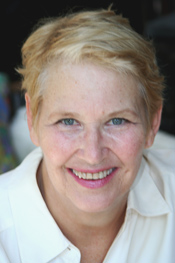
Annie Dillard

Annie Dillard, the Pulitzer Prize-winning writer best known for Pilgrim at Tinker Creek, died in September 2026 at age 81. Her writing often paid close attention to nature, wonder, silence, and the difficult questions people ask about God. Because faith mattered to her work, many readers may ask whether Annie Dillard was a Christian.

The honest answer needs some care. Famous Faith does not claim to know the final condition of Annie Dillard’s heart before God. Only God knows that. But Dillard herself wrote and spoke publicly about religion, so we can describe her own words without making them simpler than they were.

How did Annie Dillard describe her background?

Dillard said that she was raised Presbyterian. In a 1978 interview with Christianity Today, she described an early season of rebellion and then a return to Christianity. That part of her story helps explain why the Bible, prayer, nature, and spiritual questions appeared so often in her books.

However, a person’s childhood church background does not settle every question about what he or she believed later in life. Dillard’s later public comments showed a more complicated relationship with historic Christian teaching.

Did Annie Dillard call herself a Christian?

Yes, in a 2020 essay for The Christian Century, Dillard wrote that she considered herself Christian. Yet she also made clear that she did not give intellectual agreement to several core teachings that many Christians have historically affirmed. She wrote about serious doubts concerning a personal God and said she was comfortable with a range of other religious and nonreligious views.

Those statements matter. It would be fair to report that Dillard continued to use the word “Christian” for herself in a broad and personal sense. It would not be fair to treat that label alone as proof that she held to historic, biblical Christian faith. Words such as Christian, spiritual, and religious can mean very different things depending on the person using them.

Was Annie Dillard a Christian in the biblical sense?

Based on her public writing, the answer cannot be reduced to a quick yes or no. Dillard’s connection to Christianity was real and lasting in her life and writing. At the same time, her own later words showed that she questioned or did not affirm important Christian doctrines. We should let her words stand as they are, rather than turning her into a simple example for either side.

Christians also should not claim to know the final verdict over a person’s soul. The Lord knows what no article can see. Our responsibility is to be truthful about public evidence and faithful about the gospel.

Why the gospel is more than a label

Christianity is not only a family background, an interest in nature, or an appreciation for religious language. The Bible says that Jesus Christ is the Son of God, that He died for our sins, and that He rose from the dead. Salvation is God’s gift of grace to those who trust in Him, not something we earn through intelligence, art, good deeds, or a religious label.

Annie Dillard’s books invited many people to look closely at the world around them. The gospel invites us to look to Jesus Himself. He is not merely a subject for reflection. He is the Savior who offers forgiveness, mercy, and eternal life.

A respectful takeaway

Annie Dillard’s public story included Presbyterian roots, a return to Christianity when she was young, and later theological doubts she described in her own words. We can appreciate her writing, report her beliefs with care, and remember that every person—famous or unknown—needs the grace of Jesus Christ.

Sources

Image credit: Annie Dillard, photo by Phyllis Rose, used with permission via Wikimedia Commons (GFDL).