
What Is Robbie Amell’s Religion? Is He a Christian?

AI-Generated portrait of Robbie Amell

AI-generated editorial portrait; not a photograph.

Robbie Amell’s present religious affiliation is unconfirmed in the reliable sources reviewed here. Claims about a Jewish upbringing were not supported here by a traceable personal statement.

The person behind the performance

Robbie Amell is a Canadian actor known for The Tomorrow People, The Flash, Upload, and the Code 8 films. His career biography documents a body of work that includes several different kinds of science fiction. Those credits help identify the performer but should not be treated as a unified statement about his religious beliefs.

Upload is especially likely to prompt spiritual questions because its fictional premise concerns a technological afterlife. Playing a character in that setting does not establish what Amell personally believes about life after death. A production can explore an idea without requiring every performer to accept it.

Their place in The Flash

In The Flash, Amell portrays Ronnie Raymond, one of the people connected with Firestorm. The story joins his identity with Martin Stein’s and connects him emotionally with Caitlin Snow. Those relationships give the role significance beyond the visual display of unusual power.

The shared Firestorm identity is fictional. It should not be used as a model of biblical teaching about the soul, resurrection, or the person of Christ. Nor can Ronnie’s courage or sacrifice establish a Christian confession by the actor. The appropriate evidence for that question would be Amell’s own statements or dependable reporting that directly addresses religious identity.

What the evidence says about faith

Some general celebrity biographies say Amell was raised Jewish, but the reviewed material did not establish a traceable personal statement supporting that claim. Rather than repeat it as settled fact, this profile leaves his religious background and current affiliation unconfirmed here.

That approach does not imply that the claim is necessarily false. It distinguishes an unverified statement from a documented one. Religion is too significant a part of someone’s life to assign on the basis of a copied table or a vague reference to an interview. The same standard should be applied whether a proposed label is Christian, Jewish, atheist, or something else. A clearer direct source would justify a more definite answer.

An imagined afterlife cannot replace a real hope

Science fiction can ask interesting questions about death, memory, and whether a person can be preserved. Christianity makes a different kind of claim: Jesus truly rose from the dead, and Christian hope rests on Him rather than on a technological extension of present life.

First Corinthians 15 treats resurrection as central, not as a decorative metaphor. Readers can enjoy imaginative stories while distinguishing their premises from the Bible’s teaching. Famous Faith offers this reflection as its own commentary, not as Amell’s personal theology. The most important question is not whether a fictional system offers enough features, but whether our hope before God is grounded in the Savior who conquered death.

The Bible’s message of grace

The Bible says that all have sinned and fall short of God’s glory (Romans 3:23). Jesus Christ, God’s Son, lived without sin, died for sinners, and rose bodily from the dead. His death and resurrection are the heart of the gospel (1 Corinthians 15:3–4). Salvation is God’s gift, received by grace alone through faith in Christ alone, not earned through good deeds, religious membership, or personal achievement (Ephesians 2:8–9). Repentance means turning from sin toward God. The changed life that follows faith is its fruit, not the price of forgiveness. This hope is available to famous performers and ordinary readers alike.

The spiritual conclusion should remain as careful as the evidence. We can appreciate this performance, read the linked sources, and examine our own trust in Christ without pretending to know another person’s heart.

Image disclosure: AI-generated editorial portrait representing Robbie Amell, created for Famous Faith; not a photograph. No endorsement implied.

More from this series: Explore all 30 The Flash cast faith profiles.

What Is Dominic Purcell’s Religion? Is He a Christian?

AI-Generated portrait of Dominic Purcell

AI-generated editorial portrait; not a photograph.

Dominic Purcell’s current religious affiliation and a clear personal profession of Christian faith remain unconfirmed in the sources reviewed here.

The person behind the performance

Dominic Purcell is an actor known for Lincoln Burrows in Prison Break and Mick Rory in the Arrowverse. His career record also includes Blade: Trinity and other film and television work. Many viewers first encountered him in an action story before seeing him alongside the same co-star in a different fictional universe.

A 2015 Showbiz Junkies interview discusses Heat Wave and working with Wentworth Miller. It is useful evidence about a professional partnership. The fact that colleagues work well together does not establish that they share religious convictions.

Their place in The Flash

Purcell plays Mick Rory, known as Heat Wave, a partner of Leonard Snart whose temperament contrasts with Snart’s more controlled planning. Their appearances in The Flash lead into further stories in Legends of Tomorrow. The combination gives the Arrowverse both conflict and comic energy.

A discussion of this character can address anger, impulsiveness, loyalty, and change. It should not transfer those qualities to Purcell personally. The performer’s own religion cannot be established from a fictional occupation or a dramatic turning point. Even a character who changes sides or helps another person remains a scripted role rather than a personal faith statement.

What the evidence says about faith

The reviewed sources do not establish a present denomination or an explicit confession of trust in Jesus Christ. Celebrity biography tables sometimes supply religion as if it were a simple verified fact, but this profile does not adopt such a label without dependable supporting evidence.

Family background, appearance, nationality, and professional associations cannot resolve the question by themselves. Nor would the religion of a relative automatically establish Purcell’s own beliefs. The accurate conclusion here is limited to uncertainty in the sources reviewed. It leaves space for private convictions without inventing them and avoids interpreting a compelling performance as a statement the actor has personally made.

Power without self-control can damage others

A character with a destructive weapon and a quick temper makes the consequences of impulsiveness visually obvious. Ordinary life usually gives the same problem less spectacular tools: an angry message, a reckless decision, or a refusal to listen. Proverbs 16:32 praises self-control above outward conquest.

For Christians, strength is not simply the ability to dominate a confrontation. It includes the humility to restrain a wrong impulse and seek another person’s good. This is Famous Faith’s application of the theme, not an accusation about Purcell’s behavior or a claim about his beliefs. The story offers an occasion for readers to examine their own use of influence, words, and anger.

The Bible’s message of grace

The Bible says that all have sinned and fall short of God’s glory (Romans 3:23). Jesus Christ, God’s Son, lived without sin, died for sinners, and rose bodily from the dead. His death and resurrection are the heart of the gospel (1 Corinthians 15:3–4). Salvation is God’s gift, received by grace alone through faith in Christ alone, not earned through good deeds, religious membership, or personal achievement (Ephesians 2:8–9). Repentance means turning from sin toward God. The changed life that follows faith is its fruit, not the price of forgiveness. This hope is available to famous performers and ordinary readers alike.

The spiritual conclusion should remain as careful as the evidence. We can appreciate this performance, read the linked sources, and examine our own trust in Christ without pretending to know another person’s heart.

Image disclosure: AI-generated editorial portrait representing Dominic Purcell, created for Famous Faith; not a photograph. No endorsement implied.

More from this series: Explore all 30 The Flash cast faith profiles.

What Is Wentworth Miller’s Religion? Is He a Christian?

AI-Generated portrait of Wentworth Miller

AI-generated editorial portrait; not a photograph.

Wentworth Miller has said he did not grow up within one particular religion. The reviewed sources do not establish a current denomination or a profession of Christian faith.

The person behind the performance

Wentworth Miller is an actor and writer known for Michael Scofield in Prison Break and Leonard Snart in The Flash and Legends of Tomorrow. His career biography records work beyond those roles, including screenwriting. A character’s remarkable intelligence or controlled manner belongs to the performance rather than automatically describing the actor’s convictions.

Miller has discussed identity and belonging in public speeches. A 2013 Human Rights Campaign record identifies his Seattle address. A contemporary transcript preserves his statement that he did not grow up in one particular religion.

Their place in The Flash

Leonard Snart, known as Captain Cold, begins as a formidable opponent whose planning and restraint distinguish him from a more impulsive criminal partner. The Arrowverse later gives the character additional relationships and moral choices. Miller’s performance allows an antagonist to remain interesting without being reduced to one predictable reaction.

Those developments should not become claims about Miller’s religion. A fictional criminal’s code is not a Christian creed, and a character’s later act of loyalty does not establish the actor’s salvation. A responsible profile separates the professional achievement from the personal statements that actually address belief.

What the evidence says about faith

The historical statement about upbringing is more precise than assigning a religion from ancestry. It does not establish that Miller is presently atheist, religiously observant, or affiliated with a particular community. It explains one part of his background and should not be made to answer more than that.

This review therefore leaves his current religious affiliation and a specific Christian profession unconfirmed. Public statements about identity or advocacy should not be used as shortcuts to a theological label. We can report what he has actually said about religion without assuming it resolves every question about God, Scripture, or salvation. That restraint is consistent with speaking truthfully and treating the subject as a person rather than a category.

Every person deserves truthful and humane treatment

A public figure’s life is not an invitation to careless speculation. James 3:9–10 challenges the contradiction of honoring God while using speech to degrade people made in His likeness. Christian conviction should therefore be joined with care about facts and the manner in which they are expressed.

This does not require agreeing with every belief or public position a person holds. It requires explaining disagreement accurately, without cruelty, and remembering our own need for mercy. Famous Faith offers this as its own biblical application, not as Miller’s stated theology. A familiar actor can prompt useful reflection, but the gospel addresses readers personally rather than giving them permission to pronounce on a stranger’s heart.

The Bible’s message of grace

The Bible says that all have sinned and fall short of God’s glory (Romans 3:23). Jesus Christ, God’s Son, lived without sin, died for sinners, and rose bodily from the dead. His death and resurrection are the heart of the gospel (1 Corinthians 15:3–4). Salvation is God’s gift, received by grace alone through faith in Christ alone, not earned through good deeds, religious membership, or personal achievement (Ephesians 2:8–9). Repentance means turning from sin toward God. The changed life that follows faith is its fruit, not the price of forgiveness. This hope is available to famous performers and ordinary readers alike.

The spiritual conclusion should remain as careful as the evidence. We can appreciate this performance, read the linked sources, and examine our own trust in Christ without pretending to know another person’s heart.

Image disclosure: AI-generated editorial portrait representing Wentworth Miller, created for Famous Faith; not a photograph. No endorsement implied.

More from this series: Explore all 30 The Flash cast faith profiles.

What Is Jordan Fisher’s Religion? Is He a Christian?

AI-Generated portrait of Jordan Fisher

AI-generated editorial portrait; not a photograph.

Jordan Fisher’s current religion and an explicit personal Christian profession are not established by the reliable sources reviewed here. Unsourced biography labels are not sufficient confirmation.

The person behind the performance

Jordan Fisher is an actor, singer, and dancer whose work spans television, music, and Broadway. ABC’s Dancing with the Stars biography describes his performance background, while the Internet Broadway Database documents his stage credits, including Hamilton and Hadestown. These are useful professional sources because they connect the performer with specific work.

A broad career can make an artist familiar to several audiences for different reasons. Fans of musicals may know Fisher’s singing before viewers of The Flash recognize him. Neither route to familiarity independently establishes religious belief.

Their place in The Flash

Fisher plays Bart West-Allen, also known as Impulse, the future son of Barry and Iris and brother of Nora. His energy and family connections give the show another way to explore the relationship between an established hero and the next generation.

The part involves fictional history and extraordinary abilities. It should not be used as a religious biography of the actor, just as a role in a stage musical does not make every lyric a personal confession. The character can prompt discussion of legacy, responsibility, and identity while the question of Fisher’s own faith still requires direct evidence.

What the evidence says about faith

Some online biographies describe Fisher as Christian without supplying a traceable personal statement. This profile does not treat that repetition as confirmation. Being from a particular region, working in family entertainment, or having a supportive public image is not enough to establish someone’s religious affiliation.

The professional sources reviewed here do not provide a current denomination or a clear account of personal trust in Christ. Consequently, the answer remains unconfirmed within this review. That should not be turned into a claim that Fisher has no faith or has never spoken about it. It simply marks the boundary between the information these sources establish and the beliefs they do not reliably document.

Legacy is more than sharing a name

A story about a hero’s children can raise questions about what one generation gives to another. Example, encouragement, and patient teaching matter. Deuteronomy 6:6–7 presents instruction as something woven into ordinary life, rather than confined to an occasional public statement.

At the same time, no family can believe on someone else’s behalf. Christian faith involves a personal response to Jesus, not simply inheriting a respected name or standing near people who profess belief. This is Famous Faith’s biblical reflection on the story, not an assertion about Fisher’s family or private practice. Readers can appreciate a fictional legacy while asking what foundation they are actually passing on.

The Bible’s message of grace

The Bible says that all have sinned and fall short of God’s glory (Romans 3:23). Jesus Christ, God’s Son, lived without sin, died for sinners, and rose bodily from the dead. His death and resurrection are the heart of the gospel (1 Corinthians 15:3–4). Salvation is God’s gift, received by grace alone through faith in Christ alone, not earned through good deeds, religious membership, or personal achievement (Ephesians 2:8–9). Repentance means turning from sin toward God. The changed life that follows faith is its fruit, not the price of forgiveness. This hope is available to famous performers and ordinary readers alike.

The spiritual conclusion should remain as careful as the evidence. We can appreciate this performance, read the linked sources, and examine our own trust in Christ without pretending to know another person’s heart.

Image disclosure: AI-generated editorial portrait representing Jordan Fisher, created for Famous Faith; not a photograph. No endorsement implied.

More from this series: Explore all 30 The Flash cast faith profiles.

What Is Violett Beane’s Religion? Is She a Christian?

AI-Generated portrait of Violett Beane

AI-generated editorial portrait; not a photograph.

Violett Beane has described being raised Quaker and has spoken about uncertainty regarding religion and spirituality. Those historical comments do not establish a current Christian profession.

The person behind the performance

Violett Beane is an actress known for Jesse Wells in The Flash and Cara Bloom in God Friended Me. Her career biography also records work in film and other television series. A production with God in its title naturally prompts questions about the cast’s beliefs, but the title cannot answer those questions on its own.

Beane has supplied more direct evidence. In a 2019 Rose & Ivy interview, she described her Quaker upbringing and said she was unsure where she stood regarding religion and spirituality. That personal statement deserves its date and context.

Their place in The Flash

In The Flash, Beane plays Jesse Wells, also known as Jesse Quick. The character’s connection to Harrison Wells and her development as a speedster bring questions of independence and family expectations into the series. She has to be understood as more than someone else’s daughter or another version of an established hero.

That fictional growth does not establish Beane’s personal religious position. Her later portrayal of a journalist in God Friended Me also remains a professional role. A performer can be interested in a story’s questions without endorsing every answer offered by the script. The actor’s own words are the more relevant source.

What the evidence says about faith

Her comments support reporting a Quaker background, not automatically assigning a current Quaker affiliation or a definite profession of biblical Christianity. A separate 2019 Assignment X interview also discusses childhood meetings and the questions raised by working on a religion-themed show.

Religious traditions contain differences, and a childhood label does not supply a complete statement of an adult’s beliefs. This profile therefore preserves both parts of her account: the documented upbringing and the uncertainty she expressed. It does not turn acting in God Friended Me into evidence of conversion, or treat an older interview as a complete account of every conviction she may hold today.

Questions deserve thoughtful answers

A sincere question about God is worth taking seriously. Christians should not confuse the existence of questions with hostility, nor assume that curiosity is the same as faith. Acts 17 describes people listening, examining claims, and responding in different ways to the message about Jesus.

For a reader considering Christianity, the next step is more substantial than enjoying a reassuring television premise. It involves examining who Jesus is and what His death and resurrection mean. Famous Faith offers that invitation without claiming Beane reached a conclusion she has not clearly stated. Respect for her account includes reporting uncertainty faithfully rather than replacing it with the answer a reader might prefer.

The Bible’s message of grace

The Bible says that all have sinned and fall short of God’s glory (Romans 3:23). Jesus Christ, God’s Son, lived without sin, died for sinners, and rose bodily from the dead. His death and resurrection are the heart of the gospel (1 Corinthians 15:3–4). Salvation is God’s gift, received by grace alone through faith in Christ alone, not earned through good deeds, religious membership, or personal achievement (Ephesians 2:8–9). Repentance means turning from sin toward God. The changed life that follows faith is its fruit, not the price of forgiveness. This hope is available to famous performers and ordinary readers alike.

The spiritual conclusion should remain as careful as the evidence. We can appreciate this performance, read the linked sources, and examine our own trust in Christ without pretending to know another person’s heart.

Image disclosure: AI-generated editorial portrait representing Violett Beane, created for Famous Faith; not a photograph. No endorsement implied.

More from this series: Explore all 30 The Flash cast faith profiles.

What Is Matt Letscher’s Religion? Is He a Christian?

AI-Generated portrait of Matt Letscher

AI-generated editorial portrait; not a photograph.

Matt Letscher’s current religious affiliation and a clear personal profession of Christian faith remain unconfirmed in the public sources reviewed here.

The person behind the performance

Matt Letscher is an actor and writer whose screen work includes The Mask of Zorro, Eli Stone, Scandal, and the Arrowverse. His career biography identifies Eobard Thawne as one of those roles. Viewers may therefore recognize him from historical adventure, legal drama, or superhero television without knowing anything dependable about his religion.

The biography should be used for the professional information it supplies. A character’s moral outlook, a production’s spiritual premise, or an actor’s association with particular colleagues should not be converted into an unsupported personal confession.

Their place in The Flash

Letscher portrays Eobard Thawne, the Reverse-Flash, while Tom Cavanagh also plays the character in a different appearance. That shared casting can make a simple actor-character list confusing. Each performer’s religious profile concerns that individual, even when the fictional identity overlaps.

Thawne’s rivalry with Barry gives the series recurring themes of envy, obsession, and the misuse of extraordinary ability. The character’s plans can be examined as storytelling without assigning them to Letscher personally. A performer’s success at making an antagonist convincing is not evidence that the same motives or beliefs govern the performer’s own life.

What the evidence says about faith

The reviewed sources do not establish a current denomination or an explicit account of personal trust in Jesus Christ. Neither professional longevity nor a likable interview manner answers that question. A religious label should rest on evidence that addresses religious belief directly.

This profile therefore reports the affiliation as unconfirmed. That leaves room for private convictions without inventing them. It also prevents an error in the other direction: playing a villain does not make an actor irreligious. Both favorable and unfavorable assumptions need the same scrutiny. Readers can appreciate Letscher’s work while recognizing that the linked career material does not settle the question of faith.

Envy can turn another person into a rival

An antagonist consumed by a hero’s success offers a useful picture of envy, even though the story greatly exaggerates its consequences. James 3:16 links jealousy and selfish ambition with disorder. The warning is relevant to ordinary situations in which comparison begins to control our choices.

A Christian response includes gratitude, confession, and learning to seek another person’s good instead of needing that person to fail. Those are questions for readers to examine in themselves. They are not an allegation about Letscher’s private motives. Famous Faith’s reflection points beyond the excitement of a rivalry to the quieter ways sin can shape a heart, and to the mercy offered through Christ.

The Bible’s message of grace

The Bible says that all have sinned and fall short of God’s glory (Romans 3:23). Jesus Christ, God’s Son, lived without sin, died for sinners, and rose bodily from the dead. His death and resurrection are the heart of the gospel (1 Corinthians 15:3–4). Salvation is God’s gift, received by grace alone through faith in Christ alone, not earned through good deeds, religious membership, or personal achievement (Ephesians 2:8–9). Repentance means turning from sin toward God. The changed life that follows faith is its fruit, not the price of forgiveness. This hope is available to famous performers and ordinary readers alike.

The spiritual conclusion should remain as careful as the evidence. We can appreciate this performance, read the linked sources, and examine our own trust in Christ without pretending to know another person’s heart.

Image disclosure: AI-generated editorial portrait representing Matt Letscher, created for Famous Faith; not a photograph. No endorsement implied.

More from this series: Explore all 30 The Flash cast faith profiles.

What Is Teddy Sears’s Religion? Is He a Christian?

AI-Generated portrait of Teddy Sears

AI-generated editorial portrait; not a photograph.

Teddy Sears has spoken about faith in a historical career interview, but the reviewed material does not establish a denomination or an explicit personal Christian profession.

The person behind the performance

Teddy Sears is an actor known for Raising the Bar, Masters of Sex, The Flash, and other television work. His professional biography records a career that includes both reassuring and unsettling characters. A varied set of roles cannot be used as a single statement of personal belief.

In a 2009 Raked interview, Sears discussed acting, uncertainty, and the demands of pursuing work in a competitive field. He referred to faith as helping someone endure that uncertainty. That comment is relevant, but its context and level of specificity need to remain intact.

Their place in The Flash

Sears plays Hunter Zolomon, known as Zoom, and is also associated with the show’s deceptive presentation of Jay Garrick. The story relies partly on the difference between seeming trustworthy and actually deserving trust. His performance gives the audience a reason to reconsider earlier appearances.

The actor also played a chaplain in Chicago Fire. That religious occupation belongs to a scripted role. It is no more a direct account of Sears’s private beliefs than playing a speedster establishes possession of extraordinary abilities. Professional casting and personal religious confession should remain separate categories of evidence.

What the evidence says about faith

The 2009 interview supports reporting that Sears used faith language while discussing professional uncertainty. It does not by itself identify the object of that faith, explain his understanding of salvation, or establish present church membership. An older comment should not become a confident new declaration about his current religion.

The reviewed sources therefore leave his denomination and a specific Christian profession unconfirmed. This is a more precise conclusion than treating the word faith as though it always means the same thing in every conversation. It also avoids using a pastor or chaplain character to answer a question the actor’s own statements have not settled.

Trust needs more than a convincing appearance

A story about deception asks viewers to reconsider how they decided whom to trust. Christianity also calls for discernment. First John 4:1 warns against accepting every spiritual claim without testing it. A confident manner, an impressive role, or a comforting message cannot make a false claim true.

That principle should be applied with humility rather than suspicion toward everyone. We need to examine evidence, listen carefully, and be willing to correct an early assumption. Famous Faith offers this reflection as its own biblical application, not as an accusation about Sears’s character. A compelling portrayal of deception is evidence of acting work, not a reason to distrust the actor personally.

The Bible’s message of grace

The Bible says that all have sinned and fall short of God’s glory (Romans 3:23). Jesus Christ, God’s Son, lived without sin, died for sinners, and rose bodily from the dead. His death and resurrection are the heart of the gospel (1 Corinthians 15:3–4). Salvation is God’s gift, received by grace alone through faith in Christ alone, not earned through good deeds, religious membership, or personal achievement (Ephesians 2:8–9). Repentance means turning from sin toward God. The changed life that follows faith is its fruit, not the price of forgiveness. This hope is available to famous performers and ordinary readers alike.

The spiritual conclusion should remain as careful as the evidence. We can appreciate this performance, read the linked sources, and examine our own trust in Christ without pretending to know another person’s heart.

Image disclosure: AI-generated editorial portrait representing Teddy Sears, created for Famous Faith; not a photograph. No endorsement implied.

More from this series: Explore all 30 The Flash cast faith profiles.

What Is Michelle Harrison’s Religion? Is She a Christian?

AI-Generated portrait of Michelle Harrison

AI-generated editorial portrait; not a photograph.

Michelle Harrison’s current religion and a personal profession of Christian faith are not established by the public sources reviewed here.

The person behind the performance

Michelle Harrison is an actress known for Nora Allen and the Speed Force in The Flash. Her professional biography also records Wild Roses and other film and television appearances. The actress should be distinguished from the author of the same name and from other people whose biographies appear in a general search.

That identification matters in religious research. A statement about faith may be real while still belonging to the wrong Michelle Harrison. A dependable profile begins by connecting the source with the performer’s actual credits, rather than accepting a familiar name as sufficient confirmation.

Their place in The Flash

Nora Allen is Barry’s mother, whose loss shapes the emotional beginning of the series. Harrison also portrays the Speed Force using Nora’s appearance. This gives a familiar face more than one function within the story, including one that involves the show’s supernatural mythology.

The Speed Force is a fictional concept, not the Holy Spirit or the God of the Bible. Harrison’s portrayal does not establish acceptance of a religious system, and the spiritual-sounding nature of the role should not encourage that inference. Nor does playing a loving mother independently tell us what the actress believes about salvation.

What the evidence says about faith

The reviewed career sources do not establish a current denomination or a clear personal Christian testimony. A source about a character’s death, a powerful being in the show, or a moving family scene answers a different question. It cannot supply the actress’s own profession of belief.

This profile therefore keeps her religion unconfirmed. That is not a claim that she has never discussed faith or that no private belief exists. It is an acknowledgment of the limits of the evidence reviewed. Readers deserve to know when a confident religious label would be an assumption rather than a conclusion supported by the linked sources.

A familiar image can shape our idea of comfort

The series repeatedly returns to the emotional importance of Nora’s face. That storytelling device can prompt a Christian reader to think about the difference between comforting imagery and a trustworthy foundation for hope. Scripture offers comfort while making concrete claims about God and the resurrection.

First Thessalonians 4:13–14 connects Christian hope in grief with Jesus dying and rising again. The hope does not depend on a fictional force borrowing the appearance of someone we love. This is Famous Faith’s theological reflection, not Harrison’s stated belief or a criticism of her performance. It invites readers to seek comfort in what God has promised while appreciating a story as a story.

The Bible’s message of grace

The Bible says that all have sinned and fall short of God’s glory (Romans 3:23). Jesus Christ, God’s Son, lived without sin, died for sinners, and rose bodily from the dead. His death and resurrection are the heart of the gospel (1 Corinthians 15:3–4). Salvation is God’s gift, received by grace alone through faith in Christ alone, not earned through good deeds, religious membership, or personal achievement (Ephesians 2:8–9). Repentance means turning from sin toward God. The changed life that follows faith is its fruit, not the price of forgiveness. This hope is available to famous performers and ordinary readers alike.

The spiritual conclusion should remain as careful as the evidence. We can appreciate this performance, read the linked sources, and examine our own trust in Christ without pretending to know another person’s heart.

Image disclosure: AI-generated editorial portrait representing Michelle Harrison, created for Famous Faith; not a photograph. No endorsement implied.

More from this series: Explore all 30 The Flash cast faith profiles.

What Is John Wesley Shipp’s Religion? Is He a Christian?

AI-Generated portrait of John Wesley Shipp

AI-generated editorial portrait; not a photograph.

John Wesley Shipp has documented Baptist family roots and a reported church connection. These facts do not establish every present belief or make a religious label proof of salvation.

The person behind the performance

John Wesley Shipp played Barry Allen in the 1990 television version of The Flash before returning to the later series as Henry Allen and Jay Garrick. His career biography also records Dawson’s Creek and daytime television work. His connection with more than one generation of the Flash story makes him especially recognizable to longtime viewers.

A Carolina Conversations interview supplies direct evidence about religious upbringing. Shipp describes growing up as the son of a Baptist preacher and recalls his father’s resistance to racial exclusion in a church community.

Their place in The Flash

Henry Allen and Jay Garrick give Shipp very different places in Barry’s story: one is connected to family and a painful history, while the other provides experience from an older speedster. The casting creates continuity for audiences familiar with Shipp’s earlier version of the hero.

That continuity remains a creative choice, not a religious argument. Playing a father or mentor does not make the actor’s advice identical to the character’s. Likewise, a heroic role does not demonstrate a saving faith. His own account of childhood and dependable professional biographies are the appropriate evidence about religious background.

What the evidence says about faith

The interview documents a Baptist upbringing and a formative family experience. A published convention biography also describes Shipp as a supporter of Oakhurst Baptist Church. These sources support reporting a religious connection, but they do not provide a complete personal explanation of salvation or agreement with every teaching of a church.

Famous Faith does not treat Baptist, Catholic, or any other label as sufficient proof of biblical Christianity. Our position is that a sinner is saved by grace alone through faith in Christ alone. Shipp’s family history should be described accurately without turning his father’s convictions into an assumed present confession by his son.

Conviction should have practical consequences

Shipp’s account of his father opposing racial exclusion illustrates the difference between repeating that people have dignity and acting on that conviction when it costs something. James 2 challenges favoritism that treats people differently according to outward status.

A Christian application should examine our own conduct: do our relationships reflect what we claim to believe about people made in God’s image? Courage and justice matter, but even admirable actions do not purchase salvation. This is Famous Faith’s reflection on the documented story, not a declaration that we know every belief Shipp currently holds. Reporting a moving family history faithfully includes keeping its limits visible.

The Bible’s message of grace

The Bible says that all have sinned and fall short of God’s glory (Romans 3:23). Jesus Christ, God’s Son, lived without sin, died for sinners, and rose bodily from the dead. His death and resurrection are the heart of the gospel (1 Corinthians 15:3–4). Salvation is God’s gift, received by grace alone through faith in Christ alone, not earned through good deeds, religious membership, or personal achievement (Ephesians 2:8–9). Repentance means turning from sin toward God. The changed life that follows faith is its fruit, not the price of forgiveness. This hope is available to famous performers and ordinary readers alike.

The spiritual conclusion should remain as careful as the evidence. We can appreciate this performance, read the linked sources, and examine our own trust in Christ without pretending to know another person’s heart.

Image disclosure: AI-generated editorial portrait representing John Wesley Shipp, created for Famous Faith; not a photograph. No endorsement implied.

More from this series: Explore all 30 The Flash cast faith profiles.
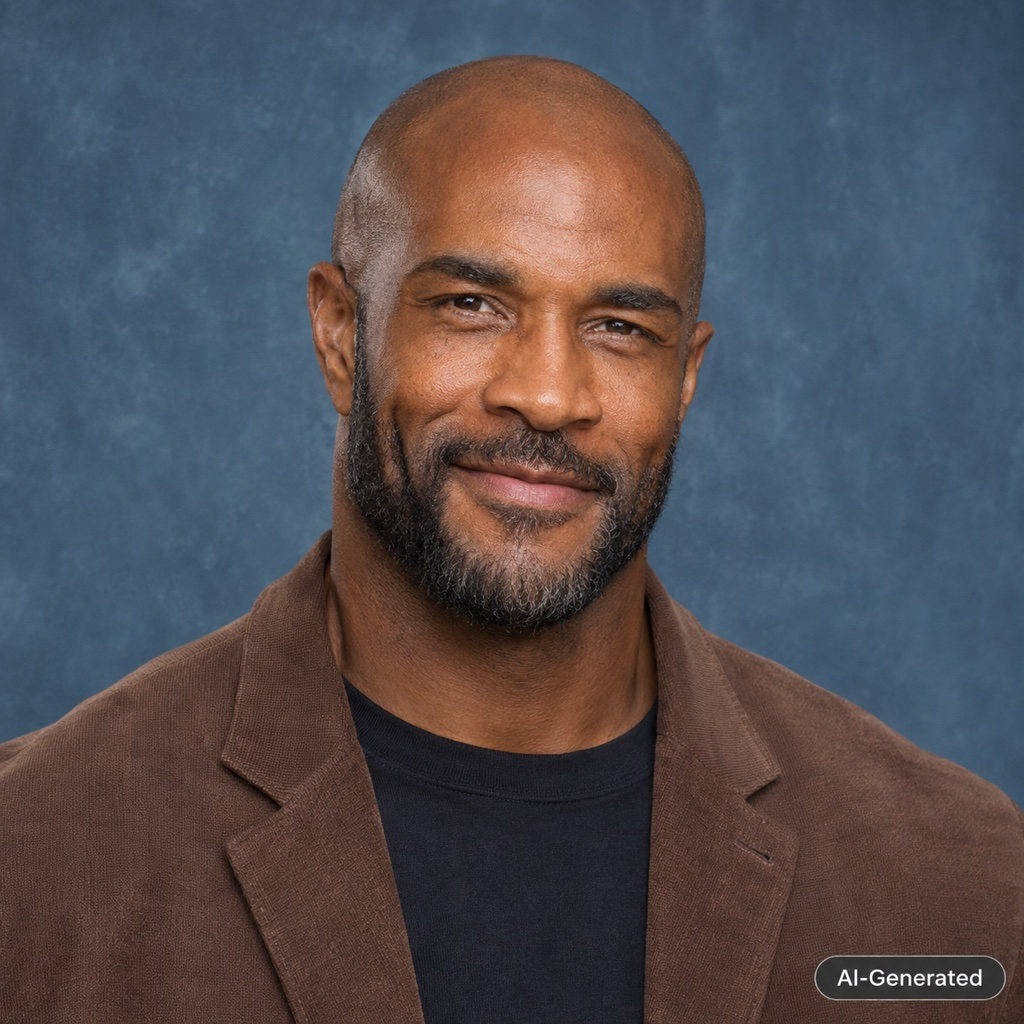
What Is LaMonica Garrett’s Religion? Is He a Christian?

AI-Generated portrait of LaMonica Garrett

AI-generated editorial portrait; not a photograph.

LaMonica Garrett has explicitly identified himself as Christian in a published endorsement and described sharing what Jesus has done for him. That documents a public Christian profession.

The person behind the performance

LaMonica Garrett is an actor whose screen credits include Designated Survivor, The Flash, and 1883. His professional biography also describes a background in athletics. The contrast between grounded dramatic roles and a cosmic figure in the Arrowverse helps explain the breadth of his screen presence.

For religion, there is more direct evidence than a character or an athlete’s reputation. Garrett supplied an endorsement for Mark E. Moore’s Core 52. The publisher’s sample PDF reproduces the endorsement under his name and identifies him as a film and television actor.

Their place in The Flash

Garrett portrays the Monitor and Anti-Monitor, figures connected with the Arrowverse’s multiverse crisis. Their immense fictional scope can prompt questions about power, judgment, and the survival of worlds. They are comic-book characters, not representations of the biblical God.

That distinction matters even when the performer has publicly professed Christian faith. A Christian actor’s participation does not turn every story element into Christian teaching. The appropriate source for Garrett’s profession is his published statement, while the roles remain part of his professional work. Readers should not blend the mythology of the series with the gospel he discusses separately.

What the evidence says about faith

In the endorsement, Garrett identifies himself as Christian, describes conversations about faith with people on film and television sets, and says he appreciates a resource that helps him understand the Bible more confidently. He also speaks about sharing what Jesus has done for him. Those are personal statements rather than an inferred label.

The statement supports reporting a Christian profession. It does not independently establish a current denomination, every doctrinal position, or our ability to know his heart. A book endorsement is also not a reason for this site to endorse every view in that book. The narrower conclusion is strong enough: Garrett has personally and publicly identified with Christian faith.

A public profession should lead back to Scripture

Garrett’s stated desire to understand the Bible better raises a useful question for all believers. Do we merely want the name Christian, or do we want to know what God has actually said? Second Timothy 3:16–17 presents Scripture as useful for teaching, correction, and equipping people for good work.

Christian confidence should rest on Christ and His Word, not on the visibility of a celebrity who shares the label. We can appreciate a public profession while examining every teaching carefully. This is Famous Faith’s application for readers, not an additional claim about Garrett’s private practice. The same biblical standard should apply consistently to celebrated actors, church leaders, and the person reading this profile.

The Bible’s message of grace

The Bible says that all have sinned and fall short of God’s glory (Romans 3:23). Jesus Christ, God’s Son, lived without sin, died for sinners, and rose bodily from the dead. His death and resurrection are the heart of the gospel (1 Corinthians 15:3–4). Salvation is God’s gift, received by grace alone through faith in Christ alone, not earned through good deeds, religious membership, or personal achievement (Ephesians 2:8–9). Repentance means turning from sin toward God. The changed life that follows faith is its fruit, not the price of forgiveness. This hope is available to famous performers and ordinary readers alike.

The spiritual conclusion should remain as careful as the evidence. We can appreciate this performance, read the linked sources, and examine our own trust in Christ without pretending to know another person’s heart.

Image disclosure: AI-generated editorial portrait representing LaMonica Garrett, created for Famous Faith; not a photograph. No endorsement implied.

More from this series: Explore all 30 The Flash cast faith profiles.