
What Is Jon Cor’s Religion? Is He a Christian?

AI-Generated portrait of Jon Cor

AI-generated editorial portrait; not a photograph.

Jon Cor’s current religion is unconfirmed in the sources reviewed here. His work in supernatural dramas and Christmas entertainment does not establish personal Christian faith.

The person behind the performance

Jon Cor is a Canadian actor and author known for Hodge Starkweather in Shadowhunters and Mark Blaine in The Flash. His career record also includes film and voice work. A professional biography can identify those credits without supplying a religious affiliation.

In a 2016 V13 interview, Cor discusses writing, reading, and his creative background. That conversation offers a fuller picture of a working artist than a character name alone. Literary influences, however, should not automatically be converted into religious beliefs, especially when a source does not make that connection.

Their place in The Flash

Cor portrays Mark Blaine, also known as Chillblaine, whose role becomes important in later seasons. The character’s relationships with Frost and the wider team give the story opportunities to explore loyalty, grief, and the consequences of an unstable sense of purpose.

A viewer may sympathize with one decision and question another. That is a response to a scripted character, not a dependable account of the actor’s own conduct or faith. Neither supernatural abilities in The Flash nor romantic warmth in a holiday production establishes what Cor believes about God. Religious identity needs evidence beyond the genres in which someone works.

What the evidence says about faith

The reviewed public sources do not establish a current denomination or a clear personal account of trust in Jesus Christ. Appearances in Christmas-themed entertainment should not be treated as church membership or testimony. Actors can portray a setting or tradition without endorsing every belief associated with it.

Likewise, an interview conducted by a writer who openly discusses Christian faith does not automatically make the guest Christian. The interviewer’s biography and the subject’s statements are separate evidence. For Cor, this profile leaves the question unconfirmed rather than borrowing a faith label from a colleague, a character, a publication’s title, or an audience’s impression.

Grief can reveal what we are relying on

Stories about loss often show people trying to preserve something they cannot bear to release. Scripture does not belittle grief, but it directs hope toward God rather than toward control over another person. Psalm 62:8 invites people to pour out their hearts before Him.

A Christian response can include honest sorrow, the support of others, and a refusal to let pain excuse wrongdoing. Those are questions readers can apply to their own lives without pretending to diagnose an actor. This is Famous Faith’s reflection on the themes around the character. It is not a claim about Cor’s private experiences or an assertion that the fantasy’s account of life and death agrees with the Bible.

The Bible’s message of grace

The Bible says that all have sinned and fall short of God’s glory (Romans 3:23). Jesus Christ, God’s Son, lived without sin, died for sinners, and rose bodily from the dead. His death and resurrection are the heart of the gospel (1 Corinthians 15:3–4). Salvation is God’s gift, received by grace alone through faith in Christ alone, not earned through good deeds, religious membership, or personal achievement (Ephesians 2:8–9). Repentance means turning from sin toward God. The changed life that follows faith is its fruit, not the price of forgiveness. This hope is available to famous performers and ordinary readers alike.

The spiritual conclusion should remain as careful as the evidence. We can appreciate this performance, read the linked sources, and examine our own trust in Christ without pretending to know another person’s heart.

Image disclosure: AI-generated editorial portrait representing Jon Cor, created for Famous Faith; not a photograph. No endorsement implied.

More from this series: Explore all 30 The Flash cast faith profiles.

What Is Efrat Dor’s Religion? Is She a Christian?

AI-Generated portrait of Efrat Dor

AI-generated editorial portrait; not a photograph.

Efrat Dor has a documented Jewish family background. Her present religious observance and a personal profession of Christian faith are not established by the sources reviewed here.

The person behind the performance

Efrat Dor is an Israeli actress known for The Zookeeper’s Wife, Sneaky Pete, and The Flash. Her career biography describes her Polish-Jewish family background. That documented history should be distinguished from an assumption that every Israeli performer has the same religious practice or present convictions.

A DuJour interview discusses her role as sculptor Magdalena Gross in The Zookeeper’s Wife and the personal significance of the story. It supplies meaningful context about a performance connected with Jewish history. It should not be expanded into a detailed account of religious observance that the source does not provide.

Their place in The Flash

Dor plays Eva McCulloch, known as Mirror Monarch, in The Flash. The role uses reflections, apparent familiarity, and a hidden world to create uncertainty about what other characters are seeing. It gives Dor material involving isolation, control, and the difference between a person and an image of that person.

Those fictional elements are not evidence of Dor’s own theology. A mirror-themed antagonist does not tell us whether the actress belongs to a religious community or what she believes about salvation. The source of a character’s power is part of a superhero narrative, not a confession made by the performer.

What the evidence says about faith

The reviewed sources support reporting a Jewish family background and her discussion of a role tied to that history. They do not establish a present Jewish denomination, a level of observance, or a Christian conversion. Those questions should not be answered by nationality alone.

Respectful reporting allows religious heritage to remain significant without treating it as a complete inventory of beliefs. It also avoids assigning the faith of a fictional character to the person portraying it. The most accurate religious conclusion here is limited to documented background. The private questions the sources leave open should remain open rather than being filled with an appealing assumption.

An image is not the whole person

A mirror can show an appearance without revealing motive, history, or conscience. That is a useful starting point for a Christian reflection on how quickly people judge one another through a picture or public role. James 2 warns against favoritism based on outward status.

The practical lesson is not that all judgments are impossible, but that they need truth and proportion. A performer’s heritage deserves accurate description; a photograph or character does not authorize speculation about the heart. Famous Faith offers this reflection as its own biblical commentary, not as Dor’s stated belief. It also invites readers to ask whether their own religious appearance is supported by genuine trust in Christ.

The Bible’s message of grace

The Bible says that all have sinned and fall short of God’s glory (Romans 3:23). Jesus Christ, God’s Son, lived without sin, died for sinners, and rose bodily from the dead. His death and resurrection are the heart of the gospel (1 Corinthians 15:3–4). Salvation is God’s gift, received by grace alone through faith in Christ alone, not earned through good deeds, religious membership, or personal achievement (Ephesians 2:8–9). Repentance means turning from sin toward God. The changed life that follows faith is its fruit, not the price of forgiveness. This hope is available to famous performers and ordinary readers alike.

The spiritual conclusion should remain as careful as the evidence. We can appreciate this performance, read the linked sources, and examine our own trust in Christ without pretending to know another person’s heart.

Image disclosure: AI-generated editorial portrait representing Efrat Dor, created for Famous Faith; not a photograph. No endorsement implied.

More from this series: Explore all 30 The Flash cast faith profiles.
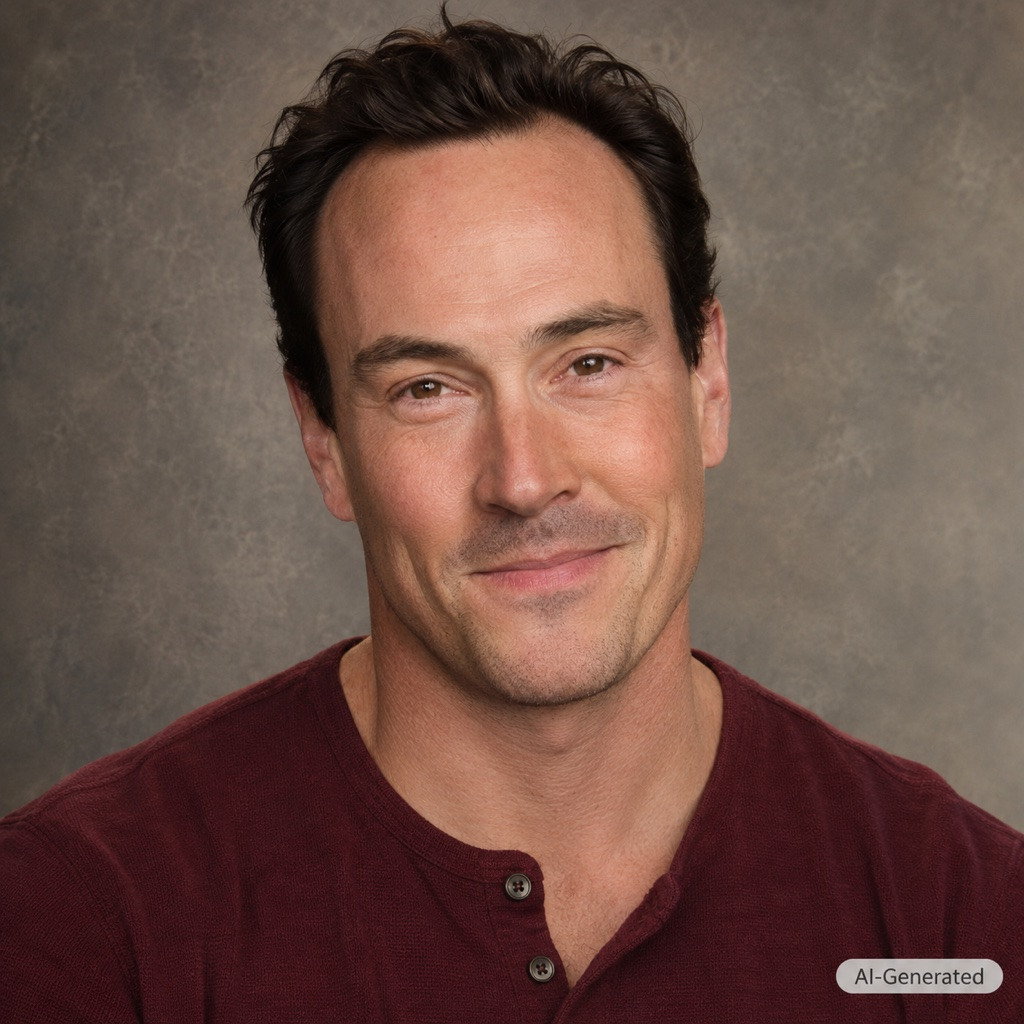
What Is Chris Klein’s Religion? Is He a Christian?

AI-Generated portrait of Chris Klein

AI-generated editorial portrait; not a photograph.

Chris Klein has described a Catholic upbringing and discussed Christian-themed work in a 2026 interview. Those statements do not establish a complete present doctrinal position or, by themselves, a saving faith in Christ.

The person behind the performance

Chris Klein is known for American Pie, Election, Sweet Magnolias, and his role as Cicada in The Flash. His career record includes comic and dramatic characters with very different moral outlooks. A performer’s range should not be mistaken for evidence that each character expresses his own convictions.

In a July 2026 Christian Post interview about Bad Counselors, Klein discussed playing Pastor Tom and drawing on memories of priests from his Catholic childhood. This is direct, dated evidence about background and preparation, rather than an assumed label.

Their place in The Flash

Klein portrays Orlin Dwyer, known as Cicada, in The Flash’s fifth season. The character’s place in the story raises questions about grief, anger, and what happens when a person directs pain toward others. These are fictional themes, not accusations about Klein’s personal life.

His later work as a pastor in a faith-oriented comedy illustrates why roles alone cannot answer the religion question. Playing a threatening antagonist and playing a religious leader are professional assignments. Neither part independently establishes the actor’s beliefs. The more useful evidence comes from his own explanation of the experiences he brought to the work.

What the evidence says about faith

The Christian Post interview supports reporting his Catholic upbringing and his stated interest in encouraging entertainment with Christian themes. It does not provide a full explanation of his current denomination or his understanding of how a sinner is saved. This profile therefore avoids announcing a conversion that the source does not clearly document.

Some people regard Catholicism as a branch of Christianity. Famous Faith’s conviction is that salvation rests on Christ alone, received by grace through faith, rather than on an institutional label or personal merit. A childhood church connection should be reported accurately without being offered as proof of biblical faith. We do not claim to know Klein’s heart or his agreement with every doctrine of his upbringing.

Pain does not justify harming someone else

Stories about revenge can make anger feel understandable without making its expression righteous. Ephesians 4:26–27 warns against allowing anger to become an opening for sin. Christians can acknowledge the reality of hurt while refusing to let hurt become permission to retaliate.

That distinction also matters in stories about restoration. A hopeful role or an encouraging film may point toward second chances, but the gospel is more than a reassuring change of tone. It addresses guilt through the saving work of Jesus. This is Famous Faith’s biblical reflection on the themes, not a claim about Klein’s private conduct or an endorsement of every message in his productions.

The Bible’s message of grace

The Bible says that all have sinned and fall short of God’s glory (Romans 3:23). Jesus Christ, God’s Son, lived without sin, died for sinners, and rose bodily from the dead. His death and resurrection are the heart of the gospel (1 Corinthians 15:3–4). Salvation is God’s gift, received by grace alone through faith in Christ alone, not earned through good deeds, religious membership, or personal achievement (Ephesians 2:8–9). Repentance means turning from sin toward God. The changed life that follows faith is its fruit, not the price of forgiveness. This hope is available to famous performers and ordinary readers alike.

The spiritual conclusion should remain as careful as the evidence. We can appreciate this performance, read the linked sources, and examine our own trust in Christ without pretending to know another person’s heart.

Image disclosure: AI-generated editorial portrait representing Chris Klein, created for Famous Faith; not a photograph. No endorsement implied.

More from this series: Explore all 30 The Flash cast faith profiles.
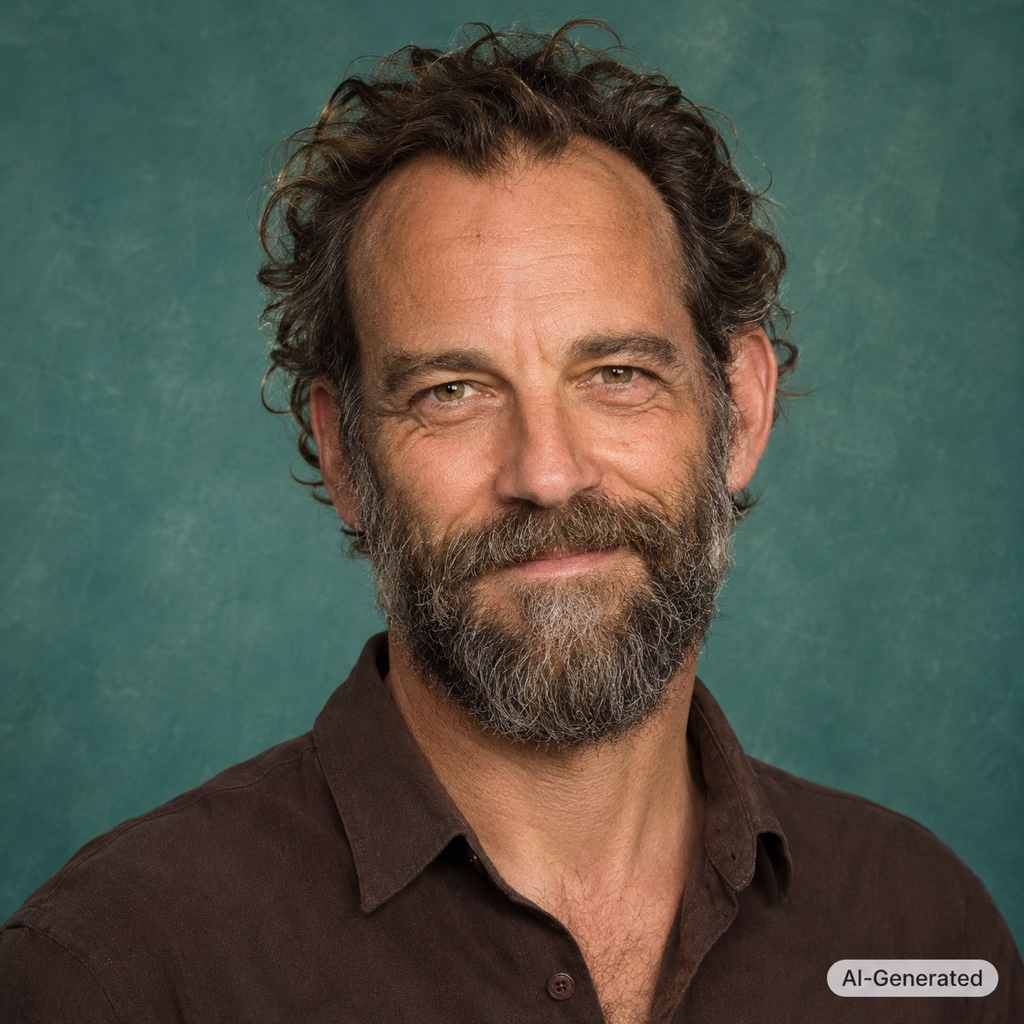
What Is Neil Sandilands’s Religion? Is He a Christian?

AI-Generated portrait of Neil Sandilands

AI-generated editorial portrait; not a photograph.

Neil Sandilands’s current religious affiliation and a clear personal profession of Christian faith remain unconfirmed in the sources reviewed here.

The person behind the performance

Neil Sandilands is a South African actor, filmmaker, and musician. His career biography records roles in The 100, The Flash, and Sweet Tooth. Viewers who recognize him as the Thinker may therefore also know him from very different fictional settings.

His musical work is another part of that career. A 2023 Small Town Music interview discusses his album and creative background. An artistic title, a poetic reference, or a spiritual-sounding phrase should be interpreted in context. Such language can be part of creative expression without serving as a clear denominational identification.

Their place in The Flash

Sandilands portrays Clifford DeVoe, the Thinker, in The Flash’s fourth season. The role places intellectual power and elaborate planning against a team whose strengths also include trust and friendship. DeVoe’s confidence in his own understanding becomes central to the conflict.

A performance built around a character’s certainty should not produce certainty about the actor’s religion. The character’s plans, beliefs, and moral failures belong to the drama. It is possible to examine the story’s treatment of intelligence and control while remaining careful about the limits of what is known regarding Sandilands personally.

What the evidence says about faith

The reviewed professional material does not establish a present denomination or an explicit account of personal trust in Jesus Christ. Nationality, language, and cultural heritage cannot fill that gap. Nor should a listener decide religion from a song title without a direct explanation by the artist.

This profile therefore leaves the religious affiliation unconfirmed. That is a limit of this review, not proof that Sandilands has no convictions. An actor or musician may speak in layers that make sense artistically while leaving a biographical question unanswered. Reporting the work accurately and admitting the unanswered question is more useful than forcing creative language into an unsupported religious category.

Knowing more does not make us morally complete

The Thinker offers a striking picture of the temptation to confuse knowledge with the right to control others. Scripture values wisdom while warning that knowledge can become a reason for pride. First Corinthians 8:1 contrasts being puffed up with the work of love that builds others up.

For Christian readers, the question is not whether learning is valuable. It is whether ability is joined to humility, accountability, and concern for another person’s good. Even exceptional intelligence does not remove our need for grace. This is Famous Faith’s reflection on a fictional theme, not a statement about Sandilands’s character or personal theology. The moral examination should begin with the reader’s own use of knowledge.

The Bible’s message of grace

The Bible says that all have sinned and fall short of God’s glory (Romans 3:23). Jesus Christ, God’s Son, lived without sin, died for sinners, and rose bodily from the dead. His death and resurrection are the heart of the gospel (1 Corinthians 15:3–4). Salvation is God’s gift, received by grace alone through faith in Christ alone, not earned through good deeds, religious membership, or personal achievement (Ephesians 2:8–9). Repentance means turning from sin toward God. The changed life that follows faith is its fruit, not the price of forgiveness. This hope is available to famous performers and ordinary readers alike.

The spiritual conclusion should remain as careful as the evidence. We can appreciate this performance, read the linked sources, and examine our own trust in Christ without pretending to know another person’s heart.

Image disclosure: AI-generated editorial portrait representing Neil Sandilands, created for Famous Faith; not a photograph. No endorsement implied.

More from this series: Explore all 30 The Flash cast faith profiles.

What Is Tom Felton’s Religion? Is He a Christian?

AI-Generated portrait of Tom Felton

AI-generated editorial portrait; not a photograph.

Tom Felton has described an Anglican upbringing and an agnostic outlook in historical interviews about Risen. Those comments do not establish a current profession of Christian faith.

The person behind the performance

Tom Felton is best known for Draco Malfoy in the Harry Potter films, but his screen work also includes Julian Albert in The Flash and Lucius in Risen. His career biography documents those distinct roles. They should not be treated as one religious narrative simply because one production explicitly concerns Jesus.

Felton’s own comments provide stronger evidence. ANSA reported his remarks at the 2015 Giffoni festival, including an Anglican upbringing, an agnostic description, and increased interest in the influence of Scripture after making Risen.

Their place in The Flash

In The Flash, Felton portrays Julian Albert, a scientist whose relationship with Barry initially includes friction and suspicion. The Alchemy storyline adds another layer of identity and responsibility. The performance is different from portraying a Roman soldier in a film about the resurrection.

That contrast helps keep the religion question in focus. Playing a character connected to a biblical event does not itself establish conversion, just as playing a character in a supernatural fantasy does not establish acceptance of the fantasy’s ideas. The relevant evidence is what Felton actually said about his own outlook.

What the evidence says about faith

The 2015 remarks support reporting a religious upbringing and a historical agnostic position, together with a stated change in his interest in the subject. They should retain their date. A headline about becoming closer to Christianity should not be expanded into a definite claim that he professed the biblical gospel.

A 2016 interview about Risen also discusses his childhood exposure to Bible stories and Sunday school in a largely traditional context. These are meaningful details, but they do not settle his current denomination or personal trust in Christ. The sources do not justify replacing uncertainty with a confidently announced conversion.

Interest in Jesus is a beginning, not the whole answer

A film can lead someone to reconsider a subject that once seemed distant. Christianity welcomes serious examination, but distinguishes curiosity about Jesus from reliance on Him as Savior. The resurrection is presented in the New Testament as an event with consequences, not simply as a powerful cultural story.

First Corinthians 15 places that claim at the center of Christian hope. Readers can explore the evidence, read Scripture, and ask what follows if Christ truly rose. This is Famous Faith’s invitation to the reader, not a statement that Felton reached a particular conclusion. Respecting his actual words includes allowing them to say less than a dramatic conversion headline might suggest.

The Bible’s message of grace

The Bible says that all have sinned and fall short of God’s glory (Romans 3:23). Jesus Christ, God’s Son, lived without sin, died for sinners, and rose bodily from the dead. His death and resurrection are the heart of the gospel (1 Corinthians 15:3–4). Salvation is God’s gift, received by grace alone through faith in Christ alone, not earned through good deeds, religious membership, or personal achievement (Ephesians 2:8–9). Repentance means turning from sin toward God. The changed life that follows faith is its fruit, not the price of forgiveness. This hope is available to famous performers and ordinary readers alike.

The spiritual conclusion should remain as careful as the evidence. We can appreciate this performance, read the linked sources, and examine our own trust in Christ without pretending to know another person’s heart.

Image disclosure: AI-generated editorial portrait representing Tom Felton, created for Famous Faith; not a photograph. No endorsement implied.

More from this series: Explore all 30 The Flash cast faith profiles.

What Is Hartley Sawyer’s Religion? Is He a Christian?

AI-Generated portrait of Hartley Sawyer

AI-generated editorial portrait; not a photograph.

Hartley Sawyer’s current religion is not established by the sources reviewed here. A character’s redemption story is not evidence of the actor’s personal Christian faith.

The person behind the performance

Hartley Sawyer played Ralph Dibny in The Flash and previously appeared in Glory Daze and The Young and the Restless. His professional biography documents those credits. The actor’s public career and the fictional biography of Ralph Dibny need to remain distinct when a reader asks about religion.

In a 2019 interview published by DC, Sawyer discussed bringing the character to life. That is a primary source about the performance. It is useful for understanding the role without turning a professional discussion into a personal testimony.

Their place in The Flash

Ralph Dibny becomes the Elongated Man, bringing investigative ability and humor to the team. His early rough edges and later efforts to act responsibly give him a different starting point from a hero who seems admirable immediately. The story asks whether someone can learn to use an opportunity well.

That theme should not be transferred to Sawyer as if the script were a record of his spiritual life. A performer can discuss a character’s growth without asserting that the same events occurred personally. Neither a fictional mistake nor a fictional act of heroism establishes what the actor believes about God or forgiveness.

What the evidence says about faith

The cited material does not establish a current denomination or an explicit personal confession of Christian faith. Public controversy, a favorable reputation, or an actor’s absence from later seasons would not independently settle that question either. Professional consequences and religious belief require different evidence.

A profile about faith should not turn into an unsupported verdict on someone’s heart. It should identify what is documented and what remains unknown. Here the religious conclusion remains unconfirmed. That restraint does not prevent readers from thinking seriously about responsibility and change; it simply keeps those general moral questions separate from claims about Sawyer’s own beliefs.

Changed behavior and the source of forgiveness

A redemption arc can mean many things in entertainment: earning trust, admitting a mistake, or learning to serve others. Biblical redemption is more specific. It rests on Christ’s saving work, not on a person eventually assembling enough admirable scenes to outweigh earlier wrongdoing.

Titus 3:5 locates salvation in God’s mercy rather than righteous works we have performed. Christians should welcome sincere change while remaining clear about that foundation. This is Famous Faith’s theological reflection, not a claim that Sawyer has experienced or described a particular conversion. The question for readers is not simply whether we look better than we once did, but whether our hope of forgiveness rests in Jesus Christ.

The Bible’s message of grace

The Bible says that all have sinned and fall short of God’s glory (Romans 3:23). Jesus Christ, God’s Son, lived without sin, died for sinners, and rose bodily from the dead. His death and resurrection are the heart of the gospel (1 Corinthians 15:3–4). Salvation is God’s gift, received by grace alone through faith in Christ alone, not earned through good deeds, religious membership, or personal achievement (Ephesians 2:8–9). Repentance means turning from sin toward God. The changed life that follows faith is its fruit, not the price of forgiveness. This hope is available to famous performers and ordinary readers alike.

The spiritual conclusion should remain as careful as the evidence. We can appreciate this performance, read the linked sources, and examine our own trust in Christ without pretending to know another person’s heart.

Image disclosure: AI-generated editorial portrait representing Hartley Sawyer, created for Famous Faith; not a photograph. No endorsement implied.

More from this series: Explore all 30 The Flash cast faith profiles.

What Is Brandon McKnight’s Religion? Is He a Christian?

AI-Generated portrait of Brandon McKnight

AI-generated editorial portrait; not a photograph.

Brandon McKnight’s religion is unconfirmed in the reviewed public sources. His professional and personal-growth discussions do not establish a denomination or a Christian testimony.

The person behind the performance

Brandon McKnight is a Canadian actor known to The Flash viewers as Chester P. Runk. His professional biography connects the role with earlier film and television work, including The Shape of Water. A supporting role in a large production and a continuing part in a television ensemble can give audiences different levels of familiarity with the same actor.

The official description of a Growing Through It conversation identifies McKnight as its guest and describes topics including taking risks and imposter syndrome. That description gives context, but should not be treated as a transcript establishing religious claims it does not make.

Their place in The Flash

Chester brings scientific curiosity and technical resourcefulness to the later Team Flash ensemble. His enthusiasm is part of what distinguishes him from more guarded or experienced colleagues. The character’s contribution shows how a continuing series can make room for a new personality without simply reproducing an earlier team member.

These professional and fictional details do not establish McKnight’s religion. A person who plays a scientist is not automatically an atheist, and a character who helps others is not automatically a Christian. Both assumptions would confuse a scripted occupation or moral choice with the actor’s own confession.

What the evidence says about faith

The reviewed public material does not establish a current religious affiliation or an explicit personal profession of trust in Jesus Christ. Searches also return other people named Brandon McKnight and members of unrelated families with the same surname. Their religious histories cannot be used to complete the actor’s biography.

The careful answer remains that his religion is unconfirmed here. A discussion of courage, confidence, or personal growth may be valuable without answering what someone believes about salvation. The boundary should be preserved rather than crossed with speculation. We can understand the topics a source actually covers while acknowledging the private matters it leaves open.

Curiosity and humility belong together

A capable problem-solver can still need help from other people. Chester’s place in an ensemble offers a useful starting point for considering that relationship. Proverbs 11:2 connects wisdom with humility, a principle that challenges the desire to appear self-sufficient.

For Christian readers, admitting a limit is not the same as abandoning responsibility. It can be the beginning of learning, listening, and asking a better question. That is true in research about another person as well as in practical work. Famous Faith offers this application without assigning it to McKnight. Technical skill and growing confidence can be admirable, but the gospel directs our ultimate trust toward Christ rather than toward our competence.

The Bible’s message of grace

The Bible says that all have sinned and fall short of God’s glory (Romans 3:23). Jesus Christ, God’s Son, lived without sin, died for sinners, and rose bodily from the dead. His death and resurrection are the heart of the gospel (1 Corinthians 15:3–4). Salvation is God’s gift, received by grace alone through faith in Christ alone, not earned through good deeds, religious membership, or personal achievement (Ephesians 2:8–9). Repentance means turning from sin toward God. The changed life that follows faith is its fruit, not the price of forgiveness. This hope is available to famous performers and ordinary readers alike.

The spiritual conclusion should remain as careful as the evidence. We can appreciate this performance, read the linked sources, and examine our own trust in Christ without pretending to know another person’s heart.

Image disclosure: AI-generated editorial portrait representing Brandon McKnight, created for Famous Faith; not a photograph. No endorsement implied.

More from this series: Explore all 30 The Flash cast faith profiles.

What Is Kayla Compton’s Religion? Is She a Christian?

AI-Generated portrait of Kayla Compton

AI-generated editorial portrait; not a photograph.

Kayla Compton’s present religious affiliation and a clear personal profession of Christian faith remain unconfirmed in the reliable sources reviewed here.

The person behind the performance

Kayla Compton is an actress and filmmaker best known for playing Allegra Garcia in The Flash. Her career biography records earlier screen work, including King’s Faith, Attack of the Killer Donuts, and Highway to Havasu. Those credits place her work in more than one genre before she became closely associated with Team Flash.

A film title can create a misleading shortcut in a faith search. King’s Faith is relevant to her professional history, but taking a part in religiously themed entertainment does not by itself tell us what the performer believes. The same actor may work in productions with very different ideas.

Their place in The Flash

Allegra Garcia becomes connected to Iris’s journalism and to the team protecting Central City. Her powers and relationships develop alongside questions about trust, belonging, and being given another chance. Compton’s role helps expand the ensemble beyond the people who began the series.

It is reasonable to discuss the character’s opportunities and difficult choices. It is not reasonable to turn those choices into a personal testimony for the actress. A screen story about a troubled past, acceptance, or changed behavior can resemble religious language while remaining a fictional narrative. The actor’s own convictions require direct evidence.

What the evidence says about faith

Some online biography tables list Christianity for Compton without linking a personal statement. Other pages leave religion unknown. This profile does not settle the disagreement by counting how many websites repeat each label. The relevant question is whether there is a dependable source explaining the claim.

The reviewed career material does not establish a current church affiliation or an explicit account of personal trust in Christ. Consequently, this profile reports uncertainty. That does not mean she has no religion or that faith is unimportant to her. It means the sources used here cannot responsibly supply the answer. A verified direct statement could support a more definite description in the future.

Giving someone a chance without ignoring truth

Allegra’s place in the team can invite reflection on how people respond to someone who carries a difficult history. Christians should not assume that a past failure makes a person beyond mercy. Neither should kindness require pretending that wrongdoing was harmless.

The gospel joins an honest diagnosis of sin with the offer of forgiveness through Jesus. First John 1:9 speaks of confession rather than denial. That is different from merely improving a public reputation. This is Famous Faith’s biblical application, not a statement about Compton’s personal history or doctrine. It directs attention toward our own willingness to receive mercy and speak truthfully, rather than using a fictional character to judge the actress.

The Bible’s message of grace

The Bible says that all have sinned and fall short of God’s glory (Romans 3:23). Jesus Christ, God’s Son, lived without sin, died for sinners, and rose bodily from the dead. His death and resurrection are the heart of the gospel (1 Corinthians 15:3–4). Salvation is God’s gift, received by grace alone through faith in Christ alone, not earned through good deeds, religious membership, or personal achievement (Ephesians 2:8–9). Repentance means turning from sin toward God. The changed life that follows faith is its fruit, not the price of forgiveness. This hope is available to famous performers and ordinary readers alike.

The spiritual conclusion should remain as careful as the evidence. We can appreciate this performance, read the linked sources, and examine our own trust in Christ without pretending to know another person’s heart.

Image disclosure: AI-generated editorial portrait representing Kayla Compton, created for Famous Faith; not a photograph. No endorsement implied.

More from this series: Explore all 30 The Flash cast faith profiles.

What Is Jessica Parker Kennedy’s Religion? Is She a Christian?

AI-Generated portrait of Jessica Parker Kennedy

AI-generated editorial portrait; not a photograph.

Jessica Parker Kennedy has a documented Jewish upbringing and married in a Jewish ceremony. Those facts do not establish her current level of observance or a profession of Christian faith.

The person behind the performance

Jessica Parker Kennedy is a Canadian actress known for Melissa Glaser in The Secret Circle, Max in Black Sails, and Nora West-Allen in The Flash. Her biographical record describes her Jewish upbringing as well as those professional credits. This is a documented religious background, rather than a label inferred from her name or appearance.

The different roles also illustrate why an actor’s screen work should remain separate from religious identity. A character in a supernatural drama, a historical adventure, or a superhero series may have beliefs and experiences that are entirely products of the script.

Their place in The Flash

Kennedy portrays Nora West-Allen, also known as XS, the future daughter of Barry and Iris. The role brings family connections, admiration, secrecy, and the consequences of time travel into the story. Nora’s desire to know her family gives viewers an emotional way into the show’s larger mythology.

Those relationships are fictional. They do not tell us what Kennedy believes about God, and neither the character’s powers nor her mistakes should be treated as religious evidence about the performer. Even a deeply affecting family story needs a different kind of source before it can support a claim about an actor’s own faith.

What the evidence says about faith

Her Jewish background is accompanied by reporting that she and Ronen Rubinstein married in a Jewish ceremony in August 2022. Entertainment Tonight’s contemporary account reports that ceremony and identifies its source. It is reasonable to describe the documented event without pretending it reveals every present conviction.

Jewish identity can involve upbringing, community, family, and religious practice in different combinations. A wedding does not independently establish denomination or daily observance. This profile does not report a verified profession of Christian faith, nor does it infer one from Kennedy’s colleagues or roles. The answer should remain limited to the background and event that the sources actually document.

Family history and personal faith are different questions

A story about meeting family across generations can prompt readers to consider how much of their identity they receive from others. Family memory and religious tradition may be deeply significant, but Christianity calls each person to respond to Christ. A heritage cannot make that response on someone’s behalf.

John 1:12–13 connects becoming a child of God with receiving Christ, not with natural descent. That teaching is Famous Faith’s Christian explanation, not a claim about Kennedy’s own beliefs. It invites readers of every background to examine what they rely on before God, while allowing her documented Jewish history to be reported accurately and respectfully.

The Bible’s message of grace

The Bible says that all have sinned and fall short of God’s glory (Romans 3:23). Jesus Christ, God’s Son, lived without sin, died for sinners, and rose bodily from the dead. His death and resurrection are the heart of the gospel (1 Corinthians 15:3–4). Salvation is God’s gift, received by grace alone through faith in Christ alone, not earned through good deeds, religious membership, or personal achievement (Ephesians 2:8–9). Repentance means turning from sin toward God. The changed life that follows faith is its fruit, not the price of forgiveness. This hope is available to famous performers and ordinary readers alike.

The spiritual conclusion should remain as careful as the evidence. We can appreciate this performance, read the linked sources, and examine our own trust in Christ without pretending to know another person’s heart.

Image disclosure: AI-generated editorial portrait representing Jessica Parker Kennedy, created for Famous Faith; not a photograph. No endorsement implied.

More from this series: Explore all 30 The Flash cast faith profiles.

What Is Danielle Nicolet’s Religion? Is She a Christian?

AI-Generated portrait of Danielle Nicolet

AI-generated editorial portrait; not a photograph.

Danielle Nicolet’s current religion is unconfirmed in the sources reviewed here. Faith-related film titles and ordinary expressions about faith do not establish a Christian profession.

The person behind the performance

Danielle Nicolet is an actress whose television work includes 3rd Rock from the Sun, The Starter Wife, Born Again Virgin, and The Flash. Her career biography also records film and voice roles. That range helps explain why an audience may recognize her from comedy, action, or a long-running superhero series.

In a 2015 Parlé interview, Nicolet discussed taking a professional risk on a television production. Her language about a leap of faith concerned that career decision. The expression deserves its ordinary context rather than being turned into a statement of religious doctrine.

Their place in The Flash

Nicolet plays Cecile Horton, whose place in the series grows from legal work and family relationships into a more prominent superhero role. Her connections to Joe and the West family keep the character close to the emotional center of the story. Her developing abilities add questions about empathy and responsibility.

An ability to sense another person’s emotions belongs to the fictional world. It is not a model of Christian spiritual gifts, and it is not evidence about Nicolet’s own theology. The portrayal can encourage discussion of compassion, but a viewer still needs separate sources to answer what the actress personally believes.

What the evidence says about faith

Some celebrity biography pages label Nicolet Christian without providing a clear personal statement. This review does not treat those labels as established evidence. Nor does appearing in a production called Faith Based settle her religion: a title can be descriptive, satirical, or part of a fictional premise.

The sources linked here establish professional credits and a discussion of her acting choices. They do not establish a current denomination or a full account of trust in Christ. That limitation should remain visible. It is possible to report what an actress has done, appreciate her work, and still acknowledge that a question about faith has not been answered by the available material.

Compassion requires listening carefully

Cecile’s role naturally raises the question of how people respond when someone else is hurting. Romans 12:15 calls believers to weep with those who weep. That does not require supernatural access to another person’s feelings; often it begins with patient listening and a willingness to be present.

Listening also means resisting the urge to announce that we know everything someone thinks. That matters in personal relationships and in profiles about public figures. Christians can speak clearly about Scripture while admitting the limits of their knowledge about an individual. This is Famous Faith’s application of the theme, not a claim that Nicolet has explained her work or her beliefs in these terms.

The Bible’s message of grace

The Bible says that all have sinned and fall short of God’s glory (Romans 3:23). Jesus Christ, God’s Son, lived without sin, died for sinners, and rose bodily from the dead. His death and resurrection are the heart of the gospel (1 Corinthians 15:3–4). Salvation is God’s gift, received by grace alone through faith in Christ alone, not earned through good deeds, religious membership, or personal achievement (Ephesians 2:8–9). Repentance means turning from sin toward God. The changed life that follows faith is its fruit, not the price of forgiveness. This hope is available to famous performers and ordinary readers alike.

The spiritual conclusion should remain as careful as the evidence. We can appreciate this performance, read the linked sources, and examine our own trust in Christ without pretending to know another person’s heart.

Image disclosure: AI-generated editorial portrait representing Danielle Nicolet, created for Famous Faith; not a photograph. No endorsement implied.

More from this series: Explore all 30 The Flash cast faith profiles.