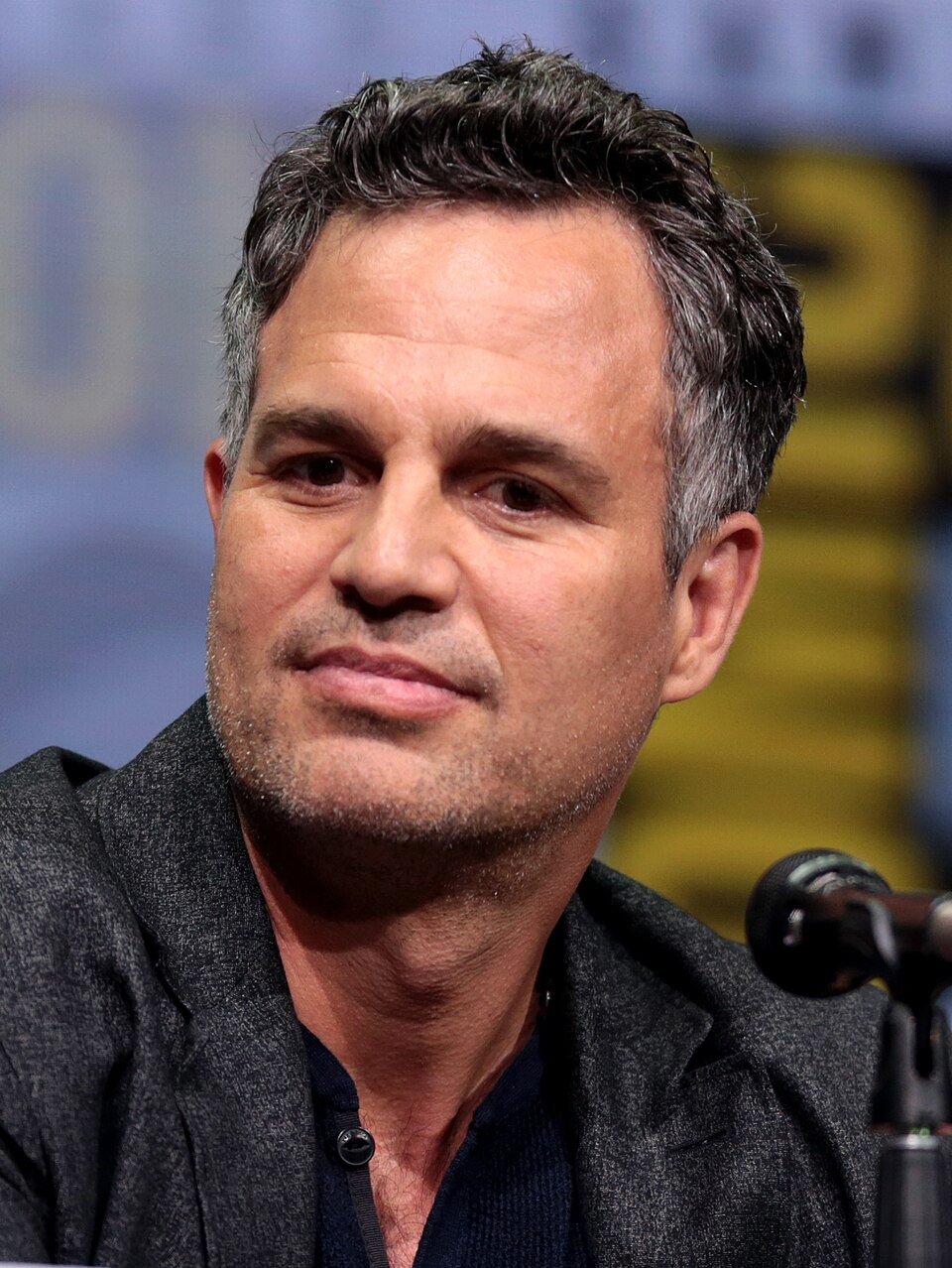
Mark Ruffalo grew up around several religious influences, including Catholic and evangelical Christian relatives and a Bahá’í father. In a 2016 interview, he said he was not religious and referred to his Catholic upbringing. Other public comments show that he has also reflected on God and spirituality.
The evidence therefore calls for a nuanced answer. His family’s beliefs are part of his background, but they do not automatically establish that he identifies as a Christian today.
A household with different perspectives
Ruffalo is known for films including Spotlight and Dark Waters, as well as playing Bruce Banner and the Hulk in Marvel movies. His work has often involved stories about people confronting difficult questions and institutions. Those performances place him at the center of the Avengers ensemble.
In a 2004 conversation published by the Golden Globes in 2021, Ruffalo recalled growing up with Catholic, evangelical Christian, and Bahá’í influences in his family. He described caring for relatives who held different beliefs and spoke about a personal spiritual journey.
In a 2016 interview about Spotlight, an interviewer asked whether he was religious. Ruffalo answered no and noted that he had been raised Catholic. He also spoke with concern for people hurt by abuse and for those whose faith had been damaged by the church’s response.
Later, during a 2019 conversation reported by Religion News Service, Ruffalo again described his varied family background and the influence of people who cared for their communities. His comments help explain why faith-related themes appear in some of his work without proving that he follows the beliefs of a character.
Those statements are dated and should be read in context. They support describing a varied upbringing and personal reflections on spirituality, while leaving his current private convictions to him.
Compassion, justice, and truth
Ruffalo’s concern for people who have been harmed is a fitting place for Christians to listen carefully. Scripture calls people to care for their neighbors and speak truthfully. Harm committed by religious people is real harm, and it should not be excused to protect an institution’s image.
The Bible also says human dignity rests on the fact that people are made in God’s image. That is true whether a person shares our beliefs or not. Respectful disagreement should never require indifference to another person’s suffering.
At the same time, Scripture applies God’s moral standard to everyone. Have we lied, stolen, or coveted another person’s position? Have we harbored hateful anger or lust? The writer and reader are included in those questions. God is holy and just, and Romans 3:23 says all have sinned.
Good causes and honest work matter, but they cannot erase guilt before God. We need His forgiveness as well as the desire to help others.
The gift offered in Christ
Jesus Christ is God’s divine Son who became human and lived without sin. He willingly died on the cross in our place, bearing the full penalty for our sins. He was buried and rose bodily from the dead. His finished work is the foundation of Christian hope.
God offers forgiveness and eternal life as a free gift by grace through faith in Jesus Christ. Religious rituals, good works, and self-improvement cannot earn it. The invitation is to trust the risen Savior and what He has done for us.
Ruffalo’s story illustrates why family background and personal belief should be distinguished. For all of us, the gospel points to the same Savior and the life He offers freely.
Sources
Golden Globes’ publication of Ruffalo’s 2004 comments; Mid-day interview, February 2016; Religion News Service on Ruffalo and Dark Waters, December 2019. Bible passages: Genesis 1:27; Exodus 20:15–17; Matthew 5:21–28; Romans 3:23–26; 1 Corinthians 15:3–4; Ephesians 2:8–9.
Photo: Gage Skidmore, July 22, 2017, via Wikimedia Commons, CC BY-SA 2.0. Cropped, web-sized version.
