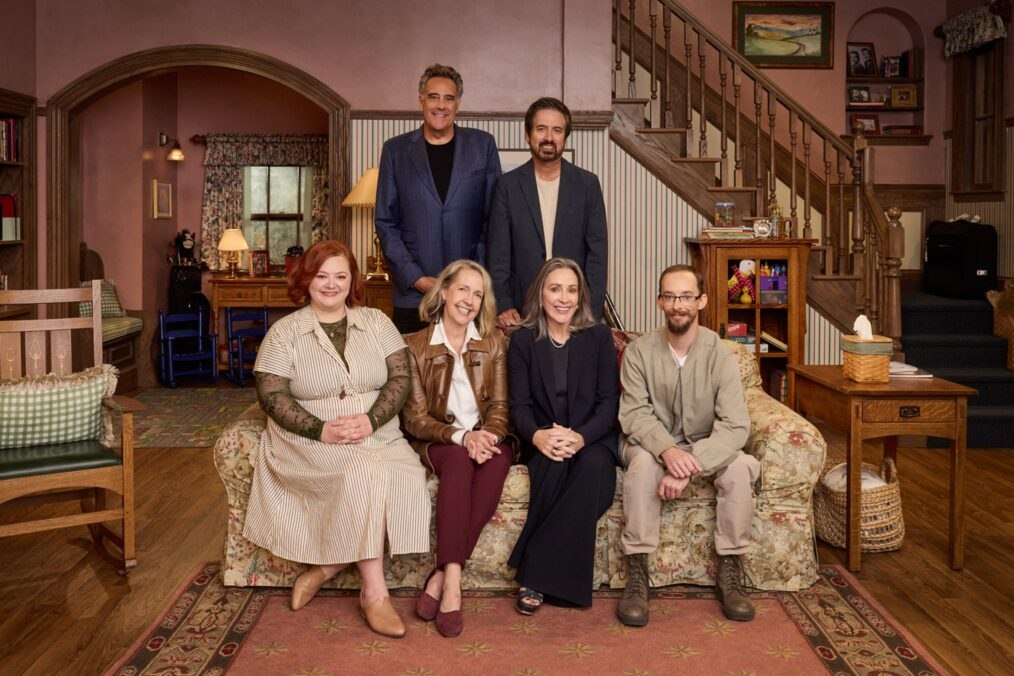
Everybody Loves Raymond presents a family familiar with Catholic life, but its cast members have different religious backgrounds and public beliefs. Some have spoken plainly about faith. Others have shared much less. This guide brings together all nine main cast profiles and looks at the show’s family life through the Bible.
The comedy works because ordinary relationships can be both loving and difficult. A dinner becomes a contest. A favor becomes a debt. A brother feels overlooked. A husband wants peace without taking responsibility. Those situations can make us laugh, but they can also help us recognize habits we need to change.
What religion are the Everybody Loves Raymond cast members?
The table below summarizes the evidence reviewed for this series. Each name opens a full profile with sources, a biblical comparison, and the gospel. Public identity is not the same thing as knowing someone’s heart, and an unanswered question should not be replaced with a guess.
| Cast member | Character | What the public record supports |
|---|---|---|
| Ray Romano | Ray Barone | Current beliefs not clearly established; dated skeptical remark reported by secondary sources. |
| Patricia Heaton | Debra Barone | Publicly professes Christian faith; later interviews describe Catholic identity. |
| Brad Garrett | Robert Barone | Jewish upbringing and identity; reported distance from religious practice in 2014. |
| Doris Roberts | Marie Barone | Documented Jewish identity; detailed personal theology not established. |
| Peter Boyle | Frank Barone | Catholic background and a reported return to Mass after 1999. |
| Monica Horan | Amy MacDougall Barone | Raised Catholic; converted to Judaism before marrying Phil Rosenthal. |
| Madylin Sweeten | Ally Barone | Personal religious beliefs unconfirmed in the sources reviewed. |
| Sawyer Sweeten | Geoffrey Barone | Personal religious beliefs unconfirmed in the sources reviewed. |
| Sullivan Sweeten | Michael Barone | Personal religious beliefs unconfirmed in the sources reviewed. |
The original CBS cast description establishes the characters and family relationships. It does not establish the actors’ personal faith. Keeping those two subjects separate is essential, especially for performers who joined the series as children.
Is Everybody Loves Raymond a Christian show?
It is a family sitcom with religious elements, rather than a systematic presentation of Christianity. In a Beliefnet interview, Patricia Heaton explained that church life and Catholic identity were woven into the Barone family. She described a storyline about Ray’s reluctance to attend church and a conversation about why Debra went.
That setting gives the show room to talk about gratitude, marriage, guilt, forgiveness, and the place of God in everyday life. It does not mean that every joke or character choice agrees with Scripture. A believable portrayal of flawed people is not automatically an endorsement of their behavior.
What does the Bible say about Ray and Debra’s marriage?
Ray and Debra’s conflicts often expose how easy it is to want the benefits of marriage while resisting its duties. Viewers may recognize avoiding a difficult conversation, making excuses, keeping score, or using sarcasm when honesty feels costly.
Ephesians 5:21–33 sets marriage within reverence for Christ and calls husbands to sacrificial love. Philippians 2:3–4 challenges selfish ambition and urges concern for another person’s interests. Those passages do not give either spouse permission to control, belittle, or neglect the other.
A practical response is to ask a better question than who won the argument. Did I tell the truth? Did I listen? Did I take responsibility for my part? The biblical goal is not a household where nobody ever disagrees. It is a relationship shaped by humility, faithfulness, and love.
How does Marie’s interference compare with biblical love?
Marie can be generous and intrusive in the same conversation. Her role makes a recognizable problem funny: a person can sincerely care while also insisting that everyone accept her way of doing things. Good intentions do not automatically make an action wise.
First Corinthians 13:4–5 describes love as patient and kind, without insisting on its own way. Genesis 2:24 also speaks of marriage as establishing a new family bond. Parents deserve honor, but adult children need to carry responsibilities in their own households.
That balance challenges both generations. Parents can offer help without turning it into control. Adult children can establish boundaries without contempt. These are lessons viewers can apply to themselves, rather than excuses to diagnose the actors who played the characters.
What do Robert’s rivalry and Frank’s bluntness reveal?
Robert’s frustration about Ray’s attention highlights the danger of comparison. James 3:14–16 warns about envy and selfish ambition. Another person’s success can become a reason to feel cheated when we treat affection as a contest with only one winner.
Frank’s blunt speech raises another question: is what I am saying helpful, or am I enjoying the ability to wound? Ephesians 4:29 calls for words that build others up. Honesty does not require cruelty. Humor can expose foolishness without teaching us to dismiss another person’s dignity.
A sitcom often returns its characters to familiar patterns so another episode can work. Real life calls for something deeper than repeating the same fight. Repentance means acknowledging wrong and turning from it, not merely waiting until the tension passes.
Is family affection enough to deal with sin?
Family love is valuable, but it cannot make us innocent before God. Romans 3:23 teaches that all have sinned. The Ten Commandments expose dishonesty, theft, coveting, and failure to honor God. Jesus’ teaching in Matthew 5 reaches inward to anger and lust.
These failures are not limited to unusually troubled families. They appear in respectable homes, religious communities, and ordinary routines. We can laugh at a character’s selfishness while avoiding our own. The Bible asks us to examine ourselves honestly instead of grading our lives against someone worse.
What is the full gospel of Jesus Christ?
God is holy and just. Sin deserves judgment, and we cannot erase guilt by doing enough good things, belonging to a church, or being loved by our family. We need forgiveness that deals with wrongdoing rather than pretending it never mattered.
God has provided a Savior through His Son, Jesus Christ. Jesus lived without sin, died on the cross for sinners, and rose bodily from the dead. First Corinthians 15:3–4 places His death, burial, and resurrection at the center of the gospel. Romans 5:8 presents His death as the expression of God’s love for sinful people.
Salvation is received by grace through faith, not earned by works (Ephesians 2:8–9). Jesus calls us to repent and believe: turn from sin and trust Him rather than our own goodness. Forgiveness begins a changed life of following Christ, loving others, and returning to Him when we fail.
No cast member’s public religious label can answer that personal question for us. The purpose of this series is to report public beliefs accurately and invite readers to consider Jesus. We do not claim to know anyone’s heart or final standing before God.
Where should I start reading?
Choose any cast member in the table above, or browse the Famous Faith Index. Read the evidence with its dates and limits in view. Then consider the larger question the Bible places before every one of us: am I relying on myself, or on the grace God offers through Jesus Christ?
Photo credit: Sonja Flemming/CBS, ©2025 CBS Broadcasting, Inc., via TV Insider. Surviving cast members at the 2025 reunion: Madylin Sweeten, Brad Garrett, Monica Horan, Patricia Heaton, Ray Romano, and Sullivan Sweeten. Resized and compressed.