What Is Kelsey Grammer’s Religion? Is He a Christian?

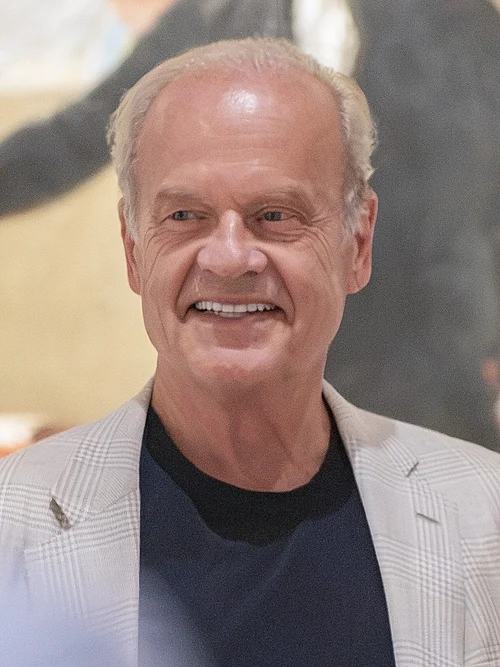
Kelsey Grammer at a film screening in 2026

Kelsey Grammer has publicly spoken about Christian faith, prayer, grief, and spiritual experiences. His account includes renewed faith connected with Jesus Revolution and a response to the gospel at a Harvest Crusade. It also includes beliefs about contact with deceased loved ones, which deserve to be described rather than left out of the picture.

His public story of faith

In March 2026, pastor Greg Laurie wrote about Grammer’s involvement in Jesus Revolution. Laurie recalled Grammer saying he had prayed for meaningful work before receiving the script. He also reported that Grammer made a public profession of faith at a Harvest Crusade and received a New Believer’s Bible.

Laurie’s account includes Grammer’s description of his faith as “limping faith.” It connects his spiritual questions with the murder of his sister, Karen, and the burden he carried afterward. This is a report from a named participant in the events, with some of Grammer’s own words included. Read Laurie’s account and interview links.

Grammer has also discussed his Christian Science upbringing in a 2026 interview with The Times. That childhood tradition is a separate part of his story from the later public testimony described above.

Other spiritual beliefs he has discussed

In a 2025 interview on The Jamie Kern Lima Show, Grammer described experiences he interpreted as contact with his late mother and sister. Entertainment Weekly reported his comments about those experiences and his openness to psychics and mediums. These are his interpretations, not events this article can independently verify. Read the report and interview context.

A fair profile can recognize a public profession of Christian faith while also reporting other spiritual ideas. It should neither erase the testimony nor make every belief identical to biblical teaching. Those distinctions help readers understand what the person has actually said.

The actor behind Frasier Crane

Grammer became familiar to millions through Frasier Crane on Cheers and then Frasier. He has also worked in films, on stage, and as a voice actor, including Sideshow Bob on The Simpsons. In Jesus Revolution, he portrayed pastor Chuck Smith. His biography gives a broader career overview. His Marvel role is Beast; he is also announced for the Avengers: Doomsday cast.

One role can follow an actor for decades, especially when it depends on such a distinctive voice and comic rhythm. Yet playing a psychiatrist does not explain Grammer’s spiritual beliefs, just as playing a pastor would not prove them. His interviews and public testimony provide the evidence about the man.

Is Kelsey Grammer a Christian?

There is documented public evidence of a Christian profession, particularly in the Harvest account. That makes the answer more concrete than a guess based on a film credit. Famous Faith reports that evidence while leaving the condition of his heart to God. His other statements remain part of the public record and can be considered alongside Scripture.

Grief, comfort, and biblical discernment

The desire to know that a loved one is safe is deeply human. The Bible does not mock grief. Jesus wept at Lazarus’s tomb in John 11, and Scripture calls people to care for those who mourn. Christian hope is meant to comfort people in real loss, rather than shame them for feeling it.

At the same time, Scripture directs believers away from seeking guidance through mediums or attempts to consult the dead (Deuteronomy 18:10–12). That teaching creates a difference between some spiritual claims described above and the Bible’s direction. We can explain that difference without claiming to know the cause of a private experience or judging another person’s motives.

Christian comfort rests on the character of God and the resurrection of Jesus. First Thessalonians 4:13–18 addresses grief with the hope of resurrection. It does not promise that we will receive messages from departed relatives. The distinction matters because genuine comfort and reliable guidance are not always the same thing.

The gospel offers more than an inspiring moment

A moving film, a prayer, or a public response can open an important conversation. The center of Christianity, however, is the Savior Himself. The gospel begins by telling the truth about our need. Romans 3:23 teaches that all have sinned. Our guilt cannot be removed by talent, suffering, religious experiences, or our desire to do better.

God is holy and just, but He is also merciful. Jesus Christ, the Son of God, came into the world and lived without sin. He died on the cross for sinners and rose bodily from the dead. First Corinthians 15:3–4 identifies these events as the foundation of the good news. His resurrection gives hope that does not depend on our strongest feelings.

Ephesians 2:8–9 teaches that salvation comes by grace through faith, not by works. Repentance means turning from sin toward God. Faith means trusting Christ’s finished work to save you. It is a personal response to a real Savior, rather than an effort to earn peace through a religious performance.

If you are carrying grief, guilt, or questions about God, you can bring them honestly to Him. Read John 11 and Romans 5. Seek a Bible-teaching church where you can receive care and learn Scripture. The Christian invitation is not to pretend that life has been easy. It is to turn to Jesus, receive forgiveness, and find lasting hope in Him.

Photo credit: Michael W. Imhoff / Exchanges Photos, via Wikimedia Commons, CC0 1.0. Existing Commons portrait crop. No endorsement implied.


What Is Woody Harrelson’s Religion? Is He a Christian?

Woody Harrelson at the Midway premiere in 2019

Woody Harrelson has described a spiritual life outside the Christian identity of his childhood. His public interviews offer a clear picture of religious questions he has explored, including why he moved away from the faith in which he was raised.

His public explanation of spirituality

In a 2012 GQ interview, Harrelson said, “I have a strong spiritual life.” He rejected the Christian label in that conversation, admired Jesus alongside other teachers, and questioned Christianity’s claim that Jesus is the only way to God. He also discussed yoga and meditation. Read the original GQ interview.

That source is dated. It reports what he said then, rather than proving that every detail remains unchanged today. A fair article should let a person’s own words carry the weight, while leaving room for the possibility that their thinking develops.

Harrelson has continued to discuss his early religious life in interviews, including a 2023 extended interview with CBS News. His upbringing matters because this is not simply a story about someone who never encountered Christianity. It is a story about a person who knew a religious setting and later reconsidered it.

From Cheers to a wide-ranging film career

Harrelson was born in Midland, Texas, in 1961 and grew up in a Presbyterian household. He studied theater and English at Hanover College. In 1985, he joined Cheers as Woody Boyd, earning an Emmy for the role. That television success became the beginning of a much broader career.

His films range from White Men Can’t Jump and Zombieland to The Hunger Games series. He also appeared in The People vs. Larry Flynt, The Messenger, and Three Billboards Outside Ebbing, Missouri, with Oscar nominations across those dramatic performances. Television audiences also know his work in True Detective. See his background and career overview.

That variety is part of what makes his public story interesting. An actor who became familiar through a gentle comic character can later take on difficult dramatic material. It is also a reminder that a character’s innocence, anger, or religious language cannot be used to establish the actor’s own beliefs. His interview statements are the proper evidence.

Is Woody Harrelson a Christian?

In the interview quoted above, his answer was no. This article keeps that answer tied to the source and its date. It does not label him a member of some other religion simply because he has discussed spiritual practices. A person can explore meditation or admire religious teachers without formally joining a particular faith.

Readers sometimes look for a single word that will settle every question. With a public figure, it is often more helpful to describe the actual statements and the evidence behind them. That approach gives a clearer picture and avoids creating a religious identity the person has not claimed.

Why Jesus’ identity is the central question

The disagreement described in Harrelson’s interview opens a serious question for any reader: is Jesus only a wise teacher, or is He the Savior Scripture presents? Christianity asks people to examine His identity and His work, rather than simply admire a collection of moral sayings.

John 14:6 records Jesus identifying Himself as the way, the truth, and the life, with access to the Father through Him. Acts 4:12 also presents salvation in His name. These claims are central to the New Testament. A Christian cannot remove them while keeping the message unchanged.

This does not give Christians permission to treat people of other beliefs with contempt. First Peter 3:15 calls believers to explain their hope with gentleness and respect. Being clear about a disagreement and being kind to the person who disagrees are compatible. Honest conversation needs both.

It is also useful to distinguish a spiritual practice from its religious meaning. Quiet reflection may help someone pay attention, while biblical meditation focuses on God’s truth (Psalm 1:1–3). Christianity’s central promise, however, does not rest on achieving calm or balance. It rests on what Christ has done for sinners.

The gospel for the interested reader

Most of us want a meaningful life and peace with ourselves. The Bible says our need reaches deeper. We were created by God, yet we have sinned against Him. Romans 3:23 describes a problem shared by every person. We cannot escape that truth through fame, religious knowledge, good intentions, or personal growth.

God is holy, and His judgment is just. Sin is not merely a lack of balance; it is a failure to love and obey our Creator. Yet the gospel is good news because God has acted in mercy. Jesus Christ, the Son of God, lived without sin and died on the cross for sinners.

He rose bodily from the dead. First Corinthians 15:3–4 places that resurrection alongside His death at the center of Christian faith. Jesus is therefore presented as more than one helpful teacher among many. He is the living Savior who reconciles people to God.

Salvation comes by grace through faith, not by works (Ephesians 2:8–9). Repentance means turning from sin toward God. Faith means relying on Jesus to save you. If you have questions about His claims, read the Gospel of John and consider the evidence it presents. Seek a Bible-teaching church where questions can be asked honestly. The invitation is firm and hopeful: forgiveness and eternal life are offered in Christ.

Photo credit: U.S. Navy / Justin R. Pacheco, via Wikimedia Commons. Public domain in the United States; existing Commons portrait crop. No endorsement implied.
What Is John Ratzenberger’s Religion? Is He a Christian?

John Ratzenberger at Politicon in 2016

John Ratzenberger has publicly discussed a Catholic upbringing and the importance of Christian values in his life and work. His faith story is more clearly documented than many celebrity profiles because he has spoken about it in a religious interview, rather than leaving readers to infer it from a movie role.

What John Ratzenberger has said about faith

For a February 2014 appearance on The 700 Club, CBN described Ratzenberger’s Catholic family and schooling in Connecticut. The accompanying interview notes report his view that this education gave him a clear sense of right and wrong, along with responsibility for himself and other people. The account presents faith as an active influence in his work.

He also discussed the place of Christian audiences and faith-based films in Hollywood. The source describes his concern for the values conveyed by entertainment and for projects families can watch together. These are his reported views from that interview, not a claim that every project he has appeared in carries a Christian message. Read CBN’s interview notes.

The evidence supports describing him as an actor who has publicly affirmed the importance of Christian faith and a Catholic background. The 2014 account should be dated honestly. It gives meaningful information, but it does not tell us his current parish, daily habits, or full position on every theological question.

From Cliff Clavin to a familiar animated voice

Ratzenberger became widely known as Cliff Clavin, the talkative postal worker on Cheers. He also supplied memorable voices in Pixar films, including Hamm in Toy Story, P.T. Flea in A Bug’s Life, and Mack in Cars. Outside acting, he hosted Made in America, a program highlighting manufacturing and skilled work. His biography outlines those parts of his career.

There is also something appealing about a voice that becomes familiar across generations. Children may recognize a character long before they know the performer’s name. Yet neither an animated character nor Cliff’s opinions should be treated as Ratzenberger’s personal creed. Here, his own interview carries the religious evidence.

Is John Ratzenberger a Christian?

His public discussion with CBN described how the Catholic schooling of his childhood shaped the values he later brought to his work. That is a fair answer to the question about his publicly reported religion. Famous Faith does not use that answer to make a private judgment about his heart, and it does not assume that all Catholics agree on every issue or practice faith in the same way.

Work, responsibility, and the Bible

Ratzenberger’s interest in skilled work offers a practical point of contact with Scripture. The Bible honors honest labor and service. Colossians 3:23 calls believers to work wholeheartedly, and Ephesians 4:28 connects honest work with having something to share with people in need. Work can become a way of loving our neighbors.

Responsibility matters too. We affect others through what we build, sell, teach, and create. An actor may think about the stories he helps tell, while a parent may think about what enters the home. The biblical command to love our neighbors reaches ordinary decisions, not just dramatic acts of generosity.

Still, valuable work and sound moral standards cannot replace the gospel. We may admire a person’s discipline and still need to ask the same question of ourselves: have we trusted Christ, or are we relying on being respectable? Scripture gives good works an important place, but it does not make them a payment for forgiveness.

Christian values and Christian salvation

It is possible to appreciate the influence of Christianity while missing its central message. Christianity is not only a system for preserving a society or producing family entertainment. At its center is Jesus Christ, the Son of God, and His work to rescue sinners. That is the reason Christians speak about salvation.

Romans 3:23 teaches that all have sinned. Even responsible, hardworking people fall short of God’s holiness. We have been selfish, dishonest, proud, or unloving. Our outward reputation does not remove the guilt of what God sees. We need mercy that reaches deeper than a good public image.

Jesus lived without sin, died on the cross for sinners, and rose bodily from the dead. First Corinthians 15:3–4 summarizes that saving message. His sacrifice shows both the seriousness of sin and the greatness of God’s love. He did not overlook our need; He came to meet it.

Ephesians 2:8–10 explains the relationship between grace and works. Salvation is a gift received through faith, not earned through our achievements. The good works that follow belong to the new life God gives. This keeps us from boasting, while giving us a reason to serve others with gratitude.

The response is repentance and faith: change your mind toward God and rely on Jesus Christ alone to save you. Changed conduct is a response to grace, not a condition for receiving it. If you grew up with Christian values but have never considered Christ’s claims personally, begin with the Gospel of John. Speak with a Bible-teaching church, ask your questions, and seek the Savior Himself. The gospel offers forgiveness, reconciliation with God, and eternal life through Him.

Photo credit: Gage Skidmore, via Wikimedia Commons, CC BY-SA 2.0. Existing Commons portrait crop. No endorsement implied.

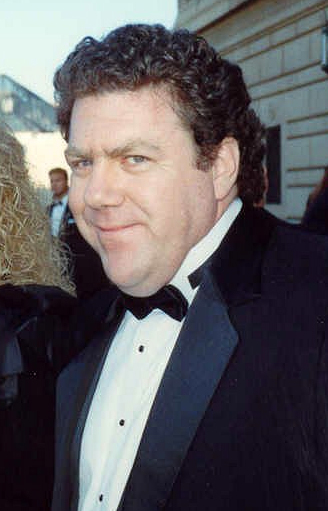
What Was George Wendt’s Religion? Was He a Christian?

George Wendt at the 1989 Emmy Awards

George Wendt had a well-documented Catholic upbringing and education. The actor remembered as Norm Peterson on Cheers was connected to Catholic institutions from his early school years through college. Public accounts describe that background as an important influence, although a full statement of his personal theology is harder to find.

George Wendt’s Catholic background

Wendt died on May 20, 2025, at age 76. In its report about his life, OSV News traced his Catholic education through elementary school, Campion Jesuit High School, the University of Notre Dame, and Rockhurst College. Wendt had discussed his college experience with Catholic News Service in 1995. Those details give solid evidence of his religious surroundings.

The report also repeated Beliefnet’s description of the importance of Catholic values in his life. That is a secondary account and should be labeled as such. School history is easier to document than the precise beliefs a person held in his final years. Read the OSV News account.

The fairest summary is that Wendt came from a Catholic background that stayed part of the public story of his life. This research did not locate an extensive first-person interview spelling out his views on every Christian doctrine. We should not manufacture such a testimony simply because he attended Catholic schools.

The man audiences knew as Norm

Born in Chicago in 1948, Wendt developed his comedy skills with Second City. He became one of the familiar anchors of Cheers, appearing throughout its eleven-season run. His performance as Norm brought six Emmy nominations. He married actress Bernadette Birkett in 1978; she provided the voice of Norm’s wife, Vera. His biography records his life and career.

Norm’s entrance into the bar was a small television ritual. The greeting, the pause, and the reply could create a joke before the story had moved very far. Wendt made that rhythm feel comfortable. A supporting character became someone viewers looked forward to seeing every week.

Appreciating that skill is different from using a character as religious evidence. Norm’s jokes, habits, and relationship with Vera belong to a script. Wendt’s own background and public words belong to the actor. Keeping those two things separate is essential when asking what a famous person believed.

Was George Wendt a Christian?

Some people regard Catholicism as a branch of Christianity. Wendt’s documented upbringing was Catholic; that label alone does not tell us what he personally trusted for salvation. The stronger claim that we know his private standing before God would go beyond the evidence. Famous Faith can identify his Catholic background and explain the source limits. It cannot inspect his heart or give a verdict about eternity.

This is especially important when writing about someone who has died. It is possible to be clear about Christian teaching without pretending to know everything about another person’s final thoughts. Respect for a person and honesty about the evidence belong together.

Religious formation and the Bible

Christian schools can introduce students to prayer, Scripture, service, and moral responsibility. The Bible values passing truth from one generation to the next. Deuteronomy 6 describes teaching God’s words in daily life, and Second Timothy 3:14–15 points to the value of learning Scripture from childhood.

Yet religious education is a beginning, not a substitute for a personal response to God. A person can know the words of a prayer while struggling to trust the One addressed in it. Jesus’ conversation with Nicodemus in John 3 shows that even a learned religious teacher needs new birth.

Catholic and Protestant teachings differ on questions of church life, sacraments, and authority. This article does not assign all those positions to Wendt. The central biblical question for the reader is simpler: what are you relying on for forgiveness? A school, a family history, or good intentions cannot carry the weight that Scripture places on Christ.

The hope offered in Jesus Christ

The gospel addresses a need shared by people with every kind of upbringing. Romans 3:23 teaches that all have sinned. We were made to love God and our neighbors, but we often choose pride, selfishness, dishonesty, and indifference. God’s holiness means those failures matter. His justice means guilt cannot be brushed away.

That is why the Christian message is more than advice about behaving better. Jesus Christ, the Son of God, lived the sinless life we have not lived. He died on the cross for sinners and rose bodily from the dead. First Corinthians 15:3–4 identifies His death and resurrection as the heart of the gospel.

At the cross, mercy does not cancel justice. Christ bears the cost of sin. Through Him, God offers forgiveness and reconciliation to people who could not repair the problem themselves. Ephesians 2:8–9 teaches that salvation is by grace through faith, not a result of works. Verse 10 then describes good works as part of the life God creates in believers.

Repentance is a change of mind toward God, and faith means trusting Jesus to save you. Changed conduct follows grace; it does not earn salvation. You do not need a perfect past, a famous name, or the right school record. You need the Savior. Read John 3 and Romans 5, ask honest questions, and seek a Bible-teaching church. The invitation is serious and hopeful: God offers eternal life in Christ to those who come to Him.

Photo credit: Alan Light, via Wikimedia Commons, CC BY 2.0. Existing Commons crop. No endorsement implied.

What Is Rhea Perlman’s Religion? Is She a Christian?

Rhea Perlman at the 1988 Emmy Awards

Rhea Perlman has a Jewish background and has publicly expressed reservations about organized religion. She has also spoken about family traditions without presenting them as a fixed religious identity for her children. That combination gives a more useful answer than assuming that her Cheers character, Carla Tortelli, reflects the actress’s own faith.

Rhea Perlman’s own words about religion

In a 1998 Los Angeles Times interview, Perlman said, “I truly don’t have a great feeling about any particular organized religion.” The original interview is an older source, so it should be understood as a statement made at that time.

Her Jewish identity also appears in a 2010 Jewish Journal interview. She recalled her 1982 wedding to Danny DeVito, who came from a Catholic background. The report explains that neither a rabbi nor a priest officiated. This is a specific detail about that event, not a reason to guess how either spouse practiced religion throughout the marriage. Read the interview with Perlman and her daughter.

These sources let us distinguish heritage, personal views, and family life. Someone can cherish a Jewish background while remaining cautious about religious institutions. Someone can share holiday traditions without giving a complete statement about God. Those differences deserve to be reported carefully instead of flattened into a yes-or-no label.

A career built on sharp timing

Perlman was born in Brooklyn in 1948. She became best known as Carla on Cheers, a role that earned four Emmy Awards. Her career also includes Matilda, in which she appeared with Danny DeVito, and Barbie, in which she played Ruth Handler. She has worked in theater and written children’s books as well as acting on television and in films. Her biography provides a career overview.

Comedy often depends on what happens between the lines. A pause, a glance, or a quick response can change a whole scene. Perlman’s familiar performances show why a supporting actor can become essential to an ensemble. Carla’s sharp tongue was one piece of a fictional world written by many people. It cannot tell readers whether Perlman prays, attends services, or agrees with a religious teaching.

That boundary is especially helpful here because Carla’s religion is part of the show’s storytelling. This article concerns the actress’s public background and comments. It does not transfer a character’s Catholic identity to the performer.

Is Rhea Perlman a Christian?

The material reviewed describes Perlman as Jewish and includes her criticism of organized religion. It did not provide a verified public profession of Christian faith. That is a limit on the available evidence, not a claim about every private thought she has had. Her older statements also should not be presented as if she gave a new interview today.

Tradition, institutions, and the Bible

Many readers understand the distinction between valuing family traditions and feeling uneasy about religion. Institutions can do real good, but people within them can also fail others. The Bible itself takes religious hypocrisy seriously. In Matthew 23, Jesus rebukes leaders who use religion to lift themselves up while neglecting justice, mercy, and faithfulness.

Christians should hear that warning before using it against anyone else. A church label does not make cruelty holy. Faith should lead to honesty, care for neighbors, and humility. James 1:27 points toward practical care for people in need, not empty religious display. It is reasonable to ask whether our lives match our words.

At the same time, the Bible does not stop with disappointment in institutions. It points to God Himself. Christianity grew from the Jewish Scriptures, and Jesus and His earliest disciples were Jewish. Christians therefore have no reason to speak with contempt about Jewish people or heritage. The central disagreement concerns who Jesus is and whether He is the promised Messiah, not whether another person deserves respect.

From the Christian perspective, Jesus fulfills God’s promises and opens the way for people of every nation to be reconciled to God. The comparison here concerns that claim. It does not suggest that Perlman has publicly debated it or that we know her full response to it.

The gospel for anyone looking for hope

Perhaps you came here only to learn what a favorite actress believes. Her story may also raise questions about your own relationship with religion. The gospel invites you to look beyond a celebrity, a family label, and even a disappointing experience with a church. It asks you to consider Jesus Christ.

God created us for a life of love and truth. All of us have sinned and fallen short of His glory (Romans 3:23). The problem is not limited to religious leaders or famous people. It includes us. We cannot undo our guilt simply by being more open-minded, more generous, or more attached to a tradition.

Jesus, the Son of God, lived without sin. He died on the cross for sinners and rose from the dead. His death deals with sin, and His resurrection grounds Christian hope in a living Savior (First Corinthians 15:3–4). God’s justice is real, but His mercy is real too.

Salvation is a gift received through faith, not a reward earned through good works (Ephesians 2:8–9). Repentance means turning from sin toward God. Faith means trusting Jesus to save you. You can begin by reading Luke’s Gospel and asking honest questions in a Bible-teaching church. The invitation is offered respectfully, but clearly: forgiveness and eternal life are found in Christ.

Photo credit: Alan Light, via Wikimedia Commons, CC BY 2.0. Existing Commons portrait crop. No endorsement implied.
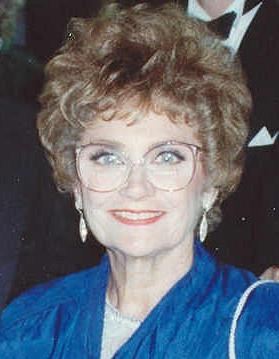
What Was Estelle Getty’s Religion? Was She a Christian?

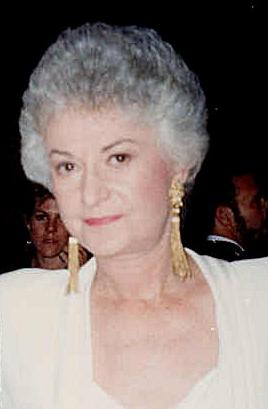
Estelle Getty at the 1989 Emmy Awards

Estelle Getty came from a Jewish family and built part of her early performing life in Jewish cultural settings. That background is well documented, while a detailed first-person explanation of her religious beliefs is much harder to locate. The actress behind Sophia Petrillo should be understood through her own life, rather than through Sophia’s fictional Catholic identity.

Estelle Getty’s Jewish background

Getty was born Estelle Scher in New York in 1923 to Jewish immigrant parents. Biographical accounts describe the family’s glass business and her childhood on the Lower East Side. Her burial is also associated with a Star of David on her headstone. These details support a Jewish background, but they are not a complete statement about how she practiced religion. See her biography.

The Jewish Women’s Archive account of Getty’s life places her ambitions within that cultural setting. It describes her interest in vaudeville, attempts to work in Yiddish theater and the Catskills, and years of balancing ordinary work, family, and auditions.

This research did not locate a reliable, detailed interview in which Getty explains her views of God, prayer, or salvation. It would therefore be unwise to assign her a specific level of religious observance. Jewish family life, cultural work, and personal belief are related subjects, but one does not automatically answer every question about the others.

Success after years of persistence

Getty did not become a television star early in life. She married Arthur Gettleman in 1947, raised two sons, and worked as a secretary while continuing to pursue acting. The Jewish Women’s Archive profile describes a long path before the familiar fame. That history makes her success more than a simple story of someone being discovered overnight.

Her breakthrough stage work included Torch Song Trilogy, followed by the role of Sophia on The Golden Girls. She earned an Emmy for the television performance and continued the character in related series. Getty died in July 2008. The biography linked above documents those career details.

Sophia’s blunt remarks could quickly change the energy of a scene. Getty made a small character physically command attention, often through timing and the contrast between a sweet appearance and a sharp reply. Behind that performance were the ordinary skills of learning, rehearsing, listening, and trying again.

For viewers who discovered the show through reruns, that long history can be easy to miss. The finished scene hides much of the effort that made it possible. Appreciating the craft is worthwhile, but it still does not allow us to treat an actor’s script as her religious testimony.

Was Estelle Getty a Christian?

The available accounts identify a Jewish background, and this research did not find a verified public profession of Christian faith. That is a statement about the evidence. It is not a verdict about Getty’s private thoughts or eternal condition. It also avoids the mistake of transferring Sophia’s religion to the actress.

Why a person’s background deserves care

Religion can be connected to family memory, community, language, and history. For that reason, a respectful discussion should not turn a whole life into a simple label. Nor should it assume that people with the same ancestry hold identical beliefs. Honest research needs room for what is known and what remains unclear.

The Bible teaches that people are made in God’s image (Genesis 1:27). That gives Christians a reason to treat the subject of a profile with dignity. Jesus also commands love for our neighbors. Those teachings should shape how an article is written, not only what it says in a final religious paragraph.

Christianity has Jewish roots. Jesus and His first followers were Jewish, and Christians read the Jewish Scriptures as part of their Bible. The central difference concerns Jesus’ identity and saving work. Christians believe He is the promised Messiah and the Son of God. That claim can be presented clearly without contempt toward Jewish people or a guess about Getty’s response to it.

The gospel for a reader of any age

Getty’s long road to recognition may encourage someone who feels overlooked. Yet Christian hope is not tied to finally becoming successful. The gospel addresses a need that belongs to the famous and the unnoticed alike: our need for forgiveness and peace with God.

Romans 3:23 teaches that all have sinned. We have failed to love God and our neighbors as we should. Our actions, words, and thoughts reveal selfishness and dishonesty that a good reputation cannot erase. God is holy and just, so our guilt matters. We cannot make ourselves right with Him through persistence, talent, or religious activity.

God has provided mercy through Jesus Christ. Jesus lived without sin, died on the cross for sinners, and rose bodily from the dead. First Corinthians 15:3–4 presents His death and resurrection as the foundation of Christian faith. He offers a rescue we cannot provide for ourselves.

Salvation is by grace through faith, not earned through works (Ephesians 2:8–9). Repentance means turning from sin toward God. Faith means relying on Jesus to save you. The invitation reaches people at every stage of life, with every kind of background.

If you want to explore that hope, read Luke’s Gospel and Romans 5. Bring honest questions to God and seek a Bible-teaching church. You do not have to wait for recognition or a perfect life to respond. The gospel invites you to receive forgiveness and eternal life through Christ.

Photo credit: Alan Light, via Wikimedia Commons, CC BY 2.0. Existing Commons head-and-shoulders crop. No endorsement implied.

What Was Rue McClanahan’s Religion? Was She a Christian?

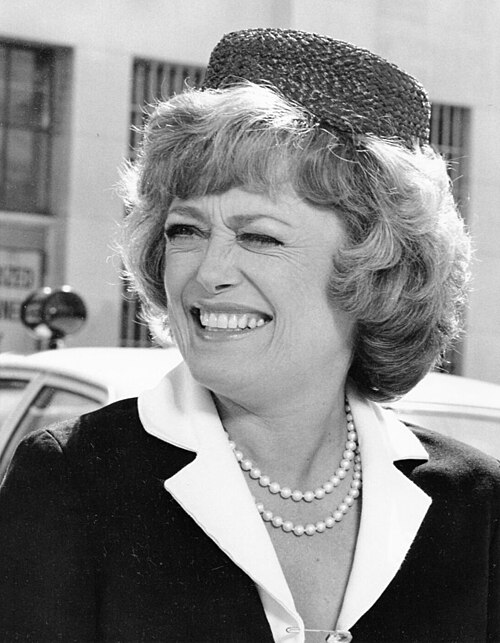
Rue McClanahan in a publicity portrait from about 1972

Rue McClanahan was raised Methodist, according to biographical accounts. That is the clearest documented religious background for the actress who played Blanche Devereaux on The Golden Girls. A detailed public statement of her adult beliefs is harder to find, so her childhood background should not be presented as a complete account of her faith.

What is known about Rue McClanahan’s religion?

McClanahan’s biography describes a Methodist upbringing in Oklahoma. It places that detail within her early family life, education, and interest in performing. See the biographical account. This is reported background, not a new interview in which she explains a personal creed.

A line linking her love of animals, The Golden Girls, and Methodism appears on some informal websites. This research did not establish its original source, so it is not being treated as a verified quotation. Repeating an attractive sentence is easier than checking it, but checking matters when describing another person’s beliefs.

The responsible answer is therefore limited: her reported upbringing was Methodist, within Christianity, while the reviewed material does not establish every belief she held later. It would be unfair either to invent a detailed testimony or to assume that the lack of an interview means she had no faith.

The performer behind Blanche

McClanahan was born in Healdton, Oklahoma, in 1934 and studied at the University of Tulsa. Her television career included Another World, Maude, and Mama’s Family before she became widely known as Blanche on The Golden Girls. She earned an Emmy for that performance. McClanahan died in June 2010.

Her 2006 Television Academy interview provides a direct look at her career. She discussed working with Bea Arthur, the casting of The Golden Girls, Blanche’s accent and wardrobe, and the transition to The Golden Palace. The interview is useful evidence about her craft and professional memories. Its career material should not be converted into a religious confession.

Blanche was a larger-than-life comic creation. Her confidence, insecurity, and storytelling gave the other women much to react to. McClanahan could make the character theatrical while still allowing moments of vulnerability. That ability helped keep the comedy from becoming only a collection of punch lines.

Blanche’s choices do not tell us what McClanahan believed about God. A role is developed through scripts, direction, and performance. An actor can portray behavior she would not recommend in ordinary life. The distinction protects both accurate research and a fair appreciation of the work.

Was Rue McClanahan a Christian?

Methodism is a Christian tradition, so her documented religious upbringing was Christian. A childhood affiliation and a personal adult profession are different kinds of evidence. The sources reviewed here do not justify a more detailed claim about her private relationship with God. That question should not be answered by guessing from Blanche.

Growing up in church and choosing faith personally

Many readers know what it is like to grow up hearing Bible stories, attending church, and learning prayers. Those experiences can be valuable. They can give a child a language for gratitude and introduce the idea that life has a purpose beyond personal success.

The Bible encourages passing truth from one generation to the next. Yet it also calls people to respond personally. In John 3, Jesus speaks to Nicodemus, a religious teacher with knowledge and standing. Jesus still tells him about the need for new birth. The lesson reaches people from every denomination: familiarity with religion is not the same as the life God gives.

This comparison is directed toward the reader, not offered as a claim about McClanahan’s hidden thoughts. We can recognize a Methodist background without using it to settle questions that the public record leaves open. The important question for each of us is what we believe and whom we trust.

The gospel: God’s grace for real people

Christianity begins with the truth that God made us and that we are accountable to Him. His commands call us to love Him and our neighbors. We have fallen short. Romans 3:23 says that all have sinned. That includes people who grew up in church as well as people who did not.

Sin is serious because God is holy and just. It reaches our actions, words, and thoughts: selfishness, dishonesty, pride, and the good we refuse to do. A charming personality, a good reputation, or a religious family cannot remove guilt. We need mercy rather than a better comparison with someone else.

God has provided that mercy in Jesus Christ. Jesus is the Son of God. He lived without sin, died on the cross for sinners, and rose bodily from the dead. First Corinthians 15:3–4 places those events at the center of the gospel. His saving work is the reason Christians can offer hope beyond guilt and death.

Ephesians 2:8–9 teaches that salvation is by grace through faith, not earned by works. Repentance means turning from sin toward God. Faith means trusting Jesus to save you. Good works are the fruit of the new life He gives, rather than a price paid for it.

If McClanahan’s background has made you think about your own, consider reading John 3 and Romans 5. Seek a Bible-teaching church and bring your questions honestly. The invitation is not to borrow a celebrity’s identity or rely on a childhood label. It is to come personally to Christ for forgiveness and eternal life.

Photo credit: Studio Publicity, circa 1972, via Wikimedia Commons. Listed as public domain in the United States. No endorsement implied.

What Was Bea Arthur’s Religion? Was She a Christian?

Bea Arthur at the 1987 Emmy Awards

Bea Arthur came from a Jewish family and was raised in a Jewish home. That background is well documented. Her public record is much less clear about religious practice and a detailed personal theology, so the answer should distinguish Jewish heritage from beliefs she did not explain publicly.

Her Jewish background and public identity

Arthur was born Bernice Frankel in New York in 1922. Her parents were Jewish immigrants, and the family later lived in Cambridge, Maryland. Biographical accounts describe her experience of feeling different and facing antisemitism while growing up. Her biography and the Jewish Virtual Library profile document this background.

The Jewish Virtual Library also discusses how Arthur and her then-husband, Gene Saks, distinguished their own background from the character Maude. Their explanation of why Maude was not written as Jewish shows why a character and performer should be considered separately. It offers context about representation, rather than a full statement about Arthur’s beliefs concerning God.

This research did not find a reliable, detailed first-person statement about her adult religious observance or her understanding of an afterlife. That is a limit of the material reviewed. It is not proof that she had no spiritual beliefs, and it is not permission to assign her a more precise label.

A career on stage and television

Before her television fame, Arthur served in the Marine Corps Women’s Reserve during World War II. She later trained for the stage and built a theater career. She originated Yente in Broadway’s Fiddler on the Roof and won a Tony Award for Vera Charles in Mame. These parts belong to an extensive performing life, rather than being isolated appearances before television.

She became a household name as Maude Findlay and later Dorothy Zbornak on The Golden Girls, earning Emmy Awards for both roles. Arthur died in April 2009. The biographical sources linked above provide a wider account of her life and work.

Her comic style often relied on restraint. A glance or a pause could carry a response that another actor might have delivered in a speech. Dorothy’s dry reactions helped give the Miami household its rhythm. Arthur’s commanding presence also allowed an ensemble comedy to give serious attention to an older woman’s hopes and frustrations.

Those performances can be admired without making them religious evidence. A fictional character’s attitude toward prayer, marriage, or morality may reflect a writer’s choices. It does not establish the actress’s personal creed. Famous Faith looks for evidence about the person behind the role.

Was Bea Arthur a Christian?

The documented background is Jewish. The sources reviewed did not provide a verified public profession of Christian faith. That is the most honest answer available here. It does not claim to know Arthur’s private thoughts, and it does not turn uncertainty into a judgment about her heart.

Dignity and the rejection of prejudice

Arthur’s reported experience of antisemitism provides a serious point for Christian reflection. The Bible teaches that every human being is made in God’s image (Genesis 1:27). That truth rules out treating another person as less worthy because of ancestry or religious identity.

Christians also need to remember the Jewish setting of their own faith. Jesus was Jewish, as were His earliest disciples. The Old Testament forms part of the Christian Bible. Romans 11 warns Gentile believers against pride toward the people and history from which they received spiritual blessings.

Respect does not mean avoiding every disagreement. Christians believe Jesus is the promised Messiah and the Son of God, while Judaism generally does not accept those claims. That difference is important. It should be discussed honestly, with care for people rather than contempt. This article does not suggest that Arthur publicly answered every question in that comparison.

The gospel and a hope beyond reputation

A long career can leave a meaningful legacy. Talent can bring laughter, challenge assumptions, and help people feel seen. Yet the Bible says that every person, admired or unknown, shares a deeper need. Romans 3:23 teaches that all have sinned and fallen short of God’s glory.

Sin includes what we do to others and what we hide from them. We fail to love God fully and our neighbors faithfully. God is holy and just, so guilt cannot be erased by applause, good intentions, or comparison with someone worse. We need forgiveness that we cannot earn.

God has provided that mercy through Jesus Christ. Jesus lived without sin, died on the cross for sinners, and rose bodily from the dead. First Corinthians 15:3–4 places His death and resurrection at the center of the gospel. Christ’s work offers reconciliation with God and the hope of eternal life.

Ephesians 2:8–9 teaches that salvation comes by grace through faith, not by works. Repentance means turning from sin toward God. Faith means relying on Jesus to save you. The invitation is offered to the reader from every background, rather than being a verdict about the person profiled.

If you want to consider the Christian message, read Luke’s Gospel and Romans 5. Bring your questions honestly and seek a Bible-teaching church. You can respect Bea Arthur’s heritage, appreciate her performances, and still examine your own relationship with God. The gospel directs that search toward the living Christ.

Photo credit: Alan Light, via Wikimedia Commons, CC BY 2.0. No endorsement implied.

What Is Shelley Long’s Religion? Is She a Christian?

Shelley Long in a 1982 NBC publicity portrait

Shelley Long’s religious background is generally described as Presbyterian. The actress known for Diane Chambers on Cheers has shared far less about her adult religious life than she has about her work. The available evidence gives readers a childhood background, while leaving many questions about her present beliefs unanswered.

What is known about her religious background?

Biographical accounts report that Long was raised in the Presbyterian faith. Her biography includes that detail alongside her early life in Fort Wayne, Indiana. This is reported background, rather than a new statement from Long about what she believes today.

A saying about predestination and her Presbyterian upbringing appears on several quotation websites. This research did not locate its original interview or full context, so it is not being used as proof of her theology. A short, widely repeated line can lose its meaning when the original conversation is missing.

That distinction matters for readers who want a fair answer. A childhood church can shape a person’s language and memories without telling us every belief they later hold. Here, the careful answer is that Long has a reported Presbyterian upbringing, but a detailed current public statement of faith was not found in the sources reviewed.

How Shelley Long became a familiar face

Long was born in 1949 and developed an early interest in speaking and performing. She studied drama at Northwestern University and worked in Chicago, including with the Second City comedy troupe. She also worked in local television and commercials before her best-known national role.

As Diane Chambers, she helped establish the comic rhythm of Cheers. Her work earned an Emmy and Golden Globe recognition. She left the regular cast in 1987 and later returned to the role, including appearances on Frasier. Her film credits include The Money Pit, Outrageous Fortune, Troop Beverly Hills, and The Brady Bunch Movie. Later television audiences knew her as DeDe Pritchett on Modern Family. These details are documented in the career biography linked above.

Her characters often invite viewers to laugh at pride, awkwardness, or the gap between how people see themselves and how they behave. That is part of the craft of acting. Those scripts do not tell us Long’s private beliefs. Enjoying her performances and being curious about her faith are reasonable, but the answers must come from evidence about the actress herself.

Is Shelley Long a Christian?

Presbyterian churches belong to the broad Christian tradition. It is therefore reasonable to describe her reported upbringing as Christian. It would be a different claim to say that she has recently affirmed particular Christian beliefs, attends a certain church, or personally trusts Christ. This article does not have enough verified evidence to make those claims. An unanswered public question should remain unanswered.

What the Bible says about a faith of your own

A church background can be a real blessing. It can introduce a child to Scripture, prayer, and people who serve their neighbors. Yet the Bible calls each person to respond to God personally. It does not describe faith as something we receive simply because a parent, school, or church gave us a Christian label.

In John 3, Jesus speaks with Nicodemus, a respected religious teacher. Nicodemus has learning and status, but Jesus still tells him about the need for new birth. That conversation challenges people from every background. Religious knowledge is valuable, yet our deepest need is a life changed by God.

This is also why Christians should avoid treating a celebrity’s denomination as a spiritual scorecard. First Samuel 16:7 reminds us that God sees the heart. We can report public words and compare ideas with Scripture. We cannot honestly pretend to know every hidden motive or personal struggle.

The gospel: grace rather than a religious résumé

The good news begins with a serious problem that belongs to all of us. God made us to love Him and to love other people. We have failed to do that. Romans 3:23 teaches that everyone has sinned. Sin includes our visible actions, but also pride, bitterness, selfishness, and dishonesty that may never reach an audience.

God is holy and just, so sin cannot simply be ignored. Romans 6:23 describes death as sin’s wages, while presenting eternal life in Christ as God’s gift. The gospel holds these truths together. We need forgiveness, and God Himself has provided the way to receive it.

Jesus Christ is the Son of God. He lived without sin, died on the cross for sinners, and rose from the dead. His resurrection is central to the Christian message, as First Corinthians 15:3–4 explains. Jesus did not come only to give advice about becoming nicer. He came to reconcile people to God.

Salvation is received through faith by grace, not purchased through good behavior or inherited from a religious family (Ephesians 2:8–9). Repentance means turning from sin to God. Trusting Jesus means depending on His finished work, rather than on your own record. Good works follow as the fruit of a changed life; they cannot replace the Savior.

If Long’s background has made you think about your own, consider reading John 3 and Luke 15. Bring your honest questions to God and seek a Bible-teaching church. Whether you grew up Presbyterian, another religion, or no religion, the invitation is the same: turn to Christ and receive the mercy you cannot earn.

Photo credit: NBC Television, 1982 publicity portrait, via Wikimedia Commons. Listed as public domain in the United States. No endorsement implied.

What Is Ted Danson’s Religion? Is He a Christian?

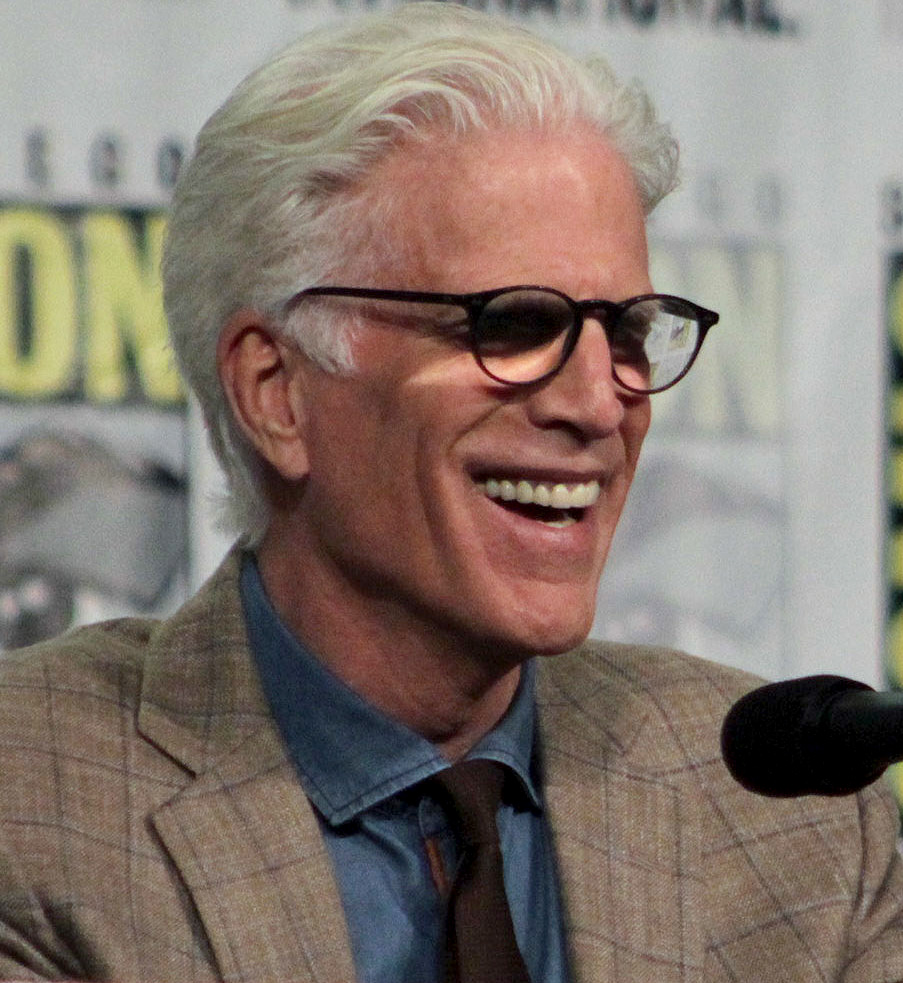
Ted Danson at San Diego Comic-Con in 2018

Ted Danson has publicly described a spiritual outlook that includes hope in an afterlife, faith in something beyond the visible world, and trust in the power of love. His clearest explanation comes from his own interviews, rather than from the beliefs of Sam Malone or any other character he has played.

What Ted Danson has said about faith

In a July 2024 interview on NPR’s Wild Card, Danson distinguished between faith and beliefs he felt expected to defend. He spoke of an afterlife and something divine beyond ordinary experience. He preferred an open conversation to an argument over whose religious position was right. He also recalled attending church with his mother, who moved from the Episcopal Church to Catholicism, and exploring different spiritual ideas with a mentor.

Those comments give readers a useful description: Danson speaks openly about spirituality, love, and life after death, while resisting a rigid label. His words describe a personal outlook. They are more helpful than a celebrity database that simply assigns him a denomination.

The same interview included reflections on mistakes, personal growth, gratitude, and his mother’s death. These themes help explain why questions of meaning matter to him. They should be read as his own experience, rather than turned into a complete creed he did not give. Read the NPR interview and transcript.

The actor beyond Sam Malone

Danson became a household name as Sam Malone on Cheers, which ran from 1982 to 1993. He later led Becker, appeared in CSI, and reached another generation through The Good Place. His film work includes Three Men and a Baby and Saving Private Ryan. Born in San Diego, he spent much of his childhood in Flagstaff, Arizona, and earned a drama degree at Carnegie Mellon.

His work also extends beyond acting. Danson has supported ocean conservation and coauthored Oceana. He and Woody Harrelson launched the interview podcast Where Everybody Knows Your Name in 2024. His career offers room for humor, serious storytelling, and conversations about life. See his career background.

It is easy to feel that we know an actor after years of watching him. A familiar voice can seem like the voice of a friend. Yet a performance is still a performance. The Good Place explores ethics and the afterlife through fiction. It does not serve as a statement of everything Danson personally believes about either subject.

Is Ted Danson a Christian?

The interviews reviewed here support a clear description of his spiritual interests. They do not provide a detailed, recent account of his church life or his understanding of Jesus. That leaves the answer more limited than a simple label might suggest. Famous Faith reports what he has said publicly and does not claim access to his private relationship with God.

Love, gratitude, and the Bible

Danson’s interest in love and gratitude provides a thoughtful place to consider the Christian view. Scripture teaches that love is central to knowing God. First John 4:7–10 connects love with God’s own character and with His sending of His Son. Biblical love is more than a warm feeling. It takes action for another person’s good, even when that action costs something.

Gratitude also has a place in Christian life. First Thessalonians 5:18 calls believers to give thanks in every circumstance. This does not mean pretending loss or pain is pleasant. It means trusting that God is still worthy of our attention and that His care reaches us even when life is hard.

There is also a difference between hoping that some divine reality exists and the Bible’s description of God. Scripture presents a personal Creator who knows us, speaks truth, and holds us responsible for how we live. Christian hope in the afterlife rests on Jesus’ resurrection, rather than on our ability to picture what comes next. These are comparisons of ideas, not a judgment about Danson’s heart.

The good news for the reader

The desire to grow into a better person is understandable. Many of us want to make peace with the past and become kinder. The Bible takes that desire seriously, but it also explains why we need more than self-improvement. Romans 3:23 teaches that all have sinned. We have broken God’s good commands in our actions, words, and thoughts. Fame, charity, and a fresh start cannot erase that guilt.

God has not left us to solve the problem alone. Jesus Christ, the Son of God, entered our world and lived without sin. He died on the cross for sinners and rose bodily from the dead. First Corinthians 15:3–4 places His death and resurrection at the heart of the gospel. At the cross, God’s justice and love meet: sin is taken seriously, and mercy is offered freely.

Ephesians 2:8–9 teaches that salvation is God’s gift, received through faith, not earned by works. Repentance means turning from sin toward God. Faith means relying on Jesus Himself to save you, rather than trusting your record, your spiritual feelings, or someone else’s faith. The invitation is personal. You can bring your questions and your real need to Him.

If you want to explore this further, read the Gospel of John, especially John 3 and John 20. Ask what Jesus says about Himself and why His resurrection matters. Speak with a Bible-teaching church that welcomes honest questions. You do not need a famous person’s approval to seek God. Christ’s promise is the reason Christians offer this hope to every interested reader.

Photo credit: Dominique Redfearn / aitchisons, via Wikimedia Commons, CC BY 2.0. Existing portrait crop on Commons; no endorsement implied.