Bea Arthur came from a Jewish family and was raised in a Jewish home. That background is well documented. Her public record is much less clear about religious practice and a detailed personal theology, so the answer should distinguish Jewish heritage from beliefs she did not explain publicly.
Her Jewish background and public identity
Arthur was born Bernice Frankel in New York in 1922. Her parents were Jewish immigrants, and the family later lived in Cambridge, Maryland. Biographical accounts describe her experience of feeling different and facing antisemitism while growing up. Her biography and the Jewish Virtual Library profile document this background.
The Jewish Virtual Library also discusses how Arthur and her then-husband, Gene Saks, distinguished their own background from the character Maude. Their explanation of why Maude was not written as Jewish shows why a character and performer should be considered separately. It offers context about representation, rather than a full statement about Arthur’s beliefs concerning God.
This research did not find a reliable, detailed first-person statement about her adult religious observance or her understanding of an afterlife. That is a limit of the material reviewed. It is not proof that she had no spiritual beliefs, and it is not permission to assign her a more precise label.
A career on stage and television
Before her television fame, Arthur served in the Marine Corps Women’s Reserve during World War II. She later trained for the stage and built a theater career. She originated Yente in Broadway’s Fiddler on the Roof and won a Tony Award for Vera Charles in Mame. These parts belong to an extensive performing life, rather than being isolated appearances before television.
She became a household name as Maude Findlay and later Dorothy Zbornak on The Golden Girls, earning Emmy Awards for both roles. Arthur died in April 2009. The biographical sources linked above provide a wider account of her life and work.
Her comic style often relied on restraint. A glance or a pause could carry a response that another actor might have delivered in a speech. Dorothy’s dry reactions helped give the Miami household its rhythm. Arthur’s commanding presence also allowed an ensemble comedy to give serious attention to an older woman’s hopes and frustrations.
Those performances can be admired without making them religious evidence. A fictional character’s attitude toward prayer, marriage, or morality may reflect a writer’s choices. It does not establish the actress’s personal creed. Famous Faith looks for evidence about the person behind the role.
Was Bea Arthur a Christian?
The documented background is Jewish. The sources reviewed did not provide a verified public profession of Christian faith. That is the most honest answer available here. It does not claim to know Arthur’s private thoughts, and it does not turn uncertainty into a judgment about her heart.
Dignity and the rejection of prejudice
Arthur’s reported experience of antisemitism provides a serious point for Christian reflection. The Bible teaches that every human being is made in God’s image (Genesis 1:27). That truth rules out treating another person as less worthy because of ancestry or religious identity.
Christians also need to remember the Jewish setting of their own faith. Jesus was Jewish, as were His earliest disciples. The Old Testament forms part of the Christian Bible. Romans 11 warns Gentile believers against pride toward the people and history from which they received spiritual blessings.
Respect does not mean avoiding every disagreement. Christians believe Jesus is the promised Messiah and the Son of God, while Judaism generally does not accept those claims. That difference is important. It should be discussed honestly, with care for people rather than contempt. This article does not suggest that Arthur publicly answered every question in that comparison.
The gospel and a hope beyond reputation
A long career can leave a meaningful legacy. Talent can bring laughter, challenge assumptions, and help people feel seen. Yet the Bible says that every person, admired or unknown, shares a deeper need. Romans 3:23 teaches that all have sinned and fallen short of God’s glory.
Sin includes what we do to others and what we hide from them. We fail to love God fully and our neighbors faithfully. God is holy and just, so guilt cannot be erased by applause, good intentions, or comparison with someone worse. We need forgiveness that we cannot earn.
God has provided that mercy through Jesus Christ. Jesus lived without sin, died on the cross for sinners, and rose bodily from the dead. First Corinthians 15:3–4 places His death and resurrection at the center of the gospel. Christ’s work offers reconciliation with God and the hope of eternal life.
Ephesians 2:8–9 teaches that salvation comes by grace through faith, not by works. Repentance means turning from sin toward God. Faith means relying on Jesus to save you. The invitation is offered to the reader from every background, rather than being a verdict about the person profiled.
If you want to consider the Christian message, read Luke’s Gospel and Romans 5. Bring your questions honestly and seek a Bible-teaching church. You can respect Bea Arthur’s heritage, appreciate her performances, and still examine your own relationship with God. The gospel directs that search toward the living Christ.
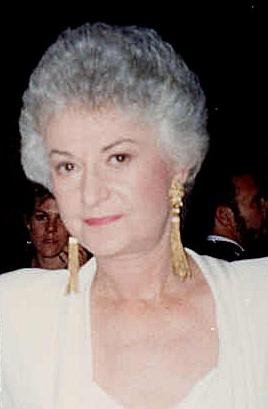
Photo credit: Alan Light, via Wikimedia Commons, CC BY 2.0. No endorsement implied.
