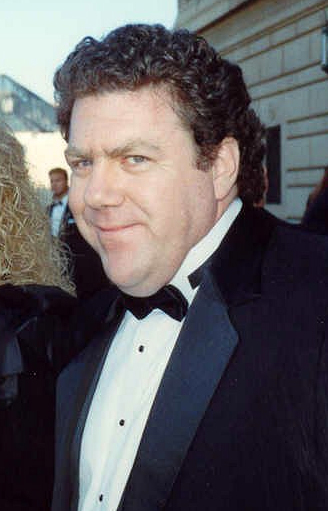
George Wendt had a well-documented Catholic upbringing and education. The actor remembered as Norm Peterson on Cheers was connected to Catholic institutions from his early school years through college. Public accounts describe that background as an important influence, although a full statement of his personal theology is harder to find.
George Wendt’s Catholic background
Wendt died on May 20, 2025, at age 76. In its report about his life, OSV News traced his Catholic education through elementary school, Campion Jesuit High School, the University of Notre Dame, and Rockhurst College. Wendt had discussed his college experience with Catholic News Service in 1995. Those details give solid evidence of his religious surroundings.
The report also repeated Beliefnet’s description of the importance of Catholic values in his life. That is a secondary account and should be labeled as such. School history is easier to document than the precise beliefs a person held in his final years. Read the OSV News account.
The fairest summary is that Wendt came from a Catholic background that stayed part of the public story of his life. This research did not locate an extensive first-person interview spelling out his views on every Christian doctrine. We should not manufacture such a testimony simply because he attended Catholic schools.
The man audiences knew as Norm
Born in Chicago in 1948, Wendt developed his comedy skills with Second City. He became one of the familiar anchors of Cheers, appearing throughout its eleven-season run. His performance as Norm brought six Emmy nominations. He married actress Bernadette Birkett in 1978; she provided the voice of Norm’s wife, Vera. His biography records his life and career.
Norm’s entrance into the bar was a small television ritual. The greeting, the pause, and the reply could create a joke before the story had moved very far. Wendt made that rhythm feel comfortable. A supporting character became someone viewers looked forward to seeing every week.
Appreciating that skill is different from using a character as religious evidence. Norm’s jokes, habits, and relationship with Vera belong to a script. Wendt’s own background and public words belong to the actor. Keeping those two things separate is essential when asking what a famous person believed.
Was George Wendt a Christian?
Catholicism is a Christian tradition, so the religious background reported for Wendt was Christian. The stronger claim that we know his private standing before God would go beyond the evidence. Famous Faith can identify his Catholic background and explain the source limits. It cannot inspect his heart or give a verdict about eternity.
This is especially important when writing about someone who has died. It is possible to be clear about Christian teaching without pretending to know everything about another person’s final thoughts. Respect for a person and honesty about the evidence belong together.
Religious formation and the Bible
Christian schools can introduce students to prayer, Scripture, service, and moral responsibility. The Bible values passing truth from one generation to the next. Deuteronomy 6 describes teaching God’s words in daily life, and Second Timothy 3:14–15 points to the value of learning Scripture from childhood.
Yet religious education is a beginning, not a substitute for a personal response to God. A person can know the words of a prayer while struggling to trust the One addressed in it. Jesus’ conversation with Nicodemus in John 3 shows that even a learned religious teacher needs new birth.
Christians from different traditions disagree about some details of church life, sacraments, and authority. This article does not assign all those positions to Wendt. The central biblical question for the reader is simpler: what are you relying on for forgiveness? A school, a family history, or good intentions cannot carry the weight that Scripture places on Christ.
The hope offered in Jesus Christ
The gospel addresses a need shared by people with every kind of upbringing. Romans 3:23 teaches that all have sinned. We were made to love God and our neighbors, but we often choose pride, selfishness, dishonesty, and indifference. God’s holiness means those failures matter. His justice means guilt cannot be brushed away.
That is why the Christian message is more than advice about behaving better. Jesus Christ, the Son of God, lived the sinless life we have not lived. He died on the cross for sinners and rose bodily from the dead. First Corinthians 15:3–4 identifies His death and resurrection as the heart of the gospel.
At the cross, mercy does not cancel justice. Christ bears the cost of sin. Through Him, God offers forgiveness and reconciliation to people who could not repair the problem themselves. Ephesians 2:8–9 teaches that salvation is by grace through faith, not a result of works. Verse 10 then describes good works as part of the life God creates in believers.
Repentance means turning from sin toward God, and faith means trusting Jesus to save you. You do not need a perfect past, a famous name, or the right school record. You need the Savior. Read John 3 and Romans 5, ask honest questions, and seek a Bible-teaching church. The invitation is serious and hopeful: God offers eternal life in Christ to those who come to Him.
Photo credit: Alan Light, via Wikimedia Commons, CC BY 2.0. Existing Commons crop. No endorsement implied.
