Country music often makes room for family stories, hard seasons, gratitude, and hope. Carrie Underwood’s public work has also made room for Christian hymns and direct references to God. That is why many people ask about her religion and whether she is a Christian.
It is a fair question, but it deserves a careful answer. A performer’s songs, public image, or childhood background cannot tell us everything about her relationship with God. Only the Lord sees a person’s heart. What we can do is look at what Underwood has chosen to say and sing publicly.
What has Carrie Underwood said publicly about faith?
Underwood has spoken openly about the importance of faith in her life and work. When she released My Savior, an album of gospel hymns, she explained that the songs came from the church music she knew while growing up. In her interview with the Recording Academy, she described the project as personal and spoke about the songs’ long connection to her faith journey.
Her public work has included gospel recordings, worship-centered performances, and conversations about prayer and spiritual life. This is more than a passing reference added for an audience. It is a part of the music she has chosen to make in public.
Is Carrie Underwood a Christian?
Based on her own public statements and her gospel work, it is reasonable to say that Carrie Underwood has publicly identified with Christian faith. Still, Famous Faith does not announce the final state of anyone’s soul. A public testimony matters, but God alone knows whether a person truly trusts Christ.
The Bible calls every person—not only celebrities—to something deeper than a label. Jesus said that people are known by their fruit, and the gospel calls us to turn from sin and place our trust in Him. Church music, good values, and public belief can be meaningful, but none of them can replace the grace of God found in Jesus Christ.
Underwood’s willingness to record hymns can be a good reminder to consider the words we sing. Hymns speak about sin, mercy, the cross, resurrection, and the hope Christians have in Christ. Those truths are not merely part of a musical tradition. They point us to the Savior who came to forgive and make people new.
What should we take away?
Carrie Underwood has given the public real reasons to connect her with Christianity, especially through her gospel album and her own words about faith. We can appreciate that without pretending to know everything about her. We can also pray that every person in the public eye would know Jesus truly and use whatever influence they have for good.
And we should ask the same question of ourselves: Have we personally trusted the Jesus we sing about? The good news is that forgiveness is not earned by fame, success, or religious effort. It is God’s gift to those who come to Christ in faith.
Image credit: Carrie Underwood performing for U.S. service members in 2006, photo by Sgt. 1st Class Robert C. Brogan, public domain, via Wikimedia Commons.
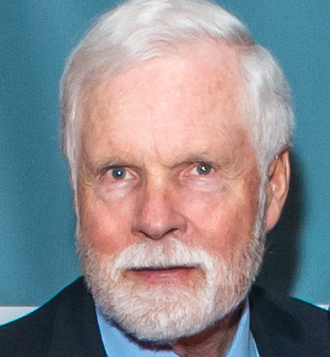
Ted Turner is widely known for founding CNN and building media companies. Public success, however, does not make a person’s inner life public. This article separates what reliable sources say from what remains private.
What religion is Ted Turner?
Ted Turner was raised in Christianity but later described himself as agnostic and was often critical of organized religion. Later in life, he also said he prayed brief prayers for sick friends. His views changed over time and should not be simplified.
Is Ted Turner a Christian?
No clear Christian profession is documented in his public statements. Only God knows the heart. A family background, a public interest in religion, or a label in a profile cannot tell us whether someone trusts Jesus Christ.
What Christians can remember
The gospel is good news for every person. We are saved by God’s grace through faith in Jesus, not by fame, work, background, or public reputation (Ephesians 2:8–9). We can pray for Ted Turner with kindness and let God be the Judge.
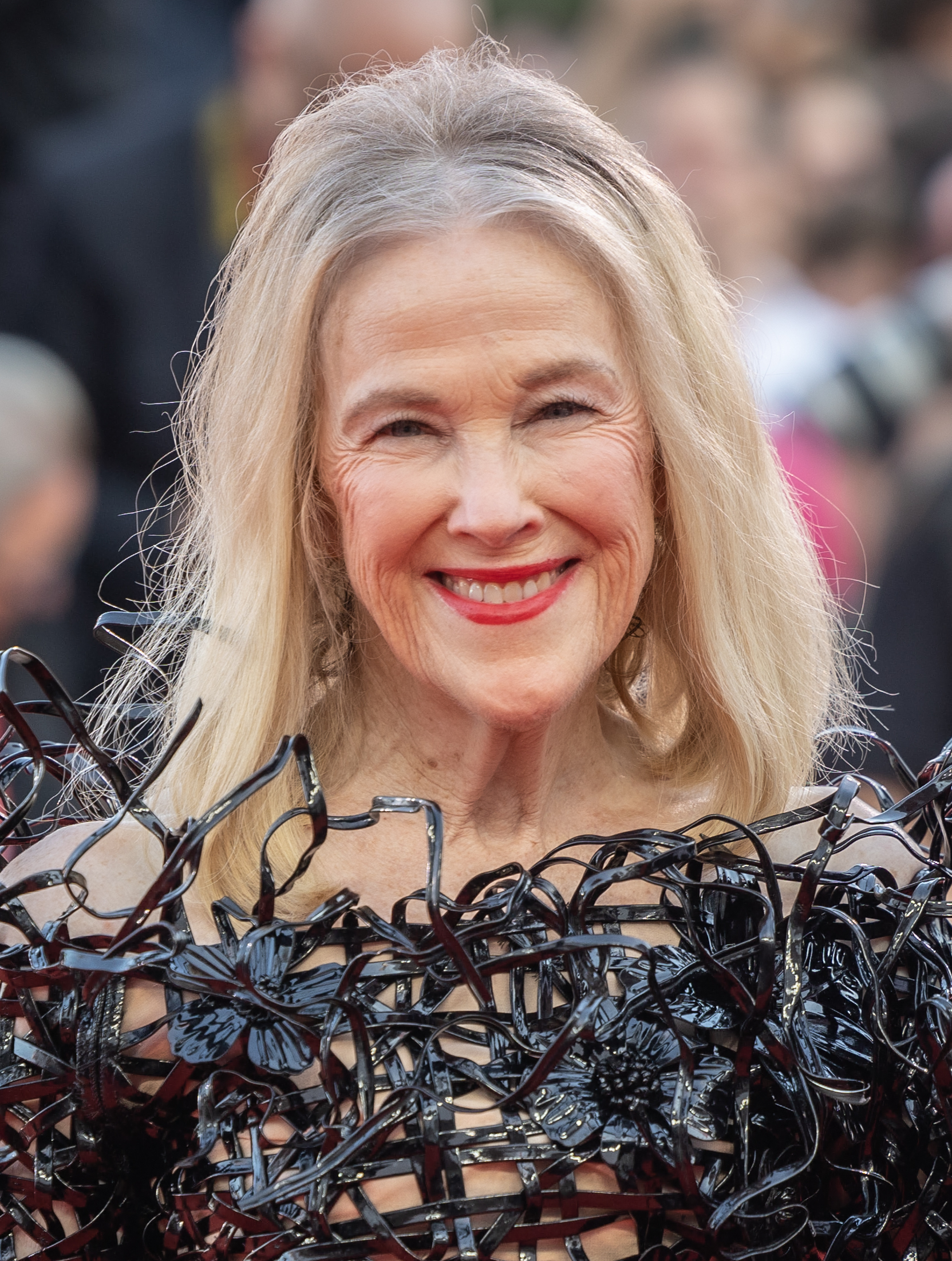
Catherine O’Hara is widely known for her comedy and acting work. Public success, however, does not make a person’s inner life public. This article separates what reliable sources say from what remains private.
What religion is Catherine O’Hara?
Catherine O’Hara grew up in an Irish Catholic family in Toronto. In past interviews she has referred to herself as a good Catholic girl at heart, but she has not made detailed current faith claims a regular part of public life.
Is Catherine O’Hara a Christian?
Her Catholic background is clear; we should be humble about anything beyond that. Only God knows the heart. A family background, a public interest in religion, or a label in a profile cannot tell us whether someone trusts Jesus Christ.
What Christians can remember
The gospel is good news for every person. We are saved by God’s grace through faith in Jesus, not by fame, work, background, or public reputation (Ephesians 2:8–9). We can pray for Catherine O’Hara with kindness and let God be the Judge.
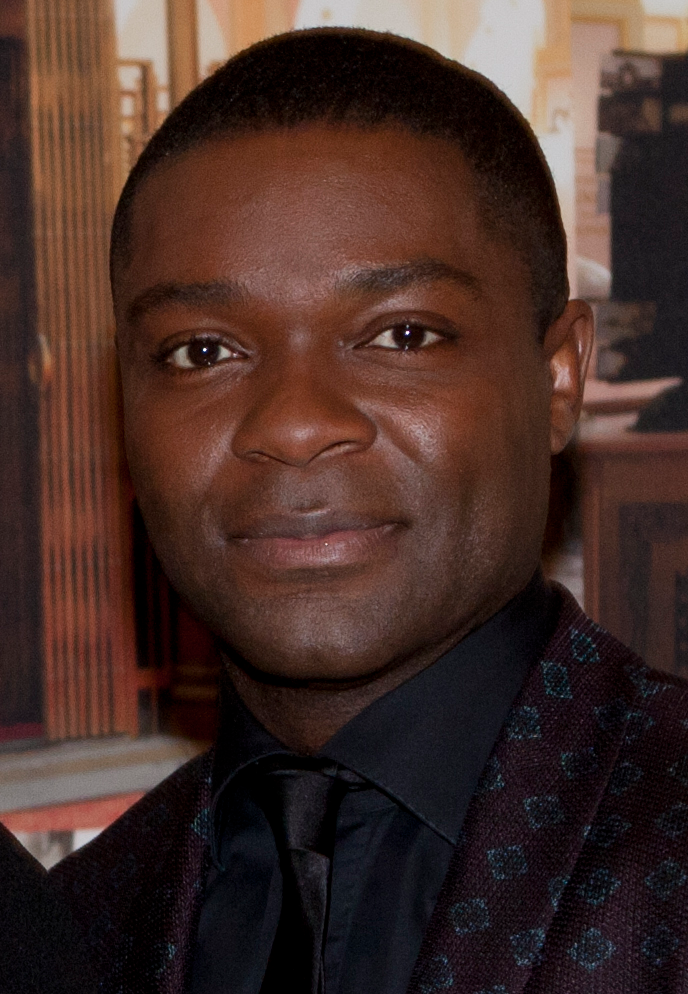
David Oyelowo has played many roles, but his portrayal of Martin Luther King Jr. in Selma brought special attention to his views about faith. An actor can play a pastor without sharing that pastor’s beliefs. In Oyelowo’s case, however, we do not have to guess from the role. He has spoken directly about being a Christian and about how his faith shaped his work on the film.
What has David Oyelowo said about his religion?
In a PBS Religion & Ethics NewsWeekly interview about Selma, Oyelowo said he shared Dr. King’s faith “as a Christian myself.” That is a clear statement in his own words. He was not just describing the character he portrayed. He was explaining why King’s faith gave him a personal way into the story.
Oyelowo went on to distinguish between talking about Christianity and living it. He admired King’s sacrificial love and his public commitment to justice. For a film about voting rights, that point matters. It reminds viewers that the movement in Selma was not simply a set of speeches or a lesson in acting. People took risks, suffered, organized, and kept going because they believed their neighbors deserved dignity.
How did faith shape his work on Selma?
In an interview with Christianity Today, Oyelowo described the film as a spiritual endeavor for him. He spoke about his Christian faith as part of his life and career, not just a public-relations line attached to a movie release. In a separate TIME interview, he discussed preparing to play King and the spiritual side of that work.
We should still keep the actor and the person he played distinct. Dr. King was a historic leader with his own life, convictions, and flaws. Oyelowo is a living actor with his own choices. Sharing a Christian faith does not mean they are the same person or that every decision in either life is beyond question. The better conclusion is narrower and stronger: Oyelowo has publicly named his Christian faith and explained how it informed this role.
Is David Oyelowo a Christian?
Based on his own public statements, yes—he identifies as a Christian. We can report that with confidence because he has said it himself. We cannot pronounce a final judgment on the condition of his soul, and we should not pretend to know his private life. That caution does not require us to be vague about the words he has spoken. There is a difference between reporting a profession of faith and claiming to be God.
Some celebrity articles avoid that difference. They either call a person “saved” because of one interview or refuse to say anything clear even when the person has spoken plainly. Neither approach helps a reader. We can say that Oyelowo calls himself a Christian, cite his interviews, and leave the deeper question of the heart where it belongs.
What is the faith he speaks about?
Christian faith is more than admiration for a great leader or respect for a powerful film. At its center is Jesus Christ. The New Testament says he died for our sins and rose again (1 Corinthians 15:3–4). It teaches that no one earns God’s acceptance by being famous, brave, or useful. We all need grace (Ephesians 2:8–9).
That does not make deeds of love unimportant. The Bible says faith should bear fruit in how we treat others (James 2:14–17). Oyelowo’s words about King’s sacrificial love point readers to a useful question: do our beliefs change how we act when love is costly? This question is for all of us. It is not an invitation to place a celebrity on a pedestal.
What does this mean for you?
Maybe you admire a movie like Selma and wonder why faith mattered so much to the people in it. Maybe you have heard Christians speak about love but have also seen them fail to practice it. Their failures should be taken seriously. Yet the truth about Jesus does not rest on any actor’s perfect example or any churchgoer’s perfect record. It rests on who Jesus is and what he has done.
The Bible says every person has sinned (Romans 3:23). Jesus calls people to repent and believe the good news (Mark 1:15). If you are reading this, do not stop at asking whether David Oyelowo is a Christian. Ask whether you have turned to Christ yourself. Confess your sin, trust in the Jesus who died and rose again, and follow him. He offers forgiveness and new life to people who come to him.
David Oyelowo photo, U.S. Department of State/usbotschaftberlin, via Wikimedia Commons. Public domain U.S. government work; cropped from the original group photograph.
Shah Rukh Khan is one of India’s most famous film stars. Fans know him from decades of Hindi cinema, but his family story has also drawn questions about religion. Khan has spoken directly about being Muslim, his wife’s Hindu background, and how they speak to their children about identity. That makes the answer more specific than a guess based on his name or the roles he plays.
What religion does Shah Rukh Khan say he follows?
Khan has described himself as Muslim. In a television conversation reported by The Indian Express in 2020, he said, “I am a Muslim, my wife is Hindu and my kids are Hindustan.” He was stressing their shared identity as Indians while speaking about the different religious backgrounds within his home. Those words are stronger evidence than any rumor or fan theory.
His wife, Gauri Khan, has been described as Hindu. Shah Rukh Khan has spoken about their family as one in which people from different faith traditions live together. We should not assume that everyone in the family has the same convictions, or that children can be assigned a final faith label because of either parent’s background. Khan’s own words are about making room for their children to understand who they are.
Why did he call his children Indian?
According to the Indian Express report, Khan described a moment when his daughter was asked to fill in her religion on a school form. He answered by emphasizing that they are Indians. His point was about national belonging and living together across religious lines. It was not a claim that Islam and Hinduism are identical or that religious questions no longer matter.
In a 2004 BBC interview republished by Rediff, Khan also spoke about the acceptance he had found as a Muslim star in India. That older conversation adds context: public labels about religion can affect real people in a diverse society. We can respect the spirit of neighborliness he describes while still asking honest questions about faith.
We should also avoid turning his interfaith marriage into a debate he did not ask us to stage. His family members are people, not examples to be used carelessly. A source may tell us what he publicly said about his own religion; it does not give us permission to announce what his wife or children believe in private.
Is Shah Rukh Khan a Christian?
The public statements cited here identify Khan as Muslim, not Christian. That does not mean we can see every thought or prayer in his life. It means the careful answer to the question is based on what he has actually said. A film role that includes a church, a cross, or a Christian character would not change the answer. Actors portray many lives. Their characters’ beliefs are not proof of their own.
There are beliefs Christians and Muslims share in broad terms, such as the importance of God, prayer, and moral responsibility. There are also serious differences. Christians confess that Jesus is the Son of God, that he died for our sins, and that he rose again. Those claims are at the heart of the gospel (1 Corinthians 15:3–4). We should not hide those differences under vague language about all religions being the same. We can state them without speaking with contempt about a Muslim neighbor or a famous Muslim actor.
What can we learn about faith and respect?
Khan’s comments invite readers to think about how people with different beliefs live side by side. Christian love of neighbor is not limited to people who agree with us. Jesus taught his followers to love their neighbors (Matthew 22:37–39). That calls for honesty, patience, and care. It rules out mockery, unfair suspicion, and the idea that someone’s religion makes them less worthy of basic dignity.
At the same time, love is not silence about what we believe is true. Christians can listen well and explain why Jesus matters to them. The best witness is not a loud verdict on someone else’s soul. It is a truthful account of Christ and a life shaped by love. Famous Faith tries to do that: report the public record about the person, then offer the reader a clear invitation.
What about your own relationship with God?
It may be interesting to know Khan’s religion, but the Bible asks each of us to respond to God personally. It says all people have sinned and fall short of God’s glory (Romans 3:23). National identity, a family tradition, and being a kind person do not remove that problem. We need God’s mercy, not just a label on a form.
The Christian message is that Jesus Christ died for sinners and rose from the dead. He calls you to repent and believe the good news (Mark 1:15). If you are reading this, do not let a celebrity’s story be the end of your search. Read the Gospels. Ask who Jesus is. Turn from sin and trust in him for forgiveness and new life. That invitation is for you; it is not a judgment about what Shah Rukh Khan has chosen in private.
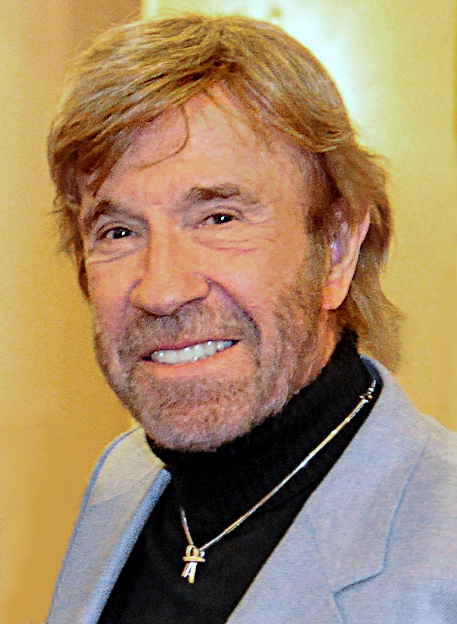
Chuck Norris is widely known for martial arts, acting, and Walker, Texas Ranger. Public success, however, does not make a person’s inner life public. This article separates what reliable sources say from what remains private.
What religion is Chuck Norris?
Chuck Norris publicly identified as a Christian and spoke about the Resurrection of Jesus as central to Christian faith. He also wrote and spoke about faith throughout his later life.
Is Chuck Norris a Christian?
Yes. His public words give clear evidence of Christian belief, while God alone knows every person’s heart. Only God knows the heart. A family background, a public interest in religion, or a label in a profile cannot tell us whether someone trusts Jesus Christ.
What Christians can remember
The gospel is good news for every person. We are saved by God’s grace through faith in Jesus, not by fame, work, background, or public reputation (Ephesians 2:8–9). We can pray for Chuck Norris with kindness and let God be the Judge.
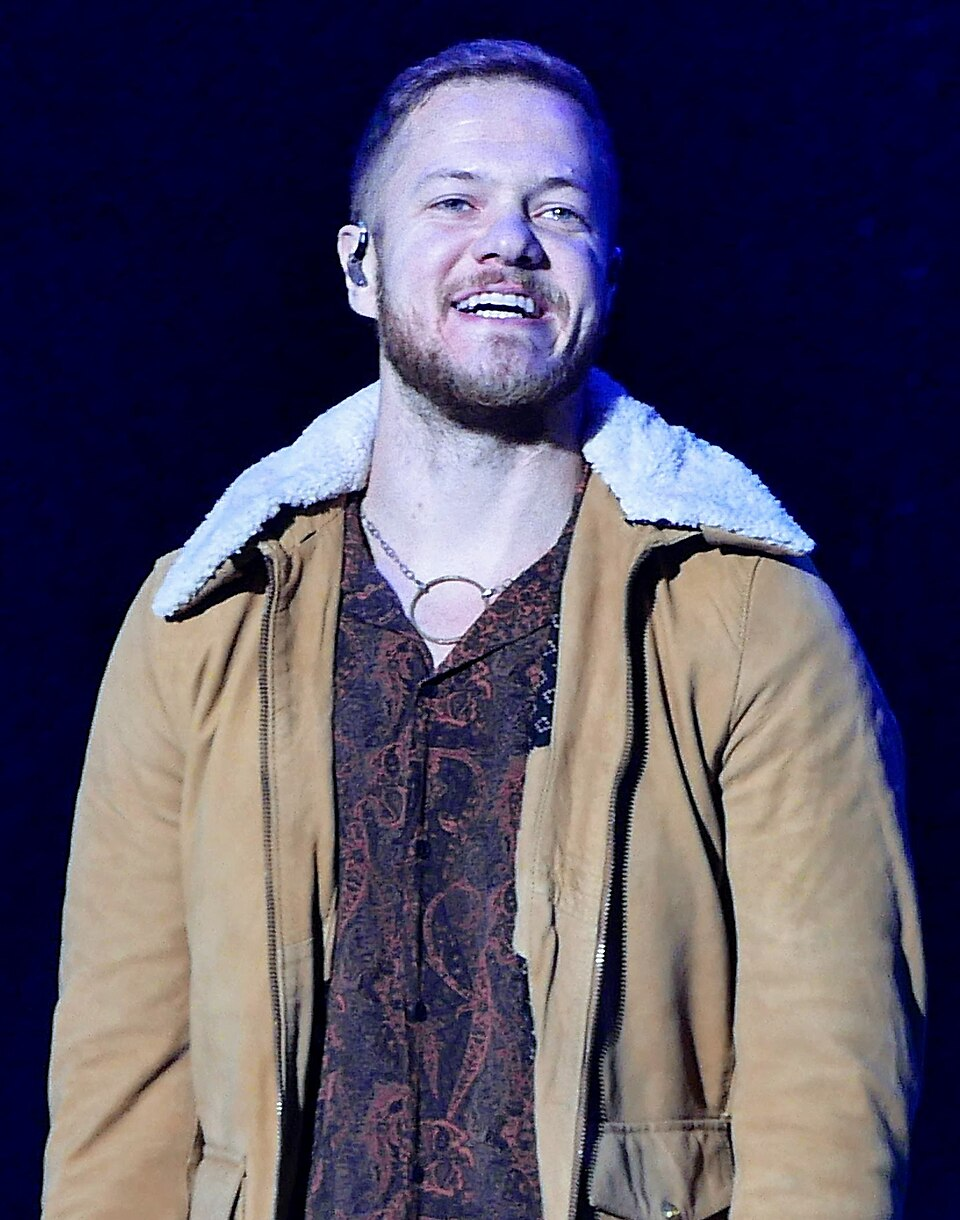
Dan Reynolds is the lead singer of Imagine Dragons, the band behind songs such as “Radioactive” and “Believer.” The word believer in a song title has led some listeners to wonder what Reynolds believes. His own interviews offer a clearer answer than lyrics alone. He was raised in the Church of Jesus Christ of Latter-day Saints, served as a missionary, and later said he had left that religion. His story is about family, questions, and a search for a place to stand.
What religion was Dan Reynolds raised in?
Reynolds grew up in a Latter-day Saint family. In a 2017 Deseret News interview, he discussed his Mormon background and the tensions he felt within that community. He had also served an LDS mission when he was younger. That is a real part of his story, and it should not be erased just because his views changed later.
The same interview focused on his work to support LGBTQ young people through the LoveLoud concert. Reynolds spoke about wanting people to feel loved, even amid disagreement in religious communities. Readers can agree or disagree with his views on church teachings, but it is important to report the reason he gave for speaking out. He was concerned about young people’s well-being, not merely using faith as a way to promote a record.
Did Dan Reynolds leave the LDS church?
Yes, according to his later account. In a 2024 Rolling Stone Canada interview, Reynolds said he had left his religion years earlier. He explained that faith and the loss of faith had long been themes in Imagine Dragons’ music. That later statement matters when reading older articles that describe him as a Mormon. A 2017 description should not be treated as his current self-description without checking what he said afterward.
In the same conversation, he said, “I envy people of faith.” That short remark does not tell us everything about his present views. It does show that he was thinking seriously about belief, rather than simply mocking it. He has spoken about painful questions and a changed relationship with the religion of his childhood. We should be careful not to turn that into a neat slogan about what every former Latter-day Saint thinks.
Is Dan Reynolds a Christian?
Reynolds has publicly described a Latter-day Saint upbringing and, more recently, his departure from that faith. The sources cited here do not establish that he currently identifies as a Christian. Nor do they tell us every belief he holds about Jesus today. The fairest answer is that he has talked openly about a religious past and a changed present, while his private convictions belong to him to explain. We cannot see his heart.
There is also a real difference between asking whether someone uses a Christian label and asking what they believe about Jesus. Christian churches and the Church of Jesus Christ of Latter-day Saints differ on important teachings about God, Jesus, and salvation. This short article is not a full comparison of those beliefs. The point is simply that a childhood religious label should not replace listening to Reynolds’ own more recent words.
What do his songs tell us—and what don’t they?
Songs are art, not a signed statement of faith. A singer may write about doubt, hope, pain, or change without giving a complete map of his beliefs. Reynolds has connected faith and leaving religion to his creative life, so it is fair to hear that struggle in his work. It is not fair to quote one lyric as proof that he has returned to a church or rejected every idea about God. Interviews provide needed context.
Many readers know what it feels like to have questions about the religion they learned as children. Some were hurt by people in a church. Some fear that honest questions will cost them family ties. If that is you, your questions should be heard with care. Pain caused by religious people is real. It also does not, by itself, settle whether Jesus is who he said he is. That question deserves to be examined on its own terms.
Why does the gospel still matter to the reader?
Famous Faith exists to report what public figures have said and then point readers to the Bible. We are not trying to announce Dan Reynolds’ eternal condition. We are asking you to consider Jesus. The New Testament says that all people have sinned and need God’s mercy (Romans 3:23). It says Jesus died for sins and rose again (1 Corinthians 15:3–4). Those claims can be read, tested, and discussed without pretending that every religious community has treated people well.
If you have been wounded, do not feel that you must hide it to be welcome to ask about Christ. If you have doubts, bring them into the light. Read one of the Gospel accounts for yourself. Jesus’ call is to repent and believe the good news (Mark 1:15). Turn from sin and trust in Jesus Christ, not in a celebrity, a childhood label, or a perfect record of church attendance. He offers forgiveness and life to people who come to him.
Justin Timberlake grew up in a Baptist setting, sang in church, and has been quoted describing himself as “more spiritual than religious.” His public story brings together Christian family roots, music learned in church, and a personal approach to spirituality. Those are the clearest themes in the sources discussed below.
For many readers, he is first the young singer from *NSYNC. Others know his solo albums, movie roles, or comedy on Saturday Night Live. Looking back at his church memories adds another part to that picture: before the large stages and television cameras, there was a young person learning to use his voice in a congregation.
His Baptist roots and personal spirituality
Timberlake’s upbringing in Tennessee included strong Baptist ties. In its profile of him, Hollowverse reports that his grandfather was a Baptist preacher and his father directed a church choir. The profile also quotes him saying, “I think the term for me would be more spiritual than religious,” and attributes the remark to an appearance with Larry King.
That is an older quotation reported by a secondary source, rather than a fresh statement about his present church membership. It is useful because it describes the language he has used for his outlook. It points toward personal spirituality, while his family history explains the church setting from which he came.
These two parts of his story can be considered together. A childhood in a congregation can leave lasting memories, musical habits, and questions about God. An adult may speak about those things in different terms from the family that raised him. The sources here give a glimpse of that relationship without filling in private details he has not shared.
What he said about singing in church
During a November 2017 appearance on The Late Show with Stephen Colbert, Timberlake warmly recalled church as a place to begin singing. As The Christian Post reported, he joked that even a badly performed song could still receive an “Amen” from the congregation.
The humor pictured a forgiving audience, where an aspiring singer could try, make mistakes, and keep going. His memory gives readers a concrete link between his childhood church experience and the performer he became. Church was part of the setting in which his voice developed.
It was a lighthearted television conversation, so it is best read in that spirit. Remembering an encouraging congregation tells us something about an experience he valued. It does not provide a complete account of his theology, his prayer life, or his current religious practice.
From *NSYNC to a solo career
Timberlake appeared on Star Search and The New Mickey Mouse Club as a child. He later became one of the five voices in *NSYNC, alongside JC Chasez, Chris Kirkpatrick, Joey Fatone, and Lance Bass. The group formed in Orlando in 1995 and became a major part of late-1990s pop music.
Albums such as No Strings Attached and Celebrity, along with songs including “Bye Bye Bye,” helped make the group familiar far beyond its earliest audience. Their blend of singing and dance gave Timberlake a platform from which to build a different kind of musical career.
His first solo album, Justified, arrived in 2002. The Recording Academy notes its chart success and the hits “Cry Me a River” and “Rock Your Body.” It also brought his first solo Grammy wins. A later Recording Academy retrospective describes how the project drew on his interest in older music and R&B, with work from producers including the Neptunes and Timbaland.
His career then expanded beyond recording. The Television Academy documents acting roles in The Social Network, In Time, and Friends with Benefits, as well as Emmy-winning work connected to Saturday Night Live. Those roles show his range as an entertainer. They are biography, rather than evidence of his religious beliefs.
When inherited faith becomes a personal question
Timberlake’s combination of church roots and personal spirituality raises a familiar question for the reader: what happens when the beliefs we grew up around become something we must consider for ourselves? Many people remember a song, a prayer, or a relative’s example long before they can explain what they believe.
Those memories can be a valuable beginning. An encouraging church can help someone discover a gift and experience kindness. Yet the question of knowing God reaches beyond warm memories. It asks what is true, whom we trust, and how we live in response.
The Bible also takes personal faith seriously. Jesus warned against honoring God with words while the heart remained far away (Mark 7:6). Religious appearances alone are not the goal. At the same time, Scripture gives faith a clear foundation: God’s revealed truth, rather than whatever feels right to us. Jesus prayed that his people would be made holy through that truth (John 17:17).
So the biblical comparison is not simply “religious” versus “spiritual.” The deeper question is whether our trust rests in God as he has made himself known. This reflection is an invitation to the reader, not a claim about beliefs Timberlake has not publicly explained.
The gospel: knowing God through Jesus Christ
The Bible teaches that our greatest problem is sin. All of us have fallen short of God’s glory (Romans 3:23). We have failed to love him and our neighbors faithfully. A church background, a sincere spiritual feeling, or a successful career cannot erase that guilt. Sin brings judgment, and we need God’s mercy.
The good news is that God has acted through Jesus Christ, his Son. Jesus lived without sin, died on the cross for sinners, and rose bodily from the dead. His death and resurrection are central to the gospel in 1 Corinthians 15:3–4. He bore the judgment sinners deserve so that those who trust him can be forgiven and reconciled to God.
Salvation is a gift of grace received through faith, not a reward we earn (Ephesians 2:8–9). We cannot build our way to God with talent, good deeds, church attendance, or a better image. Jesus calls us to repent, turning from sin toward God, and to trust him as Lord and Savior.
If you are thinking through your own faith, you can begin by reading a Gospel such as John. Ask who Jesus says he is and what he came to do. Bring your sins honestly before God, ask for his mercy, and seek a church that teaches Scripture faithfully. Christian hope rests in the living Christ, who offers forgiveness and new life.
Timberlake’s church memories offer an interesting beginning to a discussion about faith. For the reader, that discussion can lead beyond a childhood label or a private feeling to the question at the heart of the gospel: will you trust Jesus Christ?
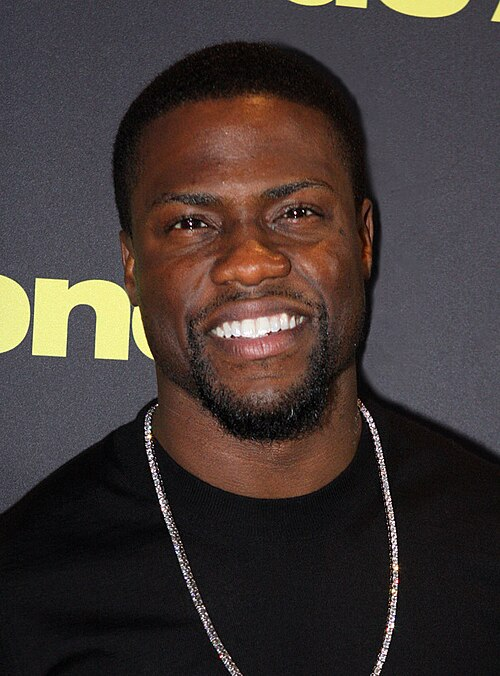
Kevin Hart has spoken about a faith centered on belief in God, gratitude, and the lessons his mother taught him through the Bible. In a 2023 conversation with Jay Shetty, he said, “I believe in God.” After surviving a serious car crash in 2019, he also described a new appreciation for life and a sense that God was calling him to slow down.
Behind the fast jokes and busy career is a more personal story: a mother who wanted faith to remain part of her son’s life, a painful recovery, and questions about what deserves his attention. Those moments offer a useful picture of the spiritual outlook Hart has shared publicly.
His mother’s Bible lesson
In a 2014 Oprah Prime interview, Hart recalled his mother’s support when he decided to pursue stand-up comedy. She gave him a year to follow that dream. When he later needed help paying rent, she kept asking whether he was reading the Bible she had given him.
He eventually opened it and found rent checks tucked inside. As People later reported from that interview, the money covered the remaining months of the year. Hart said he read two chapters and called his mother to apologize. Her lesson was about keeping faith as he pursued his future, rather than letting his goals crowd it out.
It is a memorable story because the practical help and spiritual encouragement came together. His mother had provided support, but she also wanted him to pay attention to something beyond getting his career started. In Hart’s telling, the Bible was part of that family lesson.
From comedy clubs to a major career
Hart rose through Philadelphia’s comedy scene and became known for his lively delivery and personal storytelling. His work expanded into acting, producing, and business. He starred in Die Hart, and his memoir, I Can’t Make This Up, became a number-one New York Times bestseller.
In 2024, he received the Kennedy Center’s Mark Twain Prize for American Humor. The ceremony brought fellow comedians together to celebrate and roast him, and it was released on Netflix. It marked how far his career had grown from those early years of trying to pay rent while chasing stand-up work.
How the 2019 crash changed his perspective
After the September 2019 accident, Hart shared a video about his recovery. It showed the difficult work of regaining strength and movement. As Good Morning America reported, his narration included, “When God talks, you gotta listen.” He explained that he felt God had told him to slow down.
Hart thanked his family, friends, and fans for standing with him. He spoke about appreciating another day of life instead of taking the future for granted. His account tied belief in God to a very concrete experience: being forced to stop, accept help, and notice what he had been rushing past.
For someone whose career depends on constant movement, that was a striking change of pace. The public message was about gratitude and perspective, expressed while he was still dealing with the hard work of recovery.
What he later said about God and responsibility
In the January 9, 2023 episode of On Purpose with Jay Shetty, Hart returned to those questions. His remarks, quoted by The Christian Post, expressed thanks for the life and opportunities God had allowed him to have. He described himself as less spiritual than some people, while still speaking openly about belief in God.
He also discussed how the crash had made him reconsider responsibility and the pull of fame. He acknowledged that keeping his priorities in order had not been a simple, finished achievement. His comments describe an ongoing effort to pay attention to the people and responsibilities closest to him.
Taken together, these public statements show the themes Hart has chosen to share: God, the Bible’s place in his upbringing, appreciation for life, and the need to put success in perspective. They give readers something more useful than a religious label alone.
From gratitude to the question of what matters most
Hart’s reflections raise a question many people recognize: if life is a gift, how should we use it? We do not have to be famous, or survive a major accident, to ask that. A busy schedule can make it easy to overlook family, ignore responsibility, or assume there will always be time to change.
The Bible speaks directly to gratitude. James 1:17 identifies God as the giver of good gifts. Psalm 90:12 asks God to teach us to number our days so that we gain wisdom. These passages invite us to receive life with thanks and to take seriously how we live.
Scripture also challenges the idea that achievement can provide lasting security. In Luke 12:15, Jesus warns that life does not consist in an abundance of possessions. That does not make work or success worthless. It places them within a larger picture: we are accountable to God, and our relationships and choices matter more than our public image.
This is a biblical reflection on the themes Hart has discussed, rather than an attempt to put additional beliefs in his mouth. It also leads to a deeper question for the reader: beyond being thankful for life, how can we have peace with the God who gave it?
The gospel: grace for people who need a new beginning
The Bible says that all have sinned and fall short of God’s glory. We have failed to love God and our neighbors as we should. That includes people with religious backgrounds and people without them. A better set of priorities can help us live wisely, but it cannot erase our guilt before a holy God.
God’s answer is Jesus Christ, his Son. Jesus lived a sinless life, died on the cross for sinners, and rose bodily from the dead. First Corinthians 15:3–4 places his death and resurrection at the center of the gospel. He bore the judgment sinners deserve and offers forgiveness and new life.
Ephesians 2:8–9 teaches that salvation is by grace through faith, not earned by works. You cannot buy it with success, kindness, family tradition, or promises to do better. Good works follow a life changed by grace; they are not the price of God’s mercy.
The invitation is to repent and trust Jesus. Repentance means turning from sin toward God. Faith means relying on Christ and what he has done, rather than your own record. You can ask God honestly for forgiveness, read the Gospels, and seek a church that teaches the Bible faithfully.
Hart’s story brings attention to gratitude, family influence, and the way a life can be interrupted. The gospel offers hope even deeper than a fresh outlook: reconciliation with God through the crucified and risen Savior.
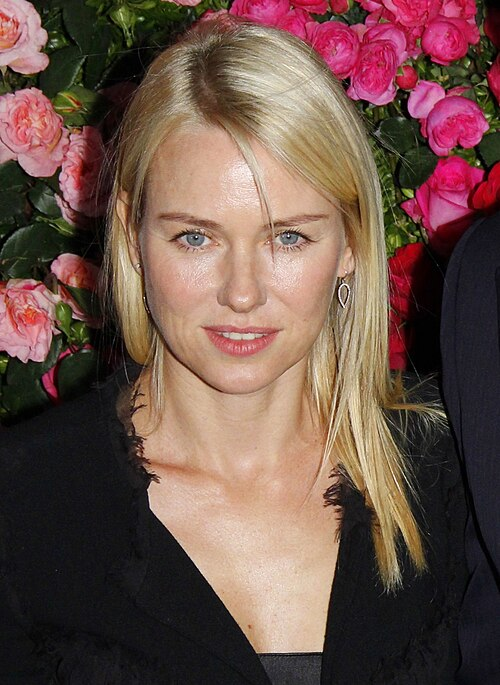
Naomi Watts has been linked in public reporting with an interest in Buddhism, and she has personally discussed meditation. Those are worth including in a profile of what Hollywood believes. An honest account should also explain the limits of the evidence, rather than turning a reported interest into a definite current religious identity.
The sources below include an older report quoting her on Buddhism and a later interview about her daily practices. They do not establish a complete statement of her faith. We will describe what they do support, then consider the differences between spiritual practices and the Bible’s message of salvation.
From film breakthrough to television drama
Watts became widely known through her work in David Lynch’s Mulholland Drive. Her film career includes The Ring and Peter Jackson’s King Kong. She received Academy Award nominations for 21 Grams and The Impossible, two performances that brought her major attention.
Her work also includes Penguin Bloom and Birdman. On television, she appeared in The Watcher, The Loudest Voice, and Twin Peaks: The Return. She has worked as a producer as well as an actress. These credits show the variety of stories and formats in her career.
Many viewers first become curious about an actor through a moving performance. That can be the start of learning more about the person, but it cannot settle a question of religion. A character’s grief, prayer, or view of life after death is part of a story. The performer’s personal outlook needs separate evidence.
What was reported about her interest in Buddhism?
A February 2006 report in The Himalayan Times, citing Contactmusic, linked Watts’ interest in Buddhism to filming The Painted Veil. It quoted her saying, “I have some belief but I am not a strict Buddhist or anything yet.” That qualifying statement matters. The report’s stronger description of conversion should not replace the uncertainty in the words attributed to her.
This is a secondary report, not a full original interview transcript reviewed here. It is evidence of a reported interest at that time, with clear limits. It does not establish that she accepts every Buddhist teaching, belongs to a particular Buddhist community today, or has made a permanent choice that can never change.
A responsible profile can include this history without using it to make claims about beliefs she has not explained. It would be equally careless to label her Christian because of a role or to label her a committed Buddhist only because an old headline did so.
Her later comments about meditation
In a June 2024 Wall Street Journal interview with Lane Florsheim, Watts said that she meditates. She described using different approaches, including yoga classes and meditation recordings, when she could not keep her former twice-daily routine. This is a direct public statement about a practice, rather than a guess based on the people around her.
That statement does not supply a complete religion. Meditation can be discussed as a personal practice without assuming what the person believes about God, death, or salvation. The interviews cited here do not establish a clear profession of Christian faith, but lack of that evidence is not proof that we know everything she believes.
What does the Bible mean by meditation?
The Bible itself uses the idea of meditation. Psalm 1 describes a person reflecting on God’s instruction. Joshua 1:8 connects meditation on God’s word with learning to obey it. Biblical meditation involves attending to what God has revealed, thinking about its meaning, and responding in faith.
That is more specific than simply becoming quiet or following a wellness routine. A Christian may value rest and careful attention, but the center of biblical meditation is God and his word. The purpose is not merely a calmer feeling. It includes knowing the Lord and living in response to him.
This comparison does not claim that Watts has rejected the Bible or explain which ideas she attaches to her own practice. She has not provided that detail in the sources used here. It simply gives the reader a clear distinction: describing a spiritual activity is different from explaining the truth on which a faith rests.
Spiritual interest and the question of forgiveness
Interest in another tradition can raise real questions about suffering, purpose, and how to live. Christians should listen respectfully to those questions. First Peter 3:15 calls believers to explain their hope with gentleness and respect, not mockery or contempt.
Yet the Bible’s answer is specific. God is personal, holy, and the Creator of all things. Our deepest problem is sin: we have failed to love and obey him. Romans 3:23 places every person under that same need. Celebrity status does not make the problem greater, and a religious label does not make it disappear.
Peaceful moments and meaningful habits cannot, by themselves, remove guilt before God. Christianity points to Jesus Christ. John 14:6 identifies him as the way to the Father. That claim differs from a general message that any spiritual practice will lead to the same destination.
The gospel is an invitation to trust Jesus
Jesus Christ is the Son of God. He lived a sinless life, died on the cross for sinners, and rose bodily from the dead. First Corinthians 15:3–4 presents his death and resurrection as central to the gospel. He did what we could not do: he bore the judgment sinners deserve and offers forgiveness.
Salvation is by God’s grace through faith, not earned by works. Ephesians 2:8–9 makes that clear. A disciplined routine, a kind reputation, or years of spiritual searching cannot purchase it. Good works matter as the fruit of a changed life, but they are not the price of God’s mercy.
The response is to repent and trust Christ. Repentance means turning from sin toward God. Faith means relying on Jesus and what he has done rather than on your ability to make yourself worthy. You can pray honestly, ask for mercy, and read a Gospel such as John to consider his claims.
Watts’ reported interest in Buddhism and stated meditation practice belong in a careful account of her spiritual life. The unknown details should remain unknown. For the reader, the Christian invitation remains clear: seek the truth about Jesus and the forgiveness he offers by grace.