What Is Nicolas Cage’s Religion? Is He a Christian?

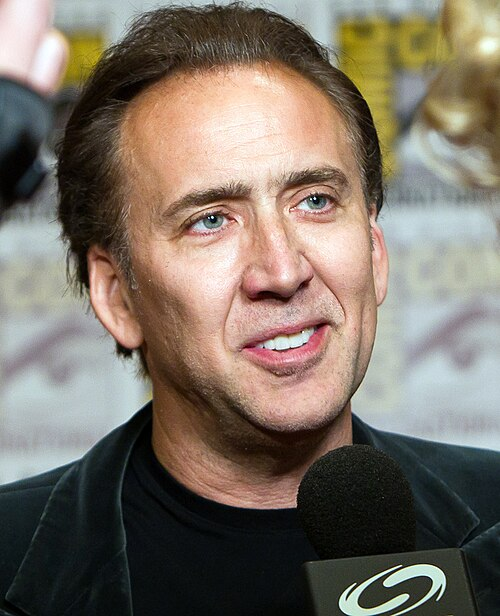
Nicolas Cage at San Diego Comic-Con in 2011
Portrait of Nicolas Cage

Nicolas Cage has discussed spiritual practices and referred to his faith in public interviews. The sources reviewed here do not give a clear, complete profession of Christian belief or establish a current church affiliation. It would be misleading to assign him a religion simply because he has appeared in a film with religious themes.

Instead, this article looks at specific comments from 2024 and 2025. We will separate what he actually said from what remains unknown, then compare the ideas with Scripture and share the gospel with interested readers.

A career that resists a single category

Cage was born Nicolas Coppola in Long Beach, California. His early films include Valley Girl and Birdy. He worked with the Coen brothers in Raising Arizona and with Cher in Moonstruck. His performance in Leaving Las Vegas earned a Golden Globe.

He also became familiar to action audiences through The Rock, Face/Off, and Con Air. The National Treasure films brought him into a different kind of adventure story. Later work includes Pig and Dream Scenario. That range shows a willingness to enter very different fictional worlds.

There is a reason this matters when discussing religion. An actor’s job is to portray people, not only people who share his views. A convincing performance cannot tell us whether he accepts a character’s beliefs. The same rule should apply whether a film seems religious, skeptical, frightening, or hopeful.

What has Nicolas Cage said about spirituality?

In a July 2024 Wall Street Journal interview with Lane Florsheim, Cage described meditation using private, positive phrases. He also discussed resisting temptations in Las Vegas as a way to grow spiritually and referred to the example of monk and writer Thomas Merton. Mentioning a monk does not establish that Cage belongs to that monk’s religious order or church.

In a November 2025 Entertainment Weekly interview about The Carpenter’s Son, Cage discussed the lack of spooky experiences on film sets. He remarked that such an experience might “help me in my faith.” The comment refers to faith but does not explain its full content. It should not be stretched into a claim that he has publicly affirmed every central Christian teaching.

The careful answer is that he has expressed spiritual interests, while his exact religious commitments are not settled by these interviews. Uncertainty should remain uncertainty. Neither an unusual acting role nor a brief remark gives us a reliable basis for declaring him saved, unsaved, or a member of a particular faith.

Self-control has value, but it cannot earn salvation

The Bible treats self-control as something good. Galatians 5:22–23 includes it among the fruit of the Spirit. Turning away from destructive habits can protect a person and the people around them. Christians should not dismiss discipline or the desire to live wisely.

Yet Scripture makes a distinction between wise choices and the basis of salvation. We do not climb our way into God’s favor by building a stronger record of restraint. Romans 3:23 says all have sinned. Avoiding one wrong choice does not erase every wrong choice we have already made or change our need for mercy.

Ephesians 2:8–10 gives the order clearly: salvation comes by grace through faith, and a changed life leads to good works. Good works are a response to God’s grace, not a payment that purchases it. This protects both truth and hope. It tells us to take sin seriously while refusing to make forgiveness depend on our ability to impress God.

Faith is more than an unusual experience

Many people wonder whether an extraordinary event would help them believe. The Bible includes miracles, but it does not tell us to build our faith on a search for spooky encounters. A powerful feeling or an unexplained experience still needs to be examined. It cannot, by itself, tell us who God is.

Christian faith has a specific center: Jesus Christ. John 20:30–31 explains that the Gospel’s account was written so readers may believe that Jesus is the Christ, the Son of God, and have life through him. We are invited to consider his words, his works, his death, and his resurrection.

This is different from using the word faith to mean confidence in anything at all. The object of faith matters. A sincere belief can be mistaken. Biblical faith means trusting the real Savior revealed in Scripture, not simply wanting a spiritual experience.

These are comparisons with the ideas discussed above, not claims that Cage rejects every biblical teaching. Where he has not explained a belief, we should not invent one for him.

The gospel offers forgiveness through Christ

Our greatest need is not a more exciting life or a more impressive spiritual routine. Sin separates us from a holy God. We have failed to love him and other people as we should. That is true of ordinary readers as well as famous actors, so there is no room for a superior attitude.

Jesus Christ, the Son of God, lived without sin. He died on the cross for sinners and rose bodily from the dead. First Corinthians 15:3–4 places his death and resurrection at the heart of the gospel. He took the judgment sinners deserve and offers forgiveness and new life.

The invitation is to repent and trust Jesus. Repentance means turning from sin toward God. Faith means relying on Christ’s finished work instead of personal achievement, a religious family background, or a dramatic experience. Salvation is God’s gift of grace, not something earned by good works.

You can ask God honestly for mercy and begin reading a Gospel such as John. Seek a church that teaches Scripture and can help you understand what following Jesus means. You do not need a celebrity’s complete testimony before considering Christ for yourself.

Cage’s public comments give us a limited window into his spiritual thinking. The Bible gives readers a clear message of its own: forgiveness is found in the crucified and risen Savior, who calls us to turn to him in faith.

Sources

Photo: G155 (Gerald Geronimo) / Wikimedia Commons, CC BY-SA 2.0. Cropped and resized.

What Is Nicole Kidman’s Religion? Is She a Christian?

Nicole Kidman at the 2013 Cannes Film Festival
Portrait of Nicole Kidman

Nicole Kidman has publicly spoken about belief in God, prayer, and her Catholic upbringing. Her own interviews provide stronger evidence than guesses based on a film role or a famous relationship. They support discussing a Catholic religious background and her stated faith in God, while leaving room for the details she has not explained publicly.

This article uses comments from 2018 and 2019. It does not assume that a few interviews reveal every part of her faith today. We will also compare the ideas she shared with the Bible and explain the gospel for the reader.

An actress with a wide range of work

Kidman was born in Honolulu to Australian parents and grew up in Sydney. Her film career includes Dead Calm, Days of Thunder, To Die For, and Moulin Rouge!. She played Virginia Woolf in The Hours and appeared in Cold Mountain, Rabbit Hole, and Lion.

Her television work includes Big Little Lies and The Undoing. Moving between film and longer television stories has allowed her to explore many kinds of characters. Some face grief or strained relationships. Others inhabit worlds far removed from ordinary life. This variety helps explain why people remain interested in her work.

It also makes an important boundary necessary: the convictions of a character do not establish the beliefs of the actress. A religious role can involve ideas the performer does not accept. A role with no religious theme does not tell us that the performer has no faith. Kidman’s personal statements are the proper starting point.

What has Nicole Kidman said about faith?

In a 2018 Allure interview, Kidman discussed her Irish Catholic upbringing and a crucifix given to her by her grandmother. She said, “I absolutely believe in God.” She also recalled being drawn to the idea of becoming a nun, although she did not choose that life.

In a 2019 Vanity Fair interview with Krista Smith, she described going to church with her family. She said that being raised in prayer and having a Catholic grandmother deeply influenced her. She also described ongoing questions and an emphasis on tolerance. These comments show that faith was a subject she was willing to address personally.

That evidence should be handled carefully. A church background and belief in God are meaningful, but they do not give an interviewer a complete statement of a person’s understanding of Jesus, grace, or salvation. We can report what she said without filling in missing details or claiming to know her standing before God.

Prayer is more than a family custom

The Bible encourages prayer. Philippians 4:6 invites believers to bring their concerns to God with thanksgiving. Jesus taught his followers to pray to their heavenly Father. Prayer is not limited to public worship; it can be an honest response to need, gratitude, fear, or sorrow.

A family that teaches a child to pray can give that child a lasting introduction to faith. Yet Christian faith cannot be inherited automatically. Each person must consider who Jesus is and what it means to trust him. A habit can become familiar while its meaning remains unexplored.

Jesus warned against empty religious display in Matthew 6. God is not impressed by polished words or by how spiritual someone appears to other people. Prayer is directed to a real God who knows us. It is an invitation to depend on him, not a way to build a religious image.

This gives readers a useful question to consider in their own lives: am I treating prayer only as a custom, or am I coming to God through Jesus with real trust? That question is for the reader. It is not a claim about what Kidman privately means when she prays.

Questions, tolerance, and the truth about Christ

Questions do not need to be hidden. In Mark 9:24, a father brings both faith and weakness to Jesus, asking for help with his unbelief. The Bible shows people struggling, learning, and seeking clearer understanding. Bringing an honest question to Scripture can be part of serious engagement with faith.

Love for people also matters. Christians are commanded to love their neighbors and even their enemies. They should reject cruelty and arrogance in religious discussion. First Peter 3:15 calls for gentleness and respect when explaining Christian hope.

Still, kindness does not mean that every belief says the same thing. In John 14:6, Jesus identifies himself as the way to the Father. The gospel makes clear claims about sin, forgiveness, and the resurrection. Christians should explain those claims honestly rather than softening them into a vague message about being nice.

We can compare ideas with Scripture while respecting a person’s dignity. That approach keeps both truth and love in view. It also prevents us from treating a celebrity’s religious label as a shortcut around the central question of trust in Christ.

The gospel: God’s gift through Jesus

The Bible says that all have sinned and fall short of God’s glory. Our need is deeper than a lack of confidence or a need for a better public reputation. Sin separates us from a holy God, and we cannot make ourselves innocent through achievement, family tradition, or good intentions.

Jesus Christ is the Son of God. He lived a sinless life, died on the cross for sinners, and rose bodily from the dead. First Corinthians 15:3–4 describes these events as the center of the gospel. He offers forgiveness and new life because of what he has done.

Ephesians 2:8–9 teaches that salvation is by grace through faith, not earned by works. Going to church, wearing a cross, or helping people cannot purchase it. Such things may be part of a person’s life, but they are not a substitute for relying on Jesus himself.

The response is to repent and trust Christ. Repentance is a change of mind toward God; a changed life is a response to grace, not a condition for receiving it. Faith means placing your hope in Jesus rather than your own record. You can ask God for mercy, read the Gospels, and seek help from a church that teaches Scripture faithfully.

Kidman’s interviews open a conversation about prayer and belief in God. For every reader, the Bible brings that conversation to its center: the crucified and risen Jesus, who welcomes sinners by grace.

Sources

Photo: Georges Biard / Wikimedia Commons, CC BY-SA 3.0. Cropped and resized.

What Is Helen Mirren’s Religion? Is She a Christian?

Helen Mirren at the 2023 Berlin International Film Festival
Portrait of Helen Mirren

Helen Mirren has publicly said that she does not believe in God. She has also spoken about a kind of human spirituality connected with imagination. Those statements deserve to be reported accurately, without turning her acting roles into evidence of personal faith.

The interviews discussed here are from 2011 and 2016. They explain the views she expressed then, rather than proving every detail of her current outlook. This article also considers how those ideas differ from the Bible and shares the Christian hope with interested readers.

A long career with many kinds of roles

Mirren’s work reaches across film and television. Her credits include The Queen, Gosford Park, Calendar Girls, and The Hundred-Foot Journey. On television, she appeared in Prime Suspect, Elizabeth I, and Catherine the Great. She also worked with Harrison Ford in the western series 1923.

Playing queens, investigators, and other strong figures has made her a familiar presence to several generations of viewers. Her Golden Globe wins include performances in The Queen and Elizabeth I. These achievements speak to her professional work. They do not tell us what she believes about prayer, salvation, or life after death.

A thoughtful performance can help an audience consider grief, courage, duty, and love. That is one of the gifts of storytelling. Still, an actor can explore a religious theme without accepting that religion. We should let Mirren’s own comments answer questions about her beliefs.

What has Helen Mirren said about God?

In a 2011 Esquire interview with Cal Fussman, Mirren described herself as spiritual but added, “But I don’t believe in God.” Her wording separates an interest in spirituality from belief in a divine being. It would be misleading to use the word spiritual alone and leave out that clear statement.

In material AARP released from a 2016 interview, Mirren said she was not religious. When discussing the soul, she connected human spirituality with imagination rather than religion or God. She also described a deep commitment to theater and the satisfaction she found in using imagination.

The public comments cited here do not present a profession of Christian faith. That is a statement about the evidence, not a judgment of her value as a person. We should avoid using an old interview to claim we know every view she holds now or everything she might say in the future.

Spiritual feelings and the biblical view of God

People use the word spiritual in different ways. Some mean a sense of wonder. Others mean emotional depth, creativity, or a connection with other people. Before agreeing or disagreeing, it helps to ask what the word means in that conversation.

The Bible does not describe God as a feeling created by imagination. Genesis 1:1 begins with God as the Creator of heaven and earth. John 1 teaches that the eternal Son became flesh. Christianity is about a God who exists and acts, whether or not a person feels a spiritual moment.

At the same time, Christians can appreciate imagination and art. Human creativity has real value. A story can help us notice another person’s pain, question our selfishness, or see beauty in ordinary life. None of that requires pretending that an artist has made a Christian confession when she has not.

The difference concerns the source and center of hope. If spirituality is only an aspect of human experience, it cannot by itself promise forgiveness from God or victory over death. The Bible locates those promises in Jesus Christ. They depend on who he is and what he has done.

Disagreement should still show love

Christians should not respond to unbelief with insults. Genesis 1:27 teaches that human beings are made in God’s image. That gives every person dignity, including those who reject Christian beliefs. First Peter 3:15 calls believers to explain their hope with gentleness and respect.

Respect does not require hiding a real difference. Saying that God exists and saying that God does not exist are different claims. The Bible invites readers to take that question seriously. It also asks us to face the condition of our own hearts, rather than using religious discussion as a chance to feel superior.

Romans 3:23 says that all have sinned. That includes people who regularly attend church. No one can point to a religious label and claim to have no need for mercy. An honest Christian response begins with the recognition that we need the same Savior we are describing to others.

The gospel offers more than inspiration

Jesus Christ is the Son of God. He lived without sin, died on the cross for sinners, and rose bodily from the dead. First Corinthians 15:3–4 places his death and resurrection at the heart of the gospel. His story is not offered in the Bible merely as an inspiring example of human imagination.

Sin separates us from a holy God. We cannot repair that separation simply by becoming more creative, successful, kind, or deeply moved by art. Those things can have value, but they cannot erase guilt. Jesus took the judgment sinners deserve and offers forgiveness to those who repent and trust him.

Ephesians 2:8–9 teaches that salvation is by grace through faith, not by works. Repentance means turning from sin toward God. Trusting Christ means relying on him, rather than trying to earn acceptance through personal achievement. His mercy is a gift, and good works follow as a response to that gift.

If these questions matter to you, read the Gospel of John and consider its account of Jesus. You can bring doubts and questions honestly to God. The Christian invitation is not to pretend that every question has vanished. It is to seek the truth about the risen Savior and place your trust in him.

Mirren’s public words allow a clear discussion of spirituality without belief in God. The Bible offers a different foundation: a real Creator, a real need for forgiveness, and a real Savior who gives lasting hope.

Sources

Photo: Elena Ternovaja / Wikimedia Commons, CC BY-SA 3.0. Cropped and resized.

What Is Hugh Jackman’s Religion? Is He a Christian?

Hugh Jackman in 2019
Portrait of Hugh Jackman

Hugh Jackman has publicly called himself a Christian. He has also described a spiritual outlook that draws on more than one religious tradition. Both facts belong in an honest answer about his beliefs. A short label can hide details that matter, and his comments should be read with their interview dates in mind.

Here we look at his own statements, rather than the faith of Wolverine or any other character he has played. We then compare the ideas in those statements with the Bible and explain the gospel for readers who want to explore Christianity themselves.

A career on screen and on stage

Many movie fans know Jackman as Wolverine in the X-Men films. His stage work shows another side of his talent. He appeared in Oklahoma! at London’s National Theatre and won a Tony Award for playing Peter Allen in Broadway’s The Boy from Oz. He also hosted the Academy Awards in 2009.

His film work includes Les Misérables, in which he played Jean Valjean. Moving between musicals, drama, and action requires different skills. Singing to a live audience is a different challenge from performing a scene for a camera. That range is one reason his career reaches people with very different tastes.

It is fair to appreciate an actor’s craft without turning a performance into a religious testimony. Stories about sacrifice, guilt, or redemption can lead to serious conversations. Still, a character’s words come from a script. To understand Jackman’s personal outlook, the stronger evidence comes from interviews in which he speaks for himself.

His Christian upbringing and later statements

In a 2009 Parade interview with Kevin Sessums, Jackman discussed being raised by a born-again Christian father who took him to Billy Graham crusades. Jackman described differences between their beliefs and said he found the evangelical church restrictive. He also discussed study at the School of Practical Philosophy and meditation.

In that interview, he spoke about shared truth across traditions, linking the Bible, Shakespeare, and the idea of underlying unity. He suggested that Jesus, Buddha, and Krishna would not argue if seated together. This gives a fuller picture than simply assuming his beliefs matched his father’s.

In a separate 2015 Parade interview with Dotson Rader, Jackman said, “I’m a Christian.” He described dedicating performances to God and finding peace and a sense of surrender onstage. He also connected his desire to help others with his religious upbringing. Those are meaningful public statements. They do not provide a complete account of what he believes about every Christian teaching, and they should not be presented as a new interview conducted today.

Can respect for other people erase differences in belief?

The Bible calls Christians to love their neighbors. That includes people of other religions and people with no religion. Listening patiently, speaking kindly, and helping someone in need do not require agreement on every question. First Peter 3:15 tells believers to explain their hope with gentleness and respect.

Yet respect does not make different religious claims identical. Jesus said that he is the way to the Father in John 14:6. Acts 4:12 places salvation in him. These are specific claims about a specific Savior. Christianity cannot be reduced to the idea that every spiritual path teaches the same thing.

Second Timothy 3:16 describes Scripture as given by God. A play or poem can contain insight and beauty, but the Bible holds a different place in Christian faith. It teaches who God is, what sin has done, and what Christ accomplished. Admiring truth in many places is not the same as treating every text as equally authoritative about salvation.

These passages help us evaluate the broad spiritual ideas Jackman discussed. They do not give us access to his inner life or permission to announce a verdict about his relationship with God. We can state the biblical distinction clearly while leaving claims beyond the evidence alone.

Work, surrender, and a deeper kind of peace

There is a biblical place for doing work with gratitude and purpose. Colossians 3:23 encourages wholehearted work as service to the Lord. Creative skill, discipline, and generosity can be gifts used for the good of others. Christians can enjoy a well-made performance without making fame their measure of a person’s worth.

But the peace offered in the gospel is not based on a successful night at work. A crowd’s approval rises and falls. A person may feel fulfilled today and empty tomorrow. Romans 5:1 speaks of peace with God through Jesus Christ. That peace rests on what Jesus has done, not on how well we perform or how deeply we feel.

The gospel is grace, not an audition

The Bible says that all of us have sinned and fall short of God’s glory. We need more than encouragement or a better routine. We need forgiveness. This is a shared human problem, so Christians have no reason to talk down to an actor or to anyone else.

Jesus is the Son of God. He lived a sinless life, died on the cross for sinners, and rose bodily from the dead. His resurrection is central to the gospel, as First Corinthians 15:3–4 teaches. He offers forgiveness and new life to those who repent and trust him.

Ephesians 2:8–9 says salvation comes by grace through faith, not by works. You cannot earn it with talent, charity, spiritual study, or a Christian family tree. Those things cannot remove guilt before a holy God. Christ is sufficient; you do not need to make yourself impressive before coming to him.

If you are interested in this hope, turn from sin and rely on Jesus. Read one of the Gospels, pray honestly, and seek a church that teaches the Bible faithfully. The central question is not whether you can give a convincing performance of religion. It is whether your trust rests in the risen Christ.

Sources

Photo: Eva Rinaldi / Wikimedia Commons, CC BY-SA 2.0. Cropped and resized.

What Is Harrison Ford’s Religion? Is He a Christian?

Harrison Ford at Celebrity Fight Night in 2017
Portrait of Harrison Ford

Harrison Ford has spoken openly about God, but his public explanation does not amount to a statement of Christian faith. In a March 2026 interview with NPR’s Fresh Air, he described a view of God centered on life and nature. That distinction matters. A person’s family background, kindness, or work on screen does not tell us whether that person trusts Jesus Christ.

This article looks at Ford’s own words, gives some background on his career, and compares the ideas he described with the Bible. It is not a claim to know his heart or every belief he holds today.

From Han Solo to a lasting film career

Ford became widely known as Han Solo in Star Wars in 1977. He returned to the role in The Empire Strikes Back and Return of the Jedi. His work gave the space adventure a memorable mix of humor, confidence, and human weakness. Han’s appeal came partly from the way Ford made a larger-than-life story feel grounded.

His career also includes the Jack Ryan films Patriot Games and Clear and Present Danger, along with Air Force One. More recently, he worked with Helen Mirren in 1923. These roles span different kinds of stories, from adventure and political suspense to family drama. They help explain his wide audience, but they cannot serve as evidence of his personal religion. Playing a brave or selfless man does not establish what an actor believes about God.

What has Harrison Ford said about religion?

Speaking to Terry Gross in 2026, Ford said he had not had a history of religious affiliation. His mother was Jewish and his father was Catholic. He described finding meaning in a thought from theologian Paul Tillich: consider what gives life its deepest meaning when the word God is difficult to use. For Ford, life’s complexity, nature, and the way living things connect seemed like “the same thing as God.”

That is a personal spiritual explanation, not a profession of faith in Jesus as Savior. The interview supports describing the outlook he expressed at that time. It does not justify assigning him a church membership, calling him a practicing Christian, or deciding that his views can never change. His parents’ religions are part of his upbringing, not proof of his own convictions.

Nature can inspire wonder without being God

The Bible gives readers strong reasons to appreciate the natural world. Genesis 1 describes creation as God’s work and calls it good. Psalm 19:1 says the heavens declare God’s glory. Mountains, trees, animals, and the rich variety of life can move us to awe and gratitude. Christians do not need to dismiss that wonder or treat care for the earth as unimportant.

Yet Scripture makes a clear distinction between the Creator and what he created. God brings the world into being; he is not simply another name for the world. Romans 1:25 warns against worshiping created things instead of the Creator. In the Bible, God is personal. He speaks, loves, judges rightly, and calls people into a relationship with him.

This is where Ford’s description and the biblical account differ. Seeing beauty and connection in nature can raise meaningful questions. It does not, by itself, tell us who God is or how sinful people can be forgiven. Christians look to God’s revelation in Scripture and most clearly to Jesus Christ. Appreciation for creation can become an invitation to seek its Maker.

Why the question of Jesus matters

Christianity is more than a feeling of peace, a respect for life, or a belief that the universe has meaning. Those experiences may be important, but the Christian message makes specific claims about Jesus. John 1 teaches that the Son existed before creation, that all things were made through him, and that he became flesh. God’s answer to our deepest need is not merely an idea we discover inside ourselves.

The Bible also says that our problem is moral, not just a lack of spiritual awareness. Romans 3:23 teaches that all have sinned. We have failed to love God and our neighbors as we should. That includes famous people and unknown people, religious people and people with no religious label. This shared need leaves no room for treating a celebrity as beneath us.

The gospel is good news for the reader

Jesus Christ, the Son of God, lived without sin. He willingly died on the cross for sinners and rose bodily from the dead. First Corinthians 15:3–4 puts his death and resurrection at the center of the gospel. He did what we cannot do for ourselves: he dealt with our guilt and opened the way to peace with God.

Salvation is a gift of God’s grace, received through faith in Christ. Ephesians 2:8–9 says it is not earned by works. A successful career, a generous donation, love for nature, or a church background cannot buy forgiveness. Good works have a place in a life changed by grace, but they are not the price of that grace.

The invitation is to repent and trust Jesus. Repentance means turning from sin toward God, not claiming that you have already become perfect. Faith means relying on Christ and what he has done, rather than on your own goodness. You can speak honestly to God, ask for his mercy, and begin reading a Gospel such as John to learn who Jesus is.

Ford’s comments offer a useful starting point for discussing meaning and the beauty of life. The Bible takes the conversation further: beyond creation to its Creator, beyond spiritual interest to Christ, and beyond admiration to a relationship with God through the risen Savior.

Sources

Photo: Gage Skidmore / Wikimedia Commons, CC BY-SA 3.0. Resized and displayed with a square crop.

What Is Steven Spielberg’s Religion? Is He a Christian?

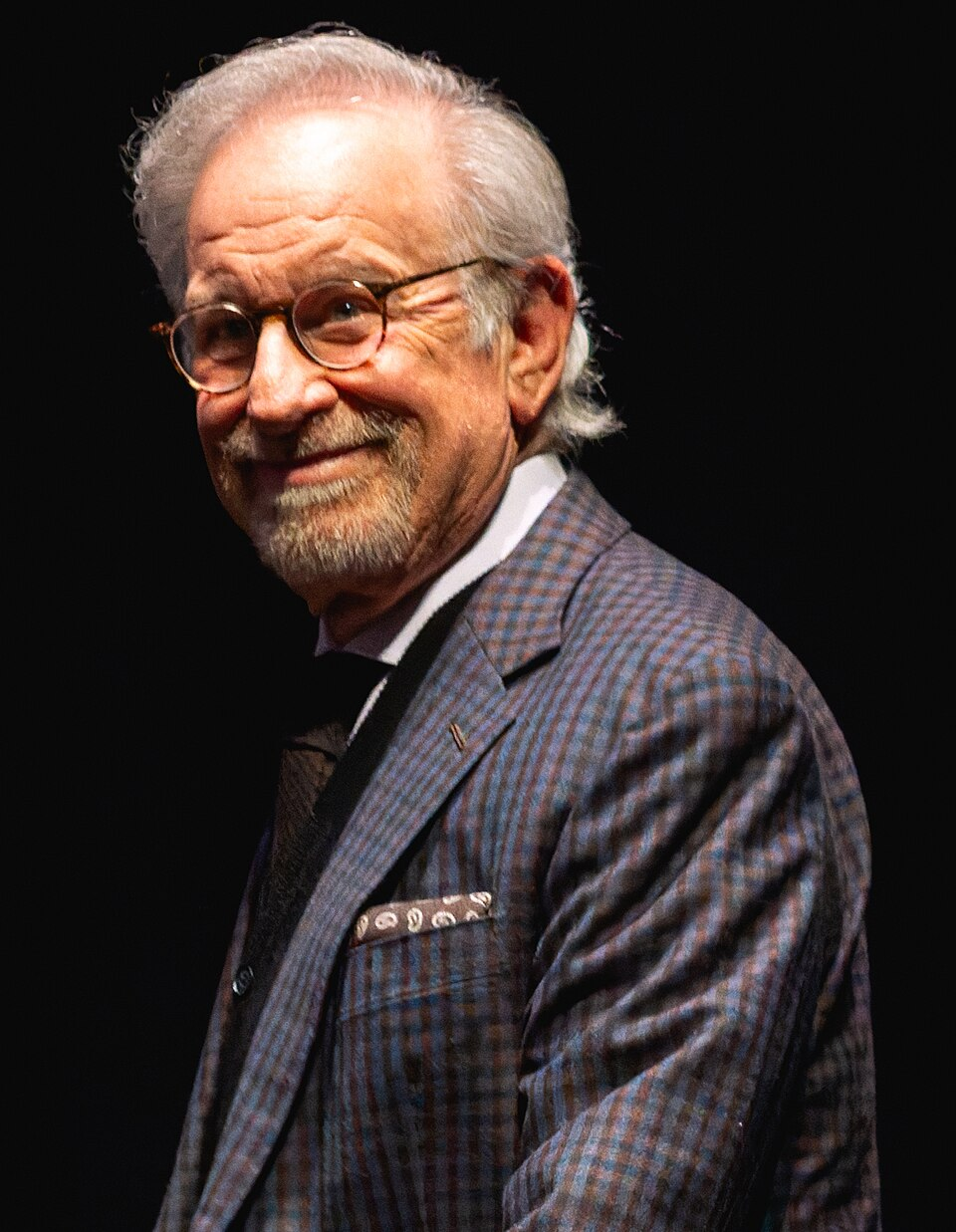
Steven Spielberg in 2025

Steven Spielberg has told stories seen by millions, from E.T. and Jurassic Park to Schindler’s List and The Fabelmans. His films often deal with family, fear, courage, and memory. But a movie’s themes are not a reliable way to assign its director a religion. When we ask about Spielberg’s faith, the best place to start is what he has said about his own Jewish identity and upbringing.

What is Steven Spielberg’s religious background?

Spielberg grew up in a Jewish family. He has spoken about being Jewish, about facing antisemitism as a child, and about the way that experience shaped him. The Jewish Telegraphic Agency’s report on his 60 Minutes interview described how he wrestled with his identity when he was young. He did not simply treat that history as a detail for a biography. It became part of how he told stories.

In 2022, Spielberg introduced The Fabelmans, a film loosely based on his childhood and family. The Jewish Telegraphic Agency’s account of the premiere reports that his Jewish upbringing is central to the film. A TIME interview also discusses his long journey toward embracing his Jewish identity. These are more useful clues than guessing at his beliefs from a scene in a film.

Why does his Jewish identity matter in his work?

People often praise Spielberg for imagination and spectacle. Yet stories about persecution and memory have also mattered to him. Schindler’s List brought the Holocaust to a wide audience. The Fabelmans turned the camera toward a Jewish child growing up in an American family. Neither film is a statement of every belief Spielberg holds, and neither should be reduced to a religious label. But both show why it is a mistake to erase his Jewish background when discussing his work.

His accounts of antisemitism deserve to be treated seriously. No one should have to hide a family name, a tradition, or a history because others are cruel. Christians in particular should reject antisemitism clearly. Jewish people are not props in a Christian lesson. They are neighbors to love and people to listen to. That means reporting Spielberg’s own words with care rather than forcing him into a story he did not tell.

Is Steven Spielberg a Christian?

The sources cited here identify Spielberg with his Jewish upbringing and identity; they do not give grounds to describe him as a Christian. A Jewish identity is not just the absence of Christianity. It can involve family, peoplehood, history, culture, religious practice, and personal belief in different ways. We should not pretend that a short celebrity article can settle how Spielberg understands every part of his faith. We can say that he has spoken publicly about being Jewish, while leaving private matters and the state of his soul to God.

Some readers may point to spiritual images in his movies and ask whether they reveal a hidden Christian belief. That would be a weak argument. Filmmakers can depict religious ideas they do not personally hold. They can also tell stories that invite many kinds of viewers to think. If Spielberg ever speaks plainly about a change in his beliefs, those words would deserve attention. Until then, it is better to stick with what is documented.

What can a Christian reader take from this?

We can honor the truth about a person and still explain our own hope. Christians believe the God of the Bible made the world and cares about truth, justice, and mercy. The Christian gospel also makes a specific claim about Jesus of Nazareth. The New Testament says he is the promised Messiah, that he died for sins, and that he rose from the dead (1 Corinthians 15:3–4). Jewish and Christian people do not agree on that claim. It is more honest to name the disagreement respectfully than to blur it.

Paul, a Jewish follower of Jesus, wrote of his deep concern for his own people (Romans 9:1–5). His words are not a license for pride or pressure. They should make Christian readers humble. We have no reason to boast over anyone. We are sinners who need mercy ourselves. We should speak about Jesus with both conviction and love.

A question for you, not a verdict on him

Spielberg’s story invites us to think about identity, belonging, and what we do when others reject us. But this page is not a judgment of him. The question for you is whether you have considered Jesus for yourself. The Bible says all of us have sinned (Romans 3:23). No fame, family history, good work, or religious label can erase that need.

Jesus calls people to repent and believe the good news (Mark 1:15). If you have not trusted him, read the Gospel accounts, ask honest questions, and do not wait for a celebrity to decide for you. Turn from sin and trust in Jesus Christ, who died and rose again. Christians believe forgiveness and new life are found in him. That invitation is to the reader; it is not a claim that we know what Steven Spielberg has decided in private.

Sources and photo credit

What Is Ted McGinley’s Religion? Is He a Christian?

Portrait of Ted McGinley at PaleyLive in 2024
Portrait of Ted McGinley

Ted McGinley played Jefferson D’Arcy, Marcy’s second husband, on Married… with Children. Many viewers also know him from Happy Days and The Love Boat. His religious beliefs, however, should be discussed through his personal statements rather than his television roles.

In a 2015 Beliefnet interview about Do You Believe?, McGinley spoke personally about Christian faith, prayer, and the cross. His answers connect the cross with forgiveness and eternal life. This is stronger evidence than the fact that he played a pastor in a film. It supports reporting that he has publicly expressed Christian beliefs, while leaving questions about denomination and his full theology open.

What has Ted McGinley said about faith?

Asked what the cross meant to him, McGinley answered, “It means forgiveness. It means everlasting life.” He made clear that the belief he expressed was personal, rather than only dialogue from the film. He also spoke of prayer before a performance or a flight and the comfort of knowing he was not alone.

The conversation dates to 2015. It is a public record of what he said then, not a new statement collected today. The interview does not give a complete account of church membership or every doctrine he holds. We can respect those limits and still recognize its clear Christian content.

McGinley described his faith as deeply personal and said he cared about living up to it. Privacy does not automatically mean a lack of belief. Public figures may talk often about work while saying much less about the convictions that guide their lives.

The actor and the role are different

In Do You Believe?, McGinley played a pastor. That role prompted questions about his own beliefs. An actor can portray a religious leader without sharing the character’s faith, so the casting choice alone would not answer our question.

His personal interview answers are the key evidence here. They allow us to distinguish a performance from a statement about the cross and prayer. That same rule applies to Jefferson D’Arcy: the behavior of a comic character cannot become an account of McGinley’s spiritual life.

In a separate CBN interview about the film, McGinley said the project connected with some of his own beliefs. He also discussed the realities of working as an actor and supporting a family. He did not claim that every job was chosen because of a religious message. That is a helpful reminder to avoid reading an entire personal creed into a filmography.

A long television career includes different stories, tones, and collaborators. Familiarity with a performer can make us feel that we know the person. Careful research asks a narrower question: what has this individual actually chosen to say publicly?

Why the cross means forgiveness

McGinley’s connection between the cross and forgiveness matches a central teaching of Christianity. The cross is not only a symbol of comfort or courage. Scripture presents it as the place where Jesus gave His life for sinners.

Romans 3:23 says that all have sinned. That includes famous actors, readers, and Christians writing about religion. Our need for forgiveness does not depend on being worse than someone else. We have all failed to love and obey the holy God who made us.

First Peter 2:24 teaches that Christ bore our sins in His body on the cross. He did not die because He had done wrong. He lived without sin and took the judgment sinners deserve. God’s love does not ignore evil; His mercy meets us through the costly sacrifice of His Son.

That is why forgiveness through Jesus is more than telling ourselves to feel better. It rests on what He has done. Christians are not claiming to be people who never need mercy. They are people who depend on mercy every day.

Eternal life and the risen Jesus

The other part of McGinley’s answer was everlasting life. The Bible joins that promise to Jesus Himself. John 3:16 teaches that those who believe in Him receive eternal life. First Corinthians 15:3–4 places His death and bodily resurrection at the center of the gospel.

The resurrection matters. Jesus did not remain in the grave as a respected teacher whose followers kept His memory alive. He rose from the dead. Christian hope rests on the living Savior, not on fame, a successful life, or the strength of our feelings.

Eternal life is also more than an endless extension of our current routines. It means knowing God through Christ (John 17:3). The promise answers our deepest separation from Him, as well as our fear of death.

Prayer, comfort, and faithful living

McGinley’s comments about prayer offer another point of connection with Scripture. Philippians 4:6–7 calls believers to bring their needs to God with thanksgiving. Christians can pray before an important task, during a frightening moment, or in the middle of ordinary life.

Prayer does not guarantee that every performance succeeds or every hardship disappears. Jesus told His followers they would face trouble (John 16:33). His presence gives hope in hardship, rather than a promise that life will always be easy.

A desire to live faithfully also matters. Still, Christian obedience is a response to grace, not a way to buy salvation. Ephesians 2:8–10 places God’s gift first and the good works of a changed life after it. Keeping that order clear protects us from making the gospel into a performance test.

The gospel invitation is for the reader

You do not need a famous person’s approval to come to Jesus. Christ calls sinners to repent and believe: turn from sin and trust Him for forgiveness and new life. Salvation comes by grace through faith, not by earning enough credit with God.

If you are asking what Christian faith means, begin with Jesus’ life, death, and resurrection. Read the Gospel of John and speak with a Bible-teaching church. Ted McGinley’s public words give us a meaningful account of his Christian beliefs in 2015. The foundation of your hope can be the same Savior those words point toward.

Sources

Photo: Kevin Paul / Wikimedia Commons, CC BY 4.0. Display cropped and resized.

What Is David Garrison’s Religion? Is He a Christian?

Portrait of David Garrison at the Pantages Theater in 2008
Portrait of David Garrison

David Garrison is remembered by sitcom fans as Steve Rhoades, Marcy’s first husband on Married… with Children. His work in musical theater has also been a major part of his career. When it comes to religion, we have something more useful than a guess based on either kind of role: a direct answer he gave in a public interview.

In September 2015, Rocking God’s House asked whether he considered himself a Christian or a spiritual person. Garrison described himself as spiritual, spoke of peace in nature and music, and said, “I was raised in the Presbyterian Church.” That is clear evidence of his upbringing and his description of himself at that time. It is not a complete statement of his present beliefs.

What did David Garrison actually say?

Garrison’s answer was brief. He linked spirituality with the calm he found in nature and music. He also named the church tradition in which he grew up. The interview did not go on to explain his beliefs about Jesus, salvation, the Bible, or church membership.

We should therefore avoid turning Presbyterian upbringing into a claim that he currently belongs to a Presbyterian church. We should also avoid treating the word “spiritual” as proof that he has rejected Christianity. Neither conclusion follows from that short answer.

The most accurate summary is that Garrison publicly described himself as spiritual in 2015 and reported a Presbyterian childhood. A firm answer to “Is he a Christian?” would require a clearer personal profession of faith than this source provides. Naming that limit is part of honest research, not a criticism of him.

A performer with a love for the stage

The same interview shows how important live performance has been to Garrison. He discussed playing Voltaire and Pangloss in Candide at the Glimmerglass Opera Festival. He also recalled performing as Nathan Detroit in a touring production of Guys and Dolls. These are his career memories, not fictional evidence about his religion.

For television viewers, Steve remains a familiar part of the Bundys’ neighborhood. For theater audiences, Garrison’s voice and stage work may be the stronger association. That difference is a useful reminder: one memorable role never contains the whole life of an actor.

Musical theater joins several skills. A performer has to act, sing, listen, and respond to others in the moment. There is no chance to rebuild every scene through editing while an audience waits. It is understandable that a person who works with music would also speak of its importance away from the stage. Understanding that connection still does not tell us his full theology.

Can nature point us toward God?

Garrison’s reference to serenity in nature gives readers a thoughtful question to consider. The Bible also directs our attention to the world around us. Psalm 19:1 describes the heavens as declaring God’s glory. Romans 1:20 teaches that creation reveals His power and divine nature.

A quiet walk, a wide sky, or the changing seasons can remind us that we did not make the world. We receive life in a place filled with beauty and order. From a Christian perspective, gratitude for creation should lead us toward the Creator.

However, a peaceful feeling in nature is not the same thing as reconciliation with God. A landscape cannot forgive sin. An experience of wonder cannot explain the cross by itself. Christianity teaches that the God who made the world has also made Himself known through Jesus Christ.

This is a biblical comparison with the subject Garrison raised. It does not assume he believes nature replaces Jesus, or that he holds any other view he did not state. We can explain the Bible’s teaching without building an argument against an imagined position.

Music, peace, and a deeper foundation

Music can comfort, delight, and help us express sorrow or joy. Scripture includes songs of praise, grief, and hope. The Psalms show that bringing our feelings before God can include both celebration and tears.

Yet our deepest peace needs more than an uplifting sound. Romans 5:1 speaks of peace with God through Jesus Christ. That peace concerns a restored relationship, not only a calmer mood. A Christian can have peace with God while still feeling worried, tired, or sad.

This matters for anyone who has found comfort in art but still wonders about eternity. A gift can help us through a hard evening. The giver of life must answer our need for forgiveness and lasting hope. Christianity invites us to enjoy good gifts while trusting Christ for what those gifts cannot provide.

A church childhood does not save us

Being raised in a church can give a person knowledge of Scripture, helpful community, and examples of service. Those are meaningful things. But no child inherits salvation simply because of a family’s denomination.

Romans 3:23 says that all have sinned. Religious people and people without a church background share that need. We cannot earn forgiveness through attendance, artistic talent, or good intentions. The Bible points us to God’s mercy rather than our record.

The gospel is for you, too

Jesus Christ is the Son of God. He lived without sin, died on the cross for sinners, and rose bodily from the dead. First Corinthians 15:3–4 makes His death and resurrection central to the good news. His work answers the problem that a spiritual feeling or a childhood memory cannot remove.

Salvation is God’s gift, received by grace through faith in Christ (Ephesians 2:8–9). Jesus calls us to repent and believe: turn from sin and trust Him for forgiveness and new life. We do not save ourselves first and then ask Him to approve our effort.

If nature or music has stirred your questions about God, follow those questions toward Jesus. Read the Gospel of John and talk with a Bible-teaching church. David Garrison’s interview gives us a careful, limited account of his public beliefs. The gospel gives the interested reader a clear invitation to know the Savior.

Sources

Photo: Melesse / Wikimedia Commons, CC BY-SA 3.0. Commons crop by Kimsaka; display cropped and resized under the same license.

What Is Amanda Bearse’s Religion? Is She a Christian?

Portrait of Amanda Bearse

Amanda Bearse is known to many television viewers as Marcy on Married… with Children. Her career also includes directing, theater training, and work in film. Those roles tell us about her profession. Her real beliefs must be considered through her public words and reliable accounts of her interviews.

A 2022 episode of Chris Sarandon’s Cooking By Heart offers a useful starting point. The program’s published description says Bearse discusses a lasting personal faith and a connection with family members who have died. It does not identify a denomination or give a clear statement that she trusts Jesus Christ as Savior. We should report that difference honestly.

What public evidence is available?

The October 31, 2022 episode centers on Bearse’s upbringing, family memories, and the food associated with them. Its description also says she speaks about her religious mother, coming out, and faith. These subjects belong to her own life, rather than Marcy’s fictional household.

The evidence used here is the program’s published summary of that conversation. It is not a full transcript or a complete statement of Bearse’s theology. The summary supports saying that faith was a subject she discussed. It cannot settle what she believes about the Trinity, the Bible, salvation, or life after death.

For that reason, a definite answer to “Is Amanda Bearse a Christian?” would go beyond the evidence reviewed. A reference to faith is meaningful, but the word can describe different beliefs. We do not need to fill the gaps with guesses. Nor should a person’s identity or public advocacy become a shortcut for deciding what she believes about God.

An actress who also became a director

In a 2011 Windy City Times interview, Bearse described her theater background and study with Sanford Meisner in New York. She worked on All My Children before moving to Los Angeles. She recalled the uncertainty of taking that step, then finding her way into film and the sitcom that made her widely known.

Bearse also said that Married… with Children gave her a second career behind the camera. That is an important part of her story. Viewers see the performer delivering a line, but television also requires people who guide scenes, help actors, and shape the finished episode.

A familiar character can make it easy to miss that wider work. Marcy is a comic creation, built for an exaggerated television world. Bearse is a real person with training, experience, and memories beyond the show. Treating those two lives as separate is basic fairness when researching any actor’s religion.

Faith, family, and the longing for lasting connection

The podcast summary links faith with Bearse’s memories of family members she has lost. Many readers will recognize that longing. The death of someone we love can leave questions that everyday routines cannot answer. Does love last? Is there hope beyond the grave? Where can we find comfort?

The Bible takes grief seriously. Jesus wept at the tomb of Lazarus (John 11:35). His tears show that sorrow is not something Christians must hide. Loving someone deeply can make a loss painful. Compassion begins with listening, rather than judging how quickly another person should recover.

Still, Christian hope has a specific foundation. It is more than the feeling that a loved one remains near. In John 11:25–26, Jesus points to Himself as the resurrection and the life. First Thessalonians 4:13–18 connects the believer’s hope with His death, resurrection, and return.

This does not mean we can pronounce the eternal destiny of particular people from a podcast description. We cannot. It also does not mean Bearse’s reference to connection with family teaches a particular practice. The summary is too limited for that claim. The useful comparison is between a general longing for lasting connection and the Bible’s promise of life through Christ.

Respect does not require vague beliefs

Christians are called to speak with gentleness and respect (1 Peter 3:15). That instruction applies when discussing a public figure as much as when talking to a neighbor. Careful wording, honest sources, and compassion are part of responsible witness.

Respect also allows us to state what Scripture teaches clearly. Christianity is not simply having strong feelings about a spiritual world. It centers on the living God and His Son, Jesus Christ. The Bible calls us to trust what God has revealed, rather than treat every spiritual idea as the same.

Genesis 1:27 teaches that human beings bear God’s image. Our dignity does not depend on fame, agreement, or a writer’s approval. At the same time, Romans 3:23 says that all of us have sinned. Both truths belong together: people deserve care, and every one of us needs mercy.

The gospel offers forgiveness and real hope

Sin separates us from the holy God who made us. We cannot earn our way back by professional success, kind actions, religious memories, or sincere feelings. The Christian message begins with our need, but it does not leave us there.

Jesus, the Son of God, lived without sin. He died on the cross for sinners and rose bodily from the dead. His resurrection is the foundation of Christian hope, not an optional symbol. First Corinthians 15:3–4 describes His death and resurrection as central to the gospel.

God saves by grace through faith in Christ, not by our works (Ephesians 2:8–9). The response is repentance and faith: turn from sin and trust Jesus for forgiveness and new life. That invitation is for the reader, without pretending we know the full contents of Bearse’s heart.

If grief or questions about faith brought you here, consider reading John 11 and then the rest of John’s Gospel. Speak honestly with God and seek a Bible-teaching church. Amanda Bearse’s public conversation gives us a limited view of her spiritual life. Jesus gives us the clear foundation for forgiveness and hope beyond death.

Sources

Photo: Joel Rickenbach / Wikimedia Commons, CC BY-SA 2.0. Commons crop and image adjustments by Queryzo; display cropped and resized under the same license.

What Is David Faustino’s Religion? Is He a Christian?

David Faustino at Comic-Con in 2012
Portrait of David Faustino

David Faustino is best known as Bud Bundy on Married… with Children. But a sitcom character cannot tell us what the actor believes about God. Faustino has shared a personal story about prayer, which offers more useful evidence than Bud’s jokes or behavior.

In a July 2026 interview published by Casting Call, he recalled praying as a child for a place on a television series. That supports saying that prayer and belief in God were part of his childhood experience. It does not, by itself, establish his present church, denomination, or a public profession of faith in Jesus Christ.

What has David Faustino said about God?

Casting Call’s interview describes a lesson from Faustino’s father: thank God for the opportunity he hoped to receive. Faustino remembered making that prayer nightly as he pursued acting. He connected the memory with eventually getting his series role. The account is personal and specific, rather than a religious label supplied by someone else.

We should keep its limits just as clear. Remembering prayer does not explain everything a person believes about salvation, Scripture, or Jesus. The interview does not provide a full statement of Christian faith. Based on this evidence, we can discuss his prayer story without declaring that he is, or is not, a Christian.

A career beyond Bud Bundy

Faustino grew up around entertainment and trained as a child actor. Casting Call describes early television appearances, auditions, and classes before the long run of Married… with Children. His recollections connect the work with family support and years of preparation. The familiar role was one part of a career that began well before the Bundys became famous.

He later reached another audience as the voice of Mako in The Legend of Korra. In a 2014 ComicsAlliance interview, Faustino spoke warmly about the writing, recording experience, and cast. He also described the show’s potential to encourage viewers and bring people together. Those remarks help us understand his interest in storytelling and teamwork. They are career observations, not a confession of religious belief.

Moving from a live-action comedy to animation also shows the range of an actor’s work. A recognizable face can become a recognizable voice. Viewers may attach one role to a performer for decades, while the performer keeps learning and taking on new work. None of those fictional stories should become a shortcut for deciding his real beliefs.

Prayer and gratitude in the Bible

The Bible welcomes prayer and gratitude. Philippians 4:6 teaches believers to bring their requests to God with thanksgiving. A person does not need polished language or a famous career to speak to Him. Honest need, dependence, and thanks belong in prayer.

At the same time, Christian prayer is not a method for making a desired outcome certain. God is not controlled by the strength of our confidence or the way we phrase a request. First John 5:14 connects prayer with His will. In Gethsemane, Jesus prayed in deep distress and submitted to the Father’s will (Luke 22:42).

That distinction matters when we read a story about an answered prayer. We can be glad for a good opportunity without teaching that every believer will receive the job, relationship, or result they want. A disappointed person has not necessarily prayed badly. Faithful people can suffer, wait, and face closed doors. God’s goodness is deeper than career success.

This is a biblical comparison with the prayer account, not a claim that Faustino teaches a particular doctrine. The interview does not give enough detail to make that judgment. It simply gives readers a starting point for thinking about gratitude and dependence on God.

Success cannot answer our deepest need

Work, creativity, and family support can be good gifts. James 1:17 points us to God as the giver of good things. Yet achievement cannot remove sin or give eternal life. An actor with a long career and a reader with an ordinary job stand on equal ground before God.

Romans 3:23 says that all have sinned. That includes Christians who write about faith. Sin is more than making a few mistakes. It is our failure to love and obey the holy God who made us. We cannot repair that broken relationship by gaining applause, doing enough good deeds, or remembering a childhood prayer.

The gospel is good news for the reader

God has provided what we cannot earn. Jesus Christ, the Son of God, lived without sin. He died on the cross for sinners and rose bodily from the dead. First Corinthians 15:3–4 places His death and resurrection at the center of the gospel. Jesus is not merely an example of positive thinking. He is the Savior who conquered sin and death.

Ephesians 2:8–9 teaches that salvation comes by grace through faith, rather than our works. The call is to repent and trust Christ: turn from sin and rely on Him for forgiveness and new life. Good works follow as the fruit of that new life, not its purchase price.

If you are interested in God because of a celebrity’s story, take the next step toward Jesus Himself. Read the Gospel of John. Bring your questions honestly to God and speak with a Bible-teaching church. David Faustino’s public prayer memory is worth reporting carefully. Your hope for eternity, however, rests on Christ and His finished work.

Sources

Photo: Gage Skidmore / Wikimedia Commons, CC BY-SA 3.0. Display cropped and resized; adapted display under the same license.