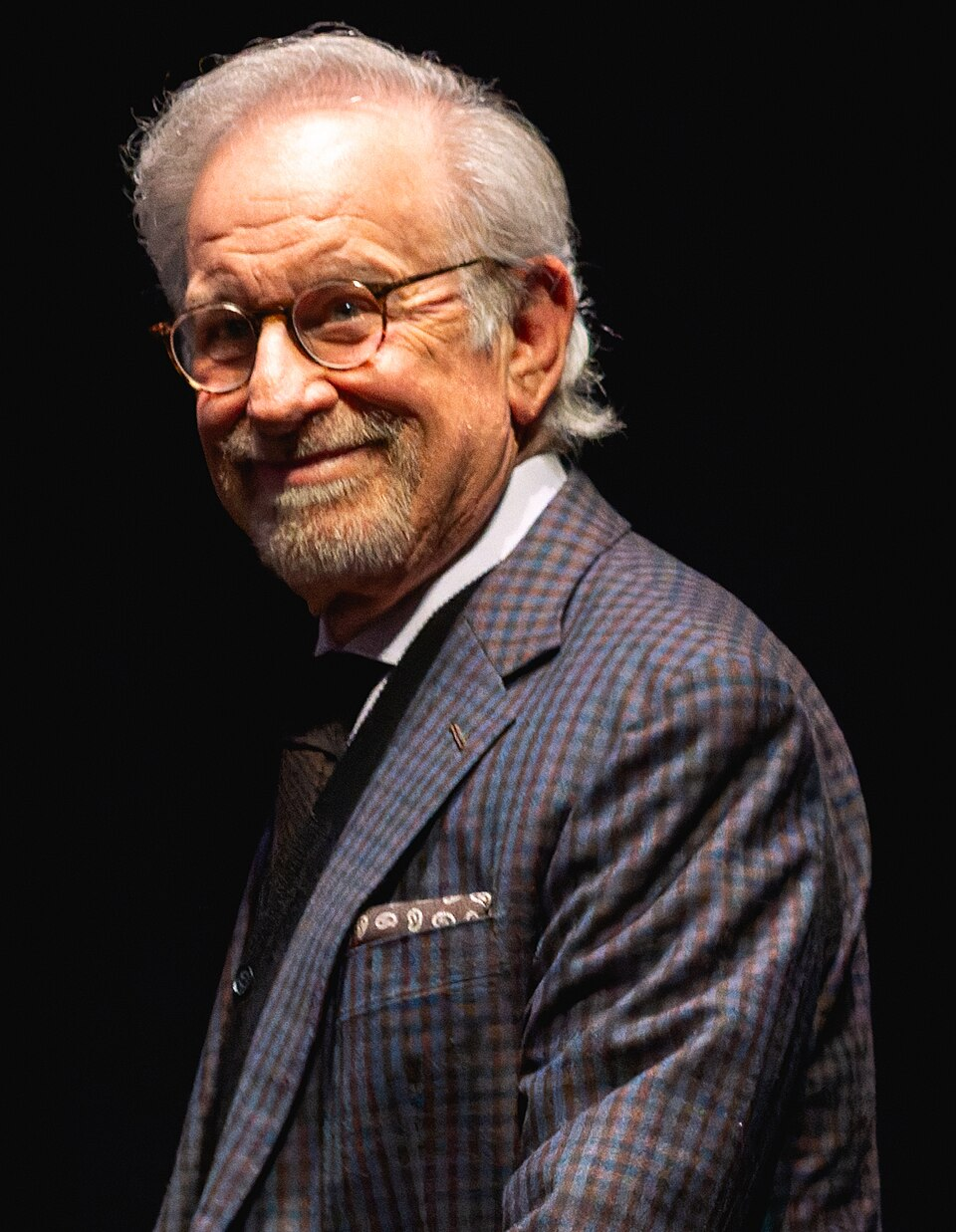
Steven Spielberg has told stories seen by millions, from E.T. and Jurassic Park to Schindler’s List and The Fabelmans. His films often deal with family, fear, courage, and memory. But a movie’s themes are not a reliable way to assign its director a religion. When we ask about Spielberg’s faith, the best place to start is what he has said about his own Jewish identity and upbringing.
What is Steven Spielberg’s religious background?
Spielberg grew up in a Jewish family. He has spoken about being Jewish, about facing antisemitism as a child, and about the way that experience shaped him. The Jewish Telegraphic Agency’s report on his 60 Minutes interview described how he wrestled with his identity when he was young. He did not simply treat that history as a detail for a biography. It became part of how he told stories.
In 2022, Spielberg introduced The Fabelmans, a film loosely based on his childhood and family. The Jewish Telegraphic Agency’s account of the premiere reports that his Jewish upbringing is central to the film. A TIME interview also discusses his long journey toward embracing his Jewish identity. These are more useful clues than guessing at his beliefs from a scene in a film.
Why does his Jewish identity matter in his work?
People often praise Spielberg for imagination and spectacle. Yet stories about persecution and memory have also mattered to him. Schindler’s List brought the Holocaust to a wide audience. The Fabelmans turned the camera toward a Jewish child growing up in an American family. Neither film is a statement of every belief Spielberg holds, and neither should be reduced to a religious label. But both show why it is a mistake to erase his Jewish background when discussing his work.
His accounts of antisemitism deserve to be treated seriously. No one should have to hide a family name, a tradition, or a history because others are cruel. Christians in particular should reject antisemitism clearly. Jewish people are not props in a Christian lesson. They are neighbors to love and people to listen to. That means reporting Spielberg’s own words with care rather than forcing him into a story he did not tell.
Is Steven Spielberg a Christian?
The sources cited here identify Spielberg with his Jewish upbringing and identity; they do not give grounds to describe him as a Christian. A Jewish identity is not just the absence of Christianity. It can involve family, peoplehood, history, culture, religious practice, and personal belief in different ways. We should not pretend that a short celebrity article can settle how Spielberg understands every part of his faith. We can say that he has spoken publicly about being Jewish, while leaving private matters and the state of his soul to God.
Some readers may point to spiritual images in his movies and ask whether they reveal a hidden Christian belief. That would be a weak argument. Filmmakers can depict religious ideas they do not personally hold. They can also tell stories that invite many kinds of viewers to think. If Spielberg ever speaks plainly about a change in his beliefs, those words would deserve attention. Until then, it is better to stick with what is documented.
What can a Christian reader take from this?
We can honor the truth about a person and still explain our own hope. Christians believe the God of the Bible made the world and cares about truth, justice, and mercy. The Christian gospel also makes a specific claim about Jesus of Nazareth. The New Testament says he is the promised Messiah, that he died for sins, and that he rose from the dead (1 Corinthians 15:3–4). Jewish and Christian people do not agree on that claim. It is more honest to name the disagreement respectfully than to blur it.
Paul, a Jewish follower of Jesus, wrote of his deep concern for his own people (Romans 9:1–5). His words are not a license for pride or pressure. They should make Christian readers humble. We have no reason to boast over anyone. We are sinners who need mercy ourselves. We should speak about Jesus with both conviction and love.
A question for you, not a verdict on him
Spielberg’s story invites us to think about identity, belonging, and what we do when others reject us. But this page is not a judgment of him. The question for you is whether you have considered Jesus for yourself. The Bible says all of us have sinned (Romans 3:23). No fame, family history, good work, or religious label can erase that need.
Jesus calls people to repent and believe the good news (Mark 1:15). If you have not trusted him, read the Gospel accounts, ask honest questions, and do not wait for a celebrity to decide for you. Turn from sin and trust in Jesus Christ, who died and rose again. Christians believe forgiveness and new life are found in him. That invitation is to the reader; it is not a claim that we know what Steven Spielberg has decided in private.
Sources and photo credit
- Jewish Telegraphic Agency: Spielberg and The Fabelmans.
- Jewish Telegraphic Agency: Spielberg on childhood antisemitism.
- TIME: Spielberg interview.
- Steven Spielberg photo by Raph_PH, via Wikimedia Commons, CC BY 4.0. Wikimedia’s displayed 960-pixel version was used.
