What Is Charles Dance’s Religion? Is He a Christian?

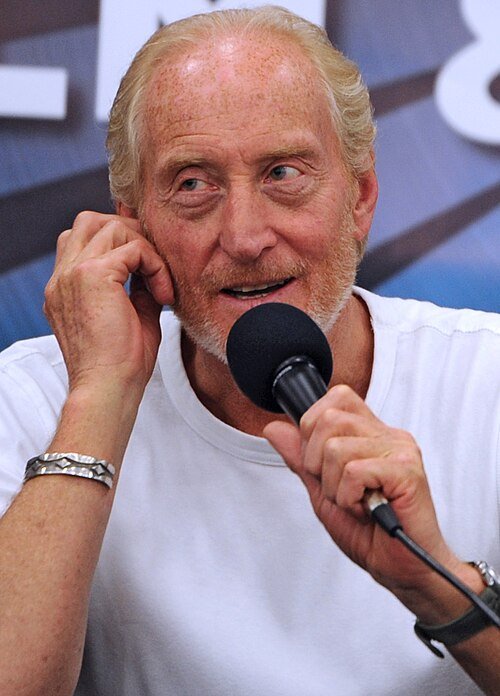
Charles Dance speaking at London Film and Comic Con in 2012

Charles Dance has described himself as agnostic. In an interview with Nigel Farndale, preserved on the journalist’s website, Dance said that he did not know and was not troubled by that uncertainty. He was discussing his portrayal of C. S. Lewis in Shadowlands, and made a clear distinction between the Christian beliefs of the person he played and his own position.

That is a useful direct statement, though an archived interview should not be mistaken for a fresh account of every present belief. It would be inaccurate to identify Dance as Christian simply because he portrayed a Christian writer. His role as Tywin Lannister in Game of Thrones is likewise a performance.

Charles Dance and the work of pretending

In the Farndale interview, Dance explained that acting involves portraying people unlike oneself. The religious concerns at the center of Shadowlands did not require him to share Lewis’s faith. His explanation helps an audience keep artistic interpretation separate from personal testimony.

That distinction protects both the actor and the subject. An effective performance may make an idea feel immediate without telling us whether the performer accepts it. We should not use Tywin’s ruthlessness to judge Dance’s character, or use Lewis’s Christianity to supply Dance with a religious label he did not claim.

What does agnostic mean here?

In ordinary use, agnosticism concerns not knowing whether God exists or what can be known about Him. People use the term in different ways. It is better to stay close to Dance’s explanation of his own uncertainty than assume that he shares every argument associated with the word.

A respectful Christian response can acknowledge that uncertainty while explaining why Christians believe God has made Himself known. The New Testament does not present Jesus merely as a private spiritual preference. Hebrews 1:1–3 teaches that God has spoken through His Son. Christianity therefore asks readers to consider the person of Christ and the claims about His life, death, and resurrection.

This is a real difference in belief, but a difference does not require contempt. We can listen carefully, ask honest questions, and avoid pretending that a short interview reveals the whole of a person’s thought.

Power cannot make us right before God

Tywin Lannister’s story offers a picture of earthly authority and the effort to control a family’s future. The biblical reflection is for us: influence can shape what other people say, but it cannot change what God knows. Our standing before Him is not decided by how commanding we appear.

God’s Ten Commandments reveal His holy law. He forbids lying, theft, adultery, coveting, murder, and worshiping anything in His place. Jesus also confronts hateful anger and lust in the heart (Matthew 5:21–28). Private motives matter along with public actions.

Romans 3:23 says that all have sinned and fall short of God’s glory. The person confident in religious answers and the person unsure about them both need forgiveness. We deserve God’s just judgment for our sin. Neither power nor uncertainty makes guilt disappear. This is a universal need, not a claim to know the hidden details of Dance’s life.

God’s answer in Jesus Christ

The Gospel announces the saving work of Jesus, God’s eternal Son. He became truly human while remaining truly God. He lived a sinless life, perfectly obeying the Father. He did not merely explain an ideal that He could not meet Himself.

Jesus willingly died on the cross as the substitute for sinners, bearing the judgment we deserve. He was buried and rose bodily from the dead on the third day (1 Corinthians 15:3–4). The resurrection is central to Christian faith. It is not simply a metaphor for the influence of a great teacher or the emotional force of a good story.

Forgiveness and eternal life are offered by grace through faith in Christ, not earned through works (Ephesians 2:8–9). Religious achievement, intellectual ability, and a respected career cannot purchase salvation. Jesus has finished the saving work. Those who trust Him depend on His sacrifice and righteousness rather than their own ability to deserve acceptance.

An invitation beyond a label

Dance’s stated agnosticism should be reported accurately and respectfully. We cannot judge his heart, and we should not collapse the distance between a man and the many people he has portrayed. The evidence supports a description of what he said, not a verdict on his eternal destiny.

For each reader, the claims of Christ deserve a personal response. Acknowledge your sin before God and place your faith in Jesus alone—His death for sinners and His bodily resurrection. Salvation rests on His finished work. The Christian invitation is to trust a living Savior, not to perform certainty for an audience or earn forgiveness through an impressive explanation of yourself.

Sources and photo credit

Nigel Farndale’s archived interview with Charles Dance, reposted in 2021. Scripture: Hebrews 1:1–3; Matthew 5:21–28; Romans 3:23; 1 Corinthians 15:3–4; Ephesians 2:8–9.

Featured photo: Charles Dance at London Film and Comic Con, 2012, by Alan Chang / Wikimedia Commons, CC BY-SA 2.0. Existing cropped version, resized.


What Is Channing Tatum’s Religion? Is He a Christian?

Portrait of Channing Tatum at CinemaCon in 2025

Channing Tatum has described himself as spiritual rather than religious. In a direct interview, he connected that outlook with gratitude and the feeling that his life could not be explained by luck alone. His public comments offer a clearer starting point than a religious label based only on the school he attended.

The actor is known for dancing, comedy, romance, and action. Readers looking for his beliefs deserve to hear what he has actually said before moving into a comparison with the Bible.

What Channing Tatum said about spirituality

In a 2015 Time Out interview, Tatum reflected on his youth and the course his life had taken. He spoke about people he knew who had suffered and his own sense of having escaped serious harm. He felt that calling his path mere luck did not fully explain it.

He then said, “I’m not a religious person, but I am spiritual.” That is a brief statement, but it is direct. It describes how he understood himself at that time without supplying a denomination or a complete set of beliefs about God.

The interview is more than a decade old. It should be dated clearly rather than treated as a fresh declaration. It remains useful evidence of his public spiritual outlook, while leaving open whether and how his views have developed.

Some celebrity profiles describe Tatum as Catholic, often alongside information about his schooling. A school connection can establish an educational background, but it does not settle an adult’s faith. His own description deserves more weight than an unsupported assumption about present religious practice.

Faith language in his creative work

In 2025, The Guardian reported that Tatum contributed a poem titled “Worshipping Surrender” to Mustafa’s collection Nour. The anthology explores subjects including loss, ceremony, and worship. That contribution shows an interest in meaningful spiritual language and creative reflection.

Poetry should still be read as poetry. A title alone cannot tell us everything its author believes about God, and a contribution to someone else’s collection does not establish shared religious membership. We can note the work without turning it into a testimony he did not give.

A career beyond one kind of role

Tatum’s breakthrough in Step Up made dance a central part of his public image. He moved into romantic films such as Dear John and The Vow, then showed a gift for comedy in 21 Jump Street. Foxcatcher gave audiences a much darker dramatic performance.

He also helped build the Magic Mike films and later appeared as Gambit in Deadpool & Wolverine. Marvel lists him among the cast of the upcoming Avengers: Doomsday. The range of those roles explains his broad audience, but none of those fictional characters supplies a reliable account of his personal religion.

Gratitude and providence in the Bible

Tatum’s sense that there is more to life than luck gives readers a thoughtful question to consider. Christians believe that life is a gift. James 1:17 describes good gifts as coming from the Father. Gratitude turns our attention beyond our own talent or effort.

Yet the Bible cautions against reading every success or escape from trouble as a simple measure of God’s approval. In Luke 13:1–5, Jesus rejects the idea that people who suffered tragedy must have been worse sinners than others. He calls everyone to repentance. We should not treat a comfortable life as proof of righteousness or a painful life as proof of special guilt.

Biblical providence means that God wisely rules His creation. It does not mean that we understand every event. Christians can thank Him for mercy while grieving with people whose stories have taken a harder turn. Compassion is a better response than easy explanations.

There is also a difference between sensing a spiritual dimension to life and knowing God through Christ. The Bible identifies who God is and what He has done to rescue sinners. That moves the discussion from a general feeling to a specific message.

The gospel’s invitation

Every one of us needs more than favorable circumstances. God is holy and just, and we have sinned against Him. We lie, act selfishly, hold onto pride, and fail to love others. Romans 3:23 includes everyone. A successful career, good intentions, or a grateful outlook cannot erase guilt.

Jesus Christ, God’s Son, lived without sin. He willingly died on the cross for sinners, bearing the judgment we deserve. He was buried and rose bodily from the dead. First Corinthians 15:3–4 presents His death and resurrection as the heart of the good news.

Salvation comes by grace through faith, not by works. Turn from sin and trust Jesus as Lord and Savior. You do not have to prove you have earned a fortunate life. You need forgiveness, and Christ offers it through His finished work.

Tatum’s words raise questions about gratitude, meaning, and what lies beyond chance. For the reader, the Bible’s invitation is to look closely at Jesus and receive the mercy that cannot be earned.

Sources

Photo: Gage Skidmore, Channing Tatum at CinemaCon, 2025, via Wikimedia Commons, CC BY-SA 2.0. Cropped version; resized to 500 pixels wide.

What Is Michelle Fairley’s Religion? Is She a Christian?

Michelle Fairley at San Diego Comic-Con in 2013

Michelle Fairley’s current religious affiliation is not clearly confirmed in the primary interview material reviewed for this profile. There is not enough verified evidence here to describe her as a practicing Christian or give her another definite religious label. A person’s background or place of birth cannot establish what she presently believes about God.

Fairley is familiar to Game of Thrones viewers as Catelyn Stark. Catelyn’s prayers, loyalties, and choices are written for a fictional character. They should not be mistaken for the actress’s own profession of faith.

Michelle Fairley on the value of experience

In a 2022 interview with The Irish Times, Fairley challenged the idea that a woman’s value is limited to youth and beauty. She pointed instead to intelligence, experience, and the understanding of human nature that can deepen an actor’s work. She also described wanting a varied career with new challenges. These comments concern work and human value, rather than a statement of religious doctrine.

It is a useful reminder for an audience accustomed to fast judgments. A familiar screen face is not the whole person. Years of experience do not disappear when fashion changes or a leading role ends. We can appreciate an artist’s abilities while resisting the habit of treating people as products with a limited shelf life.

More than what the eye can measure

The Bible gives human worth a foundation beyond appearance. Genesis 1:27 teaches that human beings are made in God’s image. Age, beauty, public attention, and earning power do not decide whether someone deserves dignity. This applies to a well-known actress and to the older neighbor whose life is rarely noticed.

In 1 Samuel 16:7, God’s word challenges the tendency to judge by outward appearance: the Lord sees the heart. That passage should make us cautious about superficial praise as well as superficial criticism. Looking impressive is not the same as being faithful, and an ordinary appearance does not mean an ordinary life has little value.

These biblical reflections do not establish Fairley’s beliefs. They offer a Christian response to a question her comments raise: what remains valuable when the things a culture rewards begin to change?

Being valued does not mean being without fault

Human dignity and moral innocence are not identical. The same person who bears God’s image can also wrong a neighbor. Experience can bring wisdom, but years alone cannot make any of us sinless. We still need an honest account of our failures before God.

His Ten Commandments reveal a holy standard. They forbid lying, stealing, adultery, coveting, murder, and worshiping anything in His place. Jesus also addresses hateful anger and lust in the heart (Matthew 5:21–28). God sees what others miss, including motives we might hide behind a respectable life.

Romans 3:23 says that all have sinned and fall short of His glory. We deserve God’s just judgment. No amount of experience, talent, or good reputation can erase that guilt. This is the condition shared by the writer and every reader, not an accusation aimed at Fairley. Biblical honesty leaves no room for pretending that the audience is morally above the person on the screen.

The Savior whose goodness is complete

The Gospel announces a rescue that depends on Jesus Christ rather than our achievements. Jesus is God’s eternal Son. He became truly human without ceasing to be God and lived a sinless life. His perfect obedience was real in every thought, word, and action.

Jesus willingly died on the cross as the substitute for sinners, bearing the judgment we deserve. He was buried and rose bodily from the dead on the third day (1 Corinthians 15:3–4). His resurrection means that Christian hope is grounded in the living Savior, not merely in leaving behind an admired memory.

God offers forgiveness and eternal life by grace through faith in Christ, not as a reward for works (Ephesians 2:8–9). We cannot purchase salvation through service, church involvement, or decades of trying to be a better person. Jesus has finished the saving work. Those who trust Him are forgiven because of His sacrifice and righteousness, rather than because their own record finally becomes impressive enough.

A worth that does not depend on applause

Fairley’s comments invite readers to value people beyond a narrow public image. Her current relationship to Christianity remains unconfirmed in the evidence reviewed here. We cannot judge her heart, and we should not turn a thoughtful career interview into a testimony she did not give.

For each of us, there is a personal response to consider. Have you acknowledged your sin before God and trusted Jesus Christ alone? His death for sinners and His bodily resurrection provide the basis for forgiveness. Come to Him relying on His finished work. The Gospel offers eternal life as a gift, with no requirement to be young, admired, or accomplished enough to deserve grace.

Sources and photo credit

Michelle Fairley interview, The Irish Times, October 19, 2022. Scripture: Genesis 1:27; 1 Samuel 16:7; Matthew 5:21–28; Romans 3:23; 1 Corinthians 15:3–4; Ephesians 2:8–9.

Featured photo: Michelle Fairley at San Diego Comic-Con, 2013, by Gage Skidmore / Wikimedia Commons, CC BY-SA 3.0. Existing cropped version, resized.

What Was Eddie Gray’s Religion? Was He a Christian?

AI-Generated portrait of Eddie Gray

Eddie Gray helped create music that reached listeners around the world. His personal religion was less clearly documented. The sources reviewed for this profile did not establish that the Tommy James and the Shondells guitarist publicly identified as a Christian or described another specific religious commitment.

Who Was Eddie Gray?

Gray, whose name was Edward J. Zgorecki, was a guitarist and audio engineer. He joined Tommy James and the Shondells after beginning college and later worked behind the scenes in music. His family obituary recorded that he died on October 27, 2026, at age 78.

His life included performing, technical work, and further study. The obituary described his continuing love of guitar and learning, along with his devotion to his family. Those details gave a picture of the person beyond a familiar recording credit.

A musician’s contribution can remain part of people’s lives long after a performance ends. Remembering that work also calls for care when discussing beliefs the musician did not clearly explain in public.

What Was Known About His Religion?

The family obituary honored Gray’s relationships, creativity, and career. It did not identify his religion or describe a Christian profession of faith. That omission did not settle what he believed privately. Obituaries are selective accounts, and no short tribute can include every part of a life.

The sources reviewed here did not supply a direct statement from Gray about Jesus, church membership, or his understanding of salvation. His school, family name, and musical partnerships were not enough to fill that gap.

The careful answer was that his specific religious beliefs remained unconfirmed in the available sources. Calling him either Christian or nonreligious would have gone beyond that evidence.

What About “Crystal Blue Persuasion”?

The song’s religious background can easily cause confusion. In a 2021 American Songwriter interview, Tommy James connected the song with his own developing Christian faith. He credited Gray with its guitar riff and said that he and Mike Vale worked on the lyrics.

James was describing his own convictions and the group’s creative process. His account did not establish that Gray shared the same conversion experience or believed every idea in the lyrics. Co-writing a song can involve different kinds of contributions.

That distinction matters beyond this one recording. Performing music with religious meaning does not, by itself, establish the faith of every performer. A fair profile keeps an artist’s work and his personal testimony separate unless the evidence connects them.

Creativity, Cooperation, and Gratitude

Gray’s work offers readers a way to think about gifts and cooperation. A memorable song can grow from several people bringing different abilities to the same project. The contribution that helps a piece come together may be a short musical idea, careful listening, or patient work behind the scenes.

James 1:17 describes good gifts as coming from God. First Peter 4:10 calls believers to use their gifts to serve others. In a Christian understanding, ability gives a person opportunities to help, create, and contribute. It does not make that person more valuable than someone with fewer public achievements.

Those teachings offer a lens for readers to consider their own talents. They are not a claim that Gray explained his music in those terms. The difference between applying a Bible passage and reporting someone’s belief should remain clear.

How Does the Bible Describe Christian Faith?

Christian identity involves more than a creative partnership or a song associated with religious hope. Romans 10:9–10 connects faith with trusting the risen Jesus and confessing him as Lord. The central question concerns a person’s response to Christ.

Ephesians 2:8–10 also teaches that salvation comes by grace through faith. Good works follow as part of a changed life; they are not a payment that purchases forgiveness. This keeps Christians from measuring spiritual standing by artistic success, usefulness, or praise from other people.

At a time of loss, Romans 12:15 calls Christians to share the sorrow of those who mourn. Careful speech is part of that care. We can honor a person’s work and loved ones without claiming knowledge of convictions that the available record did not reveal.

The Gospel’s Promise of Forgiveness

The gospel begins with our need for God. All people have sinned, as Romans 3:23 teaches. Talent and a good reputation cannot erase that guilt. Jesus Christ, God’s Son, lived without sin and gave his life on the cross for sinners.

He rose bodily from the dead, the victory at the heart of 1 Corinthians 15:3–4. Jesus calls people to repent and believe, turning from sin and trusting him for forgiveness. The hope Christianity offers rests on his finished work and his promise of life.

This is an invitation for readers to consider their own faith. It is not a verdict on Gray’s eternal destiny. His religious commitments remained unclear in the sources reviewed, and honesty requires leaving that uncertainty visible.

Sources

Image: AI-generated illustrative portrait of Eddie Gray. This is not an authentic photograph. The image is visibly labeled AI-Generated.

What Is Benedict Cumberbatch’s Religion? Is He a Christian?

Portrait of Benedict Cumberbatch

Benedict Cumberbatch has described himself as Buddhist “at least philosophically.” In interviews, he has spoken about meditation, stillness, compassion, and the influence of Tibetan monks he met before becoming a well-known actor. Those public statements provide a clear starting point for understanding his spiritual outlook.

His interest is more than something suggested by playing Doctor Strange. He has explained parts of it directly, including how meditation affects his attention and the way he approaches work. At the same time, his careful wording leaves room for a distinction between drawing on Buddhist philosophy and making a detailed statement about every religious teaching.

How Benedict Cumberbatch encountered Buddhism

In an interview published by Lion’s Roar in 2016, Cumberbatch recalled teaching English to Tibetan Buddhist monks near Darjeeling, India, during a gap year. He also described taking part in a retreat that deepened his interest in meditation.

He remembered the monks as warm and humorous. Their example helped him connect serious spiritual practice with ordinary humanity rather than constant solemnity. He also linked contemplative stillness with the concentration needed for acting.

That account explains an important influence on his life. It does not require readers to assume that his fictional characters share his beliefs, or that every mystical idea in a movie represents his personal view. The relevant evidence is his description of learning from people and practices he encountered himself.

What has he said about meditation and suffering?

In a 2018 interview with The Talks, Cumberbatch connected his outlook with Buddhist meditation. He spoke about constant change, the fact that everyone suffers, and the value of recognizing what people share rather than focusing only on what divides them.

He also described meditation as a way to quiet the mind and create some distance from distracting thoughts. Asked about his routine, he acknowledged that he did not practice every day, even though he tried. That detail makes the account more practical: he described a discipline he valued, rather than claiming perfect mastery.

He connected being present with his work as an actor. The point was attention—being able to respond to the moment rather than being carried away by the surrounding noise. These comments show how his spiritual interests enter everyday habits and professional life.

Taken together, the interviews support describing a public affinity with Buddhist philosophy and meditation. They provide less detail about his position on every question of worship, God, or life after death. A responsible profile can give the available answer without inventing a complete creed.

The person behind familiar performances

Many viewers know Cumberbatch through Sherlock, The Imitation Game, and the Marvel films in which he plays Doctor Strange. His work also includes theater, including Shakespeare’s Hamlet. These different performances require him to imagine minds and lives unlike his own.

That range helps explain the interest in his personal beliefs. A convincing performance can make a character seem inseparable from the person playing it. Yet fiction remains fiction. Looking at interviews, including the dates and the exact scope of what he says, keeps that distinction intact.

Stillness, suffering, and the Bible

The desire for stillness has a point of contact with biblical faith. Our lives can become crowded with fear, ambition, distraction, and noise. The Bible often calls people to stop, listen, pray, and remember that they are not in control of everything.

Biblical meditation has a particular focus. Psalm 1 describes delighting in God’s instruction and reflecting on it. Philippians 4:6–9 connects prayer, thanksgiving, and disciplined thought with trust in God. The goal is more than becoming mentally quiet. It is learning to know and obey the Lord who speaks.

Christianity also takes suffering seriously. The Psalms include anguish, and the book of Job refuses to reduce every painful experience to a simple explanation. Romans 12:15 calls believers to weep with those who weep. Shared suffering should lead to compassion rather than to pride about our own answers.

The Christian account, however, places suffering within the story of creation, humanity’s fall, and God’s promised restoration. It points to a personal Creator and to Jesus Christ entering human pain. At Lazarus’s tomb, Jesus wept. He also spoke of resurrection and life. The hope is that God will defeat death, rather than that we can only learn to manage our response to it.

A hope that rests on Christ

The gospel addresses another problem alongside suffering: our sin. Romans 3:23 says all have sinned and fall short of God’s glory. We have failed to love God and our neighbors as we should. Better focus, greater awareness, and kinder habits cannot remove our guilt before a holy God.

God’s answer is his Son, Jesus Christ. Jesus lived without sin, died on the cross for our sins, and bore the judgment we deserve. He was buried and rose bodily from the dead. His resurrection is the foundation of Christian hope, including the promise that death does not have the final word for those who belong to him.

According to Ephesians 2:8–9, salvation comes by grace through faith, not by works. It is not the reward for reaching a certain level of spiritual skill. Jesus calls us to repent—to turn from sin and self-rule—and trust him as Lord and Savior.

Cumberbatch’s comments encourage serious thought about attention, suffering, and the kind of people we become. For readers considering the Bible’s answer, the next step is to examine Jesus himself. He offers forgiveness and new life to people who come with empty hands, admitting their need and receiving his mercy.

Photo credit: Gage Skidmore, Wikimedia Commons, CC BY-SA 2.0. Existing cropped portrait, resized.

What Is Richard Madden’s Religion? Is He a Christian?

Richard Madden speaking at San Diego Comic-Con in 2019

Richard Madden’s current religious beliefs are not clearly confirmed in the primary interviews reviewed for this profile. There is not enough verified evidence here to identify him as a practicing Christian or assign him another religious affiliation. Nationality, a family name, or the roles an actor chooses cannot settle that question.

Madden played Robb Stark in Game of Thrones. Robb’s loyalties and beliefs are fictional. Even when a character seems sincere or admirable, those qualities do not provide a personal testimony from the actor.

A man of faith on screen

In a 2017 interview with ELLE, Madden discussed playing Peter Leigh, a chaplain, in the pilot Oasis. He described being interested in the character’s strength, volatility, and unknown past. That discussion explains a creative choice; it does not say that Madden shares the chaplain’s faith.

The distinction is easy to lose when a performance feels real. Acting asks someone to imagine another person’s motives and bring them to life. A convincing portrayal of belief can be a mark of thoughtful work without being a confession. We should give an actor room to perform a role while reporting personal religion only when the evidence supports it.

Listening beyond the familiar image

In a separate 2017 interview with Grazia, Madden described taking up acting as a child to help with shyness. He also expressed a wish to be considerate toward fans, imagining himself in their position. These comments offer a small view of the person behind the public image, while leaving his religious affiliation unsettled.

That willingness to consider another person’s position can be valuable in any setting. We may see someone confident at work without knowing what an ordinary conversation costs them. We may assume that a person who is admired has no insecurities. Respect means allowing others to be more complex than the image we have formed.

Confidence is not the same as a secure foundation

The Bible does not measure human value by confidence. People bear God’s image whether they speak easily in a crowded room or struggle to find words (Genesis 1:27). Fame does not add to that dignity, and shyness does not subtract from it.

Yet dignity and innocence are different questions. A valuable human being can still do wrong. God’s Ten Commandments show the standard by which our conduct is measured: worship God alone, tell the truth, honor others, and refuse stealing, adultery, coveting, and murder. Jesus also exposes hateful anger and lust within the heart (Matthew 5:21–28).

We have all failed that standard. Romans 3:23 says all have sinned and fall short of God’s glory. A confident presentation cannot conceal our guilt from God, and insecurity does not excuse it. We deserve His just judgment. This is not a claim to know Madden’s private conduct; it is the Bible’s universal diagnosis, applying to every reader and writer.

The Savior who needs no disguise

The Gospel answers our need with the finished work of Jesus Christ. He is God’s eternal Son, who became truly human without ceasing to be God. Jesus lived a completely sinless life. His obedience was real, not a convincing appearance covering a different private reality.

Jesus willingly died on the cross as the substitute for sinners, bearing the judgment we deserve. He was buried and rose bodily from the dead on the third day (1 Corinthians 15:3–4). His resurrection is central to the Christian claim. Our hope rests on a living Savior, not simply on a moving story about courage or sacrifice.

God offers forgiveness and eternal life by grace through faith in Christ, not as wages for good works (Ephesians 2:8–9). Neither religious performance nor personal achievement can purchase salvation. Jesus has completed the work. Those who trust Him receive a gift they could never earn, and their good works become a response of gratitude rather than a payment for acceptance.

A personal faith cannot be performed for us

We can appreciate Madden’s range as an actor without making his characters speak on his behalf about religion. His current relationship to Christianity remains unconfirmed in the sources reviewed here. We should leave room for him to describe his own beliefs and avoid pretending that an audience can judge his heart.

The reader’s response to Christ is a separate and immediate matter. Have you acknowledged your sin before God, or are you depending on your own record? Trust Jesus Christ alone—His death for sinners and His bodily resurrection. Salvation rests on His finished work. You do not need the confidence of a leading actor to come to Him honestly. The Gospel offers forgiveness to people who know they need a Savior.

Sources and photo credit

Richard Madden interview about Oasis, ELLE, April 13, 2017; Richard Madden interview, Grazia, August 11, 2017. Scripture: Genesis 1:27; Matthew 5:21–28; Romans 3:23; 1 Corinthians 15:3–4; Ephesians 2:8–9.

Featured photo: Richard Madden at San Diego Comic-Con, 2019, by Gage Skidmore / Wikimedia Commons, CC BY-SA 3.0. Resized.

What Was Peter Medak’s Religion? Was He a Christian?

AI-Generated portrait of Peter Medak

Peter Medak grew up Jewish and spoke publicly about believing in ghosts. The sources reviewed for this profile did not establish that he professed Christian faith. Those points should be kept separate: a person’s background, views of the supernatural, and beliefs about Jesus do not answer the same question.

Who Was Peter Medak?

Medak was a Hungarian-born director whose work ranged from The Ruling Class to The Changeling. He also directed television, including episodes of Homicide: Life on the Street and Breaking Bad. The Television Academy recorded his death on October 27, 2026. He was 88.

His career invited big questions about fear, guilt, power, and the stories people tell themselves. Yet the themes of a director’s films cannot serve as a statement of his personal religion. An artist can explore an idea without agreeing with every character who expresses it.

What Was Known About His Religious Background?

A New York Film Academy account published May 5, 2014, described Medak discussing his Jewish upbringing in Hungary and the danger his family faced during the Nazi period. The report came from a question-and-answer event with the director.

That supported a description of his background. It did not establish how he worshiped as an adult, how closely he followed Jewish religious practices, or what he believed about every question of faith. Jewish identity can include family, history, culture, and religious conviction. Those parts should not be treated as interchangeable.

No clear statement of Christian conversion appeared in the sources reviewed here. The careful answer was that his Jewish background was documented, while his full adult religious commitments remained unclear.

What Did He Say About Ghosts?

The same 2014 film-school report stated that Medak believed in ghosts and said he had seen them. It connected those experiences with the way he approached supernatural suspense on screen.

This was a specific public belief, but it did not make him a Christian. People from many religious traditions, and people with no formal religion, have believed in ghosts. The report also did not establish that he practiced a particular form of spirit communication. It would be unfair to add that claim.

A belief that something exists beyond ordinary sight still leaves important questions open: What is it? Is it trustworthy? What does it tell us about God?

A Filmmaker Looking Back at Painful Memories

In a 2019 Film Inquiry interview about The Ghost of Peter Sellers, Medak revisited a troubled film production. He explained that he still loved Sellers despite the hurt surrounding that experience. He wanted to preserve a record of what had happened.

That conversation showed how memory, affection, and disappointment could exist together. It was not a conversion testimony, and the documentary’s title was not a religious confession.

For readers, it raised a familiar question: How do we tell the truth about a painful experience without allowing it to become our whole identity? A career can carry wounds as well as achievements. Honest remembrance leaves room for both.

How Did These Questions Compare With the Bible?

The Bible takes the unseen world seriously while urging discernment. First John 4:1–3 tells believers to test spiritual claims. An unusual experience does not settle every question about its meaning. Christian belief needs a stronger foundation than the feeling that something mysterious occurred.

The New Testament also makes a clear claim about Jesus after his death. In Luke 24:36–43, the risen Jesus showed his disciples that he was bodily alive. Christian resurrection hope rests on that event, rather than on a general belief in surviving spirits.

On painful memories, Romans 12:17–21 calls Christians to reject revenge and pursue peace. That teaching does not require pretending that harm never happened. It asks people to bring their wounds before God without returning harm for harm.

The Christian Hope Behind the Question

Christianity centers on Jesus Christ, the Son of God. He lived without sin, died on the cross for sinners, and rose bodily from the dead. His victory is the basis of the gospel, as 1 Corinthians 15:3–4 explains.

We need that rescue because all people have sinned. Talent, courage, or a lasting body of work cannot remove guilt before God. Ephesians 2:8–10 describes salvation as God’s gift of grace, received through faith. Jesus calls people to repent and believe, turning from sin and trusting him.

That is the Christian answer to the reader’s own questions about forgiveness and life beyond death. It does not give this profile grounds to pronounce a verdict on Medak’s eternal destiny.

Sources

Image: AI-generated illustrative portrait of Peter Medak. This is not an authentic photograph. The image is visibly labeled AI-Generated.

What Is Sean Bean’s Religion? Is He a Christian?

Sean Bean at the Toronto International Film Festival in 2015

Sean Bean’s current religious affiliation is not clearly established in the material reviewed for this profile. Accounts of his upbringing also differ: a 2021 Guardian interview describes a Catholic family background. An archived 2005 Psychologies interview, reproduced by The Compleat Sean Bean, records him describing a nonreligious upbringing and belief in a spiritual world. These differing accounts do not justify a confident claim that he currently practices Christianity.

Bean is famous for playing Ned Stark in Game of Thrones. Ned’s honor, family loyalty, and beliefs are parts of the role. They cannot tell us whether the actor personally trusts Jesus Christ.

Playing a priest does not establish personal faith

Bean also portrayed Father Michael Kerrigan in the BBC drama Broken. In a 2017 interview with The Independent, he discussed the difference between this compassionate priest and the conflict-driven characters audiences often associated with him. He spoke about the role and reactions from priests who had seen his work.

That is professional context, not a conversion testimony. An actor can portray religious devotion with care without sharing every belief of the character. The same principle applies when a performance involves doubt, wrongdoing, or a worldview unlike the actor’s own. We should avoid using a costume as evidence of a person’s religion.

Why an honorable character stays with us

Ned Stark’s story raises questions about integrity and loyalty. Audiences often respond to someone who wants to keep a promise in a world full of competing interests. Even viewers who disagree about his decisions recognize that honesty can carry a cost.

In ordinary life, integrity means more than having a reputation for being dependable. It includes what we do when lying would help, when a promise becomes inconvenient, and when no one will discover a compromise. Proverbs 10:9 connects integrity with walking securely. A life built around deception requires constant protection of the next false impression.

These are reflections on a theme, not an assessment of Bean’s private conduct. Fiction can lead us to examine our own choices without pretending that the performer is the person in the story.

A good reputation cannot settle our guilt

The Bible also takes us beyond comparing honorable characters with obvious villains. God does not judge us by whether we seem better than a ruthless ruler on television. His standard is His own holiness.

The Ten Commandments forbid lying, theft, adultery, coveting, murder, and worshiping anything in God’s place. Jesus explained that hateful anger and lust matter in the heart too (Matthew 5:21–28). We have not always loved God wholeheartedly or loved our neighbors faithfully. Good intentions cannot turn those failures into innocence.

Romans 3:23 says that all have sinned and fall short of God’s glory. We deserve God’s just judgment. Neither a respectable public image nor a sincere effort to be honorable can cancel the guilt of sin. That includes the writer and every reader. The point is not to stand above a famous person, but to recognize the need we share.

The perfectly righteous One

The Gospel presents a Savior whose goodness is complete. Jesus Christ is God’s eternal Son. He became truly human while remaining truly God and lived the sinless life we have failed to live. He obeyed the Father perfectly, with no gap between appearance and reality.

Jesus willingly died on the cross as the substitute for sinners, bearing the judgment we deserve. He was buried and rose bodily from the dead on the third day (1 Corinthians 15:3–4). His resurrection is the foundation of Christian hope beyond death. It is not another memorable screen ending or a metaphor for keeping someone’s influence alive.

God offers forgiveness and eternal life by grace through faith in Christ, not as payment for works (Ephesians 2:8–9). Church connections, an honorable reputation, courage, and charitable deeds cannot purchase salvation. Jesus has finished the saving work. Those who trust Him receive what they could never earn through their own record.

The question beyond the screen

Bean’s work can invite serious thought about duty, compassion, and belief. It should also remind us to distinguish a convincing performance from personal testimony. Where sources conflict or a current profession is unclear, honesty requires that we say so rather than supply an attractive label.

For each reader, the personal issue is more direct. Have you acknowledged your sin before God and placed your trust in Jesus Christ alone? His death for sinners and His bodily resurrection provide the basis for forgiveness. Come to Him relying on His finished work, rather than on a story about your own goodness. The Gospel offers a hope that does not depend on living up to a heroic image.

Sources and photo credit

Guardian interview (2021); archive of Charlotte Northedge’s Psychologies interview (2005); Independent interview about Broken (2017). Scripture: Proverbs 10:9; Matthew 5:21–28; Romans 3:23; 1 Corinthians 15:3–4; Ephesians 2:8–9.

Featured photo: Sean Bean at the Toronto International Film Festival, 2015, by NASA/Bill Ingalls / Wikimedia Commons. Public domain in the United States; existing cropped and retouched version.

What Is Jennifer Lawrence’s Religion? Is She a Christian?

Portrait of Jennifer Lawrence

Jennifer Lawrence has described herself as spiritual rather than religious and has declined to call herself an atheist. Her public comments are more nuanced than a simple claim that she is either a practicing Christian or completely certain that no God exists. They should be reported with their date and context.

Lawrence stars in Die My Love, a 2025 film with Robert Pattinson. MUBI lists both actors as its leads. That recent credit makes her a current movie subject, but a fictional performance is not a personal statement about religion.

What has Jennifer Lawrence said about her beliefs?

In a 2017 conversation with Oprah Winfrey for The Hollywood Reporter, reported by The Christian Post on December 8, 2017, Lawrence discussed a religious upbringing and uncertainty as an adult. She described a spiritual sense of something beyond herself without identifying a particular deity or religious system. She also said she would not call herself an atheist.

That account is important because a headline can sound more definite than the actual conversation. The remarks show uncertainty and distance from a specific religious framework. They do not provide a current Christian profession, and they do not settle every belief she holds in 2026.

Why did Jennifer Lawrence say she still prayed?

In that same interview, Lawrence described prayer as a childhood habit she sometimes continued. She also recalled praying to God during a frightening plane emergency. Those are dated public comments about her experience, not evidence that a writer can announce a conversion on her behalf.

Fear can bring questions about God to the surface. A familiar prayer can also remain with a person whose convictions have changed. Christians should recognize those possibilities without mocking them or claiming more certainty than the source supplies.

Is Jennifer Lawrence a Christian today?

The cited interview does not establish that. It provides evidence about how Lawrence described herself in 2017. A family’s faith, a prayer in danger, and a present confession of trust in Jesus are related but distinct questions. Each deserves its own evidence.

Nor should the lack of a clear public profession be treated as proof that someone has never prayed sincerely or could never believe. A faith profile has a limited task: tell the truth about public information, explain what remains unknown, and distinguish biblical teaching from biography.

How does the Bible understand prayer?

Jesus teaches his disciples to address God as Father in Matthew 6. Christian prayer is not only speaking into an uncertain universe or trying to calm oneself. It is directed toward the personal God revealed through his Son. It includes praise, confession, thanksgiving, and requests for help.

The Bible also contains desperate prayers. People cry out when they are afraid, grieving, guilty, or unable to see a way forward. The presence of fear does not make prayer worthless. The deeper question is whom we trust and whether we are willing to hear what God says, not merely ask for the outcome we want.

What does Christianity offer a person who is unsure?

Christianity points toward Jesus rather than toward a vague spiritual feeling. John 20:31 explains that the Gospel was written so readers may believe Jesus is the Christ, the Son of God, and have life in his name. The invitation rests on a person and on claims about his life, death, and resurrection.

Readers do not need to borrow a celebrity’s confidence before examining those claims. They can read a Gospel, ask careful questions, and consider why the apostles proclaimed the risen Christ. The truth of the message does not depend on fame or on the popularity of religion.

Christians should offer that invitation with humility. The gospel is for people who need forgiveness, including those who explain it. It is not a way to look down on someone whose questions remain unresolved.

What is the gospel of Jesus Christ?

The Christian message begins with God, who made us and is holy, loving, and just. Every person has sinned and fallen short of his glory (Romans 3:23). Sin includes our actions, words, desires, and refusal to love God and our neighbors. It brings guilt, separates us from God, and deserves his judgment. Fame, good intentions, religious customs, and kind deeds cannot erase that guilt.

God did not leave sinners without hope. Jesus Christ, the eternal Son of God, became human and lived without sin. He willingly died on the cross for sinners, taking the judgment they deserved. He was buried and rose bodily from the dead on the third day (1 Corinthians 15:3–4). His resurrection shows his victory over sin and death. He is alive, and he calls people to come to him.

Forgiveness and eternal life are gifts of God’s grace, received through faith in Jesus rather than earned by works (Ephesians 2:8–10). To repent is to turn from sin toward God; to believe is to rely on Christ and what he has done. Neither a family background nor a public label can replace that trust. A changed life, including love, honesty, and good works, follows salvation as its fruit. It does not purchase it. This invitation is for ordinary readers and famous people alike.

How should readers understand this profile?

This article separates the person’s public statements from Famous Faith’s Bible commentary. Older interviews tell us what someone said at that time; they cannot settle every question about present beliefs. We do not know anyone’s heart or claim to decide whether a person is saved. Christians can evaluate public ideas by Scripture while speaking truthfully, respecting the person, and praying with humility. The same questions about sin, grace, and faith apply to us.

Photo credit

Featured portrait: Mingle MediaTV; crop by Tabercil, via Wikimedia Commons, CC BY-SA 2.0. Resized and compressed for this page. Use of the photograph does not imply endorsement of this article.

Parks and Recreation Cast: Religion, Faith, and What the Bible Says

Parks and Recreation television series logo

Parks and Recreation brings together the workers and friends of a fictional parks department in Pawnee, Indiana. Its comedy gives viewers plenty to discuss: friendship, ambition, public service, loyalty, and the effort to do something useful with a life. The people playing these characters have lives beyond the screen. This guide brings together Famous Faith’s profiles of twelve familiar cast members and asks how Christians can think carefully about public statements of faith.

Are the Parks and Recreation cast members Christians? There is no single answer for the cast as a group. Each person’s profile considers the available public evidence separately. A childhood religious background, a role in a television show, and a present personal profession of faith are different things. Follow the individual links for dated sources, context, and a Biblical reflection.

Explore the Parks and Recreation cast

Choose a name below to read the full profile. These pages distinguish what a person has publicly said from what remains unknown.

Retta

Known on the show as: Donna Meagle

Read Retta’s religion and faith profile →

Jim O’Heir

Known on the show as: Jerry / Garry Gergich

Read Jim O’Heir’s religion and faith profile →

Why a character cannot tell us an actor’s religion

Actors speak words written for a story. They may play someone whose beliefs differ greatly from their own. A moving scene about prayer does not establish the performer’s private faith. Neither does a joke about religion establish that an actor has rejected God. Looking at a fictional character can help us discuss the story, but it cannot settle a question about the real person.

The same care is needed with interviews. A statement from years ago belongs to that time. Someone may describe childhood church attendance without saying that they currently attend. Another person may discuss a cultural identity without making a claim about belief in God. Good reading keeps those differences clear. When a reliable current statement is unavailable, an honest answer says so.

Service, friendship, and the limits of being good

Stories about people trying to improve their community can remind us that neighbors matter. Christians should care about ordinary work, honest service, and the people whose needs are easy to overlook. A kindness need not be famous to be worthwhile. Visiting someone lonely, telling the truth at work, or helping a family through a hard week can matter deeply even when no audience notices.

Yet useful work does not remove guilt before God. We can help a neighbor while also protecting our pride. We can serve well in public and speak harshly at home. The Bible’s account of sin reaches beyond a tally of visible achievements. God sees the heart, including motives that other people never know. This is why the question of salvation is larger than whether a celebrity—or any of us—seems like a good person.

This reflection is not a claim about any cast member’s hidden motives. It is a call for readers, including the writer, to examine ourselves. Comparing ourselves with people on a screen is an easy way to avoid that examination. God’s standard is his holiness, not our ability to find someone who appears worse than we are.

The Christian message: grace for guilty people

The Bible presents God as holy, good, and just. He made us, sustains us, and has the right to command our love and obedience. His law exposes our sin. We have lied, envied, put ourselves first, and failed to love God and our neighbors as we should. This includes the writer and the reader. Romans 3:23 teaches that all have sinned and fall short of God’s glory.

A just God does not simply pretend that evil does not matter. Our sin deserves judgment, and we cannot erase it with charitable work, religious habits, or a better public image. That leaves us needing more than advice or encouragement. We need forgiveness and reconciliation with the God we have offended.

The good news is that God sent his Son, Jesus Christ. Jesus is truly God and truly human. He lived the sinless life we have not lived. At the cross, he willingly bore the judgment for sinners in their place. He died, was buried, and rose bodily from the dead. First Corinthians 15:3–4 places his death for our sins and his resurrection at the center of the gospel.

Salvation is God’s gift of grace, received through faith in Jesus Christ, not earned by works. Ephesians 2:8–10 connects that gift with a changed life: good works are the result of salvation, not the price paid for it. We do not make ourselves acceptable first and then ask Jesus to complete the process. We come to him as people who need mercy.

God calls us to repent and believe. Repentance is a change of mind about God, our sin, and our supposed ability to rescue ourselves. That change produces a changed direction in life. It does not mean instant perfection, but it does mean turning from the defense of sin toward Christ. Faith rests on who Jesus is and what he has accomplished, rather than on our record or reputation.

Read with interest, humility, and care

It is reasonable to be interested in the beliefs of people whose work we enjoy. That interest should lead to accurate reading and respectful discussion. It should not become a claim to know someone’s heart. These profiles report public information; they cannot deliver God’s final judgment on a person.

As you explore the cast, keep the deepest question personal: what are you trusting for forgiveness before God? A famous person’s belief cannot save us, and another person’s uncertainty cannot excuse our own response. The Christian invitation is to turn to the risen Jesus Christ himself.

Sources and image credit

Series overview: NBC / Peacock’s official Parks and Recreation page. Sources for personal statements appear in each linked cast profile. Biblical references: Romans 3:23; 1 Corinthians 15:3–4; Ephesians 2:8–10.

Logo: NBC, via Wikimedia Commons, public-domain text logo. The series name and logo are used for identification; Famous Faith is not affiliated with NBC or the show.