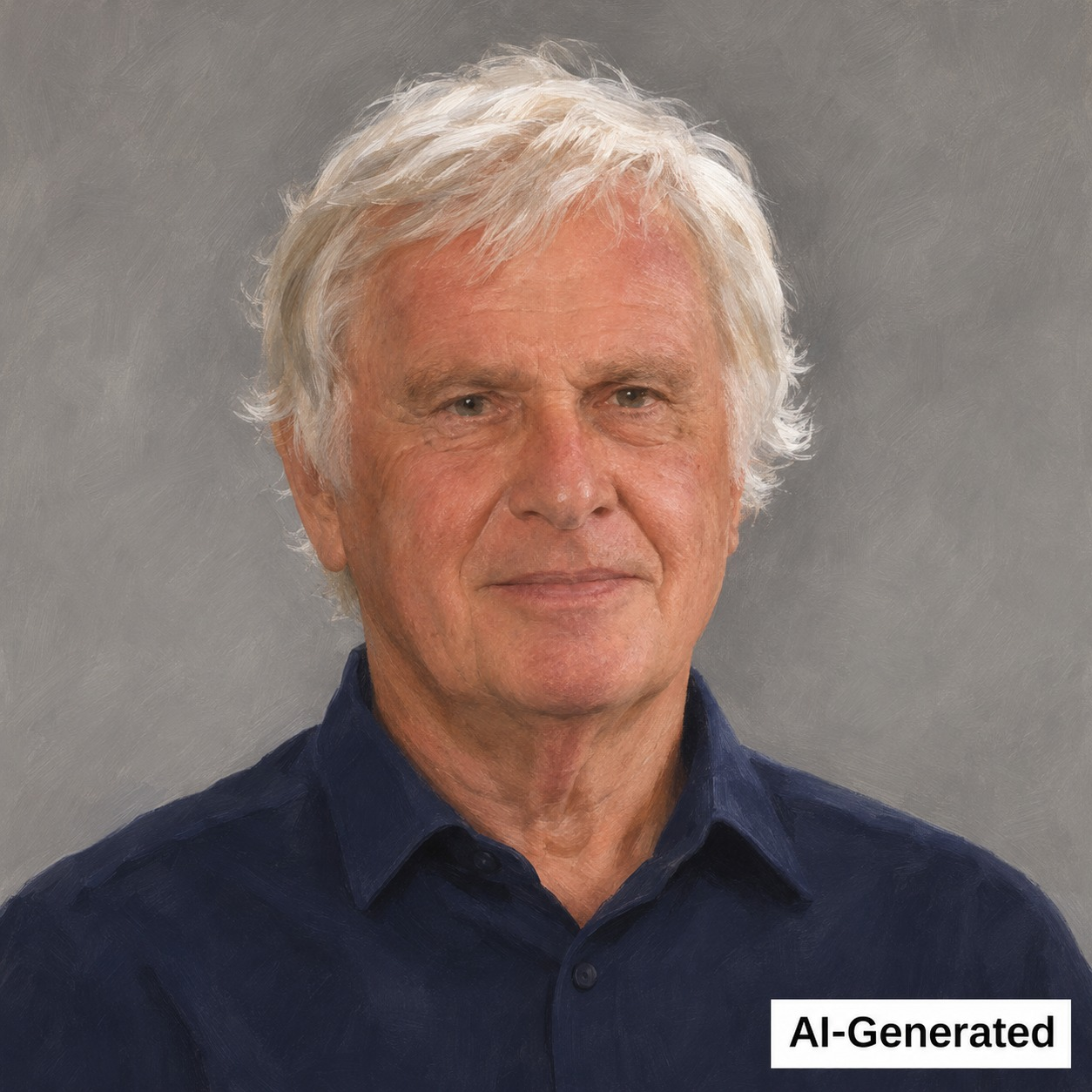
Peter Medak grew up Jewish and spoke publicly about believing in ghosts. The sources reviewed for this profile did not establish that he professed Christian faith. Those points should be kept separate: a person’s background, views of the supernatural, and beliefs about Jesus do not answer the same question.
Who Was Peter Medak?
Medak was a Hungarian-born director whose work ranged from The Ruling Class to The Changeling. He also directed television, including episodes of Homicide: Life on the Street and Breaking Bad. The Television Academy recorded his death on October 27, 2026. He was 88.
His career invited big questions about fear, guilt, power, and the stories people tell themselves. Yet the themes of a director’s films cannot serve as a statement of his personal religion. An artist can explore an idea without agreeing with every character who expresses it.
What Was Known About His Religious Background?
A New York Film Academy account published May 5, 2014, described Medak discussing his Jewish upbringing in Hungary and the danger his family faced during the Nazi period. The report came from a question-and-answer event with the director.
That supported a description of his background. It did not establish how he worshiped as an adult, how closely he followed Jewish religious practices, or what he believed about every question of faith. Jewish identity can include family, history, culture, and religious conviction. Those parts should not be treated as interchangeable.
No clear statement of Christian conversion appeared in the sources reviewed here. The careful answer was that his Jewish background was documented, while his full adult religious commitments remained unclear.
What Did He Say About Ghosts?
The same 2014 film-school report stated that Medak believed in ghosts and said he had seen them. It connected those experiences with the way he approached supernatural suspense on screen.
This was a specific public belief, but it did not make him a Christian. People from many religious traditions, and people with no formal religion, have believed in ghosts. The report also did not establish that he practiced a particular form of spirit communication. It would be unfair to add that claim.
A belief that something exists beyond ordinary sight still leaves important questions open: What is it? Is it trustworthy? What does it tell us about God?
A Filmmaker Looking Back at Painful Memories
In a 2019 Film Inquiry interview about The Ghost of Peter Sellers, Medak revisited a troubled film production. He explained that he still loved Sellers despite the hurt surrounding that experience. He wanted to preserve a record of what had happened.
That conversation showed how memory, affection, and disappointment could exist together. It was not a conversion testimony, and the documentary’s title was not a religious confession.
For readers, it raised a familiar question: How do we tell the truth about a painful experience without allowing it to become our whole identity? A career can carry wounds as well as achievements. Honest remembrance leaves room for both.
How Did These Questions Compare With the Bible?
The Bible takes the unseen world seriously while urging discernment. First John 4:1–3 tells believers to test spiritual claims. An unusual experience does not settle every question about its meaning. Christian belief needs a stronger foundation than the feeling that something mysterious occurred.
The New Testament also makes a clear claim about Jesus after his death. In Luke 24:36–43, the risen Jesus showed his disciples that he was bodily alive. Christian resurrection hope rests on that event, rather than on a general belief in surviving spirits.
On painful memories, Romans 12:17–21 calls Christians to reject revenge and pursue peace. That teaching does not require pretending that harm never happened. It asks people to bring their wounds before God without returning harm for harm.
The Christian Hope Behind the Question
Christianity centers on Jesus Christ, the Son of God. He lived without sin, died on the cross for sinners, and rose bodily from the dead. His victory is the basis of the gospel, as 1 Corinthians 15:3–4 explains.
We need that rescue because all people have sinned. Talent, courage, or a lasting body of work cannot remove guilt before God. Ephesians 2:8–10 describes salvation as God’s gift of grace, received through faith. Jesus calls people to repent and believe, turning from sin and trusting him.
That is the Christian answer to the reader’s own questions about forgiveness and life beyond death. It does not give this profile grounds to pronounce a verdict on Medak’s eternal destiny.
Sources
- Television Academy: Peter Medak biography and memorial date.
- New York Film Academy: Medak’s public Q&A, reported May 5, 2014.
- Film Inquiry: Alex Lines’s 2019 interview with Medak.
Image: AI-generated illustrative portrait of Peter Medak. This is not an authentic photograph. The image is visibly labeled AI-Generated.