What Is Billy Eichner’s Religion? Is He a Christian?

Portrait of Billy Eichner at the opening of Liberation in 2025

Billy Eichner has described a cultural connection to Judaism while expressing distance from religious belief. That is more precise than assigning him a Christian identity or assuming that heritage tells us everything about his present beliefs.

What Billy Eichner has said publicly

In a 2020 interview with The Hollywood Reporter, quoted by People, Eichner said he was not strongly religious but remained connected to Judaism culturally. The date matters: this is an account of what he said then, not a claim to know every development in his spiritual life since.

He also spoke with Terry Gross on Fresh Air in December 2016 about growing up in Forest Hills, Queens, in an Eastern European Jewish and Russian environment. The conversation explores his love of theater and his work on Billy on the Street. It helps place his comedy in its cultural setting without turning that setting into a detailed religious creed.

The sources reviewed for this profile do not establish a public profession of Christian faith. They also do not justify adding a more specific label that Eichner did not use in the cited statements. Cultural belonging, religious practice, and personal belief are related questions, but they should not be collapsed into one.

The performer behind Craig Middlebrooks

Parks and Recreation fans know Eichner as Craig Middlebrooks. Viewers of Billy on the Street know his fast, heightened comic style and his interest in celebrity culture. A performance can be loud, exaggerated, or confrontational while still being a performance.

That distinction protects us from treating a comic persona as the whole person. It also helps us read religious comments fairly. We should pay attention to the context of an interview rather than build a spiritual biography from a joke, a character, or a few seconds of video.

What does belonging give us?

People can remain deeply connected to a community through family memories, food, language, stories, and shared experience. That connection is real even when personal beliefs become complicated. Respecting it means listening carefully instead of insisting that another person fit the categories we find convenient.

Christians have a related reason to be careful with our own identities. A family tradition, a childhood church, or a cultural label may be important to us. Yet none of those things can answer the personal question of whether we trust Jesus Christ. Familiarity with Christian language is not the same as relying on the Savior.

This is not an attempt to speak for Eichner. It is an invitation for readers who identify as Christian to examine themselves. We should not ask searching questions about a public figure’s faith while refusing to ask any questions about our own.

When recognition becomes too important

Celebrity culture makes a lively subject for comedy because it reveals how much attention we give to recognition. We follow careers, debate who deserves an award, and wonder whether the people we admire will notice us. In ordinary life, the same desire can appear on a much smaller stage.

We want to be valued by our friends, respected at work, and included in the conversation. Those desires are understandable. Trouble begins when approval becomes our final authority. We may change the truth to win a laugh, hide our convictions to fit in, or treat an unpopular person as less worthy of care.

Jesus asks what it profits a person to gain the whole world and lose his soul (Mark 8:36). His question exposes the limits of being known by other people. Their attention cannot remove guilt, defeat death, or give us peace with God. Our worth and our hope need a stronger foundation.

God sees more than our public identity

The Bible presents God as holy and just. His commands require truth, faithfulness, and love, not merely an appealing image. Have I lied when honesty would cost me? Have I coveted another person’s life? Have I used words to wound or manipulated a relationship for my own advantage? Have I given created things the place God deserves?

These questions apply to the writer and reader. They are not allegations about Eichner. Romans 3:23 teaches that all have sinned. Being religious does not create an exemption, and being likable does not erase guilt. We need forgiveness that reaches deeper than public approval.

Grace is offered through Jesus Christ

Jesus, the eternal Son of God, became truly human and lived without sin. He loved the Father perfectly and never treated another person as a prop for his own importance. His righteousness stands in contrast to our repeated failures.

At the cross, Jesus willingly took the place of sinners and bore the judgment we deserve. He died, was buried, and rose bodily from the dead. Christian faith rests on this crucified and risen Lord, not on a general feeling that spiritual things might be helpful (1 Corinthians 15:3–4).

Salvation is a gift of grace received through faith, not something earned by works or inherited from a family (Ephesians 2:8–10). Faith trusts Christ and what he has done. Repentance is a change of mind that turns us toward God and away from defending sin. It begins to produce a changed life, including honesty, humility, and love. These changes are the fruit of salvation, not its price.

A personal response beyond the label

We can report Eichner’s own words, appreciate his work, and respect the limits of what we know. Then we can consider the question that belongs to each of us: What am I relying on before God?

If you want to explore the Christian answer, read the Gospel of Mark. Notice how Jesus welcomes people, confronts sin, and gives his life. The invitation is not to become famous, impressive, or culturally acceptable. It is to turn to the living Savior and trust his mercy.

Sources and image credit

Portrait: PhilipRomanoPhoto, October 28, 2025, via Wikimedia Commons, CC BY-SA 4.0. Resized. No endorsement by the subject or photographer is implied.


What Is Paul Schneider’s Religion? Is He a Christian?

AI-Generated portrait of Paul Schneider

Paul Schneider’s religion is not clearly established in the reliable public sources reviewed for this profile. We did not find a direct statement that supports calling the Parks and Recreation actor a Christian, an atheist, or a member of a particular faith. That uncertainty should remain part of the answer.

Which Paul Schneider?

This article is about the actor who played Mark Brendanawicz on Parks and Recreation, not the German pastor of the same name or another performer with a similar surname. Names can make internet research confusing. A religious statement belongs to the person who actually made it, not to everyone who appears in the same search results.

Schneider’s screen work also includes All the Real Girls, Bright Star, and The Daughter. In his January 2017 interview with Gary Kramer for Salon, he discusses his interest in collaboration and his response to scripts and filmmakers. Those comments help explain his work. They do not amount to a statement of religious belief.

A character named Christian is not a confession of faith

In The Daughter, Schneider plays a man named Christian. The same interview discusses the character’s choices and the trouble caused by revealing a painful truth. It would be a basic mistake to take that character’s name, conduct, or motives as evidence about Schneider’s religion.

The rule is simple but useful: distinguish the actor, the role, and the interpretation of the story. A performer may understand a character deeply without agreeing with him. We can examine a film’s moral questions while leaving the actor’s private convictions alone.

The sources below do not establish his current church involvement, views of Jesus, or religious practice. That is not a negative judgment. It is a boundary on what this article can responsibly report. The Christian reflection that follows belongs to Famous Faith.

Is telling the truth always the same as loving someone?

Truth and love belong together, but human beings often pull them apart. We may hide something important and call our silence kindness. Or we may speak a true fact in the harshest possible way and call our cruelty honesty.

Ephesians 4:15 joins truth with love. A few verses later, the same chapter calls for speech that builds others up according to their needs. That does not mean making every conversation pleasant. Sometimes love requires a difficult correction, a confession, or the exposure of serious wrongdoing. It does mean that another person’s good should matter to us.

Before speaking, we can ask: Is this mine to share? Am I certain it is true? Does the person need to hear it from me? Am I trying to help, protect, or repair something, or am I trying to win? These questions do not replace honesty. They help expose the motives that can turn a true sentence into a weapon.

We also need courage when truth costs us something. It is easy to admire honesty in a film and then avoid admitting our own mistake. The Bible’s concern is not merely how well we analyze another person’s story. It is whether we are willing to live truthfully before God.

The truth about our own hearts

God’s law forbids false witness, theft, adultery, and coveting. Jesus teaches that the heart matters, including the anger and lust behind outward actions (Matthew 5:21–30). God is holy and just. He does not assess us only by the story we tell about ourselves.

Have I lied to escape consequences? Have I withheld the truth to keep an advantage? Have I enjoyed passing along something damaging? Have I demanded honesty from another person while protecting my own excuses? The author of this article must face these questions alongside every reader. They are not allegations about Schneider.

Romans 3:23 says that all have sinned. Once we recognize that, we cannot solve our problem simply by promising to be more transparent tomorrow. A better future does not make past guilt disappear. We need someone who can deal with our sin without denying either God’s justice or our need for mercy.

Jesus brings truth and mercy together

The gospel begins with God’s action for people who cannot save themselves. Jesus Christ is the eternal Son of God, who became truly human. He lived a sinless life, speaking truth without deceit and loving without selfishness. He fulfilled the obedience that we owe to God.

Jesus then willingly died on the cross in the place of sinners. He bore the judgment our wrongdoing deserves. His sacrifice shows that sin is serious enough to require judgment and that God’s mercy is costly, not careless. Jesus was buried and rose bodily from the dead. The risen Lord offers forgiveness and new life through what he has accomplished (1 Corinthians 15:3–4).

We receive salvation by grace through faith, not by building an impressive record of moral improvement (Ephesians 2:8–10). Faith trusts Christ. Repentance means a changed mind that turns toward God and away from defending sin. It leads to a changed direction in life, including honest confession and the desire to make things right where we can.

Those changes matter, but they are not the price of God’s forgiveness. They grow from receiving it. Because Christ has dealt with sin, the Christian can begin to tell the truth without believing that one exposed failure must destroy every hope.

A question we can answer personally

Schneider’s public religious identity remains unconfirmed here. Our own response to Jesus need not remain a distant subject. Read John’s Gospel and consider the Savior who is full of grace and truth. Ask what you are hiding, what you are trusting, and whether you are willing to come to him honestly. Christian hope rests in being forgiven by the Lord who already knows the whole story.

Sources

Image: AI-generated illustrative portrait of Paul Schneider, created for Famous Faith. The “AI GEN” badge identifies it as a synthetic image.

What Is Jim O’Heir’s Religion? Is He a Christian?

Jim O’Heir at GalaxyCon Louisville in 2019

In a May 2012 A.V. Club interview, Jim O’Heir recalled attending a Catholic church. His current religious practice is not established here. The available evidence does not support a more detailed claim about his present beliefs or a confident statement about his personal relationship with Jesus.

Beyond the office jokes

O’Heir is widely recognized as Jerry Gergich on Parks and Recreation. His 2024 book, Welcome to Pawnee: Stories of Friendship, Waffles, and Parks and Recreation, looks back on making the series. In December 2024, he discussed that book with WBUR’s Here & Now. The actor’s place in the show has made him a familiar face to viewers who return to Pawnee for comfort and laughter.

Jerry is often the target of the office’s jokes. That fictional situation gives us something worth thinking about, but it should not become a shortcut to describing O’Heir himself. A character’s patience is not a religious testimony from the performer. A warm public personality is not a complete statement of faith either.

Keeping the answer within the evidence

When someone asks whether an actor is a Christian, they may mean several different things. Did he grow up around Christianity? Does he identify with a church? Has he spoken about trusting Jesus? Those questions overlap, but they are not interchangeable.

This profile can report the dated statement above. It cannot supply a current church affiliation, a conversion account, or a private spiritual history that the sources do not establish. Nor should the uncertainty be treated as proof against faith. A person may keep important convictions out of entertainment interviews.

Famous Faith approaches the question from a Christian perspective. That means we should care about truth as well as the message we want to share. We do not need to make a celebrity’s story more definite in order to explain what the Bible teaches.

Who becomes the easy target?

Comedy often depends on exaggeration. In a story, a running joke can become part of the group’s rhythm. Real life requires more care. A person who is repeatedly laughed at may carry a weight that the rest of the room never sees.

The Bible says people are made in God’s image (Genesis 1:27). Their worth does not rise or fall with their quickness, confidence, popularity, or ability to answer a joke. James 3 warns about the contradiction of praising God while using our tongues against people made in his likeness. A Christian cannot solve that contradiction by saying everyone else was laughing too.

That gives us a practical test. When someone makes a mistake, do I help them recover or make the story more entertaining at their expense? Do I talk differently when the person leaves the room? Have I decided that one colleague, relative, or classmate is safe to dismiss?

These questions are not judgments about O’Heir or his fellow cast members. They are a way of letting a familiar television situation direct our attention toward our own conduct. The most useful moral reflection begins with the person looking in the mirror.

Kindness matters, but it cannot erase guilt

God commands us to speak truthfully, honor others, and love our neighbors. He also sees what lies behind our words: pride, anger, envy, and the wish to look better by making someone else seem small. Jesus teaches that sin reaches beyond the outward act into the heart (Matthew 5:21–30).

We have all failed to love perfectly. That includes the writer of this article. Romans 3:23 does not divide the world into admirable religious people and everyone else. It says all have sinned. A holy and just God takes that failure seriously, even when our culture treats it lightly.

Deciding to be kinder is good, but it cannot undo every cruel word or make us innocent before God. We need forgiveness for what is already true about us, along with help to live differently. The gospel addresses both needs without asking us to pretend that we have always been the kind person in the room.

The Savior who came for sinners

Jesus Christ is the eternal Son of God who became truly human. He lived without sin, loving God and people with perfect faithfulness. He was never careless with truth or cruel for the sake of applause. He fulfilled the righteousness we lack.

At the cross, Jesus willingly suffered and died in the place of sinners. He bore the judgment our rebellion deserves. He was buried and rose bodily from the dead, defeating death and establishing the hope of everyone who trusts him (1 Corinthians 15:3–4).

Forgiveness is received by grace through faith, not earned through a record of pleasant behavior (Ephesians 2:8–10). Faith relies on Jesus and his finished work. Repentance is a changed mind that turns us toward God and away from excusing our sin. That turn produces changes in life, including the way we speak, apologize, and treat people with less social power.

We do not become gracious to purchase salvation. We learn grace because Christ has shown mercy to people who could not save themselves. The forgiven person has a reason to stop making superiority the goal of every conversation.

An invitation to take people seriously

O’Heir’s work can make us laugh and still prompt a thoughtful question: Who am I overlooking? Start with a real person nearby. Then consider the deeper question of your own standing before God. Read Luke’s Gospel, where Jesus repeatedly notices people others dismiss. His welcome is not based on fame or social ease. It is a call to turn to him, receive mercy, and follow.

Sources and image credit

Portrait: Super Festivals, GalaxyCon Louisville, 2019, via Wikimedia Commons, CC BY 2.0. No endorsement by the subject or photographer is implied.

What Is Retta’s Religion? Is She a Christian?

Portrait of Retta at the opening of Proof in 2026

Retta’s current religious beliefs are not clearly established by the interviews reviewed for this profile. Some online biographies describe a church background, but the available first-person sources used here do not provide enough detail to confirm her present denomination or a personal Christian profession. The fair answer is to leave that question open.

Fans know Retta as Donna Meagle on Parks and Recreation and Ruby Hill on Good Girls. Her comic timing and strong screen presence make people curious about the person behind those roles. Curiosity is natural. It should be joined to care when the subject is someone’s faith.

What her interviews do tell us

In an interview with Gerry Strauss for EDGE, Retta describes studying at Duke, working in chemistry, and deciding to pursue performance. She explains that she approached the move into comedy by observing how other sitcom stars had built their careers. She also speaks warmly about the loyalty between the characters on Parks and Recreation.

In a 2012 Essence interview, she explains that the show’s writers sometimes borrowed details from the performers’ personalities, while still deciding what happened to the characters. That is a helpful reminder: an actor and a role can overlap in small ways without being the same person. Neither Donna’s pleasures nor Ruby’s difficult choices establish Retta’s spiritual convictions.

Why an uncertain answer is still an answer

A religious biography should distinguish three different things: the community someone grew up in, the beliefs they have publicly expressed, and the faith they hold now. Evidence about one does not automatically settle the others. An old affiliation may matter, but it cannot be treated as a complete account of an adult life.

Likewise, the absence of a clear public statement does not establish atheism or hostility toward Christianity. People may discuss their work much more often than they discuss their beliefs. We cannot turn that silence into a confident conclusion. This article’s Bible discussion is Famous Faith’s perspective, not a claim that Retta endorses it.

Enjoying good things without asking them to save us

Donna’s association with treating oneself gives viewers a lighthearted way to talk about pleasure. There is a serious question nearby, though: What place should enjoyment have in our lives? Christians sometimes answer as if the world’s ordinary gifts were all suspect. At other times we act as if getting more of them could solve every problem.

The Bible gives us a better way to think. God’s good gifts can be received with thanksgiving (1 Timothy 4:4). A meal with friends, a useful purchase, music, and a day of rest can be welcomed. Gratitude does not require us to pretend that these things last forever or can carry the weight of our deepest hopes.

Jesus warns against locating life in an abundance of possessions (Luke 12:15). The problem is not that every pleasure is wrong. The problem is that our hearts readily ask created things to do the Creator’s job. We may depend on comfort to quiet guilt, shopping to supply identity, or applause to tell us we are worth loving. These are questions for us as readers, not guesses about Retta.

The law exposes what is underneath

God commands us to love him above all and love our neighbors. He also forbids coveting, dishonesty, theft, and unfaithfulness. Those commands reveal more than obvious crimes. They expose the heart that wants everything centered on itself.

Have I resented someone else’s success? Have I shaded the truth to get what I want? Have I kept money, attention, or time for myself when love called me to give? Have I used God’s name carelessly while demanding respect for my own? The writer of this page belongs under those questions just as much as anyone reading it.

Romans 3:23 says all have sinned. A holy and just God does not dismiss wrongdoing because we can also point to our talents, generosity, or good intentions. Our problem calls for forgiveness, not simply a nicer mood or a more balanced lifestyle.

A gift we cannot buy for ourselves

The gospel is the announcement of God’s rescue through Jesus Christ. Jesus is the eternal Son of God, who became truly human and lived without sin. He loved perfectly where we have loved selfishly. He obeyed the Father completely where we have chosen our own way.

On the cross, Jesus willingly bore the judgment that sinners deserve. He died in our place, was buried, and rose bodily from the dead. His resurrection confirms that Christian hope is grounded in the living Savior, not in our ability to turn ourselves into better people (1 Corinthians 15:3–4).

We are saved by grace through faith, not by earning enough moral credit (Ephesians 2:8–10). Faith receives Christ and relies on his work. Repentance is a change of mind that turns us toward God and away from defending our sin. That inward turn begins to produce a different life. Generosity, truthfulness, and love become fruits of grace rather than attempts to purchase it.

A deeper source of joy

We can enjoy Retta’s talent while respecting what she has chosen to make public. Her religious identity need not be forced into a tidy answer for us to ask a worthwhile question of ourselves: What am I trusting to satisfy me?

Jesus offers something neither fame nor ordinary comfort can secure: peace with God. Read John’s Gospel and consider his invitation to come to him. The joy of being forgiven does not make every day easy. It gives our days a foundation that the next purchase, achievement, or burst of applause cannot provide.

Sources and image credit

Portrait: PhilipRomanoPhoto, April 16, 2026, via Wikimedia Commons, CC BY-SA 4.0. Resized. No endorsement by the subject or photographer is implied.

What Is Rob Lowe’s Religion? Is He a Christian?

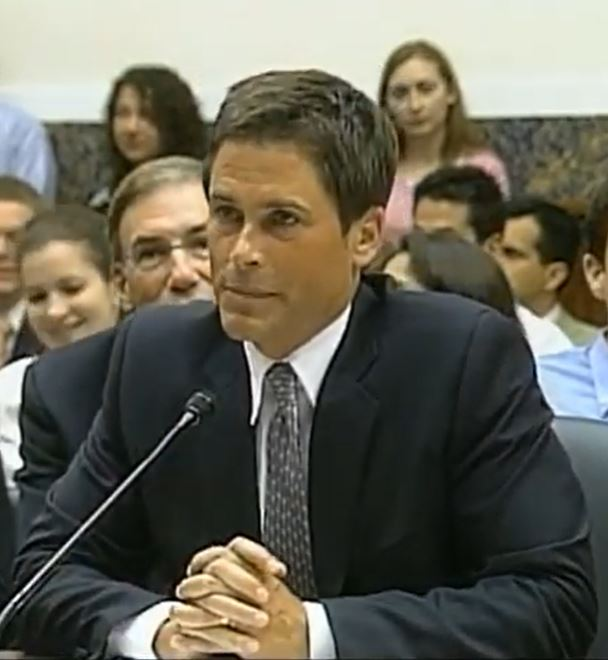
Rob Lowe speaking in 2011, wearing a suit and tie

Rob Lowe has spoken publicly about prayer, a Methodist family background, and a spiritual life shaped by recovery. Those statements are meaningful, but they do not by themselves establish his present church membership or a specific Christian profession. The most careful answer is to describe what he has actually said and keep the remaining questions open.

What Rob Lowe has said about faith

In his August 10, 2020 conversation with Jay Shetty on On Purpose, Lowe said his family were Methodists and recalled attending church with his grandfather. He described being uncomfortable with God-language and prayer earlier in his life, then growing to value kneeling in prayer. By that interview, he said prayer had become an important part of his life. He connected this growth with humility and the recovery idea of a power greater than oneself.

That is a dated account, not a complete statement of theology. The sources reviewed here do not settle his current denomination or his understanding of every central Christian teaching. It would be too strong to turn a discussion of spirituality into a detailed conversion story he did not give.

Chris Traeger is a role, not a religious statement

On Parks and Recreation, Lowe plays Chris Traeger, a character associated with optimism and intense attention to health. Audiences can enjoy that performance without treating a scripted outlook as the actor’s personal creed. A fictional person’s confidence, fears, or habits are not evidence of the performer’s relationship with God.

The distinction matters in both directions. Playing someone admirable does not prove Christian faith. Playing someone whose choices trouble us does not prove a rejection of faith. Public interviews can supply evidence about an actor’s beliefs; a character’s lines cannot do that job.

What happens when self-sufficiency runs out?

Most of us like to think that we can handle life if we find the right plan. We will work harder, get organized, improve our habits, and keep our promises. These can be worthwhile goals. Yet sooner or later we meet a limit that effort alone does not remove.

The Christian response to that limit begins with honesty. We are creatures, not our own creators. We depend on gifts we did not manufacture: life, breath, other people, and a world we did not build. Recognizing dependence need not mean giving up responsibility. It can mean finally admitting the truth about our place in the world.

Still, the Bible goes beyond the general idea that something is bigger than us. It identifies the living God as the holy Creator who made us, knows us, and calls us to himself. Christian faith has a definite object. It rests on who God has revealed himself to be in Jesus Christ, not simply on the comfort of feeling connected.

Humility before a holy God

In Luke 18:9–14, Jesus tells of two men who go to pray. One lists the ways he differs from other people. The other asks God for mercy. The story challenges the religious reader first. We can turn even prayer into a way of congratulating ourselves.

God’s law takes away that hiding place. Have I told the truth when a lie would protect my image? Have I honored God in my thoughts and speech? Have I treated another person as someone to love, rather than someone to use? Have I desired what belongs to my neighbor? These are questions for the writer and reader, not accusations about Lowe’s private life.

Our answers reveal why we need more than encouragement. Romans 3:23 says that everyone has sinned. God is just, so guilt cannot be erased by pretending evil does not matter. Neither public success nor private progress can pay the debt of our wrongdoing. We need mercy that deals with sin truthfully.

The good news is centered on Jesus

Jesus Christ is God’s eternal Son who became truly human. He lived the sinless life we have failed to live, loving the Father and his neighbors perfectly. At the cross he willingly gave himself for sinners, bearing the judgment we deserve. This is the Christian meaning of a substitute: Jesus takes the place of guilty people who could not rescue themselves.

He was buried and rose bodily from the dead. The resurrection is not merely a picture of starting over. Christianity makes a claim about what happened to Jesus and why his victory matters. The risen Lord offers forgiveness and new life because of his completed work, not because we have made ourselves worthy.

Salvation is by grace through faith, not a wage for good behavior (Ephesians 2:8–9). We receive Christ by trusting him. Repentance involves a changed mind and a turn toward God, away from defending our sin. That change begins to bear fruit in everyday life: honesty, mercy, restitution where needed, and growing obedience. Those fruits are results of grace, not its purchase price.

Where the question leads us

Lowe’s public discussion can prompt a useful question about dependence. The Bible presses that question further: Will I entrust myself to the Savior God has provided? The answer cannot be borrowed from a celebrity, a family tradition, or an inspiring conversation.

If you want to explore it, read Luke’s Gospel and notice whom Jesus welcomes, what he teaches about sin, and why he goes to the cross. Christian hope allows us to stop pretending that we are enough. It directs us to the Lord whose mercy is greater than our ability to repair ourselves.

Sources and image credit

Image: HouseResourceOrg, 2011, via Wikimedia Commons, CC BY 3.0. Still from the credited source video. No endorsement by the subject or image creator is implied.

What Is Adam Scott’s Religion? Is He a Christian?

Portrait of Adam Scott in 2023

In April 2026, Adam Scott told The Guardian he was “probably closer to agnostic.” That public statement is the clearest answer found for this profile. It does not give us permission to fill in every part of his private spiritual life. Nor should a reader confuse the actor with the professional golfer who shares his name.

The actor behind Ben Wyatt

Scott plays Ben Wyatt on Parks and Recreation. He is also known for Party Down and Severance. Rachel Syme’s December 2024 New Yorker profile describes the long stretch of smaller parts and auditions that preceded those successes. His career makes an interesting starting point for a question many people recognize: Who am I when my work does not prove that I matter?

That question belongs to this article’s Christian reflection. It is not a claim about Scott’s inner struggles or the reason for his religious views. A performer can bring complicated people to life without sharing their convictions. Ben’s loyalty, awkwardness, or choices in a story cannot serve as a statement of the actor’s faith.

What can we say about his religion?

The dated interview linked below should carry more weight than a celebrity database that assigns a religion without explaining its evidence. A religious label also needs careful handling. In ordinary use, agnosticism concerns what someone knows, or thinks can be known, about God. Different people use the term in different ways. We should not attach an entire philosophy to someone on the strength of a short answer.

This review did not establish a clear public profession of Christian faith. That is a limit of the evidence, not a verdict about his heart. Christian reporting should be willing to leave a question open when the record does not answer it. Accuracy is part of loving our neighbor, including a neighbor we know only through a screen.

Can we divide life into separate selves?

Work, family, friendships, and private thoughts can feel like separate rooms. We may present one version of ourselves at the office and another at home. A third version appears online. It is possible to become skilled at managing these versions while avoiding the question of whether they fit together.

The Bible describes a God who sees the whole person. Psalm 139 speaks of God knowing our thoughts and ways. Hebrews 4:13 says that nothing in creation is hidden from him. This can sound frightening, especially when we remember what we would rather keep out of sight. Yet being fully known also means that our deepest need cannot be mistaken for a public relations problem.

We do not need only a better image. We need forgiveness and a changed heart. The same God who sees our good work also sees the envy behind a friendly smile, the dishonest excuse, the lust we feed, and the resentment we protect. None of these charges is aimed at Scott. They are questions that the author and reader must face for ourselves.

God’s law reaches behind the performance

The Ten Commandments call us to worship God, honor his name, tell the truth, remain faithful, and refuse theft and coveting. Jesus explains that God’s commands reach the heart, not just outward behavior (Matthew 5:21–30). Keeping our reputation intact does not make us innocent before a holy and just God.

Romans 3:23 teaches that all have sinned. That includes people with religious confidence and people with doubts. It includes the person writing a Christian article. We cannot cancel guilt by collecting achievements, becoming more likable, or comparing ourselves with someone who seems worse. Good deeds matter, but they cannot make past evil disappear. God’s justice is not fooled by a successful performance.

Jesus offers more than a new role

The gospel announces what God has done for guilty people. Jesus Christ, the eternal Son of God, became truly human. He lived without sin, obeying the Father perfectly in thought, word, and action. He did not merely offer advice about how to live a more meaningful life.

At the cross, Jesus willingly bore the judgment sinners deserve. His death was a sacrifice in our place, not a reward for our improvement. He was buried and rose bodily from the dead. The risen Jesus is Lord, and his victory means that sin and death do not have the final word (1 Corinthians 15:3–4).

Ephesians 2:8–10 explains that salvation is God’s gift, received through faith rather than earned by works. Faith means relying on Christ himself, not trusting that our spiritual interest, church attendance, or moral effort will be enough. Repentance means turning to God with a changed mind about sin and Christ, a change that begins to reshape the way we live. Obedience follows grace; it does not buy grace.

A question for the person watching

We can appreciate Scott’s work without making him a spiritual guide. The more personal question is what we do with Jesus. If you are uncertain, read a Gospel with that uncertainty honestly in view. Consider who Jesus claims to be, why he dies, and what his resurrection would mean. Bring your questions to a trustworthy Christian who will listen and open the Bible with you.

Christian hope is not that we finally create an impressive version of ourselves. It is that the Savior who knows the truth about us can forgive us and make us new.

Sources and image credit

Portrait: Philip Romano, 2023, via Wikimedia Commons, CC BY-SA 4.0. Resized for display. This Christian commentary does not imply the photographer’s or subject’s endorsement.

What Is Rashida Jones’s Religion? Is She a Christian?

Rashida Jones at Digitas NewFront in 2012

Rashida Jones has publicly identified with Judaism and described a broad interest in religious life. Her interviews include both Jewish observance and experiences with other traditions. The sources reviewed do not establish that she identifies as Christian. A fair account should preserve the differences between heritage, personal practice, and intellectual curiosity.

Her own account of Jewish practice

In a March 16, 2009 interview with Kam Williams for Blackfilm, Jones said she grew up in Reform Judaism and still attended synagogue on the High Holidays. She explained that she did not keep kosher and had not had a bat mitzvah. Those details describe the practice she reported then; they should not be silently updated into claims about her current routine.

The interview is useful because it records her own answer instead of guessing from her family name or appearance. Jewish identity can involve religion, family, history, and culture. No single detail tells us everything about how an individual understands that identity.

A wider religious curiosity

In a July 7, 2024 New Yorker interview, Jones recalled visiting a meditation ashram while growing up, spending time in India, singing in a church choir, and continuing Jewish observance. She also discussed studying religion and philosophy at Harvard. Her account conveys an interest in religious ideas and experiences across traditions.

Participation in a choir does not by itself establish Christian belief, just as visiting a religious setting does not necessarily mean adopting all its teachings. The most responsible summary is that Jones has described Jewish practice alongside a wider spiritual and academic exploration. Her exact present commitments should not be filled in by assumption.

Ann Perkins and the work of friendship

In Parks and Recreation, Jones plays Ann Perkins, whose friendship with Leslie Knope helps anchor the show. Their conversations often bring grand plans back to ordinary human concerns. A friend can be enthusiastic and still need someone who listens, questions, and helps her see what she has missed.

Ann is a fictional character. Her choices do not provide a shortcut to Jones’s personal beliefs. Still, the friendship invites a useful reflection: people need more than admirers. We need companions who can encourage us without surrendering honesty.

Proverbs 27:6 recognizes the value of faithful correction from a friend. The point is not that harshness is proof of love. It is that love sometimes risks an uncomfortable conversation for another person’s good. Christians should practice that kind of care with humility, remembering how much correction we need ourselves.

Respecting people while examining ideas

Interest in different traditions can encourage careful listening. People often discover that a neighbor’s beliefs are more complex than the stereotype they had inherited. That discovery should make conversations more thoughtful and less dismissive.

Respect, however, does not require saying that every religious claim means the same thing. Traditions differ about God, human nature, salvation, and Jesus. Those differences matter to the people who hold the beliefs. Flattening them into a vague message that all paths are identical can actually prevent understanding.

Christianity shares Israel’s Scriptures and affirms that Jesus was Jewish. It also makes a distinct claim: Jesus is the Messiah and Son of God, whose death and resurrection bring salvation. Explaining that conviction should never become an excuse for contempt toward Jewish people or anyone else. Romans 11:18 warns Gentile believers against arrogance.

Knowledge is not the same as reconciliation

Studying religion can teach us how people worship, interpret texts, and organize their lives. It can uncover questions we did not know to ask. But learning about God and being reconciled to God are not identical. An academic achievement cannot replace personal trust.

The same warning applies inside churches. A person may know Bible facts, recognize theological terms, and win arguments while avoiding repentance. Jesus repeatedly challenged outward religion that concealed pride. The question for Christians is not only whether we can explain a doctrine, but whether we are responding honestly to the God it describes.

We should not assume that this describes Jones’s private life. It is a biblical distinction for the writer and reader to consider. Celebrity profiles are most useful when they turn curiosity into careful thought rather than an opportunity to place ourselves above someone else.

The need we all share

God’s law commands love for him and for our neighbors. Have we always spoken truthfully? Have we honored others without envy, cruelty, or selfishness? Romans 3:23 teaches that all have sinned and fall short of God’s glory. Our backgrounds differ, but our need for mercy is shared.

Good intentions, religious observance, and intellectual achievement cannot erase guilt. God is holy and just. A favorable comparison with another person does not make us innocent before him. The Bible’s diagnosis therefore points beyond self-improvement to the need for a Savior.

The Christian hope in Jesus

Jesus Christ became truly human and lived without sin. He willingly died on the cross as the substitute for sinners, bearing the judgment we deserve. He was buried and rose bodily from the dead on the third day. First Corinthians 15:3–4 summarizes this good news.

Salvation is by grace through faith, not earned by works, as Ephesians 2:8–9 explains. We trust Christ’s finished work for forgiveness. Repentance involves a changed mind toward God and our sin, with a changed life following as fruit. Neither ancestry nor religious expertise can take the Savior’s place.

Jones’s interviews deserve an accurate reading on their own terms. The gospel also deserves a clear hearing: God offers mercy through Jesus to people from every background. That invitation calls each of us to consider where our own hope rests.

Sources and image credit

Dated interviews are linked above. Photograph: Digitas Photos, via Wikimedia Commons, CC BY 2.0. Cropped portrait from 2012, displayed at web size.

What Is Aziz Ansari’s Religion? Is He a Christian?

Portrait of Aziz Ansari at the 2012 Peabody Awards

Aziz Ansari has publicly described himself as not religious, while explaining that his parents are Muslim. In a 2017 interview, he also resisted being pushed into the label atheist. The most accurate account follows those distinctions rather than assuming his family’s religion defines his personal beliefs. The sources reviewed do not establish a Christian profession of faith.

What Ansari said about religion

Speaking with Terry Gross on Fresh Air on May 24, 2017, Ansari discussed his Muslim family background and growing up in South Carolina. When asked whether he called himself an atheist or a Muslim, he expressed discomfort with the connotations of the atheist label. His own concise description was, “I’m not really a religious person.”

That answer is clearer than a label imposed from outside. It distinguishes family tradition from personal commitment and avoids making a stronger claim about his beliefs than he chose to make. Because the interview is dated, it also should not be presented as a newly issued statement.

Family affection can survive disagreement

Questions about faith are sometimes questions about belonging. A parent may hear religious disagreement as rejection of the family. An adult child may feel pressure to appear more convinced than they are. Those tensions can exist even where people love one another deeply.

Ansari’s work in Master of None explores a family’s religious differences, while his role as Tom Haverford in Parks and Recreation offers a different comic world. Fiction may draw on experience, but it remains fiction. A character’s words should not be silently substituted for the actor’s own statements.

For Christians, honest disagreement does not cancel the call to honor parents and love neighbors. Respect is compatible with saying what we believe. Pretending to share a conviction may avoid an awkward conversation, but it cannot create faith. Patience and truthful speech belong together.

Can inherited belief be examined?

Many people first encounter religion through their families. Others inherit a strongly nonreligious outlook. In either case, the setting in which a belief was learned does not by itself prove that the belief is true or false. A claim needs to be examined, not accepted or dismissed merely because it is familiar.

Christianity makes claims about events, including Jesus’ death and resurrection. In 1 Corinthians 15, Paul treats the resurrection as essential to Christian hope, not as a detail that can be removed without changing the faith. Asking whether it happened is therefore a serious and appropriate question.

The Bible also challenges borrowed religious appearances. Being surrounded by Christians, using religious language, or following family customs does not make a person right with God. Personal trust matters. Christians should welcome sincere questions rather than treating family loyalty as a substitute for conviction.

Tom Haverford and the hunger for status

Tom’s enthusiasm for luxury, success, and an impressive public image gives Parks and Recreation many of its jokes. His plans can become larger than his resources. Viewers may laugh because the exaggeration reveals something recognizable: we too can want to look successful before we have considered what success is for.

This is a reflection on the character and on a common human temptation, not a claim about Ansari’s private motives. The Bible warns against making possessions the measure of life. Jesus’ teaching in Luke 12:15 challenges the idea that having more will finally make us secure.

Gratitude offers a different starting point. We can enjoy food, friendship, and useful work without turning them into proof of superiority. Generosity loosens the grip of comparison. Yet even these good habits cannot answer every question about guilt, death, or our relationship with God.

A moral standard beyond the audience

Comedy depends partly on response: did the audience laugh? Moral truth cannot work that way. A room may approve something cruel, and a popular person may still act wrongly. Likewise, a person who is disliked may speak the truth. Our worth and responsibility cannot rest entirely on public reaction.

God’s law reaches the things we prefer to excuse. Have we always told the truth? Have we loved our neighbors as ourselves? Have we coveted what belongs to someone else or treated another person as a means to our own comfort? Romans 3:23 says all have sinned and fall short of God’s glory.

That includes people with religious backgrounds and people without them, along with the writer and reader. Religious observance cannot erase guilt, and rejecting religion does not make moral responsibility disappear. We need more than approval, a fresh label, or another chance to improve our image.

Why Christians point to Jesus

Jesus Christ is the Son of God who became truly human. He lived without sin and willingly died on the cross as the substitute for sinners, bearing the judgment we deserve. He was buried and rose bodily from the dead on the third day. This is the good news summarized in 1 Corinthians 15:3–4.

According to Ephesians 2:8–9, salvation is by grace through faith, not by works. We receive forgiveness through trusting Christ’s finished work. Repentance involves a changed mind toward God and our sin, and that change bears fruit in how we live. Good deeds follow salvation rather than purchasing it.

Ansari’s public answer deserves to be reported fairly, without stereotypes about his name or parents. The Christian invitation also deserves to be heard accurately: forgiveness is offered through Jesus, not earned by inheriting the right family tradition or performing a religious identity.

Source and image credit

The dated Fresh Air interview is linked above. Photograph: Peabody Awards, via Wikimedia Commons, CC BY 2.0. Portrait from 2012, displayed at web size.

What Is Aubrey Plaza’s Religion? Is She a Christian?

Portrait of Aubrey Plaza at the Parks and Recreation premiere in 2009

Aubrey Plaza grew up Catholic and attended Catholic school. Her current religious practice is not clearly established in the sources reviewed. Her acting roles and deadpan humor should not be used as substitutes for a personal confession of faith.

The Catholic school years she remembers

In a 2017 Fresh Air interview carried by LAist, Plaza discussed attending Ursuline Academy, an all-girls Catholic school. She described being active in student leadership, including student council. Her account challenged the assumption that she had always been like April Ludgate, the detached character she played in Parks and Recreation.

Her July 2017 Los Angeles Times interview identifies a Catholic upbringing and nonpracticing status at that time. It does not establish her current beliefs.

These sources provide a useful boundary. Religious education can shape a person’s vocabulary, memories, and imagination even when adult practice changes. It would be misleading to erase that upbringing. It would also be misleading to treat it as proof that nothing has changed since childhood.

April Ludgate is a role

Plaza’s performance as April relies on understatement, awkward pauses, and a refusal to give people the enthusiastic response they expect. Within the show, that guarded exterior makes moments of affection or commitment stand out. It is a comic creation, not a documentary account of Plaza’s inner life.

This distinction becomes especially important when an actor plays religious or supernatural characters. A performer may portray a nun, a villain, or someone with unusual spiritual ideas without sharing the character’s convictions. A costume is not a creed, and a screen credit is not evidence of conversion.

The same care belongs in the way we read interviews. Humor can involve exaggeration, irony, or deliberate discomfort. A surprising remark needs context before it becomes a headline about what someone supposedly worships. Christian truthfulness should make us more careful about such claims, not less.

What sarcasm can reveal—and conceal

A sharp joke can expose vanity or a foolish social rule. Comedy sometimes helps us notice the distance between what people say and what they do. There can be value in that observation. The Bible itself speaks plainly about hypocrisy and the temptation to perform goodness for an audience.

Yet humor can also become a hiding place. If everything is a joke, it becomes difficult to say that we are hurt, need help, or care deeply about someone. A sarcastic response can protect us from embarrassment while leaving another person feeling small. This is a general question for viewers and readers, not a diagnosis of Plaza.

Ephesians 4:29 calls Christians to speech that builds others up according to their needs. The standard asks more than whether a line was clever. It asks what our words do to a neighbor. We may need to apologize for a joke even when the room laughed and our intention was to entertain.

Religious familiarity and personal trust

Growing up around prayers, Scripture readings, or church holidays can leave lasting knowledge. Those experiences may also raise difficult questions. Christianity does not require us to pretend every religious memory is simple or every church experience was good.

But familiarity with Christian things is not the same as trusting Christ. Someone can recognize a Bible story and never consider its claim on their own life. Another person may have little religious education and begin asking serious questions as an adult. The central issue is not how recognizable the vocabulary feels, but whether the gospel is true and how we respond.

That question should keep Christians from using a famous person’s upbringing as a scorecard. A Catholic school history does not let us announce salvation. A statement about no longer practicing does not let us claim to know all that a person now thinks. God knows the heart; our responsibility is to speak accurately about the evidence available.

God’s law looks beneath the performance

Most of us know how to present a version of ourselves that other people will accept. We can appear confident while feeling insecure, or sound generous while hoping for praise. Before God, the performance cannot conceal the truth. His commands reach our motives as well as our visible actions.

Have we always been honest? Have we loved God above our comfort and loved our neighbors without envy or resentment? Romans 3:23 says that all have sinned and fall short of God’s glory. That includes the writer and reader. Religious schooling, wit, success, and kindness cannot erase the wrong we have done.

The good news is a person

Jesus Christ, the Son of God, became truly human and lived without sin. He willingly died on the cross for sinners, bearing the judgment we deserve as our substitute. He was buried and rose bodily on the third day. First Corinthians 15:3–4 places his death for sins and resurrection at the center of the gospel.

We receive salvation by grace through faith, not as a payment for works or religious achievement. Ephesians 2:8–9 makes that distinction clear. Repentance means a changed mind toward God and our sin, with a changed life following. Our hope rests in Christ’s finished work, not in our ability to present a convincing image.

Plaza’s documented background gives us something real to discuss while leaving questions unanswered. We can appreciate her skill without confusing performance with faith. And we can let that distinction direct us toward an honest examination of our own response to Jesus.

Sources and image credit

Dated interviews are linked above. Photograph: Kristin Dos Santos, via Wikimedia Commons, CC BY-SA 2.0. Portrait from the 2009 Parks and Recreation premiere party, displayed at web size.

What Is Nick Offerman’s Religion? Is He a Christian?

Headshot of Nick Offerman in 2013

Nick Offerman was raised Catholic, but his later interviews describe a distance from organized religion rather than a clear profession of Christian faith. He has also spoken warmly about his parents’ example of faith and service. Those facts can coexist: respecting believers and valuing their service does not necessarily mean sharing all their beliefs.

Offerman is widely recognized as Ron Swanson in Parks and Recreation. His public interests in woodworking, practical skill, and the outdoors add to that familiar image. Yet neither a television character nor a fondness for traditional crafts can tell us what a person believes about God.

His Catholic background, in his own words

In an October 16, 2025 NPR Wild Card interview with Rachel Martin, Offerman recalled growing up in the Catholic Church and serving as an altar boy. He praised the way his parents lived out their faith and served others. At the same time, he explained that the church had not felt like the right place for him.

A 2021 interview in The Independent also described his movement away from organized religion. In that conversation, he recalled disappointment with the lack of engagement he perceived in church services. These are dated accounts of his experience, not grounds for assigning him a detailed creed he has not supplied.

The careful answer is therefore more specific than either “Catholic” or “Christian.” Catholicism was part of his upbringing; later public comments describe a different relationship with religious institutions. A label such as atheist or agnostic should not be substituted simply because someone has criticized a church.

A character is not a confession

Ron Swanson’s confidence, bluntness, and distrust of bureaucracy are central to the comedy of Parks and Recreation. Viewers often enjoy the contrast between his independence and Leslie Knope’s enthusiasm for government service. The friendship works partly because the two do not approach life in the same way.

Offerman performs that role; he does not become the character. This distinction matters when viewers try to connect an actor’s politics, humor, or spiritual outlook to lines from a script. Fiction can start a useful conversation, but research about a real person should return to that person’s documented words.

The dignity of useful work

Woodworking offers a concrete picture of patience. Materials have limits. A careless measurement matters. Skills develop through practice, and a finished object can serve people long after the maker has left the room. There is something worth appreciating in work that is both attentive and useful.

Scripture gives ordinary labor dignity. Ephesians 4:28 connects honest work with having something to share with people in need. The point reaches beyond making a living: our abilities can become a means of loving our neighbors. Work does not need applause or a large audience to matter.

Still, the value of making something well is different from the question of being right with God. A skilled person can also be proud, impatient, dishonest, or unkind. Craftsmanship may improve a chair, but it cannot remove guilt from a conscience. The distinction applies to every profession, including writing about other people’s faith.

When religious disappointment deserves a hearing

People sometimes leave church after encountering empty routines or conduct that contradicts what was preached. Christians should listen carefully rather than assuming every criticism comes from ignorance. Jesus himself warned against honoring God with outward words while keeping the heart far away, in Matthew 15:8.

That warning should make churchgoers humble. Attendance, vocabulary, and appearances can hide a heart that does not love God or other people. A serious response to hypocrisy begins by examining ourselves, not merely defending an institution’s reputation.

At the same time, the failures of people who claim Christ do not settle whether Christ is true. The central Christian claims concern who Jesus is, what he accomplished through his death, and whether he rose from the dead. Those claims deserve to be considered on their own terms.

Self-reliance meets its limit

Independence can be useful when it means taking responsibility. It becomes a spiritual obstacle when it means refusing to admit our need. God’s commands require truthful speech, faithful love, and worship of him above everything else. Have we always met that standard? Have we loved others even when it cost us something?

Romans 3:23 says that all have sinned. The writer, reader, actor, and churchgoer stand together in that need. We cannot repair a guilty past with future good behavior, any more than praise from other people can overrule God’s judgment. We need forgiveness, not simply a stronger image of ourselves.

The Savior Christians proclaim

Jesus Christ, the Son of God, became human and lived without sin. He willingly died on the cross as the substitute for sinners, bearing the judgment we deserve. He was buried and rose bodily on the third day. First Corinthians 15:3–4 identifies these events as central to the gospel.

Salvation comes by grace through faith, not by works, according to Ephesians 2:8–9. We trust Jesus’ finished work instead of our own record. Repentance is a changed mind toward God and sin that bears fruit in a changed life. Good works follow grace; they do not purchase it.

Offerman’s comments invite a thoughtful discussion of example, work, and religious disappointment. They do not authorize us to judge his heart. The personal question remains for each of us: will we rely on our own resources, or receive the mercy God offers in Christ?

Sources and image credit

Interviews are linked above with their dates. Photograph: UMBC Student Events Board, via Wikimedia Commons, CC BY 2.0. Cropped headshot from 2013, displayed at web size.