What Is Alfie Allen’s Religion? Is He a Christian?

Alfie Allen speaking at San Diego Comic-Con in 2017

Alfie Allen’s current religious affiliation is not clearly confirmed in the primary interview material reviewed for this profile. There is not enough reliable evidence here to describe him as a practicing Christian or assign him another definite religious label. A short biography without a clear supporting statement should not be treated as proof of someone’s faith.

Allen played Theon Greyjoy in Game of Thrones. Theon’s loyalties, guilt, and suffering belong to a fictional story. His experience can raise questions about forgiveness, but it cannot reveal what Allen himself believes about God or salvation.

Alfie Allen beyond Theon

In a 2023 conversation published by Interview, Allen spoke with fellow actor Luna Blaise about work, auditions, and the changes that follow a long-running television role. He reflected on beginning a show alongside strangers who may become part of one’s life for years. The exchange gives a small view of professional relationships, rather than a religious testimony.

It also reminds an audience that an actor’s career includes ordinary uncertainty. A recognizable role does not remove the need to prepare, listen, or begin again. We can appreciate that work without treating every professional remark as evidence of a spiritual position.

A character’s guilt and a reader’s questions

Theon’s story turns on betrayal and the consequences of choices. Viewers may find themselves asking whether someone who has done serious wrong can ever be forgiven. That question reaches beyond a fantasy series. Most of us know what it means to regret words or actions we cannot simply take back.

The Bible does not confuse forgiveness with pretending harm was harmless. Truth matters, and people who have been wronged should not be pressured to deny what happened. Nor does recognizing someone’s humanity require calling every action good. We can take wrongdoing seriously while refusing to treat a person as nothing more than a failure.

These are reflections on a theme in the story, not claims about Allen’s private conduct. Separating actor and character is especially important when a role involves painful or morally difficult material.

Why making amends is not the whole answer

When we have hurt someone, an apology and practical efforts to repair the damage matter. Yet we cannot undo every consequence. We also need to face our responsibility before God, not only the reaction of other people.

The Ten Commandments reveal His holy law. They forbid lies, theft, adultery, coveting, murder, and the worship of anything in God’s place. Jesus also addresses hateful anger and lust in the heart (Matthew 5:21–28). A person may avoid public disgrace and still know that he has failed those standards.

Romans 3:23 says all have sinned and fall short of God’s glory. We deserve His just judgment. Good intentions, regret, and a new reputation cannot erase guilt. This is a shared human need, including the reader and writer, not a reason to stand above a celebrity or speculate about his heart.

Grace does what a redemption story cannot

A fictional redemption story may show a character changing through sacrifice or courage. The Christian Gospel is different in its foundation: our rescue rests on what Jesus Christ has done for sinners, not on an achievement that finally makes us worthy.

Jesus is God’s eternal Son. He became truly human while remaining truly God and lived a completely sinless life. He perfectly obeyed the Father in thought, word, and action. He had no guilt of His own to pay for.

Jesus willingly died on the cross as the substitute for sinners, bearing the judgment we deserve. He was buried and rose bodily from the dead on the third day (1 Corinthians 15:3–4). The resurrection is central to Christian hope. It announces the victory of the living Savior, not merely the lasting influence of a brave example.

Forgiveness and eternal life are offered by grace through faith in Christ, not earned by works (Ephesians 2:8–9). Religious effort, charity, suffering, or a dramatic act of courage cannot purchase salvation. Jesus has finished the saving work. Those who trust Him receive mercy because of His sacrifice and righteousness, not because their own story becomes heroic enough.

Hope for people with real regrets

Allen’s performance can move audiences to think about loyalty and forgiveness. It does not establish his religion, and the evidence reviewed here does not justify a claim about his current relationship with Christianity. Respect means admitting that limit.

For each reader, the question of forgiveness is personal. Have you acknowledged your sin before God and trusted Jesus Christ alone? His death for sinners and His bodily resurrection provide the basis for eternal life. Come to Him relying on His finished work. You do not need to create a perfect ending to your own story before receiving grace; you need the Savior who has already accomplished salvation.

Sources and photo credit

Alfie Allen’s conversation with Luna Blaise, Interview, April 24, 2023. Scripture: Matthew 5:21–28; Romans 3:23; 1 Corinthians 15:3–4; Ephesians 2:8–9.

Featured photo: Alfie Allen at San Diego Comic-Con, 2017, by Gage Skidmore / Wikimedia Commons, CC BY-SA 3.0. Resized.


What Is Iain Glen’s Religion? Is He a Christian?

Iain Glen speaking at German Comic Con in 2018

Iain Glen has spoken about spirituality in terms of love between people, altruism, prayer, and wishing others well. In a 2001 Scotland on Sunday interview preserved on his official website, he described an outlook that was not centered on religious buildings, books, or a defined account of God. That older interview does not establish a current Christian profession or a specific denomination.

Glen’s best-known Game of Thrones role is Jorah Mormont. Jorah’s loyalty and personal struggles belong to the character. They should not be used to fill gaps in what the actor has said about his own beliefs.

Iain Glen’s interest in the unknown

The 2001 discussion took place around Gabriel and Me. Glen spoke about angels as connected with a sense of wonder and the unknown. He was explaining his own use of spiritual language, rather than presenting a detailed teaching about angels or claiming a particular supernatural encounter.

It is important to preserve that nuance. His comments should not be flattened into a simple label that says more than he did. Nor should an interview from that period be treated as a complete and permanent account of his present beliefs. We can report an earlier statement honestly while acknowledging what remains unconfirmed.

Wonder is a beginning, not a complete answer

Many people feel that the world is more complex than they can fully understand. Beauty, love, grief, and the mystery of life can raise questions that are larger than a daily routine. Christians do not need to dismiss those questions. The Bible itself invites wonder at creation.

Psalm 19:1 points to the heavens as declaring God’s glory. Christian faith goes further than a general feeling that life contains something mysterious. It identifies a Creator and teaches that He has made Himself known. Hebrews 1:1–3 directs attention to God’s Son, Jesus Christ.

That is a biblical response to the subject of wonder, not a claim that Glen agrees with it. A fair conversation can recognize common questions without pretending that every spiritual outlook gives the same answers.

Wishing people well and facing our own failures

Concern for others is meaningful. We should not belittle kindness simply because the person showing it uses different religious language. Yet the Bible also asks whether goodwill can remove the guilt of wrong we have already done. A sincere wish for others does not undo every selfish act.

God’s Ten Commandments reveal His holy law. They command faithfulness, truthfulness, and worship of God alone, while forbidding murder, adultery, theft, lying, and coveting. Jesus also addresses hateful anger and lust within the heart (Matthew 5:21–28). God knows our motives as well as our outward behavior.

Romans 3:23 says all have sinned and fall short of God’s glory. Our guilt deserves His just judgment. That includes every reader and the writer; it is not a special accusation against an actor. Spiritual curiosity, charitable actions, and positive intentions cannot make us innocent before God. We need forgiveness that we cannot create for ourselves.

The Savior beyond a general spirituality

The Gospel presents a specific person and His saving work. Jesus Christ is God’s eternal Son. He became truly human while remaining truly God and lived a completely sinless life. His perfect obedience fulfilled what we have failed to do.

Jesus willingly died on the cross as the substitute for sinners, bearing the judgment we deserve. He was buried and rose bodily from the dead on the third day (1 Corinthians 15:3–4). The Christian message does not leave resurrection as an undefined spiritual feeling. It announces the victory of the living Christ over death.

Forgiveness and eternal life are gifts of grace, received through faith in Christ, not earned through good works (Ephesians 2:8–9). We cannot purchase salvation with kindness, prayer routines, artistic talent, or a more hopeful view of life. Jesus has completed the saving work. Those who trust Him rest on His sacrifice and righteousness rather than their own efforts to deserve acceptance.

A personal response to the revealed Christ

Glen’s comments provide a thoughtful view of an earlier spiritual outlook. They do not allow us to judge his heart or give a confident description of every current belief. We can appreciate his work while keeping the actor separate from Jorah and the evidence separate from speculation.

For the reader, the question is personal: have you acknowledged your sin before God and trusted Jesus Christ alone? His death for sinners and His bodily resurrection provide the basis for forgiveness and eternal life. Come to Him relying on His finished work. The Gospel offers more than a sense that something is beyond us; it offers reconciliation with the God who has acted to save us through His Son.

Sources and photo credit

Lennox Morrison’s Scotland on Sunday interview, October 28, 2001, archived on Iain Glen’s official website. Scripture: Psalm 19:1; Hebrews 1:1–3; Matthew 5:21–28; Romans 3:23; 1 Corinthians 15:3–4; Ephesians 2:8–9.

Featured photo: Iain Glen at German Comic Con, 2018, by German Comic Con / Wikimedia Commons, CC BY 3.0. Resized.

What Is Patrick Mahomes’s Religion? Is He a Christian?

Patrick Mahomes is one of football’s most watched players, and fans often notice the ways he speaks about gratitude, family, and faith. He has publicly said that prayer and faith matter to him, which leads many people to ask whether Patrick Mahomes is a Christian.

Famous Faith is not here to turn sports into a religion or to make claims about a person’s soul. The right starting point is simple: What has Mahomes actually said in public, and what can we responsibly conclude?

What has Patrick Mahomes said publicly about faith?

Mahomes has spoken in interviews about faith and prayer being important parts of his life. In conversations with faith-based sports outlets, he has described praying before games and has said that faith is a source of grounding when life becomes busy and pressure grows. His public comments connect gratitude to God with both football and family life.

That does not mean every story about Mahomes online is reliable. Athletes are often given labels by fans who want them to fit a certain narrative. The better approach is to use the statements he has made and not invent more than the evidence supports.

Is Patrick Mahomes a Christian?

Mahomes has publicly spoken about Christian faith, God, and prayer. It is fair to report that those beliefs are part of his public identity. But only God knows whether any person has truly placed saving faith in Jesus Christ. This is not something fame, talent, or a postgame interview can prove.

The Bible teaches that the central question is not whether people thank God when things go well. It is whether they know the God who has revealed Himself in Jesus. The gospel tells us that every one of us needs grace. We cannot earn our way to God through effort, success, or good behavior. Jesus lived without sin, died for sinners, and rose again so that those who trust Him can be forgiven.

Sports can be a good gift, but they cannot carry the weight of a person’s identity. Wins fade, injuries happen, and public attention moves quickly. Christ offers a hope that does not depend on the scoreboard. That is good news for fans, players, and everyone else.

What should we take away?

Patrick Mahomes has given public evidence that faith and prayer matter to him. We should represent that fairly, pray for him, and avoid claiming certainty where only God has certainty. If his public words cause someone to think seriously about Jesus, that is a good opportunity to open the Bible and consider the gospel itself.

The invitation of Christ is not for a special class of people. It is for everyone who will come to Him in faith.

Sources

Image credit: Patrick Mahomes at the White House in 2023, Official White House Photo by Adam Schultz, public domain, via Wikimedia Commons.

What Is Rebecca Ferguson’s Religion? Is She a Christian?

Portrait of Rebecca Ferguson at the 2025 Venice Film Festival

Rebecca Ferguson has publicly said that she is not Christian and does not believe in any religion. In the same interview, she spoke positively about kindness and her connection with nature. That gives readers a direct answer from the actress herself, rather than a guess based on Lady Jessica in Dune.

Her comments should be kept in their original context and date. They tell us how she described her outlook during publicity for the first Dune film, not everything she may privately believe today.

What Rebecca Ferguson said about religion

In a 2021 interview published in French by Le Journal des Femmes, Ferguson discussed understanding Lady Jessica’s faith. She explained that love for her own children helped her enter the character’s conflict. She then distinguished her personal outlook from Jessica’s, saying she was not Christian and did not believe in a religion.

She also said she liked embracing trees and being kind. In context, this offered a light, personal description of her values and connection with nature. It would be too much to turn that remark into a formal label such as pagan, pantheist, or atheist. Rejecting religious membership and explaining a complete belief about God are not precisely the same statement.

In a separate 2019 interview with The Independent, Ferguson expressed concern about unfair treatment of children and about forcing religion on them. That comment supports reporting a concern about coercion. It does not mean she supplied an answer to every question about faith or parenting.

The clearest public evidence, then, is her own stated distance from religion. We do not need to make her more religious—or more certain about unbelief—than the record allows.

From Swedish television to international films

Ferguson began acting in Swedish television before reaching a much larger audience through The White Queen. Her performance as Elizabeth Woodville showed a combination of authority and vulnerability that later became familiar to filmgoers.

She played Ilsa Faust in the Mission: Impossible films and appeared in The Greatest Showman, The Girl on the Train, and Doctor Sleep. Television audiences also know her as Juliette in Silo. These roles span action, music, mystery, and science fiction.

The official Dune: Part Three site lists her among the cast. Lady Jessica’s intense religious setting can lead viewers to ask about Ferguson’s own faith. Her ability to portray conviction is a mark of acting skill; her personal interview answers remain the evidence for her beliefs.

Kindness, freedom, and biblical faith

Kindness is a real point of contact with Scripture. Ephesians 4:32 calls believers to be kind and tenderhearted. Christian teaching does not allow cruelty merely because someone believes they are right. First Peter 3:15–16 tells Christians to explain their hope with gentleness and respect.

Concern about coercion also raises an important distinction. People can be pressured into saying religious words or following outward routines. That is different from trusting God. Jesus challenged hypocrisy and empty religious display. A forced performance is not the loving faith He calls for.

At the same time, the Bible does not treat all teaching about God as harmful pressure. Parents are called to teach their children while avoiding harshness that crushes them. Ephesians 6:4 joins instruction with a warning against provoking children to anger. The standard is patient truth and love, not manipulation.

Appreciating nature can also lead to a larger question. Psalm 19 describes the heavens as declaring God’s glory. Christianity locates the beauty of the world in the goodness of its Creator. It asks us to look beyond the gift to the One who gives it.

What Christianity actually offers

For a reader who has stepped away from religion, the gospel deserves to be heard clearly. It is not simply a demand to join an institution or pretend to believe. It is news about what God has done through Jesus Christ.

God is holy and just. We have sinned against Him in our actions, words, and desires. We lie, put ourselves first, and fail to love God and our neighbors. Romans 3:23 says all have sinned. Kind acts are good, but they cannot erase guilt. Neither church attendance nor a religious label can make us right with God.

Jesus Christ is God’s Son. He lived without sin, then willingly died on the cross for sinners. He bore the judgment we deserve, was buried, and rose bodily from the dead. First Corinthians 15:3–4 identifies His death and resurrection as central to the good news.

Salvation is a gift of grace received through faith rather than earned by works. Turn from sin and trust Jesus as Lord and Savior. His forgiveness rests on His finished work, not on your ability to impress other people.

Ferguson’s interviews allow us to report her stated outlook respectfully. The Bible’s invitation is for the reader to consider Christ personally and honestly, with room for questions and a clear account of His mercy.

Sources

Photo: Luca Fazzolari / LucaFazPhoto / WikiPortraits, Rebecca Ferguson at Venice, 2025, CC BY-SA 4.0. Cropped by the photographer; resized to 500 pixels wide.

What Is Gwendoline Christie’s Religion? Is She a Christian?

Gwendoline Christie at San Diego Comic-Con in 2014

Gwendoline Christie’s current religion is not clearly confirmed in the primary interview material reviewed for this profile. There is not enough verified evidence here to describe her as a practicing Christian or assign her another faith. A celebrity’s name, appearance, or role is not a substitute for a personal statement about God.

Christie is widely known as Brienne of Tarth in Game of Thrones. Brienne’s loyalty and courage belong to a fictional character. Her actions may prompt worthwhile reflection, but they cannot establish the actress’s personal beliefs or relationship with Jesus Christ.

Perseverance before the breakthrough

In her 2015 conversation with Samuel L. Jackson for Interview, Christie described wanting to act from childhood and valuing the combination of discipline and expression. She also discussed being told that her appearance and height would make work difficult to find. She continued pursuing acting through stretches of limited opportunity.

Christie spoke warmly about the encouragement of Simon Callow, who mentored her. These comments offer insight into her professional persistence and the value of someone taking her work seriously. They do not constitute a declaration of religious faith.

Encouragement can make a difference

A person who believes in someone’s abilities can help during a difficult season. That may be a teacher, a friend, or a colleague willing to offer honest feedback. Encouragement is more than praise. It can include patience, correction, and the willingness to see possibilities that others have dismissed.

The Bible calls people to build one another up with their words (Ephesians 4:29). That principle challenges both careless criticism and empty flattery. Words should serve the person hearing them. A useful question is whether our speech gives someone help for the next step or merely displays our own opinion.

Christians can appreciate Christie’s account without assuming that she bases her outlook on that passage. This is a biblical application for readers. It asks how we treat people whose opportunities may be limited by other people’s expectations.

Worth is deeper than fitting a mold

Genesis 1:27 teaches that human beings are made in God’s image. Our worth is not created by fitting a narrow picture of beauty, success, or social acceptance. A person does not become less valuable because a casting office, workplace, or peer group fails to recognize her abilities.

That dignity does not mean that any of us is morally perfect. We can be hurt by unfair judgment while still needing forgiveness for our own wrongdoing. The Bible holds both truths together: people have real value, and people have real guilt before God.

His Ten Commandments reveal His holy standard. They forbid lying, theft, adultery, coveting, murder, and worshiping anything in His place. Jesus also addresses hateful anger and lust in the heart (Matthew 5:21–28). We have not always loved God wholeheartedly or loved others faithfully.

Romans 3:23 says that all have sinned and fall short of God’s glory. Our guilt deserves His just judgment. This includes the reader and writer, not simply the famous person being discussed. No achievement can make sin disappear, and a story of determination cannot establish innocence before a holy Judge.

Where effort reaches its limit

Hard work can develop a skill. Practice can improve a performance. Those are good reasons to persevere in a calling. But salvation is not another achievement that becomes ours if we simply work longer or refuse to quit.

Jesus Christ is God’s eternal Son. He became truly human while remaining truly God and lived a completely sinless life. He perfectly obeyed the Father in all the ways we have failed.

Jesus willingly died on the cross as the substitute for sinners, bearing the judgment we deserve. He was buried and rose bodily from the dead on the third day (1 Corinthians 15:3–4). His resurrection is central to the Gospel. The Christian hope rests on the living Savior, not on a stirring lesson about believing in ourselves.

Forgiveness and eternal life are gifts of grace, received through faith in Christ, not earned through works (Ephesians 2:8–9). Religious effort, courage, public approval, and personal discipline cannot purchase salvation. Jesus has completed the saving work. Those who trust Him rest on His sacrifice and righteousness rather than their own performance.

A hope beyond proving yourself

Christie’s account of persistence can encourage an audience to value people beyond familiar expectations. Her religious affiliation remains unconfirmed in the evidence reviewed here. We should not claim to know her heart or make Brienne’s fictional virtues speak for her.

The question for each reader is personal. Have you acknowledged your sin before God and trusted Jesus Christ alone? His death for sinners and His bodily resurrection provide the basis for forgiveness and eternal life. Come relying on His finished work. You do not need to prove that you deserve grace. The Gospel offers a gift to people who cannot save themselves, however hard they try.

Sources and photo credit

Gwendoline Christie’s conversation with Samuel L. Jackson, Interview, December 9, 2015. Scripture: Genesis 1:27; Ephesians 4:29; Matthew 5:21–28; Romans 3:23; 1 Corinthians 15:3–4; Ephesians 2:8–9.

Featured photo: Gwendoline Christie at San Diego Comic-Con, 2014, by Gage Skidmore / Wikimedia Commons, CC BY 2.0. Existing cropped version, resized.

What Was Elke Sommer’s Religion? Was She a Christian?

AI-Generated portrait of Elke Sommer

Elke Sommer had publicly identified herself as Christian. In a German-language interview published on October 22, 2010, she answered a question about Christian belief directly: “Ja, ich bin christlich”—“Yes, I am Christian.” She also spoke about prayer and, in a later interview, about doubt. Her public account included both conviction and questions.

Sommer, known for films including A Shot in the Dark and The Prize, died on October 28, 2026, at 85. The Television Academy recorded her death date and career.

What religious background did Elke Sommer describe?

Sommer told Abendzeitung that her father had been a Protestant pastor and that she had loved and admired him. That family background was part of her story, but her own answer supplied the clearer evidence: she personally described herself as Christian.

It would go beyond that interview to assign her a particular congregation in her final years. A parent’s ministry and an adult child’s personal belief are related questions, but they are not identical. Her stated Christian identity deserves to be reported without adding details the source did not establish.

What place did prayer have in her life?

In the same 2010 conversation, Sommer described enjoying quiet time alone in a church. She also said she prayed outdoors, including while walking through woods or being in a meadow at sunrise. She explained that her prayers had shifted from asking for things toward giving thanks.

Her words portrayed prayer as something she practiced beyond a formal service. They also raised a familiar question: how can gratitude remain part of faith when life brings both welcome gifts and painful experiences?

Did she also speak about doubt?

Yes. In an October 31, 2015 Abendzeitung interview, Sommer again described thanking God in prayer. She also said that age and experience had brought more questions about faith. The conversation included her concern about death and her hope of seeing her husband again after one of them died.

Those statements should remain in their setting. They were her reflections at that point in her life, not a complete explanation of every belief she held. A fair account should neither erase her Christian profession nor hide the questions she openly acknowledged.

What does the Bible teach about thankful prayer?

Gratitude is a strong biblical theme. In Luke 17:11–19, Jesus heals ten men with leprosy, but only one returns to give thanks. The passage draws attention to the Giver, not merely the gift. Thankfulness helps us recognize that we are dependent on God’s kindness.

Yet Scripture does not require us to stop bringing needs to God. Philippians 4:6 joins requests with thanksgiving. Jesus also teaches His followers to ask for daily bread and forgiveness in Matthew 6:9–13. We can thank God while admitting hunger, fear, or sorrow.

Sommer’s emphasis on gratitude offers a useful starting point for that discussion. Biblical prayer makes room for praise and honest need together. It does not demand a cheerful performance.

How does Jesus respond to people with questions?

In Mark 9:24, a father asks Jesus to help him in his struggle to believe. The scene does not praise unbelief, but it shows a person bringing weakness to Christ instead of disguising it. Faith depends on the One being trusted, not on our ability to feel certain every moment.

Questions about death deserve serious attention. In John 11:25–26, Jesus identifies Himself as the resurrection and the life. Christian hope therefore rests on His person and promise, rather than on a vague wish that loss will somehow be reversed.

Where does the gospel place our hope?

The gospel teaches that Jesus Christ is God’s Son, who became human and lived without sin (John 1:14; Hebrews 4:15). We have all sinned and need forgiveness. Jesus died on the cross for our sins and rose from the dead (1 Corinthians 15:3–4).

Salvation is God’s gift of grace, received through faith, not earned through fame, family background, or even sincere gratitude (Ephesians 2:8–9). Jesus calls people to repent—to turn from sin—and believe the good news (Mark 1:15).

We cannot announce Sommer’s eternal fate. We can report her public words respectfully and consider the question they leave with each reader: is our hope resting in Jesus Christ and what He has done?

Sources

Image: AI-generated illustrative portrait of Elke Sommer. This is not an authentic photograph. The image is visibly labeled AI-Generated.

What Is Pierce Brosnan’s Religion? Is He a Christian?

Portrait of Pierce Brosnan

Pierce Brosnan has publicly identified with Catholic faith and spoken about prayer as a source of strength. His comments go beyond a description of childhood religion: he has connected faith with grief, fatherhood, and the effort to live with kindness.

For readers asking whether he is Christian, his interviews show that he has spoken affirmatively about God, Jesus, and his Catholic faith; they do not establish what he personally trusts for salvation. Those statements deserve to be reported as his own account. They do not give outsiders access to every part of his spiritual life, but they offer meaningful evidence about the beliefs he has chosen to discuss.

What Pierce Brosnan has said about faith

In a 2011 interview with RTÉ, reported by IrishCentral, Brosnan described prayer as something that helped him through painful family experiences. He also connected it with his everyday responsibilities as a father and actor. He specifically named God, Jesus, and his Catholic upbringing when explaining what he relied on.

He spoke of faith as a constant in times of suffering, doubt, and fear. That is a significant part of his public account: faith did not mean that loss disappeared or that he never struggled. Prayer was something he carried into those struggles.

His words also distinguish an adult expression of belief from a simple biographical fact. Many people attended religious schools as children. Brosnan has described the continuing meaning of that background in his own life, rather than leaving readers to infer it from where he grew up.

Catholic roots and an emphasis on kindness

In an interview with Men’s Journal, Brosnan remembered both the harshness of some religious teachers and the beauty he found in the underlying faith. He recalled serving Mass and described kindness as the center of his religious philosophy.

That answer contains more than one note. He could criticize the treatment he experienced while still valuing faith. A person’s disappointment with religious people does not always lead to rejection of God, and affection for a tradition does not require denying its painful history.

The same interview discussed loss and the importance of friends and family. Brosnan described grief as something that endures, with the hope of finding peace alongside the pain. That perspective fits the way he has spoken about prayer: a support through life’s wounds rather than a promise that difficult experiences will never come.

The actor behind James Bond

Brosnan became a familiar television presence through Remington Steele and later reached a worldwide audience as James Bond. His career also includes films such as The Thomas Crown Affair and Mamma Mia!, along with dramatic television work in The Son.

In a 2018 GQ interview, he again discussed faith, loss, gratitude, and the value of continuing to love and work. His comments offered a view of someone trying to carry pain without allowing it to consume every part of life.

Those interviews are more relevant to his religion than the actions of a famous screen character. James Bond’s choices are part of a fictional story. Brosnan’s statements about prayer and Catholic identity belong to the person answering the questions.

How do these themes compare with Scripture?

Prayer in the middle of grief has deep biblical roots. The Psalms give words to people who feel frightened, exhausted, or alone. Psalm 34:18 describes the Lord as near to the brokenhearted. That promise does not require a grieving person to act cheerful or pretend that loss is easy.

Jesus himself wept at the tomb of Lazarus in John 11. His tears show that sorrow is not a failure of faith. First Thessalonians 4:13 speaks of grieving with hope; it does not forbid grieving. Christians can sit beside a person in pain, listen carefully, and offer practical help without claiming to explain every tragedy.

Brosnan’s emphasis on kindness also has a clear biblical connection. Ephesians 4:32 calls believers to be kind, tenderhearted, and forgiving. Kindness should appear in how we speak to family members, treat strangers, and respond to someone who disagrees with us. It is more demanding than being pleasant when life is convenient.

Scripture also pushes the question further: what makes forgiveness and a right relationship with God possible? Kindness matters greatly, yet the gospel does not present it as a way to pay for sin. A person can do generous things and still need mercy. That includes church members and people who have never entered a church.

The gospel: hope stronger than death

Romans 3:23 says all have sinned and fall short of God’s glory. The problem includes selfish actions, dishonest words, pride, and the failure to love God and our neighbors. God is holy and just. We cannot erase our guilt through religious upbringing, good manners, career achievements, or enough acts of service.

God’s good news centers on Jesus Christ, his Son. Jesus lived a sinless life and died on the cross for our sins, bearing the judgment we deserve. He was buried and rose bodily from the dead. His resurrection makes Christian hope more than a wish that things will somehow improve.

Through Christ, God offers forgiveness and eternal life. Ephesians 2:8–9 teaches that salvation comes by grace through faith, not through works. Jesus calls us to repent, changing our minds toward God, and to trust him as Savior. Good works become a response to grace rather than a payment for it.

Brosnan has spoken about Catholic faith, prayer, and kindness in the face of real sorrow. For readers carrying their own burdens, the Bible’s invitation is personal: come to Christ with your guilt, grief, and questions. His mercy is for people who need help, and his resurrection offers a hope that reaches beyond the grave.

Photo credit: PhilipRomanoPhoto / WikiPortraits, Wikimedia Commons, CC BY 4.0. Image resized.

What Is Natalie Dormer’s Religion? Is She a Christian?

Natalie Dormer at the Seattle Game of Thrones premiere in 2013

Natalie Dormer has been quoted identifying herself as an atheist. The Freedom From Religion Foundation preserves a statement attributed to a December 2007 interview in which she used that word while discussing supernatural experiences. That is a reported statement with a date, rather than a new interview conducted for this profile. The material reviewed here does not establish a later Christian profession.

Dormer played Margaery Tyrell in Game of Thrones and Anne Boleyn in The Tudors. Both stories involve religion and power, but a character’s public devotion is not a reliable guide to the performer’s own beliefs.

What the reported statement does and does not show

The preserved comment uses the atheist label and adds a humorous openness to seeing a ghost. It would be unwise to turn that short answer into a complete philosophy. It does not explain every view she holds about morality, meaning, or the claims of Jesus Christ.

A fair description should keep the source and date visible. It should also avoid suggesting that a person can never reconsider a belief. We can report the statement without claiming to know her current private thoughts or her eternal standing before God.

Belief and performance in a world of power

Margaery’s story includes the use of public appearances to gain trust. That can prompt a question for any audience: how do we distinguish sincere conviction from a useful display? The question is about the story and our own habits, not an accusation that Dormer is insincere.

The Bible also warns against religious performance. Jesus criticized acts of devotion done to be admired by others (Matthew 6:1–6). A public prayer, a charitable gesture, or a religious title can impress an audience while leaving the heart unchanged. Christianity does not teach that looking religious makes a person right with God.

This warning applies first to people who claim faith. It is not a reason to mock nonreligious people. Christians should be honest about the gap that can exist between their own words and conduct before criticizing anyone else.

Disagreement deserves more than a stereotype

An atheist can act generously, love family, and care about suffering. A Christian response should acknowledge that rather than pretend that unbelief makes every action cruel. Human beings bear God’s image, and we should treat each other with dignity (Genesis 1:27).

The central disagreement remains real. Christianity teaches that God exists, that He has made Himself known through Jesus Christ, and that people are accountable to Him. A respectful conversation need not hide those claims. It can explain them without reducing a person to an enemy or assuming motives that have never been stated.

God’s Ten Commandments reveal His holy law. They forbid lying, stealing, adultery, coveting, murder, and the worship of anything in His place. Jesus also addresses hateful anger and lust in the heart (Matthew 5:21–28). These standards expose sin in religious and nonreligious people alike.

The need no reputation can remove

Romans 3:23 says all have sinned and fall short of God’s glory. We deserve God’s just judgment. A religious label does not erase guilt, and rejecting religion does not make the question of guilt vanish. Good deeds cannot undo every wrong already committed.

The Gospel announces God’s answer in Jesus Christ. He is God’s eternal Son, who became truly human while remaining truly God. Jesus lived a completely sinless life, perfectly obeying the Father. His goodness was not a display for public approval.

He willingly died on the cross as the substitute for sinners, bearing the judgment we deserve. Jesus was buried and rose bodily from the dead on the third day (1 Corinthians 15:3–4). The resurrection is central to Christian faith. It is not merely a comforting image or a story about a great person’s influence surviving.

Forgiveness and eternal life are God’s gifts of grace, received through faith in Christ, not earned through works (Ephesians 2:8–9). We cannot purchase salvation with charity, sincere opinions, religious effort, or moral improvement. Jesus has completed the saving work. Those who trust Him rest on His sacrifice and righteousness.

An invitation for the person reading

Dormer’s reported atheist identification should be described with care, without claiming more than the evidence supports. Her characters should remain distinct from her. We cannot judge her heart from a quotation or a role.

We can examine our own response to Jesus. Have you acknowledged your sin before God and trusted Christ alone? His death for sinners and His bodily resurrection provide the basis for forgiveness. The Gospel invites you to rely on His finished work rather than your own record. Christians can offer that invitation with kindness, recognizing that they too depend entirely on undeserved grace.

Sources and photo credit

Freedom From Religion Foundation’s Natalie Dormer entry, preserving the reported 2007 statement. Scripture: Genesis 1:27; Matthew 6:1–6; Matthew 5:21–28; Romans 3:23; 1 Corinthians 15:3–4; Ephesians 2:8–9.

Featured photo: Natalie Dormer at the Seattle Game of Thrones premiere, 2013, by Suzi Pratt / Wikimedia Commons, CC BY-SA 2.0. Existing headshot crop.

What Was Jim Boyd’s Religion? Was He a Christian?

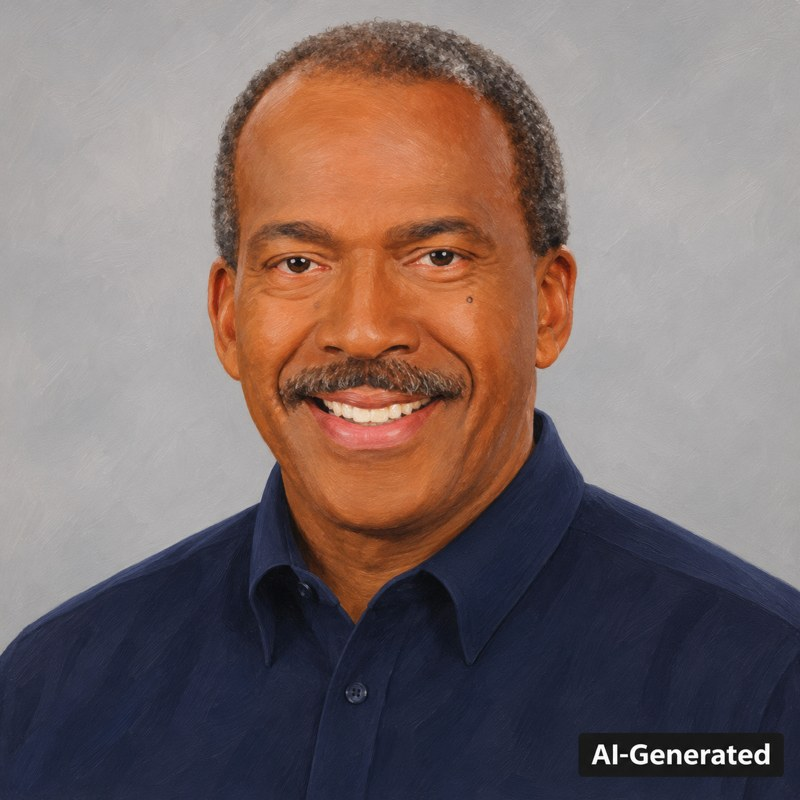
AI-Generated portrait of Jim Boyd

Jim Boyd was remembered for his warmth, professionalism, and service to the Boston community. His personal religion was not clearly established in the sources reviewed for this profile. Those sources did not provide a direct statement that the longtime WCVB news anchor professed Christian faith.

Who Was Jim Boyd?

Boyd spent 36 years as a reporter and anchor at WCVB-TV. He began his television career in the WNET mailroom before moving into production and reporting. The Massachusetts Broadcasters Hall of Fame described his years on television and his community work.

His family obituary recorded his death on October 27, 2026. It remembered a loving husband, father, and grandfather who treated people with dignity. His public career was one part of a life his family knew more closely.

This profile concerns the Boston broadcaster. It does not concern other performers or public figures who shared the name Jim Boyd.

What Was Known About His Religion?

The sources used here described Boyd’s work, education, family, and service. They did not identify his denomination or give a clear account of his beliefs about God. His family tribute emphasized his character without presenting a religious testimony.

That left an important limit. The absence of a religious statement in a biography did not prove that he had no faith. It also did not provide grounds to label him a Christian. A short account can leave out deeply personal matters.

His friends, professional associations, or involvement with a community organization could not establish his convictions on their own. The most accurate answer was that his personal religion remained unconfirmed in the public sources reviewed here.

Service Beyond the Newsroom

The Hall of Fame biography documented Boyd’s involvement with youth programs, charitable organizations, and local sports. He served on boards and gave time to school and community groups.

His family also recalled that he returned to college after retiring and completed a sociology degree at Tufts. He continued learning after a long broadcasting career, an achievement that mattered to him and those close to him.

These facts showed commitment and curiosity. They did not, by themselves, prove a religious motive. People can serve others for many reasons. Respectful reporting can recognize the value of that service without supplying an explanation the person never gave.

Truth, Speech, and a Public Voice

Boyd’s work as a journalist raises questions about the responsibility that comes with speaking to an audience. A person entrusted with information can help people understand events, or can confuse them through careless words. That responsibility applies to readers sharing news as well as to professional broadcasters.

Ephesians 4:25 calls Christians to speak truthfully. James 1:19 urges people to listen readily and speak with care. Together, those teachings encourage patience before making a claim and honesty about what remains uncertain.

They also explain why a faith profile should avoid filling gaps with assumptions. Saying that a person’s religion was unconfirmed may feel less satisfying than a simple label. It is more faithful to the evidence when the sources do not provide a clear answer.

Kindness and Salvation in the Bible

Jesus taught love for one’s neighbor, including practical care for people in need. The parable in Luke 10:25–37 challenges readers to show mercy beyond familiar circles. Service can be a meaningful expression of that love.

At the same time, Ephesians 2:8–10 distinguishes good works from the source of salvation. Forgiveness is God’s gift of grace, received through faith. People do not earn it by building a respected career or compiling enough acts of kindness.

That teaching does not make kindness unimportant. It places it within a larger account of grace: Christians serve because God has shown mercy to them. This is the Bible’s framework, not a claim that Boyd publicly explained his service that way.

The Christian Hope for Readers

Christianity centers on Jesus Christ, God’s Son. Romans 3:23 teaches that all people have sinned and need forgiveness. Jesus lived without sin, died on the cross for sinners, and rose bodily from the dead. First Corinthians 15:3–4 identifies those events as the heart of the gospel.

Jesus calls people to repent and believe. That means turning from sin and trusting him, receiving the salvation that no amount of achievement can buy. Faith in Christ brings a hope that reaches beyond a person’s reputation or years of work.

Readers can consider that invitation while honoring Boyd’s life and respecting his family’s grief. This profile does not claim to know his eternal destiny. It reports the limits of the public record and explains the Christian message without putting a profession of faith into his mouth.

Sources

Image: AI-generated illustrative portrait of Jim Boyd. This is not an authentic photograph. The image is visibly labeled AI-Generated.

What Was Diana Rigg’s Religion? Was She a Christian?

Diana Rigg in a 1973 NBC Television publicity portrait

Diana Rigg was described as a Christian in contemporary reporting. A December 2017 Press Association report, carried by the Press and Journal, called her a devout Christian and recounted her lighthearted remarks about God after a serious heart procedure. That is evidence for reporting a Christian identification, though it is not a detailed account of her doctrine or a basis for judging her heart.

Rigg died in 2020. Fans of Game of Thrones remember her as Olenna Tyrell, while other audiences knew her as Emma Peel in The Avengers. Neither character’s beliefs should be confused with the actress’s personal faith.

Diana Rigg’s reported Christian belief

The 2017 report referred to an interview with The Telegraph in which Rigg discussed her recent operation. She used humor to describe being sent back by God rather than being taken then. The remark was personal, but it should not be expanded into a claim that she gave a formal account of heaven or proved a particular spiritual experience.

A careful profile can recognize the Christian identification while respecting the limits of the material. It does not establish a denomination here, or supply a complete explanation of how she understood salvation. Those details should not be invented to make the story feel more finished.

Wit, age, and a lasting impression

Olenna Tyrell is remembered for sharp words and an ability to command attention without physical force. A talented performance can make a character’s presence seem larger than the number of scenes. Appreciation of that skill does not require endorsing every choice the character makes.

The Bible has much to say about speech. Proverbs 12:18 contrasts reckless words that wound with wise speech that brings healing. A clever reply can be memorable, but cleverness alone does not tell us whether it is loving or true. The question for readers is not whether we can win an exchange. It is whether our words serve the people who hear them.

This is a reflection prompted by a role, not an accusation about Rigg’s private conversations. We should be as careful with the words we use about an actress as with the words we speak about a neighbor.

A Christian label and the need for Christ

When someone is identified as Christian, another important distinction remains. Salvation is not earned through a label, an admired life, or a connection with a church. Christianity directs our trust toward Jesus Christ Himself.

God’s Ten Commandments reveal His holy law. They forbid false worship, lying, stealing, adultery, coveting, and murder. Jesus also addresses hateful anger and lust within the heart (Matthew 5:21–28). By that standard, every person needs forgiveness. None of us has loved God and others perfectly.

Romans 3:23 says all have sinned and fall short of God’s glory. Our sin deserves God’s just judgment. An award, a respected reputation, or years of religious practice cannot erase guilt. This truth applies to the reader and writer as surely as to anyone in public life. It is a reason for humility, rather than an invitation to pronounce a verdict on someone who has died.

The living Savior at the center of the Gospel

Jesus Christ is God’s eternal Son. He became truly human while remaining truly God and lived a sinless life. He did not merely offer admirable words about goodness; He perfectly obeyed the Father in everything.

Jesus willingly died on the cross as the substitute for sinners, bearing the judgment we deserve. He was buried and rose bodily from the dead on the third day (1 Corinthians 15:3–4). The Gospel rests on His death and resurrection. Christian hope beyond death is grounded in the living Christ, not in the belief that an admired person must automatically be accepted because others loved her.

Forgiveness and eternal life are gifts of grace, received through faith in Christ, not earned through works (Ephesians 2:8–9). Good deeds, religious observance, and public recognition cannot purchase salvation. Jesus has finished the saving work. Those who trust Him rest on His sacrifice and righteousness rather than their own ability to deserve mercy.

Remembering respectfully, responding personally

Rigg’s Christian identification can be reported with its source and proper limits. We can remember her abilities and the pleasure her work gave audiences without pretending to know everything about her private faith. God knows the heart completely; a profile does not.

For those reading now, the Gospel calls for a personal response. Have you acknowledged your sin before God and trusted Jesus Christ alone? His death for sinners and His bodily resurrection provide the basis for forgiveness and eternal life. Come to Him relying on His finished work. The question is not whether your life will leave an impressive public memory, but whether your hope rests in the Savior who conquered death.

Sources and photo credit

Press Association report on Diana Rigg’s remarks, Press and Journal, December 24, 2017; Diana Rigg obituary, The Guardian (2020). Scripture: Proverbs 12:18; Matthew 5:21–28; Romans 3:23; 1 Corinthians 15:3–4; Ephesians 2:8–9.

Featured photo: Diana Rigg, 1973 NBC Television publicity photograph, via Wikimedia Commons. Public domain in the United States; existing headshot crop.