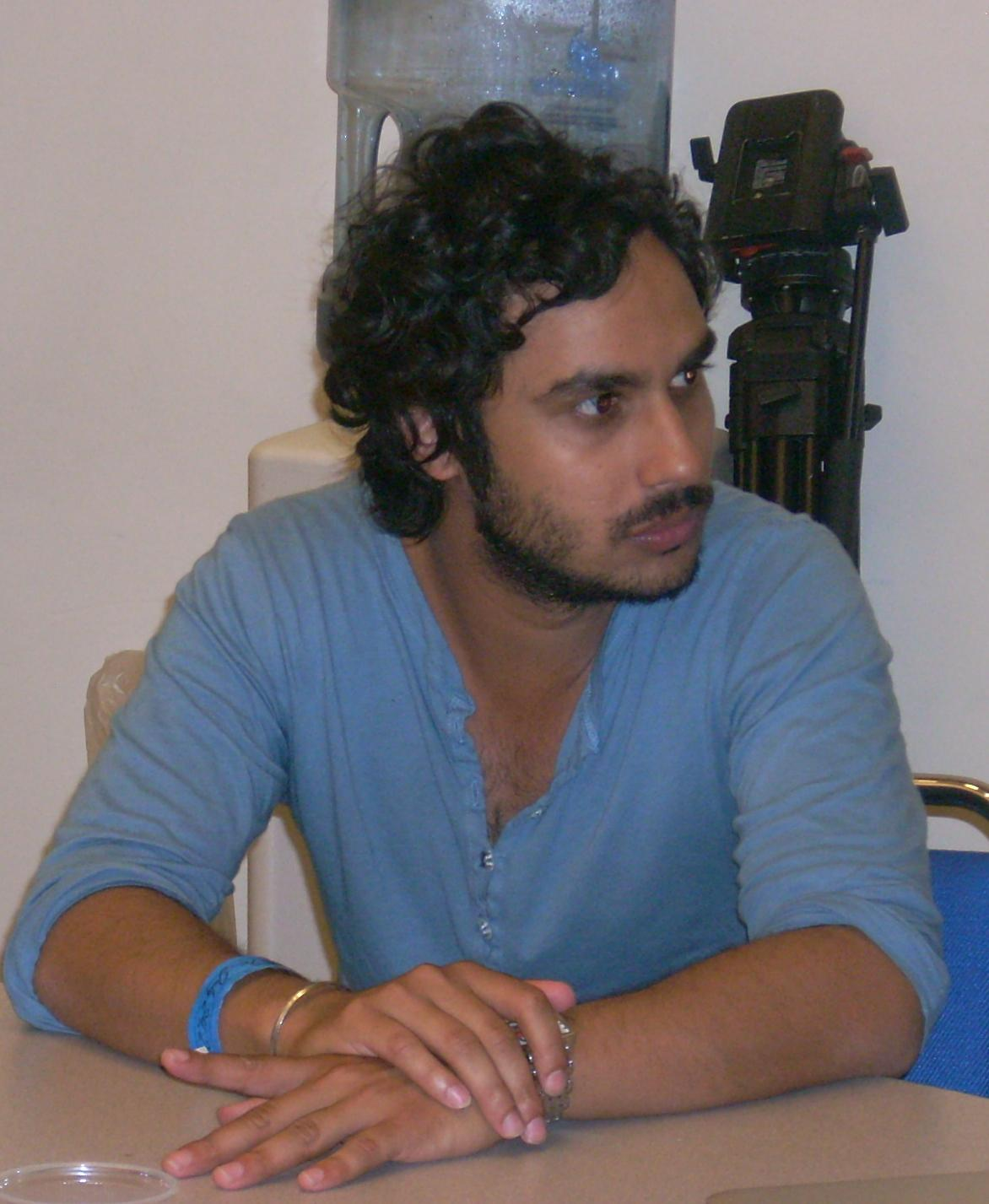
What Is Kevin Sussman’s Religion? Is He a Christian?

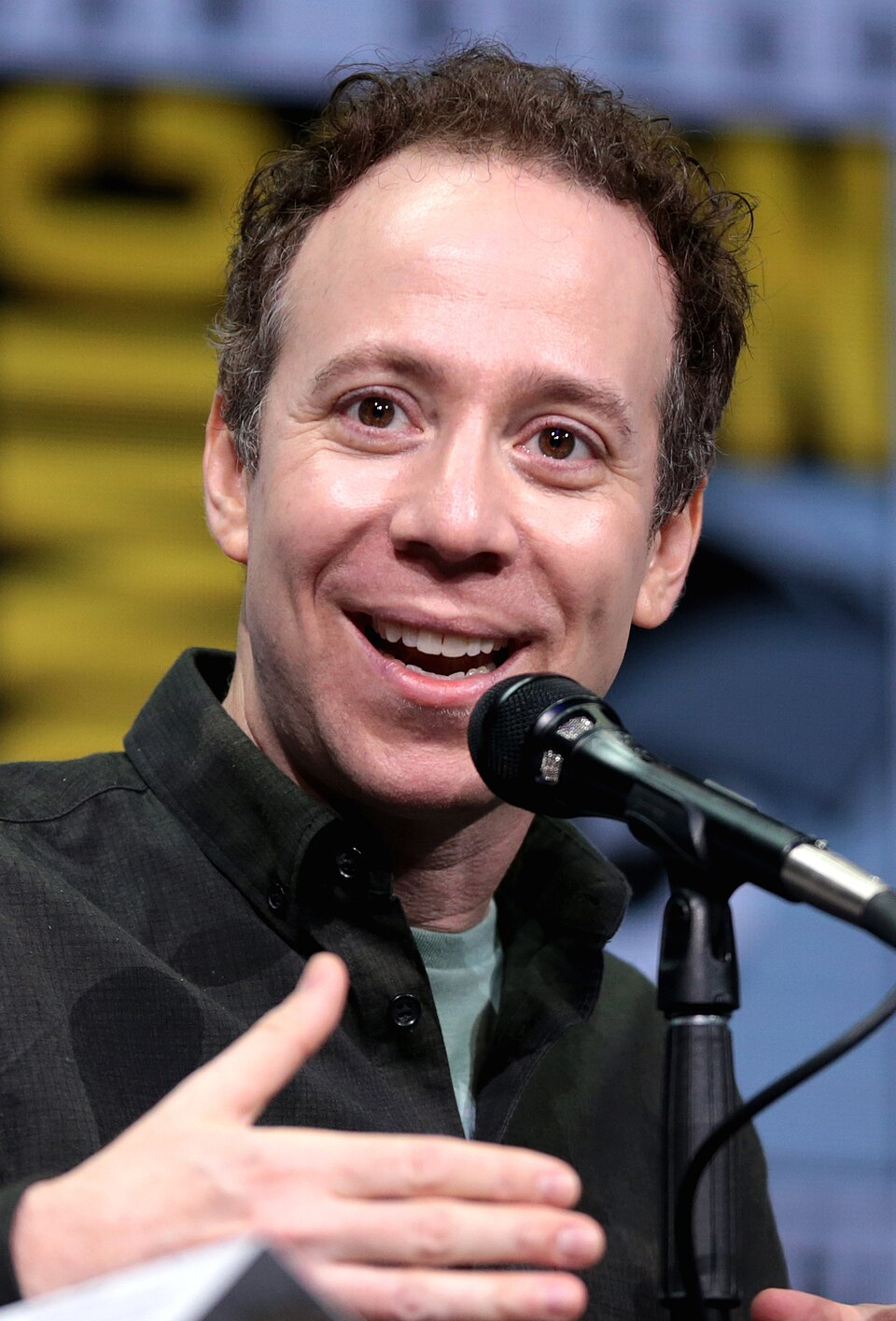
Kevin Sussman at San Diego Comic-Con in 2017

Kevin Sussman’s public comments show an interest in evidence and a cautious approach to spiritual explanations. Biographical sources describe Jewish family roots, but the interviews reviewed here do not establish his current religious practice or a personal profession of Christian faith. His own careful wording is more useful than assigning him a stronger label.

Sussman played comic-book shop owner Stuart Bloom on The Big Bang Theory. A familiar character can make viewers feel that they know the actor personally. The real person, however, has experiences and convictions that cannot be read directly from a script.

What he has said about spirituality

In a July 2021 appearance on Mayim Bialik’s Breakdown, Sussman discussed performing, physical tension, and how people experience emotions. During the conversation, he said he did not want to describe himself as entirely unspiritual, while explaining his preference for evidence-based approaches. The available transcript records that nuance rather than a firm atheist or religious label.

The official episode description focuses on acting and ways of managing performance-related pressures. It does not present the conversation as a conversion testimony or a systematic account of Sussman’s beliefs. This article likewise does not treat a discussion of the Alexander Technique as a declaration about salvation or the existence of God.

The best supported answer is limited: Sussman has publicly shown a preference for explanations he can examine, but the material reviewed does not clearly confirm a current religious affiliation. That is a statement about what the sources establish, not a claim that he has no private faith.

Does faith mean ignoring evidence?

Christianity is sometimes described as believing something without any reason. The New Testament presents a different picture. Luke begins his Gospel by explaining his careful investigation of what had been handed down by eyewitnesses (Luke 1:1–4). First Corinthians 15:3–8 identifies the resurrection message and names witnesses.

Those passages do not remove every question or replace careful thought with a slogan. They show that Christianity makes claims about events, people, and history. Readers are invited to examine those claims. Acts 17:11 commends people who searched Scripture to test the teaching they received.

There is also a distinction between explaining how something works and explaining the meaning of a whole life. A physical account of breathing or muscle tension can address a bodily process. It cannot, by itself, answer whether we owe our existence to God or how we can be forgiven for wrongdoing. Different questions require attention to the kind of answer being offered.

The Bible takes the whole person seriously

Human beings are embodied people, not minds floating apart from ordinary life. Scripture describes people eating, sleeping, grieving, working, and asking for help. Elijah’s story in 1 Kings 19 includes rest and food as well as a renewed encounter with God. Christians should not turn every human difficulty into a simplistic accusation of weak faith.

At the same time, the Bible identifies a moral and spiritual need deeper than improved performance. Each of us answers to the God who made us. Our guilt cannot be solved merely by feeling better or understanding ourselves more clearly. We need reconciliation with Him.

That is the point where the gospel moves beyond a general conversation about spirituality. It gives a definite message about Jesus Christ and a definite invitation to the reader. This comparison describes Christian teaching without pretending that Sussman has endorsed it.

The gospel: why every one of us needs Jesus

The Bible begins with a good God who created us to know Him and reflect His character. Our problem is that we have turned away from Him. Romans 3:23 says everyone has sinned and fallen short of God’s glory. That includes religious people, people with no religion, celebrities, and the person writing this article.

God’s commandments make the problem personal. Have you ever lied, taken something that did not belong to you, dishonored your parents, or treated something as more important than God? Jesus teaches in Matthew 5 that God also sees the anger and lust in our hearts. Comparing ourselves with someone worse cannot make us innocent before a holy Judge.

Scripture says that death follows sin and that judgment is real (Romans 6:23; Hebrews 9:27). We cannot buy forgiveness with donations, good intentions, church attendance, or a record of professional success. Good deeds matter, but they cannot undo guilt. The Christian message therefore begins with an honest admission of our need for mercy.

The good news is that God has acted in love. Jesus Christ, God’s Son, became truly human and lived without sin. He willingly died on the cross for sinners, taking the judgment we deserve, and rose bodily from the dead. His resurrection is central to the message announced in 1 Corinthians 15:3–4. Christianity rests on who He is and what He accomplished, rather than our ability to improve ourselves enough to earn acceptance.

Ephesians 2:8–10 explains that salvation is a gift of God’s grace, received through faith rather than earned by works. Changed behavior follows as the fruit of new life. Acts 20:21 calls us to repentance toward God and faith in Jesus Christ. Repentance means turning from sin and self-rule; faith means relying on the risen Savior for forgiveness and reconciliation with God.

You can respond to that message wherever you are. Confess your sin to God, ask for His mercy, and place your trust in Jesus rather than your reputation or religious history. A prayer is not a magic formula; the issue is a real turning of the heart toward Christ. Read the Gospel of John, consider Jesus’ claims for yourself, and seek a church that faithfully teaches the Bible. The invitation is for ordinary readers as surely as it is for famous people.

Sources

Featured photo: Gage Skidmore, Wikimedia Commons, CC BY-SA 3.0. Resized.

What Is Melissa Rauch’s Religion? Is She a Christian?

Headshot of Melissa Rauch at PaleyFest in 2013

Melissa Rauch identifies as Jewish and has described how Jewish family life shaped her comedy. Her own writing and interviews provide a clearer basis for that description than the religious background of Bernadette, the character she played on The Big Bang Theory. The sources reviewed here do not establish a Christian profession of faith.

Rauch is also known for The Bronze and the revival of Night Court. Across very different roles, her comic timing and voice are familiar to viewers. Her public reflections on family and identity help explain something about the person behind those performances.

Jewish identity in her own words

In a personal essay published by Glamour in 2017, Rauch referred to herself as a Jewish mother-to-be. That is a first-person identification, rather than an inference from her name or family. The essay’s main subject was a difficult personal experience, and there is no need to turn it into a more detailed theological statement than she gave.

In a 2016 conversation for Kveller, Mayim Bialik asked Rauch about her bat mitzvah and its comedy theme. Later reporting of a Times of Israel interview connected Rauch’s comedy with memories of family dinners and Jewish holidays. These accounts show how her Jewish background and creative interests have been intertwined.

They do not establish every detail of her current observance, synagogue attendance, or understanding of God. Jewish identity can include heritage, community, religious practice, and personal conviction. Rauch’s public statements support the identity she has expressed without requiring us to fill in the parts she has not explained.

Why the actor and the character must stay distinct

Bernadette’s story includes a Catholic family background. Rauch’s story is her own. An actor can convincingly play someone from a different tradition because acting involves imagination, research, and craft. Treating a role as a confession of faith would confuse those different responsibilities.

The same principle applies when viewers encounter Christian characters played by non-Christian actors, or skeptical characters played by religious actors. A script tells us what a character says. An interview or personal essay can tell us what the performer chooses to say about herself.

Family traditions and the biblical message

Christians can appreciate the importance of meals, memory, and teaching children. The Bible often places those things together. Deuteronomy 6:6–7 describes God’s words being taught in ordinary family life, and the Passover account shows a community remembering deliverance across generations.

The New Testament places Jesus within that Jewish history. Christians believe that He is the promised Messiah and that His death and resurrection bring the rescue toward which Scripture points. Luke 24:27 describes Jesus explaining the Scriptures in relation to Himself. That is the central Christian claim to consider.

Respectful comparison does not require pretending that Judaism and Christianity say the same thing about Jesus. Nor does explaining Christian belief justify looking down on Jewish people. Romans 11 warns against Gentile arrogance. The gospel is offered as good news for people who need mercy, including the Christians sharing it.

For readers, the practical question reaches beyond a celebrity’s family story. What are we trusting to make us right with God? Heritage can tell us where we came from, but the Christian answer to guilt and death centers on Jesus Christ Himself.

The gospel: why every one of us needs Jesus

The Bible begins with a good God who created us to know Him and reflect His character. Our problem is that we have turned away from Him. Romans 3:23 says everyone has sinned and fallen short of God’s glory. That includes religious people, people with no religion, celebrities, and the person writing this article.

God’s commandments make the problem personal. Have you ever lied, taken something that did not belong to you, dishonored your parents, or treated something as more important than God? Jesus teaches in Matthew 5 that God also sees the anger and lust in our hearts. Comparing ourselves with someone worse cannot make us innocent before a holy Judge.

Scripture says that death follows sin and that judgment is real (Romans 6:23; Hebrews 9:27). We cannot buy forgiveness with donations, good intentions, church attendance, or a record of professional success. Good deeds matter, but they cannot undo guilt. The Christian message therefore begins with an honest admission of our need for mercy.

The good news is that God has acted in love. Jesus Christ, God’s Son, became truly human and lived without sin. He willingly died on the cross for sinners, taking the judgment we deserve, and rose bodily from the dead. His resurrection is central to the message announced in 1 Corinthians 15:3–4. Christianity rests on who He is and what He accomplished, rather than our ability to improve ourselves enough to earn acceptance.

Ephesians 2:8–10 explains that salvation is a gift of God’s grace, received through faith rather than earned by works. Changed behavior follows as the fruit of new life. Acts 20:21 calls us to repentance toward God and faith in Jesus Christ. Repentance means turning from sin and self-rule; faith means relying on the risen Savior for forgiveness and reconciliation with God.

You can respond to that message wherever you are. Confess your sin to God, ask for His mercy, and place your trust in Jesus rather than your reputation or religious history. A prayer is not a magic formula; the issue is a real turning of the heart toward Christ. Read the Gospel of John, consider Jesus’ claims for yourself, and seek a church that faithfully teaches the Bible. The invitation is for ordinary readers as surely as it is for famous people.

Sources

Featured photo: iDominick, Wikimedia Commons, CC BY-SA 2.0. Existing Commons crop.

What Is Kunal Nayyar’s Religion? Is He a Christian?

Kunal Nayyar at Comic-Con in 2009

Kunal Nayyar has spoken about a Hindu upbringing and a personal spiritual outlook centered on awareness, meditation, and looking beyond the ego. His public conversations are more detailed than a simple religious label. The sources reviewed here do not establish that he identifies as Christian.

Nayyar played Raj Koothrappali on The Big Bang Theory. Raj’s family background and religious references belong to the show’s story. For the actor’s own views, his long-form interviews are a better starting point than assumptions based on his character or where his family comes from.

What he has discussed publicly

In his February 2021 appearance on Mayim Bialik’s Breakdown, Nayyar discussed his childhood, his development as an actor, and his interest in spiritual discovery. The conversation includes his description of Hindu influences while acknowledging the variety found within Hindu traditions. That nuance matters: a childhood connection does not tell readers that every Hindu teaching describes his present beliefs.

The podcast’s official episode page connects his public spiritual reflections with the account Buddhas in Jeans and describes the importance he places on seeing past perception. A second appearance, released in May 2024, continued the discussion through themes such as surrender, meditation, love, compassion, and detachment from thoughts and ego.

These conversations show sustained spiritual interest. They should not be reduced either to a confident claim of Christian faith or to an assumption that using Buddhist language proves formal Buddhist affiliation. The most accurate account preserves the difference between an inherited tradition, a personal practice, and a specific confession about God.

How the Bible understands peace and surrender

Many people recognize the desire to quiet anxious thoughts and stop being controlled by pride. Christians can appreciate the importance of attention, humility, and compassion. Philippians 4:6–9 directs believers to bring their concerns to God in prayer and to direct their minds toward what is true and good.

Biblical peace is grounded in a relationship with God. In Romans 5:1, peace with God follows being justified through faith in Jesus Christ. That is a claim about reconciliation, not simply a feeling of calm or a technique for managing thoughts. Emotional relief and forgiveness address different needs.

Similarly, Christian surrender has a definite object. Jesus calls people to follow Him, deny themselves, and take up their cross (Luke 9:23). This involves giving up self-rule in response to the real person of Christ. It is more specific than accepting whatever happens or becoming less attached to an inner narrative.

What is the self that needs changing?

The Bible recognizes that pride can blind us. But it also treats each person as a real individual, made in God’s image and accountable to Him. We need more than the disappearance of uncomfortable thoughts. We need our wrongs forgiven and our loves reordered.

The Christian invitation therefore centers on Jesus’ work for sinners. Mindfulness may raise useful questions about how we live, but it cannot substitute for the cross and resurrection. This is a comparison of the spiritual themes Nayyar has discussed with biblical teaching, rather than a claim to know every part of his present faith.

The gospel: why every one of us needs Jesus

The Bible begins with a good God who created us to know Him and reflect His character. Our problem is that we have turned away from Him. Romans 3:23 says everyone has sinned and fallen short of God’s glory. That includes religious people, people with no religion, celebrities, and the person writing this article.

God’s commandments make the problem personal. Have you ever lied, taken something that did not belong to you, dishonored your parents, or treated something as more important than God? Jesus teaches in Matthew 5 that God also sees the anger and lust in our hearts. Comparing ourselves with someone worse cannot make us innocent before a holy Judge.

Scripture says that death follows sin and that judgment is real (Romans 6:23; Hebrews 9:27). We cannot buy forgiveness with donations, good intentions, church attendance, or a record of professional success. Good deeds matter, but they cannot undo guilt. The Christian message therefore begins with an honest admission of our need for mercy.

The good news is that God has acted in love. Jesus Christ, God’s Son, became truly human and lived without sin. He willingly died on the cross for sinners, taking the judgment we deserve, and rose bodily from the dead. His resurrection is central to the message announced in 1 Corinthians 15:3–4. Christianity rests on who He is and what He accomplished, rather than our ability to improve ourselves enough to earn acceptance.

Ephesians 2:8–10 explains that salvation is a gift of God’s grace, received through faith rather than earned by works. Changed behavior follows as the fruit of new life. Acts 20:21 calls us to repentance toward God and faith in Jesus Christ. Repentance means turning from sin and self-rule; faith means relying on the risen Savior for forgiveness and reconciliation with God.

You can respond to that message wherever you are. Confess your sin to God, ask for His mercy, and place your trust in Jesus rather than your reputation or religious history. A prayer is not a magic formula; the issue is a real turning of the heart toward Christ. Read the Gospel of John, consider Jesus’ claims for yourself, and seek a church that faithfully teaches the Bible. The invitation is for ordinary readers as surely as it is for famous people.

Sources

Featured photo: Kristin Dos Santos, Wikimedia Commons, CC BY-SA 2.0. Resized.

What Is Simon Helberg’s Religion? Is He a Christian?

Simon Helberg in 2010

Simon Helberg has a documented Jewish background. A 2009 Jewish Journal interview reported his bar mitzvah at University Synagogue in Westwood and his attendance at High Holy Days services at that time. That is specific evidence of a Jewish religious connection, although an older interview cannot establish every detail of his present practice.

Helberg played Howard Wolowitz on The Big Bang Theory. Howard’s Jewish identity and family relationships are recurring parts of the comedy. There is a real connection between aspects of the actor’s background and his character, but the two should still be distinguished.

What the interview says about his Jewish background

Jewish Journal’s Adam Wills interviewed Helberg and series co-creator Chuck Lorre at Comic-Con in 2009. Lorre explained that elements of Howard’s household drew on Jewish experiences familiar to both men. Helberg discussed the differences between the character’s generation and his mother’s generation, particularly around science, independence, and tradition.

The article separately supplied the details about Helberg’s own bar mitzvah and holiday services. Those personal details are the basis for describing his Jewish connection here. Comments about Howard’s attitudes are evidence about a fictional character, not automatic evidence about Helberg’s own theology.

The distinction matters when answering whether Simon Helberg is Christian. The material reviewed supports a Jewish background and a documented synagogue connection at the time of the interview. It does not establish a Christian profession of faith or tell us all of his current beliefs about God, Scripture, or Jesus.

Heritage, community, and the question of Jesus

Religion often includes family memory and a sense of belonging. A holiday service or a coming-of-age ceremony can carry meaning that is personal, communal, and historical at the same time. Christians should describe those experiences accurately and avoid turning another person’s traditions into a caricature.

The Bible’s story is deeply rooted in Jewish history. Christians read the promises to Abraham, the Exodus, the Psalms, and the prophets as essential parts of the story that leads to Jesus. Romans 9:4–5 acknowledges the great gifts entrusted to Israel. There is no place for contempt toward Jewish people in a faithful Christian response.

The main difference between Judaism and Christianity is not a television joke or a cultural stereotype. It concerns who Jesus is. Christians confess Him as Messiah and God’s Son, and believe that His death and resurrection accomplish salvation. John 20:31 invites readers to consider that claim and receive life through faith in Him.

Faith cannot be reduced to a screen role

A comic performance may make a religious identity familiar to millions of viewers. It cannot show the whole life of a religious community, and it cannot reveal an actor’s heart. The same caution applies when viewers like or dislike a character: either reaction can tempt us to make personal assumptions about the performer.

First Peter 3:15 calls Christians to explain their hope with gentleness and respect. That includes listening carefully to what another person actually says. The Christian message can be stated clearly without pretending to have private knowledge of Helberg’s spiritual life. Its invitation is also directed to the reader.

The gospel: why every one of us needs Jesus

The Bible begins with a good God who created us to know Him and reflect His character. Our problem is that we have turned away from Him. Romans 3:23 says everyone has sinned and fallen short of God’s glory. That includes religious people, people with no religion, celebrities, and the person writing this article.

God’s commandments make the problem personal. Have you ever lied, taken something that did not belong to you, dishonored your parents, or treated something as more important than God? Jesus teaches in Matthew 5 that God also sees the anger and lust in our hearts. Comparing ourselves with someone worse cannot make us innocent before a holy Judge.

Scripture says that death follows sin and that judgment is real (Romans 6:23; Hebrews 9:27). We cannot buy forgiveness with donations, good intentions, church attendance, or a record of professional success. Good deeds matter, but they cannot undo guilt. The Christian message therefore begins with an honest admission of our need for mercy.

The good news is that God has acted in love. Jesus Christ, God’s Son, became truly human and lived without sin. He willingly died on the cross for sinners, taking the judgment we deserve, and rose bodily from the dead. His resurrection is central to the message announced in 1 Corinthians 15:3–4. Christianity rests on who He is and what He accomplished, rather than our ability to improve ourselves enough to earn acceptance.

Ephesians 2:8–10 explains that salvation is a gift of God’s grace, received through faith rather than earned by works. Changed behavior follows as the fruit of new life. Acts 20:21 calls us to repentance toward God and faith in Jesus Christ. Repentance means turning from sin and self-rule; faith means relying on the risen Savior for forgiveness and reconciliation with God.

You can respond to that message wherever you are. Confess your sin to God, ask for His mercy, and place your trust in Jesus rather than your reputation or religious history. A prayer is not a magic formula; the issue is a real turning of the heart toward Christ. Read the Gospel of John, consider Jesus’ claims for yourself, and seek a church that faithfully teaches the Bible. The invitation is for ordinary readers as surely as it is for famous people.

Sources

Featured photo: therainstopped, Wikimedia Commons source and photographer credit, CC BY 2.0. Resized.

What Is Mayim Bialik’s Religion? Is She a Christian?

Mayim Bialik visiting Jerusalem in 2018

Mayim Bialik publicly identifies with Judaism and has spoken openly about religious observance, belief in God, and Jewish family life. Her interviews describe a faith that is part of her daily thinking, rather than simply a family label. The sources reviewed here describe Jewish belief and practice, not a profession of Christian faith.

Bialik played Amy Farrah Fowler on The Big Bang Theory. She also trained as a neuroscientist. That combination has made her a frequent participant in discussions about whether scientific knowledge and religious faith can exist together.

How Mayim Bialik describes her faith

In a 2017 interview with Hadassah Magazine, Bialik discussed the relationship between scientific study and her awareness of God. She described the natural world as a source of wonder and connected that experience with her faith. She also discussed Passover as a setting for remembering Jewish history, welcoming people in need, and reflecting on freedom.

The same interview described her wish to pass Jewish values to her children through the way she parents. These are concrete expressions of a Jewish religious identity. They are more informative than a label assigned because of a role or appearance.

Bialik has also written in her own voice about science and faith for Kveller. Her account treats scientific explanations of the world as compatible with religious meaning and prayer. A Television Academy profile describes her approach to Jewish practice as sincere and personally considered. Taken together, these sources support calling her Jewish and religiously engaged, while recognizing that individual Jewish believers do not all practice or describe God in the same way.

Where Judaism and biblical Christianity meet and differ

Christians should approach Judaism with respect for the Jewish people and an awareness of the Bible’s Jewish setting. Jesus, His apostles, and the earliest Christian community were Jewish. The Old Testament is essential to understanding the New Testament, and Romans 11 warns Gentile believers against pride toward Jewish people.

There are shared concerns: the reality of God, the importance of Scripture, human responsibility, and the call to care for others. Those points matter. Yet shared language does not remove the central disagreement about Jesus. Christians believe He is Israel’s Messiah, the eternal Son of God who became human, died for sins, and rose again.

In Luke 24:27, Jesus explains the Scriptures in relation to Himself. In John 20:30–31, the Gospel’s writer states his purpose: that readers would believe Jesus is the Messiah and Son of God and receive life in His name. This is the distinctive claim readers need to examine, rather than reducing Christianity to a generic belief in a higher power.

Wonder is an invitation to seek the Creator

Scientific curiosity and religious questions need not be treated as signs of stupidity or dishonesty. Psalm 19 presents the heavens as declaring God’s glory. For Christians, the order and beauty of creation invite gratitude to its Maker. Still, an experience of wonder cannot by itself deal with our guilt or tell us how to be reconciled to God.

That is why this comparison moves from broad spiritual awareness to the gospel’s specific message. It is a statement of the Christian teaching Famous Faith presents, rather than an assumption about Bialik’s private thoughts or a claim that she has accepted it.

The gospel: why every one of us needs Jesus

The Bible begins with a good God who created us to know Him and reflect His character. Our problem is that we have turned away from Him. Romans 3:23 says everyone has sinned and fallen short of God’s glory. That includes religious people, people with no religion, celebrities, and the person writing this article.

God’s commandments make the problem personal. Have you ever lied, taken something that did not belong to you, dishonored your parents, or treated something as more important than God? Jesus teaches in Matthew 5 that God also sees the anger and lust in our hearts. Comparing ourselves with someone worse cannot make us innocent before a holy Judge.

Scripture says that death follows sin and that judgment is real (Romans 6:23; Hebrews 9:27). We cannot buy forgiveness with donations, good intentions, church attendance, or a record of professional success. Good deeds matter, but they cannot undo guilt. The Christian message therefore begins with an honest admission of our need for mercy.

The good news is that God has acted in love. Jesus Christ, God’s Son, became truly human and lived without sin. He willingly died on the cross for sinners, taking the judgment we deserve, and rose bodily from the dead. His resurrection is central to the message announced in 1 Corinthians 15:3–4. Christianity rests on who He is and what He accomplished, rather than our ability to improve ourselves enough to earn acceptance.

Ephesians 2:8–10 explains that salvation is a gift of God’s grace, received through faith rather than earned by works. Changed behavior follows as the fruit of new life. Acts 20:21 calls us to repentance toward God and faith in Jesus Christ. Repentance means turning from sin and self-rule; faith means relying on the risen Savior for forgiveness and reconciliation with God.

You can respond to that message wherever you are. Confess your sin to God, ask for His mercy, and place your trust in Jesus rather than your reputation or religious history. A prayer is not a magic formula; the issue is a real turning of the heart toward Christ. Read the Gospel of John, consider Jesus’ claims for yourself, and seek a church that faithfully teaches the Bible. The invitation is for ordinary readers as surely as it is for famous people.

Sources

Featured photo: Mark Neyman / Government Press Office of Israel, Wikimedia Commons, CC BY-SA 3.0. Existing Commons crop, resized.

What Is Johnny Galecki’s Religion? Is He a Christian?

Johnny Galecki at Comic-Con in 2009

Johnny Galecki has described a Catholic upbringing and a lasting interest in conversations about religion. In 2018, while discussing the sitcom Living Biblically, he spoke about the influence of Catholicism in his childhood. Those comments establish a religious background and an interest in faith; they do not provide a complete statement of his present beliefs.

Galecki played Leonard Hofstadter on The Big Bang Theory. His work as an executive producer on Living Biblically offers a different setting for questions about God, Scripture, and everyday life. A person’s creative work can show what interests him without establishing everything he personally believes.

His Catholic background and interest in questions

In remarks reported from a 2018 press event by writer Kate O’Hare, Galecki recalled that his mother had spent time in a convent before marrying his father. He described a childhood religious environment that became relaxed and musical, with people sitting together and playing acoustic guitars. He spoke warmly of those memories.

Galecki also encouraged people to investigate the commitments they make. His point was that asking questions can strengthen a belief instead of automatically destroying it. In the same reporting, the creators explained that religious consultants reviewed the scripts. That helps explain the effort to make a comedy that people of faith could recognize without feeling that faith itself was simply the target.

InsideHook likewise reported his desire to make room for discussion about religion and the questions people bring to it. These sources support saying Galecki grew up with Catholic influences and wanted thoughtful conversation. They do not establish his present church membership or a personal profession that he trusts Jesus Christ for salvation.

What does living biblically mean?

A story about someone trying to follow the Bible can raise a useful question: is Christianity mainly a project of collecting enough religious rules? Scripture’s answer begins with God’s character and our relationship with Him. Jesus says that love for God and love for our neighbor summarize the Law’s great commands (Matthew 22:37–40).

Reading the Bible also requires attention to context. The New Testament explains how Jesus fulfills the Law and the Prophets (Matthew 5:17). Christians should not treat every instruction given to ancient Israel as if it were addressed to every believer in exactly the same way. Learning how the whole story leads to Christ is part of taking Scripture seriously.

Rules can expose our failures, but they cannot give us a new heart. Romans 3:20 explains that the Law brings knowledge of sin. A person can sincerely work at religious improvement and still need forgiveness. That is why the Bible’s message reaches beyond a list of things to attempt.

Questions about faith are welcome when we honestly seek the truth. Acts 17:11 commends people who examined Scripture to test what they heard. The next step is to consider Jesus Himself, including His identity, His death, and His resurrection. A conversation about religion becomes much more personal when we ask whether we will trust Him.

The gospel: why every one of us needs Jesus

The Bible begins with a good God who created us to know Him and reflect His character. Our problem is that we have turned away from Him. Romans 3:23 says everyone has sinned and fallen short of God’s glory. That includes religious people, people with no religion, celebrities, and the person writing this article.

God’s commandments make the problem personal. Have you ever lied, taken something that did not belong to you, dishonored your parents, or treated something as more important than God? Jesus teaches in Matthew 5 that God also sees the anger and lust in our hearts. Comparing ourselves with someone worse cannot make us innocent before a holy Judge.

Scripture says that death follows sin and that judgment is real (Romans 6:23; Hebrews 9:27). We cannot buy forgiveness with donations, good intentions, church attendance, or a record of professional success. Good deeds matter, but they cannot undo guilt. The Christian message therefore begins with an honest admission of our need for mercy.

The good news is that God has acted in love. Jesus Christ, God’s Son, became truly human and lived without sin. He willingly died on the cross for sinners, taking the judgment we deserve, and rose bodily from the dead. His resurrection is central to the message announced in 1 Corinthians 15:3–4. Christianity rests on who He is and what He accomplished, rather than our ability to improve ourselves enough to earn acceptance.

Ephesians 2:8–10 explains that salvation is a gift of God’s grace, received through faith rather than earned by works. Changed behavior follows as the fruit of new life. Acts 20:21 calls us to repentance toward God and faith in Jesus Christ. Repentance means turning from sin and self-rule; faith means relying on the risen Savior for forgiveness and reconciliation with God.

You can respond to that message wherever you are. Confess your sin to God, ask for His mercy, and place your trust in Jesus rather than your reputation or religious history. A prayer is not a magic formula; the issue is a real turning of the heart toward Christ. Read the Gospel of John, consider Jesus’ claims for yourself, and seek a church that faithfully teaches the Bible. The invitation is for ordinary readers as surely as it is for famous people.

Sources

Featured photo: vagueonthehow, Wikimedia Commons, CC BY 2.0. Resized.

What Is Kaley Cuoco’s Religion? Is She a Christian?

Kaley Cuoco at PaleyFest in 2013

Kaley Cuoco is described by Beliefnet as Christian, and other public profiles report a conservative Christian family background. The clearest available material supports discussing that background, while leaving the details of her present beliefs and church practice less certain. A brief celebrity database entry is not the same thing as a full statement from Cuoco about Jesus Christ.

Viewers know her as Penny on The Big Bang Theory, a character whose warmth, insecurities, and friendships help hold the group together. Cuoco’s work also includes 8 Simple Rules and The Flight Attendant. None of these roles, by itself, establishes the actress’s personal religion.

What the public sources actually tell us

Beliefnet’s celebrity faith entry labels Cuoco Christian but gives much more space to her career than to an explanation of her theology. Hollowverse reports a Christian upbringing and mentions public expressions of prayer. Those are reported associations; they do not settle questions such as her present denomination or what she believes makes a person right with God.

A 2023 Television Academy interview provides a more direct view of how Cuoco talks about her life. She speaks appreciatively of the stability and encouragement her parents gave her as a child performer. That interview helps explain the importance of family in her story. It does not offer a detailed confession of Christian belief, so this profile does not turn her gratitude into one.

The fair answer is that Cuoco has a publicly reported Christian background. There is not enough verified first-person detail in the sources reviewed here to describe her current faith more precisely. That uncertainty deserves an honest answer instead of an invented quotation.

Christian identity and personal trust in Christ

A person may use Christian to describe family traditions, moral values, church attendance, or personal faith. The Bible makes the central issue more specific. In John 3:3, Jesus tells Nicodemus that he needs new life from God. Even a respected religious teacher cannot rely on his background alone.

John 1:12–13 connects becoming God’s children with receiving Christ and believing in His name. The passage does not make family history the basis of salvation. Christian parents can teach, pray, and give a good example, but each of us must respond to Jesus personally.

Penny’s friendships also give viewers a familiar point of reflection: people want to be welcomed and loved even when they feel they do not measure up. Christians are called to love their neighbors sincerely (Mark 12:31). Yet friendship and kindness, valuable as they are, cannot take the place of forgiveness from God. The gospel addresses that deeper need without treating fame or background as a shortcut.

The gospel: why every one of us needs Jesus

The Bible begins with a good God who created us to know Him and reflect His character. Our problem is that we have turned away from Him. Romans 3:23 says everyone has sinned and fallen short of God’s glory. That includes religious people, people with no religion, celebrities, and the person writing this article.

God’s commandments make the problem personal. Have you ever lied, taken something that did not belong to you, dishonored your parents, or treated something as more important than God? Jesus teaches in Matthew 5 that God also sees the anger and lust in our hearts. Comparing ourselves with someone worse cannot make us innocent before a holy Judge.

Scripture says that death follows sin and that judgment is real (Romans 6:23; Hebrews 9:27). We cannot buy forgiveness with donations, good intentions, church attendance, or a record of professional success. Good deeds matter, but they cannot undo guilt. The Christian message therefore begins with an honest admission of our need for mercy.

The good news is that God has acted in love. Jesus Christ, God’s Son, became truly human and lived without sin. He willingly died on the cross for sinners, taking the judgment we deserve, and rose bodily from the dead. His resurrection is central to the message announced in 1 Corinthians 15:3–4. Christianity rests on who He is and what He accomplished, rather than our ability to improve ourselves enough to earn acceptance.

Ephesians 2:8–10 explains that salvation is a gift of God’s grace, received through faith rather than earned by works. Changed behavior follows as the fruit of new life. Acts 20:21 calls us to repentance toward God and faith in Jesus Christ. Repentance means turning from sin and self-rule; faith means relying on the risen Savior for forgiveness and reconciliation with God.

You can respond to that message wherever you are. Confess your sin to God, ask for His mercy, and place your trust in Jesus rather than your reputation or religious history. A prayer is not a magic formula; the issue is a real turning of the heart toward Christ. Read the Gospel of John, consider Jesus’ claims for yourself, and seek a church that faithfully teaches the Bible. The invitation is for ordinary readers as surely as it is for famous people.

Sources

Featured photo: iDominick, Wikimedia Commons, CC BY-SA 2.0. Resized for this site.

What Is Jim Parsons’s Religion? Is He a Christian?

Jim Parsons at the Hidden Figures film celebration in 2016

Jim Parsons grew up attending a Lutheran church. In a 2015 interview with Playbill, he explained that church had been a regular part of his childhood. That gives us a clear starting point for his religious background, though it does not establish his present church membership or a personal profession of faith in Jesus Christ.

Parsons is best known for playing Sheldon Cooper on The Big Bang Theory. Sheldon’s arguments about religion, his scientific interests, and his relationship with his Christian mother are part of a fictional story. They should not be treated as a transcript of the actor’s beliefs.

What Jim Parsons has said about religion

Playbill asked Parsons about his preparation for the Broadway comedy An Act of God. He replied, “I went to church every Sunday growing up,” and identified his denomination as Lutheran. He described his experience as less focused on frightening preaching than some people might expect. These comments describe the church environment he remembered, rather than every belief taught by Lutheran churches.

In a separate 2015 conversation published by Time Out, Parsons discussed the play with its writer, David Javerbaum. He explained the theatrical premise: God speaks through a fictional version of the actor. His interest included the humor, the writing, and the opportunity to perform on Broadway. Playing God in a comedy does not itself identify an actor’s religion.

The most accurate answer, based on these interviews, is that Parsons has a documented Lutheran upbringing. The material reviewed here does not support describing his current faith in more detail. It also does not justify turning Sheldon’s skepticism into a claim that Parsons personally embraces every view his character expresses.

Does a Christian upbringing make someone a Christian?

A church background can give a person knowledge of the Bible, familiar prayers, and memories of worship. Those experiences matter. Many people first hear about Jesus through parents, teachers, and a local congregation. But the New Testament describes something deeper than growing up near Christian language.

In John 3, Jesus tells Nicodemus, a respected religious teacher, that he needs to be born again. Nicodemus already knows a great deal about religion. His need is new life from God. John 1:12–13 likewise connects becoming God’s children with receiving Christ and believing in His name, rather than family descent.

This distinction applies to everyone, including readers who have attended church for years. A family’s faith cannot repent for us or trust Christ in our place. The relevant question is whether we ourselves are relying on Jesus, rather than our history, respectability, or religious knowledge.

Science, intelligence, and the God who made us

Because Parsons played an exceptionally intelligent scientist, some readers connect his name with the idea that science and belief in God must be enemies. A television role cannot settle that question. Scientific study examines the created world; the Christian claim is that this world depends on a real Creator.

Psalm 19 describes creation as displaying God’s glory. Colossians 1:16–17 presents Jesus as the One through whom all things were created and in whom they hold together. These passages do not ask people to stop thinking. They invite us to consider the source of the order, life, and meaning we encounter.

Intelligence is a gift, but it cannot remove guilt or reconcile a person to God. Knowing many facts about the universe does not answer the moral question of how sinners can stand before a holy Creator. That is where the gospel speaks directly.

The good news is more than being religious

The Bible says all of us have sinned and fall short of God’s glory (Romans 3:23). God’s commandments expose that problem. Have we told lies, taken something that was not ours, dishonored our parents, or put something ahead of God? Jesus also addresses the anger and lust in our hearts in Matthew 5. The standard reaches further than outward reputation.

God is just, so wrongdoing cannot be erased by popularity, charitable work, or a successful career. Romans 6:23 describes death as sin’s wages. That is serious news for ordinary people and celebrities alike. Christians share it as people who also need mercy.

God’s answer is Jesus Christ, His Son, who became truly human and lived without sin. Jesus willingly died on the cross for sinners and rose bodily from the dead. First Corinthians 15:3–4 places His death for our sins, burial, and resurrection at the center of the gospel. He accomplished the rescue we could never earn.

Ephesians 2:8–10 explains that salvation is God’s gift, received by grace through faith rather than earned by works. Good works follow as the fruit of a changed life. Acts 20:21 calls people to repentance toward God and faith in Jesus Christ. Turn from sin and self-reliance, trust the risen Savior, and ask Him for forgiveness. Then begin reading the Gospels and seek a church that faithfully teaches Scripture.

Jim Parsons’s interviews provide a window into his background. They also raise a question each reader can answer personally: am I depending on a religious past, or on the living Christ?

Sources

Featured photo: NASA/Bill Ingalls, Wikimedia Commons, public domain; crop by Commons contributors. Shown once as the featured image.

What Is Kevin Bacon’s Religion? Is He a Christian?

Portrait of Kevin Bacon

Kevin Bacon has publicly said that he does not believe in God. That statement, reported from a 2005 interview with The Times, is why profiles commonly describe him as an atheist. He has also supported the separation of church and state while making clear that he is not opposed to people practicing religion.

Those are related parts of his public outlook, but they answer different questions. One concerns personal belief in God. The other concerns how people with different beliefs can live together. Keeping both in view gives readers a fairer account than treating nonbelief as automatic hostility toward every religious person.

What has Kevin Bacon said about religion?

Beliefnet reports Bacon’s statement to The Times that he did not believe in God. The Freedom From Religion Foundation also records the statement and dates the interview to 2005.

This is a clear public expression of nonbelief at that time. It is useful evidence, and its date matters. A responsible account should not turn an older statement into a claim that a new interview has taken place or that every detail of someone’s private thinking is known.

In a 2008 Fox News interview, Bacon defended church-state separation and said he was not anti-religion.

That distinction deserves care. Support for religious freedom does not establish belief in God, just as disagreement with a religious teaching does not tell us everything about someone’s character. Readers can take his stated nonbelief seriously while also recognizing that a public position on government has a separate purpose.

Why a movie role is not a statement of faith

Bacon’s work often brings him into stories involving morality, fear, authority, and human weakness. A character may pray, challenge a religious leader, or face a supernatural event. Those scenes are parts of a script. They should not be substituted for the actor’s own account of what he believes.

The same applies to a song or a performance taken out of context. A work of art may explore an idea rather than endorse it. Interviews give us a better basis for a profile, especially when we distinguish direct statements, reliable reporting, and questions the public record leaves unanswered.

A career across film, television, and music

Bacon’s screen career stretches from Animal House and Diner to Footloose and A Few Good Men. His many connections across the film industry inspired the familiar “Six Degrees of Kevin Bacon” game. He has also worked behind the camera, directing Losing Chase.

Music forms another part of his public life. He performs with his brother Michael as the Bacon Brothers. Acting and songwriting give him different ways to tell stories, connect with audiences, and explore human concerns. That breadth helps explain why readers encounter him in conversations reaching well beyond one famous movie.

A long career also means that comments from different decades can circulate together online. Dates and context help prevent confusion. The evidence cited here supports saying that he has publicly expressed nonbelief; it does not justify inventing a conversion story, a private spiritual practice, or motives he has not stated.

Belief, freedom, and the Bible

For a Christian reader, an honest conversation about atheism begins with listening. People arrive at nonbelief through different experiences and arguments. It is unfair to assume that every atheist is angry, uncaring, or secretly persuaded of the opposite. First Peter 3:15 calls Christians to explain their hope with gentleness and respect.

Respect does not require giving up the question of truth. The Bible begins with God as Creator. It presents the world as his work and human beings as made in his image. That gives every person dignity, including those who disagree with Christian claims.

Scripture also distinguishes sincere faith from outward pressure. A person can repeat religious words without trusting God. Jesus warned against hypocrisy and praised honest repentance over proud religious performance in Luke 18:9–14. Christians should therefore examine their own hearts rather than use someone else’s nonbelief to feel superior.

The main disagreement remains real. The Christian account says God exists, reveals himself, and has acted in history through Jesus Christ. Christianity’s central claim includes Jesus’ bodily resurrection. First Corinthians 15 places the truth of the faith on that event. Readers are invited to examine that claim, rather than merely accept a comforting mood or a family custom.

The gospel is for people who need mercy

According to Romans 3:23, all have sinned and fall short of God’s glory. That includes believers and unbelievers, famous people and unknown people. We have failed to love God and our neighbors as we should. Dishonesty, pride, selfishness, and cruelty are not made harmless because they are common.

God is holy and just, and we cannot remove our guilt by doing enough good things. The good news is that he sent his Son, Jesus Christ. Jesus lived without sin and died on the cross for our sins, bearing the judgment we deserve. He was buried and rose bodily from the dead.

Salvation is God’s gift of grace through faith, not a reward for moral achievement or religious effort (Ephesians 2:8–9). Jesus calls us to repent—to turn from sin and self-rule—and trust him as Lord and Savior. Forgiveness rests on his finished work, not on our ability to present a flawless spiritual record.

Bacon’s public statements point to nonbelief and a concern for freedom of conscience. For readers asking their own questions, Christianity offers a specific person to consider: Jesus. You do not need to pretend your questions have vanished. You can investigate his life, read his words, and honestly consider his call to faith and repentance.

Photo credit: Peabody Awards, Wikimedia Commons, CC BY-SA 3.0. Video portrait still, resized.

What Is Aidan Gillen’s Religion? Is He a Christian?

Aidan Gillen in Singapore in February 2012

Aidan Gillen described himself as a lapsed Catholic in a 2026 interview with Filmtett at the Transilvania International Film Festival. He said he grew up Catholic but did not have an active faith and was not practicing a religion. That is more specific evidence than assuming his beliefs from an Irish background or a screen role.

Gillen played Petyr “Littlefinger” Baelish in Game of Thrones. Littlefinger’s manipulation and ambitions belong to the story. They should never be treated as a confession of the actor’s own conduct or beliefs.

Aidan Gillen’s interest in churches

In the same interview, Gillen explained that he finds churches fascinating as places. He spoke of a more scientific and logical outlook, while acknowledging that he did not claim to know everything. He also emphasized trying to treat people well rather than participating in religious rituals.

Those comments allow us to describe what he said without adding a stronger label he did not use there. Enjoying church architecture does not necessarily mean practicing a faith. Leaving religious practice also does not mean that every spiritual question has become uninteresting to a person. His explanation makes room for that complexity.

When a familiar building raises an unfamiliar question

A church may hold history, art, memory, and a sense of quiet. Different visitors may enter the same building for very different reasons. An audience should not decide what someone believes simply from a photograph outside a church.

Christianity itself distinguishes a building from faith in Christ. In Acts 17:24–25, Paul explains that God is not contained in buildings made by human hands or dependent on people to meet His needs. A church can serve a community, but no place can replace a personal response to the God who made us.

This is a biblical reflection, not a claim that Gillen agrees with Paul. It helps clarify why Christian faith is more than an attachment to a tradition, a setting, or a ritual.

Doing good and the question of guilt

The desire to treat people well deserves to be taken seriously. Nonreligious people can show care, honesty, and courage. Christians should not distort that reality to make an argument. Respectful disagreement begins by describing a person fairly.

Yet the Bible asks a further question: can good conduct erase the guilt of sin? God’s Ten Commandments reveal His holy standard. They forbid lying, stealing, adultery, coveting, murder, and worshiping anything in His place. Jesus also addresses hateful anger and lust in the heart (Matthew 5:21–28).

None of us has kept that standard perfectly. Romans 3:23 says all have sinned and fall short of God’s glory. We deserve God’s just judgment. A kind action today does not make a past lie true or cancel every wrong. This includes the writer and reader as well as public people. The Bible leaves no room for religious pride over someone who no longer practices a faith.

The Gospel beyond religious habit

Christian salvation is not a prize for successfully maintaining a set of rituals. It rests on Jesus Christ, God’s eternal Son. He became truly human while remaining truly God and lived a completely sinless life. He perfectly obeyed the Father in all the ways we have failed.

Jesus willingly died on the cross as the substitute for sinners, bearing the judgment we deserve. He was buried and rose bodily from the dead on the third day (1 Corinthians 15:3–4). The resurrection is central to the Christian message. It is a claim about the living Savior, not merely about the value of a religious tradition.

Forgiveness and eternal life are offered by grace through faith in Christ, not earned through works (Ephesians 2:8–9). Religious attendance, sincere kindness, intellectual confidence, and personal achievement cannot purchase salvation. Jesus has completed the saving work. Those who trust Him rest on His sacrifice and righteousness rather than their own record.

More than a question about someone else

Gillen’s description of his background and present practice should be reported accurately. We can recognize that he has spoken plainly without pretending that we know his heart or every belief he holds. Littlefinger remains a fictional character, not a guide to judging the man who played him.

For the reader, there is a personal response to consider. Have you acknowledged your sin before God and trusted Jesus Christ alone? His death for sinners and His bodily resurrection provide the basis for forgiveness and eternal life. Come to Him relying on His finished work. The Gospel offers reconciliation with God as a gift, not as a reward for religious history, a perfect routine, or a life that appears good enough.

Sources and photo credit

Réka Hegyi’s interview with Aidan Gillen, Filmtett, TIFF 2026. Scripture: Acts 17:24–25; Matthew 5:21–28; Romans 3:23; 1 Corinthians 15:3–4; Ephesians 2:8–9.

Featured photo: Aidan Gillen in Singapore, February 2012, by Raura / Wikimedia Commons, CC BY-SA 3.0. Existing headshot crop.