What Is Kathy Bates’s Religion? Is She a Christian?

Kathy Bates at San Diego Comic-Con in 2015

Kathy Bates grew up with a Methodist church background. A 2014 interview explicitly addressed that part of her upbringing. The sources reviewed here do not provide enough current first-person detail to describe her present church membership or explain exactly what she now believes about salvation through Jesus Christ.

Bates played Amy Farrah Fowler’s mother on The Big Bang Theory. Her much wider career includes Misery, Titanic, American Horror Story, and Matlock. Those roles vary greatly, which makes it especially important to distinguish a performer’s work from her personal religious identity.

What is known about her Methodist background?

In the Dallas Voice interview, the interviewer framed a question around Bates’s Southern upbringing and Methodist church experience. Bates answered by reflecting on people she met during her college years at Southern Methodist University. That exchange supports discussing a Methodist background, rather than guessing from the university’s name alone.

Beliefnet’s celebrity faith entry goes further and describes her as a member of the United Methodist Church. That is a secondary biographical claim, not a fresh statement from Bates explaining her present practice. This profile therefore keeps the strongest conclusion close to the interview evidence: she has a documented Methodist upbringing, while more detailed current beliefs remain less clear.

There is a difference between having a Christian background and giving a personal account of faith in Christ. The available material does not justify inventing a conversion testimony, claiming regular church attendance today, or declaring that she has rejected Christianity.

What Methodism’s Christian setting does and does not tell us

Methodism developed within the Christian tradition and has historically emphasized God’s grace, faith, and a life changed by the gospel. But a broad tradition cannot tell readers everything about a particular person. People raised in the same church can later make different decisions about belief and practice.

The New Testament places the focus on personal trust in Jesus rather than inherited identity. John 1:12–13 describes receiving Christ and becoming God’s children through God’s work. John 3 records Jesus telling a respected religious teacher that he needs to be born again.

Those passages do not diminish the value of parents, teaching, or a church community. They explain that being familiar with religion and being reconciled to God are not automatically the same thing. The question is personal for every reader who grew up around Christian words.

Why roles cannot establish an actor’s faith

Amy’s mother is written for a sitcom, with exaggerated behavior intended to produce conflict and humor. Other Bates characters inhabit very different moral and spiritual worlds. None should be used as a shortcut to a conclusion about the actress.

The Bible calls Christians to truthful speech and warns against judging by appearance (Ephesians 4:25; John 7:24). A fair article therefore separates what the source documents from what a viewer imagines. It is possible to state the gospel clearly while admitting the limits of our knowledge about a public figure.

That approach also keeps the purpose of this site in view. The goal is not to grade people’s souls from a distance. A question about a famous person can become an opportunity to examine our own hope. Are we relying on the God who offers forgiveness through His Son, or on a label that feels familiar?

The gospel: why every one of us needs Jesus

The Bible begins with a good God who created us to know Him and reflect His character. Our problem is that we have turned away from Him. Romans 3:23 says everyone has sinned and fallen short of God’s glory. That includes religious people, people with no religion, celebrities, and the person writing this article.

God’s commandments make the problem personal. Have you ever lied, taken something that did not belong to you, dishonored your parents, or treated something as more important than God? Jesus teaches in Matthew 5 that God also sees the anger and lust in our hearts. Comparing ourselves with someone worse cannot make us innocent before a holy Judge.

Scripture says that death follows sin and that judgment is real (Romans 6:23; Hebrews 9:27). We cannot buy forgiveness with donations, good intentions, church attendance, or a record of professional success. Good deeds matter, but they cannot undo guilt. The Christian message therefore begins with an honest admission of our need for mercy.

The good news is that God has acted in love. Jesus Christ, God’s Son, became truly human and lived without sin. He willingly died on the cross for sinners, taking the judgment we deserve, and rose bodily from the dead. His resurrection is central to the message announced in 1 Corinthians 15:3–4. Christianity rests on who He is and what He accomplished, rather than our ability to improve ourselves enough to earn acceptance.

Ephesians 2:8–10 explains that salvation is a gift of God’s grace, received through faith rather than earned by works. Changed behavior follows as the fruit of new life. Acts 20:21 calls us to repentance toward God and faith in Jesus Christ. Repentance means turning from sin and self-rule; faith means relying on the risen Savior for forgiveness and reconciliation with God.

You can respond to that message wherever you are. Confess your sin to God, ask for His mercy, and place your trust in Jesus rather than your reputation or religious history. A prayer is not a magic formula; the issue is a real turning of the heart toward Christ. Read the Gospel of John, consider Jesus’ claims for yourself, and seek a church that faithfully teaches the Bible. The invitation is for ordinary readers as surely as it is for famous people.

Sources

Featured photo: Gage Skidmore, Wikimedia Commons, CC BY-SA 3.0. Resized.

What Is Judd Hirsch’s Religion? Is He a Christian?

Portrait of Judd Hirsch in 2014

Judd Hirsch has a Jewish background and was described as an atheist in a direct 2013 interview with San Diego Jewish World. In that conversation, he discussed religion while preparing to portray Sigmund Freud. The article distinguishes the actor’s own outlook from the historical figure he was playing, so this is more than an inference from a screen role.

Hirsch played Alfred Hofstadter, Leonard’s father, on The Big Bang Theory. Viewers also know him from Taxi, Dear John, and a substantial film and theater career. His public comments provide a more reliable starting point for religion than the beliefs of any one character.

Jewish heritage and atheism are different descriptions

In the January 2013 interview, Hirsch described a Jewish family background that was not strongly observant. The interviewer reported his atheism and recorded his view that religion grows out of human fear. Those are dated public statements, not a claim that every private belief he has held is available to readers.

A 2014 interview with The Forward adds family context. Hirsch recalled Hebrew school and his bar mitzvah, and spoke about the sense of history and belonging he experienced on visiting Israel. Those recollections show why Jewish heritage and personal belief in God should not be treated as interchangeable categories.

A person can identify with Jewish family and culture while rejecting religious belief. Reporting both parts of Hirsch’s story is more accurate than forcing a choice between them. The sources reviewed here do not establish a Christian profession of faith.

Does religion exist only because people are afraid?

Fear can influence what people believe, but a possible emotional motive does not settle whether a belief is true. Someone might wish for a comforting idea that is false, or fear a reality that is true. The reasons people find an idea attractive and the evidence for that idea are related questions, but they are not the same question.

Christians should be willing to examine their motives honestly. Scripture itself criticizes empty religion and hypocrisy. In Matthew 23, Jesus confronts religious leaders whose outward appearance hides serious moral failure. The Bible does not teach that every claim made in God’s name deserves automatic trust.

At the same time, the gospel makes claims about real events. Luke describes investigating eyewitness testimony (Luke 1:1–4). First Corinthians 15:3–8 connects the resurrection message with witnesses. The Christian case concerns who Jesus is and what happened, rather than simply whether belief feels reassuring.

How Christians should respond to atheists

Atheists should not be reduced to stereotypes about their character or motives. Many people have thoughtful objections and sincere questions. First Peter 3:15 calls Christians to explain their hope with gentleness and respect. That includes addressing the actual question instead of insulting the person asking it.

Nor should Christians imagine that knowing religious vocabulary makes them morally superior. Romans 3:23 places all people under the same diagnosis of sin. Believers depend on mercy, not an exemption from the standards they discuss with others.

Hirsch’s interviews invite readers to distinguish cultural identity from personal conviction and to think carefully about religion’s truth claims. The Christian invitation is to examine Jesus Christ directly. His death and resurrection are the heart of the message, and the reader’s own response matters more than agreement with a celebrity.

The gospel: why every one of us needs Jesus

The Bible begins with a good God who created us to know Him and reflect His character. Our problem is that we have turned away from Him. Romans 3:23 says everyone has sinned and fallen short of God’s glory. That includes religious people, people with no religion, celebrities, and the person writing this article.

God’s commandments make the problem personal. Have you ever lied, taken something that did not belong to you, dishonored your parents, or treated something as more important than God? Jesus teaches in Matthew 5 that God also sees the anger and lust in our hearts. Comparing ourselves with someone worse cannot make us innocent before a holy Judge.

Scripture says that death follows sin and that judgment is real (Romans 6:23; Hebrews 9:27). We cannot buy forgiveness with donations, good intentions, church attendance, or a record of professional success. Good deeds matter, but they cannot undo guilt. The Christian message therefore begins with an honest admission of our need for mercy.

The good news is that God has acted in love. Jesus Christ, God’s Son, became truly human and lived without sin. He willingly died on the cross for sinners, taking the judgment we deserve, and rose bodily from the dead. His resurrection is central to the message announced in 1 Corinthians 15:3–4. Christianity rests on who He is and what He accomplished, rather than our ability to improve ourselves enough to earn acceptance.

Ephesians 2:8–10 explains that salvation is a gift of God’s grace, received through faith rather than earned by works. Changed behavior follows as the fruit of new life. Acts 20:21 calls us to repentance toward God and faith in Jesus Christ. Repentance means turning from sin and self-rule; faith means relying on the risen Savior for forgiveness and reconciliation with God.

You can respond to that message wherever you are. Confess your sin to God, ask for His mercy, and place your trust in Jesus rather than your reputation or religious history. A prayer is not a magic formula; the issue is a real turning of the heart toward Christ. Read the Gospel of John, consider Jesus’ claims for yourself, and seek a church that faithfully teaches the Bible. The invitation is for ordinary readers as surely as it is for famous people.

Sources

Featured photo: Jnkates; crop and adjustments by Danyele, Wikimedia Commons, CC BY-SA 3.0.

What Is Keith Carradine’s Religion? Is He a Christian?

Keith Carradine in November 2006

Keith Carradine has spoken publicly about listening, tolerance, family responsibility, and finding value in ordinary life. The reliable interview reviewed here does not establish a current religious affiliation or a clear personal profession of Christian faith. Those broader reflections should be reported without turning them into a denomination he has not claimed.

On The Big Bang Theory, Carradine played Wyatt, Penny’s father. His work also includes Nashville and the role of President Conrad Dalton on Madam Secretary. A fictional father or political leader may express values written for a story; that does not identify the actor’s personal religion.

What Keith Carradine has said publicly

In a December 2017 AARP interview, Carradine discussed his career, aging, and the importance of listening to people beyond one’s own circle. He spoke about the need to see others clearly and resist the habit of speaking without hearing them.

The interview also addressed family caregiving and his commitment to supporting a charitable cause. Those remarks reveal concerns and values he chose to discuss. They are not a statement about his church membership, belief in Jesus, or understanding of salvation.

That distinction is essential to answering the title’s question. A person may express admirable values from many different religious or nonreligious perspectives. Without a direct statement, it would be inaccurate to use those values as proof of Christianity. The most careful answer is that Carradine’s current religion is not clearly confirmed by the material reviewed here.

Listening and compassion in Scripture

The Bible has much to say about listening. James 1:19 urges people to be quick to hear and slow to speak or become angry. Proverbs 18:13 warns against giving an answer before hearing the matter. These are practical instructions for family conversations, public disagreement, and the way we discuss someone else’s beliefs.

Christianity also calls people to care for vulnerable neighbors. Jesus’ account of the Good Samaritan in Luke 10 moves beyond abstract concern to costly, concrete help. People made in God’s image deserve compassion, including when they are weak or unable to repay it.

Those points offer a meaningful connection with the values Carradine discussed. Still, appreciating kindness does not prove that a person has accepted the gospel. Nor does doing something generous erase the wrongs any of us have done. The Bible’s account of salvation addresses a deeper need than a favorable comparison with other people.

Respect does not remove the question of truth

Listening carefully to someone does not mean that every belief is equally true. Christians can hear others with respect while explaining why they trust Jesus Christ. First Peter 3:15 joins those responsibilities together: give an answer for your hope, and do so with gentleness and respect.

Jesus makes definite claims about Himself. In John 14:6, He identifies Himself as the way to the Father. The New Testament presents His death and resurrection as God’s answer to sin and death. Those claims deserve examination on their own merits, rather than acceptance or rejection based on whether a celebrity agrees.

That is why the question eventually turns toward the reader. Where does your hope rest? A wise observation about life may help us live more thoughtfully, but we also need to ask how we can be forgiven and reconciled to God. The Christian message points to Christ’s work for us.

The gospel: why every one of us needs Jesus

The Bible begins with a good God who created us to know Him and reflect His character. Our problem is that we have turned away from Him. Romans 3:23 says everyone has sinned and fallen short of God’s glory. That includes religious people, people with no religion, celebrities, and the person writing this article.

God’s commandments make the problem personal. Have you ever lied, taken something that did not belong to you, dishonored your parents, or treated something as more important than God? Jesus teaches in Matthew 5 that God also sees the anger and lust in our hearts. Comparing ourselves with someone worse cannot make us innocent before a holy Judge.

Scripture says that death follows sin and that judgment is real (Romans 6:23; Hebrews 9:27). We cannot buy forgiveness with donations, good intentions, church attendance, or a record of professional success. Good deeds matter, but they cannot undo guilt. The Christian message therefore begins with an honest admission of our need for mercy.

The good news is that God has acted in love. Jesus Christ, God’s Son, became truly human and lived without sin. He willingly died on the cross for sinners, taking the judgment we deserve, and rose bodily from the dead. His resurrection is central to the message announced in 1 Corinthians 15:3–4. Christianity rests on who He is and what He accomplished, rather than our ability to improve ourselves enough to earn acceptance.

Ephesians 2:8–10 explains that salvation is a gift of God’s grace, received through faith rather than earned by works. Changed behavior follows as the fruit of new life. Acts 20:21 calls us to repentance toward God and faith in Jesus Christ. Repentance means turning from sin and self-rule; faith means relying on the risen Savior for forgiveness and reconciliation with God.

You can respond to that message wherever you are. Confess your sin to God, ask for His mercy, and place your trust in Jesus rather than your reputation or religious history. A prayer is not a magic formula; the issue is a real turning of the heart toward Christ. Read the Gospel of John, consider Jesus’ claims for yourself, and seek a church that faithfully teaches the Bible. The invitation is for ordinary readers as surely as it is for famous people.

Sources

Featured photo: Frank C. Müller, Wikimedia Commons, CC BY-SA 2.5. Existing detail of a larger photograph.

What Is Laura Spencer’s Religion? Is She a Christian?

AI-Generated portrait of Laura Spencer

Laura Spencer’s public interviews document her acting career, but they do not clearly establish her current religion. The sources reviewed for this profile do not provide a direct, well-supported profession of Christian faith or enough detail to assign her another religious identity. That uncertainty should remain visible.

This article is about the actress who played Emily Sweeney, Raj’s dermatologist girlfriend, on The Big Bang Theory. She is also known for Jane Bennet in The Lizzie Bennet Diaries and Jessica Warren on Bones. She should not be confused with other public figures who have similar names.

What her interviews actually cover

In a 2014 Backstage interview, Spencer discussed moving between the styles of The Big Bang Theory and Bones, learning through auditions, and the importance of mentors. She described her training at the University of Oklahoma and the encouragement that helped her move toward work in Los Angeles.

An AfterBuzz TV interview and accompanying biography likewise focus on her performances, artistic interests, and career development. These sources help identify the correct person and explain her work. They do not provide a clear current statement about a church, denomination, conversion, or what she believes about Jesus Christ.

Some short biography sites attach a Christian label to Spencer without showing a reliable first-person explanation. Repeating such a label would make the article sound more certain than the evidence allows. Her place of birth, marriage, appearance, or a character she plays cannot supply the missing statement.

Why an honest unknown matters

People are more than the information available about them online. A celebrity may choose to discuss work in detail while keeping religion private. That choice does not prove either belief or unbelief. It means readers should distinguish between a genuine public statement and an assumption.

The Bible’s concern for truthful speech applies here. Ephesians 4:25 calls people to speak truthfully with one another. Proverbs 18:13 warns against answering before listening. Those principles encourage careful reporting, including the willingness to say that a question remains unanswered.

They also protect the difference between Spencer and Emily Sweeney. A fictional character’s preferences and relationships are written to serve a story. They cannot reveal what the actress prays, whether she attends church, or how she understands salvation.

What the Bible means by Christian faith

Even when a Christian label is publicly confirmed, the word can mean different things in ordinary conversation. It may describe a cultural background, family tradition, or personal trust in Christ. The New Testament places the focus on Jesus Himself and the response of the individual.

In John 3, Jesus tells Nicodemus that he must be born again. Religious knowledge and a respected position do not remove that need. John 1:12–13 connects becoming God’s children with receiving Christ and believing in His name, rather than simply belonging to a particular family.

For readers, that makes the question personal. We do not have to settle every question about an actress before considering our own standing before God. The gospel presents a message each of us can examine and respond to directly. It offers forgiveness through Christ, not through fame, a background label, or a good public image.

The following comparison explains the Christian message Famous Faith presents. It does not claim that Spencer has endorsed it or offer a verdict about beliefs she has not publicly explained.

The gospel: why every one of us needs Jesus

The Bible begins with a good God who created us to know Him and reflect His character. Our problem is that we have turned away from Him. Romans 3:23 says everyone has sinned and fallen short of God’s glory. That includes religious people, people with no religion, celebrities, and the person writing this article.

God’s commandments make the problem personal. Have you ever lied, taken something that did not belong to you, dishonored your parents, or treated something as more important than God? Jesus teaches in Matthew 5 that God also sees the anger and lust in our hearts. Comparing ourselves with someone worse cannot make us innocent before a holy Judge.

Scripture says that death follows sin and that judgment is real (Romans 6:23; Hebrews 9:27). We cannot buy forgiveness with donations, good intentions, church attendance, or a record of professional success. Good deeds matter, but they cannot undo guilt. The Christian message therefore begins with an honest admission of our need for mercy.

The good news is that God has acted in love. Jesus Christ, God’s Son, became truly human and lived without sin. He willingly died on the cross for sinners, taking the judgment we deserve, and rose bodily from the dead. His resurrection is central to the message announced in 1 Corinthians 15:3–4. Christianity rests on who He is and what He accomplished, rather than our ability to improve ourselves enough to earn acceptance.

Ephesians 2:8–10 explains that salvation is a gift of God’s grace, received through faith rather than earned by works. Changed behavior follows as the fruit of new life. Acts 20:21 calls us to repentance toward God and faith in Jesus Christ. Repentance means turning from sin and self-rule; faith means relying on the risen Savior for forgiveness and reconciliation with God.

You can respond to that message wherever you are. Confess your sin to God, ask for His mercy, and place your trust in Jesus rather than your reputation or religious history. A prayer is not a magic formula; the issue is a real turning of the heart toward Christ. Read the Gospel of John, consider Jesus’ claims for yourself, and seek a church that faithfully teaches the Bible. The invitation is for ordinary readers as surely as it is for famous people.

Sources

Featured image: AI-generated editorial illustration of Laura Spencer, created with OpenAI image generation for Famous Faith. This is an illustration, not a documentary photograph. The image carries an AI GEN badge.

What Is John Ross Bowie’s Religion? Is He a Christian?

John Ross Bowie at San Diego Comic-Con in 2017

John Ross Bowie publicly announced in May 2026 that he had converted to Judaism the previous year. In a post on his verified Instagram account, he wrote, “I also converted to Judaism last year.” That first-person statement is more current and specific than older interviews about being only lightly religious.

Bowie is known to The Big Bang Theory viewers as Barry Kripke. His acting, comedy, and writing are separate from the religious decision he described. The source for his conversion is his own account, rather than an inference based on the roles he plays or his family.

What he shared about becoming Jewish

In the same May 2026 post, Bowie described a greater sense of connection with his wife, children, and a higher power. He also discussed the relationship between charity and justice in the Jewish concept of tzedakah. The post invited support for Food on Foot, a Los Angeles charity, as part of a project he connected with his bar mitzvah.

These details make the post a meaningful religious statement, while still leaving many questions about his theology unexplained. This profile does not assign him a denomination within Judaism or assume that he accepts every position associated with a particular Jewish community.

An interview with writer Will Harris in 2021 provides an earlier point of comparison. At that time, Bowie described himself and his wife as not especially religious while discussing family loss. The later conversion announcement shows why dated comments must be read as part of a developing life, rather than treated as permanent labels.

Conversion is a serious personal commitment

A change of religious identity can involve learning, relationships, habits, and a new way of understanding one’s place in the world. It deserves to be reported accurately. The fact that Christians disagree with another faith’s account of Jesus does not justify dismissing a person’s decision as insincere.

The Bible calls Christians to explain their hope with gentleness and respect (1 Peter 3:15). It also calls them to speak truthfully. In this case, that means acknowledging Bowie’s stated conversion instead of continuing to describe his faith only through an old interview.

Charity, justice, and the Christian claim about Jesus

The concern for people in need connects with a strong biblical theme. Micah 6:8 calls for justice, mercy, and humble walking with God. James 2 rejects a merely verbal concern for someone who lacks food or clothing. Christians should respond to practical need with action and generosity.

At the same time, the New Testament teaches that good works do not purchase forgiveness. Ephesians 2:8–10 places salvation in God’s grace and describes good works as the life for which believers are created in Christ. Charity is an important response to God’s goodness, but it is not a substitute for reconciliation with Him.

The central difference between Judaism and Christianity concerns Jesus. Christians believe He is the promised Messiah and God’s Son, and that His death and resurrection provide salvation. The Christian invitation is to examine that claim personally. It is not a demand that someone erase Jewish ancestry or an excuse for hostility toward Jewish people.

Romans 11 specifically warns Gentile Christians against arrogance. We share the gospel as people who also depend completely on mercy, and we apply its call to repentance and faith to ourselves as well as to others.

The gospel: why every one of us needs Jesus

The Bible begins with a good God who created us to know Him and reflect His character. Our problem is that we have turned away from Him. Romans 3:23 says everyone has sinned and fallen short of God’s glory. That includes religious people, people with no religion, celebrities, and the person writing this article.

God’s commandments make the problem personal. Have you ever lied, taken something that did not belong to you, dishonored your parents, or treated something as more important than God? Jesus teaches in Matthew 5 that God also sees the anger and lust in our hearts. Comparing ourselves with someone worse cannot make us innocent before a holy Judge.

Scripture says that death follows sin and that judgment is real (Romans 6:23; Hebrews 9:27). We cannot buy forgiveness with donations, good intentions, church attendance, or a record of professional success. Good deeds matter, but they cannot undo guilt. The Christian message therefore begins with an honest admission of our need for mercy.

The good news is that God has acted in love. Jesus Christ, God’s Son, became truly human and lived without sin. He willingly died on the cross for sinners, taking the judgment we deserve, and rose bodily from the dead. His resurrection is central to the message announced in 1 Corinthians 15:3–4. Christianity rests on who He is and what He accomplished, rather than our ability to improve ourselves enough to earn acceptance.

Ephesians 2:8–10 explains that salvation is a gift of God’s grace, received through faith rather than earned by works. Changed behavior follows as the fruit of new life. Acts 20:21 calls us to repentance toward God and faith in Jesus Christ. Repentance means turning from sin and self-rule; faith means relying on the risen Savior for forgiveness and reconciliation with God.

You can respond to that message wherever you are. Confess your sin to God, ask for His mercy, and place your trust in Jesus rather than your reputation or religious history. A prayer is not a magic formula; the issue is a real turning of the heart toward Christ. Read the Gospel of John, consider Jesus’ claims for yourself, and seek a church that faithfully teaches the Bible. The invitation is for ordinary readers as surely as it is for famous people.

Sources

Featured photo: Gage Skidmore, Wikimedia Commons, CC BY-SA 3.0. Resized.

What Was Bob Newhart’s Religion? Was He a Christian?

Bob Newhart at the 1987 Emmy Awards

Bob Newhart was a lifelong Catholic whose faith was part of his family life and approach to comedy. Interviews and Catholic reporting describe his religious upbringing, Jesuit education, and continuing connection with parish life. He died in 2024, so this profile discusses the beliefs he expressed during his lifetime.

Newhart played Arthur Jeffries, the former television science presenter known as Professor Proton, on The Big Bang Theory. His long career also included stand-up comedy, The Bob Newhart Show, and Newhart. The quiet timing that made those performances distinctive also appeared in the way he told stories about religion.

What he said about Catholic life

In a 1998 Fresh Air interview, later rebroadcast after his death, Newhart discussed finding humor in his Catholic upbringing. His stories about confession drew on familiar habits and situations rather than treating the whole experience as foreign. The conversation is evidence of a religious background he was willing to identify publicly.

A 2024 Catholic obituary described Newhart and his wife Ginnie as longtime parishioners at the Church of the Good Shepherd in Beverly Hills. It also recalled his Jesuit schooling and his explanation that faith influenced his decision to keep his comedy suitable for a family audience. These details support describing him as Catholic throughout his adult life, rather than simply someone who attended a religious school as a child.

That description does not allow us to claim knowledge of every private conviction or pronounce a verdict on his eternal destiny. We can report his expressed religious identity and then explain what the Bible teaches about salvation.

Humor, speech, and treating people well

Newhart’s interest in comedy that families could enjoy offers a useful point of comparison with Scripture. Ephesians 4:29 calls believers to speak in ways that build others up. Ephesians 5:4 warns against speech that treats what is shameful as entertainment. Those passages invite Christians to consider both the content and the effect of their words.

Clean speech is a good aim, but a person’s public style is not the basis of salvation. An admired comedian and a person no one has heard of share the same deeper need for forgiveness. Christianity cannot be reduced to having a wholesome reputation.

Religious practice and the finished work of Jesus

Some people regard Catholicism as a branch of Christianity. Famous Faith distinguishes Catholic teaching on justification from salvation by grace through faith in Christ alone. The personal biblical question is what makes a sinner right with God. The New Testament directs people to Jesus Christ as the one mediator between God and humanity (1 Timothy 2:5). Hebrews 10:10–14 emphasizes the sufficiency of His sacrifice.

For every reader, those teachings raise an honest question. Are we trusting Jesus and His work for us, or relying on religious activity and a good record to make up for our wrongs? The question reaches across denominational labels and should be applied to ourselves before being used as a way to size up someone else.

Newhart’s death also reminds readers that a celebrated career does not remove mortality. Hebrews 9:27 speaks of death and judgment. Christians offer the gospel because they believe there is real hope beyond that reality: the risen Savior welcomes sinners who turn to Him in faith.

The gospel: why every one of us needs Jesus

The Bible begins with a good God who created us to know Him and reflect His character. Our problem is that we have turned away from Him. Romans 3:23 says everyone has sinned and fallen short of God’s glory. That includes religious people, people with no religion, celebrities, and the person writing this article.

God’s commandments make the problem personal. Have you ever lied, taken something that did not belong to you, dishonored your parents, or treated something as more important than God? Jesus teaches in Matthew 5 that God also sees the anger and lust in our hearts. Comparing ourselves with someone worse cannot make us innocent before a holy Judge.

Scripture says that death follows sin and that judgment is real (Romans 6:23; Hebrews 9:27). We cannot buy forgiveness with donations, good intentions, church attendance, or a record of professional success. Good deeds matter, but they cannot undo guilt. The Christian message therefore begins with an honest admission of our need for mercy.

The good news is that God has acted in love. Jesus Christ, God’s Son, became truly human and lived without sin. He willingly died on the cross for sinners, taking the judgment we deserve, and rose bodily from the dead. His resurrection is central to the message announced in 1 Corinthians 15:3–4. Christianity rests on who He is and what He accomplished, rather than our ability to improve ourselves enough to earn acceptance.

Ephesians 2:8–10 explains that salvation is a gift of God’s grace, received through faith rather than earned by works. Changed behavior follows as the fruit of new life. Acts 20:21 calls us to repentance toward God and faith in Jesus Christ. Repentance is a change of mind toward God; faith means relying on the risen Savior for forgiveness and reconciliation with God.

You can respond to that message wherever you are. Confess your sin to God, ask for His mercy, and place your trust in Jesus rather than your reputation or religious history. A prayer is not a magic formula; the issue is a real turning of the heart toward Christ. Read the Gospel of John, consider Jesus’ claims for yourself, and seek a church that faithfully teaches the Bible. The invitation is for ordinary readers as surely as it is for famous people.

Sources

Featured photo: Alan Light, Wikimedia Commons, CC BY 2.0. Existing Commons crop.

What Is Christine Baranski’s Religion? Is She a Christian?

Christine Baranski at the 1997 Emmy Awards

Christine Baranski has described an ongoing connection with Catholic faith and practice. In a 2026 interview, she spoke about returning to church through her marriage and finding comfort in the Mass and communion. These statements go beyond a childhood label, though they do not explain every part of her theology.

Baranski played Beverly Hofstadter, Leonard’s mother, on The Big Bang Theory. She is also widely recognized for The Good Wife, The Good Fight, and The Gilded Age. Beverly’s distant, analytical manner should not be used as a substitute for the actress’s own account of faith.

Her Catholic upbringing and later practice

In a 2020 Fresh Air conversation with Terry Gross, Baranski recalled a Polish Catholic upbringing near Buffalo. Church and school were part of daily life, and she described attending Mass as part of that education. A 2022 Town & Country interview also discussed her years in Catholic school and the tightly connected Polish American community around her.

A later interview, syndicated by AOL in 2026, adds a different part of the story. Baranski described drifting away from church as a young adult, then returning through her husband’s Catholic commitment. She said that the family’s marriage and children were connected with church life and that she continued the practice, while acknowledging that attendance was not every Sunday.

She also described religious worship as a source of consolation. Those comments support reporting that she has publicly identified with Catholic belief and practice. They should not be expanded into claims about every Catholic teaching or a detailed description of her personal understanding of salvation.

What does it mean to be a Christian?

Some people regard Catholicism as a branch of Christianity. Famous Faith distinguishes Catholic teaching on justification from salvation by grace through faith in Christ alone. Famous Faith examines the more personal biblical question as well: what is someone trusting for forgiveness and reconciliation with God? A denominational identity alone cannot answer that question for any individual.

John 3 describes Jesus telling a religious teacher that he needs to be born again. In Romans 5:1, peace with God is connected with being justified through faith in Christ. Ephesians 2:8–10 explains salvation as God’s gift of grace and places good works as the result of that rescue.

These passages call every reader to examine the basis of personal hope. Are we relying on Jesus’ finished work, or treating membership, rituals, moral effort, or a respectable background as what makes us acceptable to God? The question applies across denominational lines.

Comfort in grief and a lasting hope

Baranski’s comments about consolation raise something many people understand. Grief and loneliness can make the promises of faith feel especially significant. The Bible does not dismiss that need. Psalm 34:18 describes God’s nearness to the brokenhearted, and John 11 shows Jesus weeping at the tomb of His friend.

Christian hope also makes a specific claim about death. Jesus tells Martha that He is the resurrection and the life (John 11:25–26). The promise rests on Him, not simply on the comforting familiarity of a service or the knowledge that others share our experience.

This comparison is an explanation of biblical teaching, rather than a verdict on Baranski’s heart. Her own statements deserve fair reporting. The reader’s response to Christ is a question each of us must consider personally.

The gospel: why every one of us needs Jesus

The Bible begins with a good God who created us to know Him and reflect His character. Our problem is that we have turned away from Him. Romans 3:23 says everyone has sinned and fallen short of God’s glory. That includes religious people, people with no religion, celebrities, and the person writing this article.

God’s commandments make the problem personal. Have you ever lied, taken something that did not belong to you, dishonored your parents, or treated something as more important than God? Jesus teaches in Matthew 5 that God also sees the anger and lust in our hearts. Comparing ourselves with someone worse cannot make us innocent before a holy Judge.

Scripture says that death follows sin and that judgment is real (Romans 6:23; Hebrews 9:27). We cannot buy forgiveness with donations, good intentions, church attendance, or a record of professional success. Good deeds matter, but they cannot undo guilt. The Christian message therefore begins with an honest admission of our need for mercy.

The good news is that God has acted in love. Jesus Christ, God’s Son, became truly human and lived without sin. He willingly died on the cross for sinners, taking the judgment we deserve, and rose bodily from the dead. His resurrection is central to the message announced in 1 Corinthians 15:3–4. Christianity rests on who He is and what He accomplished, rather than our ability to improve ourselves enough to earn acceptance.

Ephesians 2:8–10 explains that salvation is a gift of God’s grace, received through faith rather than earned by works. Changed behavior follows as the fruit of new life. Acts 20:21 calls us to repentance toward God and faith in Jesus Christ. Repentance is a change of mind toward God; faith means relying on the risen Savior for forgiveness and reconciliation with God.

You can respond to that message wherever you are. Confess your sin to God, ask for His mercy, and place your trust in Jesus rather than your reputation or religious history. A prayer is not a magic formula; the issue is a real turning of the heart toward Christ. Read the Gospel of John, consider Jesus’ claims for yourself, and seek a church that faithfully teaches the Bible. The invitation is for ordinary readers as surely as it is for famous people.

Sources

Featured photo: Alan Light, Wikimedia Commons, CC BY 2.0. Existing Commons crop.

What Is Laurie Metcalf’s Religion? Is She a Christian?

Laurie Metcalf at the 1992 Emmy Awards

Laurie Metcalf’s public work includes one of television’s most recognizable Christian mothers: Mary Cooper on The Big Bang Theory. Her own religious affiliation, however, is not clearly confirmed by the reliable interview material reviewed for this profile. Mary’s faith belongs to the character, and it cannot responsibly be assigned to the actress.

Metcalf is also known for Roseanne, The Conners, Lady Bird, and a long theater career. Her interviews offer substantial discussion of acting and collaboration. They do not provide an equally detailed statement of her personal beliefs about God or Jesus Christ.

What we can learn from her interviews

In a 2016 interview about her television work, Metcalf discussed the comic contrast between Sheldon’s scientific outlook and Mary Cooper’s religious convictions. She credited the writing for creating that relationship. The subject was how the characters work together, not a declaration that she shares Mary’s beliefs.

A conversation with Jesse Thorn for Bullseye, originally recorded in 2018 and presented again in 2025, discusses her theater history and screen work. The program notes that early Steppenwolf performances took place at a Unitarian church. That is a fact about a performance venue. It does not establish that Metcalf was a Unitarian or that her colleagues all shared that congregation’s beliefs.

The supported answer is therefore that Metcalf’s current religion is not established here. There is no verified basis in these sources for confidently calling her Christian, atheist, or a member of a particular denomination. A lack of public detail is a reason for restraint rather than a reason to invent a label.

Mary Cooper and the difference between belief and personality

Mary’s faith is often played against Sheldon’s confidence in his own reasoning. Like many sitcom relationships, theirs mixes affection, disagreement, stubbornness, and misunderstanding. Viewers may recognize pieces of their own families in those interactions, even when the comedy exaggerates them.

The Bible does not teach that a forceful religious personality makes someone spiritually mature. Galatians 5:22–23 describes the Spirit’s fruit through qualities such as love, patience, kindness, and self-control. James 3:17 associates wisdom from above with gentleness, mercy, and sincerity. Those are useful standards for Christians examining their own conduct.

Nor does Christianity require people to choose between asking questions and caring about truth. Jesus repeatedly asks people to consider what they hear and see. Acts 17:11 commends the examination of Scripture. A Christian answer should address an actual question rather than replace it with anger or a family power struggle.

A religious role is not a conversion testimony

Actors regularly portray convictions they do not personally hold. A good performance makes the character credible; it does not erase the difference between performer and part. The same care is needed when a role includes prayer, church attendance, skepticism, or a dramatic change of heart.

First Samuel 16:7 reminds readers that God sees the heart. We can evaluate a public statement, but we do not have God’s knowledge of another person. This is why Famous Faith distinguishes what Metcalf has publicly discussed from the Christian message presented below.

That message also turns the question toward us. Have we simply inherited a style of religion, or have we responded to Jesus Himself? Scripture points beyond a recognizable label to forgiveness and new life through Christ.

The gospel: why every one of us needs Jesus

The Bible begins with a good God who created us to know Him and reflect His character. Our problem is that we have turned away from Him. Romans 3:23 says everyone has sinned and fallen short of God’s glory. That includes religious people, people with no religion, celebrities, and the person writing this article.

God’s commandments make the problem personal. Have you ever lied, taken something that did not belong to you, dishonored your parents, or treated something as more important than God? Jesus teaches in Matthew 5 that God also sees the anger and lust in our hearts. Comparing ourselves with someone worse cannot make us innocent before a holy Judge.

Scripture says that death follows sin and that judgment is real (Romans 6:23; Hebrews 9:27). We cannot buy forgiveness with donations, good intentions, church attendance, or a record of professional success. Good deeds matter, but they cannot undo guilt. The Christian message therefore begins with an honest admission of our need for mercy.

The good news is that God has acted in love. Jesus Christ, God’s Son, became truly human and lived without sin. He willingly died on the cross for sinners, taking the judgment we deserve, and rose bodily from the dead. His resurrection is central to the message announced in 1 Corinthians 15:3–4. Christianity rests on who He is and what He accomplished, rather than our ability to improve ourselves enough to earn acceptance.

Ephesians 2:8–10 explains that salvation is a gift of God’s grace, received through faith rather than earned by works. Changed behavior follows as the fruit of new life. Acts 20:21 calls us to repentance toward God and faith in Jesus Christ. Repentance means turning from sin and self-rule; faith means relying on the risen Savior for forgiveness and reconciliation with God.

You can respond to that message wherever you are. Confess your sin to God, ask for His mercy, and place your trust in Jesus rather than your reputation or religious history. A prayer is not a magic formula; the issue is a real turning of the heart toward Christ. Read the Gospel of John, consider Jesus’ claims for yourself, and seek a church that faithfully teaches the Bible. The invitation is for ordinary readers as surely as it is for famous people.

Sources

Featured photo: Alan Light, Wikimedia Commons, CC BY 2.0. Existing Commons crop.

What Is Sara Gilbert’s Religion? Is She a Christian?

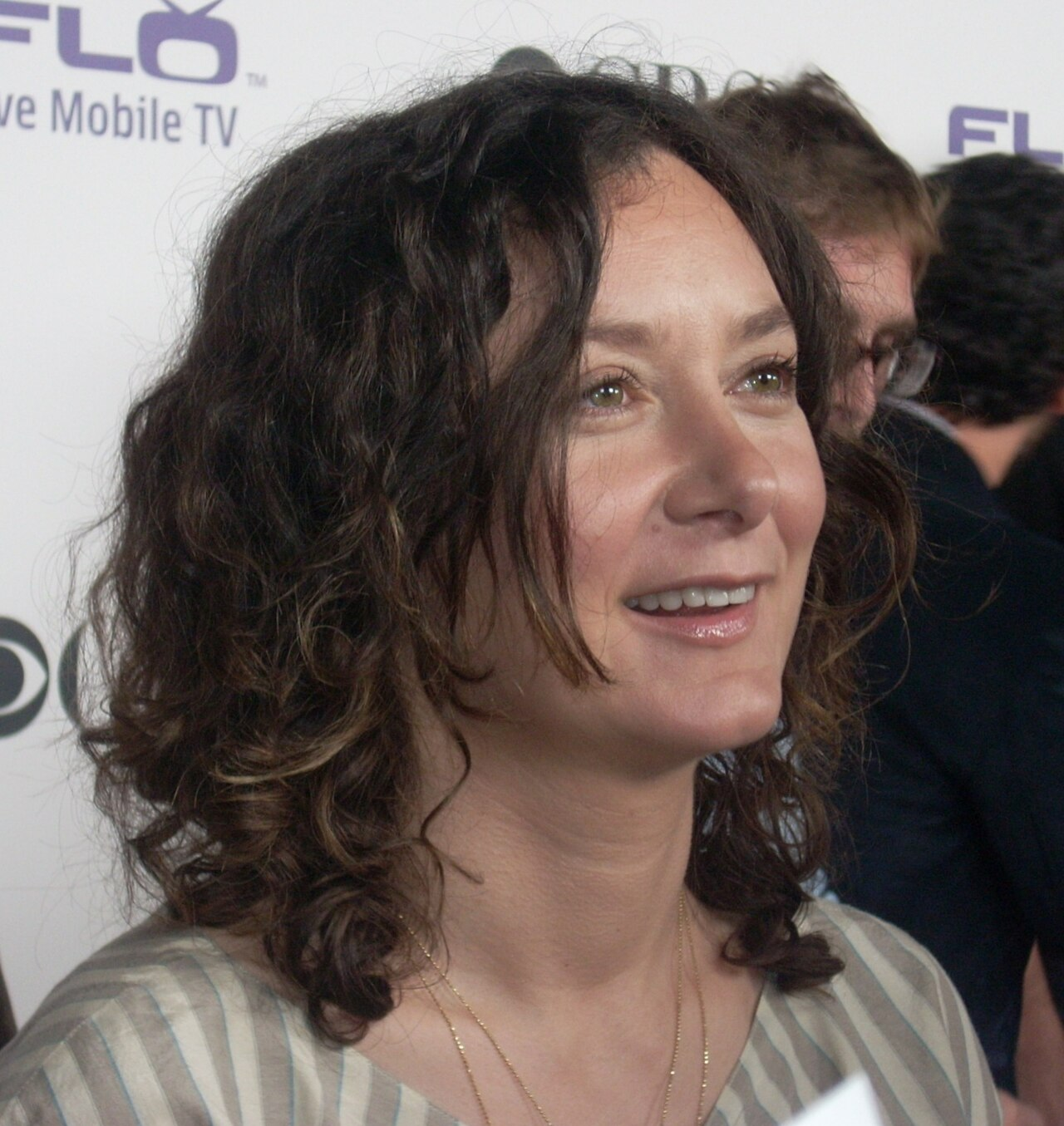
Headshot of Sara Gilbert at a CBS event in 2008

Sara Gilbert has a publicly reported Jewish background. Her current religious practice and detailed beliefs about Jesus are less clearly established in the sources reviewed here. It would go beyond that evidence to describe her as a practicing Christian or to assume that a family identity explains every part of her spiritual life.

Many viewers know Gilbert as Darlene Conner on Roseanne and The Conners. On The Big Bang Theory, she played Leslie Winkle, a scientist whose confidence and dry humor make her memorable. These characters are part of her acting work; their words are not personal statements from Gilbert.

What is publicly documented?

A 2018 entertainment feature published by the interfaith organization 18Doors identifies Gilbert as Jewish while discussing her work on Living Biblically. The same feature connects that appearance with her longstanding professional friendship with Johnny Galecki. This is a public report of Jewish identity, rather than a detailed account of doctrine or present religious observance.

Gilbert’s interviews about her television career provide additional context for her creative interests, but the material reviewed does not supply a clear current statement about church membership, conversion to Christianity, or personal trust in Jesus for salvation. A responsible profile should leave those questions open.

That is not evidence that Gilbert has no spiritual convictions. It simply means that the available sources do not justify filling in her beliefs. People can be open about work while choosing to explain much less about religion.

Why cultural identity and personal belief differ

Jewish identity may involve family history, a religious tradition, shared memory, community, or several of those things together. It should not be treated as if every Jewish person holds the same views or follows the same pattern of observance. An accurate discussion pays attention to the person’s own words whenever those words are available.

Christians should also recognize that their faith cannot be understood apart from its Jewish setting. Jesus and His earliest disciples were Jewish. The New Testament draws constantly on the Old Testament’s promises and history. Romans 11 warns Gentile believers against arrogance toward the Jewish people.

The central Christian claim is that Jesus is the promised Messiah and God’s Son, and that forgiveness comes through His death and resurrection. John 20:31 presents the Gospel’s purpose as bringing readers to faith in Him. This is the question at the heart of a comparison with biblical Christianity, rather than an argument about a person’s ethnic identity.

What a television character cannot tell us

Leslie Winkle’s directness can be funny because fiction sharpens personality traits into memorable scenes. Real people are more complicated. It would be unfair to take a character’s sarcasm, relationships, or scientific interests and use them to assign the actor a religious position.

The Bible calls for truthful speech and warns against judging by appearances (John 7:24; Ephesians 4:25). Those principles apply to celebrity profiles as much as to everyday conversation. We should be willing to say what is known and stop where the evidence stops.

For the reader, the most important spiritual question is personal. Whether our own background is Jewish, Christian, or nonreligious, we must consider what we believe about God and how we can be reconciled to Him. The gospel offers a specific answer grounded in Jesus Christ.

The gospel: why every one of us needs Jesus

The Bible begins with a good God who created us to know Him and reflect His character. Our problem is that we have turned away from Him. Romans 3:23 says everyone has sinned and fallen short of God’s glory. That includes religious people, people with no religion, celebrities, and the person writing this article.

God’s commandments make the problem personal. Have you ever lied, taken something that did not belong to you, dishonored your parents, or treated something as more important than God? Jesus teaches in Matthew 5 that God also sees the anger and lust in our hearts. Comparing ourselves with someone worse cannot make us innocent before a holy Judge.

Scripture says that death follows sin and that judgment is real (Romans 6:23; Hebrews 9:27). We cannot buy forgiveness with donations, good intentions, church attendance, or a record of professional success. Good deeds matter, but they cannot undo guilt. The Christian message therefore begins with an honest admission of our need for mercy.

The good news is that God has acted in love. Jesus Christ, God’s Son, became truly human and lived without sin. He willingly died on the cross for sinners, taking the judgment we deserve, and rose bodily from the dead. His resurrection is central to the message announced in 1 Corinthians 15:3–4. Christianity rests on who He is and what He accomplished, rather than our ability to improve ourselves enough to earn acceptance.

Ephesians 2:8–10 explains that salvation is a gift of God’s grace, received through faith rather than earned by works. Changed behavior follows as the fruit of new life. Acts 20:21 calls us to repentance toward God and faith in Jesus Christ. Repentance means turning from sin and self-rule; faith means relying on the risen Savior for forgiveness and reconciliation with God.

You can respond to that message wherever you are. Confess your sin to God, ask for His mercy, and place your trust in Jesus rather than your reputation or religious history. A prayer is not a magic formula; the issue is a real turning of the heart toward Christ. Read the Gospel of John, consider Jesus’ claims for yourself, and seek a church that faithfully teaches the Bible. The invitation is for ordinary readers as surely as it is for famous people.

Sources

Featured photo: watchwithkristin / Kristin Dos Santos, Wikimedia Commons, CC BY-SA 2.0. Existing Commons crop, resized.

What Is Kevin Sussman’s Religion? Is He a Christian?

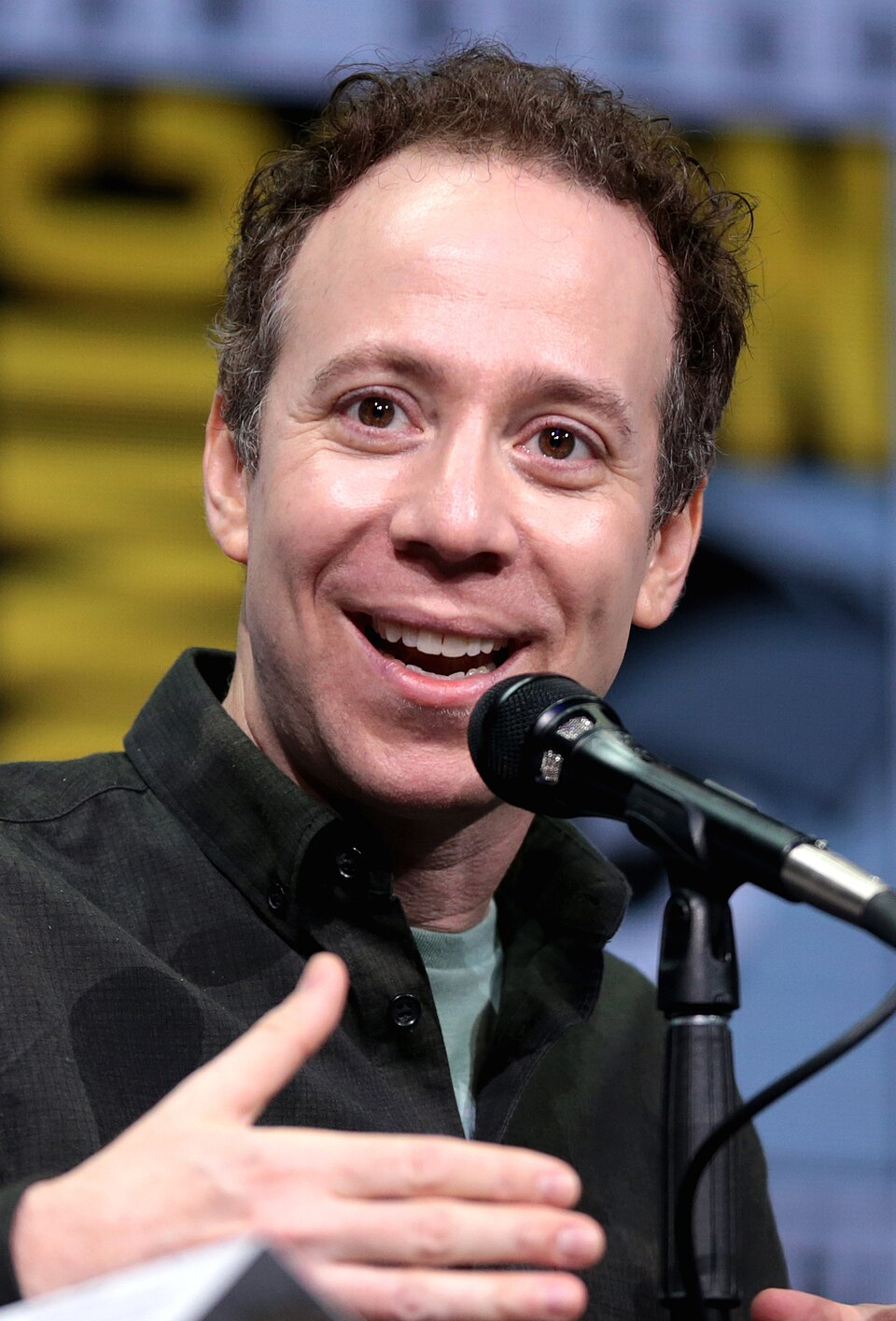
Kevin Sussman at San Diego Comic-Con in 2017

Kevin Sussman’s public comments show an interest in evidence and a cautious approach to spiritual explanations. Biographical sources describe Jewish family roots, but the interviews reviewed here do not establish his current religious practice or a personal profession of Christian faith. His own careful wording is more useful than assigning him a stronger label.

Sussman played comic-book shop owner Stuart Bloom on The Big Bang Theory. A familiar character can make viewers feel that they know the actor personally. The real person, however, has experiences and convictions that cannot be read directly from a script.

What he has said about spirituality

In a July 2021 appearance on Mayim Bialik’s Breakdown, Sussman discussed performing, physical tension, and how people experience emotions. During the conversation, he said he did not want to describe himself as entirely unspiritual, while explaining his preference for evidence-based approaches. The available transcript records that nuance rather than a firm atheist or religious label.

The official episode description focuses on acting and ways of managing performance-related pressures. It does not present the conversation as a conversion testimony or a systematic account of Sussman’s beliefs. This article likewise does not treat a discussion of the Alexander Technique as a declaration about salvation or the existence of God.

The best supported answer is limited: Sussman has publicly shown a preference for explanations he can examine, but the material reviewed does not clearly confirm a current religious affiliation. That is a statement about what the sources establish, not a claim that he has no private faith.

Does faith mean ignoring evidence?

Christianity is sometimes described as believing something without any reason. The New Testament presents a different picture. Luke begins his Gospel by explaining his careful investigation of what had been handed down by eyewitnesses (Luke 1:1–4). First Corinthians 15:3–8 identifies the resurrection message and names witnesses.

Those passages do not remove every question or replace careful thought with a slogan. They show that Christianity makes claims about events, people, and history. Readers are invited to examine those claims. Acts 17:11 commends people who searched Scripture to test the teaching they received.

There is also a distinction between explaining how something works and explaining the meaning of a whole life. A physical account of breathing or muscle tension can address a bodily process. It cannot, by itself, answer whether we owe our existence to God or how we can be forgiven for wrongdoing. Different questions require attention to the kind of answer being offered.

The Bible takes the whole person seriously

Human beings are embodied people, not minds floating apart from ordinary life. Scripture describes people eating, sleeping, grieving, working, and asking for help. Elijah’s story in 1 Kings 19 includes rest and food as well as a renewed encounter with God. Christians should not turn every human difficulty into a simplistic accusation of weak faith.

At the same time, the Bible identifies a moral and spiritual need deeper than improved performance. Each of us answers to the God who made us. Our guilt cannot be solved merely by feeling better or understanding ourselves more clearly. We need reconciliation with Him.

That is the point where the gospel moves beyond a general conversation about spirituality. It gives a definite message about Jesus Christ and a definite invitation to the reader. This comparison describes Christian teaching without pretending that Sussman has endorsed it.

The gospel: why every one of us needs Jesus

The Bible begins with a good God who created us to know Him and reflect His character. Our problem is that we have turned away from Him. Romans 3:23 says everyone has sinned and fallen short of God’s glory. That includes religious people, people with no religion, celebrities, and the person writing this article.

God’s commandments make the problem personal. Have you ever lied, taken something that did not belong to you, dishonored your parents, or treated something as more important than God? Jesus teaches in Matthew 5 that God also sees the anger and lust in our hearts. Comparing ourselves with someone worse cannot make us innocent before a holy Judge.

Scripture says that death follows sin and that judgment is real (Romans 6:23; Hebrews 9:27). We cannot buy forgiveness with donations, good intentions, church attendance, or a record of professional success. Good deeds matter, but they cannot undo guilt. The Christian message therefore begins with an honest admission of our need for mercy.

The good news is that God has acted in love. Jesus Christ, God’s Son, became truly human and lived without sin. He willingly died on the cross for sinners, taking the judgment we deserve, and rose bodily from the dead. His resurrection is central to the message announced in 1 Corinthians 15:3–4. Christianity rests on who He is and what He accomplished, rather than our ability to improve ourselves enough to earn acceptance.

Ephesians 2:8–10 explains that salvation is a gift of God’s grace, received through faith rather than earned by works. Changed behavior follows as the fruit of new life. Acts 20:21 calls us to repentance toward God and faith in Jesus Christ. Repentance means turning from sin and self-rule; faith means relying on the risen Savior for forgiveness and reconciliation with God.

You can respond to that message wherever you are. Confess your sin to God, ask for His mercy, and place your trust in Jesus rather than your reputation or religious history. A prayer is not a magic formula; the issue is a real turning of the heart toward Christ. Read the Gospel of John, consider Jesus’ claims for yourself, and seek a church that faithfully teaches the Bible. The invitation is for ordinary readers as surely as it is for famous people.

Sources

Featured photo: Gage Skidmore, Wikimedia Commons, CC BY-SA 3.0. Resized.