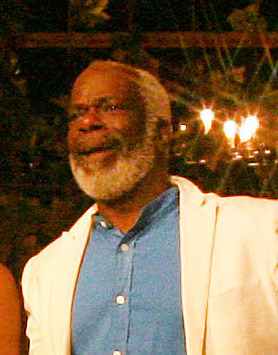
What Is Joseph Marcell’s Religion? Is He a Christian?

Joseph Marcell, Geoffrey in The Fresh Prince of Bel-Air

Joseph Marcell is best known to many viewers as Geoffrey, the dry-witted butler on The Fresh Prince of Bel-Air. His work also includes a long stage career and a close association with Shakespeare’s Globe. That range helps explain why questions about his beliefs can arise from very different performances.

The Globe’s public biography lists extensive theater work. In 2023, the organization recognized him with the Sam Wanamaker Award for his acting and support of the Globe. These records document his artistic contribution. They do not present a personal statement of religious faith.

Religious roles and personal beliefs

Marcell played Father Lewis in the horror film The Exorcism of God. In a 2022 Horror News Network interview, he discussed the role, the director, and the choices people make. He described the tension between knowing what we should do and choosing otherwise.

When asked about acting in a possession story, Marcell approached the question as an actor discussing his work. The interview does not establish that he personally holds every religious belief represented by his character. Nor does appearing in a horror film establish that he rejects Christianity.

A performance can explore spiritual questions without becoming a confession of faith. This distinction is especially important with clergy roles. An actor wearing a clerical collar is portraying a person; he is not necessarily telling the audience what he believes about God.

Is Joseph Marcell a Christian?

The reliable sources reviewed here do not establish a clear personal Christian profession or a particular denominational affiliation. That leaves his religious identity unconfirmed in this profile. It would be unfair to turn the absence of a statement into a claim that he has no faith.

His comments about moral choice are still worth considering carefully. They reflect a recognizable human struggle: we can understand that something is wrong and do it anyway. Christians can engage that observation without claiming that Marcell intended to teach Christian doctrine.

His best-known comedy role raises another issue. Geoffrey works in a wealthy household, but the humor often allows him to see through the family’s pride. The character’s social position does not prevent him from noticing the truth. That offers a useful bridge to the Bible’s teaching about dignity and service.

People matter more than social position

Genesis 1:27 teaches that all human beings are made in God’s image. A person’s worth does not depend on owning the house, running the business, or having the most impressive title. Those who serve others deserve respect, fair treatment, and honest recognition.

James 2 warns against favoritism that honors wealthy people while humiliating the poor. Christians should examine how they speak to cleaners, servers, caregivers, and other workers whose effort makes daily life possible. Courtesy toward powerful people is not enough.

Jesus also challenged his disciples’ desire for status. In Mark 10:45, he explained that he came to serve and give his life as a ransom for many. His service was not a lack of authority. It revealed how he used his authority for the good of others.

That is different from treating service as a joke or a sign of inferiority. A biblical view of work calls people to faithfulness and calls those with power to justice. It also invites everyone to consider whether pride is shaping the way they treat their neighbors.

Why knowing better does not always change us

Marcell’s observation about human choices connects with a problem Scripture addresses directly. Knowing a command does not automatically give us the desire to obey it. We can understand honesty and still lie when telling the truth becomes costly.

Romans 3:23 says everyone has sinned. The Ten Commandments expose wrongdoing in our relationship with God and with others: idolatry, dishonesty, stealing, adultery, and coveting. Jesus also addressed anger and lust in the heart. The standard reaches deeper than what other people can see.

Blaming circumstances or comparing ourselves with worse behavior does not remove guilt. God is holy and just. Romans 6:23 describes death as sin’s wages. We need more than information about right and wrong; we need forgiveness and a changed heart.

The Savior who served sinners

Jesus Christ, God’s Son, lived without sin and willingly died on the cross for sinners. He bore the judgment we deserve. He was buried and rose bodily from the dead, as 1 Corinthians 15:3–4 summarizes. His resurrection gives the gospel a foundation beyond personal feelings or dramatic storytelling.

Salvation comes by grace through faith in him. Ephesians 2:8–9 teaches that it is God’s gift, not a reward for our works. We are called to repent, turning from sin, and trust Jesus as Lord and Savior. A life of obedience follows his mercy; it does not purchase it.

For readers who recognize the gap between knowing and doing, this is good news. Christ does not merely tell sinners to improve their performance. He offers reconciliation with God and makes his people new.

Marcell’s career has given audiences comedy, drama, and memorable characters. Christians can appreciate his craft and pray for him without inventing a religious label. The most useful question to take away is personal: have you trusted the Savior who gave himself to rescue sinners?

Sources

Portrait: University of Essex, CC BY 2.0, via Wikimedia Commons. Cropped or resized where needed.


What Is Daphne Maxwell Reid’s Religion? Is She a Christian?

Daphne Maxwell Reid, Aunt Vivian in The Fresh Prince of Bel-Air

Daphne Maxwell Reid has spoken about God as the giver of her talents. Her public story also includes a church background and a creative life that reaches far beyond playing Aunt Vivian on The Fresh Prince of Bel-Air. Acting, photography, sewing, and design have all been parts of that life.

In her conversation with The Chris & Sandy Show, Reid described a responsibility to use the gifts God had given her. Rather than urging someone else to copy her career, she encouraged a more personal response to the abilities they had received. Her remarks connect creativity with gratitude and responsibility.

A church background and a varied creative life

The HistoryMakers’ oral-history guide includes Reid discussing attendance at Good Shepherd-Faith Presbyterian Church in New York. That is a specific piece of her religious background. It is more useful than assigning a denomination solely because of where she grew up or the roles she later played.

At the same time, a childhood church connection does not establish every detail of an adult’s current beliefs. Her comments about God-given talents support saying that belief in God is part of her public outlook. They do not, by themselves, provide a complete explanation of her theology.

In an interview with Adam Mendler, Reid described the welcome and respect she received when she joined Fresh Prince. She also identified passion, commitment, and a desire to learn as qualities that help people in entertainment. These practical themes fit her public interest in making good use of a creative life.

Is Daphne Maxwell Reid a Christian?

Reid has a documented Presbyterian church background and has publicly spoken of God as the source of her gifts. Those are meaningful facts. The sources reviewed here do not establish a detailed personal testimony about salvation or confirm a present church membership.

It is therefore best to describe what she has said rather than claim certainty about matters she has not fully explained. Her portrayal of a caring television mother does not add evidence about her religious identity. The real person and the character deserve to be distinguished.

For Christian readers, her language about gifts opens a helpful question: what does the Bible mean when it says our abilities and opportunities come from God, and how should that change the way we live?

God-given gifts and faithful stewardship

James 1:17 teaches that every good and perfect gift comes from above. That gives Christians a reason for gratitude rather than self-congratulation. An ability may involve years of practice, but the strength, opportunities, and people that helped us develop it were never entirely within our control.

First Peter 4:10 calls believers to serve one another with the gifts they have received. The purpose is bigger than being noticed. A gift becomes a way to bless a neighbor, encourage a child, create honest work, or meet a practical need.

This applies far beyond celebrities. Someone may be gifted at cooking, fixing a broken appliance, teaching, listening, organizing, or caring for a person who is tired. God’s view of useful service is not limited to the work that draws applause.

The Bible also joins stewardship with accountability. Jesus’ parables challenge people to use what has been entrusted to them. We should not waste opportunities through fear or selfishness. Yet faithful service should be shaped by God’s commands, rather than the assumption that any use of a talent must be good.

Hospitality and welcome

Reid’s description of being welcomed onto a television set offers another point of connection. Romans 12:13 encourages hospitality, and Hebrews 13:2 tells believers not to neglect it. A warm welcome can help someone enter an unfamiliar place with confidence.

Christian hospitality is more than good manners toward people who can advance our careers. Jesus repeatedly drew attention to those others overlooked. Following him means seeing people as neighbors, including when their needs interrupt our convenience or their background differs from ours.

Still, kindness cannot become a substitute for the gospel. We can be thankful for good gifts and do generous things while needing forgiveness ourselves. Scripture tells the truth about that deeper need.

Why we need more than talent and kindness

Romans 3:23 says that all have sinned and fall short of God’s glory. God’s commands expose lying, stealing, coveting, and placing other things ahead of him. Jesus also addressed anger and lust in the heart. Our outward successes cannot make those failures disappear.

Sin brings guilt and judgment before a holy God. Romans 6:23 describes death as its wages. We cannot purchase forgiveness by using our gifts well enough or by becoming more admired. A gift of mercy must come from God.

The gift of salvation through Jesus Christ

Jesus Christ, God’s Son, lived without sin. He willingly died on the cross for sinners, bearing the punishment we deserve. He was buried and rose bodily from the dead. First Corinthians 15:3–4 summarizes these events as the heart of the gospel.

Salvation is received by grace through faith in Jesus, as Ephesians 2:8–9 explains. God calls us to repent, turning from sin, and trust Christ as Lord and Savior. Good works then become an expression of gratitude, not a price paid for acceptance.

Reid’s public reflections encourage people to consider the gifts they have received. The Bible brings that question to its deepest point: have you received the forgiveness God offers through his Son? Christians can pray for Reid and her family while examining their own answer with humility.

Sources

Portrait: U.S. Navy / Jay C. Pugh, Public domain in the United States, via Wikimedia Commons. Cropped or resized where needed.

What Is Tatyana Ali’s Religion? Is She a Christian?

Tatyana Ali at the 2012 Toronto International Film Festival

Tatyana Ali has discussed faith, spiritual questions, and the ways acting has challenged her personally. Best known as Ashley Banks on The Fresh Prince of Bel-Air, she has also worked in music and films, including the faith-based drama The Reason. Her comments about that film provide a useful window into her public beliefs.

In an on-set interview with EURweb, Ali described deep conversations among the cast about theology, purpose, and the meaning of the story. She said the experience raised personal as well as artistic questions. Her answer showed a willingness to engage with faith rather than treating it only as part of a script.

What Tatyana Ali has said about spirituality

Ali explained that roles often teach her something she needs to learn. In the same interview, she connected her character’s struggle with pride to a weakness she recognized in herself. She distinguished that competitive, self-important pride from healthy encouragement. This was a personal reflection, not merely a description of a fictional doctor.

Discussing The Reason with Entertainment Tonight in 2020, Ali also explained how difficult the material felt while she was pregnant. She asked her mother to be present during filming. The story involved a seriously ill child, and she wanted the support of someone who could care for her while she worked through it.

These interviews connect her public spiritual discussions with ordinary human experiences: pride, difficult questions, motherhood, and a need for support. They offer more substance than trying to identify a celebrity’s religion from a name or a photograph.

Is Tatyana Ali a Christian?

The sources linked here show Ali taking faith seriously and participating thoughtfully in a Christian-themed film. They do not establish a complete statement of her personal beliefs about Jesus or a particular church affiliation. Acting in a faith-based production is relevant to her work, but it is not by itself a conversion testimony.

Her surname should not be used to label her Muslim, and a film credit should not be used to label her Christian. Religious identity deserves the same care as any other claim about a real person. The accurate answer should stay within what she has publicly explained.

Ali’s comments about learning and pride still give Christian readers a meaningful subject to consider. We do not need to claim that she shares every biblical teaching in order to compare those themes with Scripture.

Pride and humility in the Bible

Proverbs 16:18 warns that pride goes before destruction. The danger is not simply feeling good about doing a task well. It is placing ourselves at the center, refusing correction, and acting as though we do not need God or other people.

Luke 18:9–14 records Jesus’ story about a religious man who congratulated himself and a tax collector who asked for mercy. The religious man compared himself favorably with others. The tax collector recognized his sin. Jesus commended the humble man who depended on God’s mercy.

That teaching challenges successful people and struggling people alike. Pride can hide behind awards, intelligence, religious knowledge, or resentment that we have not received enough recognition. Humility begins when we stop making excuses and become willing to hear the truth.

Christians can welcome Ali’s willingness to acknowledge a personal weakness while remembering that the Bible’s call reaches each of us. It is easier to discuss humility in someone else’s interview than to practice it when our own behavior is questioned.

Faith when suffering raises hard questions

A story about a sick child naturally raises the question of where God is when life hurts. The Bible does not pretend suffering is easy. The Psalms contain honest cries of grief, and Jesus wept at Lazarus’s tomb in John 11. Compassion is not a failure of faith.

Christian hope also cannot be reduced to a promise that every illness will disappear now. God invites prayer, and Christians believe he is able to heal. Our final hope, however, rests in the resurrection of Jesus and his promise to defeat death. That foundation remains when circumstances are painful.

The good news beneath our spiritual questions

The Bible says our deepest need is reconciliation with God. Romans 3:23 teaches that everyone has sinned. God’s law exposes dishonesty, stealing, idolatry, coveting, and failures of love. Jesus taught that sinful anger and lust matter even when they remain hidden from other people.

We cannot erase guilt by being more talented, more compassionate, or more sincere. Romans 6:23 describes death as the wages of sin. A holy God does not ignore evil, but he has made a way for sinners to be forgiven.

Jesus Christ, God’s Son, lived without sin and willingly died on the cross for our sins. He was buried and rose bodily from the dead, as summarized in 1 Corinthians 15:3–4. His sacrifice, rather than our achievements, is the basis of salvation.

God calls us to repent and believe the gospel. That means turning from sin and trusting Jesus as Lord and Savior. Ephesians 2:8–9 says salvation is a gift of grace received through faith, not something we earn. A new life of obedience follows his mercy.

Ali’s interviews show thoughtful engagement with faith and personal growth. Christians can appreciate that openness and pray for her and her family. Every reader is also invited to move beyond curiosity about a celebrity and consider the mercy Jesus offers personally.

Sources

Portrait: GabboT, CC BY-SA 2.0, via Wikimedia Commons. Cropped or resized where needed.
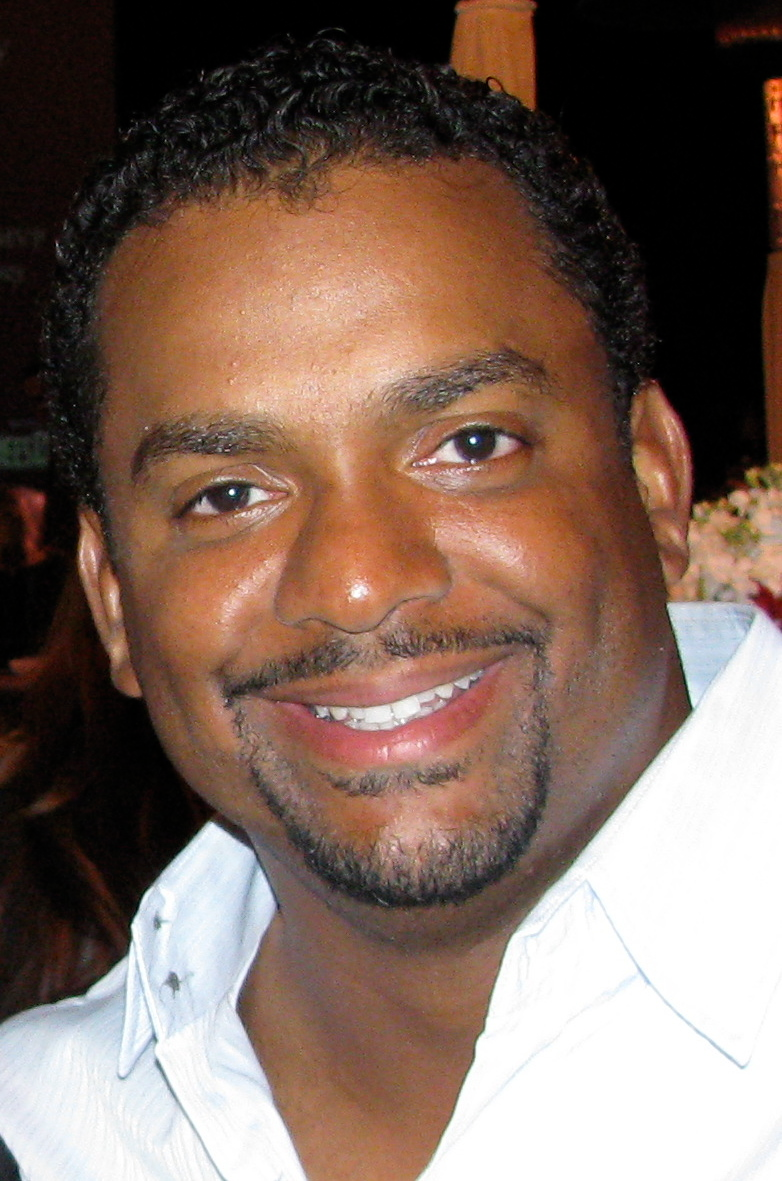
What Is Karyn Parsons’s Religion? Is She a Christian?

Karyn Parsons, Hilary Banks in The Fresh Prince of Bel-Air

Karyn Parsons became familiar to television audiences as Hilary Banks on The Fresh Prince of Bel-Air. Away from that role, she has built a different kind of storytelling career as an author and the founder of Sweet Blackberry. Her work brings overlooked stories of Black achievement to children.

On her own website, Parsons explains that she wanted to act from childhood. After Fresh Prince, writing grew into an important part of her life. She founded Sweet Blackberry in 2005, and her debut novel, How High the Moon, followed in 2019. These are the projects she uses to describe her purpose and creative work publicly.

What has Karyn Parsons said about faith?

In a 2019 interview discussed by Colorlines, Parsons used the word “faith” while talking about the power of history and representation. The context was her hope that telling neglected stories could change how children understood themselves and their possibilities. It was a statement about why she continued that work.

That context matters. People use “faith” to mean religious trust, confidence in an idea, hope for change, or trust in another person. Her comment should not be turned into a declaration of a specific religion when the surrounding discussion did not establish one.

In a separate Her Agenda interview, Parsons discussed typecasting, taking creative chances, and wanting children to hear stories that had inspired her. Those remarks reveal priorities and motivation. They do not provide a complete account of her beliefs about God, Jesus, or salvation.

Is Karyn Parsons a Christian?

The sources reviewed here do not establish a clear personal Christian profession or a current denominational affiliation. Conflicting labels on celebrity biography sites are not a good substitute for an attributable statement. This profile therefore leaves that question open.

Her family background and her husband’s background should not be used to assign her a religion either. Religious belief is not something a writer can reliably infer from a name, appearance, ancestry, or marriage. Truthful reporting requires more than an assumption that sounds plausible.

We can still recognize the substance of her public work. Parsons wants children to encounter history that broadens their view of what people have accomplished. That concern offers a worthwhile point of contact with several biblical teachings, without becoming a claim about her private faith.

What the Bible says about dignity and remembering

Genesis 1:27 teaches that human beings are made in God’s image. Our value is not granted by public attention or by whether a history book includes our story. This gives Christians a strong reason to oppose contempt and to treat overlooked people as neighbors with dignity.

Remembering also matters throughout Scripture. Deuteronomy 6 tells God’s people to teach their children diligently. Psalm 78 describes passing on the works of God so another generation can know them. The Bible does not treat children as empty audiences to entertain; they are people who need truth, guidance, and reasons for hope.

There is a difference between historical learning and Christian discipleship, but both involve the responsibility to tell the truth. Christians should resist convenient myths even when those myths flatter their own group. Proverbs 18:17 reminds us that the first account can seem convincing until it is examined.

The contrast between Hilary’s often self-focused comedy and Parsons’s educational work also illustrates why a character should not define an actor. Scripture warns against shallow judgments. Knowing someone’s most famous performance is a small window into a much larger human life.

Hope needs a trustworthy foundation

Learning what others have overcome can encourage a child to persevere. That kind of encouragement is valuable. The Bible also asks what our deepest hope rests on when effort fails, people disappoint us, or death interrupts our plans.

Christian hope centers on Jesus Christ and his resurrection. First Peter 1:3 describes a living hope through his rising from the dead. It reaches beyond improved circumstances. It promises reconciliation with God and an inheritance that cannot be destroyed.

That hope begins with an honest diagnosis. Romans 3:23 says all have sinned. God’s commands reveal our dishonesty, selfishness, coveting, and failure to love him and our neighbors. Jesus exposed sinful anger and lust as well as outward wrongdoing. Better knowledge does not automatically produce a clean heart.

The gospel and a new identity

Sin brings guilt before a holy God. Romans 6:23 calls death its wages. We cannot erase our record through education, worthy causes, charitable giving, or a more inspiring personal story. None of those things can replace the forgiveness we need.

Jesus, the Son of God, lived without sin and gave his life on the cross for sinners. He bore the penalty we deserve, was buried, and rose bodily from the dead. First Corinthians 15:3–4 presents this as the central good news Christians announce.

Salvation is received by grace through faith, not earned through our achievements. Ephesians 2:8–10 puts good works after God’s saving gift, as the life he prepares his people to live. We are called to repent, turn from sin, and trust Jesus as Lord and Savior.

Parsons’s storytelling reminds readers that familiar labels can hide a fuller story. The gospel gives an even deeper reason to look beyond labels: every person needs the mercy of Christ. Christians can appreciate her work, pray for her and her family, and ask whether their own hope rests in the risen Savior.

Sources

Portrait: German Comic Con, CC BY 3.0, via Wikimedia Commons. Cropped or resized where needed.
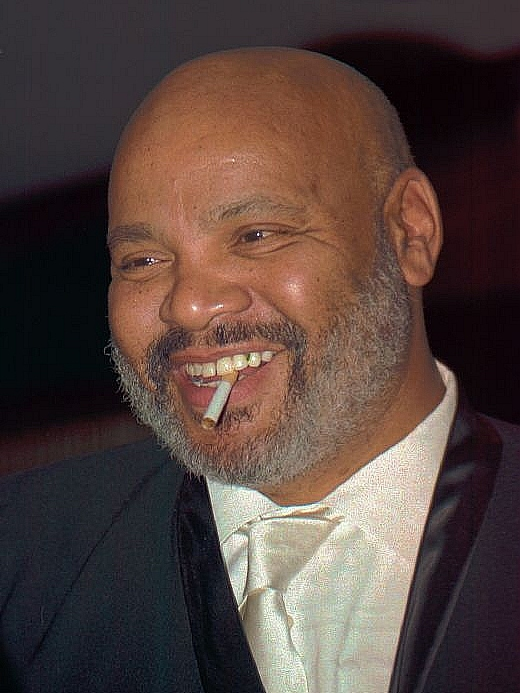
What Is Alfonso Ribeiro’s Religion? Is He a Christian?

Alfonso Ribeiro, Carlton Banks in The Fresh Prince of Bel-Air

Alfonso Ribeiro is known for playing Carlton Banks on The Fresh Prince of Bel-Air, a character whose confidence, habits, and famous dance made him instantly recognizable. His career also includes Broadway, Silver Spoons, and television hosting. Those roles show his range as an entertainer, but they do not by themselves explain his religious beliefs.

In interviews, Ribeiro has discussed the work behind entertaining a family audience. Speaking with The Rogers Revue about hosting Spell-Mageddon, he described listening, learning how a game works, and responding naturally to contestants. He also remembered enjoying game shows as a child. His public comments in that conversation concern his craft rather than a statement of faith.

What is Alfonso Ribeiro’s religion?

The reliable interviews reviewed for this profile do not establish a particular denomination or a detailed personal testimony about Jesus Christ. Some biography sites attach religious labels to celebrities without identifying where the person said it. A repeated label is still a claim that needs evidence.

Ribeiro’s surname, family background, and television work are not enough to identify his religion. Neither is Carlton’s behavior. The actor and the fictional character are different people, even when a performance becomes closely connected with someone’s public identity.

The fairest answer is that his personal religious affiliation has not been clearly established by the sources linked here. That does not mean he has no faith. It means this article should leave private matters private rather than give readers an unsupported answer.

Is Alfonso Ribeiro a Christian?

There is not enough attributable information in these sources to affirm or deny a personal Christian profession. A Christian faith profile should be especially careful about truthfulness. Exodus 20:16 forbids false witness, and that concern applies when the subject is a celebrity we have never met.

Readers who associate Ribeiro with pleasant family entertainment may feel that they already know him. Familiarity with a performer can make that feeling strong. Still, enjoying his work is different from knowing what he believes about the cross, resurrection, repentance, or salvation.

We can examine the ideas raised by his best-known role without pretending he personally taught them. Carlton’s concern with success and belonging gives viewers several useful questions to bring to the Bible.

Success, acceptance, and identity in Scripture

On The Fresh Prince of Bel-Air, Carlton often represents a young man who values achievement and believes he understands how the world should work. His clashes with Will expose differences in experience, confidence, and expectations. Comedy makes those differences easier to watch, but the underlying questions are serious.

Where do we get our value? Is it from money, education, popularity, appearance, or the approval of a group? Genesis 1:27 grounds human worth in being made in God’s image. That worth does not rise and fall with a report card, paycheck, or invitation.

James 2:1–9 warns Christians against showing favoritism to wealthy people while treating poor people as less important. A good reputation for sophistication cannot excuse contempt. Biblical love asks us to see the person in front of us and treat that neighbor with dignity.

Achievement itself is not wrong. Colossians 3:23 encourages wholehearted work. The problem comes when accomplishment becomes a way to boast, look down on others, or make ourselves secure without God. Proverbs repeatedly connects wisdom with humility and a willingness to receive correction.

Why a polished image is not enough

It is possible to appear responsible and still need forgiveness. God’s law reaches beneath manners and public behavior. Have we lied to protect an image, coveted someone else’s life, or honored ourselves more than God? Jesus also addressed anger and lust as matters of the heart.

Romans 3:23 teaches that everyone has sinned. That includes the person who looks impressive and the person who feels rejected. No social group can make its members righteous before God, and comparing ourselves with someone worse cannot remove guilt.

Romans 6:23 says that sin earns death. The Bible presents this as a real spiritual problem, not a minor flaw that a better attitude will fix. Good works matter, but they cannot purchase a pardon from a holy Judge.

The good news of grace through Jesus

Jesus Christ, God’s Son, lived the sinless life we have failed to live. He willingly died on the cross for our sins and rose bodily from the dead. First Corinthians 15:3–4 identifies his death, burial, and resurrection as central to the gospel.

God offers salvation by grace through faith in Christ. Ephesians 2:8–9 says it is a gift, not the result of works, so that no one can boast. The gospel removes our basis for looking down on others. Everyone who is saved comes through the same undeserved mercy.

The response is to repent and trust Jesus as Lord and Savior. Repentance means turning from sin toward God; faith rests in what Jesus accomplished rather than in personal performance. A changed life follows that trust, but it does not buy it.

Alfonso Ribeiro’s work has brought laughter to generations of viewers. Christians can appreciate that work, pray for him and his family, and remain honest about what his interviews establish. The deeper question for each reader is whether your own confidence rests in achievement or in the grace of Jesus Christ.

Sources

Portrait: Alfonso Ribeiro, CC BY-SA 3.0, via Wikimedia Commons. Cropped or resized where needed.

What Was James Avery’s Religion? Was He a Christian?

James Avery, Philip Banks in The Fresh Prince of Bel-Air

James Avery brought strength, humor, and warmth to Philip Banks on The Fresh Prince of Bel-Air. Uncle Phil could deliver a sharp correction and then offer the kind of welcome Will needed. For many viewers, Avery became a lasting picture of a father who took responsibility for his family.

Avery’s career also extended beyond that familiar living room. His work included television, theater, and voice acting, including Shredder in Teenage Mutant Ninja Turtles. The HistoryMakers recorded his life and career in an oral history. Its biography describes his early stage work, including playing God in a production of J.B.

What is known about James Avery’s religion?

The sources reviewed for this profile do not establish a clear personal religious affiliation or a detailed statement from Avery about salvation through Jesus Christ. His dramatic roles, including religious ones, cannot supply that missing information. Performing a character is part of an actor’s work.

There is also an important name distinction. James Avery the actor is different from James Avery the jewelry designer. Searches about religion can bring up the designer’s crosses, business, and spiritual history. Those details should not be attached to the man who played Uncle Phil.

Avery died in 2013. His public legacy remains closely connected with the affection of his fellow cast members and the audiences who watched him. Reporting that legacy does not require inventing a church membership or deciding what his private convictions must have been.

Was James Avery a Christian?

A responsible answer leaves the question open when the evidence does. The linked sources document an actor’s career and influence, but they do not give enough basis to call him a professing Christian or an atheist. Either label would go beyond what has been established here.

This distinction also helps readers understand the purpose of a faith profile. A person can portray wisdom convincingly without publicly explaining a theology. A viewer can learn something valuable from a scene without assuming the actor endorsed every message in the script.

For Christians, the next step is to consider the themes that made Uncle Phil meaningful and compare them with Scripture. That comparison concerns the show and the Bible. It should not be presented as Avery’s personal creed.

Fatherhood, discipline, and welcome in the Bible

One reason Uncle Phil stays in people’s memories is that he combines authority with care. The Bible gives parents a serious responsibility to teach their children. Ephesians 6:4 also warns fathers against provoking them. Strength should serve a child’s good, rather than become an excuse for pride or cruelty.

Correction and love belong together. Proverbs 3:11–12 describes the Lord’s discipline in the language of a father’s care. That does not make every human correction wise. It gives adults a reason to examine their motives and children a reason to understand that a loving “no” can be a gift.

The show’s picture of a relative making room for a young person also brings hospitality to mind. Romans 12:13 calls believers to practice it. A comfortable house means little if the people inside refuse kindness. Biblical love opens space for someone else’s needs, time, and growth.

Yet even a beloved television father is not the standard by which we finally know God. Human fathers are imperfect. Scripture reveals a Father whose holiness and mercy are complete. Jesus directs people to him and makes reconciliation possible through his own sacrifice.

Why good examples cannot save us

It is natural to remember someone for the encouragement they brought. The Bible allows gratitude for good gifts while telling the truth about our need. Romans 3:23 says that all have sinned. This includes entertainers, parents, children, and the people reading about them.

God’s commands expose more than obvious crimes. Have you lied, taken what was not yours, dishonored God, or cherished bitterness? Jesus taught that the heart matters as well as outward behavior. Anger and lust reveal that our problem runs deeper than managing a respectable public image.

We cannot balance away guilt with a longer list of good deeds. Romans 6:23 identifies death as the wages of sin. The coming judgment makes forgiveness urgent. God’s mercy is wonderful precisely because our need is real.

The gospel offers a better hope

Jesus Christ, God’s Son, entered our world and lived without sin. He willingly died on the cross for sinners, bearing the judgment we deserve. He was buried and rose bodily from the dead. First Corinthians 15:3–4 places those events at the heart of the good news.

Salvation is God’s gift of grace, received through faith in Jesus. Ephesians 2:8–9 rules out earning it through achievement or generosity. We are called to repent, turning from sin, and trust Christ as Lord and Savior. His finished work is sufficient for those who come to him.

James Avery’s performances gave many people laughter and a memorable picture of care. We can value those gifts without claiming knowledge of his eternal destiny. For living readers, the question remains personal: are you trusting a good reputation, or have you turned to the Savior who can forgive and make you new?

Sources

Portrait: John Mathew Smith / Kingkongphoto & www.celebrity-photos.com, CC BY-SA 2.0, via Wikimedia Commons. Cropped or resized where needed.

What Was Ronny Hallin’s Religion? Was She a Christian?

AI-Generated portrait of Ronny Hallin

Was Ronny Hallin a Christian?

Ronny Hallin’s personal religious beliefs were not clearly established in the reliable public sources reviewed for this profile. No verified statement from her was found that explained whether she identified as Christian, followed another religion, or held no religious belief. An honest answer must leave that question open.

The television producer and casting professional died on October 27, 2026, at age 88, according to the Television Academy’s biographical record. Her career was documented more fully than her faith. Limited public information should not be turned into a confident religious label.

Her Work Helped Familiar Shows Take Shape

The Television Academy recorded Hallin’s work with her brother Garry Marshall on Happy Days, Laverne & Shirley, and Joanie Loves Chachi. Her credits also included producing work on The Hogan Family, Perfect Strangers, and Family Matters, along with casting work on Mork & Mindy.

Her work extended to the stage. The Internet Broadway Database credited her among the original producers of the Happy Days musical at the Falcon Theatre in Burbank. The show later toured in 2008–2009.

Those credits established a career that helped other performers and productions reach an audience. They did not establish a church affiliation or tell readers what she believed about Jesus.

The Bible Values Work Beyond the Spotlight

Hallin’s work offers a useful starting point for a biblical reflection on recognition. Viewers may remember the actors whose faces appear on screen while knowing little about those who help a production happen. Visibility and value are different things.

In 1 Corinthians 12:14–26, Paul describes the church as a body with many parts. The parts that seem less impressive are still necessary. His point concerns believers serving together, not the entertainment industry. Yet the passage challenges the habit of treating public attention as the measure of a person’s worth.

Christians can apply that lesson by thanking people whose work they often overlook. Helping, organizing, and supporting others can matter even when a crowd never learns the worker’s name. This is a reflection for readers, not a claim that Hallin herself explained her work in these terms.

Family Connections Do Not Settle Personal Faith

A family’s background can help explain someone’s childhood, but it cannot answer every question about adult belief. The religion of a parent or sibling does not automatically become another person’s own confession. Neither a surname nor a career built with relatives can fill that gap.

John 1:12–13 describes becoming a child of God through receiving Christ and believing in his name. It does not present spiritual life as something inherited through family status. That teaching directs readers toward their own response to Jesus rather than toward guesses about a public figure’s relatives.

Service, Humility, and What God Sees

Jesus teaches that greatness among his followers involves serving others (Mark 10:42–45). This overturns the idea that influence should mainly be used to win praise. Christian service aims at another person’s good.

A job behind the scenes does not automatically prove humility, just as a visible job does not automatically prove pride. Motives matter, and the public cannot inspect another person’s heart. 1 Samuel 16:7 reminds readers that God sees more than outward appearances.

Hallin’s professional contribution can be remembered without inventing a spiritual testimony for her. Respect includes letting the evidence remain as limited as it is.

The Gospel and the Limits of This Profile

Christianity’s central claim concerns Jesus Christ, God’s Son, who became human and lived without sin. All people have sinned and need God’s forgiveness. Jesus died on the cross for our sins and rose bodily from the dead (John 1:1–14; Hebrews 4:15; Romans 3:23; 1 Corinthians 15:3–4).

Salvation is a gift of grace received through faith in Christ. It cannot be earned through career success, family ties, or helpful work. Jesus calls people to repent, turning from sin, and believe in him. Good works then become part of a life shaped by grace (Ephesians 2:8–10; Mark 1:15).

That is the Christian message used here for comparison. It should not be presented as Hallin’s own recorded testimony. Her personal religion remained unconfirmed in the available evidence, and this profile makes no declaration about her eternal destiny.

Sources

Image: AI-generated illustrative portrait of Ronny Hallin. This is not an authentic photograph. The image is visibly labeled AI-Generated.

What Is Nia Long’s Religion? Is She a Christian?

Nia Long at the 2012 Eye on Black event

Nia Long has publicly spoken about God, prayer, dreams, and spiritual guidance. Her interviews reveal a belief in a spiritual realm and a desire to stay close to God. They offer more detail about her faith than a simple label based on one of her film roles.

In an interview about Premonition, Long told interviewer Kevin Carr that she prayed for clear signs and messages to help guide her life. She said those messages sometimes came through dreams. She also described believing that God was involved in what people do. These are her own explanations of her spirituality, given in the context of a film about unusual experiences.

Prayer, dreams, and guidance

Long described dreams she regarded as meaningful and connected that experience with her grandmother. She presented it as something she recognized in her own family. Her remarks show how personal and practical spirituality can be for her: it involves seeking direction, paying attention, and believing life is not entirely within our control.

The interview does not give a full account of her beliefs about God or identify a particular congregation. It does, however, support saying that prayer and belief in God are parts of her public story. That is a more useful answer than assuming every spiritual statement means the same thing for every person.

What she said while discussing Mooz-lum

In a separate interview with the Los Angeles Sentinel about Mooz-lum, Long credited God with her talent and success. She also emphasized staying close to Him and taking action. That combination of spiritual dependence and personal effort was how she described pursuing what she believed God had intended for her.

The film also prompted questions about Islam. Long explained that her mother had taught her some of its basic ideas after traveling to Abu Dhabi. Preparing to play a Muslim woman gave her a closer look at the faith and at the support women offered one another. Learning about Islam for a role, though, is not the same as announcing that she had adopted it.

These interviews show interest in faith across more than one setting. They do not justify turning familiarity with a religion into a claim of membership. The fairest description is a public belief in God and spiritual guidance, with the limits of the available statements kept clear.

A familiar face across generations

Long became widely known through films including Boyz n the Hood, Friday, and Love Jones. Television audiences also remember her from The Fresh Prince of Bel-Air. Her work has included comedy, romance, family stories, and serious drama. In Michael, released in 2026, she appears in the story of Michael Jackson’s rise to fame.

That long career is part of why readers search for her beliefs. They have grown up watching her portray different families, relationships, and ways of living. Listening to interviews lets the real person speak beyond those characters. It also protects against confusing a convincing performance with an actor’s personal religious identity.

How does the Bible approach spiritual guidance?

The Bible encourages prayer. Philippians 4:6–7 invites people to bring their concerns to God with thanksgiving. James 1:5 tells those who lack wisdom to ask Him. Long’s willingness to speak about prayer raises a question many readers share: how do we know whether the direction we feel is trustworthy?

Scripture does describe God using dreams at particular times. It also warns against accepting every spiritual claim. First John 4:1 calls believers to test the spirits. Second Timothy 3:16–17 presents Scripture as a source of teaching and correction. A dream may feel powerful, but Christians should weigh it by God’s revealed truth rather than let a feeling become its own authority.

This comparison is about ideas, not a judgment on Long’s heart. It invites all of us to examine how we decide what is true. Humility means being willing to have our own understanding corrected as well.

The need beneath our search for direction

We often ask God what to do next. The Bible also asks how we stand before Him. His law tells us to honor Him, speak truth, reject theft, and love our neighbors. Have we obeyed those commands in every thought and action? Jesus taught that anger and lust matter as well as the outward acts they can produce.

Romans 3:23 says all have sinned. That includes people who pray and people who do not. Recognizing our wrong is not meant to drive us into hopelessness. It shows why we need a Savior instead of a plan for becoming our own savior through better choices.

God’s gift through Jesus Christ

Jesus Christ, God’s Son, lived without sin and died on the cross for our sins. He bore the penalty we deserve, was buried, and rose bodily from the dead. The gospel rests on what He accomplished, as 1 Corinthians 15:3–4 explains.

Forgiveness and eternal life are received through faith in Him. They are gifts of grace, not wages for spiritual effort or good behavior. Ephesians 2:8–9 makes that distinction clear. You can place your trust in Jesus and His finished work rather than in your ability to read every sign correctly or live a flawless life.

Long’s words give readers a window into her belief in God and spiritual guidance. For anyone exploring those same questions, the Bible directs attention to a Savior who offers more than guidance: He offers reconciliation with God.

Sources and photo credit

Kevin Carr’s Nia Long interview about Premonition; Los Angeles Sentinel: Quality Time with Nia; STARZ: Michael cast.

Photo: MingleMediaTVNetwork, Wikimedia Commons, CC BY-SA 2.0. Resized.

The Big Bang Theory Cast: Religion, Faith, and What the Bible Says

The Big Bang Theory television series title logo

The Big Bang Theory brings together people who are brilliant in some areas and very ordinary in others. Its scientists, friends, partners, and parents argue about ideas while learning how to live with one another. Beneath the jokes are recognizable questions about pride, love, belonging, truth, and what gives a life meaning.

The cast members bring different backgrounds and beliefs to those roles. Some have spoken openly about Judaism, Catholic practice, atheism, or personal spirituality. Others have discussed a religious upbringing without clearly explaining their present faith. This guide connects all 20 approved Famous Faith profiles and considers the show’s themes in light of Scripture.

Explore the 20 cast profiles

Each name below opens a researched article about that person’s public statements, followed by a comparison with biblical teaching and an explanation of the gospel. A character’s religion is kept separate from the performer’s own beliefs. When the sources do not establish a current religious identity, the profile says so.

Person Role in The Big Bang Theory
Jim Parsons Sheldon Cooper
Kaley Cuoco Penny
Johnny Galecki Leonard Hofstadter
Mayim Bialik Amy Farrah Fowler
Simon Helberg Howard Wolowitz
Kunal Nayyar Raj Koothrappali
Melissa Rauch Bernadette Rostenkowski-Wolowitz
Kevin Sussman Stuart Bloom
Wil Wheaton A fictionalized version of himself
Sara Gilbert Leslie Winkle
Laurie Metcalf Mary Cooper
Christine Baranski Beverly Hofstadter
Bob Newhart Arthur Jeffries / Professor Proton
John Ross Bowie Barry Kripke
Laura Spencer Emily Sweeney
Keith Carradine Wyatt, Penny’s father
Judd Hirsch Alfred Hofstadter
Katey Sagal Susan, Penny’s mother
Kathy Bates Amy’s mother, Mrs. Fowler
Teller Larry Fowler, Amy’s father

A cast with different religious backgrounds

Mayim Bialik has described Jewish observance and belief in God. Melissa Rauch has identified herself as Jewish and connected her comedy with family traditions. Simon Helberg’s interviews document Jewish roots and an earlier synagogue connection. John Ross Bowie’s own 2026 announcement describes his conversion to Judaism in the previous year.

Jim Parsons has discussed a Lutheran upbringing, while Johnny Galecki has described Catholic influences during childhood. Christine Baranski has spoken about continuing Catholic practice, and reporting during Bob Newhart’s lifetime and after his death documents his Catholic faith. Wil Wheaton and Teller have publicly expressed atheism; a 2013 interview also described Judd Hirsch as an atheist with Jewish cultural roots.

Kunal Nayyar’s long-form conversations explore spirituality, meditation, and his background. These are different kinds of evidence, and they should not be flattened into a single label for the whole cast. The individual articles explain dates, sources, and limits in more detail.

Science and faith: a television argument is not the whole discussion

The show often places scientific confidence beside religious conviction. Sheldon and his mother Mary are the clearest example. That can make for memorable comedy, but it is not a complete account of either science or Christianity. A fictional argument cannot establish what every scientist believes or what the Bible actually teaches.

Scripture presents an ordered creation that depends on God. Psalm 19 describes the heavens as displaying His glory, and Colossians 1:16–17 identifies Christ as the One through whom all things were created and in whom they hold together. Scientific investigation can study the world’s processes while philosophical and theological questions ask why there is a world at all and what we owe its Maker.

Christians should welcome honest questions and avoid pretending to know what they have not studied. Acts 17:11 commends the examination of Scripture. The New Testament’s account of Jesus also appeals to testimony about events, including His resurrection. Faith is not improved by careless reasoning.

Mary Cooper, religious personality, and biblical maturity

A strong religious personality can make a character recognizable without providing a reliable model of spiritual maturity. The Bible evaluates people by a deeper standard than how confidently they speak. Galatians 5:22–23 describes the Spirit’s fruit in terms such as love, patience, kindness, and self-control.

James 3:17 connects wisdom with gentleness, mercy, and sincerity. Those passages give Christians a useful way to examine their own conduct when a conversation becomes heated. Being right about an idea does not justify cruelty, and sincere affection does not excuse falsehood. Both truth and love matter.

Friendship, belonging, and learning humility

Much of the series revolves around people who want to be accepted. Friends share meals, help in awkward moments, and sometimes hurt each other through pride or selfishness. The desire for belonging is familiar beyond any particular show.

The Bible calls people to love their neighbors (Mark 12:31), and Philippians 2:3–4 urges humility and attention to the interests of others. Jesus’ example makes that call concrete. Christian love is more than enjoying people who agree with us; it includes patience, sacrifice, and telling the truth when doing so is difficult.

A warm friendship is valuable, but it cannot solve every human problem. We still need to ask how we stand before God. The gospel addresses that question rather than promising that a good social circle will remove guilt or overcome death.

Romance and morality: what does Scripture ask?

The show’s humor also includes sexual relationships, marriage, and the choices people make while searching for affection. Entertainment can make a pattern feel normal without showing whether it is wise or right. Christians should evaluate those themes through Scripture rather than letting a laugh settle the question.

Jesus points to marriage as a covenant joining a man and a woman (Matthew 19:4–6), and Hebrews 13:4 calls for marriage to be honored and sexual faithfulness protected. These standards should first lead Christians to examine their own hearts and actions. They are not permission to speculate about actors’ private lives.

The question beyond the cast

Knowing a celebrity’s stated religion may answer a search question, but it does not answer the reader’s own spiritual need. A Christian family, a religious ceremony, a scientific achievement, or an admired public image cannot do the work of a Savior. The central question is who Jesus is and whether we will trust Him.

The gospel: why every one of us needs Jesus

The Bible begins with a good God who created us to know Him and reflect His character. Our problem is that we have turned away from Him. Romans 3:23 says everyone has sinned and fallen short of God’s glory. That includes religious people, people with no religion, celebrities, and the person writing this article.

God’s commandments make the problem personal. Have you ever lied, taken something that did not belong to you, dishonored your parents, or treated something as more important than God? Jesus teaches in Matthew 5 that God also sees the anger and lust in our hearts. Comparing ourselves with someone worse cannot make us innocent before a holy Judge.

Scripture says that death follows sin and that judgment is real (Romans 6:23; Hebrews 9:27). We cannot buy forgiveness with donations, good intentions, church attendance, or a record of professional success. Good deeds matter, but they cannot undo guilt. The Christian message therefore begins with an honest admission of our need for mercy.

The good news is that God has acted in love. Jesus Christ, God’s Son, became truly human and lived without sin. He willingly died on the cross for sinners, taking the judgment we deserve, and rose bodily from the dead. His resurrection is central to the message announced in 1 Corinthians 15:3–4. Christianity rests on who He is and what He accomplished, rather than our ability to improve ourselves enough to earn acceptance.

Ephesians 2:8–10 explains that salvation is a gift of God’s grace, received through faith rather than earned by works. Changed behavior follows as the fruit of new life. Acts 20:21 calls us to repentance toward God and faith in Jesus Christ. Repentance means turning from sin and self-rule; faith means relying on the risen Savior for forgiveness and reconciliation with God.

You can respond to that message wherever you are. Confess your sin to God, ask for His mercy, and place your trust in Jesus rather than your reputation or religious history. A prayer is not a magic formula; the issue is a real turning of the heart toward Christ. Read the Gospel of John, consider Jesus’ claims for yourself, and seek a church that faithfully teaches the Bible. The invitation is for ordinary readers as surely as it is for famous people.

Sources and image credit

The 20 linked profiles contain their interview and biographical sources, including first-person statements where available. Examples include Mayim Bialik’s Hadassah interview, John Ross Bowie’s conversion announcement, and Teller’s New England Skeptical Society interview. The biblical comparisons reflect Famous Faith’s Christian perspective and are not presented as statements endorsed by the performers.

Featured image: The Big Bang Theory title logo, attributed to CBS, from Wikimedia Commons. Commons identifies the simple text and shapes as public domain. The series name and logo identify the subject of this independent commentary; no affiliation or endorsement is implied.

What Is Teller’s Religion? Is He a Christian?

Teller speaking at CSICon in 2023

Teller, the magician and performer from Penn & Teller, publicly identifies with atheism and skepticism. His interviews and the Freedom From Religion Foundation’s profile document that outlook. The material reviewed here does not support describing him as Christian.

On The Big Bang Theory, Teller played Larry Fowler, Amy’s father. This article concerns the performer known simply as Teller, not physicist Edward Teller or another person with the same surname. His famously quiet stage persona also should not be mistaken for an absence of publicly expressed views.

What Teller has said about religion

In an interview published by the New England Skeptical Society, Teller described parents with different religious backgrounds who were not strongly religious themselves. He recalled attending a local Methodist church as a child, while his parents wanted him to make a more mature decision about membership when he was older.

He discussed the influence of magician and skeptic James Randi and the place of skepticism in Penn & Teller’s work. In the same conversation, he explicitly connected their performance with atheism. Those comments are evidence about Teller’s own stated outlook, rather than a label borrowed from his partner Penn Jillette.

The Freedom From Religion Foundation also identifies him as an atheist and skeptic and records the duo’s receipt of its Emperor Has No Clothes Award in 2003. These public sources provide a clear answer about the identity he has expressed, while leaving room for the ordinary fact that a person’s complete private thinking cannot be captured in a short article.

Magic, skepticism, and claims about miracles

A skilled magician shows how easily appearances can mislead. That is a useful reminder that seeing something surprising does not automatically establish a supernatural explanation. Christians should not embrace every alleged miracle, spiritual leader, or dramatic story without examination.

The Bible itself calls for testing. First John 4:1 warns believers not to accept every spiritual claim, and Matthew 7:15–20 warns about false prophets. Discernment belongs within Christian faith; it is not an enemy of it. Religious language can be misused, and believers should be willing to recognize deception.

At the same time, demonstrating that an event can be simulated does not prove that every claimed event was simulated. The question becomes what happened in a particular case and what evidence is available. The New Testament presents Jesus’ resurrection as a historical claim, not as an entertainment effect whose purpose is to fool an audience.

What Christianity asks readers to examine

Luke describes investigating accounts handed down by eyewitnesses (Luke 1:1–4). Paul’s summary in 1 Corinthians 15:3–8 connects Jesus’ death, burial, and resurrection with named witnesses. A Christian account should explain those claims and welcome serious questions about them.

The gospel also concerns morality and reconciliation with God. Being able to detect a trick does not remove our need to answer for our own actions. The same is true of religious knowledge: knowing the vocabulary of faith cannot make a person innocent. Christians and atheists share the need to consider truth honestly and examine their own lives.

Respectful disagreement matters. First Peter 3:15 calls Christians to explain their hope with gentleness and respect. There is no reason to turn Teller into a caricature in order to state why Christians believe in Jesus. The invitation is to examine Christ Himself and the good news He offers.

The gospel: why every one of us needs Jesus

The Bible begins with a good God who created us to know Him and reflect His character. Our problem is that we have turned away from Him. Romans 3:23 says everyone has sinned and fallen short of God’s glory. That includes religious people, people with no religion, celebrities, and the person writing this article.

God’s commandments make the problem personal. Have you ever lied, taken something that did not belong to you, dishonored your parents, or treated something as more important than God? Jesus teaches in Matthew 5 that God also sees the anger and lust in our hearts. Comparing ourselves with someone worse cannot make us innocent before a holy Judge.

Scripture says that death follows sin and that judgment is real (Romans 6:23; Hebrews 9:27). We cannot buy forgiveness with donations, good intentions, church attendance, or a record of professional success. Good deeds matter, but they cannot undo guilt. The Christian message therefore begins with an honest admission of our need for mercy.

The good news is that God has acted in love. Jesus Christ, God’s Son, became truly human and lived without sin. He willingly died on the cross for sinners, taking the judgment we deserve, and rose bodily from the dead. His resurrection is central to the message announced in 1 Corinthians 15:3–4. Christianity rests on who He is and what He accomplished, rather than our ability to improve ourselves enough to earn acceptance.

Ephesians 2:8–10 explains that salvation is a gift of God’s grace, received through faith rather than earned by works. Changed behavior follows as the fruit of new life. Acts 20:21 calls us to repentance toward God and faith in Jesus Christ. Repentance means turning from sin and self-rule; faith means relying on the risen Savior for forgiveness and reconciliation with God.

You can respond to that message wherever you are. Confess your sin to God, ask for His mercy, and place your trust in Jesus rather than your reputation or religious history. A prayer is not a magic formula; the issue is a real turning of the heart toward Christ. Read the Gospel of John, consider Jesus’ claims for yourself, and seek a church that faithfully teaches the Bible. The invitation is for ordinary readers as surely as it is for famous people.

Sources

Featured photo: Karl Withakay, Wikimedia Commons, CC BY-SA 4.0. Existing Commons crop, resized.