
What Is Jerome Flynn’s Religion? Is He a Christian?

Jerome Flynn at the BAFTA TV Awards in 2013

Jerome Flynn has publicly described a long interest in meditation and spiritual exploration. In a 2017 interview with Calm, he said he began meditating in his late twenties while seeking a better understanding of himself. That is a direct account of a practice important to him, but it does not establish a Christian profession or a specific formal religious membership.

Flynn played Bronn in Game of Thrones. Bronn’s practical outlook, choices, and loyalties belong to a fictional character. The actor’s personal beliefs should be described from his own words rather than inferred from the swordsman he portrayed.

Jerome Flynn on meditation and fame

In the Calm interview, Flynn discussed reading about meditation, finding a teacher, and attending a retreat in India. He said that meditation helped him avoid becoming too identified with success, praise, or criticism. He also described integrating the practice into ordinary life.

Those are his personal reflections. They should not be presented as medical advice or as proof that one practice supplies the answer to every spiritual question. Nor should the word meditation automatically lead an audience to assign him an entire religious system. A person’s own explanation deserves to remain more precise than a convenient label.

The search for a quieter center

Many people understand the desire to be less controlled by praise and criticism. Public attention can make those pressures obvious, but social comparison reaches ordinary lives too. A day can become a contest over whether enough people noticed, approved, or understood us.

The Bible calls people away from living for human approval. Galatians 1:10 challenges the desire to please people at the expense of faithfulness to God. The question is not whether encouragement is pleasant. It is whether other people’s reactions have become the authority that governs our life.

This is a Christian reflection on the subject Flynn raised, not a claim that he grounds his practice in that passage. We can acknowledge a shared concern about shallow approval while recognizing different answers to where lasting peace is found.

Inner calm and reconciliation with God

A calmer feeling and a right standing before God are different matters. A person may feel peaceful while a wrong remains unresolved. Another may feel troubled while honestly facing a difficult truth. Feelings alone cannot decide whether we are innocent.

God’s Ten Commandments reveal His holy standard. They forbid lying, stealing, adultery, coveting, murder, and worshiping anything in His place. Jesus also addresses hateful anger and lust in the heart (Matthew 5:21–28). God knows what lies beneath the image we present to others and the explanations we give ourselves.

Romans 3:23 says all have sinned and fall short of God’s glory. We deserve His just judgment. Spiritual discipline cannot erase guilt, and neither can religious attendance or a good reputation. This is the shared need of the reader and writer, not a special accusation against someone whose practices differ from ours.

Peace through the finished work of Christ

The Gospel announces a Savior who deals with sin itself. Jesus Christ is God’s eternal Son. He became truly human while remaining truly God and lived a completely sinless life. His obedience to the Father was perfect in thought, word, and action.

Jesus willingly died on the cross as the substitute for sinners, bearing the judgment we deserve. He was buried and rose bodily from the dead on the third day (1 Corinthians 15:3–4). Christian hope rests on this living Savior, not simply on a practice that changes our immediate experience.

God offers forgiveness and eternal life by grace through faith in Christ, not as wages for works (Ephesians 2:8–9). We cannot purchase salvation through meditation, prayer routines, charity, or self-improvement. Jesus has completed the saving work. Those who trust Him rest on His sacrifice and righteousness rather than their ability to reach an ideal inner state.

Romans 5:1 describes peace with God through Jesus Christ. That reconciliation is deeper than a temporary feeling of calm. It addresses our relationship with the holy God against whom we have sinned.

A personal question beyond the label

Flynn’s own words help readers understand his interest in meditation. They do not give us permission to judge his heart or fill in every unanswered question about his beliefs. Bronn remains a role, not a personal creed.

For the reader, the Gospel invites an honest response. Acknowledge your sin before God and trust Jesus Christ alone—His death for sinners and His bodily resurrection. Salvation rests on His finished work. Forgiveness and eternal life are gifts of grace, available to people who need a Savior rather than another achievement to add to their spiritual record.

Sources and photo credit

Jerome Flynn interview, Calm (2017). Scripture: Galatians 1:10; Matthew 5:21–28; Romans 3:23; Romans 5:1; 1 Corinthians 15:3–4; Ephesians 2:8–9.

Featured photo: Jerome Flynn at the BAFTA TV Awards, 2013, by dalekhelen / Wikimedia Commons, CC BY-SA 2.0. Existing cropped version, resized.

What Was Matt Pavelich’s Religion? Was He a Christian?

AI-Generated portrait of Matt Pavelich

Matt Pavelich’s family recorded a church marriage as part of his life story. That was a documented religious connection. The sources reviewed for this profile did not provide a detailed personal statement explaining his beliefs about Jesus, salvation, or a particular denomination. His public reputation was much more fully documented than his theology.

Who Was Matt Pavelich?

Pavelich was the first linesman inducted into the Hockey Hall of Fame, receiving that honor in 1987. He worked 23 NHL seasons before serving as a supervisor of officials. The Hall of Fame’s memorial recorded his death on October 30, 2026. He was 92.

His career belonged to a part of sport that audiences depend on but may notice mainly when a decision disappoints them. Officials help make a shared contest possible. Their work places accuracy, patience, and trust under public pressure.

What Was Publicly Known About His Religion?

His family obituary described his marriage to Dragica in Rijeka in 1964. It stated that, after a civil ceremony, they received the sacrament of marriage at Saints Cyril and Methodius Parish.

This supported reporting a particular act of religious participation. It did not tell readers how Pavelich explained his faith over the following decades or what he believed about every Christian teaching. An account of a ceremony is narrower than a complete statement of belief.

The available material therefore called for a careful answer. There was a documented church connection in his adult life. There was not enough first-person evidence here to write a detailed account of his personal convictions. That limit should be acknowledged without turning it into a claim that he lacked faith.

What Did His Reputation Tell Us?

Commissioner Gary Bettman praised Pavelich’s integrity, professionalism, and relationships with players and coaches.

That tribute spoke to the way he had been known in his profession. It was appropriate to remember those qualities without using them as a substitute for his own words about religion.

Trust is important wherever people must accept decisions they do not control. In sport, a respected official helps players believe that the same rules apply to everyone. The example can prompt readers to consider their own responsibilities: Are we honest when a mistake would benefit us? Do we treat someone fairly when we dislike them?

Fairness in a Demanding Role

According to the Hockey Hall of Fame, Pavelich’s NHL work included 1,727 regular-season games and 245 playoff games. Those figures described a long record of service.

They also provide a setting for thinking about the demands of judgment. An official has to attend to what happened, apply a rule, and continue working amid disagreement. Readers do not need to work in hockey to recognize that pressure. Parents, managers, teachers, and friends also face moments when being fair costs them approval.

A person’s professional record cannot reveal every private decision or motive. Appreciating Pavelich’s work should leave room for that ordinary human limit. We can honor what was publicly known without claiming access to his heart.

How Does the Bible Connect Justice and Mercy?

Leviticus 19:15 calls for fair judgment without favoring either the poor or the powerful. The principle challenges favoritism wherever it appears. A person’s status should not decide whether we tell the truth about their actions.

Micah 6:8 brings justice, mercy, and humility together. Fairness does not require cruelty. Kindness does not require denying that a wrong occurred. Humility reminds us that we also need correction.

That last point matters when comparing human judgment with God’s judgment. First Samuel 16:7 says that God sees the heart. A public profile sees only a small part of a life. The Christian response is to speak truthfully about the evidence and resist claiming God’s full knowledge of another person.

The Gospel: Forgiveness Without Ignoring Sin

Christianity teaches that all people have sinned. We need more than a favorable reputation or a record of useful service. Romans 3:23–26 connects God’s justice with the forgiveness he provides through Jesus Christ.

Jesus is God’s Son. He lived without sin, died on the cross for sinners, and rose bodily from the dead. God does not pretend that our wrongdoing is harmless. The gospel announces that Christ gave himself to deal with it and bring people back to God.

Ephesians 2:8–10 describes salvation as a gift of grace received through faith. Good works follow as part of a changed life. Jesus calls people to repent and believe, turning from sin and trusting him.

Readers can consider that invitation while remembering Pavelich’s contribution to hockey. This profile offers a Christian explanation of justice and grace; it does not pronounce a verdict on his eternal destiny.

Sources

Image: AI-generated illustrative portrait of Matt Pavelich. This is not an authentic photograph. The image is visibly labeled AI-Generated.

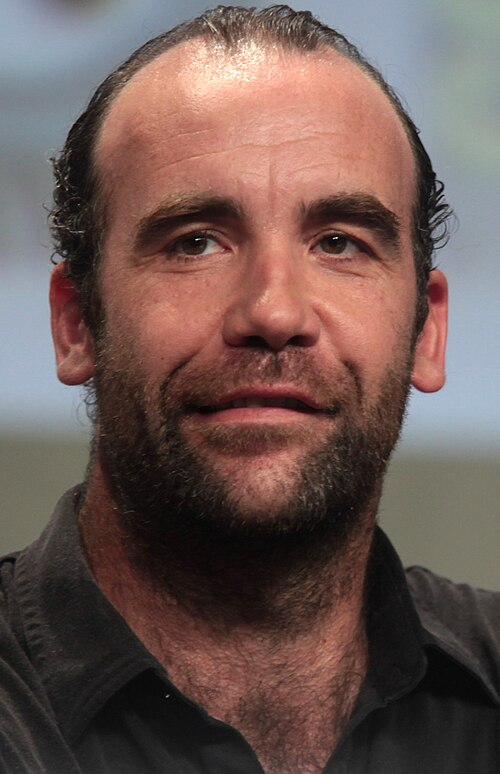
What Is Rory McCann’s Religion? Is He a Christian?

Rory McCann at San Diego Comic-Con in 2014

Rory McCann’s current religious beliefs are not clearly confirmed in the primary interview material reviewed for this profile. There is not enough verified evidence here to call him a practicing Christian or assign him another religious affiliation. His character’s words about religion should not be used as a shortcut to describing the actor.

McCann played Sandor “the Hound” Clegane in Game of Thrones. The Hound’s anger, injuries, and opinions belong to the story. A performance can raise difficult questions without supplying a personal confession from the man on screen.

Rory McCann on understanding the Hound

In a 2014 interview with Westeros.org, McCann discussed how the character’s history helped him approach the role. He spoke about the effect of the Hound’s appearance and what his brother had done to him. He also described seeking background information from the writers. Those comments explain acting choices, not McCann’s religious beliefs.

His account is a useful reminder that an angry fictional person can have a history the audience needs to understand. Understanding why someone acts a certain way is different from declaring every action justified. That distinction matters in stories and in ordinary relationships.

Pain deserves care, and wrongdoing deserves honesty

The Bible does not ask people to pretend that suffering has no effect. Psalm 34:18 speaks of God’s nearness to the brokenhearted. Christians should respond to wounded people with patience rather than assume that a difficult manner tells the whole story.

At the same time, hurt does not make every response right. We can recognize pain while taking cruelty and violence seriously. A person who has suffered may need help and protection; other people also need protection from harmful behavior. Compassion does not require abandoning truth.

These are biblical reflections on a theme in the character’s story. They are not a diagnosis of McCann or a claim about experiences he has not shared. We should allow the actor and the role to remain separate.

The temptation to keep a record of revenge

Revenge can seem like a way to regain control after being wronged. Yet continually rehearsing another person’s guilt can become a burden of its own. The Bible directs us away from personal vengeance and toward God’s justice (Romans 12:19). That does not mean avoiding lawful protection or pretending a wrong never happened.

It also brings us to our own need for mercy. God’s Ten Commandments reveal His holy law. They forbid lying, theft, adultery, coveting, murder, and worshiping anything in His place. Jesus addresses hateful anger and lust in the heart as well (Matthew 5:21–28). We may condemn obvious brutality while excusing wrong within ourselves.

Romans 3:23 says all have sinned and fall short of God’s glory. We deserve His just judgment. Our pain, good intentions, or comparison with someone worse cannot erase guilt. This is the shared condition of the writer and reader, not a special judgment against an actor.

The Savior who bore what sinners deserve

The Gospel offers more than advice about controlling anger. Jesus Christ is God’s eternal Son. He became truly human while remaining truly God and lived a completely sinless life. He perfectly obeyed the Father and never used His suffering as a reason to do evil.

Jesus willingly died on the cross as the substitute for sinners, bearing the judgment we deserve. He was buried and rose bodily from the dead on the third day (1 Corinthians 15:3–4). His resurrection is central to the Christian hope. It announces the victory of the living Savior, not merely the endurance of an inspiring example.

God offers forgiveness and eternal life by grace through faith in Christ, not as rewards for works (Ephesians 2:8–9). We cannot purchase salvation through courage, religious effort, kindness, or suffering enough. Jesus has finished the saving work. Those who trust Him receive mercy because of His sacrifice and righteousness rather than their own ability to make everything right.

A question beyond a powerful performance

McCann’s portrayal can lead viewers to consider pain, revenge, and the possibility of mercy. It does not establish his personal faith. The sources reviewed here leave his current religion unconfirmed, and we cannot judge his heart from a fictional character.

For each reader, the need for Christ is personal. Have you acknowledged your sin before God and trusted Jesus Christ alone? His death for sinners and His bodily resurrection provide the basis for forgiveness and eternal life. Come relying on His finished work. The Gospel gives hope that neither revenge nor a heroic reputation can supply: reconciliation with the God whose mercy is offered through His Son.

Sources and photo credit

Interview with Rory McCann and Maisie Williams, Westeros.org, March 24, 2014. Scripture: Psalm 34:18; Romans 12:19; Matthew 5:21–28; Romans 3:23; 1 Corinthians 15:3–4; Ephesians 2:8–9.

Featured photo: Rory McCann at San Diego Comic-Con, 2014, by Gage Skidmore / Wikimedia Commons, CC BY 2.0. Existing cropped version, resized.

What Is Liam Cunningham’s Religion? Is He a Christian?

Liam Cunningham speaking at San Diego Comic-Con in 2017

Liam Cunningham’s current religious affiliation is not clearly confirmed in the primary interview material reviewed for this profile. There is not enough verified evidence here to describe him as a practicing Christian or assign him another definite religious label. His humanitarian work should be recognized on its own terms, rather than treated as proof of a private creed.

Cunningham played Davos Seaworth in Game of Thrones. Davos’s loyalty, conscience, and opinions about the fictional world’s religions belong to the character. They cannot tell us what the actor himself believes about God or Jesus Christ.

Liam Cunningham beyond Davos

In a 2024 interview with The Irish Times, Cunningham discussed visiting South Sudan as an ambassador for World Vision and his concern for people facing hardship. He also reflected on his younger castmates and the pressures of sudden fame. These comments show public concern for others without providing a full religious testimony.

Association with a charity does not settle a person’s faith. People may work together to meet practical needs while holding different beliefs. A fair profile should not turn cooperation into a claim of conversion, or assume that charitable service answers every question about someone’s theology.

Conscience in an imperfect world

Davos often serves as a voice of conscience amid competing demands for loyalty. That can prompt a useful question for an audience: when do we speak up, and when do we find reasons to stay quiet? The question applies to our own homes and workplaces, not just to a dramatic struggle for power.

The Bible calls for care toward vulnerable people. Proverbs 31:8–9 urges speaking for those who cannot easily defend themselves and judging fairly. These commands challenge indifference. We should not have to be personally affected before recognizing another person’s need.

At the same time, a Christian reflection should not claim that Cunningham bases his outlook on that passage. It is an application for readers. We can appreciate concern for suffering without assuming that everyone offering help shares the same reasons for doing it.

When our conscience accuses us too

It is easier to recognize injustice outside ourselves than to examine our own conduct. We may speak sincerely about large problems while excusing an unkind word, a dishonest advantage, or neglect of someone nearby. Concern for others does not make us immune to sin.

God’s Ten Commandments reveal His holy standard. They forbid lying, stealing, adultery, coveting, murder, and worshiping anything in His place. Jesus also exposes hateful anger and lust in the heart (Matthew 5:21–28). God sees motives as clearly as public actions.

Romans 3:23 says all have sinned and fall short of His glory. We deserve God’s just judgment. No campaign, generous act, or good reputation can erase our guilt. This is the shared need of the writer and every reader, not a special accusation against a public figure. The Bible gives us no place from which to boast that we have earned God’s acceptance.

The advocate sinners truly need

The Gospel directs us to Jesus Christ. He is God’s eternal Son, who became truly human while remaining truly God. Jesus lived a completely sinless life. His compassion was perfect, and His obedience to the Father never failed.

Jesus willingly died on the cross as the substitute for sinners, bearing the judgment we deserve. He was buried and rose bodily from the dead on the third day (1 Corinthians 15:3–4). His resurrection is central to Christian hope. It is not simply a way of saying that His example continues to inspire people.

First John 2:1–2 describes Jesus as the advocate for His people. Our hope is not that a persuasive defense of our own goodness will clear us. It is that Christ has dealt with sin through His sacrifice. God offers forgiveness and eternal life by grace through faith in Him, not earned through works (Ephesians 2:8–9).

Good works remain meaningful, but they cannot become the price of salvation. Religious effort, service, public courage, and personal sacrifice cannot purchase forgiveness. Jesus has completed the saving work. Those who trust Him depend on His righteousness and mercy rather than their own moral record.

A question for the person watching

Cunningham’s work can encourage thought about conscience and care for people beyond our own circle. His present faith remains unconfirmed in the sources reviewed here. We cannot judge his heart, and Davos should remain separate from the man who portrayed him.

For each reader, the response to Christ is personal. Acknowledge your sin before God and trust Jesus Christ alone—His death for sinners and His bodily resurrection. Salvation rests on His finished work. The Gospel offers forgiveness and eternal life as gifts, giving a foundation for serving others from gratitude rather than trying to earn a verdict of innocence.

Sources and photo credit

Liam Cunningham interview, The Irish Times, March 19, 2024. Scripture: Proverbs 31:8–9; Matthew 5:21–28; Romans 3:23; 1 John 2:1–2; 1 Corinthians 15:3–4; Ephesians 2:8–9.

Featured photo: Liam Cunningham at San Diego Comic-Con, 2017, by Gage Skidmore / Wikimedia Commons, CC BY-SA 3.0. Resized.

What Is Tom Hiddleston’s Religion? Is He a Christian?

Portrait of Tom Hiddleston at San Diego Comic-Con in 2017

Tom Hiddleston has described growing up with Christian traditions and has spoken thoughtfully about faith, curiosity, and the search for meaning. The interviews reviewed here do not establish a clear current religious affiliation. His public comments are more nuanced than calling him Christian or atheist based on a few biographical details.

He is famous for playing Loki, but a fictional god is not a statement of an actor’s beliefs. His own answers offer the more useful starting point.

What Tom Hiddleston has said about faith

In a Gentleman’s Journal interview discussing The Essex Serpent, Hiddleston recalled school chapel, religious studies, and familiarity with Christmas and Easter. He described a childhood within Western Europe’s Judeo-Christian inheritance.

He also spoke about searching for meaning and the importance of asking questions. Playing a vicar had encouraged him to understand a person whose faith helped shape his life. That is an account of curiosity and acting preparation, not a direct announcement of personal conversion.

The difference matters. Familiarity with Christian teaching does not tell us how someone answers every question about Jesus, prayer, or eternal life. Nor does an interest in science prove that someone rejects God. The evidence supports describing his background and openness without giving him a label he has not clearly claimed.

A career on stage and screen

Hiddleston’s work stretches well beyond the Marvel universe. He trained in acting, built a stage career, and became internationally known as Loki in Thor and the Avengers films. He later led the television series Loki, adding new sides to a character audiences had followed for years.

His other projects include The Night Manager, Crimson Peak, Kong: Skull Island, and I Saw the Light. On stage, he has taken on demanding classical and modern roles, including Hamlet and Betrayal. This range helps explain his interest in identity and human motives.

Marvel lists him in Avengers: Doomsday, scheduled for December 18, 2026. Away from acting, UNICEF identifies him as a UK ambassador. Its reporting describes visits to children and families affected by conflict, including work in South Sudan and a 2026 visit to Moldova. These actions can be discussed on their own terms without being used as proof of a religious identity.

Meaning is more than achievement

The search for purpose is familiar to many readers. Success can answer questions about work or money while leaving deeper questions untouched. Why are we here? What makes a life good? What hope remains when we lose someone we love?

The Bible does not dismiss those questions. Ecclesiastes examines the limits of pleasure, wealth, and achievement. Its honest reflections challenge the idea that adding another success will finally satisfy the heart. Human life needs a foundation deeper than public approval.

Christianity locates that foundation in God. We are created in His image, so our worth does not rise and fall with applause. We are made to love Him and our neighbors. That gives dignity to quiet acts of care as well as visible accomplishments.

Curiosity can serve that search well. Acts 17:11 commends people who examined what they were taught. Faith need not mean refusing to ask questions. But questions also invite us to consider the answers that have been offered. The New Testament makes specific claims about Jesus, especially His death and resurrection.

What the Bible says about knowing God

The Christian message goes beyond inheriting a culture or admiring a tradition. John 17:3 connects eternal life with knowing the true God and Jesus Christ whom He sent. The invitation is personal.

That does not mean we can identify the state of Hiddleston’s soul from a public interview. We cannot. It means readers should distinguish a cultural background from the trust in Christ described in Scripture. The same distinction applies to someone who grew up singing hymns or attending chapel.

Compassionate work matters too. Christians should welcome care for children and people caught in war. Yet good deeds are not a way to purchase reconciliation with God. They are valuable because people matter, not because they can erase sin.

The gospel for a searching reader

God is holy, just, and loving. We have sinned through selfishness, dishonesty, pride, and failures to love. Romans 3:23 includes everyone in that need. Education, talent, charity, and a religious childhood cannot make us innocent before Him.

Jesus Christ, God’s Son, lived without sin. He willingly died on the cross for sinners, bearing the judgment we deserve. He was buried and rose bodily from the dead. First Corinthians 15:3–4 presents those events as the center of the gospel.

Salvation is God’s gift, received by grace through faith rather than earned by works. Turn from sin and trust Jesus as Lord and Savior. His invitation is not to create an impressive spiritual image. It is to come honestly and rely on His finished work.

If questions about meaning brought you here, consider reading the Gospel of John. Look closely at what Jesus says about Himself. Hiddleston’s public curiosity can begin a discussion, but each reader must consider Christ personally.

Sources

Photo: Gage Skidmore, Tom Hiddleston at Comic-Con, 2017, via Wikimedia Commons, CC BY-SA 2.0. Cropped by CallyMc; resized to 500 pixels wide.

The Fresh Prince of Bel-Air Cast: Religion, Faith, and What the Bible Says

The Fresh Prince of Bel-Air series logo

The Fresh Prince of Bel-Air brought together a lively young man from Philadelphia and relatives whose comfortable life in Bel-Air looked very different from his own. The comedy found humor in those differences while also exploring family loyalty, class, identity, pride, and the need to belong.

The original sitcom also introduced viewers to an ensemble whose real beliefs are more varied and less easily summarized than the values of their characters. This guide connects eleven cast profiles and considers some of the show’s major themes through the Bible.

The cast and their public beliefs

Each linked profile begins with the person’s documented public statements or background, then compares relevant ideas with Scripture and explains the gospel. A character’s behavior is not treated as an actor’s confession of faith. Where reliable sources do not establish a religious affiliation, the profile says so.

  • Will Smith — Will Smith. Has discussed his Baptist upbringing, belief in God, and study of several religious traditions.
  • James Avery — Philip “Uncle Phil” Banks. The sources reviewed do not establish a clear personal religious profession.
  • Janet Hubert — Vivian Banks, seasons 1–3. Has publicly referred to God; her full religious affiliation is not established here.
  • Daphne Maxwell Reid — Vivian Banks, seasons 4–6. Has a documented Presbyterian church background and has spoken about God-given talents.
  • Alfonso Ribeiro — Carlton Banks. A specific religious affiliation is not established by the attributable interviews reviewed.
  • Karyn Parsons — Hilary Banks. Has discussed hope and the value of history; those comments do not establish a religious label.
  • Tatyana Ali — Ashley Banks. Has discussed theology and personal growth while working on a faith-based film.
  • Joseph Marcell — Geoffrey Butler. Has explored moral and religious themes in acting; those roles do not establish his personal faith.
  • DJ Jazzy Jeff — Jazz. Has spoken about God-given creativity, generosity, and purpose.
  • Ross Bagley — Nicky Banks. Biographies describe a childhood church-choir connection; present beliefs are not established.
  • Nia Long — Lisa Wilkes. Has spoken about God, prayer, dreams, and spiritual guidance.

Family is a responsibility, not merely an address

The show’s central situation begins with relatives making room for Will. A new home gives him safety and opportunity, but it also brings conflict and correction. Sharing an address does not instantly make people understand one another. Love has to become patience, time, and action.

Scripture takes family responsibility seriously. Ephesians 6 calls children to honor parents and instructs fathers to raise them without provoking them. First Timothy 5:8 treats caring for one’s household as a serious obligation. Love includes provision and teaching, but authority must never become permission for cruelty.

Romans 12:13 also encourages hospitality. The invitation reaches beyond people who are easy to welcome. A guest, relative, or young person may bring needs that disturb our routines. Christian love asks whether our comfort has become more important than our neighbor.

Money cannot settle questions of worth

Much of the comedy comes from the distance between Will’s experience and the Banks family’s wealth. The show gives viewers opportunities to notice snobbery, insecurity, and the temptation to assume that money makes someone wiser or more important.

The Bible does not teach that earning money is automatically wrong. It warns against loving money and trusting wealth for security. First Timothy 6:17–19 calls those with resources away from arrogance and toward generosity. A large house cannot provide forgiveness, guarantee a peaceful family, or protect someone from death.

James 2 warns against favoritism toward the wealthy. Genesis 1:27 grounds human dignity in being made in God’s image. Those teachings challenge both pride in having more and contempt toward people who have less. They also challenge envy: another person’s possessions cannot become the measure of our own value.

Identity, prejudice, and the image of God

Fresh Prince often uses the contrast between Will and Carlton to explore assumptions about who belongs and how someone should behave. Viewers need not share every conclusion of a comedy to recognize that appearance, speech, neighborhood, and social standing are poor measures of a person’s worth.

The Bible teaches that humanity shares a common origin and a common need for grace. Acts 17:26 describes God making the nations from one man. James 3:9–10 exposes the contradiction of praising God while cursing people made in his likeness.

Christians should therefore reject racial contempt and dishonest stereotypes. Treating someone with dignity also includes listening carefully rather than deciding that a familiar category tells the whole story. The same care belongs in a faith profile: ancestry and names do not establish a person’s convictions.

Correction and reconciliation

Uncle Phil’s relationship with Will often combines strong disagreement with an enduring commitment to care. The cast’s public history also includes Janet Hubert and Will Smith talking through a long conflict. The show and the real reconciliation are distinct stories, but both raise questions about pride, truth, and making peace.

Romans 12:18 tells believers to pursue peace as far as it depends on them. Ephesians 4:31–32 calls for kindness and forgiveness rather than bitterness and malicious speech. Reconciliation does not require calling evil good or rushing past damaged trust. It requires honesty about wrong and a willingness to seek a better relationship.

These commands are not merely advice for celebrities. They challenge the grudge we protect, the apology we resist, and the unkind story we repeat because it makes us look better.

The Bible’s diagnosis reaches every household

A loving family, a good education, and a comfortable home are valuable gifts. None can make us innocent before God. Romans 3:23 says everyone has sinned. His commands expose lying, stealing, coveting, idolatry, and failures of love. Jesus also addressed sinful anger and lust in the heart.

God is holy and just. Romans 6:23 describes death as the wages of sin. Comparing ourselves with a worse person does not remove guilt, and doing more good cannot purchase a pardon. We need mercy that we cannot earn.

The gospel offers welcome through Jesus Christ

Jesus Christ, the Son of God, lived without sin and willingly died on the cross for sinners. He bore the punishment we deserve, was buried, and rose bodily from the dead. First Corinthians 15:3–4 identifies his death for our sins and resurrection as the center of the good news.

God offers salvation by grace through faith in Jesus, not as a reward for achievement. Ephesians 2:8–9 removes every basis for boasting. The response is repentance and faith: turning from sin and trusting Christ as Lord and Savior. A changed life of obedience follows his mercy.

John 1:12 describes those who receive Christ becoming children of God. That welcome is deeper than entrance into a wealthy household or acceptance by a social group. Through Jesus, sinners can be reconciled with their Creator and belong to him.

Enjoy the cast’s work, read their own words carefully, and pray for them with humility. Then consider the question that matters beyond every television series: have you received the forgiveness and new life Jesus offers?

Sources and image credit

Research sources are linked within each cast profile. Series cast references: Hulu’s guide to The Fresh Prince of Bel-Air. This article concerns the original sitcom; its spiritual comparisons are Famous Faith’s biblical commentary.

Series logo: NBC / The Fresh Prince of Bel-Air text logo, Public-domain text logo, via Wikimedia Commons. Cropped or resized where needed.

What Is Ross Bagley’s Religion? Is He a Christian?

Ross Bagley, Nicky Banks in The Fresh Prince of Bel-Air

Ross Bagley’s public story includes a childhood connection with church music. Entertainment biographies report that a talent manager noticed him during a choir performance at First A.M.E. Church in Los Angeles. He later became familiar to audiences as Nicky Banks on The Fresh Prince of Bel-Air.

Bagley also played Buckwheat in The Little Rascals and appeared with Will Smith in Independence Day. TV Guide records his Young Artist Awards and his later degree in Cinema and Television Arts from California State University, Northridge. His life did not stop at the age viewers remember from television.

What is known about Ross Bagley’s religion?

The church-choir account is a specific part of his early biography. It shows that a church setting was connected with an important opportunity in his childhood. It does not establish his current religious affiliation or explain every belief he holds as an adult.

The reliable sources reviewed for this article do not provide a detailed personal testimony about Jesus Christ or a present denominational membership. It would be a mistake to turn a childhood performance into a complete statement about his current faith.

There are also other people with the name Ross Bagley, including an older broadcaster associated with religious television. Their careers and religious histories should not be mixed with the actor born in 1988. A matching name is not enough to establish that two records describe the same person.

Is Ross Bagley a Christian?

The available evidence supports reporting a church connection in childhood while leaving his present personal profession unconfirmed. That answer respects both the evidence and Bagley’s privacy. It neither denies that he may have faith nor claims knowledge he has not publicly supplied in the sources linked here.

People often remember child actors as though they stayed the same age forever. That can make an old role seem like a complete identity. Adults deserve to be understood as people with continuing lives, choices, work, and relationships beyond their earliest public success.

For Christians, Bagley’s story offers a chance to think about the influence of childhood communities and the difference between growing up around faith and personally trusting Christ.

Childhood faith environments can leave a lasting impression

The Bible takes teaching children seriously. Deuteronomy 6 describes speaking about God’s commands in the ordinary rhythms of family life. Second Timothy 3:14–15 recalls Timothy learning the Scriptures from childhood. These passages value patient instruction, repeated examples, and the people who invest in the next generation.

A church choir can be a place where children learn cooperation, practice, confidence, and the words of worship. Those experiences may become important memories. Christians should be grateful when adults make room for young people to learn and contribute.

At the same time, participation is not the same as personal conversion. A child can sing true words before understanding them fully. An adult can remember church warmly while still needing to consider what the gospel actually says. Each person must respond to Jesus rather than depend on a family’s reputation or an old church connection.

That distinction is useful for readers as well as celebrities. Being baptized, attending services, or knowing Bible stories does not automatically answer whether we are trusting Christ. Religious activity cannot replace repentance and faith.

Our value is bigger than early success

Bagley’s recognizable childhood roles also raise a question about identity. What happens when the world remembers one stage of our lives more clearly than the rest? The Bible gives a foundation that does not depend on remaining famous or repeating an early achievement.

Genesis 1:27 teaches that human beings are made in God’s image. A person’s dignity is not earned through audience attention. Colossians 3:23 encourages faithful work in ordinary responsibilities. An unseen act of care can matter deeply even when nobody applauds it.

Those truths challenge the way we talk about former child stars. Curiosity should not become entitlement. We can appreciate a performance without treating the performer’s private life as something owed to us.

The gospel calls for a personal response

Human dignity does not mean human innocence. Romans 3:23 says everyone has sinned. God’s commands expose lying, stealing, coveting, idolatry, and failures to love our neighbors. Jesus also addressed anger and lust in the heart. A pleasant childhood or a good church background cannot erase that guilt.

God is holy and just, and Romans 6:23 describes death as the wages of sin. We cannot purchase forgiveness through awards, education, generosity, or religious attendance. Our need is deeper than building a respectable life.

Jesus Christ, God’s Son, lived without sin and willingly died on the cross for sinners. He bore the judgment we deserve, was buried, and rose bodily from the dead. First Corinthians 15:3–4 places his death for our sins and resurrection at the center of the gospel.

Salvation is God’s gift of grace, received through faith in Jesus rather than earned by works, as Ephesians 2:8–9 teaches. The response is to repent, turn from sin toward God, and trust Christ as Lord and Savior. A changed life follows his mercy.

Bagley’s biography reminds readers that a church can influence a young life in unexpected ways. Christians can pray for him and his family while taking the central question personally: have you moved beyond knowing about faith to trusting the risen Savior yourself?

Sources

Portrait: Runnerrouse, CC BY-SA 3.0, via Wikimedia Commons. Cropped or resized where needed.

What Is Janet Hubert’s Religion? Is She a Christian?

AI-Generated portrait of Janet Hubert

Janet Hubert’s public story includes language about God and a widely discussed reconciliation with Will Smith. Known as the original Vivian Banks on The Fresh Prince of Bel-Air, she has also spoken about peace after years of conflict. Those statements give readers a more useful starting point than guessing her religion from Aunt Viv’s personality.

Hubert portrayed Vivian during the sitcom’s first three seasons. The character combined intelligence, confidence, and a strong presence in the Banks household. Hubert’s performance remains an important part of the show’s history, even though her relationship with Smith later became strained.

What has Janet Hubert said about faith?

Reporting on her return for the 2020 reunion, JoBlo noted that Hubert included the phrase “God Spoke To Me” among the hashtags of a social-media post. The post also expressed a sense of freedom. That is evidence of her use of religious language at an important moment in her life.

A short phrase cannot explain a person’s whole theology. It does not identify a church, establish what she believes about salvation, or tell readers exactly what she meant by spiritual guidance. A careful profile can report the statement without supplying details she did not give.

The sources reviewed here therefore support saying that Hubert has publicly referred to God. They do not establish a specific denominational affiliation or a detailed Christian conversion testimony.

Reconciliation and a renewed relationship

Hubert and Smith spoke directly during the Fresh Prince reunion process in 2020. Later reporting described a renewed relationship, including their warm meeting at a 2024 event. Hubert had also said that talking through their differences brought a sense of peace.

The important point is not to replay every accusation from their earlier conflict. Their public reconciliation illustrates that a damaged relationship need not remain frozen at its worst moment. Listening, acknowledging hurt, and speaking honestly can make room for a different future.

That does not prove either person’s religious identity. Reconciliation is a human experience that people with many beliefs value. Christians can recognize something hopeful in it while being clear about the difference between a restored friendship and a person’s standing before God.

Is Janet Hubert a Christian?

Her public references to God are meaningful, but the available sources do not provide enough detail for a confident statement about her personal Christian profession. Neither a positive television role nor a painful disagreement supplies that missing evidence.

Christians should be honest about those limits. Scripture calls for truthful speech and warns against careless judgment. We can pray for Hubert, appreciate her work, and consider the spiritual questions raised by her story without claiming to know her heart.

What Scripture says about making peace

Romans 12:18 tells believers to live at peace with everyone as far as it depends on them. The wording recognizes that reconciliation involves more than one person. We cannot control another person’s response, but we are responsible for our own honesty, humility, and willingness to stop returning evil for evil.

Ephesians 4:31–32 calls Christians away from bitterness and malicious speech and toward kindness and forgiveness. Forgiveness does not require pretending that wrong never happened. Truth matters. It also does not require immediate trust where trust has been damaged; trust may need to be rebuilt through consistent action.

Jesus’ teaching about removing the plank from our own eye in Matthew 7 challenges self-righteousness. When a relationship breaks down, it is easy to remember every detail of someone else’s failure and overlook our own. Repentance begins with telling the truth about what we have done.

The Bible’s call to peace is therefore stronger than simply being polite. It involves facing wrong, refusing revenge, and seeking what is good. These principles apply to family arguments, business conflicts, church disagreements, and the smaller grudges we quietly keep.

Reconciliation with God is our deepest need

A restored friendship can bring relief, but Scripture describes an even deeper broken relationship. Romans 3:23 says everyone has sinned against God. His commands expose lying, stealing, coveting, idolatry, and failures of love. Jesus also addressed anger and lust in the heart.

We cannot repair that relationship by improving our image or collecting enough good deeds. God is holy, and sin deserves judgment. Romans 6:23 identifies death as sin’s wages. The gospel matters because we cannot save ourselves.

The mercy offered through Jesus Christ

Jesus Christ, the Son of God, lived without sin and willingly died on the cross for sinners. He bore the punishment we deserve. He was buried and rose bodily from the dead. First Corinthians 15:3–4 identifies his death for our sins and resurrection as central to Christian faith.

God offers forgiveness by grace through faith in Jesus. Ephesians 2:8–9 makes clear that salvation is a gift, not something earned. The proper response is repentance and faith: turning from sin and trusting Christ as Lord and Savior.

Second Corinthians 5 describes this good news in the language of reconciliation. Through Christ, sinners can be brought back into fellowship with God. That gift then changes how believers seek peace with other people.

Hubert’s public story gives readers a reason to think about hurt, forgiveness, and hope. The Bible invites us to take those questions personally and come to Jesus for the mercy we all need.

Sources

Portrait: AI-generated editorial illustration created for Famous Faith. It is labeled “AI GEN” and is not a documentary photograph.

What Is Conleth Hill’s Religion? Is He a Christian?

Conleth Hill speaking at San Diego Comic-Con in 2017

Conleth Hill has been publicly identified as Catholic. In a 2024 Entertainment Weekly interview, Game of Thrones co-creator D. B. Weiss described him that way. Hill has also spoken about religious practice himself: asked about Sunday mornings in a Country & Town House interview, he said he was at church. These are useful pieces of evidence, though they do not provide a complete account of his personal theology.

Hill played Varys in Game of Thrones. The character’s experiences with religion and power belong to the fictional story. They should not be mistaken for the actor’s own testimony.

Conleth Hill’s public practice and private convictions

Hill’s church attendance is something he directly described. That deserves more weight than a label inferred from a name or nationality. Weiss’s comment provides supporting context from a colleague who worked with him.

Still, a fair profile should not expand those details into statements Hill has not made. They do not tell us every doctrine he accepts, the content of his prayers, or how he would explain salvation in his own words. We can report a Catholic identification and churchgoing without pretending to see the heart.

Ordinary habits behind an extraordinary role

The Country & Town House interview also presents a person attached to home, family, and his garden. Hill spoke about growing up in Ballycastle and enjoying time outdoors. He named bigotry and bullying as things that angered him. These are small glimpses of ordinary life beyond a character famous for secrets and influence.

They offer a reminder that a performer is more than the part an audience knows best. It is possible to appreciate Varys as a complex character while allowing Hill to remain a real person with his own beliefs and habits. A role can open an audience’s interest, but it should not become the evidence for everything we say about him.

Church attendance and the object of faith

Christianity values gathering for worship and encouraging other believers. Hebrews 10:24–25 connects that gathering with love and good works. A church can be a place of teaching, fellowship, prayer, and practical care.

Yet attendance itself cannot save a person. The Christian message directs trust toward Jesus Christ, not toward a record of showing up. A familiar routine can be meaningful without becoming a payment that puts God in our debt. That distinction matters for anyone who grew up religious or keeps a regular place in a congregation.

This is a biblical explanation for readers, not a claim that Hill misunderstands his own practice. We should not assume an error in someone’s heart merely because we want to explain the Gospel clearly.

The law that exposes our common need

God’s Ten Commandments reveal His holy standard. They forbid false worship, lying, stealing, adultery, coveting, and murder. Jesus also addresses hateful anger and lust in the heart (Matthew 5:21–28). God sees beyond a public reputation to the motives and choices others never notice.

Romans 3:23 says that all have sinned and fall short of God’s glory. We deserve His just judgment. Religious and nonreligious people share that need for forgiveness. Church attendance, generosity, and a respected life cannot cancel the guilt of sin. This includes the writer and every reader; it is not a verdict directed at one actor.

The Savior who completed the work

The Gospel announces God’s rescue through Jesus Christ. He is God’s eternal Son, who became truly human while remaining truly God. Jesus lived a completely sinless life and perfectly obeyed the Father. He had no guilt of His own to answer for.

He willingly died on the cross as the substitute for sinners, bearing the judgment we deserve. Jesus was buried and rose bodily from the dead on the third day (1 Corinthians 15:3–4). His resurrection is central to the Christian hope. It is not merely an inspiring image of goodness surviving in people’s memories.

Forgiveness and eternal life are gifts of grace, received through faith in Christ, not earned by works (Ephesians 2:8–9). No religious record, charitable gift, or personal achievement can purchase salvation. Jesus has finished the saving work. Those who trust Him depend on His sacrifice and righteousness, and good works become a grateful response rather than the price of acceptance.

A faith question for every reader

Hill’s Catholic identification and stated churchgoing can be reported respectfully. They should remain distinct from Varys’s fictional story, and they do not authorize anyone to pronounce a judgment on his heart.

The personal question is where you place your own trust. Acknowledge your sin before God and trust Jesus Christ alone—His death for sinners and His bodily resurrection. Salvation rests on His finished work, not on a religious label or a perfect routine. The Gospel offers forgiveness and eternal life through the Savior who has already done what we could never earn.

Sources and photo credit

Conleth Hill Q&A, Country & Town House; D. B. Weiss interview, Entertainment Weekly (2024). Scripture: Hebrews 10:24–25; Matthew 5:21–28; Romans 3:23; 1 Corinthians 15:3–4; Ephesians 2:8–9.

Featured photo: Conleth Hill at San Diego Comic-Con, 2017, by Gage Skidmore / Wikimedia Commons, CC BY-SA 3.0. Resized.

What Is DJ Jazzy Jeff’s Religion? Is He a Christian?

DJ Jazzy Jeff, who played Jazz on The Fresh Prince of Bel-Air

DJ Jazzy Jeff has spoken about creativity as a gift from God and about the importance of sharing what he makes. Known to The Fresh Prince of Bel-Air viewers as Jazz, he is also a DJ and producer whose musical partnership with Will Smith began before the television show.

His real name is Jeffrey Townes. In a 2026 World Cafe conversation, he discussed growing up around Philadelphia’s music scene, working with Smith, and mentoring other musicians. That musical history gives important context to his comments about purpose and responsibility.

What DJ Jazzy Jeff has said about God and gifts

In an interview republished by THIS. Entertainment in 2022, Jeff discussed releasing music rather than holding everything back until someone paid for it. He described musical ability as a God-given gift and challenged the selfishness of refusing to share work that could benefit listeners.

The interview connected creativity with generosity. His point was not that artists should never earn money. It was that the value of creating and sharing could be larger than the next payment. That is a meaningful public statement about how he understands his gifts.

In an earlier Langfield Entertainment interview, Jeff also distinguished personal worth from sales and success. He explained that achievements did not make him more important than other people. He spoke about having a purpose that might reach beyond music.

Is DJ Jazzy Jeff a Christian?

These interviews support saying that Jeff has used language about God, gifts, and purpose. They do not establish a particular church affiliation or a detailed personal profession about salvation through Jesus Christ. It is better to keep that distinction clear than to turn every mention of God into a complete religious label.

Jazz, his television character, is not a reliable guide to his beliefs either. A comedy performance can become so familiar that audiences feel they know the performer personally. The actor’s own statements deserve more weight than the behavior written for a role.

For Christian readers, the strongest point of connection is his concern that talent should benefit others. That idea raises useful biblical questions about generosity, pride, and what makes a person valuable.

Creative gifts are meant to serve

James 1:17 teaches that good gifts come from God. Recognizing that truth should produce gratitude. Skill requires practice, but none of us chose every condition that made learning possible: health, teachers, family help, opportunities, or the people who first encouraged us.

First Peter 4:10 calls believers to use their gifts to serve one another. That service can happen on a stage, in a workshop, in a classroom, or at home. The point is not the size of the audience. It is whether what we do expresses faithful care for other people.

Scripture also recognizes that workers deserve support. First Timothy 5:18 speaks of a worker receiving wages. Generosity does not mean pretending that rent, food, and family responsibilities disappear. It means refusing to make money the only reason to do something worthwhile.

Christians should therefore examine both selfishness and stewardship. Are we withholding help simply because it will not advance us? Are we using a good ability in a way that harms others? A gift calls for wisdom as well as enthusiasm.

Success does not determine human worth

Jeff’s distinction between who he is and what he has accomplished connects with a temptation many people face. We can begin to measure ourselves by sales, promotions, attention, or the approval of strangers. When those things fade, our confidence can collapse.

Genesis 1:27 gives a more stable foundation: people are made in God’s image. Their dignity does not depend on fame. James 2 warns against treating people differently because of wealth or status. That warning reaches fans, business owners, performers, and ordinary readers alike.

Yet human dignity is different from innocence before God. Being valuable as his creation does not mean we have obeyed him. The Bible holds both truths together: people deserve love, and people need redemption.

Why everyone needs the gospel

Romans 3:23 says that all have sinned. God’s commands expose lying, stealing, coveting, idolatry, and failures of love. Jesus also addressed anger and lust in the heart. We cannot answer those charges simply by pointing to talent, kindness, or the joy we have brought other people.

Sin brings guilt before a holy Judge. Romans 6:23 calls death its wages. Even sincere generosity cannot erase the past or purchase eternal life. We need a Savior who can do what we cannot do for ourselves.

Jesus Christ, God’s Son, lived without sin and willingly died on the cross for sinners. He bore the punishment we deserve, was buried, and rose bodily from the dead. First Corinthians 15:3–4 identifies these events as the center of the good news.

God offers forgiveness by grace through faith in Jesus, not as a reward for works. He calls us to repent, turning from sin, and trust Christ as Lord and Savior. Ephesians 2:8–10 then places good works in their proper position: they follow salvation as the life God prepares his people to live.

Jeff’s public reflections invite people to think about purpose and sharing their gifts. Christians can appreciate that concern and pray for him and his family. The deeper invitation is to receive the greatest gift of all: reconciliation with God through Jesus Christ.

Sources

Portrait: MikaV, CC BY-SA 4.0, via Wikimedia Commons. Cropped or resized where needed.