
Cast · Beliefs
M*A*S*H
Meet the actors behind the 4077th, and explore their lives, careers, and public words about faith.
- Original series
- CBS, 1972–1983
- The setting
- The 4077th field hospital during the Korean War
- Principal cast
- 11 actors across the series
- Also included
- Four familiar recurring performers
Meet the cast
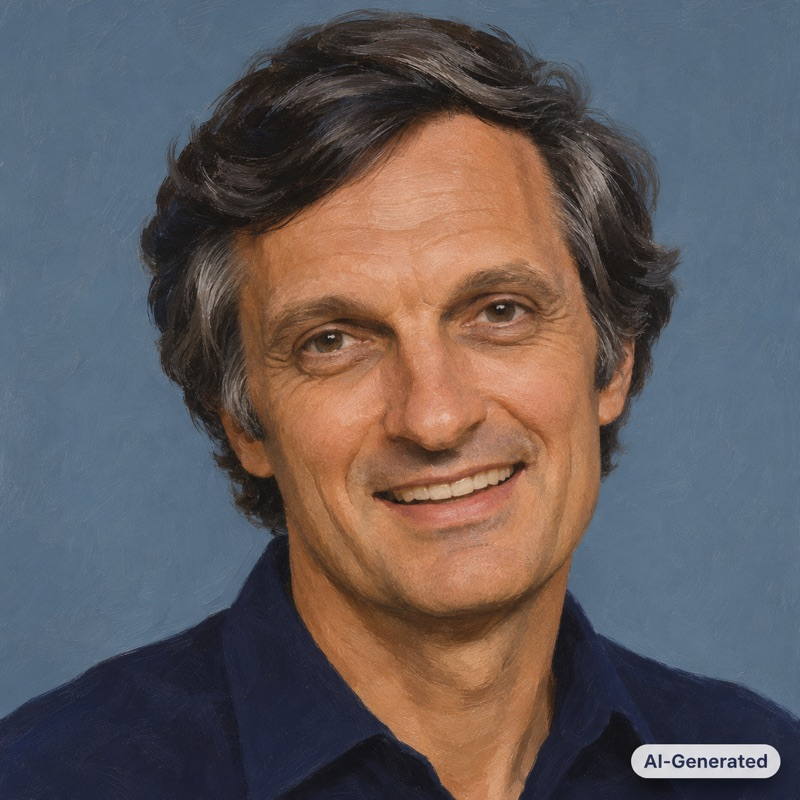

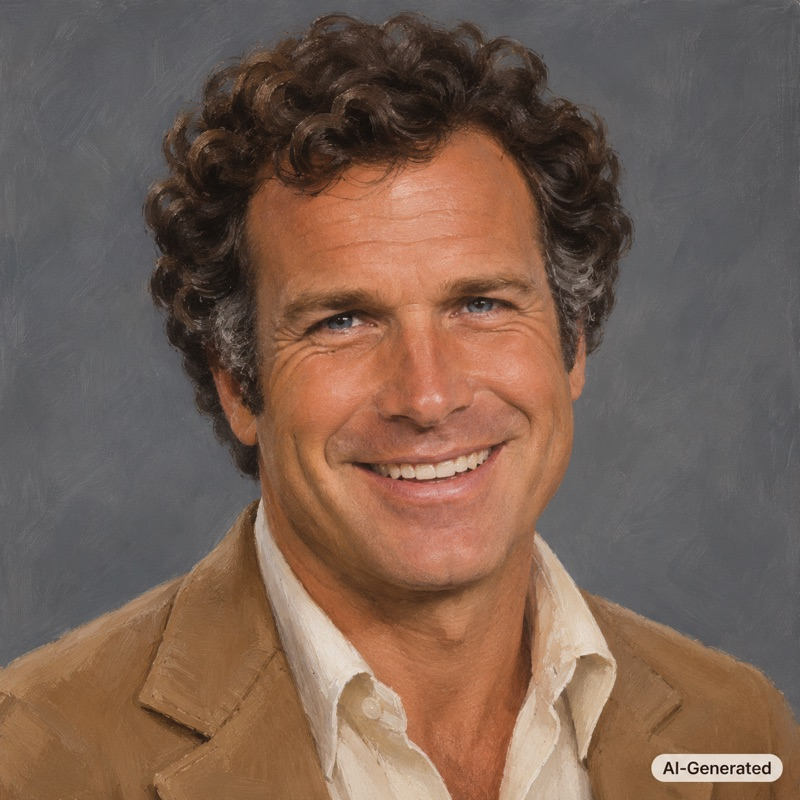
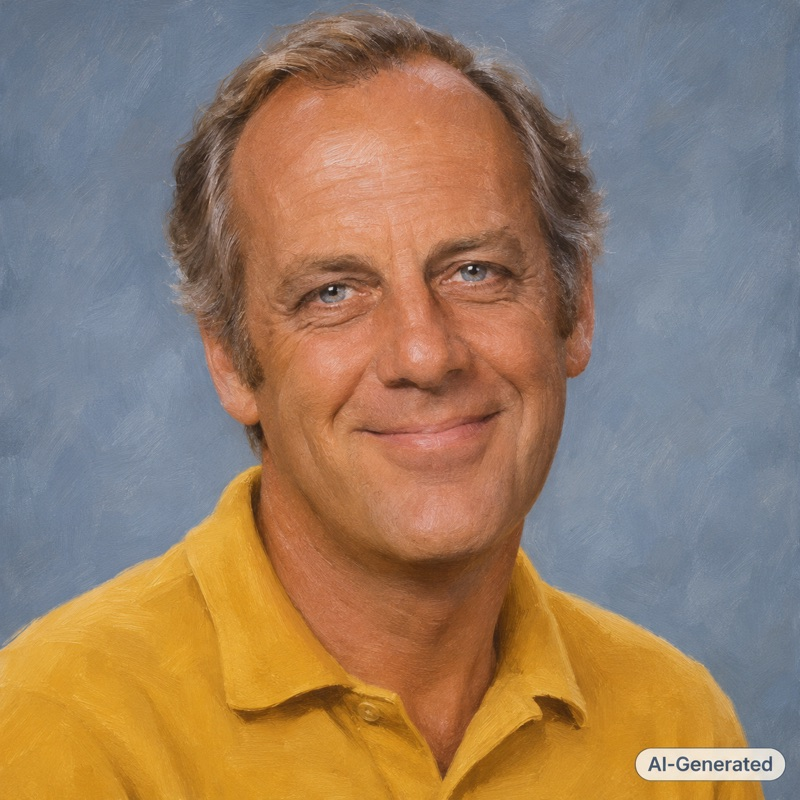
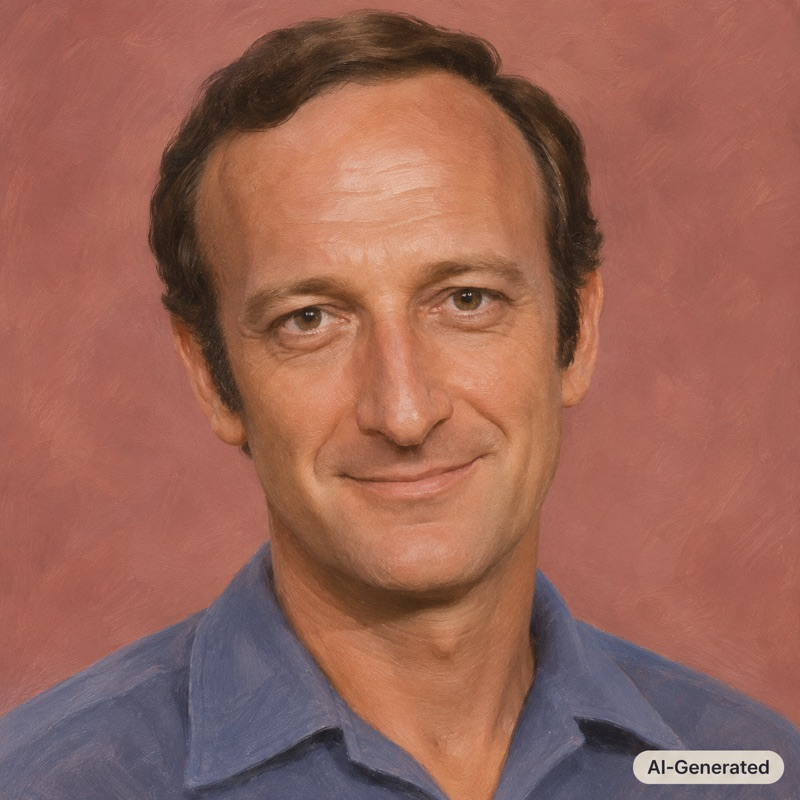
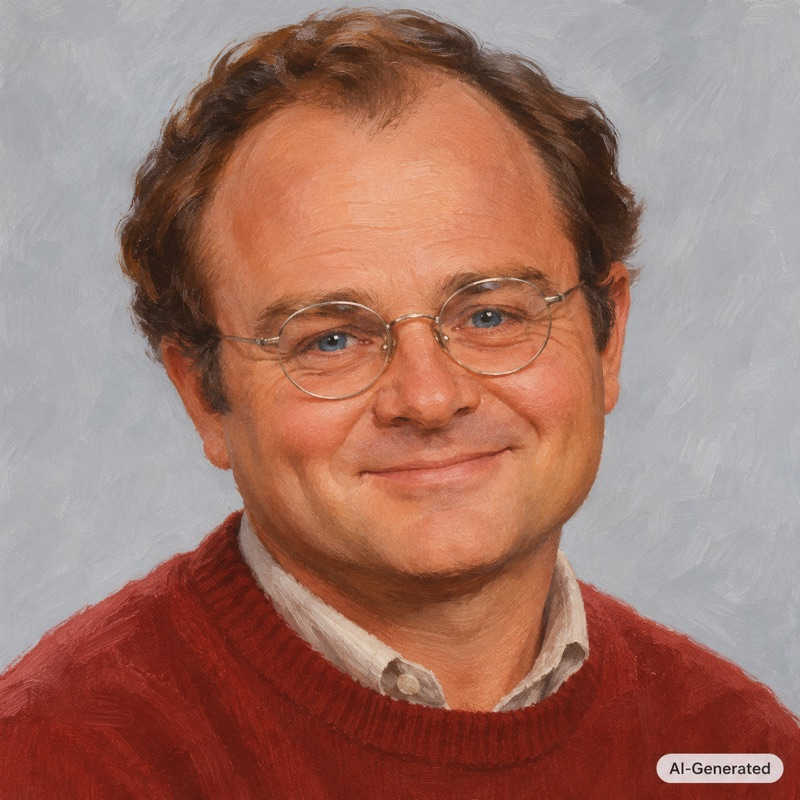
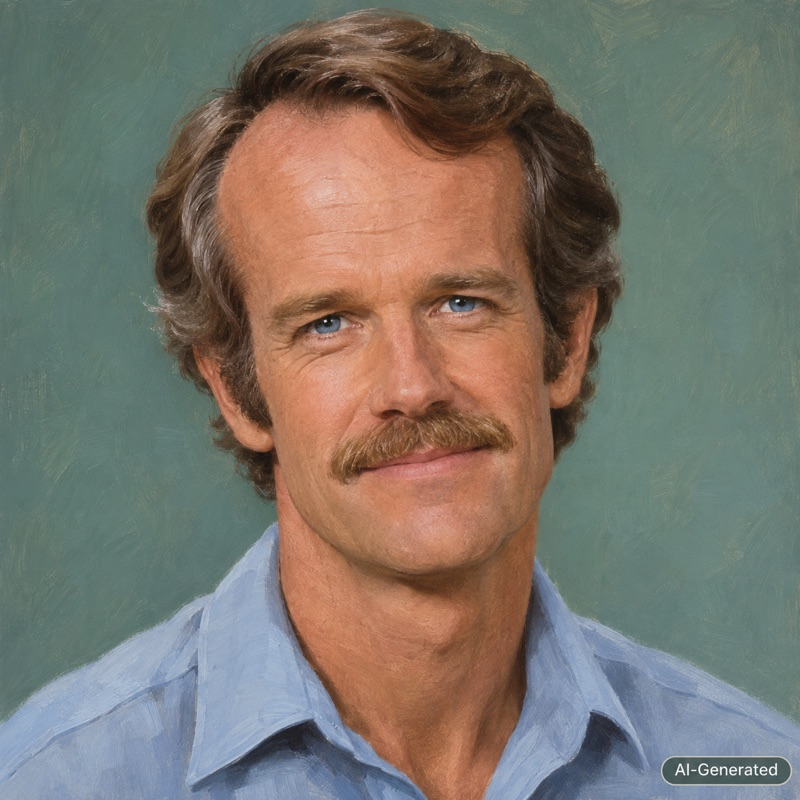
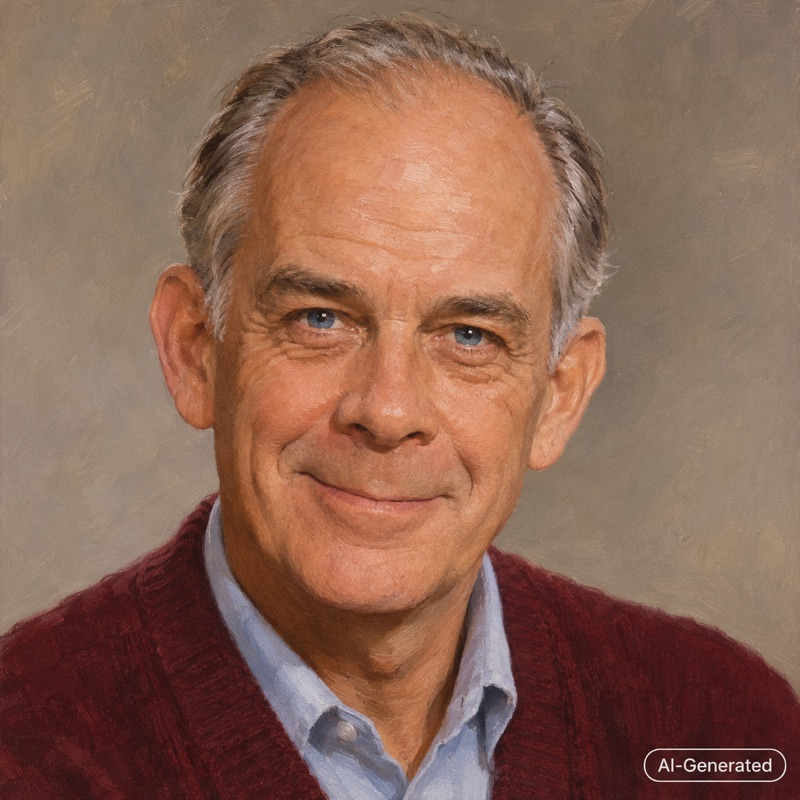
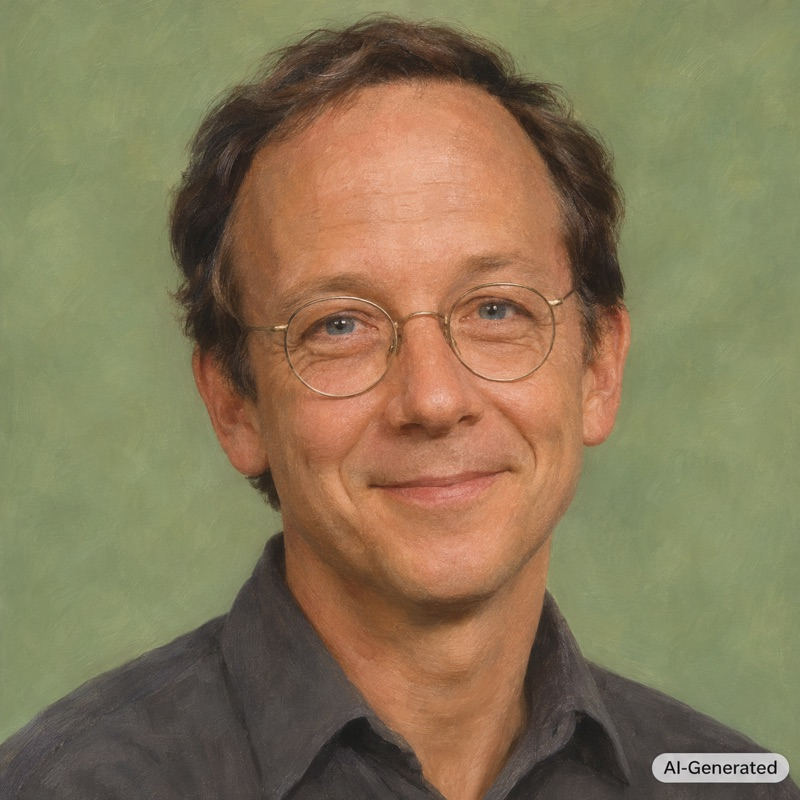
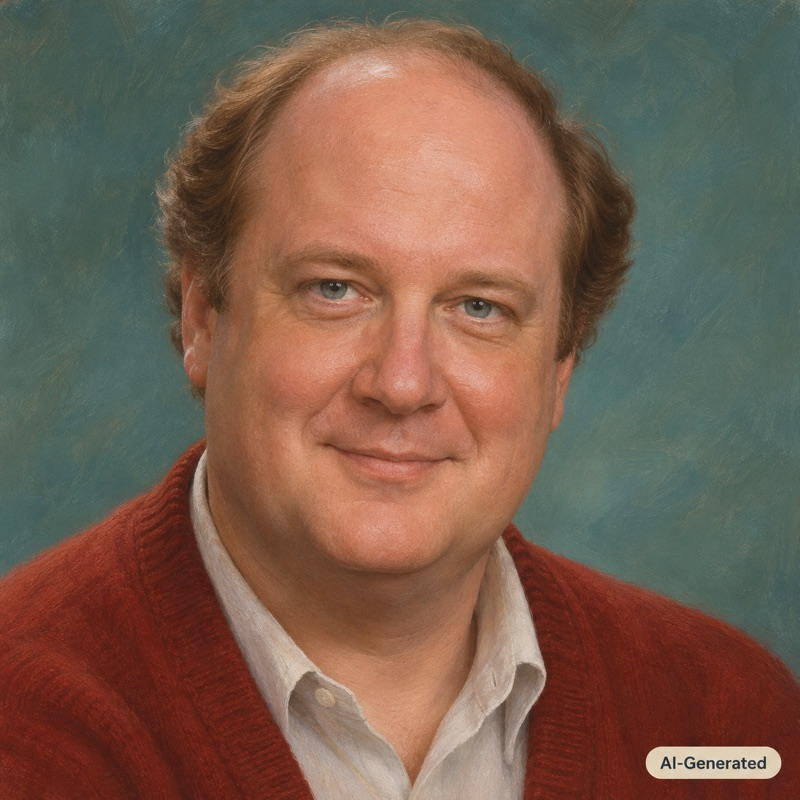
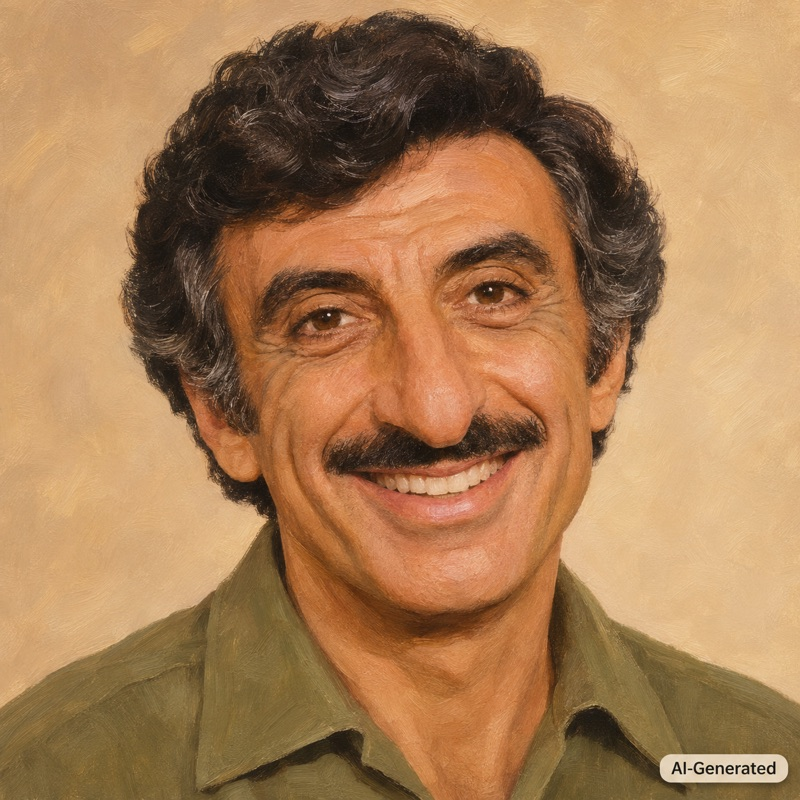
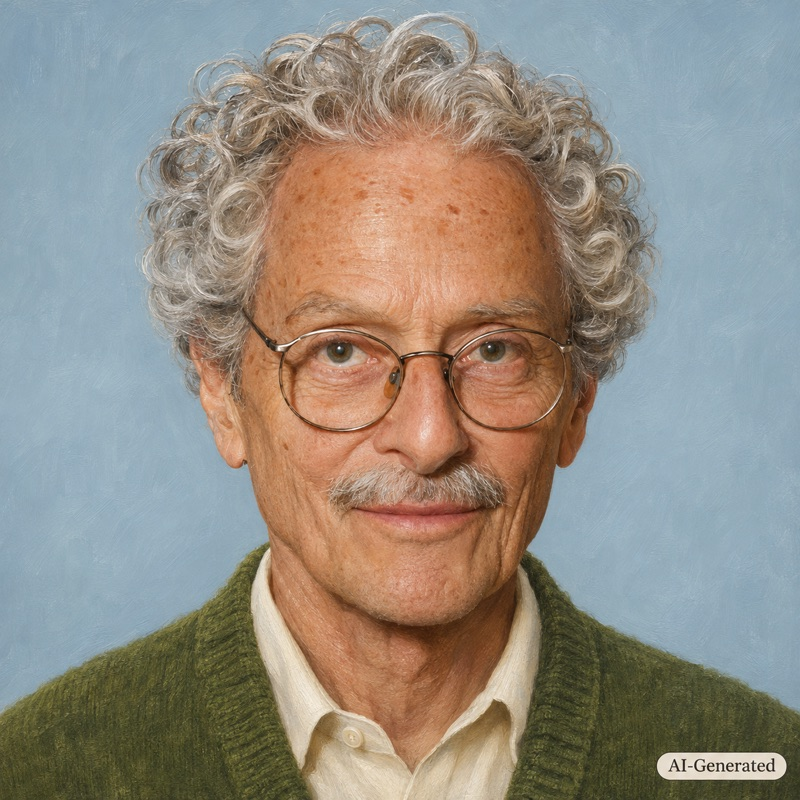
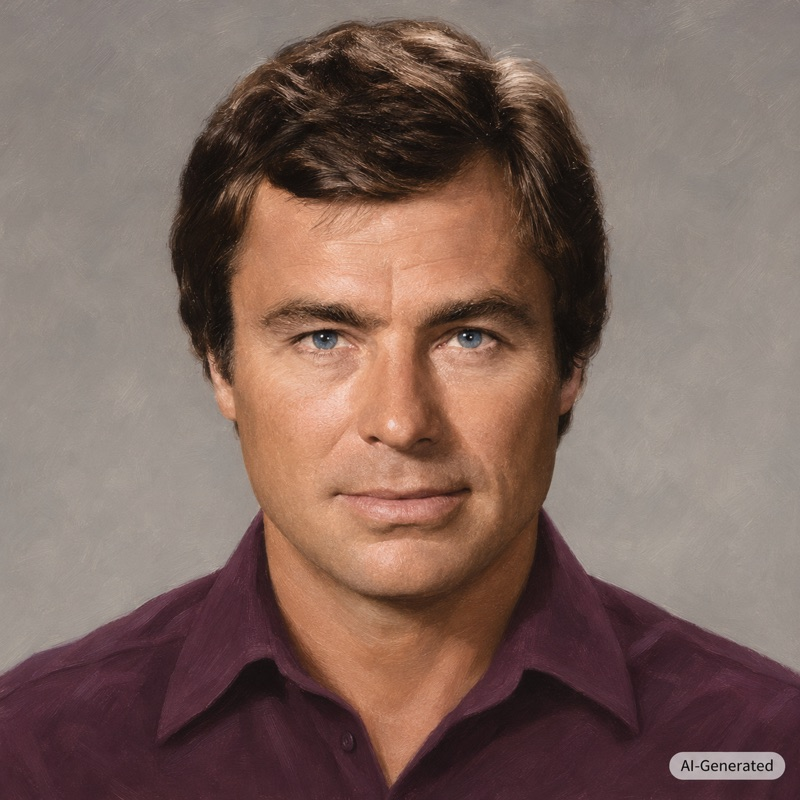

The people behind the hospital
M*A*S*H mixed comedy with the strain of caring for wounded people far from home. Its television story began in 1972, following the 1970 film and the earlier novel, and continued until 1983. The ensemble changed as familiar characters left and others arrived, giving the camp different kinds of humor, authority, and friendship.
This collection follows the television performers rather than treating the characters as biographies. It covers the principal cast across the series, together with Allan Arbus, Edward Winter, Kellye Nakahara, and Jeff Maxwell. Their work beyond the show includes music, photography, painting, science communication, advocacy, and many other screen and stage roles.
What did the M*A*S*H cast believe?
The actors behind the 4077th did not all express the same beliefs. Alan Alda has described his move away from his Catholic upbringing, while Jamie Farr has spoken about his Orthodox background and prayer. Gary Burghoff has shared Christian testimony. Other cast members left a much less explicit public record.
William Christopher played a Catholic chaplain, but contemporary reporting described the actor as Methodist. That is one useful reminder that a character’s faith and a performer’s beliefs are separate subjects. Each profile explains what its sources establish, dates older statements where needed, and leaves uncertainty visible.
Beyond the Spotlight
The following is Famous Faith’s Christian perspective, not a claim that the cast shared one faith. A story about people trying to preserve life in a place of suffering can raise questions about dignity, guilt, mercy, and hope. Those questions reach beyond the screen.
The Bible presents God as holy and loving. His moral law, including the Ten Commandments, shows both what is good and where we fall short. Lying, stealing, coveting, and selfish motives belong to ordinary human experience, including our own. An admired career or a compassionate act cannot erase every wrong or make us right with God.
God’s judgment and the reality of hell are serious. Yet the gospel offers real mercy: Jesus Christ, God’s sinless Son, died for sinners and rose bodily from the dead. Forgiveness is a gift of grace received through faith, not a reward earned by fame, good deeds, or religious performance.
Repentance means turning from sin toward God with a changed mind and heart, learning to trust the love he has shown through Christ. A changed life follows that trust; it does not purchase salvation. Honest questions are welcome. The Christian invitation is to trust a living Savior who offers forgiveness and hope. The Good Person Test offers further reading.
Sources and artwork
- Television Academy Foundation: M*A*S*H history, cast, and oral histories
- Television Academy: M*A*S*H’s Love and War
- FOX: cast retrospective and original-series history
- See each individual profile for its biographical and faith sources.
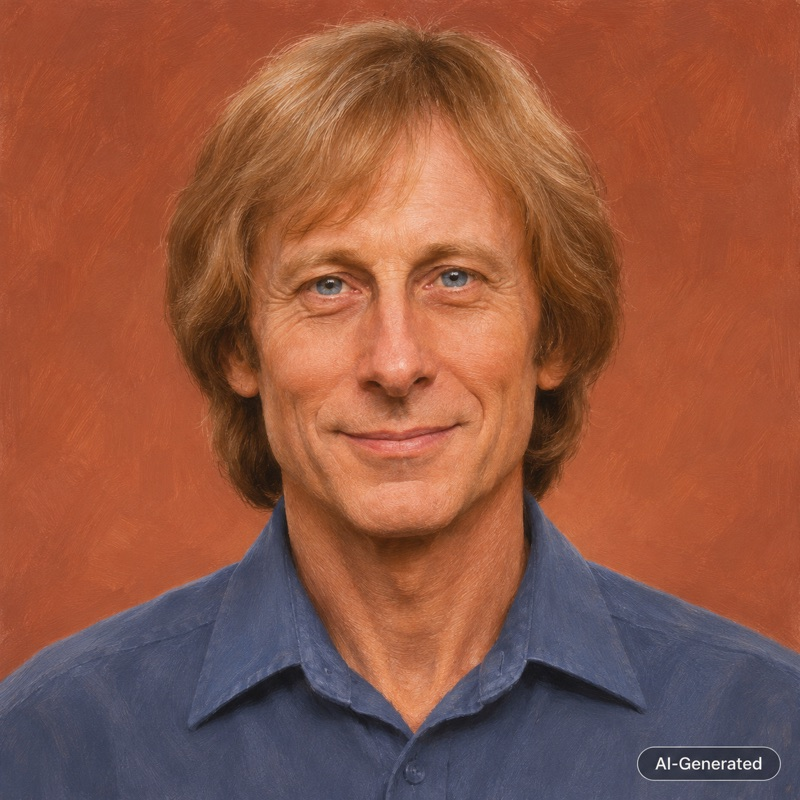
Artwork: Original AI-generated field-hospital camp illustration created for Famous Faith; not official M*A*S*H artwork. Cast portraits are original AI-generated illustrations, not photographs. No endorsement is implied.
Series and character names identify the work being discussed. No performer or rights-holder endorsement is implied.