People · Beliefs
Edward Winter
Before Colonel Flagg barged into M*A*S*H, Edward Winter earned Tony nominations for Cabaret and Promises, Promises. His career stretched well beyond the intelligence officer’s outrageous certainty.
- Known for
- Col. Flagg in M*A*S*H
- Broadway roles
- Ernst Ludwig in Cabaret; J. D. Sheldrake in Promises, Promises
- Recognition
- Tony nominations in 1967 and 1969
- Life dates
- June 3, 1937 – March 8, 2001
Colonel Flagg could make a room uncomfortable before anyone knew why he had arrived. Edward Winter played the intelligence officer’s fierce confidence so straight that the character’s absurdity became even funnier. It is an especially memorable corner of M*A*S*H, but only one part of Winter’s work.
His professional history included serious theater, major Broadway musicals, films, and television comedy. He earned two Tony nominations before many viewers learned to recognize him in uniform. Winter died on March 8, 2001, at 63. Looking back at the person behind Flagg reveals a much wider acting career, while his private religious beliefs remain less clearly documented.
A Theater Career Before Flagg
Winter was born in Ventura, California, in 1937. His early professional work included the San Francisco Actors Workshop. He later appeared in New York productions, building experience in plays as well as musicals. The Broadway League’s database lists credits ranging from Danton’s Death and The Country Wife to The Birthday Party.
He originated the role of Ernst Ludwig in Cabaret and J. D. Sheldrake in Promises, Promises. Those performances brought Tony nominations in 1967 and 1969. These were not simply brief appearances added to an already famous television name: they were significant work in the original companies of two important musicals.
Winter also developed a long screen career. Alongside M*A*S*H, his television work included Soap, and his films included A Change of Seasons and The Buddy System. An actor’s credits can cover very different kinds of stories. A role that makes someone familiar should not become a limit on how we remember the rest of the work.
Playing Certainty for Laughs
Flagg’s appearances depended on a useful comic mismatch: the character was intensely serious about himself while the people around him could see the confusion he created. Winter did not need to tell the audience where the joke was. The officer’s manner, suspicion, and exaggerated authority did the work.
That is a performance to evaluate as acting, rather than as a window into Winter’s own outlook. Playing a suspicious person does not make a performer suspicious; delivering an absurdly confident line does not make it the actor’s opinion. Keeping that distinction clear allows us to enjoy the character without turning fiction into biography.
What Was Edward Winter’s Religion?
The theater records and contemporary obituary sources reviewed for this profile do not establish a specific religious affiliation or a public Christian profession from Winter. Famous Faith therefore does not label him Christian, atheist, or a member of a denomination. His personal religion is not clearly established by this evidence.
That answer is limited to what can be documented. A lack of public religious detail is not proof that someone had no beliefs. It simply means that career records and performances cannot answer every question about a person’s inner life. Winter’s portrayal of Flagg supplies no reliable shortcut around that limit.
Beyond the Spotlight
The contrast between confidence and truth can prompt a useful question for all of us: what are we trusting when we think we are right? The following is Famous Faith’s Christian reflection, not a claim about Edward Winter’s beliefs or an attempt to equate him with his character.
The Bible presents God as holy, loving, and truthful. His Ten Commandments expose sins such as lying, stealing, and coveting. Jesus shows that moral responsibility reaches our hearts as well as our public behavior. None of us can simply declare ourselves innocent. We have all sinned, including the writer of this article, and we need more than a favorable opinion of ourselves.
God will judge wrongdoing, and Jesus spoke seriously about hell. But the Christian gospel also announces undeserved mercy. Jesus Christ, God’s sinless Son, died for sinners and bodily rose from the dead. Forgiveness is offered by grace through faith in him. Good works, religious effort, or a respected career cannot buy it.
Repentance involves turning from sin toward God with a changed mind and heart, learning to trust his character and the love revealed in Christ. That trust should affect our conduct, but reformed behavior is not a payment for salvation. We can bring honest questions to Jesus without pretending that we have already resolved everything. Christian assurance rests in his faithfulness and mercy, rather than the strength of our own performance.
M*A*S*H collection
Edward Winter played Col. Flagg in M*A*S*H. Explore the M*A*S*H cast profiles for the people behind the series.
Sources
- The Broadway League: Edward Winter’s original Broadway roles and Tony nominations
- Playbill: Edward Winter obituary
- The New York Times via SFGATE: Edward Winter obituary
- Apple TV: Edward Winter screen biography and credits
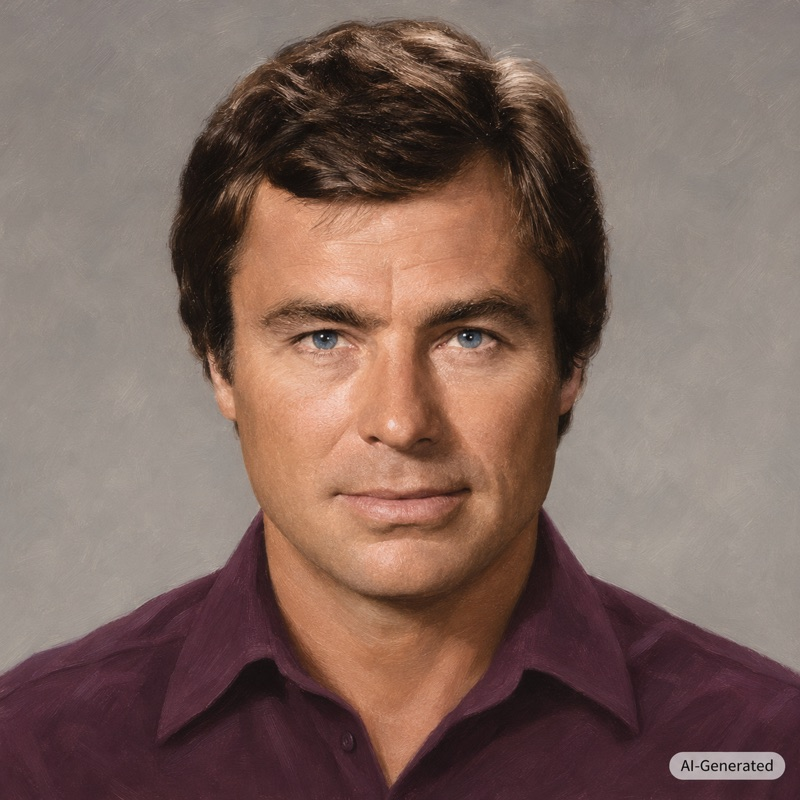
Artwork: Original AI-generated portrait of Edward Winter created for Famous Faith; an illustration, not a photograph. No endorsement is implied.