People · Beliefs
Allan Arbus
Allan Arbus was already a successful photographer before becoming the psychiatrist viewers trusted on M*A*S*H. His second career showed how much a recurring character could contribute.
- Known for
- Maj. Sidney Freedman in M*A*S*H
- Earlier career
- Fashion and advertising photographer
- Other screen work
- Putney Swope; Greaser’s Palace; Volunteers
- Life
- 1918–2013; died April 19, 2013
Allan Arbus did not need to appear every week to leave a lasting impression on M*A*S*H. As psychiatrist Sidney Freedman, he brought a different pace into the hospital: attentive, dryly funny, and willing to hear what the exhausted staff could not easily say. His recurring presence helped the series look beyond visible wounds.
Before that role, Arbus had spent years looking through a camera. He and his first wife, Diane Arbus, built a photography business before their professional paths changed. Acting became a substantial second career rather than a youthful success carried forward unchanged. Arbus died on April 19, 2013, at 95, leaving work that crossed two very different ways of observing people.
From Behind the Camera to the Screen
Arbus was born in New York City in 1918. He worked as a military photographer during World War II, then developed a commercial photography partnership with Diane. Their fashion and advertising work appeared in prominent magazines, including Vogue and Glamour. Museum accounts of Diane’s career remember this partnership as part of the period before her distinctive independent work.
When their professional collaboration ended, Allan continued photographing while developing his interest in acting. He eventually moved to California and became familiar through films and television appearances. His credits included Robert Downey Sr.’s Putney Swope and Greaser’s Palace, as well as the later comedy Volunteers. Those parts were very different from the psychiatrist many viewers remember most readily.
The change of direction is a useful part of his story. Arbus was not simply an actor who had once taken a few photographs. Photography had been serious work, and acting required another set of skills. His career shows that a person’s most familiar public identity may represent only one chapter of a much longer working life.
A Recurring Character Who Made Room for Honesty
Arbus played Freedman in a dozen M*A*S*H episodes between 1973 and 1983. The character’s visits let the writers explore fear, strain, and the emotional consequences of war. A psychiatrist could ask questions that did not fit comfortably into the camp’s usual banter.
That gives Arbus an important place in the ensemble even though he was not present in every story. His performance could convey reassurance without pretending that everything was easily repaired. Viewers can appreciate that accomplishment while remembering that an actor is neither his character nor the medical professional he portrays. Freedman’s advice belongs to the drama, not to a clinical practice conducted by Arbus.
What Was Allan Arbus’s Religion?
Biographical references describe Arbus as coming from a Jewish family. That background should not be confused with a detailed statement of his adult religious beliefs or level of observance. The sources reviewed for this profile do not establish a public Christian profession or a clear account of his personal theology.
Nor do his screen roles settle the question. Sidney Freedman’s identity and the religious imagery of Greaser’s Palace are elements of fictional productions. They are not reliable evidence that Arbus personally adopted a character’s beliefs. Famous Faith therefore distinguishes his reported Jewish family background from the private convictions that these sources do not explain.
Beyond the Spotlight
From Famous Faith’s Christian perspective, taking someone’s inner burdens seriously is part of loving a neighbor. This reflection expresses our beliefs, not a claim about Allan Arbus’s faith. People are more than the roles they perform or the troubles others can immediately see.
The Bible also calls us to be honest about our own hearts before God. He is holy and loving, and his moral law is good. The Ten Commandments expose wrongdoing such as lying, stealing, and coveting; Jesus teaches that inward desires matter too. All of us have sinned, including the writer of this page. Admitting that shared need should make Christians humble rather than eager to pass judgment on a celebrity’s soul.
God’s judgment is real, and Jesus warned about hell. But the gospel announces a rescue we could never earn. Jesus Christ, God’s sinless Son, died for sinners and bodily rose from the dead. He offers forgiveness by grace through faith, not through family heritage, professional success, good deeds, or religious performance.
Repentance is turning from sin toward God with a changed mind and heart, trusting his character and the love demonstrated through Christ. That trust can reshape our choices and relationships, but our conduct does not buy salvation. Honest questions and painful histories can be brought to Jesus. Christian hope rests in his mercy and his finished work, not in our ability to create a flawless story about ourselves.
M*A*S*H collection
Allan Arbus played Maj. Sidney Freedman in M*A*S*H. Explore the M*A*S*H cast profiles for the people behind the series.
Sources
- Associated Press via Legacy: Allan Arbus obituary
- Apple TV: Allan Arbus career biography and credits
- Moderna Museet: Diane Arbus biography and their photography partnership
- TIME: Photographers remembered in 2013
- Allan Arbus biographical reference and citations for family background
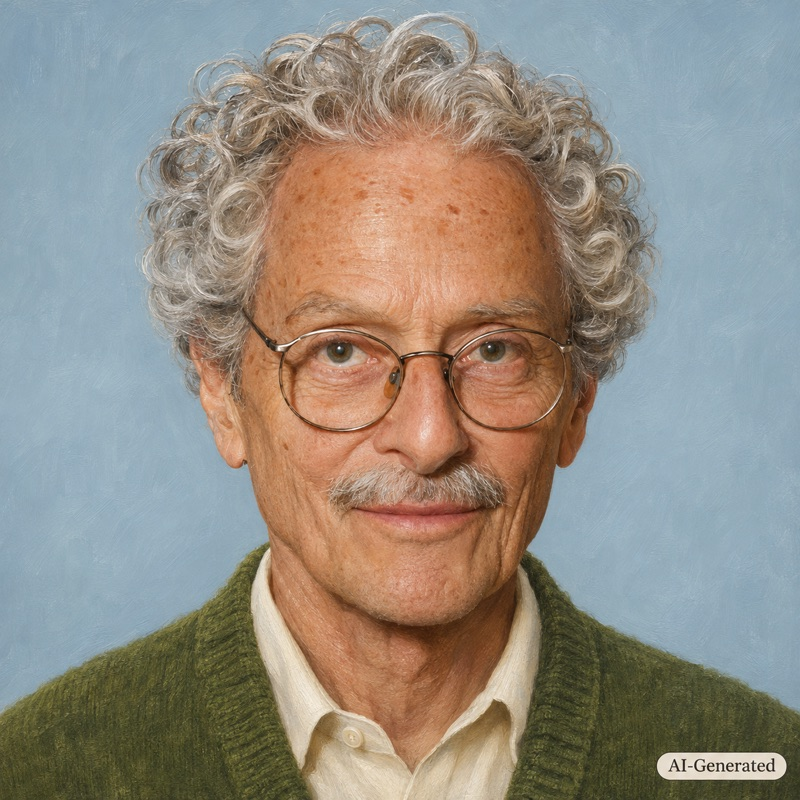
Artwork: Original AI-generated portrait of Allan Arbus created for Famous Faith; an illustration, not a photograph. No endorsement is implied.