What Is Michael Jai White’s Religion? Is He a Christian?

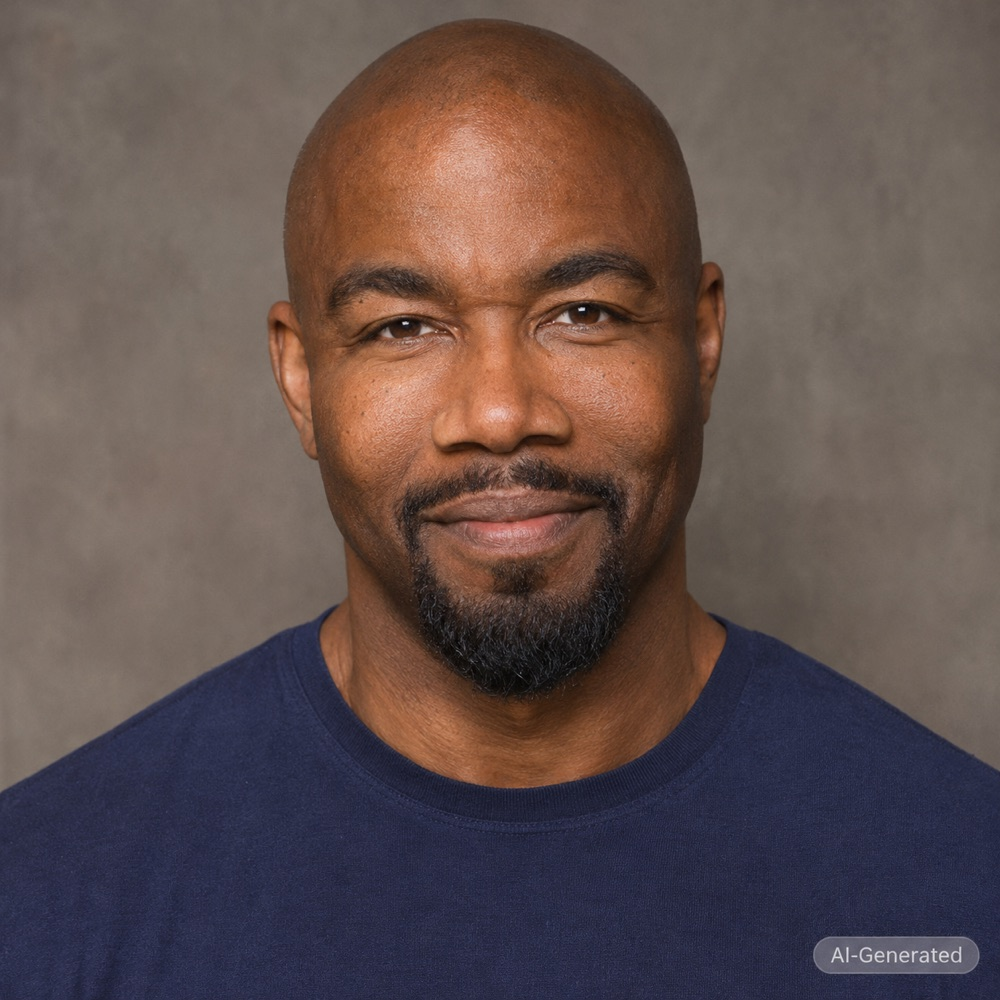
AI-Generated portrait of Michael Jai White

Michael Jai White has discussed spirituality and learning from multiple sources, but the material reviewed here does not establish a precise current denomination or a clear personal Christian conversion testimony. His acting roles alone cannot settle that question.

The person behind the performance

White is an actor, martial artist, and director whose credits include Tyson, Spawn, Black Dynamite, and Outlaw Johnny Black. His career biography records a long association with martial arts and action filmmaking, alongside work in other genres.

A strong physical presence can become a performer’s most familiar public image. Yet training and screen authority do not tell the whole story of a person’s beliefs. Direct interviews are more useful than assigning a spiritual identity from the characters he plays or from the religious themes of a particular production.

Their part in Arrow

In Arrow, White portrays Ben Turner, known as Bronze Tiger. The character’s exceptional fighting ability places him within conflicts involving criminals, imprisonment, and changing opportunities to act differently.

Skill makes Turner dangerous, but the moral significance of that skill depends on how it is used. That distinction provides a subject for reflection without requiring us to assume that the actor shares his character’s past. The article treats the fictional role as fiction and considers White’s own public statements separately.

What the public record says about faith

In an October 2023 Broad Ideas interview, available in transcript, White answered a question about spiritual foundations by describing learning and borrowing from multiple sources. A Holy Culture interview summary with White and his wife Gillian also discusses faith and the values guiding their relationship.

Those sources show that spiritual and moral questions are part of his public discussion. They do not, by themselves, establish a current denomination or a detailed personal profession of Christian salvation. Famous Faith keeps that distinction visible. The gospel presented below expresses the site’s convictions rather than attributing a complete theological position to White.

Discipline can train the body without making the heart innocent

Discipline can be a valuable gift. Practice develops patience, restraint, and the ability to continue when a task is difficult. But it can also become a source of pride if a person begins to assume that control in one area proves moral strength in every other area.

First Timothy 4:8 recognizes value in physical training while giving greater scope to godliness. Ephesians 2:8–10 places salvation in God’s grace rather than human achievement. These passages do not belittle effort; they put it in the right relationship to our need for forgiveness.

Famous Faith’s reflection is that impressive ability should be joined to humility. A person may be skilled and still need correction, powerful and still need mercy, disciplined and still need a new heart. The Christian invitation is more than a program for becoming stronger. It is a call to repent and trust Christ, then use whatever abilities we have to serve God and our neighbors rather than defend an image of self-sufficiency.

The gospel and the hope of grace

The Bible says that all have sinned and fall short of God’s glory (Romans 3:23). Our need is deeper than an imperfect public image: we have failed to love God and our neighbors as we should. Jesus Christ, God’s Son, lived without sin, died for sinners, and rose bodily from the dead. His death and resurrection are central to the gospel (1 Corinthians 15:3–4). Salvation is God’s gift, received through faith in Christ rather than earned through good deeds, church membership, or personal achievement (Ephesians 2:8–10). Jesus calls us to repent and believe. A changed life follows his grace; it does not purchase forgiveness.

The reflection above expresses Famous Faith’s Christian perspective. It is not attributed to the actor or presented as a claim to know anyone’s heart.

Sources and image credit

Original AI-generated editorial portrait of Michael Jai White, created for Famous Faith. Artistic interpretation, not a photograph. No endorsement by the performer or production is implied.


What Is Kelly Hu’s Religion? Is She a Christian?

AI-Generated portrait of Kelly Hu

Kelly Hu’s current religious affiliation is unconfirmed in the sources reviewed. Her work as China White in Arrow and in other action or supernatural productions does not establish a personal Christian profession or another religious commitment.

The person behind the performance

Hu is an actress and voice performer known for The Scorpion King, X2, Nash Bridges, and Arrow. Her career biography also records extensive animation and video-game work, including roles in Young Justice.

In a 2022 Sidewalks Entertainment interview, she discussed her career and acting projects. The accompanying biography gives useful professional context. It does not turn a conversation about performance into a statement of church membership. The religious question needs evidence that specifically addresses her own beliefs rather than the settings of her work.

Their part in Arrow

In Arrow, Hu portrays China White, also known as Chien Na Wei. The recurring antagonist is connected with criminal conflict in the city and has the fighting skills to remain a serious threat to Oliver and his allies.

A convincing action performance can make a character memorable without telling us the performer’s private convictions. China White’s choices belong to fiction. The article does not treat a villain’s conduct, a martial-arts role, or an ethnic background as a religious confession. Its Christian reflection considers themes that viewers may draw from the story.

What the public record says about faith

The sources reviewed do not establish Hu’s current denomination, church affiliation, or an explicit personal testimony of faith in Jesus Christ. Her Hawaiian birthplace and family ancestry cannot determine her religious identity, and voice acting in a fictional spiritual setting is not sufficient evidence either.

Famous Faith therefore leaves her present affiliation unconfirmed. That answer does not imply that she has no spiritual convictions. It describes the limits of the material verified for this profile. The biblical observations below belong to the site and should not be presented as a message Hu has personally endorsed or intended to teach through her role.

A person’s worth is larger than the part we recognize

Familiarity can create a false sense of knowledge. We recognize a face, remember a dramatic scene, and begin to assume that we understand the person behind it. The same habit can affect everyday relationships when we reduce someone to a job, a reputation, or a single difficult encounter.

Genesis 1:27 gives a deeper foundation for human dignity than usefulness or public approval. James 3:9–10 challenges speech that dishonors people made in God’s likeness. These truths call Christians to careful language, even when discussing someone whose work or convictions differ from their own.

Famous Faith’s reflection is that truthfulness includes resisting an easy stereotype. We can evaluate stories and spiritual claims firmly while treating real people with respect. We should also welcome correction when the facts do not support an assumption. The gospel directs attention to our shared need for grace, reminding us that admiration, suspicion, and celebrity status cannot provide a final judgment on a human heart.

The gospel and the hope of grace

The Bible says that all have sinned and fall short of God’s glory (Romans 3:23). Our need is deeper than an imperfect public image: we have failed to love God and our neighbors as we should. Jesus Christ, God’s Son, lived without sin, died for sinners, and rose bodily from the dead. His death and resurrection are central to the gospel (1 Corinthians 15:3–4). Salvation is God’s gift, received through faith in Christ rather than earned through good deeds, church membership, or personal achievement (Ephesians 2:8–10). Jesus calls us to repent and believe. A changed life follows his grace; it does not purchase forgiveness.

The reflection above expresses Famous Faith’s Christian perspective. It is not attributed to the actor or presented as a claim to know anyone’s heart.

Sources and image credit

Original AI-generated editorial portrait of Kelly Hu, created for Famous Faith. Artistic interpretation, not a photograph. No endorsement by the performer or production is implied.

What Is Kathleen Gati’s Religion? Is She a Christian?

AI-Generated portrait of Kathleen Gati

Kathleen Gati’s current religious affiliation is unconfirmed in the sources reviewed. Her work as Raisa in Arrow and Liesl Obrecht in General Hospital provides career information, rather than a verified personal Christian testimony.

The person behind the performance

Gati is a Canadian actress known for General Hospital, 24, Arrow, and Fear the Walking Dead: Flight 462. A 2025 TVMEG interview and biography also describes stage work, audiobook narration, and an upbringing in an artistic household.

Her performances include sharply different kinds of characters. That variety is a reason to resist treating the most familiar role as a complete portrait of the person. An actor may convincingly portray a manipulative figure in one series and a caring presence in another without either part establishing her private convictions.

Their part in Arrow

In Arrow, Gati portrays Raisa, a longtime member of the Queen household who also helps care for William. Her presence connects the family’s earlier domestic life with later responsibilities and changes.

The role gives a quieter perspective than many of the show’s costumed conflicts. Care, familiarity, and dependable daily work can matter deeply even when they do not dominate the action. These are themes viewers can consider without assuming that Raisa’s fictional background or loyalties establish Gati’s religious beliefs.

What the public record says about faith

The sources reviewed do not establish a present denomination, church membership, or a direct statement of trust in Jesus Christ. Names, ancestry, and earlier credits with religious-sounding titles cannot supply the missing personal evidence.

Famous Faith therefore leaves Gati’s current affiliation unconfirmed. That does not mean that she is indifferent to religion or has never discussed spiritual questions elsewhere. It states the limit of what this profile can verify. The reflection below belongs to the site and should not be read as a claim that Gati chose or performed the role to communicate a particular Christian message.

Quiet service matters even when it receives little attention

Some of the most necessary work happens outside the center of a story. Meals are prepared, children are watched, ordinary needs are noticed, and someone remembers what a distressed person has forgotten. It is easy to value these tasks only when they stop being done.

Colossians 3:23 connects ordinary work with wholehearted service before the Lord. Mark 10:43–45 describes greatness through service rather than domination. These passages challenge the assumption that a life matters only when it is publicly impressive or widely remembered.

Famous Faith’s reflection is that gratitude should become practical. We can learn names, notice burdens, and treat workers as people whose lives matter beyond the help they provide. At the same time, a record of faithful service cannot purchase forgiveness from God. The gospel gives work a place within a life transformed by grace; it does not turn usefulness into a measure of who deserves salvation. Christian hope can dignify ordinary labor without making it a substitute for Christ.

The gospel and the hope of grace

The Bible says that all have sinned and fall short of God’s glory (Romans 3:23). Our need is deeper than an imperfect public image: we have failed to love God and our neighbors as we should. Jesus Christ, God’s Son, lived without sin, died for sinners, and rose bodily from the dead. His death and resurrection are central to the gospel (1 Corinthians 15:3–4). Salvation is God’s gift, received through faith in Christ rather than earned through good deeds, church membership, or personal achievement (Ephesians 2:8–10). Jesus calls us to repent and believe. A changed life follows his grace; it does not purchase forgiveness.

The reflection above expresses Famous Faith’s Christian perspective. It is not attributed to the actor or presented as a claim to know anyone’s heart.

Sources and image credit

Original AI-generated editorial portrait of Kathleen Gati, created for Famous Faith. Artistic interpretation, not a photograph. No endorsement by the performer or production is implied.

What Is Dylan Neal’s Religion? Is He a Christian?

AI-Generated portrait of Dylan Neal

Dylan Neal’s current religious affiliation is unconfirmed in the sources reviewed. His Hallmark work and his portrayal of Anthony Ivo in Arrow do not establish a personal Christian profession or a particular denomination.

The person behind the performance

Neal is a Canadian actor, writer, and producer whose work includes Doug Witter in Dawson’s Creek, Jack Griffith in Cedar Cove, and Henry Ross in the Gourmet Detective films. A Hallmark biography describes his collaboration with writer and producer Becky Southwell.

His career crosses romantic drama, mystery, and more threatening fictional settings. That range is relevant when recognizing the performer behind a particular character. A film’s seasonal setting or a network’s reputation does not, by itself, establish the religious convictions of everyone working in the production.

Their part in Arrow

In Arrow, Neal portrays Dr. Anthony Ivo, connected with the ship Amazo and the search for the Mirakuru serum in the island flashback story. The character uses knowledge and power in ways that threaten other people.

A discussion of Ivo can therefore raise questions about the ethical limits of expertise. It should not become a claim about Neal’s own treatment of people or personal beliefs. The character supplies a fictional example for reflection; the actor’s religion must be assessed through evidence about the actor.

What the public record says about faith

The reviewed biographical material does not establish Neal’s current church affiliation, denomination, or an explicit account of Christian conversion. Work on Christmas films, mystery productions, or supernatural stories cannot resolve that question.

Famous Faith therefore leaves the present affiliation unconfirmed. This is a statement about the sources reviewed, not a declaration that Neal has no beliefs or that religion has never mattered in his life. It also avoids assigning a faith on the basis of a surname or national background. The biblical discussion below expresses this site’s convictions about knowledge and human dignity rather than Neal’s stated interpretation.

Knowing how to do something does not make it right

Expertise can make an action possible long before anyone has adequately considered whether it should be done. A person who understands a process may become impatient with questions from those who do not. The danger grows when other people are treated as obstacles or experimental material rather than neighbors.

Genesis 1:27 grounds human dignity in the image of God. First Corinthians 8:1 warns that knowledge can foster pride, while love builds up. These principles do not reject learning. They challenge the idea that technical ability grants unlimited moral permission.

Famous Faith’s reflection is that competence needs humility and accountability. The people affected by a decision should not disappear behind a project’s promised importance. We should welcome knowledge that serves life while refusing to confuse scientific possibility with moral innocence. The gospel also confronts a deeper human problem: the heart that wants to use its abilities without answering to God. Christ offers forgiveness and calls those who follow him to serve rather than exploit.

The gospel and the hope of grace

The Bible says that all have sinned and fall short of God’s glory (Romans 3:23). Our need is deeper than an imperfect public image: we have failed to love God and our neighbors as we should. Jesus Christ, God’s Son, lived without sin, died for sinners, and rose bodily from the dead. His death and resurrection are central to the gospel (1 Corinthians 15:3–4). Salvation is God’s gift, received through faith in Christ rather than earned through good deeds, church membership, or personal achievement (Ephesians 2:8–10). Jesus calls us to repent and believe. A changed life follows his grace; it does not purchase forgiveness.

The reflection above expresses Famous Faith’s Christian perspective. It is not attributed to the actor or presented as a claim to know anyone’s heart.

Sources and image credit

Original AI-generated editorial portrait of Dylan Neal, created for Famous Faith. Artistic interpretation, not a photograph. No endorsement by the performer or production is implied.
What Is Summer Glau’s Religion? Is She a Christian?

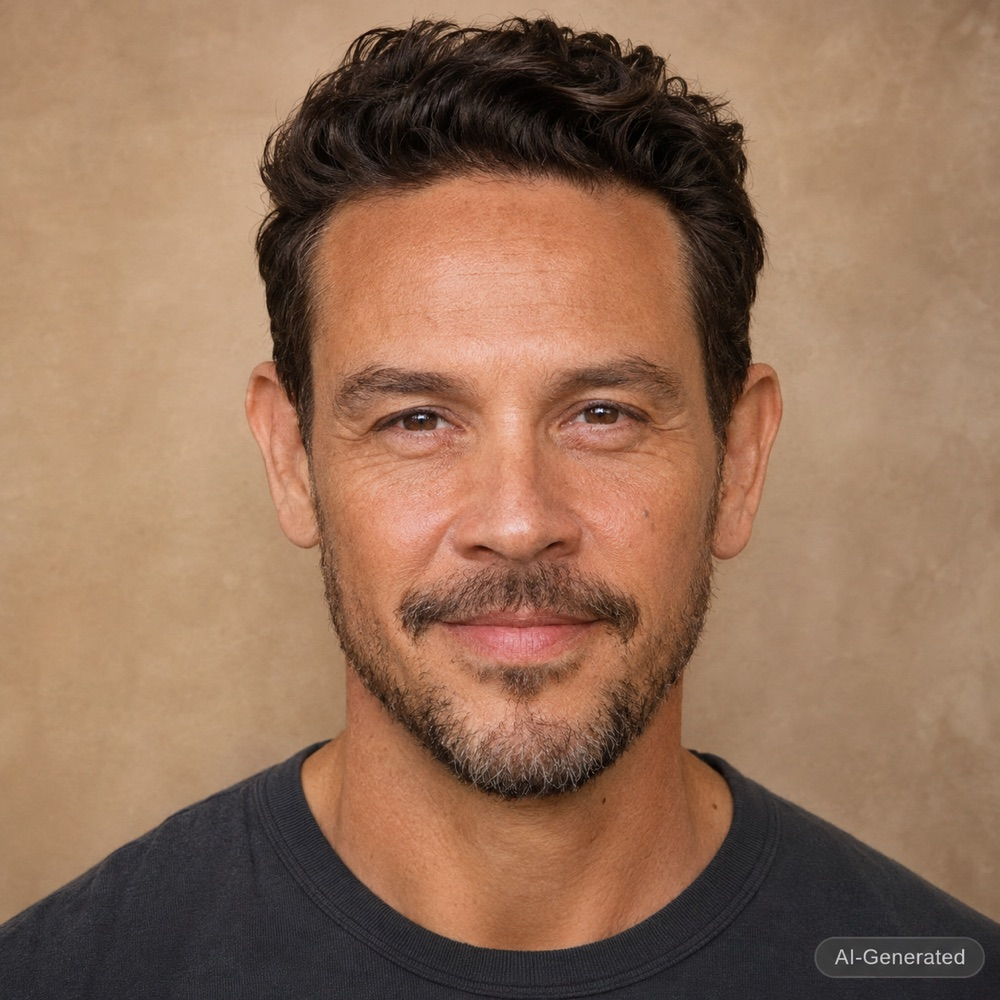
AI-Generated portrait of Summer Glau

Summer Glau has publicly affirmed belief in God and described a Baptist upbringing alongside Catholic church attendance. A direct August 2025 interview documents her Christian faith background and belief, while leaving her precise current denominational membership unclear.

The person behind the performance

Glau is an actress known for River Tam in Firefly and Serenity, Cameron in Terminator: The Sarah Connor Chronicles, and Isabel Rochev in Arrow. Her career biography also records an extensive early background in ballet.

Her characters have often required distinctive movement and a contrast between outward composure and intense action. Those performances help explain her career without answering the separate question of faith. For that question there is a direct interview, rather than a need to infer beliefs from the moral character of the parts she has accepted.

Their part in Arrow

Glau portrays Isabel Rochev, also associated with the Ravager identity, in Arrow. Isabel’s involvement with Queen Consolidated brings business authority into contact with the wider conflict surrounding Oliver Queen and Slade Wilson.

The role is an example of a performer portraying conduct that should not be assigned automatically to the performer. A fictional antagonist can be evaluated as an antagonist while the real actress’s beliefs are described from her own words. Keeping the two separate makes both the career discussion and the religious discussion more accurate.

What the public record says about faith

In an August 11, 2025 DOMRADIO interview during a Cologne Cathedral visit, Glau affirmed that she is a believer. She described being raised Baptist while attending a Catholic church and said that going there had given her strength. The report explicitly discusses her belief in God and Christian faith.

This supports a positive account of publicly expressed belief. It does not establish a formal Catholic conversion, a current membership record, or agreement with every point of a denomination’s teaching. Famous Faith keeps those limits clear while recognizing that the evidence is stronger than a necklace or a fictional religious role alone.

Faith should be understood through what a person actually says

It is easy to decide that someone must be spiritually admirable because a character is brave, or spiritually suspect because a character is cruel. Both reactions replace attention to the real person with the emotional effect of a performance. Public judgment becomes more responsible when we distinguish evidence from association.

First Samuel 16:7 warns about the limitations of outward appearance. James 1:19 urges readiness to listen and slowness to speak. These principles encourage careful reading of a person’s own statements and humility about what remains unknown. They do not require treating every religious statement as identical or every theological question as unimportant.

Famous Faith’s reflection is that an expressed belief in God deserves to be reported fairly, with its actual detail and limits. Christian hope ultimately rests in Christ rather than an observer’s approval of a celebrity. The most valuable response is to consider the gospel itself and whether our own trust is placed in the Savior it proclaims.

The gospel and the hope of grace

The Bible says that all have sinned and fall short of God’s glory (Romans 3:23). Our need is deeper than an imperfect public image: we have failed to love God and our neighbors as we should. Jesus Christ, God’s Son, lived without sin, died for sinners, and rose bodily from the dead. His death and resurrection are central to the gospel (1 Corinthians 15:3–4). Salvation is God’s gift, received through faith in Christ rather than earned through good deeds, church membership, or personal achievement (Ephesians 2:8–10). Jesus calls us to repent and believe. A changed life follows his grace; it does not purchase forgiveness.

The reflection above expresses Famous Faith’s Christian perspective. It is not attributed to the actor or presented as a claim to know anyone’s heart.

Sources and image credit

Original AI-generated editorial portrait of Summer Glau, created for Famous Faith. Artistic interpretation, not a photograph. No endorsement by the performer or production is implied.

What Is Kevin Alejandro’s Religion? Is He a Christian?

AI-Generated portrait of Kevin Alejandro

Kevin Alejandro’s current religious affiliation is unconfirmed in the sources reviewed. His roles in Arrow, Lucifer, and True Blood are acting credits, not evidence that he personally holds the beliefs or practices depicted in those fictional worlds.

The person behind the performance

Alejandro is an actor and director known for Southland, True Blood, Arrow, Lucifer, and Fire Country. His career biography records work both in front of and behind the camera.

In an interview republished by Alejandro Films, he discussed the development of directing and producing alongside acting. That is direct professional context. It helps describe his creative interests without turning a discussion of filmmaking into a religious testimony that the source does not supply.

Their part in Arrow

In Arrow, Alejandro plays Sebastian Blood, also known as Brother Blood. The character combines a public political image with concealed ambitions and dangerous associations. His story asks how an apparently helpful public identity can hide a very different use of power.

The title Brother Blood and the character’s behavior belong to the series. They do not establish Alejandro’s religion. Likewise, performing in Lucifer is not evidence of Satanism, and playing a character named Jesús in another production would not establish a Christian conversion. These distinctions protect an accurate account of the real person.

What the public record says about faith

The sources reviewed do not establish a present denomination or a clear personal statement of saving faith in Jesus Christ. A title, costume, supernatural storyline, or character name cannot substitute for evidence about Alejandro’s actual beliefs.

Famous Faith therefore leaves his present religious affiliation unconfirmed. The conclusion concerns what this profile can responsibly verify, rather than a claim that the actor has no spiritual convictions. The biblical reflection below expresses the site’s own assessment of the moral questions raised by Sebastian Blood’s public image. It is not attributed to Alejandro as a statement of his intentions.

A good public image cannot justify hidden corruption

A person can become so committed to appearing useful that honest accountability begins to seem like an obstacle. If a project brings visible benefits, supporters may feel pressure to overlook the methods behind it. The public story becomes more important than the people affected by private decisions.

Matthew 6:1 warns against practicing righteousness for the sake of being seen. Proverbs 11:3 connects integrity with guidance, while exposing the destructive direction of dishonesty. These principles ask more than whether a campaign looks generous or a leader speaks convincingly. They ask whether the conduct is truthful when applause is absent.

Famous Faith’s reflection is that careful scrutiny can be an expression of love for a community. Charitable language does not place anyone beyond questions. We should also examine our own desire to be admired, because hypocrisy is not limited to powerful public figures. The gospel invites truthful confession and repentance, replacing the exhausting defense of an image with dependence on Christ’s mercy.

The gospel and the hope of grace

The Bible says that all have sinned and fall short of God’s glory (Romans 3:23). Our need is deeper than an imperfect public image: we have failed to love God and our neighbors as we should. Jesus Christ, God’s Son, lived without sin, died for sinners, and rose bodily from the dead. His death and resurrection are central to the gospel (1 Corinthians 15:3–4). Salvation is God’s gift, received through faith in Christ rather than earned through good deeds, church membership, or personal achievement (Ephesians 2:8–10). Jesus calls us to repent and believe. A changed life follows his grace; it does not purchase forgiveness.

The reflection above expresses Famous Faith’s Christian perspective. It is not attributed to the actor or presented as a claim to know anyone’s heart.

Sources and image credit

Original AI-generated editorial portrait of Kevin Alejandro, created for Famous Faith. Artistic interpretation, not a photograph. No endorsement by the performer or production is implied.

What Is Jessica De Gouw’s Religion? Is She a Christian?

AI-Generated portrait of Jessica De Gouw

Jessica De Gouw described herself as not religious in a June 2020 interview, while allowing a broad sense of spirituality connected with appreciation of the world. This profile has not verified a later change or a Christian conversion testimony.

The person behind the performance

De Gouw is an Australian actress known for Helena Bertinelli in Arrow, Mina in Dracula, and Elizabeth Hawkes in Underground. Her career biography records performance studies at Curtin University and work in film as well as television.

A June 2020 Irish Examiner interview includes personal reflections alongside discussion of acting. Because it contains her own remarks about religion, it is more useful for this question than assumptions based on one of her dramatic roles. The date remains important when describing what she publicly said.

Their part in Arrow

In Arrow, De Gouw plays Helena Bertinelli, known as the Huntress. The character’s pursuit of vengeance brings her into a complicated relationship with Oliver Queen. Her methods expose the distance between wanting wrongdoing confronted and becoming consumed by retaliation.

Those choices belong to Helena’s fictional story. They do not establish De Gouw’s own moral conduct or religious convictions. The role offers a subject for Christian reflection, while the account of the actress’s faith rests on her personal statements rather than the behavior of the Huntress.

What the public record says about faith

In the Irish Examiner interview, De Gouw explicitly described herself as not religious. She explained a possible spiritual outlook in terms of respecting and appreciating the surrounding world. That supports a dated account of a nonreligious self-description, rather than a Christian profession.

Famous Faith has not verified a later statement establishing a different present affiliation. It would also go beyond the source to assign a more elaborate philosophy than she described. The reflection below explains this site’s biblical understanding of justice and vengeance; it is not presented as De Gouw’s own interpretation of her role.

Justice must not become a disguise for revenge

The desire to see evil confronted is not itself wrong. Victims should be heard, wrongdoing should be named, and communities need just protection. The danger comes when a person begins to treat personal anger as the final authority over what another human being deserves.

Romans 12:19 tells believers not to take personal vengeance. Micah 6:8 joins justice with mercy and humility. These principles do not require indifference to abuse or excuse a failure to protect the vulnerable. They challenge the belief that our pain gives us unlimited permission to punish.

Famous Faith’s reflection is that pursuing justice requires attention to means as well as outcomes. Truthful testimony, fair judgment, and protection for those at risk are different from feeding an appetite for retaliation. We also need the humility to recognize our own guilt before God. The gospel holds together God’s justice and mercy at the cross, offering forgiveness without pretending that sin is harmless or that accountability no longer matters.

The gospel and the hope of grace

The Bible says that all have sinned and fall short of God’s glory (Romans 3:23). Our need is deeper than an imperfect public image: we have failed to love God and our neighbors as we should. Jesus Christ, God’s Son, lived without sin, died for sinners, and rose bodily from the dead. His death and resurrection are central to the gospel (1 Corinthians 15:3–4). Salvation is God’s gift, received through faith in Christ rather than earned through good deeds, church membership, or personal achievement (Ephesians 2:8–10). Jesus calls us to repent and believe. A changed life follows his grace; it does not purchase forgiveness.

The reflection above expresses Famous Faith’s Christian perspective. It is not attributed to the actor or presented as a claim to know anyone’s heart.

Sources and image credit

Original AI-generated editorial portrait of Jessica De Gouw, created for Famous Faith. Artistic interpretation, not a photograph. No endorsement by the performer or production is implied.

What Is Karl Yune’s Religion? Is He a Christian?

AI-Generated portrait of Karl Yune

Karl Yune’s current religious affiliation is unconfirmed in the sources reviewed. His education and his portrayal of Maseo Yamashiro in Arrow do not establish a personal Christian conversion or present denomination.

The person behind the performance

Yune is an American actor whose credits include Anacondas: The Hunt for the Blood Orchid, Memoirs of a Geisha, and Real Steel. A Variety Radio Online interview introduction describes his movement from business studies into theater at Columbia and identifies actor Rick Yune as his brother.

His professional background includes stage work as well as film and television. The relationship with another actor helps identify him accurately, but one family member’s spiritual outlook should never be assigned automatically to another. Each person’s statements and convictions require their own evidence.

Their part in Arrow

Yune portrays Maseo Yamashiro in Arrow, opposite Rila Fukushima’s Tatsu. Maseo also becomes associated with the name Sarab and with the League of Assassins. The role brings together bereavement, obedience, and a divided sense of loyalty.

Those fictional pressures help explain why the character’s decisions matter within Oliver Queen’s story. They do not establish the actor’s approval of the League’s methods or rituals. A performance can explore destructive choices without endorsing them, and the discussion of religion should maintain that distinction.

What the public record says about faith

The biographical record mentions education at a Jesuit preparatory school. That is educational background, not sufficient evidence of current Catholic membership or a personal confession of faith in Christ. The sources reviewed here do not establish a present affiliation more clearly.

Famous Faith therefore leaves Yune’s religion unconfirmed. The answer should not be turned into an assertion that he has no beliefs, nor should cultural background be substituted for a direct statement. The biblical observations below express the site’s Christian perspective on the role’s moral questions rather than a teaching attributed to Yune.

A new allegiance cannot repair an unexamined wound

A wounded person may be drawn to a group that promises structure, certainty, and a clear purpose. Belonging can feel like relief when life has become disordered. Yet an organization’s confidence does not guarantee that its commands are good or its explanation of suffering is true.

Proverbs 14:12 warns that a path can appear right while leading toward death. Psalm 147:3 describes God’s care for the brokenhearted. These passages point toward a response that joins discernment with compassion. Pain should be taken seriously without allowing it to become a recruiting tool for destructive obedience.

Famous Faith’s reflection is that we should examine what an allegiance asks of us and what it promises in return. Does it welcome honest questions? Does it require harm as proof of loyalty? Christian hope is not found in surrendering conscience to a powerful human leader. It rests in Christ, whose authority is joined to truth and whose saving work provides a foundation stronger than a temporary sense of belonging.

The gospel and the hope of grace

The Bible says that all have sinned and fall short of God’s glory (Romans 3:23). Our need is deeper than an imperfect public image: we have failed to love God and our neighbors as we should. Jesus Christ, God’s Son, lived without sin, died for sinners, and rose bodily from the dead. His death and resurrection are central to the gospel (1 Corinthians 15:3–4). Salvation is God’s gift, received through faith in Christ rather than earned through good deeds, church membership, or personal achievement (Ephesians 2:8–10). Jesus calls us to repent and believe. A changed life follows his grace; it does not purchase forgiveness.

The reflection above expresses Famous Faith’s Christian perspective. It is not attributed to the actor or presented as a claim to know anyone’s heart.

Sources and image credit

Original AI-generated editorial portrait of Karl Yune, created for Famous Faith. Artistic interpretation, not a photograph. No endorsement by the performer or production is implied.

What Is Rila Fukushima’s Religion? Is She a Christian?

AI-Generated portrait of Rila Fukushima

Rila Fukushima’s current religious affiliation is unconfirmed in the sources reviewed. Her portrayal of Tatsu Yamashiro in Arrow, or of a priestess in another production, does not establish her own religious beliefs.

The person behind the performance

Fukushima is a Japanese model and actress whose credits include Yukio in The Wolverine, Tatsu Yamashiro in Arrow, and the Red-robed Geisha in Ghost in the Shell. Her career biography also records a small role as a Red Priestess in Game of Thrones.

These are separate characters in distinct fictional worlds. Costume, nationality, and a spiritually suggestive role title do not tell us what the performer believes. Recognizing her work across those productions is therefore different from assigning a religion to her on the basis of a screen appearance.

Their part in Arrow

In Arrow, Fukushima portrays Tatsu Yamashiro, also associated with the Katana identity. Tatsu’s story connects family loss, disciplined action, and the difficult relationships surrounding Oliver’s past. She is linked with Maseo Yamashiro, played by Karl Yune.

The character’s grief gives moral weight to decisions that might otherwise appear to be ordinary action scenes. A viewer can reflect on those choices without assuming they describe Fukushima’s own experiences. The fictional identity provides the subject for the reflection; it does not provide evidence of the actress’s faith.

What the public record says about faith

This profile has not verified a direct statement establishing Fukushima’s present denomination, church affiliation, or personal Christian testimony. Being Japanese does not by itself establish Buddhist or Shinto belief, just as playing a priestess does not prove personal adherence to the fictional religion depicted.

Famous Faith leaves the current affiliation unconfirmed rather than filling that gap with a cultural assumption. This also leaves room for an update if a clear, attributable personal statement becomes available. The biblical discussion below is the site’s own reflection on grief and responsibility, not a religious position assigned to Fukushima.

Grief deserves care without becoming permission to harm

Loss can change the way a person sees every decision. Anger may feel like the only remaining way to honor someone who has died, while restraint can seem like a betrayal of the relationship. Yet continuing to harm others cannot restore the person who is gone.

Romans 12:19–21 calls believers away from personal vengeance and toward overcoming evil with good. Psalm 34:18 presents God as near to the brokenhearted. Together these truths reject both cruelty toward the grieving and the idea that grief makes every response right.

Famous Faith’s reflection is that compassion needs moral direction. People who are suffering may need practical support, patient companionship, and help carrying responsibilities that have become overwhelming. They also need hope that is larger than revenge. Christianity directs that hope to Christ, who entered human suffering and rose from the dead. His grace does not erase the importance of a lost relationship; it gives us a reason to seek a faithful life even while we mourn.

The gospel and the hope of grace

The Bible says that all have sinned and fall short of God’s glory (Romans 3:23). Our need is deeper than an imperfect public image: we have failed to love God and our neighbors as we should. Jesus Christ, God’s Son, lived without sin, died for sinners, and rose bodily from the dead. His death and resurrection are central to the gospel (1 Corinthians 15:3–4). Salvation is God’s gift, received through faith in Christ rather than earned through good deeds, church membership, or personal achievement (Ephesians 2:8–10). Jesus calls us to repent and believe. A changed life follows his grace; it does not purchase forgiveness.

The reflection above expresses Famous Faith’s Christian perspective. It is not attributed to the actor or presented as a claim to know anyone’s heart.

Sources and image credit

Original AI-generated editorial portrait of Rila Fukushima, created for Famous Faith. Artistic interpretation, not a photograph. No endorsement by the performer or production is implied.

What Is David Nykl’s Religion? Is He a Christian?

AI-Generated portrait of David Nykl

David Nykl’s current religious affiliation is unconfirmed in the sources reviewed. His work as Anatoly Knyazev in Arrow and Radek Zelenka in Stargate Atlantis does not establish a personal Christian profession.

The person behind the performance

Nykl is a Czech-Canadian actor whose work spans television, film, and theater. His career biography records his association with Stargate Atlantis and Arrow. Those familiar roles represent different kinds of intelligence, authority, and social relationships.

In a 2008 Dragon Con interview, he discussed performing Zelenka and the collaborative work behind the series. It is a direct source about his acting process. Remarks about how a character is written are useful professional evidence, but they do not automatically establish the actor’s religious convictions.

Their part in Arrow

Nykl portrays Anatoly Knyazev in Arrow. Anatoly’s history with Oliver Queen brings friendship, obligation, and criminal loyalties into the same story. Their connection cannot always be reduced to a simple division between friend and enemy.

That tension gives viewers a reason to consider what loyalty should require when a relationship becomes morally complicated. It does not establish that the actor shares the character’s choices. The article treats Anatoly as fiction and bases its answer about Nykl’s religion on the limits of the available personal evidence.

What the public record says about faith

The reviewed sources do not establish a current denomination, church membership, or a clear personal testimony of faith in Jesus Christ. Nykl’s national background and the settings of his roles cannot supply that missing evidence.

Famous Faith therefore leaves his present affiliation unconfirmed. It would be equally unwarranted to infer atheism from an absence of verified religious statements. A public career can be extensively documented while a person’s beliefs remain less visible. The Christian reflection below is this site’s response to the themes of loyalty and conscience, rather than an interpretation attributed to Nykl himself.

Friendship does not require surrendering your conscience

A shared history can make a request feel binding before we have examined whether it is right. Someone helped us once, stood beside us in danger, or welcomed us when others did not. Gratitude matters, but it does not make every later demand legitimate.

Proverbs 27:6 recognizes that a faithful friend may offer painful correction. First Corinthians 15:33 warns that companionship influences conduct. These principles challenge both selfish disloyalty and the kind of loyalty that quietly cooperates with harm. A friendship becomes more trustworthy when truth can be spoken within it.

Famous Faith’s reflection is that moral responsibility cannot be paid away as a debt to another person. We can remember kindness and still refuse wrongdoing. We can also acknowledge our own failures instead of treating another person as the only problem. The gospel offers forgiveness that leads to a changed direction, and that may include learning to love a friend without obeying every request that friend makes.

The gospel and the hope of grace

The Bible says that all have sinned and fall short of God’s glory (Romans 3:23). Our need is deeper than an imperfect public image: we have failed to love God and our neighbors as we should. Jesus Christ, God’s Son, lived without sin, died for sinners, and rose bodily from the dead. His death and resurrection are central to the gospel (1 Corinthians 15:3–4). Salvation is God’s gift, received through faith in Christ rather than earned through good deeds, church membership, or personal achievement (Ephesians 2:8–10). Jesus calls us to repent and believe. A changed life follows his grace; it does not purchase forgiveness.

The reflection above expresses Famous Faith’s Christian perspective. It is not attributed to the actor or presented as a claim to know anyone’s heart.

Sources and image credit

Original AI-generated editorial portrait of David Nykl, created for Famous Faith. Artistic interpretation, not a photograph. No endorsement by the performer or production is implied.