
What Is Emily Bett Rickards’s Religion? Is She a Christian?

AI-Generated portrait of Emily Bett Rickards

Emily Bett Rickards’s current religious affiliation is unconfirmed in the reliable sources reviewed here. Her work as Felicity Smoak and her other performances provide career evidence, not a verified personal confession of Christian faith.

The person behind the performance

Rickards is a Canadian actress best known to Arrow viewers as Felicity Smoak. Her work also includes playing wrestler Mildred Burke in Queen of the Ring. In an interview about that film, she discussed taking on the story of a pioneering athlete and how the experience affected her view of wrestling.

Her career biography includes stage and screen work beyond the series. A performer’s range can be appreciated without treating the values of every character as a statement of the performer’s own beliefs.

Their part in Arrow

In Arrow, Felicity Smoak brings technological ability, humor, and personal commitment to Oliver Queen’s mission. She becomes central to the team and to Oliver’s family life. Her role makes expertise and information consequential parts of a story often remembered for physical action.

A character who solves urgent problems can be appealing because competence offers hope in a confusing situation. Nevertheless, the show’s solutions are fictional, and neither technical brilliance nor a character’s devotion establishes a Christian profession by Rickards. The faith question requires different evidence.

What the public record says about faith

The sources reviewed do not establish a current church membership, denomination, or explicit account of conversion to Christ. This profile therefore does not assign one. Public discussion of acting, ambition, charity, or relationships cannot substitute for a personal statement about religious belief.

That careful conclusion should not become speculation in the opposite direction. Unconfirmed does not mean that Rickards has no spiritual life. It means Famous Faith has not verified the evidence needed for a stronger statement. Our biblical reflection is offered as our own perspective on themes the character raises, rather than attributed to the actress.

Ability is a gift, not a complete moral compass

Knowing how to solve a problem does not always tell us whether the proposed solution is right. Intelligence can serve people generously, but it can also make manipulation, intrusion, or rationalization more effective. The ethical question remains even when the person using a skill is likable.

James 3:13–17 connects wisdom with humility, peace, and good conduct rather than cleverness alone. First Corinthians 8:1 warns that knowledge can become a source of pride while love builds others up. Neither passage despises learning. Both challenge the idea that being the smartest person in the room gives us permission to disregard other people.

Famous Faith’s reflection is practical: what are our abilities making possible for our neighbors? A useful skill should be joined to honesty, restraint, and care. Solving an urgent problem can be an act of love, but so can refusing a solution that would sacrifice someone else’s dignity for convenience or success.

The gospel and the hope of grace

The Bible says that all have sinned and fall short of God’s glory (Romans 3:23). Our need is deeper than an imperfect public image: we have failed to love God and our neighbors as we should. Jesus Christ, God’s Son, lived without sin, died for sinners, and rose bodily from the dead. His death and resurrection are central to the gospel (1 Corinthians 15:3–4). Salvation is God’s gift, received through faith in Christ rather than earned through good deeds, church membership, or personal achievement (Ephesians 2:8–10). Jesus calls us to repent and believe. A changed life follows his grace; it does not purchase forgiveness.

The reflection above expresses Famous Faith’s Christian perspective. It is not attributed to the actor or presented as a claim to know anyone’s heart.

Sources and image credit

Original AI-generated editorial portrait of Emily Bett Rickards, created for Famous Faith. Artistic interpretation, not a photograph. No endorsement by the performer or production is implied.
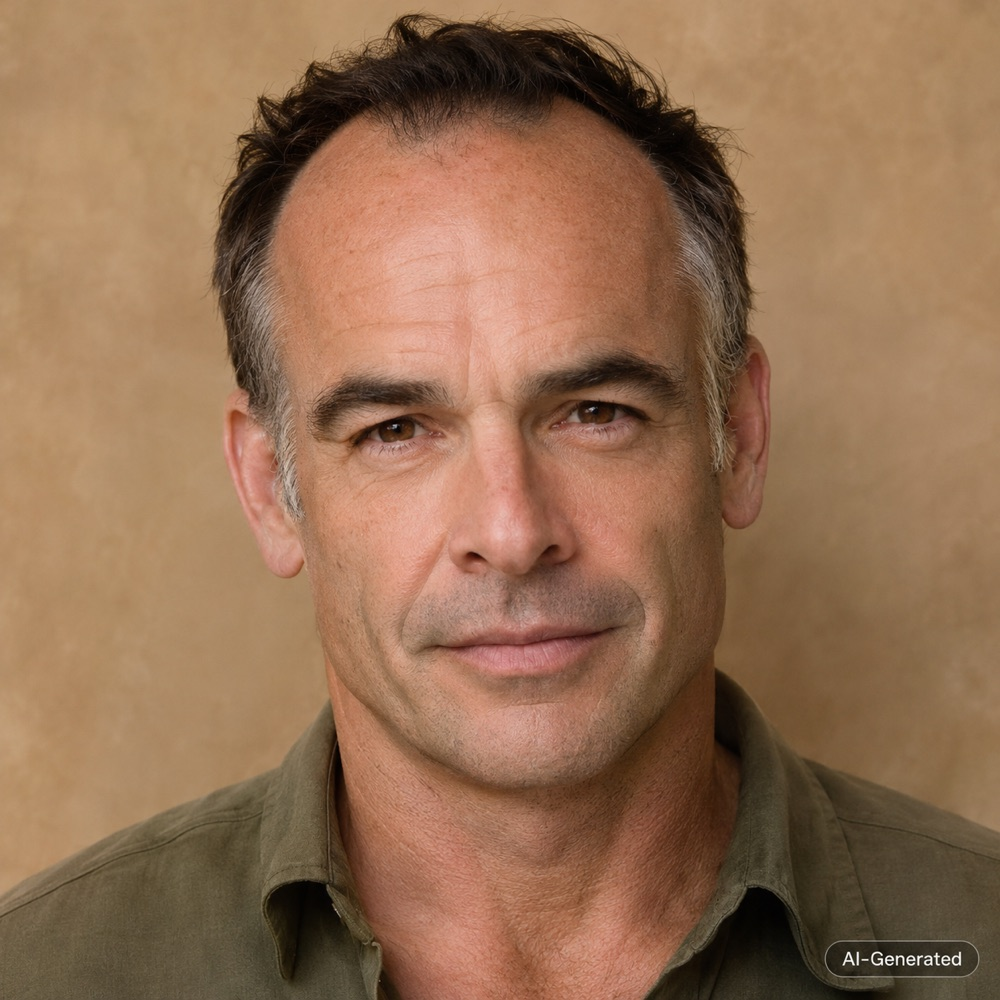

What Is Paul Blackthorne’s Religion? Is He a Christian?

AI-Generated portrait of Paul Blackthorne

Paul Blackthorne’s present religion is unconfirmed in the sources reviewed for this profile. The actor’s spiritual interests, screen roles, and public service should not be collapsed into an unsupported Christian label.

The person behind the performance

Blackthorne is a British actor whose work includes Lagaan, The Dresden Files, and Arrow. His career reference also describes work in photography and documentary filmmaking. A career crossing national settings and genres can introduce audiences to many different ideas without establishing the performer’s personal commitment to them.

A conversation on The Spiritual Psychology of Acting Podcast is part of his interview record. A program’s title alone does not determine a guest’s religion, and this profile does not use it to assign one.

Their part in Arrow

In Arrow, Blackthorne portrays Quentin Lance, a police officer and father whose relationship with vigilantes changes through the series. His obligations to law, family, and the people he serves do not always fit together easily. That tension gives his authority a personal and vulnerable dimension.

The role can prompt useful reflection about trust and judgment. It does not establish what Blackthorne believes about God, and an actor’s other supernatural roles are no stronger evidence of religious practice. The person and the performances need to remain distinct.

What the public record says about faith

The sources reviewed do not establish a present denomination or a direct personal profession of Christian faith. Words such as spiritual, compassionate, or reflective can describe many different outlooks. Without a clear statement, they should not be turned into a specific religious identity.

Famous Faith therefore reports the current affiliation as unconfirmed here. That leaves room for beliefs the performer has not publicly explained in the reviewed material. It also prevents a flattering assumption from becoming a false claim. The Christian discussion below is the site’s own commentary on questions raised by the role.

Justice needs more than certainty about our own side

Authority can feel reassuring when the person exercising it is confident. Yet confidence and justice are different things. A parent, officer, supervisor, or church leader may be sincere and still overlook evidence because personal fear or loyalty has narrowed the view.

Proverbs 18:17 warns that the first account can sound right until another person examines it. James 1:19 calls for readiness to listen and slowness to speak and become angry. These are not instructions to abandon judgment; they are disciplines that help judgment become more truthful.

Famous Faith sees a particular challenge in stories about authority and family. People we love deserve care, and people we suspect still deserve fairness. Neither affection nor anger can take the place of evidence. The willingness to correct a mistaken judgment can be a sign of integrity rather than weakness. It asks us to put truth ahead of the emotional satisfaction of remaining right in our own eyes.

The gospel and the hope of grace

The Bible says that all have sinned and fall short of God’s glory (Romans 3:23). Our need is deeper than an imperfect public image: we have failed to love God and our neighbors as we should. Jesus Christ, God’s Son, lived without sin, died for sinners, and rose bodily from the dead. His death and resurrection are central to the gospel (1 Corinthians 15:3–4). Salvation is God’s gift, received through faith in Christ rather than earned through good deeds, church membership, or personal achievement (Ephesians 2:8–10). Jesus calls us to repent and believe. A changed life follows his grace; it does not purchase forgiveness.

The reflection above expresses Famous Faith’s Christian perspective. It is not attributed to the actor or presented as a claim to know anyone’s heart.

Sources and image credit

Original AI-generated editorial portrait of Paul Blackthorne, created for Famous Faith. Artistic interpretation, not a photograph. No endorsement by the performer or production is implied.

What Is Susanna Thompson’s Religion? Is She a Christian?

AI-Generated portrait of Susanna Thompson

Susanna Thompson’s present religious affiliation is not established by the reliable sources reviewed here. Her performances in Arrow, Star Trek, and other dramas should not be used to infer a personal Christian profession.

The person behind the performance

Thompson is an American actress known for television, film, and stage work. Her career biography includes Once and Again, Star Trek: Voyager, and Arrow. The breadth of those roles shows a performer working across family drama and speculative fiction rather than expressing one consistent personal worldview through every part.

An actor can portray a protective parent, an unsettling authority figure, or a character with secrets without sharing those traits in private life. That distinction is especially important in a faith profile, where a believable performance can otherwise be mistaken for evidence about the performer.

Their part in Arrow

In Arrow, Thompson portrays Moira Queen, the mother of Oliver and Thea. Moira’s public standing, family loyalties, and concealed decisions help shape the world Oliver returns to. The character raises difficult questions about what people will justify in the name of protecting their children.

These are questions about a fictional family and its moral choices. Famous Faith can reflect on them while keeping them separate from Thompson’s own character, convictions, and family relationships. A dramatic role supplies a subject for discussion, not permission to invent personal beliefs.

What the public record says about faith

The material reviewed establishes Thompson’s professional identity more clearly than a current religious affiliation. This profile has not verified an attributable personal statement identifying a denomination or describing trust in Christ for salvation. It therefore leaves those matters unconfirmed.

This is not a conclusion that religion is absent from her life. It is an acknowledgment of what the available evidence does not establish. Appearing in a story with death, sacrifice, or supernatural power also does not answer the question. Those themes can be examined separately from a claim about the actress’s faith.

Protective love cannot make every means acceptable

People sometimes defend a harmful decision by saying that they did it for their family. The motive may include genuine affection, but affection does not erase the rights of the people harmed. A protective impulse can become entangled with pride, fear, and the desire to preserve a comfortable image.

Romans 3:8 rejects the idea that doing evil is justified because good may result. Proverbs 12:22 treats lying as a moral matter, not merely a strategy to be measured by whether it succeeds. These principles challenge families as well as public officials and institutions.

Famous Faith’s reflection is that love should be truthful and accountable. Protecting a child does not require teaching that the family’s reputation matters more than justice. When we have concealed wrongdoing, a genuinely protective response may begin with confession, accepting consequences, and refusing to pass the same pattern to another generation. A person’s stated motive deserves consideration, but it cannot serve as a blank permission for the means.

The gospel and the hope of grace

The Bible says that all have sinned and fall short of God’s glory (Romans 3:23). Our need is deeper than an imperfect public image: we have failed to love God and our neighbors as we should. Jesus Christ, God’s Son, lived without sin, died for sinners, and rose bodily from the dead. His death and resurrection are central to the gospel (1 Corinthians 15:3–4). Salvation is God’s gift, received through faith in Christ rather than earned through good deeds, church membership, or personal achievement (Ephesians 2:8–10). Jesus calls us to repent and believe. A changed life follows his grace; it does not purchase forgiveness.

The reflection above expresses Famous Faith’s Christian perspective. It is not attributed to the actor or presented as a claim to know anyone’s heart.

Sources and image credit

Original AI-generated editorial portrait of Susanna Thompson, created for Famous Faith. Artistic interpretation, not a photograph. No endorsement by the performer or production is implied.

What Is Willa Holland’s Religion? Is She a Christian?

AI-Generated portrait of Willa Holland

Willa Holland’s current religion and a personal profession of Christian faith are unconfirmed in the sources reviewed. Her work as Thea Queen on Arrow and her other performances do not establish a denomination.

The person behind the performance

Holland is an actress whose screen work includes The O.C., Arrow, and the film Tiger Eyes. Her career biography also records voice work in the Kingdom Hearts games. These are different kinds of performance, each involving a character rather than a complete disclosure of the performer’s own outlook.

In a DA MAN interview, she discussed acting and interests such as photography. Such material helps readers encounter the person’s creative work without requiring every interest or career choice to carry an unspoken religious meaning.

Their part in Arrow

In Arrow, Holland plays Thea Queen, Oliver’s younger sister, who becomes associated with the name Speedy. Her relationships draw together family secrets, the desire for independence, and the difficulty of deciding whom to trust. The character has a place in the series beyond simply helping her brother’s mission.

A dramatic journey toward strength or responsibility can be compelling. It remains fictional, however. Thea’s experiences, including supernatural elements of the story, should not be treated as evidence about Holland’s beliefs or as biblical teaching.

What the public record says about faith

The reviewed biographical and interview sources do not establish a present church affiliation or a clear personal confession of faith in Christ. Some general celebrity pages assign labels without showing the statement on which the label rests. This profile does not use those labels to close the gap.

A careful answer can be limited without being evasive: Holland’s current religion is unconfirmed here. Neither her acting roles nor the absence of a verified testimony proves unbelief. Famous Faith applies that evidentiary standard before offering its own clearly identified Christian reflection.

Finding a direction without letting hurt become a master

Family history can affect the choices available to us without determining every choice we will make. People may discover that trusted adults concealed important truths, and the pain can make independence feel like the only safe goal. Yet freedom from someone else’s control is not the same as freedom from bitterness or destructive habits.

Ephesians 4:31–32 calls believers away from bitterness and toward forgiveness. That does not require pretending harm was harmless or surrendering appropriate boundaries. Romans 12:21 presents a positive challenge: do not let evil overcome you, but overcome evil with good.

Famous Faith sees a useful question in stories about a younger person finding her way. What kind of person are we becoming while trying to escape what hurt us? Strength is not simply the ability to retaliate. It can include receiving wise counsel, admitting our own wrongs, and choosing a direction that does not make past injuries the final authority over our future.

The gospel and the hope of grace

The Bible says that all have sinned and fall short of God’s glory (Romans 3:23). Our need is deeper than an imperfect public image: we have failed to love God and our neighbors as we should. Jesus Christ, God’s Son, lived without sin, died for sinners, and rose bodily from the dead. His death and resurrection are central to the gospel (1 Corinthians 15:3–4). Salvation is God’s gift, received through faith in Christ rather than earned through good deeds, church membership, or personal achievement (Ephesians 2:8–10). Jesus calls us to repent and believe. A changed life follows his grace; it does not purchase forgiveness.

The reflection above expresses Famous Faith’s Christian perspective. It is not attributed to the actor or presented as a claim to know anyone’s heart.

Sources and image credit

Original AI-generated editorial portrait of Willa Holland, created for Famous Faith. Artistic interpretation, not a photograph. No endorsement by the performer or production is implied.
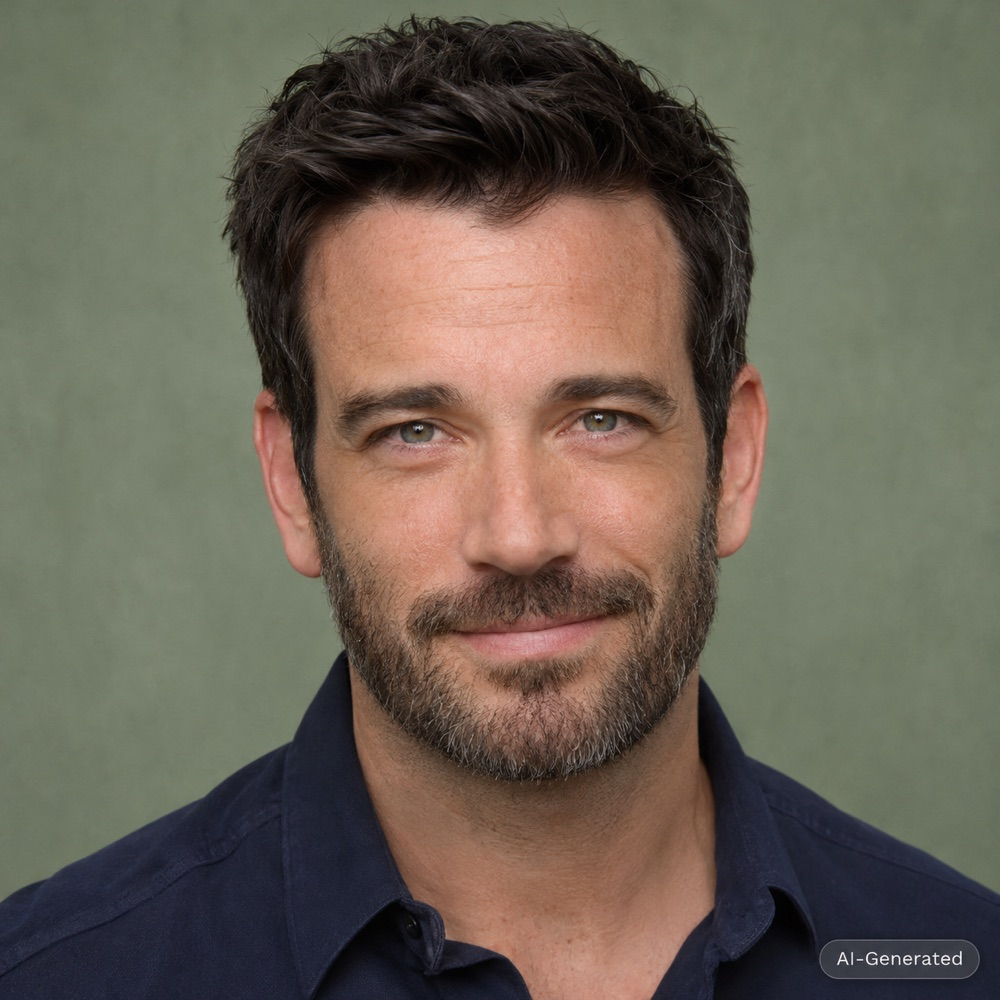
What Is David Ramsey’s Religion? Is He a Christian?

AI-Generated portrait of David Ramsey

David Ramsey, the actor who plays John Diggle on Arrow, has no confirmed present religious affiliation in the sources reviewed here. He should not be confused with financial broadcaster Dave Ramsey or other people with a similar name.

The person behind the performance

Ramsey is an actor and director whose credits include Arrow, Dexter, and the film Ali. His TV Guide biography identifies the performer and his career. His professional work also includes directing episodes within the wider Arrowverse.

Name accuracy is especially important in a religion profile. Search results about a financial adviser, minister, or journalist named Ramsey do not establish the actor’s beliefs. This article concerns the performer associated with John Diggle, rather than borrowing testimony from someone who happens to share a surname or a similar first name.

Their part in Arrow

In Arrow, John Diggle begins as a protective presence around Oliver Queen and becomes a trusted partner known as Spartan. His background and family responsibilities give the story a perspective beyond Oliver’s personal mission. Diggle’s loyalty is consequential because he also has people and obligations of his own.

The character can prompt questions about service, trust, and the limits of following a leader. Those themes belong to the fictional role. They should not be presented as direct statements about Ramsey’s faith or personal life.

What the public record says about faith

The sources reviewed do not establish a current denomination or a clear personal profession of Christian faith by the actor. A role in a faith-themed production, an interview’s casual use of religious language, or material about a different Ramsey would not be enough to establish that conclusion.

Famous Faith therefore reports the limit plainly. This does not imply that Ramsey has no spiritual convictions. It means the profile will not fill a gap in personal evidence with a familiar name, a role that seems honorable, or an audience’s expectations about what an actor ought to believe.

Loyalty should include moral judgment

A trusted partner can be a source of courage and stability. Yet loyalty becomes dangerous when a person stops asking whether a mission is right and begins treating a leader’s wishes as the final authority. This problem appears in families, workplaces, churches, and public institutions as well as in stories about heroes.

Acts 5:29 places obedience to God above human demands. Proverbs 11:14 describes the value of counsel. Together these principles make room for service that is neither selfish independence nor unquestioning submission. Good counsel can strengthen a leader precisely because it includes the possibility of disagreement.

Famous Faith’s reflection is that protecting someone should not require helping him avoid accountability. A faithful friend or colleague can say no to a harmful course while continuing to care about the person. The question is not only whether we are dependable, but whether our dependability serves truth, justice, and the good of people affected by the decisions.

The gospel and the hope of grace

The Bible says that all have sinned and fall short of God’s glory (Romans 3:23). Our need is deeper than an imperfect public image: we have failed to love God and our neighbors as we should. Jesus Christ, God’s Son, lived without sin, died for sinners, and rose bodily from the dead. His death and resurrection are central to the gospel (1 Corinthians 15:3–4). Salvation is God’s gift, received through faith in Christ rather than earned through good deeds, church membership, or personal achievement (Ephesians 2:8–10). Jesus calls us to repent and believe. A changed life follows his grace; it does not purchase forgiveness.

The reflection above expresses Famous Faith’s Christian perspective. It is not attributed to the actor or presented as a claim to know anyone’s heart.

Sources and image credit

Original AI-generated editorial portrait of David Ramsey, created for Famous Faith. Artistic interpretation, not a photograph. No endorsement by the performer or production is implied.

What Is Colin Donnell’s Religion? Is He a Christian?

AI-Generated portrait of Colin Donnell

Colin Donnell’s current religious affiliation is not established by the sources reviewed for this profile. His extensive acting and musical-theatre work should not be mistaken for a personal profession of Christian faith.

The person behind the performance

Donnell is an actor and singer known for Arrow, Chicago Med, and work on the stage. His career reference records performances in musical theatre as well as television. That range matters: an actor may enter many different moral and religious worlds in the course of a professional career.

A role in a production using biblical language does not establish the performer’s beliefs. The appropriate evidence for faith would be his own attributable statements, rather than the title of a musical or the nature of a character he has been hired to portray.

Their part in Arrow

In Arrow, Donnell portrays Tommy Merlyn, Oliver Queen’s friend and Malcolm Merlyn’s son. Tommy’s relationships connect friendship, family loyalty, and the consequences of choices made by more powerful people around him. The role provides an important part of the series’ early emotional world.

Donnell’s performance can invite reflection on what friendship requires when people have secrets and competing loyalties. That reflection concerns the story. It does not justify transferring the character’s decisions or spiritual assumptions to the actor.

What the public record says about faith

The biographical material reviewed does not establish a current church affiliation or an explicit personal confession of faith in Christ. It would therefore be misleading to use Donnell’s participation in musical theatre or emotionally powerful roles as a shortcut to a religious label.

Famous Faith leaves that question open where the evidence leaves it open. Unconfirmed does not mean atheist, hostile to religion, or privately indifferent. It means the profile has not verified the statement needed to make a stronger claim. That standard should be applied even when a reader would find a Christian label encouraging.

Friendship, loyalty, and the courage to tell the truth

Friendship can be tested by the temptation to protect a relationship through silence. We may notice a serious problem and avoid speaking because we fear losing the person or becoming unwelcome. At other times, loyalty becomes an excuse to take someone’s side regardless of what happened.

Proverbs 27:5–6 values honest correction from a friend over flattering appearances. Ephesians 4:15 joins truth with love. These passages do not give us permission to be cruel, intrusive, or self-righteous. They challenge the idea that affection requires pretending wrongdoing is harmless.

A fictional friendship can bring these tensions into focus without providing a complete moral answer. Famous Faith’s question for readers is practical: do the people closest to us receive both our care and our honesty? A relationship built on mutual concealment may feel safe for a time, but love seeks the other person’s actual good, including a willingness to face difficult truths together.

The gospel and the hope of grace

The Bible says that all have sinned and fall short of God’s glory (Romans 3:23). Our need is deeper than an imperfect public image: we have failed to love God and our neighbors as we should. Jesus Christ, God’s Son, lived without sin, died for sinners, and rose bodily from the dead. His death and resurrection are central to the gospel (1 Corinthians 15:3–4). Salvation is God’s gift, received through faith in Christ rather than earned through good deeds, church membership, or personal achievement (Ephesians 2:8–10). Jesus calls us to repent and believe. A changed life follows his grace; it does not purchase forgiveness.

The reflection above expresses Famous Faith’s Christian perspective. It is not attributed to the actor or presented as a claim to know anyone’s heart.

Sources and image credit

Original AI-generated editorial portrait of Colin Donnell, created for Famous Faith. Artistic interpretation, not a photograph. No endorsement by the performer or production is implied.

What Is Katie Cassidy’s Religion? Is She a Christian?

AI-Generated portrait of Katie Cassidy

Katie Cassidy’s present religious affiliation is unconfirmed in the reliable personal evidence reviewed here. Some celebrity lists label her Catholic, but this profile does not treat an unsourced label as a documented Christian profession.

The person behind the performance

Cassidy is an actress and director whose screen career includes Supernatural, Gossip Girl, and Arrow. Her official biography describes work extending beyond acting into directing and other creative projects. She is the daughter of actor and singer David Cassidy.

A recognizable family name can attract attention to an actor’s background, but it does not supply a complete account of beliefs. Cassidy’s work should be discussed through the performances and statements actually available, rather than a presumed inheritance of either fame or faith.

Their part in Arrow

In Arrow, Cassidy portrays Laurel Lance and the Earth-2 counterpart associated with Black Siren. The different versions allow the series to explore identity and moral choices through closely connected but distinct characters. Her place in the story cannot be reduced to a single label such as hero or villain.

The relevant biographical fact is that Cassidy performed these roles. What a character believes, does, or later regrets remains part of the fictional narrative. It is not evidence of the actress’s religious practice.

What the public record says about faith

A celebrity faith-database entry applies a Catholic label while acknowledging limited public discussion. It does not provide a direct statement from Cassidy establishing current affiliation or what she believes about salvation. This profile therefore treats that claim cautiously.

Neither a family tradition nor a general identification with Christianity would settle every spiritual question. A responsible account should distinguish a traceable personal profession from an assumption. In the sources reviewed, the evidence supports describing her professional life much more firmly than a current denomination.

A second chance involves more than changing the label

Stories about a person becoming different can be moving because they connect with a real desire: we want the worst thing in our past not to be the final word. Christianity takes that desire seriously, but it also insists that wrongdoing has substance. We cannot simply rename it as growth and leave the people harmed out of the account.

Luke 19:1–10 describes Zacchaeus responding to Jesus with concrete concern for restitution. His actions do not purchase salvation; they demonstrate a changed direction. The story keeps grace and responsibility together.

That is a useful lens for considering fictional redemption without equating it with the gospel. An appealing new identity, public approval, and genuine repentance are different things. Famous Faith’s concern is whether we will face the truth about sin and receive the mercy Christ offers, rather than assuming that a good ending can be achieved through reputation alone.

The gospel and the hope of grace

The Bible says that all have sinned and fall short of God’s glory (Romans 3:23). Our need is deeper than an imperfect public image: we have failed to love God and our neighbors as we should. Jesus Christ, God’s Son, lived without sin, died for sinners, and rose bodily from the dead. His death and resurrection are central to the gospel (1 Corinthians 15:3–4). Salvation is God’s gift, received through faith in Christ rather than earned through good deeds, church membership, or personal achievement (Ephesians 2:8–10). Jesus calls us to repent and believe. A changed life follows his grace; it does not purchase forgiveness.

The reflection above expresses Famous Faith’s Christian perspective. It is not attributed to the actor or presented as a claim to know anyone’s heart.

Sources and image credit

Original AI-generated editorial portrait of Katie Cassidy, created for Famous Faith. Artistic interpretation, not a photograph. No endorsement by the performer or production is implied.

What Is Stephen Amell’s Religion? Is He a Christian?

AI-Generated portrait of Stephen Amell

Stephen Amell’s current religious affiliation and a personal profession of Christian faith are unconfirmed in the reliable sources reviewed here. His work as Arrow’s Oliver Queen is documented, but a heroic screen role is not a religious testimony.

The person behind the performance

Amell is a Canadian actor whose work includes Arrow, the wrestling drama Heels, and Suits LA. His career biography records both television work and appearances as Casey Jones in Teenage Mutant Ninja Turtles: Out of the Shadows.

Stephen is the cousin of Robbie Amell, who played Ronnie Raymond on The Flash. They also worked together on the Code 8 films. Their relationship is directly discussed in their Entertainment Tonight interview. They are cousins, not brothers, and their individual beliefs should not be assumed to be identical.

Their part in Arrow

Amell portrays Oliver Queen, the central figure of Arrow. Oliver’s return home begins a difficult attempt to confront corruption and the consequences of his family’s history. The role develops from a secretive vigilante into a leader whose choices affect a wider circle of people.

Those fictional questions about guilt, sacrifice, and responsibility can support a Christian discussion. They do not make Oliver an illustration of Christian doctrine in every detail, nor do they establish Amell’s own religious convictions.

What the public record says about faith

The sources reviewed establish Amell’s career and family relationship more clearly than a present religious identity. Attending a school with a religious history, being charitable, or speaking warmly about family would not by itself establish conversion or a denomination.

Famous Faith therefore leaves his current affiliation unconfirmed. That is a statement about the limits of this profile’s evidence, not a declaration that he has no beliefs. It also leaves room to update the account if a clear, attributable statement becomes available. A character’s willingness to sacrifice cannot fill that evidentiary gap.

Guilt cannot be repaired by controlling everyone else

Oliver’s story raises a question that reaches beyond a fictional city: what do we do after recognizing that something has gone badly wrong? A person may respond by trying to control more circumstances, defeat more enemies, or construct a new identity. Activity can become a way of avoiding a truthful reckoning with the self.

Scripture joins responsibility with humility. Proverbs 28:13 contrasts concealing sin with confessing and forsaking it. First John 1:8–9 warns against denying sin and points to God’s forgiveness. The biblical answer is not that determination makes a person innocent. Neither revenge nor an impressive record of service can erase guilt.

This is Famous Faith’s reflection on the themes of the role, rather than a claim about Amell’s intentions. The useful personal question is whether we are willing to admit wrongdoing and seek mercy, including when doing so costs us the image of being in control.

The gospel and the hope of grace

The Bible says that all have sinned and fall short of God’s glory (Romans 3:23). Our need is deeper than an imperfect public image: we have failed to love God and our neighbors as we should. Jesus Christ, God’s Son, lived without sin, died for sinners, and rose bodily from the dead. His death and resurrection are central to the gospel (1 Corinthians 15:3–4). Salvation is God’s gift, received through faith in Christ rather than earned through good deeds, church membership, or personal achievement (Ephesians 2:8–10). Jesus calls us to repent and believe. A changed life follows his grace; it does not purchase forgiveness.

The reflection above expresses Famous Faith’s Christian perspective. It is not attributed to the actor or presented as a claim to know anyone’s heart.

Sources and image credit

Original AI-generated editorial portrait of Stephen Amell, created for Famous Faith. Artistic interpretation, not a photograph. No endorsement by the performer or production is implied.

What Is Kirk Cameron’s Religion? His Christian Testimony and Way of the Master

AI-Generated portrait of Kirk Cameron

Kirk Cameron publicly professes Christian faith. The actor best known as Mike Seaver on Growing Pains has described moving from teenage atheism to trusting Jesus Christ. His testimony and his past partnership with Ray Comfort through Living Waters and The Way of the Master make that faith a documented part of his public life.

Kirk Cameron’s testimony: from atheism to faith in Christ

Cameron says that his family did not attend church when he was growing up and that he considered himself an atheist. In his 2024 interview with Veritas Vox, he recalled accepting a girl’s invitation to church while working on Growing Pains. Hearing the gospel prompted questions about the Bible, the resurrection, death, and the purpose of life.

In that account, he described sitting in his parked sports car at seventeen, thinking about death and his accountability to God. He prayed, acknowledging his need for forgiveness and belief in Jesus. Cameron presents this as the beginning of his life as a follower of Christ, while also acknowledging how much theology he still had to learn.

A 2023 Family Talk interview gives the same central outline: a successful young actor who identified as an atheist, an invitation to church, and a change of direction at seventeen. He described his earlier attitude in the words, “I didn’t have humility or faith.” His testimony centers on encountering Christ rather than becoming famous enough, respectable enough, or religious enough to deserve salvation.

That is an important distinction for readers. A conversion testimony reports what someone says God has done in his life. It can be encouraging and worthy of careful attention without giving another person the ability to inspect the heart. The Christian message directs attention beyond the celebrity to the Savior in whom he professes trust.

How he became involved with Living Waters

Living Waters is the evangelism ministry founded by Ray Comfort. Its stated purpose is to equip Christians to proclaim the gospel. Its current leadership and statement of faith identify Comfort as founder and chief executive; Cameron should not be described as the founder of Living Waters.

In Comfort’s March 2025 account of their partnership, the connection began when Mark Spence gave Cameron the teaching Hell’s Best Kept Secret in 1999. Cameron responded to its message and wanted to work with the ministry. Comfort credits Cameron’s involvement with helping open television opportunities and bringing their evangelism teaching to a much wider audience.

Comfort also explains that Cameron later developed his own ministry while Living Waters continued producing the program. He describes an enduring friendship despite their different directions. That makes the historical partnership clear without inaccurately presenting Cameron as a current member of Living Waters’ leadership or assuming that every position he expresses today represents the organization.

The Way of the Master: teaching Christians to share the gospel

Cameron and Comfort co-hosted the original evangelism series The Way of the Master. Living Waters says that the program first aired in 2003. Its account of the television series places their partnership at the beginning of a project that continued beyond its original format and presenters.

The associated Basic Training Course lists both Cameron and Comfort and is designed to help ordinary Christians communicate their faith. The emphasis is practical evangelism rather than merely watching a celebrity talk about religion.

The approach connects discussion of God’s moral law with the need for forgiveness in Christ. Questions about lying, theft, lust, and other sins are intended to challenge the assumption that being a generally decent person is enough to make someone right with God. The gospel answer is repentance and faith in Jesus, not an attempt to erase guilt by improving one’s reputation.

Famous Faith believes that sharing this message requires humility. A Christian speaking about sin stands in need of grace too. Evangelism should treat the other person as a neighbor to love, never an opponent to humiliate or a trophy to collect. First Peter 3:15–16 joins a reasoned account of Christian hope to gentleness and respect.

His more recent discussion of hell

A current account of Cameron’s faith also needs to acknowledge his public reconsideration of the nature of final punishment. In a February 6, 2026, interview with Frank Turek, Cameron said he was leaning toward conditionalism while remaining open to correction. This view understands the ultimate fate of the lost differently from eternal conscious punishment; it should not simply be summarized as a claim that hell does not exist.

This is also a reason to distinguish Cameron’s present views from Living Waters’ teaching. The ministry’s published statement of faith expressly affirms eternal conscious punishment. Their earlier collaboration does not establish agreement on every doctrine today. Readers should examine these serious questions through Scripture rather than making either a celebrity or a ministry personality the final authority.

Family, films, and life beyond the original series

According to Cameron’s official biography, he and his wife, Chelsea, have six children and host Camp Firefly for terminally ill children and their families. His screen work includes Fireproof and Left Behind. His later projects include producing Lifemark, Christian broadcasting, children’s books, and The Kirk Cameron Show.

Those projects help explain the breadth of his public activity, but a faith profile should not confuse a list of Christian products with the gospel itself. Films and books may start conversations. They cannot reconcile a sinner to God.

The hope at the center of a Christian testimony

The Bible teaches that all have sinned and fall short of God’s glory (Romans 3:23). We cannot remove guilt by balancing it against charity, entertainment, ministry work, or family devotion. Jesus Christ, the Son of God, lived without sin, died for sinners, and rose bodily from the dead. His death and resurrection are central to the good news (1 Corinthians 15:3–4).

Salvation is God’s gift, received through faith rather than earned through works (Ephesians 2:8–10). Jesus calls us to repent and believe: to turn from sin and trust him as Savior and Lord. A changed life follows God’s grace; it is not the purchase price of forgiveness.

Cameron’s testimony and evangelism work invite a question more personal than whether a television actor is Christian. Where are you placing your trust? Christian hope rests in Christ himself, whose mercy is offered to sinners who have no celebrity status, impressive record, or religious achievements to bring.

Sources and image credit

Portrait: Original AI-generated editorial portrait of Kirk Cameron, created for Famous Faith. This is an artistic interpretation, not a photograph. Scripture references and Famous Faith’s gospel explanation are distinguished from the biographical sources above.