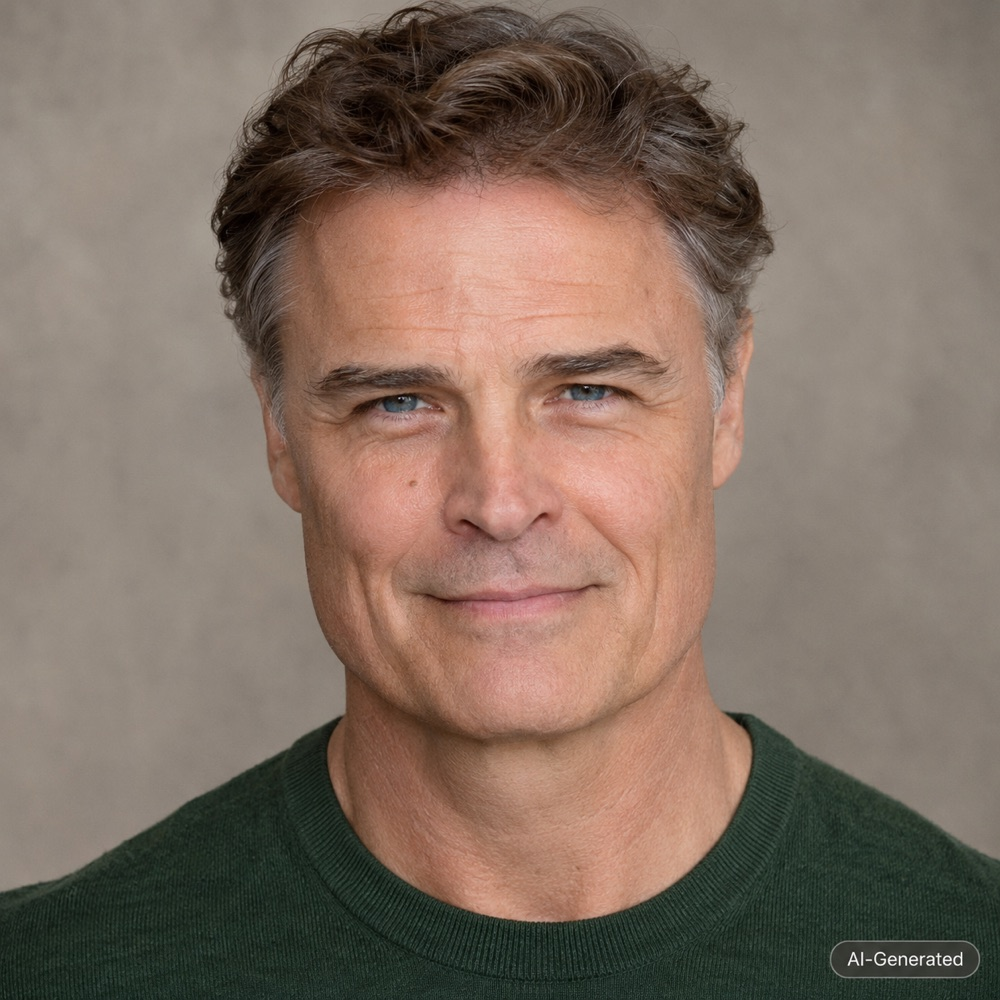
Dylan Neal’s current religious affiliation is unconfirmed in the sources reviewed. His Hallmark work and his portrayal of Anthony Ivo in Arrow do not establish a personal Christian profession or a particular denomination.
The person behind the performance
Neal is a Canadian actor, writer, and producer whose work includes Doug Witter in Dawson’s Creek, Jack Griffith in Cedar Cove, and Henry Ross in the Gourmet Detective films. A Hallmark biography describes his collaboration with writer and producer Becky Southwell.
His career crosses romantic drama, mystery, and more threatening fictional settings. That range is relevant when recognizing the performer behind a particular character. A film’s seasonal setting or a network’s reputation does not, by itself, establish the religious convictions of everyone working in the production.
Their part in Arrow
In Arrow, Neal portrays Dr. Anthony Ivo, connected with the ship Amazo and the search for the Mirakuru serum in the island flashback story. The character uses knowledge and power in ways that threaten other people.
A discussion of Ivo can therefore raise questions about the ethical limits of expertise. It should not become a claim about Neal’s own treatment of people or personal beliefs. The character supplies a fictional example for reflection; the actor’s religion must be assessed through evidence about the actor.
What the public record says about faith
The reviewed biographical material does not establish Neal’s current church affiliation, denomination, or an explicit account of Christian conversion. Work on Christmas films, mystery productions, or supernatural stories cannot resolve that question.
Famous Faith therefore leaves the present affiliation unconfirmed. This is a statement about the sources reviewed, not a declaration that Neal has no beliefs or that religion has never mattered in his life. It also avoids assigning a faith on the basis of a surname or national background. The biblical discussion below expresses this site’s convictions about knowledge and human dignity rather than Neal’s stated interpretation.
Knowing how to do something does not make it right
Expertise can make an action possible long before anyone has adequately considered whether it should be done. A person who understands a process may become impatient with questions from those who do not. The danger grows when other people are treated as obstacles or experimental material rather than neighbors.
Genesis 1:27 grounds human dignity in the image of God. First Corinthians 8:1 warns that knowledge can foster pride, while love builds up. These principles do not reject learning. They challenge the idea that technical ability grants unlimited moral permission.
Famous Faith’s reflection is that competence needs humility and accountability. The people affected by a decision should not disappear behind a project’s promised importance. We should welcome knowledge that serves life while refusing to confuse scientific possibility with moral innocence. The gospel also confronts a deeper human problem: the heart that wants to use its abilities without answering to God. Christ offers forgiveness and calls those who follow him to serve rather than exploit.
The gospel and the hope of grace
The Bible says that all have sinned and fall short of God’s glory (Romans 3:23). Our need is deeper than an imperfect public image: we have failed to love God and our neighbors as we should. Jesus Christ, God’s Son, lived without sin, died for sinners, and rose bodily from the dead. His death and resurrection are central to the gospel (1 Corinthians 15:3–4). Salvation is God’s gift, received through faith in Christ rather than earned through good deeds, church membership, or personal achievement (Ephesians 2:8–10). Jesus calls us to repent and believe. A changed life follows his grace; it does not purchase forgiveness.
The reflection above expresses Famous Faith’s Christian perspective. It is not attributed to the actor or presented as a claim to know anyone’s heart.
Sources and image credit
Original AI-generated editorial portrait of Dylan Neal, created for Famous Faith. Artistic interpretation, not a photograph. No endorsement by the performer or production is implied.