
Reacher Cast: Religion, Faith, and What the Bible Says

REACHER in large bold letters over an AI-generated painted open-road scene, labeled AI-Generated

AI-generated editorial cover; not official show artwork.

Explore 31 Reacher cast profiles across seasons 1–4. Alan Ritchson’s Jack Reacher anchors a changing ensemble of investigators, allies, and adversaries. This guide brings the people behind those roles together with linked portraits, documented public statements about religion, and a biblical perspective on faith. The cards are grouped by the season in which the featured character first appears; recurring performers are listed once.

An actor’s screen role is not a religious testimony. A fictional hero may show courage without telling us whether the performer trusts Christ. An actor playing a ruthless antagonist may have publicly discussed faith. Each individual profile separates professional credits from personal statements and makes uncertainty visible. Use the portraits or names to open the complete profiles and their linked sources.

Season 1: Margrave and the people who started the story

The opening ensemble includes Jack Reacher, Frances Neagley, Oscar Finlay, and Roscoe Conklin, alongside the people connected to the Margrave investigation. Alan Ritchson and Maria Sten also have roles beyond this first-season grouping. The younger Reacher is listed with the actor who portrays him.

AI-Generated portrait of Alan Ritchson

AI-generated editorial portrait.

Alan Ritchson

Jack Reacher

Alan Ritchson publicly professes Christian faith. Explore his statements, Catholic upbringing, and the distinction between a religious label and salvation through Christ.

AI-Generated portrait of Maria Sten

AI-generated editorial portrait.

Maria Sten

Frances Neagley

Maria Sten’s religion is not confirmed in the reliable public sources reviewed for this profile. We have not established a clear personal profession of Christian faith or a current denomination.

AI-Generated portrait of Malcolm Goodwin

AI-generated editorial portrait.

Malcolm Goodwin

Oscar Finlay

Malcolm Goodwin has described himself as a person of faith. His public comments establish that faith matters to him, but the interview reviewed here does not establish a complete Christian profession or denomination.

AI-Generated portrait of Willa Fitzgerald

AI-generated editorial portrait.

Willa Fitzgerald

Roscoe Conklin

Willa Fitzgerald’s religion is not confirmed in the reliable public sources reviewed for this profile. We have not established a clear personal profession of Christian faith or a current denomination.

AI-Generated portrait of Chris Webster

AI-generated editorial portrait.

Chris Webster

KJ Kliner

Chris Webster’s religion is not confirmed in the reliable public sources reviewed for this profile. We have not established a clear personal profession of Christian faith or a current denomination.
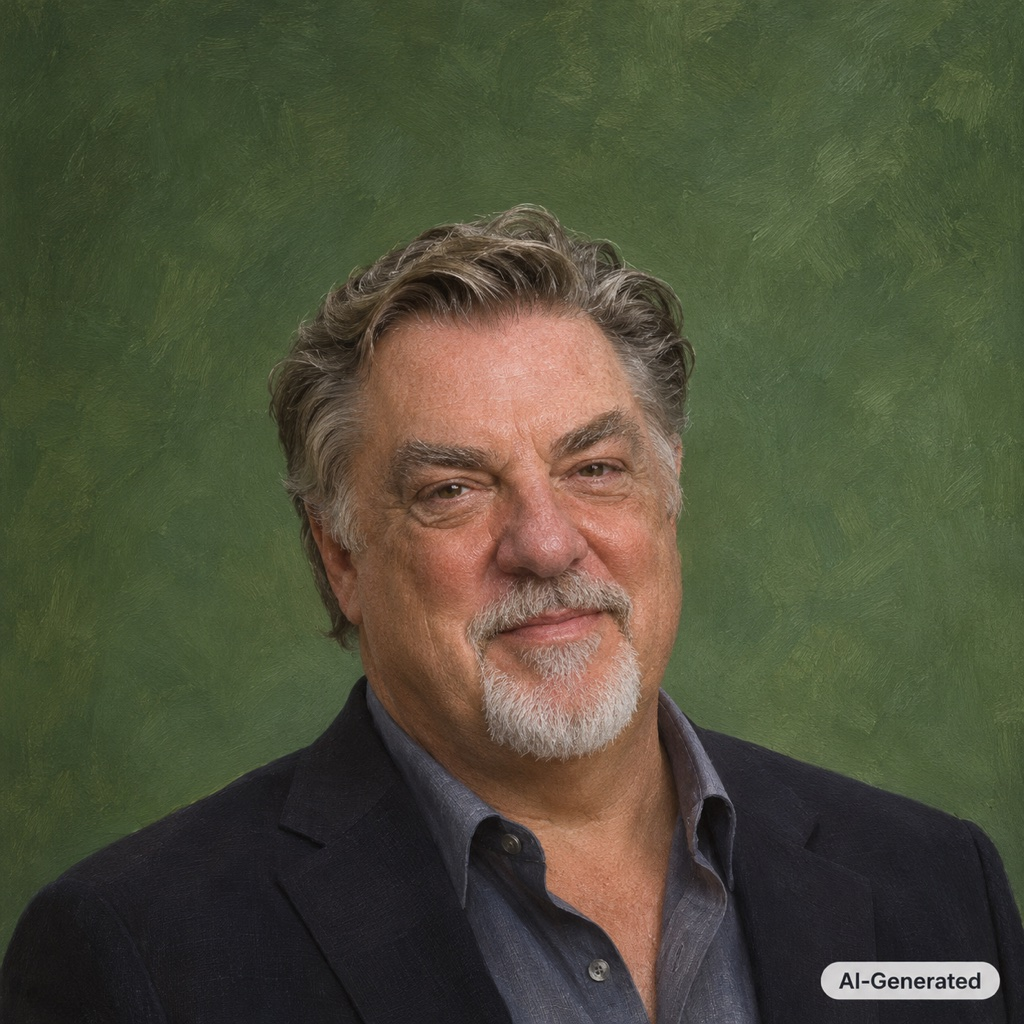
AI-Generated portrait of Bruce McGill

AI-generated editorial portrait.

Bruce McGill

Mayor Grover Teale

Bruce McGill’s religion is not confirmed in the reliable public sources reviewed for this profile. We have not established a clear personal profession of Christian faith or a current denomination.

AI-Generated portrait of Hugh Thompson

AI-generated editorial portrait.

Hugh Thompson

Baker

Hugh Thompson’s religion is not confirmed in the reliable public sources reviewed for this profile. We have not established a clear personal profession of Christian faith or a current denomination.

AI-Generated portrait of Kristin Kreuk

AI-generated editorial portrait.

Kristin Kreuk

Charlie Hubble

Kristin Kreuk’s religion is not confirmed in the reliable public sources reviewed for this profile. We have not established a clear personal profession of Christian faith or a current denomination.
Currie Graham performing at a live event in 2009

Photograph: taraplatt / Wikimedia Commons, CC BY-SA 2.0; cropped. Full credit below.

Currie Graham

Kliner Sr.

Currie Graham’s religion is not confirmed in the reliable public sources reviewed for this profile. We have not established a clear personal profession of Christian faith or a current denomination.
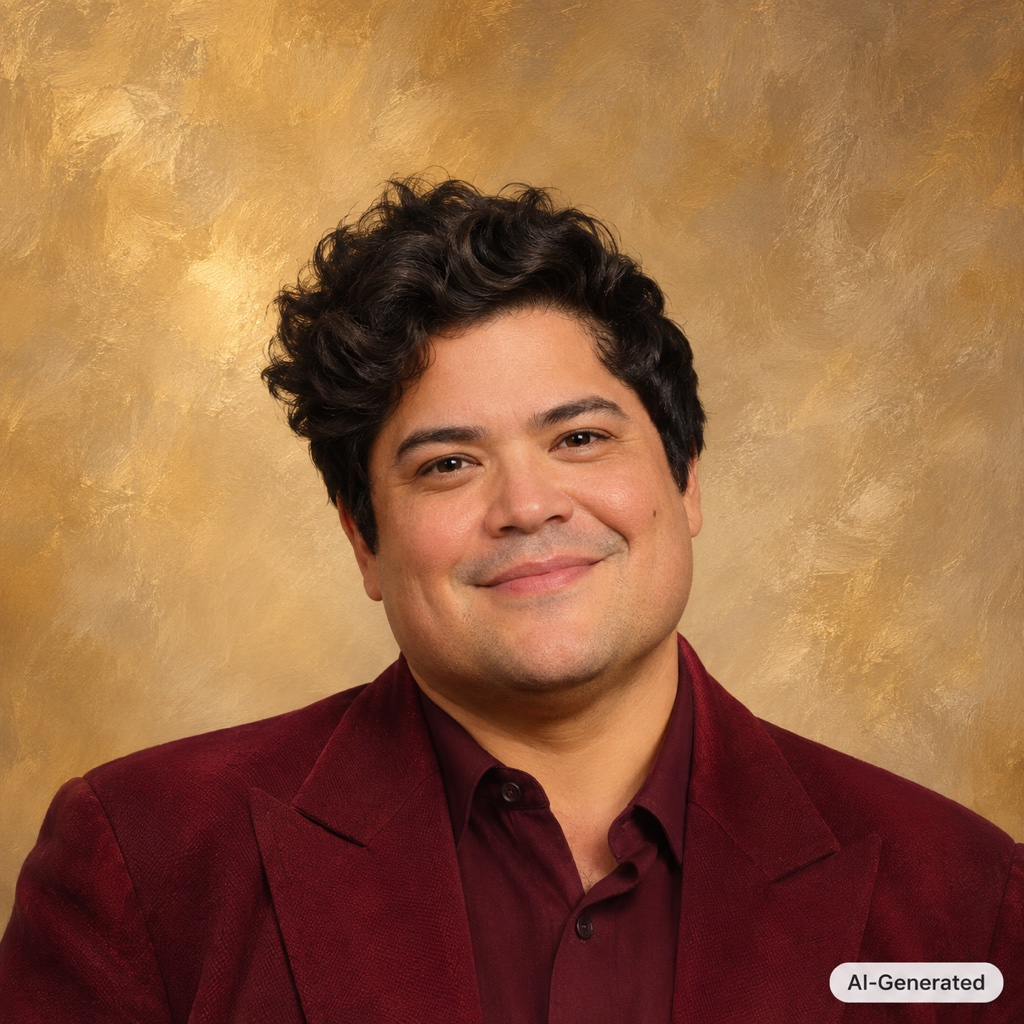
AI-Generated portrait of Harvey Guillén

AI-generated editorial portrait.

Harvey Guillén

Jasper

Harvey Guillén’s religion is not confirmed in the reliable public sources reviewed for this profile. We have not established a clear personal profession of Christian faith or a current denomination.

AI-Generated portrait of Maxwell Jenkins

AI-generated editorial portrait.

Maxwell Jenkins

Young Jack Reacher

Maxwell Jenkins’s religion is not confirmed in the reliable public sources reviewed for this profile. We have not established a clear personal profession of Christian faith or a current denomination.

Season 2: Old colleagues and new threats

The second-season collection brings together members of Reacher’s former team and major figures in the investigation surrounding them. Loyalty is central to the story, but loyalty to a fictional team does not establish an actor’s religious beliefs. Follow each profile for the evidence about the individual performer.

AI-Generated portrait of Serinda Swan

AI-generated editorial portrait.

Serinda Swan

Karla Dixon

Serinda Swan’s religion is not confirmed in the reliable public sources reviewed for this profile. We have not established a clear personal profession of Christian faith or a current denomination.

AI-Generated portrait of Shaun Sipos

AI-generated editorial portrait.

Shaun Sipos

David O’Donnell

Shaun Sipos’s religion is not confirmed in the reliable public sources reviewed for this profile. We have not established a clear personal profession of Christian faith or a current denomination.
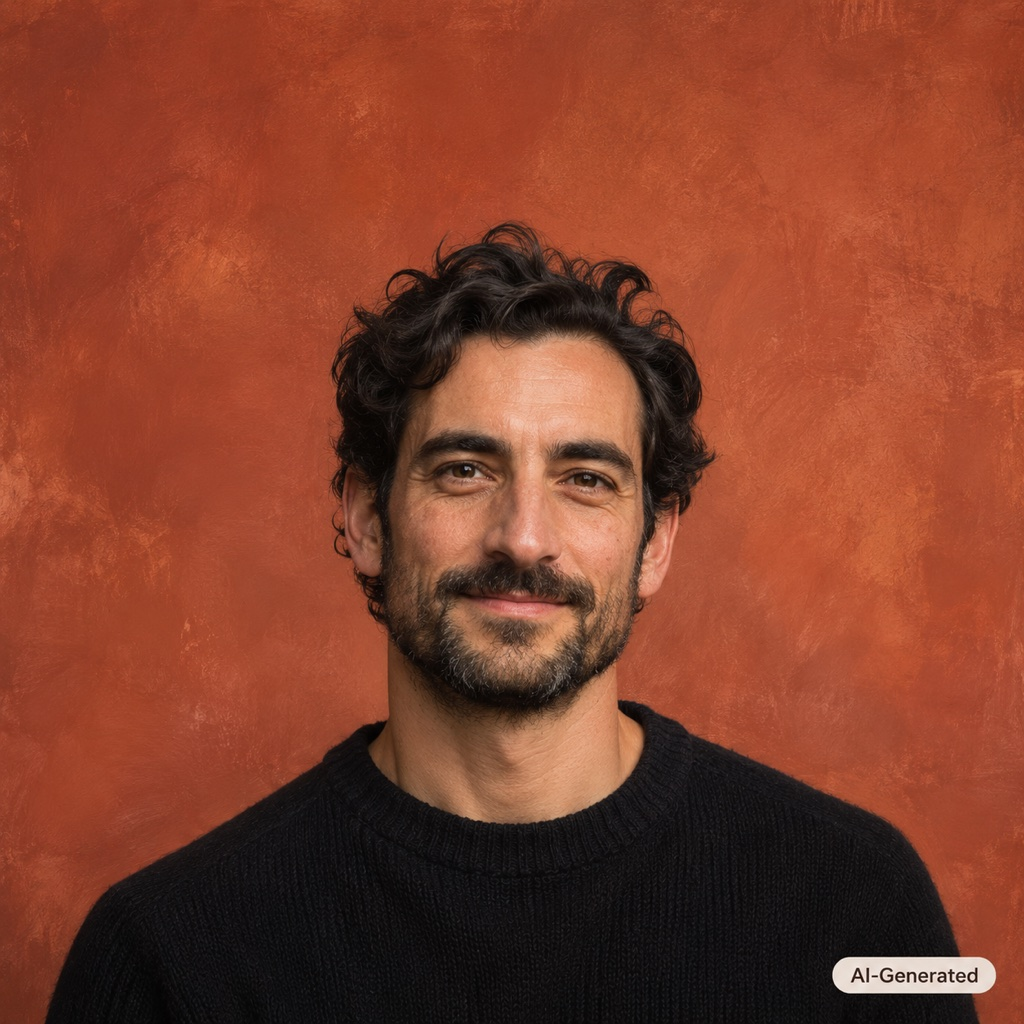
AI-Generated portrait of Ferdinand Kingsley

AI-generated editorial portrait.

Ferdinand Kingsley

A.M.

Ferdinand Kingsley’s religion is not confirmed in the reliable public sources reviewed for this profile. We have not established a clear personal profession of Christian faith or a current denomination.
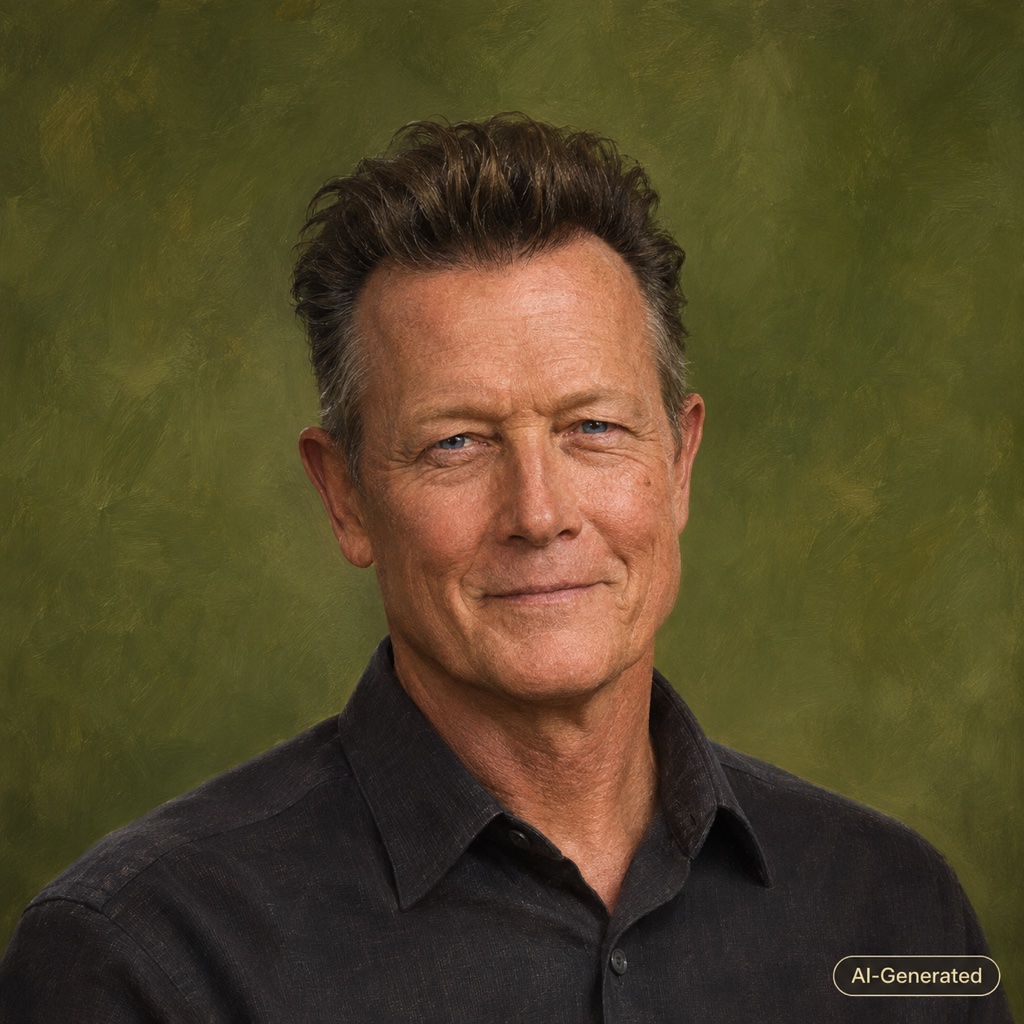
AI-Generated portrait of Robert Patrick

AI-generated editorial portrait.

Robert Patrick

Shane Langston

Robert Patrick has publicly identified with the Anglican-Episcopal tradition. That establishes a stated affiliation; it does not independently settle every question about his beliefs or salvation.
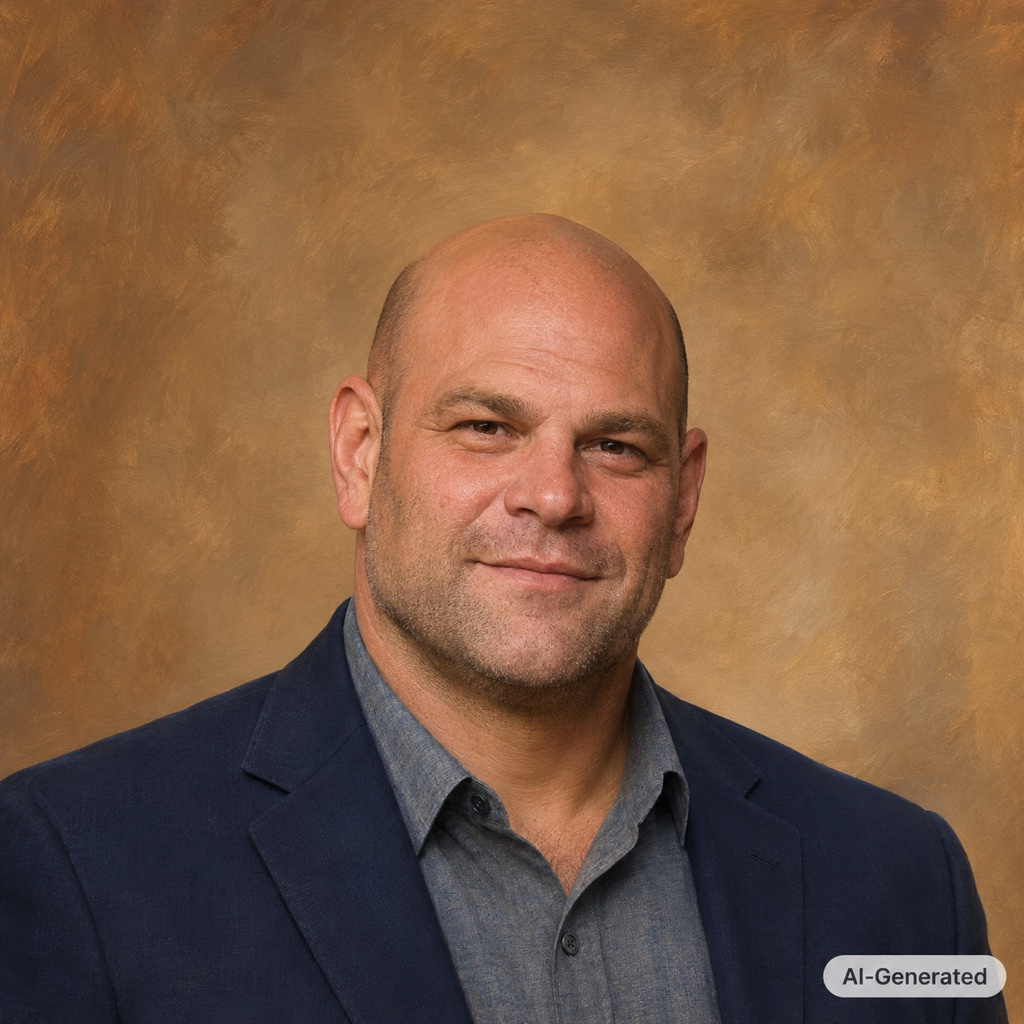
AI-Generated portrait of Domenick Lombardozzi

AI-generated editorial portrait.

Domenick Lombardozzi

Guy Russo

Domenick Lombardozzi’s religion is not confirmed in the reliable public sources reviewed for this profile. We have not established a clear personal profession of Christian faith or a current denomination.

Season 3: The Beck operation

The third-season cast includes investigators, members of the Beck household, and the formidable Paulie. Their stories raise questions about courage, deception, and responsibility. Those themes are discussed as Christian reflections, with care to distinguish the site’s biblical explanation from the actors’ own statements.
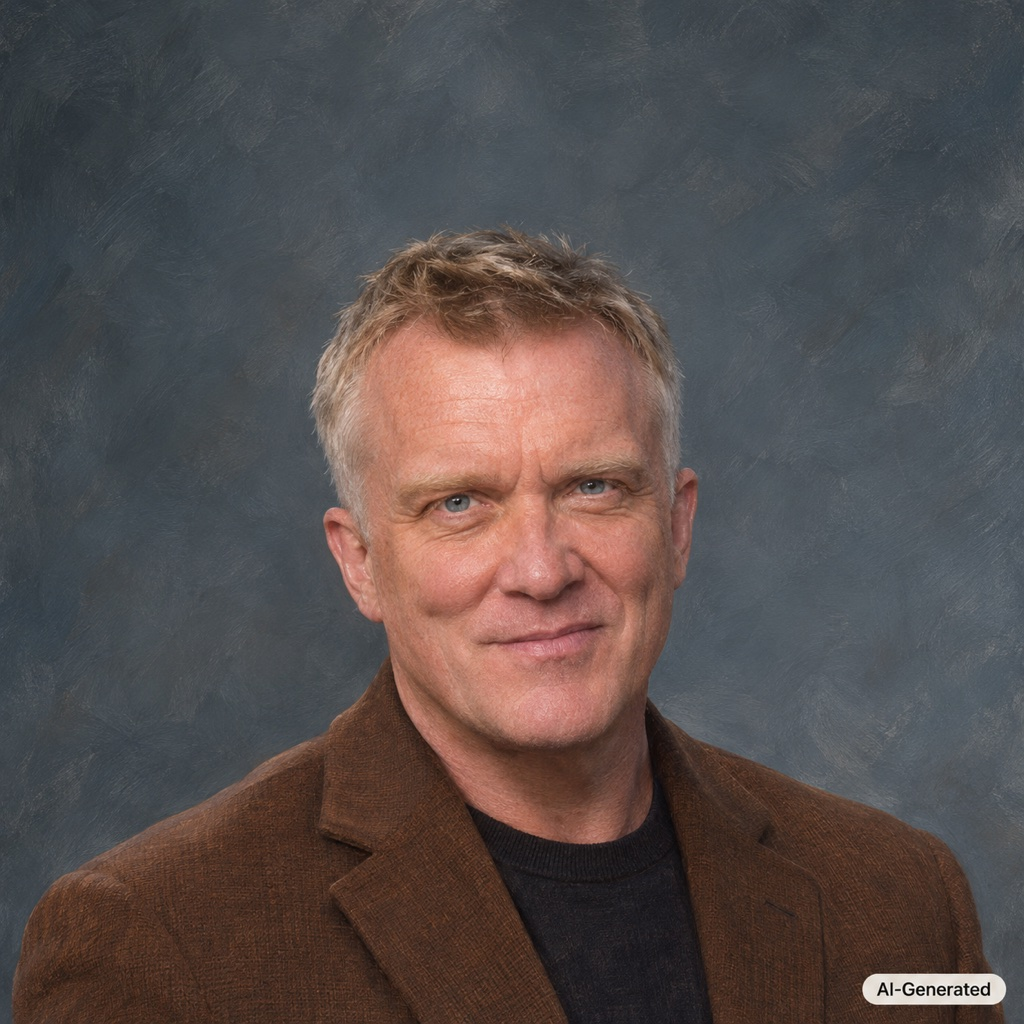
AI-Generated portrait of Anthony Michael Hall

AI-generated editorial portrait.

Anthony Michael Hall

Zachary Beck

Anthony Michael Hall has publicly discussed a Catholic background and belief in God. Those statements are documented, but they do not establish every aspect of his present theology.

AI-Generated portrait of Sonya Cassidy

AI-generated editorial portrait.

Sonya Cassidy

Susan Duffy

Sonya Cassidy’s religion is not confirmed in the reliable public sources reviewed for this profile. We have not established a clear personal profession of Christian faith or a current denomination.

AI-Generated portrait of Brian Tee

AI-generated editorial portrait.

Brian Tee

Francis Xavier Quinn

Brian Tee said in a 2024 interview that he was not religious, while also describing spiritual responses to grief. That is stronger evidence than an unsupported Christian label.

AI-Generated portrait of Johnny Berchtold

AI-generated editorial portrait.

Johnny Berchtold

Richard Beck

Johnny Berchtold’s religion is not confirmed in the reliable public sources reviewed for this profile. We have not established a clear personal profession of Christian faith or a current denomination.
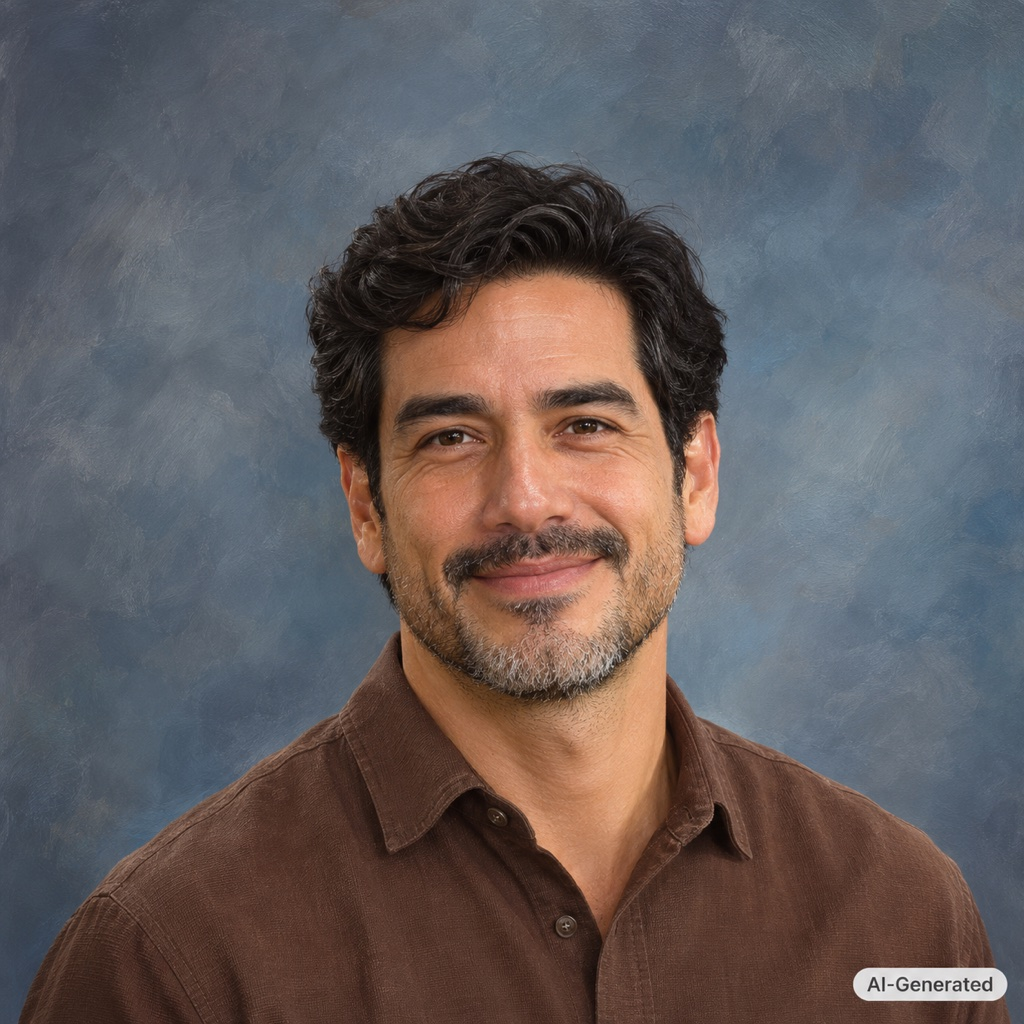
AI-Generated portrait of Roberto Montesinos

AI-generated editorial portrait.

Roberto Montesinos

Guillermo Villanueva

Roberto Montesinos’s religion is not confirmed in the reliable public sources reviewed for this profile. We have not established a clear personal profession of Christian faith or a current denomination.

AI-Generated portrait of Olivier Richters

AI-generated editorial portrait.

Olivier Richters

Paulie

Olivier Richters’s religion is not confirmed in the reliable public sources reviewed for this profile. We have not established a clear personal profession of Christian faith or a current denomination.
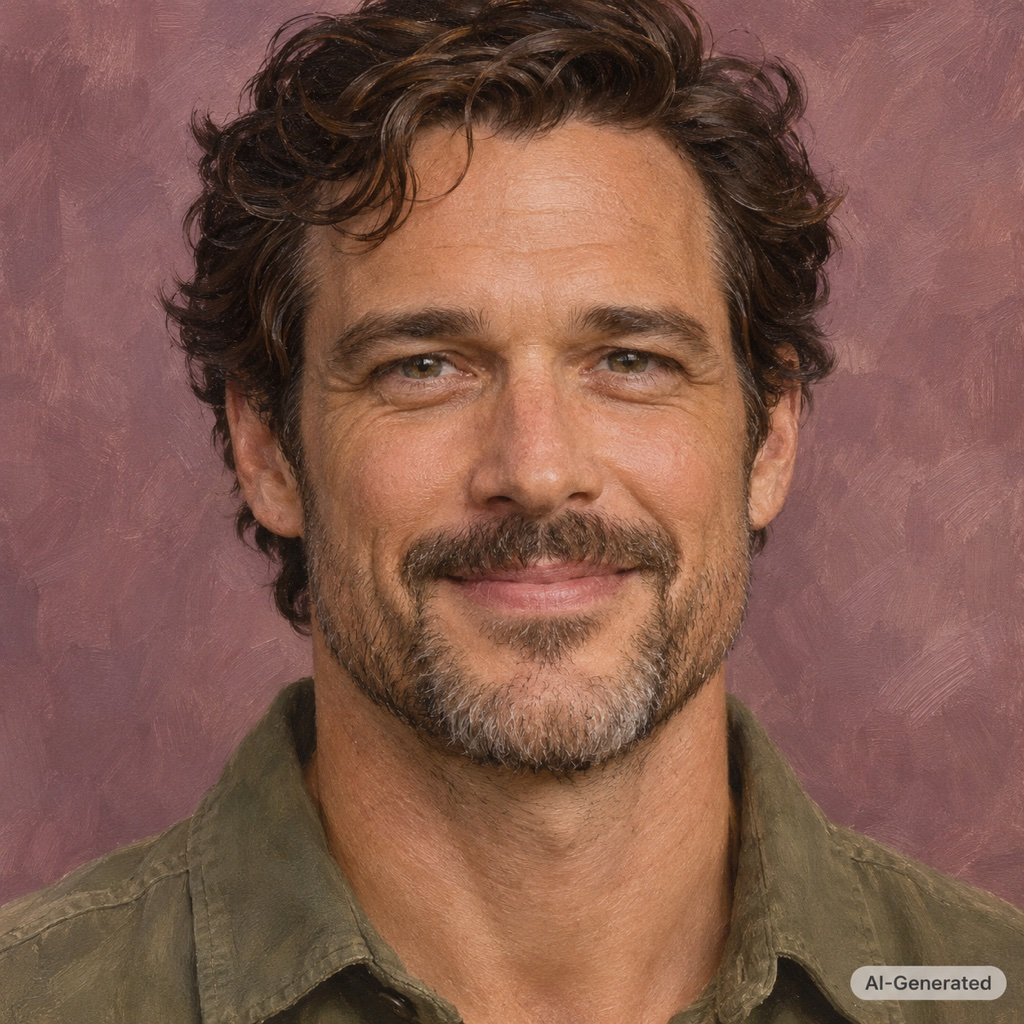
AI-Generated portrait of Daniel David Stewart

AI-generated editorial portrait.

Daniel David Stewart

Steven Elliot

Daniel David Stewart’s religion is not confirmed in the reliable public sources reviewed for this profile. We have not established a clear personal profession of Christian faith or a current denomination.

Season 4: New York and a wider conspiracy

The fourth-season collection introduces a new group of allies and adversaries. It includes actors with long television careers and internationally known musicians. Their public religious histories vary, and several affiliations remain unconfirmed. The profiles preserve those differences rather than assigning everyone the same spiritual label.

AI-Generated portrait of Sydelle Noel

AI-generated editorial portrait.

Sydelle Noel

Tamara Green

Sydelle Noel’s religion is not confirmed in the reliable public sources reviewed for this profile. We have not established a clear personal profession of Christian faith or a current denomination.

AI-Generated portrait of Agnez Mo

AI-generated editorial portrait.

Agnez Mo

Lila Hoth

Agnez Mo has publicly identified herself as Christian and has spoken about faith in God. Her statements support that identification, while leaving her current denomination and detailed beliefs unconfirmed.

AI-Generated portrait of Anggun

AI-generated editorial portrait.

Anggun

Amisha Hoth

Anggun has described a Muslim upbringing, Catholic schooling, and an interest in Buddhism in a historical interview. Her current religious affiliation and a personal profession of Christian faith are not established by the sources reviewed.
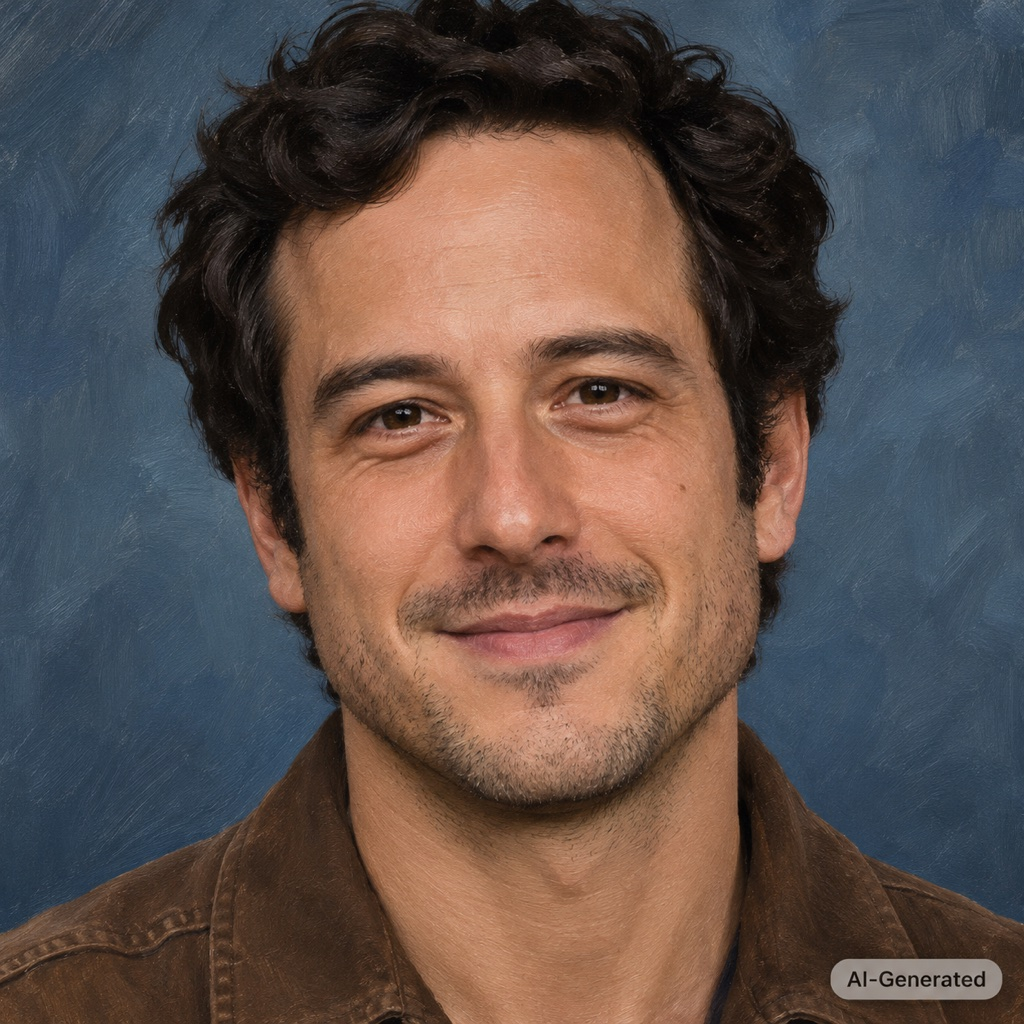
AI-Generated portrait of Christopher Rodriguez-Marquette

AI-generated editorial portrait.

Christopher Rodriguez-Marquette

Jacob Merrick

Christopher Rodriguez-Marquette’s religion is not confirmed in the reliable public sources reviewed for this profile. We have not established a clear personal profession of Christian faith or a current denomination.
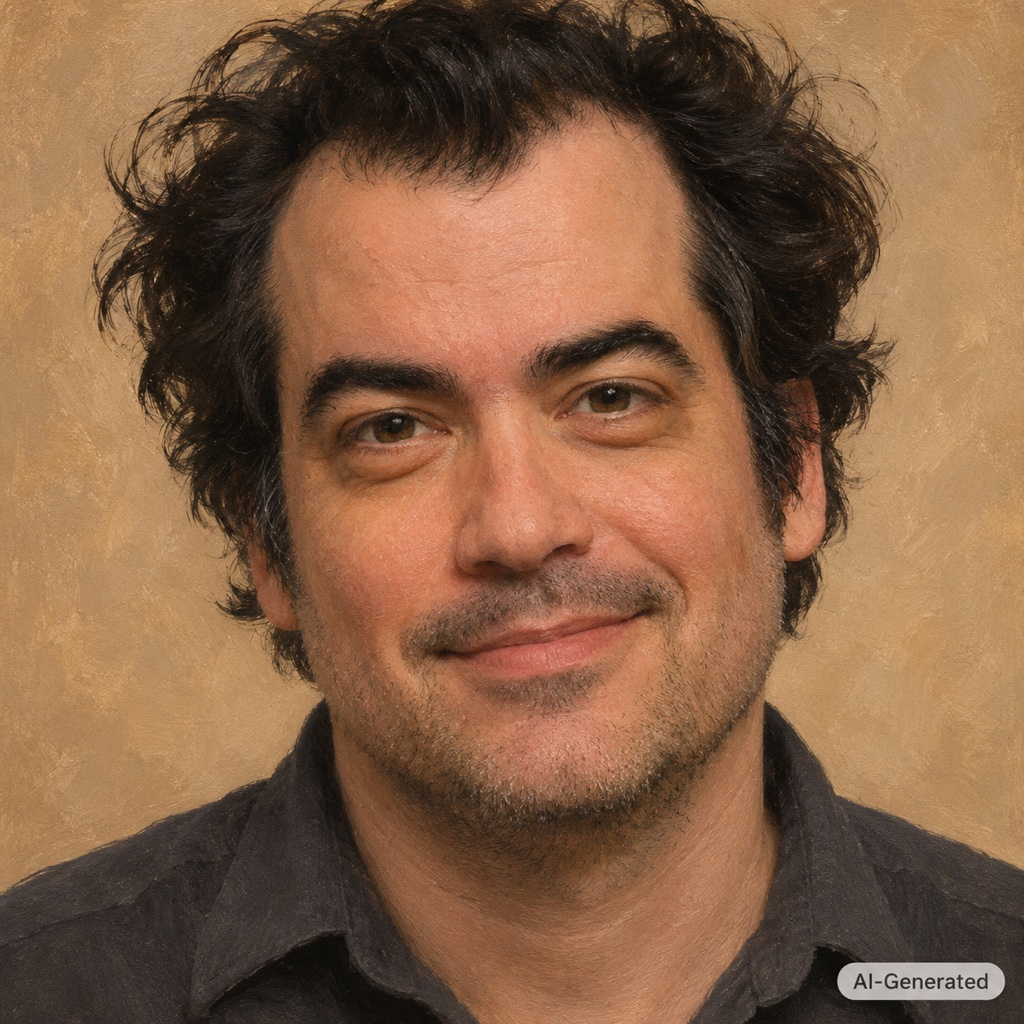
AI-Generated portrait of Kevin Corrigan

AI-generated editorial portrait.

Kevin Corrigan

Shaun Docherty

Kevin Corrigan’s religion is not confirmed in the reliable public sources reviewed for this profile. We have not established a clear personal profession of Christian faith or a current denomination.
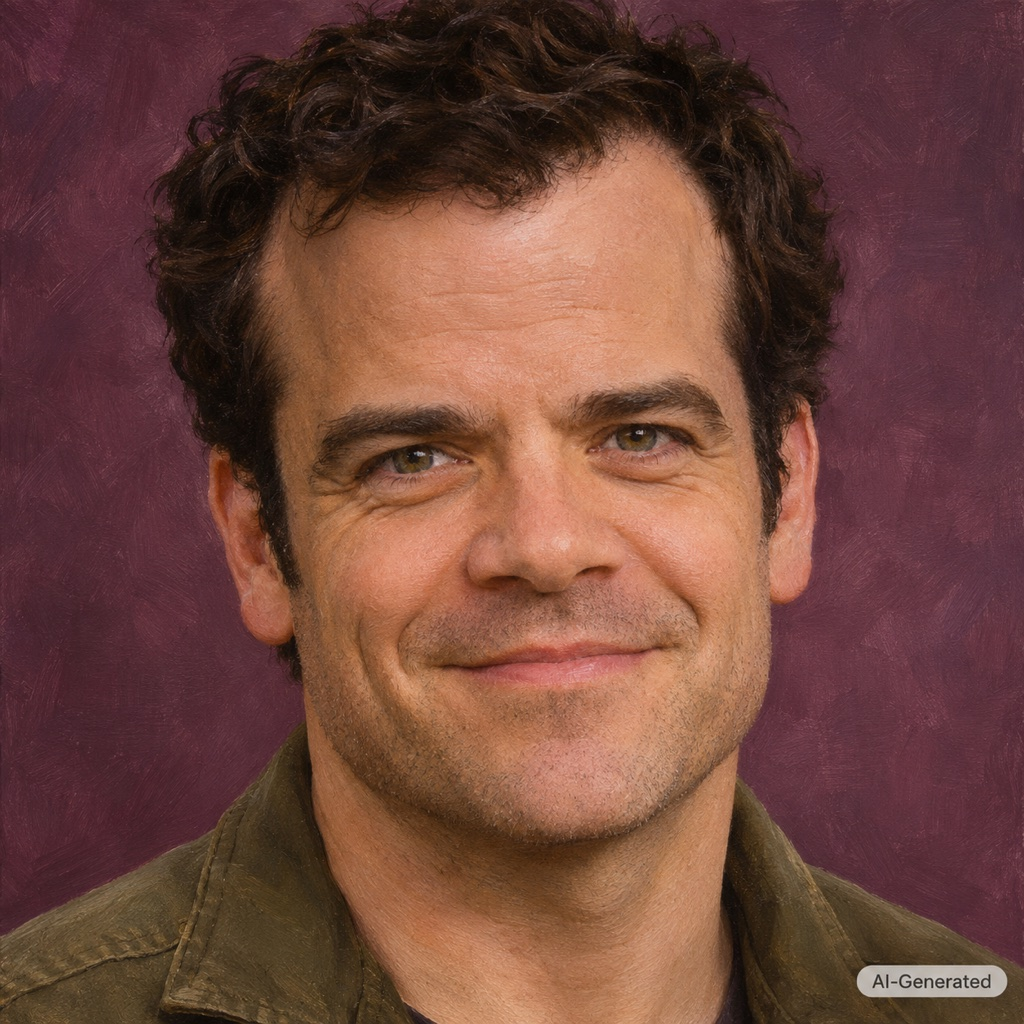
AI-Generated portrait of Kevin Weisman

AI-generated editorial portrait.

Kevin Weisman

Russell Plum

Kevin Weisman has publicly discussed his Jewish identity. The reviewed sources do not establish a specific denomination, level of religious observance, or a personal profession of Christian faith.

AI-Generated portrait of Marc Blucas

AI-generated editorial portrait.

Marc Blucas

John Sampson

Marc Blucas’s religion is not confirmed in the reliable public sources reviewed for this profile. We have not established a clear personal profession of Christian faith or a current denomination.

AI-Generated portrait of Kathleen Robertson

AI-generated editorial portrait.

Kathleen Robertson

Elspeth Sampson

Kathleen Robertson’s religion is not confirmed in the reliable public sources reviewed for this profile. We have not established a clear personal profession of Christian faith or a current denomination.

What does the cast believe?

The answer differs from person to person. Alan Ritchson has publicly discussed Christian faith, while other profiles document a denominational identification, a religious upbringing, or broader spiritual language. Some actors have not made a clear personal statement in the sources reviewed. We report those limits rather than treating silence as proof of unbelief. A dated interview also needs to remain dated; it should not be presented as a fresh account of every current conviction.

Religious language is worth examining carefully. A reference to God, attendance at a religious school, or a childhood church connection does not automatically establish personal trust in Jesus Christ. Neither does a charitable reputation. Famous Faith reports a person’s own statements while distinguishing them from the theological conclusions of this site. We do not claim to know an actor’s heart.

Christian faith, religious labels, and grace

Famous Faith’s position is that salvation is by God’s grace alone through faith in Jesus Christ alone. Some people regard Catholicism as a branch of Christianity; that classification does not settle disagreements about the gospel or establish any individual’s salvation. When a profile discusses a Catholic background, the label is reported as history or self-identification, not offered as proof of biblical faith. No institution, family tradition, ceremony, or human merit can save a sinner.

Romans 3:23 includes every person in the reality of sin. First Corinthians 15:3–4 points to Jesus Christ dying for sins and rising from the dead. Ephesians 2:8–9 describes salvation as God’s gift received through faith, apart from works. Good works follow genuine faith as its fruit; they do not buy forgiveness. These truths apply equally to celebrated actors and ordinary viewers, regardless of their background.

Justice on screen and justice before God

Reacher’s stories often begin with wrongdoing that powerful people hope will remain hidden. That can prompt worthwhile questions about truth, courage, and the responsibility to protect others. Scripture also warns against confusing a desire for justice with permission for personal vengeance. Romans 12:19 directs believers to leave final vengeance to God. A television thriller should be evaluated as entertainment, with discernment about its violence and moral choices.

A capable fictional investigator can expose a conspiracy, but cannot solve humanity’s deepest problem. The Christian hope rests in the real death and resurrection of Jesus, not in a hero’s strength or the satisfaction of seeing an antagonist defeated. Enjoying a performance need not mean endorsing every action in the script. The individual profiles use these story themes for reflection while keeping the performer’s actual beliefs separate.

Sources and image credits

Cast context: season 1 cast listing, Amazon’s season 2 introduction, Amazon’s season 3 character guide, and Radio Times’ season 4 cast guide. Individual profiles link their career and faith sources.

Cover and 30 cast portraits: AI-generated editorial illustrations created for Famous Faith, labeled AI-Generated; not photographs or official show artwork. Currie Graham photograph: taraplatt, via Wikimedia Commons, CC BY-SA 2.0; cropped and resized from the 2009 photograph. The crop is shared under the same license. No endorsement implied.

Browse more people and show groups on Famous Faith.

What Is Kathleen Robertson’s Religion? Is She a Christian?

AI-Generated portrait of Kathleen Robertson

AI-generated editorial portrait; not a photograph.

Kathleen Robertson appears in Reacher as Elspeth Sampson, part of the story introduced in season 4. Fans may recognize a face long before they know anything about the person’s beliefs. Asking about an actor’s religion is understandable, but the answer needs to come from evidence about the actor rather than from the fictional world on screen.

Kathleen Robertson’s religion is not confirmed in the reliable public sources reviewed for this profile. We have not established a clear personal profession of Christian faith or a current denomination.

The person behind Elspeth Sampson

Kathleen Robertson is a Canadian actress and writer whose career includes Beverly Hills, 90210 and Murder in the First. In a PhotoBook interview, she discusses her work across acting and writing, including her Reacher character. Her creative responsibilities help explain the range of her career, but they should not be mistaken for an account of her personal religious convictions.

Robertson plays Elspeth Sampson in Reacher’s fourth season. PhotoBook describes the character’s involvement in her husband’s political life. That is a description of a fictional person. It should not become evidence about the actress’s worship, denomination, or understanding of salvation. Likewise, a project with a religious-sounding title would not by itself demonstrate a personal confession of Christian faith.

What the public evidence does—and does not—show

The reviewed sources do not establish a current religious affiliation or a clear profession of personal trust in Christ. Interviews about creativity, resilience, and the humanity of characters can be illuminating without answering that question. We should avoid converting broad language about meaning or compassion into a doctrinal statement the speaker has not actually made. A careful profile leaves the boundary between professional discussion and religious testimony visible.

This profile distinguishes documented career information, direct statements about belief, and Famous Faith’s own Christian commentary. The sources linked here can establish a performance or a comment without answering every question about her present convictions. An interview about a role is not automatically a testimony. Likewise, an absent religious statement is not evidence that someone rejects God. We should leave an unanswered question open rather than supply a convenient label.

Seeing a person beyond a public role

Actors often look for the humanity of a character even when the story gives that person difficult motives or divided loyalties. Christians have another reason to resist reducing real people to one screen role: human dignity is grounded in being made in God’s image. That dignity does not mean that every choice is right or that everyone is automatically reconciled to God. It means our words should remain truthful and humane while we discuss sin, responsibility, and grace. This application belongs to Famous Faith’s biblical outlook; it does not assign Robertson beliefs she has not publicly explained.

The Bible’s message of grace

The Bible teaches that our deepest problem is sin, not a lack of recognition or an insufficiently impressive religious background. Romans 3:23 includes every one of us in that diagnosis. Jesus Christ, God’s Son, lived without sin, died for sinners, and rose bodily from the dead. His death and resurrection are the heart of the gospel (1 Corinthians 15:3–4). Salvation is received by God’s grace through faith in Christ, not earned by good deeds, church membership, cultural identity, or success (Ephesians 2:8–9). Repentance means turning from sin toward God; faith means depending on Jesus Himself. The obedience that follows is a response to grace, not its purchase price. That is the standard Famous Faith uses when explaining Christianity, regardless of how famous or likable someone may be.

For Kathleen Robertson, the most accurate conclusion is the one the evidence actually supports: the reviewed sources do not settle the question of a current religious affiliation or personal trust in Christ. We can appreciate her work without making a spiritual judgment on the strength of a performance. The question also invites readers to examine their own hope: is it grounded in Jesus Christ, or only in a reputation, a tradition, or an identity other people recognize?

Image disclosure: AI-generated editorial portrait representing Kathleen Robertson, created for Famous Faith; not a photograph. No endorsement implied.

More from this series: Explore all 31 Reacher cast faith profiles.

What Is Marc Blucas’s Religion? Is He a Christian?

AI-Generated portrait of Marc Blucas

AI-generated editorial portrait; not a photograph.

Marc Blucas appears in Reacher as John Sampson, part of the story introduced in season 4. Fans may recognize a face long before they know anything about the person’s beliefs. Asking about an actor’s religion is understandable, but the answer needs to come from evidence about the actor rather than from the fictional world on screen.

Marc Blucas’s religion is not confirmed in the reliable public sources reviewed for this profile. We have not established a clear personal profession of Christian faith or a current denomination.

The person behind John Sampson

Marc Blucas is an actor known for Riley Finn in Buffy the Vampire Slayer and Matthew Donnally in Necessary Roughness. His career biography also describes his earlier basketball background. Moving between competitive sport and acting can be interesting biographically, but neither occupation establishes what someone believes about God or whether he personally trusts in Jesus Christ.

In Reacher’s fourth season, Blucas plays John Sampson. The character gives viewers another reason to ask about an actor whose earlier performances may already be familiar. The profile concerns the performer’s religion, rather than treating the moral importance of a dramatic role as proof of the performer’s beliefs. Playing a good person would no more establish salvation than playing a villain would establish unbelief.

What the public evidence does—and does not—show

The public sources reviewed do not provide a dependable current denomination or a clear personal Christian profession. We should not infer one from a reassuring public image, family-oriented entertainment, or details of a home or community. A reliable answer requires something more directly connected to his own beliefs. Until then, the question remains open rather than being answered with a favorable guess.

This profile distinguishes documented career information, direct statements about belief, and Famous Faith’s own Christian commentary. The sources linked here can establish a performance or a comment without answering every question about his present convictions. An interview about a role is not automatically a testimony. Likewise, an absent religious statement is not evidence that someone rejects God. We should leave an unanswered question open rather than supply a convenient label.

Service cannot purchase salvation

Discipline, teamwork, and a willingness to help others are valuable qualities in public life. Scripture encourages good works while refusing to turn them into a payment for redemption. Titus 3:5 locates salvation in God’s mercy rather than in righteous deeds we have performed. That distinction matters when a likable celebrity, an admirable athlete, or a heroic character leads us to assume that moral reputation answers a spiritual question. This is a general Christian reflection, not a claim about Blucas’s private conduct. The gospel directs both admired people and their audiences to the same Savior.

The Bible’s message of grace

The Bible teaches that our deepest problem is sin, not a lack of recognition or an insufficiently impressive religious background. Romans 3:23 includes every one of us in that diagnosis. Jesus Christ, God’s Son, lived without sin, died for sinners, and rose bodily from the dead. His death and resurrection are the heart of the gospel (1 Corinthians 15:3–4). Salvation is received by God’s grace through faith in Christ, not earned by good deeds, church membership, cultural identity, or success (Ephesians 2:8–9). Repentance means turning from sin toward God; faith means depending on Jesus Himself. The obedience that follows is a response to grace, not its purchase price. That is the standard Famous Faith uses when explaining Christianity, regardless of how famous or likable someone may be.

For Marc Blucas, the most accurate conclusion is the one the evidence actually supports: the reviewed sources do not settle the question of a current religious affiliation or personal trust in Christ. We can appreciate his work without making a spiritual judgment on the strength of a performance. The question also invites readers to examine their own hope: is it grounded in Jesus Christ, or only in a reputation, a tradition, or an identity other people recognize?

Image disclosure: AI-generated editorial portrait representing Marc Blucas, created for Famous Faith; not a photograph. No endorsement implied.

More from this series: Explore all 31 Reacher cast faith profiles.

What Is Kevin Weisman’s Religion? Is He a Christian?

AI-Generated portrait of Kevin Weisman

AI-generated editorial portrait; not a photograph.

Kevin Weisman appears in Reacher as Russell Plum, part of the story introduced in season 4. Fans may recognize a face long before they know anything about the person’s beliefs. Asking about an actor’s religion is understandable, but the answer needs to come from evidence about the actor rather than from the fictional world on screen.

Kevin Weisman has publicly discussed his Jewish identity. The reviewed sources do not establish a specific denomination, level of religious observance, or a personal profession of Christian faith.

The person behind Russell Plum

Kevin Weisman is known for playing Marshall Flinkman in Alias and Dale Yorkes in Marvel’s Runaways. These credits help viewers connect Reacher’s Russell Plum with the actor’s earlier work. A character’s technical skill, temperament, or spiritual outlook belongs to the performance. For personal identity, the better evidence is a source in which Weisman is speaking about himself.

Weisman plays Russell Plum in Reacher’s fourth season, an actor-role pairing identified in a firsthand season review. Screen work can raise questions about truth and loyalty without supplying a personal statement of religious belief. This profile therefore separates that cast information from the documented evidence about his identity.

What the public evidence does—and does not—show

The official description of Unfiltered with Adam Scott Bellos, June 19, 2024, says Weisman discusses his Jewish identity. That supports reporting a publicly discussed Jewish identity. The episode description alone does not establish a particular Jewish denomination, level of observance, or present theological position. It also does not establish a profession of Christian faith. We should not pretend to have listened to material beyond the evidence actually reviewed.

This profile distinguishes documented career information, direct statements about belief, and Famous Faith’s own Christian commentary. The sources linked here can establish a performance or a comment without answering every question about his present convictions. An interview about a role is not automatically a testimony. Likewise, an absent religious statement is not evidence that someone rejects God. We should leave an unanswered question open rather than supply a convenient label.

Identity, evidence, and speaking fairly

Religious identity may include family history, community, worship, or a combination of these. Reporting one part accurately does not authorize guessing at all the others. Christians should be especially careful to speak fairly about people whose convictions differ from their own. First Peter 3:15 joins an explanation of Christian hope with gentleness and respect. That calls for clarity about Christ alongside care with facts. Famous Faith can state its gospel convictions without erasing Weisman’s documented identity or presenting that identity as if it were a complete explanation of every private belief.

The Bible’s message of grace

The Bible teaches that our deepest problem is sin, not a lack of recognition or an insufficiently impressive religious background. Romans 3:23 includes every one of us in that diagnosis. Jesus Christ, God’s Son, lived without sin, died for sinners, and rose bodily from the dead. His death and resurrection are the heart of the gospel (1 Corinthians 15:3–4). Salvation is received by God’s grace through faith in Christ, not earned by good deeds, church membership, cultural identity, or success (Ephesians 2:8–9). Repentance means turning from sin toward God; faith means depending on Jesus Himself. The obedience that follows is a response to grace, not its purchase price. That is the standard Famous Faith uses when explaining Christianity, regardless of how famous or likable someone may be.

For Kevin Weisman, the most accurate conclusion is the one the evidence actually supports: a publicly discussed Jewish identity is documented, while his detailed present beliefs are not fully established here. We can appreciate his work without making a spiritual judgment on the strength of a performance. The question also invites readers to examine their own hope: is it grounded in Jesus Christ, or only in a reputation, a tradition, or an identity other people recognize?

Image disclosure: AI-generated editorial portrait representing Kevin Weisman, created for Famous Faith; not a photograph. No endorsement implied.

More from this series: Explore all 31 Reacher cast faith profiles.

What Is Kevin Corrigan’s Religion? Is He a Christian?

AI-Generated portrait of Kevin Corrigan

AI-generated editorial portrait; not a photograph.

Kevin Corrigan appears in Reacher as Shaun Docherty, part of the story introduced in season 4. Fans may recognize a face long before they know anything about the person’s beliefs. Asking about an actor’s religion is understandable, but the answer needs to come from evidence about the actor rather than from the fictional world on screen.

Kevin Corrigan’s religion is not confirmed in the reliable public sources reviewed for this profile. We have not established a clear personal profession of Christian faith or a current denomination.

The person behind Shaun Docherty

Kevin Corrigan is an American actor recognized for Grounded for Life, The Departed, and a substantial body of independent film work. His career overview shows why viewers may recognize him from very different kinds of productions. A familiar screen presence can make an audience feel it knows an actor personally, but professional familiarity is not reliable knowledge of religious conviction.

Corrigan plays Shaun Docherty in Reacher’s fourth season. The GamesRadar season guide identifies that actor-character pairing. This is useful cast information, not evidence of a denomination. The decisions of a figure written into a political thriller should not be assigned to the actor as though they were statements from his own life.

What the public evidence does—and does not—show

The reviewed public material does not establish his present religious affiliation or an explicit personal profession of Christian faith. A surname or cultural background cannot reliably answer that question. Neither can working with someone whose beliefs are better documented. Reporting uncertainty is more accurate than selecting a religious label simply because it appears plausible to a viewer.

This profile distinguishes documented career information, direct statements about belief, and Famous Faith’s own Christian commentary. The sources linked here can establish a performance or a comment without answering every question about his present convictions. An interview about a role is not automatically a testimony. Likewise, an absent religious statement is not evidence that someone rejects God. We should leave an unanswered question open rather than supply a convenient label.

Trust, responsibility, and the individual conscience

A political thriller often asks whom people can trust when institutions and individuals fail. The Bible also distinguishes an office from the moral character of the person occupying it. Having authority does not remove accountability to God, and criticizing another person’s wrongdoing does not erase our own. Romans 14:12 brings that responsibility home to each individual. These are questions readers can ask themselves without claiming they reveal Corrigan’s theology. The actor’s role may provide a starting point for reflection; the biblical teaching supplies the standard by which Famous Faith examines the issue.

The Bible’s message of grace

The Bible teaches that our deepest problem is sin, not a lack of recognition or an insufficiently impressive religious background. Romans 3:23 includes every one of us in that diagnosis. Jesus Christ, God’s Son, lived without sin, died for sinners, and rose bodily from the dead. His death and resurrection are the heart of the gospel (1 Corinthians 15:3–4). Salvation is received by God’s grace through faith in Christ, not earned by good deeds, church membership, cultural identity, or success (Ephesians 2:8–9). Repentance means turning from sin toward God; faith means depending on Jesus Himself. The obedience that follows is a response to grace, not its purchase price. That is the standard Famous Faith uses when explaining Christianity, regardless of how famous or likable someone may be.

For Kevin Corrigan, the most accurate conclusion is the one the evidence actually supports: the reviewed sources do not settle the question of a current religious affiliation or personal trust in Christ. We can appreciate his work without making a spiritual judgment on the strength of a performance. The question also invites readers to examine their own hope: is it grounded in Jesus Christ, or only in a reputation, a tradition, or an identity other people recognize?

Image disclosure: AI-generated editorial portrait representing Kevin Corrigan, created for Famous Faith; not a photograph. No endorsement implied.

More from this series: Explore all 31 Reacher cast faith profiles.

What Is Christopher Rodriguez-Marquette’s Religion? Is He a Christian?

AI-Generated portrait of Christopher Rodriguez-Marquette

AI-generated editorial portrait; not a photograph.

Christopher Rodriguez-Marquette appears in Reacher as Jacob Merrick, part of the story introduced in season 4. Fans may recognize a face long before they know anything about the person’s beliefs. Asking about an actor’s religion is understandable, but the answer needs to come from evidence about the actor rather than from the fictional world on screen.

Christopher Rodriguez-Marquette’s religion is not confirmed in the reliable public sources reviewed for this profile. We have not established a clear personal profession of Christian faith or a current denomination.

The person behind Jacob Merrick

Christopher Rodriguez-Marquette, also widely credited as Chris Marquette, has appeared in Joan of Arcadia, The Girl Next Door, and Fanboys. His career biography connects the different professional forms of his name. That connection matters when researching a performer: a name variation should not cause us to merge unrelated people or overlook the same person’s earlier credits.

He plays Jacob Merrick in Reacher’s fourth season. TheWrap reported his casting after a change in the performer attached to the part. That professional report identifies the actor and role. It does not contain a personal Christian testimony, and a casting announcement should not be asked to answer questions outside its subject.

What the public evidence does—and does not—show

The sources reviewed do not establish a current religious affiliation or a clear personal profession of trust in Christ. His earlier work in Joan of Arcadia, a series with religious themes, is especially easy to misread. Performing in a story about spiritual questions does not demonstrate agreement with its ideas. We should distinguish an actor’s creative participation from a confession made in his own voice.

This profile distinguishes documented career information, direct statements about belief, and Famous Faith’s own Christian commentary. The sources linked here can establish a performance or a comment without answering every question about his present convictions. An interview about a role is not automatically a testimony. Likewise, an absent religious statement is not evidence that someone rejects God. We should leave an unanswered question open rather than supply a convenient label.

Looking for truth when emotions run high

Stories involving danger and loss can bring understandable urgency to the search for answers. Scripture takes grief seriously while also calling people to speak truthfully and judge carefully. Proverbs 18:17 warns that the first account can sound convincing until another examination follows. That principle is useful far beyond a television mystery. It encourages patience with evidence and resistance to confident speculation. It also shapes this profile: unanswered questions about the actor’s religion should remain unanswered until a dependable source supplies more than a plausible assumption.

The Bible’s message of grace

The Bible teaches that our deepest problem is sin, not a lack of recognition or an insufficiently impressive religious background. Romans 3:23 includes every one of us in that diagnosis. Jesus Christ, God’s Son, lived without sin, died for sinners, and rose bodily from the dead. His death and resurrection are the heart of the gospel (1 Corinthians 15:3–4). Salvation is received by God’s grace through faith in Christ, not earned by good deeds, church membership, cultural identity, or success (Ephesians 2:8–9). Repentance means turning from sin toward God; faith means depending on Jesus Himself. The obedience that follows is a response to grace, not its purchase price. That is the standard Famous Faith uses when explaining Christianity, regardless of how famous or likable someone may be.

For Christopher Rodriguez-Marquette, the most accurate conclusion is the one the evidence actually supports: the reviewed sources do not settle the question of a current religious affiliation or personal trust in Christ. We can appreciate his work without making a spiritual judgment on the strength of a performance. The question also invites readers to examine their own hope: is it grounded in Jesus Christ, or only in a reputation, a tradition, or an identity other people recognize?

Image disclosure: AI-generated editorial portrait representing Christopher Rodriguez-Marquette, created for Famous Faith; not a photograph. No endorsement implied.

More from this series: Explore all 31 Reacher cast faith profiles.

What Is Anggun’s Religion? Is She a Christian?

AI-Generated portrait of Anggun

AI-generated editorial portrait; not a photograph.

Anggun appears in Reacher as Amisha Hoth, part of the story introduced in season 4. Fans may recognize a face long before they know anything about the person’s beliefs. Asking about an actor’s religion is understandable, but the answer needs to come from evidence about the actor rather than from the fictional world on screen.

Anggun has described a Muslim upbringing, Catholic schooling, and an interest in Buddhism in a historical interview. Her current religious affiliation and a personal profession of Christian faith are not established by the sources reviewed.

The person behind Amisha Hoth

Anggun is an Indonesian-born singer with an international career, including the English-language hit Snow on the Sahara. A 2002 Gadfly interview offers unusually direct historical evidence about religion. She described being born Muslim, attending Catholic school, and exploring Buddhism. Because the interview is old, those comments should retain their historical context rather than become an unsupported claim about her current affiliation.

In Reacher’s fourth season, Anggun plays Amisha Hoth. This acting credit introduces her to viewers who may know little of her musical background. Religious questions about her need to be answered from her own statements, not the motives assigned to that screen character. A fictional family relationship also tells us nothing dependable about a performer’s personal beliefs.

What the public evidence does—and does not—show

Her interview documents religious upbringing and an interest in more than one tradition at that time. Catholic schooling does not by itself establish a personal Christian profession. Exploring Buddhist ideas likewise does not prove formal membership or tell us what she believes today. The reviewed evidence does not establish a current conversion to biblical Christianity, and it would overstate the record to label her an atheist or confidently assign a present denomination.

This profile distinguishes documented career information, direct statements about belief, and Famous Faith’s own Christian commentary. The sources linked here can establish a performance or a comment without answering every question about her present convictions. An interview about a role is not automatically a testimony. Likewise, an absent religious statement is not evidence that someone rejects God. We should leave an unanswered question open rather than supply a convenient label.

Religious searching and the claims of Jesus

A person can ask sincere spiritual questions while encountering very different answers. Respect for that person does not require claiming that all answers are interchangeable. Christianity makes specific claims about who Jesus is, His death for sins, and His bodily resurrection. Famous Faith’s position is that salvation comes through Christ alone, received by grace through faith, rather than through combining religious practices. That explanation should never be disguised as Anggun’s own testimony. It is the biblical standard the site offers readers while reporting her historical comments with care.

The Bible’s message of grace

The Bible teaches that our deepest problem is sin, not a lack of recognition or an insufficiently impressive religious background. Romans 3:23 includes every one of us in that diagnosis. Jesus Christ, God’s Son, lived without sin, died for sinners, and rose bodily from the dead. His death and resurrection are the heart of the gospel (1 Corinthians 15:3–4). Salvation is received by God’s grace through faith in Christ, not earned by good deeds, church membership, cultural identity, or success (Ephesians 2:8–9). Repentance means turning from sin toward God; faith means depending on Jesus Himself. The obedience that follows is a response to grace, not its purchase price. That is the standard Famous Faith uses when explaining Christianity, regardless of how famous or likable someone may be.

For Anggun, the most accurate conclusion is the one the evidence actually supports: her historical comments describe religious exploration, while her present affiliation remains unconfirmed here. We can appreciate her work without making a spiritual judgment on the strength of a performance. The question also invites readers to examine their own hope: is it grounded in Jesus Christ, or only in a reputation, a tradition, or an identity other people recognize?

Image disclosure: AI-generated editorial portrait representing Anggun, created for Famous Faith; not a photograph. No endorsement implied.

More from this series: Explore all 31 Reacher cast faith profiles.

What Is Agnez Mo’s Religion? Is She a Christian?

AI-Generated portrait of Agnez Mo

AI-generated editorial portrait; not a photograph.

Agnez Mo appears in Reacher as Lila Hoth, part of the story introduced in season 4. Fans may recognize a face long before they know anything about the person’s beliefs. Asking about an actor’s religion is understandable, but the answer needs to come from evidence about the actor rather than from the fictional world on screen.

Agnez Mo has publicly identified herself as Christian and has spoken about faith in God. Her statements support that identification, while leaving her current denomination and detailed beliefs unconfirmed.

The person behind Lila Hoth

Agnez Mo is an Indonesian singer and actress whose career spans television and international pop music. In a 2018 Hypebae interview, she spoke directly about trusting the God who created her and finding peace through that belief. This is personal religious language from the artist, rather than a conclusion drawn from a song title or a publicity photograph.

She plays Lila Hoth in Reacher’s fourth season. Her acting work brings a different audience to a performer already widely recognized for music. A dramatic role does not replace her own statements as the relevant evidence about faith. Neither the moral choices of a fictional character nor the style of a music video establishes everything its performer believes.

What the public evidence does—and does not—show

Agnez also publicly identified herself as Christian during a November 2019 BUILD interview. ANTARA’s contemporary report preserves her description of singing in church and being Christian in a predominantly Muslim country. These dated statements support reporting a Christian identification. They do not provide a complete account of her present denomination, every doctrinal position, or the private condition of her heart.

This profile distinguishes documented career information, direct statements about belief, and Famous Faith’s own Christian commentary. The sources linked here can establish a performance or a comment without answering every question about her present convictions. An interview about a role is not automatically a testimony. Likewise, an absent religious statement is not evidence that someone rejects God. We should leave an unanswered question open rather than supply a convenient label.

A public profession deserves accurate context

When an artist speaks about faith, it is fair to report that profession without pretending we have verified an entire life. It is also fair to ask what Christianity actually means. Biblical faith centers on Jesus Christ and His finished saving work, rather than on cultural visibility or the approval of fans. The appropriate response is neither automatic suspicion nor uncritical endorsement. We can recognize what Agnez has said, keep the dates attached, and encourage every reader to compare personal beliefs with Scripture. Celebrity status does not add to or subtract from the gospel’s truth.

The Bible’s message of grace

The Bible teaches that our deepest problem is sin, not a lack of recognition or an insufficiently impressive religious background. Romans 3:23 includes every one of us in that diagnosis. Jesus Christ, God’s Son, lived without sin, died for sinners, and rose bodily from the dead. His death and resurrection are the heart of the gospel (1 Corinthians 15:3–4). Salvation is received by God’s grace through faith in Christ, not earned by good deeds, church membership, cultural identity, or success (Ephesians 2:8–9). Repentance means turning from sin toward God; faith means depending on Jesus Himself. The obedience that follows is a response to grace, not its purchase price. That is the standard Famous Faith uses when explaining Christianity, regardless of how famous or likable someone may be.

For Agnez Mo, the most accurate conclusion is the one the evidence actually supports: she has publicly described herself as Christian, although the reviewed material does not establish her complete present doctrinal position. We can appreciate her work without making a spiritual judgment on the strength of a performance. The question also invites readers to examine their own hope: is it grounded in Jesus Christ, or only in a reputation, a tradition, or an identity other people recognize?

Image disclosure: AI-generated editorial portrait representing Agnez Mo, created for Famous Faith; not a photograph. No endorsement implied.

More from this series: Explore all 31 Reacher cast faith profiles.

What Is Sydelle Noel’s Religion? Is She a Christian?

AI-Generated portrait of Sydelle Noel

AI-generated editorial portrait; not a photograph.

Sydelle Noel appears in Reacher as Tamara Green, part of the story introduced in season 4. Fans may recognize a face long before they know anything about the person’s beliefs. Asking about an actor’s religion is understandable, but the answer needs to come from evidence about the actor rather than from the fictional world on screen.

Sydelle Noel’s religion is not confirmed in the reliable public sources reviewed for this profile. We have not established a clear personal profession of Christian faith or a current denomination.

The person behind Tamara Green

Sydelle Noel is an actress known for Cherry Bang in GLOW and Xoliswa in Black Panther. Her career overview helps identify the performer behind these very different parts. The physical confidence audiences associate with an action performer is a professional quality. It does not tell us what she believes about God, the Bible, or salvation.

Noel plays Tamara Green in Reacher’s fourth season. A firsthand review of the season identifies her among the new supporting cast. This profile concerns Noel herself, rather than treating a character’s choices as religious evidence about the actress. A convincing performance can invite thoughtful discussion without functioning as a personal testimony.

What the public evidence does—and does not—show

The public sources reviewed do not establish a current religious affiliation or an explicit personal profession of Christian faith. We should not substitute assumptions about her family, appearance, nationality, or colleagues for her own words. Nor should a lack of information be converted into the claim that she has no faith. The responsible answer remains that her religion is unconfirmed here.

This profile distinguishes documented career information, direct statements about belief, and Famous Faith’s own Christian commentary. The sources linked here can establish a performance or a comment without answering every question about her present convictions. An interview about a role is not automatically a testimony. Likewise, an absent religious statement is not evidence that someone rejects God. We should leave an unanswered question open rather than supply a convenient label.

Courage needs wisdom as well as strength

Action stories often celebrate the person who moves first when others hesitate. Scripture also values courage, but places it alongside wisdom and self-control. James 1:5 directs people who lack wisdom to ask God. That matters when confidence could become recklessness or loyalty could become an excuse to ignore the truth. A reader can consider those questions while watching a strong screen performance. This is Famous Faith’s application of biblical principles, not a claim that Noel designed her character around those verses or shares the site’s theological conclusions.

The Bible’s message of grace

The Bible teaches that our deepest problem is sin, not a lack of recognition or an insufficiently impressive religious background. Romans 3:23 includes every one of us in that diagnosis. Jesus Christ, God’s Son, lived without sin, died for sinners, and rose bodily from the dead. His death and resurrection are the heart of the gospel (1 Corinthians 15:3–4). Salvation is received by God’s grace through faith in Christ, not earned by good deeds, church membership, cultural identity, or success (Ephesians 2:8–9). Repentance means turning from sin toward God; faith means depending on Jesus Himself. The obedience that follows is a response to grace, not its purchase price. That is the standard Famous Faith uses when explaining Christianity, regardless of how famous or likable someone may be.

For Sydelle Noel, the most accurate conclusion is the one the evidence actually supports: the reviewed sources do not settle the question of a current religious affiliation or personal trust in Christ. We can appreciate her work without making a spiritual judgment on the strength of a performance. The question also invites readers to examine their own hope: is it grounded in Jesus Christ, or only in a reputation, a tradition, or an identity other people recognize?

Image disclosure: AI-generated editorial portrait representing Sydelle Noel, created for Famous Faith; not a photograph. No endorsement implied.

More from this series: Explore all 31 Reacher cast faith profiles.

What Is Daniel David Stewart’s Religion? Is He a Christian?

AI-Generated portrait of Daniel David Stewart

AI-generated editorial portrait; not a photograph.

Daniel David Stewart appears in Reacher as Steven Elliot, part of the story introduced in season 3. Fans may recognize a face long before they know anything about the person’s beliefs. Asking about an actor’s religion is understandable, but the answer needs to come from evidence about the actor rather than from the fictional world on screen.

Daniel David Stewart’s religion is not confirmed in the reliable public sources reviewed for this profile. We have not established a clear personal profession of Christian faith or a current denomination.

The person behind Steven Elliot

Stewart’s work includes stage and screen performances, including For All Mankind and Reacher. His career biography distinguishes the actor from other people with similar names. That identification matters when researching religion, because a result about a different Daniel Stewart can look plausible while being irrelevant. Professional credits establish the subject of the profile; they do not settle the question of belief.

Steven Elliot is a younger DEA agent in Reacher’s third-season story. His place alongside more experienced figures gives the operation another perspective. A viewer can discuss the difficulties faced by a less experienced member of a team without assuming that the part mirrors Stewart’s own outlook. The profession, loyalties, and decisions of the character belong to the drama, not automatically to the performer’s personal religious life.

What the public evidence does—and does not—show

The sources reviewed here do not establish a current denomination or a clear personal Christian profession. It would be unreliable to infer one from Stewart’s name, artistic community, relationships, or a character’s behavior. Those details may be public for other reasons, but they do not independently answer what someone believes about Christ and salvation.

This profile distinguishes documented career information, direct statements about belief, and Famous Faith’s own Christian commentary. The sources linked here can establish a performance or a comment without answering every question about his present convictions. An interview about a role is not automatically a testimony. Likewise, an absent religious statement is not evidence that someone rejects God. We should leave an unanswered question open rather than supply a convenient label.

Learning to listen when experience is limited

James 1:19 calls people to be quick to hear and slow to speak. That is valuable counsel when someone joins an unfamiliar team or faces a responsibility larger than previous experience. Humility does not require pretending that we have no ability; it means admitting that we still need instruction. A Christian application of a rookie-agent story can begin there. It can also remind more experienced people to teach patiently rather than ridicule uncertainty. These questions concern the reader’s own conduct. They do not establish that Stewart intended a biblical message or holds a particular set of religious convictions.

The Bible’s message of grace

The Bible teaches that our deepest problem is sin, not a lack of recognition or an insufficiently impressive religious background. Romans 3:23 includes every one of us in that diagnosis. Jesus Christ, God’s Son, lived without sin, died for sinners, and rose bodily from the dead. His death and resurrection are the heart of the gospel (1 Corinthians 15:3–4). Salvation is received by God’s grace through faith in Christ, not earned by good deeds, church membership, cultural identity, or success (Ephesians 2:8–9). Repentance means turning from sin toward God; faith means depending on Jesus Himself. The obedience that follows is a response to grace, not its purchase price. That is the standard Famous Faith uses when explaining Christianity, regardless of how famous or likable someone may be.

For Daniel David Stewart, the most accurate conclusion is the one the evidence actually supports: the reviewed sources do not settle the question of a current religious affiliation or personal trust in Christ. We can appreciate his work without making a spiritual judgment on the strength of a performance. The question also invites readers to examine their own hope: is it grounded in Jesus Christ, or only in a reputation, a tradition, or an identity other people recognize?

Image disclosure: AI-generated editorial portrait representing Daniel David Stewart, created for Famous Faith; not a photograph. No endorsement implied.

More from this series: Explore all 31 Reacher cast faith profiles.