What Is Emilia Clarke’s Religion? Is She a Christian?

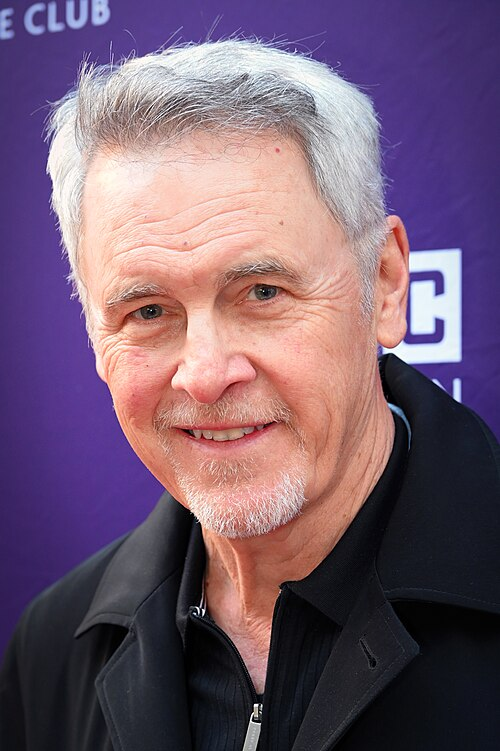
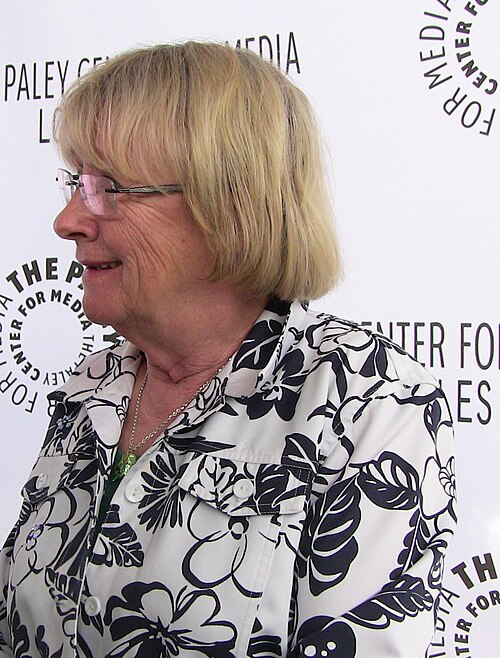
Emilia Clarke at San Diego Comic-Con in 2013

Emilia Clarke’s current religion is not clearly established in the public statements reviewed for this article. There is not enough verified evidence here to describe her as a practicing Christian or assign her another religious label. Her role as Daenerys Targaryen in Game of Thrones is a performance, and the character’s power, beliefs, and choices should not be treated as Clarke’s personal creed.

Clarke has spoken openly about gratitude, suffering, and helping others. Those subjects matter deeply, but they are not the same thing as a statement of Christian faith. A fair profile should preserve that distinction while taking her words seriously.

The person behind Daenerys

In her own 2019 essay for The New Yorker, Clarke described surviving two brain aneurysms, in 2011 and 2013. She expressed gratitude for the care she received and introduced SameYou, the charity she helped develop to support recovery after brain injury and stroke. Her account gives readers a glimpse of vulnerability behind a very powerful screen image.

There is no need to turn that experience into an invented conversion story. Surviving illness does not, by itself, tell an audience what someone believes about God. Nor should anyone claim to know why a particular person suffered. We can respect Clarke’s account, value those who cared for her, and recognize the importance of compassionate help.

When strength includes receiving help

Fame can create the impression that someone has everything under control. Ordinary life tells a different story. We depend on others for more than we often admit. A meal, a patient conversation, a nurse’s attention, or a friend’s presence can matter when our own strength is limited.

The Bible does not teach that asking for help makes a person less valuable. Every human life bears God’s image (Genesis 1:27). Christians are told to bear one another’s burdens (Galatians 6:2). That calls for practical kindness rather than easy explanations of another person’s pain. It also reminds us that human worth does not disappear when productivity, independence, or public success is interrupted.

These are biblical reflections on vulnerability, not claims about Clarke’s theology. An actor can raise thoughtful questions through a personal story without agreeing with every answer a Christian reader finds in Scripture.

Gratitude is precious, but it cannot erase guilt

Gratitude can change how we treat a day and the people in it. Yet Christianity asks another question alongside how thankful we feel: how can sinful people be right with a holy God? Even a generous life cannot undo wrong we have already done.

God’s Ten Commandments reveal His righteous standard. Have we always told the truth, honored God, refused envy, and loved others faithfully? Jesus taught that the heart matters too, addressing hateful anger and lust rather than only outward behavior (Matthew 5:21–28). We may look better than someone else and still fall short of God’s law.

Romans 3:23 includes all of us in that failure. Sin is not merely a lack of confidence or an unfortunate mistake. It is rebellion against the God who made us, and it deserves His just judgment. Good deeds, charitable giving, and a positive outlook cannot pay that debt. This is a universal human problem, not a judgment aimed at one actress.

Jesus entered our weakness without sharing our sin

The Gospel is good news because God has acted to save people who cannot save themselves. Jesus Christ is God’s eternal Son. He became truly human while remaining truly God. He knew the realities of human life, yet He never sinned. His perfect obedience was not a performance hiding a flawed heart.

Jesus willingly died on the cross as the substitute for sinners, bearing the judgment we deserve. He was buried and rose bodily from the dead on the third day (1 Corinthians 15:3–4). His resurrection means the Christian hope rests on the living Savior, not on a vague wish that things will somehow work out.

God offers forgiveness and eternal life by grace through faith in Christ. We do not earn salvation by becoming more impressive, giving enough, or proving our strength (Ephesians 2:8–9). Christ’s finished work is sufficient. The empty-handed person who trusts Him is not disqualified by having nothing to boast about.

A hope greater than the next chapter

Clarke’s story can prompt appreciation for life and compassion toward people whose struggles are unseen. It should also remind us to speak carefully about others. We cannot read her heart, and we should not pretend that a charitable project answers every question about her faith.

For the reader, the personal question remains: what are you trusting for peace with God? Acknowledge your sin honestly and place your faith in Jesus Christ alone—His death for sinners and His bodily resurrection. His promise is not that believers will avoid every illness or hardship. The Gospel offers forgiveness, reconciliation with God, and eternal life through the Savior who has already completed the work of salvation.

Sources and photo credit

Emilia Clarke, “A Battle for My Life,” The New Yorker (2019). Scripture: Genesis 1:27; Galatians 6:2; Matthew 5:21–28; Romans 3:23; 1 Corinthians 15:3–4; Ephesians 2:8–9.

Featured photo: Emilia Clarke at San Diego Comic-Con, 2013, by Gage Skidmore / Wikimedia Commons, CC BY-SA 3.0. Existing cropped version, resized.

What Is Peter Dinklage’s Religion? Is He a Christian?

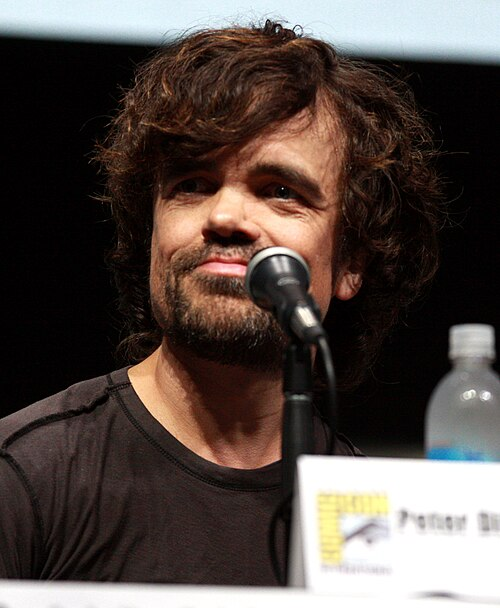
Peter Dinklage speaking at San Diego Comic-Con in 2013

Peter Dinklage’s current religious beliefs are not clearly confirmed in the primary interviews reviewed for this profile. It would be unfair to call him a Christian, an atheist, or a follower of another faith without a clear statement from him. His best-known character, Tyrion Lannister in Game of Thrones, has plenty to say about the world around him. Those lines belong to a fictional character, not to the actor’s personal testimony.

That distinction matters because a familiar face can feel like someone we know. We may have watched Dinklage for years, yet a performance cannot tell us what he believes about God, Jesus Christ, or life after death. Respect begins with being honest about that limit.

Peter Dinklage beyond Tyrion Lannister

Dinklage’s work invites viewers to see a person rather than a stereotype. In a 2019 interview with The New Yorker, he discussed refusing roles that reduced people with dwarfism to a narrow idea. He also described Cyrano as a story about the common fear of being unworthy of love. These comments help explain his approach to acting; they do not establish a religious affiliation. His role as Eitri in Avengers: Infinity War offers another example of his varied screen work.

There is a useful challenge here for an audience. Do we listen to a person, or decide who that person must be based on appearance? Do we value skill and thought, or turn someone’s body into a joke? We do not have to agree with every artistic choice to treat the artist and every other person with basic dignity.

Human worth is not a casting decision

The Bible gives human dignity a foundation deeper than fame, success, or public approval. Genesis 1:27 teaches that human beings are made in God’s image. That applies to the person on a screen and the neighbor who never receives applause. Physical appearance, height, income, and social standing do not decide how much a life is worth.

James 2 warns against favoritism. It is easy to admire a famous person while overlooking someone standing beside us. Biblical love asks us to move beyond that habit. We can show patience, speak truthfully, and refuse cruel humor. These are meaningful ways to treat people, but they also raise an uncomfortable question: have we consistently loved our neighbors as we should?

A clever defense cannot make us innocent

Tyrion often survives through words, arguments, and quick thinking. In real life, we also know how to explain ourselves. We remember the pressure we faced, compare ourselves with someone worse, and hope our good intentions settle the matter. Yet God’s standard is not whether we can make a persuasive defense.

The Ten Commandments reveal His holy law. They forbid lying, theft, adultery, coveting, and the worship of anything in God’s place. Jesus also addressed the heart behind outward behavior, including hateful anger and lust (Matthew 5:21–28). We cannot satisfy that standard by looking respectable or by pointing to another person’s failures.

Romans 3:23 says that all have sinned and fall short of God’s glory. This includes the writer, the reader, and every celebrity. Our guilt is real, and a holy God must judge sin justly. We deserve His judgment, not a reward for being interesting, talented, or relatively kind. Recognizing this is not a reason to mock anyone. It is a reason for humility.

The Savior who offers more than acceptance

The Christian message goes beyond telling us to feel better about ourselves. God’s eternal Son, Jesus Christ, became truly human without ceasing to be God. He lived the sinless life we have not lived. He loved the Father perfectly and always did what was right.

Jesus then willingly died on the cross as the substitute for sinners, bearing the judgment we deserve. He was buried, and on the third day He rose bodily from the dead (1 Corinthians 15:3–4). The resurrection is central to the Gospel. Christians are not merely following a memorable teacher; they trust the living Savior who defeated death.

Forgiveness is offered by God’s grace through faith in Christ, not earned by good works, religious effort, or personal achievement (Ephesians 2:8–9). A person cannot purchase peace with God through charity, public approval, or a more impressive life story. Jesus has finished the saving work. Those who trust Him receive forgiveness and eternal life because of what He has done.

An honest question for every reader

We cannot judge Peter Dinklage’s heart from a distance. We can appreciate his talent, describe what he has actually said, and leave unconfirmed beliefs unconfirmed. The question of our own standing before God is more immediate than a label attached to someone famous.

Have you acknowledged your sin before God, or are you relying on your own defense? You can come to Him honestly, admitting your guilt and trusting Jesus Christ alone—His death for sinners and His bodily resurrection. Salvation rests on Christ’s finished work, not on finding the right words or proving that you deserve love. That is good news for people whose lives receive applause and for people who feel unseen.

Sources and photo credit

Peter Dinklage’s 2019 interview with The New Yorker. Biblical references: Genesis 1:27; James 2:1–9; Matthew 5:21–28; Romans 3:23; 1 Corinthians 15:3–4; Ephesians 2:8–9.

Featured photo: Peter Dinklage at San Diego Comic-Con, 2013, by Gage Skidmore / Wikimedia Commons, CC BY-SA 3.0. Resized from the original.

What Is Alicia Silverstone’s Religion? Is She a Christian?

Portrait of Alicia Silverstone

Alicia Silverstone has publicly described a Jewish upbringing and a lasting connection with Jewish identity and spirituality. Those statements support speaking of her Jewish background rather than assigning her a Christian profession. They do not establish every detail of her present religious observance.

Silverstone appears in Bugonia, which began its U.S. theatrical release on October 24, 2025. Focus Features lists her among the cast of Yorgos Lanthimos’s film. That gives the well-known actress a movie credit within the past twelve months and a timely reason to examine her public comments about faith.

Was Alicia Silverstone raised Jewish?

Yes. In an interview preserved by 18Doors from the period of Love’s Labour’s Lost, Silverstone recalled a traditional Jewish household. She described Friday-night candles, Passover seders, Hebrew school, and positive memories of her bat mitzvah. These are her descriptions of childhood, not guesses based on her name or a character she played.

The interview also described her father’s Jewish background and her mother’s conversion to Judaism before their marriage. Silverstone spoke warmly about attending temple with her grandfather. Those family memories help explain the personal meaning of her heritage without requiring a writer to invent a more specific adult affiliation.

How has Alicia Silverstone described her spirituality?

In the same interview, Silverstone said Judaism had shaped who she was and that she lived a spiritual life. The article noted that she had not recently been observant, while also reporting her interest in revisiting temple as an adult. Both parts matter: attachment to a tradition and the extent of formal practice are not identical.

This is an older interview. It should not be turned into a claim that we know her present attendance habits or every belief she holds in 2026. A clear profile can report her words with respect while leaving unanswered questions unanswered. Heritage, practice, and doctrine each require their own evidence.

Is Alicia Silverstone a Christian?

The sources used here do not establish a public profession of faith in Jesus Christ. They document a Jewish upbringing and personal connection with Judaism. Those facts should be reported in their own right rather than treated as indirect evidence of a different religion.

Nor should one screen role decide the issue. Silverstone became widely known through Clueless, and she continues to work in films such as Bugonia. An actress’s relationship with a character is professional and creative. It does not require her to share the character’s religious identity, moral choices, or explanation of the world.

How should Christians discuss her Jewish identity?

With accuracy, gratitude for the Bible’s Jewish setting, and love for the person. Jesus, his apostles, and the earliest Christian community were Jewish. The Old Testament is part of the Christian Bible, and the New Testament describes Jesus in relation to God’s promises to Israel. Ignoring those roots makes Christian discussion less truthful.

Christians and Jewish people nevertheless differ over the identity of Jesus. The New Testament presents him as the Messiah and the risen Lord. Explaining that difference does not require caricaturing Jewish belief or assuming that every Jewish person holds the same views. Romans 11 warns Gentile Christians against pride, a warning that still applies.

Can spiritual identity or good works bring salvation?

The Bible values faithfulness, justice, and mercy. Micah 6:8 calls people to do justice, love kindness, and walk humbly with God. Yet the gospel also explains that good deeds cannot cancel guilt. Ephesians 2:8–10 places salvation by grace before the works that follow it.

This principle applies equally to people from Jewish, Christian, secular, and other backgrounds. No family name, religious ceremony, charitable act, or public reputation can replace a personal response to Christ. Christians should apply that message to themselves rather than use it to feel superior to someone else.

Silverstone’s public memories of family and faith offer a reason to think about what shapes a person’s life. The biblical question goes further: where is our hope of reconciliation with God? The Christian answer rests in Jesus and the grace he gives to sinners.

What is the gospel of Jesus Christ?

The Christian message begins with God, who made us and is holy, loving, and just. Every person has sinned and fallen short of his glory (Romans 3:23). Sin includes our actions, words, desires, and refusal to love God and our neighbors. It brings guilt, separates us from God, and deserves his judgment. Fame, good intentions, religious customs, and kind deeds cannot erase that guilt.

God did not leave sinners without hope. Jesus Christ, the eternal Son of God, became human and lived without sin. He willingly died on the cross for sinners, taking the judgment they deserved. He was buried and rose bodily from the dead on the third day (1 Corinthians 15:3–4). His resurrection shows his victory over sin and death. He is alive, and he calls people to come to him.

Forgiveness and eternal life are gifts of God’s grace, received through faith in Jesus rather than earned by works (Ephesians 2:8–10). To repent is to turn from sin toward God; to believe is to rely on Christ and what he has done. Neither a family background nor a public label can replace that trust. A changed life, including love, honesty, and good works, follows salvation as its fruit. It does not purchase it. This invitation is for ordinary readers and famous people alike.

How should readers understand this profile?

This article separates the person’s public statements from Famous Faith’s Bible commentary. Older interviews tell us what someone said at that time; they cannot settle every question about present beliefs. We do not know anyone’s heart or claim to decide whether a person is saved. Christians can evaluate public ideas by Scripture while speaking truthfully, respecting the person, and praying with humility. The same questions about sin, grace, and faith apply to us.

Photo credit

Featured portrait: LucaFazPhoto, via Wikimedia Commons, CC BY-SA 4.0. Resized and compressed for this page. The photograph does not imply the subject’s or photographer’s endorsement.

What Is Jenny McCarthy’s Religion? Is She a Christian?

Jenny McCarthy wearing a black blouse and headset at E3 in 2006

Jenny McCarthy has publicly identified herself as a Christian and a follower of Jesus Christ. In an October 2025 interview on The Skinny Confidential Him & Her Show, now called The Bossticks, she said, “I’m Christian. I’m a follower of Christ and God.” She also described herself as deeply spiritual. Those are her own words, rather than a religious label inferred from her career or surname.

McCarthy is familiar to many viewers as a television host, author, and panelist on The Masked Singer. A December 2025 Culture Apothecary interview also addressed her faith and relationship with Jesus. Her public comments give a useful starting point for asking what Christian faith means.

What has Jenny McCarthy said about her beliefs?

In the October interview, McCarthy distinguished her Christian identity from the word religious. She also mentioned spiritual teacher Aaron Abke and his The Jesus Way podcast. That reference is part of the context of her remarks; it does not establish that she agrees with every teaching associated with him.

The clearest answer to the title question is that McCarthy publicly professes Christian faith. That is different from having a complete account of her theology or current church membership. We can report her profession accurately while allowing God to judge the heart.

How does her Catholic background fit the picture?

McCarthy has discussed her Catholic upbringing for many years. Her 2012 book, Bad Habits: Confessions of a Recovering Catholic, was the subject of a CNN interview with Piers Morgan. That older title helps explain why some readers remember her mainly through questions about Catholicism.

However, an old book title should not replace a person’s more recent words. People may describe their religious background differently as they grow older. Her later identification with Christ is important evidence in its own right. It would also go beyond that evidence to confidently assign her a present denomination without a clear statement.

What is the difference between spirituality and following Jesus?

Spirituality can mean many things: a sense of purpose, gratitude, prayer, an interest in unseen realities, or a belief that life has deeper meaning. Christian faith has a specific center. It rests in Jesus Christ as He is revealed in Scripture.

That distinction matters for everyone, not only a public figure. A warm feeling about God is not the same as knowing who He is. Admiring Jesus as an inspiring teacher is not the same as trusting Him as the Savior who died for sins and rose from the dead. The object of faith matters more than how strongly we describe our spiritual feelings.

Acts 17:11 commends people who examined the Scriptures carefully. That is a helpful approach to any teacher, podcast, or personal impression. We can listen respectfully and still test what we hear against God’s Word. Popularity and sincerity are not substitutes for truth.

Why do religious people still need a Savior?

A person can grow up around church, learn prayers, and know religious customs while still needing forgiveness. Jesus’ conversation with Nicodemus in John 3 makes that clear. Nicodemus knew religious life well, yet Jesus spoke to him about the need for new birth.

God’s commandments show why the need is universal. Have we told lies, taken what did not belong to us, or coveted someone else’s possessions? Have we used God’s name carelessly or loved our own comfort more than Him? Jesus also addresses anger and lust in Matthew 5. God sees motives as well as actions.

Romans 3:23 says all have sinned and fall short of God’s glory. This includes the celebrity, the writer, and the reader. We cannot escape the truth by comparing ourselves with someone whose mistakes seem more visible. Our good deeds cannot erase a wrong already committed, and God’s justice cannot be purchased with a religious reputation.

What has Jesus done for sinners?

The good news begins with God’s love and His action on our behalf. Jesus Christ is the eternal Son of God who became truly human. He lived a completely sinless life, perfectly obeying the Father. He had no guilt of His own to cover.

Jesus willingly died on the cross for our sins, bearing the judgment we deserve. He was buried and rose bodily from the dead on the third day. First Corinthians 15:3–4 places His death, burial, and resurrection at the center of the Gospel. He did not merely show us how to feel more spiritual. He accomplished the rescue sinners need.

Ephesians 2:8–9 teaches that salvation is by grace through faith, not by works. Church membership, family tradition, charitable giving, and personal improvement cannot replace Christ’s finished work. Forgiveness is God’s gift, received through trusting the crucified and risen Savior.

Where does your own confidence rest?

McCarthy’s profession of faith gives us more than a reason to attach a label to a familiar face. It opens a personal question: what do we mean when we say we believe in Jesus? Are we resting in His saving work, or hoping that our intentions and efforts will be enough?

Acknowledge your sin honestly before God and trust Jesus Christ as your only Savior. His finished work is sufficient. Then open the Gospels and learn from His words and actions. We can appreciate a public figure speaking about Christ while remembering that Christian hope finally rests in Christ Himself, not in the fame of anyone who mentions His name.

Sources

Featured image: Jenny McCarthy at E3, May 10, 2006, photograph by Gamerscoreblog, via Wikimedia Commons, CC BY-SA 2.0. Wikimedia’s 500-pixel version; no additional changes.

Desperate Housewives: Secrets, Grace, and the Bible

Desperate Housewives television series logo

Desperate Housewives turns a tidy suburban street into a place where appearances rarely tell the whole story. Behind the houses and friendly greetings are marriages under strain, old wounds, hidden choices, and neighbors who need one another more than they first admit. Its mix of comedy, mystery, and domestic drama gives viewers plenty to discuss—and gives us a useful opening to consider truth, sin, mercy, and the hope offered in Jesus Christ.

This FamousFaith hub brings together 20 cast profiles. Each article begins with what can responsibly be said about the performer’s own beliefs. An actor’s religion is not determined by a character, and an uncertain public record stays uncertain. Use the portraits below to explore the people behind Wisteria Lane.

Appreciating the creativity behind Wisteria Lane

The ABC series ran from 2004 to 2012. Its distinctive approach joins ordinary household pressures to larger mysteries, while Mary Alice Young’s narration helps connect the stories. The ensemble’s timing lets a scene move from a sharp joke to a moment of loneliness or grief. That kind of storytelling depends on writers, actors, and many other people working together.

Creativity is a gift worth appreciating. A memorable performance can help us notice fears and contradictions we might overlook in ourselves. Appreciation does not require agreeing with every message a show presents. We can recognize skill while thinking carefully about what a story asks us to laugh at, excuse, or admire.

A perfect-looking life can still hide a troubled heart

One of the show’s strongest themes is the distance between a public appearance and a private reality. A beautiful home cannot guarantee a peaceful family. A polite smile can conceal anger. An impressive routine can become a way to avoid an uncomfortable truth. The suburb is fictional, but that temptation is familiar.

Scripture makes the point more deeply. First Samuel 16:7 teaches that God sees the heart. We may hide something from a neighbor, but we cannot hide it from Him. This should make us more honest about ourselves and less eager to assume that we understand someone else’s entire life from a glimpse.

The answer is not to replace a respectable image with public oversharing. It is to come honestly before God. He already knows our record, our motives, and the things we hoped nobody would notice.

Friendship and marriage need more than clever survival

Stories about neighbors can remind us of the good in shared burdens. Listening, bringing a meal, checking on someone who is isolated, and keeping a promise all have value. Jesus’ command to love our neighbors reaches beyond people whose lives look comfortable or whose choices are easy for us to understand.

The Bible also honors marriage and faithful love. At the same time, it rejects adultery, deceit, revenge, and treating another person as a means to our own happiness. A story may make a destructive choice seem glamorous, comic, or understandable. Understanding a temptation does not make yielding to it harmless.

Christians can watch with discernment: what consequences are shown, what wrongs are minimized, and what kind of love is being offered as the answer? These questions help us think instead of simply absorbing the mood of a scene. The series contains mature material; readers should use judgment about viewing it.

The narrator’s perspective is a storytelling device

Mary Alice’s narration gives the audience knowledge that the characters do not share. It works as a dramatic frame, but it is not a reliable guide to the afterlife. A fictional voice speaking after death should not become the basis for what we believe about eternity.

The Bible directs our hope to God’s revelation, not to an appealing television picture. Hebrews 9:27 speaks of death and judgment. That makes our relationship with God a present question. We need more than the hope that our story will sound sympathetic when someone else tells it.

God’s law exposes a need every neighbor shares

It is easy to spot wrongdoing in a dramatic plot and miss it in our own homes. The Ten Commandments bring the issue back to us. Have we lied, stolen, coveted, dishonored our parents, or used God’s name carelessly? Have we loved the Lord above our possessions, comfort, and reputation?

Jesus also addresses anger and lust in Matthew 5. Sin reaches beneath the surface of public behavior. Romans 3:23 says all have sinned and fall short of God’s glory. The reader, writer, and cast members all need mercy. We cannot earn innocence by comparing ourselves with a fictional villain, and good deeds cannot erase a guilty past.

Grace is more than another chance to manage the image

The Gospel is good news because God has provided a Savior. Jesus Christ is the eternal Son of God who became truly human. He lived without sin and perfectly obeyed the Father. He willingly died on the cross for our sins, bearing the judgment we deserve. He was buried and rose bodily from the dead on the third day.

Salvation is God’s gift by grace through faith, not a reward for our works (Ephesians 2:8–9). A religious family, a good reputation, or an improved routine cannot save us. Christ’s finished work is sufficient. You can acknowledge your sin before God and trust the crucified and risen Jesus as your only hope of forgiveness and eternal life.

That is a hope deeper than keeping a secret safe or finding a happier ending on Wisteria Lane. The living Savior offers real reconciliation with God. Explore the cast profiles below, and let the questions about other people’s beliefs lead you to consider your own response to Him.

Explore all 20 cast profiles

Teri Hatcher
Teri Hatcher
Susan Mayer / Delfino
Eva Longoria
Eva Longoria
Gabrielle Solis
Marcia Cross
Marcia Cross
Bree Van de Kamp / Hodge
Felicity Huffman
Felicity Huffman
Lynette Scavo
Nicollette Sheridan
Nicollette Sheridan
Edie Britt
Dana Delany
Dana Delany
Katherine Mayfair
Vanessa Williams
Vanessa Williams
Renee Perry
Brenda Strong
Brenda Strong
Mary Alice Young
James Denton
James Denton
Mike Delfino
Ricardo Antonio Chavira
Carlos Solis
Doug Savant
Doug Savant
Tom Scavo
Kyle MacLachlan
Kyle MacLachlan
Orson Hodge
Jesse Metcalfe
Jesse Metcalfe
John Rowland
Neal McDonough
Neal McDonough
Dave Williams
Mark Moses
Mark Moses
Paul Young
Steven Culp
Steven Culp
Rex Van de Kamp
Kathryn Joosten
Kathryn Joosten
Karen McCluskey
Alfre Woodard
Alfre Woodard
Betty Applewhite
Drea de Matteo
Drea de Matteo
Angie Bolen
Andrea Bowen
Andrea Bowen
Julie Mayer

Sources and image credits

Featured logo: ABC, via Wikimedia Commons. Public-domain text logo; trademarks belong to their respective owners. Used to identify the series; no affiliation or endorsement implied. Wikimedia’s web-sized version.

Cast portraits are reused from the linked FamousFaith profiles. Credits and licenses follow; no additional image-file changes were made for this gallery.

Marcia Cross

Photo: Kirk Weaver, Marcia Cross, April 2008, CC BY 3.0. Wikimedia Commons web-sized version.

Felicity Huffman

Photo: Angela George, Felicity Huffman at her Hollywood Walk of Fame ceremony, March 7, 2012, CC BY-SA 3.0. Portrait crop supplied by Wikimedia Commons.

Nicollette Sheridan

Photo: Pete Williams, Nicollette Sheridan, March 2008, CC BY-SA 2.0. Portrait crop supplied by Wikimedia Commons.

Dana Delany

Photo: Jonathan Ryan, Dana Delany at the Irish Awards, February 11, 2012, CC BY 2.0. Portrait crop supplied by Wikimedia Commons.

Vanessa Williams

Photo: Christopher Peterson, Vanessa Williams in Bryant Park, February 9, 2007, CC BY-SA 4.0. Portrait crop supplied by Wikimedia Commons.

Brenda Strong

Photo: iDominick, Brenda Strong at PaleyFest, March 10, 2013, CC BY-SA 2.0. Wikimedia Commons web-sized version.

James Denton

Photo: State Farm, James Denton at the 2014 Hero Dog Awards, CC BY 2.0. Wikimedia Commons portrait crop, web-sized version.

Doug Savant

Photo: Kristin Dos Santos, Doug Savant at PaleyFest, April 18, 2009, CC BY-SA 2.0. Wikimedia Commons web-sized version.

Kyle MacLachlan

Photo: Gage Skidmore, Kyle MacLachlan at San Diego Comic-Con, July 21, 2017, CC BY-SA 3.0. Wikimedia Commons web-sized version.

Jesse Metcalfe

Featured image: Jesse Metcalfe at PaleyFest 2013, photograph by iDominick, via Wikimedia Commons, CC BY-SA 2.0. Wikimedia’s 500-pixel version; no other changes.

Neal McDonough

Featured image: Neal McDonough, 2016, by Heroes & Villains, via Wikimedia Commons, CC BY-SA 2.0. Existing Commons crop, 500-pixel version; no additional changes.

Mark Moses

Featured image: Mark Moses, April 2026, by PhilipRomanoPhoto, via Wikimedia Commons, CC BY-SA 4.0. Wikimedia’s 500-pixel version; no other changes.

Steven Culp

Featured image: Steven Culp portrait accompanying the linked myFanbase interview. Source: myFanbase. Small source thumbnail used unchanged for identification; copyright remains with its respective owner.

Kathryn Joosten

Featured image: Kathryn Joosten at PaleyFest, 2009, by Kristin Dos Santos, via Wikimedia Commons, CC BY-SA 2.0. Wikimedia’s 500-pixel version; no other changes.

Alfre Woodard

Featured image: Alfre Woodard, 2019, Office of U.S. Representative Terri Sewell, via Wikimedia Commons. Public domain, U.S. Congress image. Existing Commons crop used unchanged.

Drea de Matteo

Featured image: Drea de Matteo, February 2015, credited to Gabbot on Wikimedia Commons (Flickr source: Tony Shek), CC BY-SA 2.0. Existing Commons image, 500-pixel version; no additional changes.

Andrea Bowen

Featured image: Andrea Bowen at the Annie Awards, photograph by John Mueller, commissioned for the Wikimedia Foundation, via Wikimedia Commons, CC BY 2.5. Used as supplied.

What Is Andrea Bowen’s Religion? Is She a Christian?

Portrait of Andrea Bowen

Andrea Bowen’s current religious beliefs are not clearly confirmed by the reliable public sources reviewed for this profile. There is not enough verified evidence here to confidently call her a Christian or assign her a denomination. A religious movie title or an unsupported online biography entry is not a substitute for her own statement of faith.

Bowen is known to Desperate Housewives fans as Julie Mayer, Susan’s daughter. Watching a young actress grow through a long-running series can create a strong sense of familiarity. That connection is understandable, but it does not mean viewers know her private convictions about God.

What Andrea Bowen has shared publicly

In a 2016 interview with Starry Constellation Magazine, Bowen spoke about her childhood Broadway work, moving back to New York after Desperate Housewives, and exploring different kinds of roles. She recognized that viewers felt they had watched her grow up during the series.

She also discussed an interest in portraying people facing difficult experiences. Those comments tell us something about her craft and her connection with an audience. They do not establish a present church affiliation. We should keep the distinction clear rather than write a religious story she has not publicly supplied.

Growing up in someone else’s living room

A television audience may carry an old image of a performer for years. The actor keeps growing, but the character remains available at the same age in a rerun. That gap can make it easy to confuse a person with the stage of life in which we first encountered them.

The Bible encourages us to treat people as more than an image we hold in our heads. Each person bears God’s image and deserves truthfulness and care. We should not assume that a familiar face means we understand someone’s present struggles, hopes, or beliefs.

This matters beyond celebrity profiles. Parents can struggle to see an adult child’s growth. Friends can keep someone trapped in a mistake from years ago. Good listening makes room for the person who is actually speaking today. Love is patient enough to learn rather than insisting that our old picture must be complete.

The responsible daughter is still a character

Julie’s place in the Desperate Housewives story can prompt reflection about family responsibility. Yet we should not attach the character’s virtues or failures to Bowen herself. An actress’s skill is precisely what makes a role feel convincing even when it is unlike her personal life.

For the reader, the broader question is how much weight we place on being the responsible one. Perhaps other people rely on us to stay calm, make good decisions, or keep a family problem from becoming visible. Those duties can be heavy. They can also become part of an identity we are afraid to lose.

Scripture values faithfulness, but it does not teach that dependable people have no need for grace. We can help others and still need help ourselves. We can carry responsibilities well and still have a guilty conscience before God. A reputation for maturity cannot become a Savior.

Even good reputations need the truth

God’s law reaches every person, including the one everyone thinks is doing fine. Have we lied, coveted, stolen, or used God’s name carelessly? Have we honored our parents and loved God above our own comfort? Jesus also speaks about the heart in Matthew 5, addressing anger and lust as serious moral matters.

Romans 3:23 says all have sinned and fall short of God’s glory. We do not have to create a dramatic public scandal to need forgiveness. Sin is real wrongdoing against the God who made us. His judgment is just, and our helpfulness cannot erase the wrong we have already done.

This truth should make us humble toward Bowen and toward each other. The Gospel is not a tool for religious readers to feel superior to performers. It is good news for guilty people who cannot rescue themselves, including the writer and the reader.

Jesus carries what our record cannot

Jesus Christ is the eternal Son of God who became truly human. He lived a completely sinless life, perfectly obeying the Father. He willingly died on the cross for our sins, bearing the judgment we deserve. He was buried and rose bodily from the dead on the third day.

His death and resurrection are the center of the Christian message (1 Corinthians 15:3–4). Salvation is by grace through faith, not earned by good works (Ephesians 2:8–9). Being responsible, religious, talented, or warmly remembered cannot take the place of Christ’s finished work.

So, is Andrea Bowen a Christian? The public evidence reviewed here does not settle that question. We can respect her work without pretending otherwise. For each of us, the invitation is personal: acknowledge your sin before God and trust the crucified and risen Jesus Christ as your only Savior. His grace gives a hope that does not depend on keeping up an image or always being the person who seems to have everything together.

Sources

Featured image: Andrea Bowen at the Annie Awards, photograph by John Mueller, commissioned for the Wikimedia Foundation, via Wikimedia Commons, CC BY 2.5. Used as supplied.

What Is Drea de Matteo’s Religion? Is She a Christian?

Portrait of Drea de Matteo

Drea de Matteo has described being raised Catholic. In her September 2025 appearance on Club Random with Bill Maher, she recalled childhood churchgoing and the social setting around it. That is evidence of a Catholic background. It does not automatically establish that she currently practices Catholicism or embraces every Christian teaching.

Desperate Housewives viewers know her as Angie Bolen, while many others first knew her as Adriana La Cerva on The Sopranos. Neither fictional character should be treated as a confession of the actress’s own faith. The better starting point is what she has said about her life.

A religious background and a present belief are different questions

In the podcast conversation, de Matteo discussed growing up around Catholic customs and recalled attending church as a young person. The exchange also touched on religion and spirituality more broadly. It was a conversational recollection, not a detailed statement of doctrine or a present church-membership announcement.

So, is Drea de Matteo a Christian? Her Catholic upbringing is publicly documented through her own account. The material reviewed here is not enough to confidently describe her current religious practice or personal understanding of salvation. We should keep that uncertainty clear and leave judgments about her heart to God.

When church is part of the neighborhood

For many people, religion first arrives through a calendar, a family gathering, or friends from the neighborhood. A church building may hold memories of music, celebrations, and people who made childhood feel familiar. Those memories can be important even when a person later asks difficult questions about faith.

It would be unfair to reduce someone’s whole spiritual life to a childhood anecdote. People grow, reconsider, and discover questions they did not know how to ask when they were young. A respectful conversation makes room for that complexity without inventing a conversion story.

The Bible also distinguishes religious surroundings from personal trust in God. In John 3, Jesus speaks with Nicodemus, a deeply religious man, about the need for new birth. Knowledge of religious life did not make that conversation unnecessary. It made Jesus’ challenge especially striking.

Faith asks more than whether we once belonged

We may know the prayers, recognize the hymns, or remember which seat our family always used. Yet familiarity is not the same as reconciliation with God. Christianity is not an inherited membership in the family’s social circle. Each person needs the Savior.

That truth applies equally to someone with a Catholic background, an evangelical upbringing, or no religious childhood at all. No one stands before God on the strength of a parent’s faith. Nor does disappointment with a religious institution erase the question of who Jesus is.

A useful next step is to read the Gospels directly. Listen to what Christ says about Himself, sin, forgiveness, and eternal life. An honest investigation need not begin with a claim that every church experience was good. It can begin with the question of whether the living Savior is trustworthy.

The problem is deeper than a religious label

God’s commandments show why every one of us needs mercy. Have we lied, stolen, coveted, or used His name without reverence? Have we loved God above our comfort and popularity? Jesus also addresses anger and lust in Matthew 5. Outward conformity cannot conceal what is happening in the heart.

Romans 3:23 says that all have sinned and fall short of God’s glory. This is not a special verdict aimed at an actress. It includes the reader and the writer. We cannot escape accountability by pointing to someone else’s choices, and we cannot purchase innocence with a later good deed.

God is loving and just. His judgment is not an empty threat, and forgiveness is more than deciding our wrongdoing was unimportant. We need a rescue that deals truthfully with sin while offering real hope to the guilty.

Jesus provides the rescue

Jesus Christ is the eternal Son of God who became truly human. He lived the sinless life we have not lived, perfectly obeying the Father. He willingly died on the cross for our sins, bearing the judgment we deserve. He was buried and rose bodily from the dead on the third day.

That is the heart of the Gospel: Christ has accomplished what sinners cannot accomplish for themselves. Ephesians 2:8–9 teaches that salvation is by grace through faith, not by works. Family tradition, religious ceremonies, personal independence, and a good reputation cannot take the place of His finished work.

We can describe de Matteo’s Catholic background accurately without pretending it settles her present faith. The personal question for each reader is where your own confidence rests. Acknowledge your sin before God and trust the crucified and risen Jesus Christ as your only Savior. His grace is not inherited through a neighborhood or earned through religious performance. It is freely offered to people who need forgiveness.

Sources

Featured image: Drea de Matteo, February 2015, credited to Gabbot on Wikimedia Commons (Flickr source: Tony Shek), CC BY-SA 2.0. Existing Commons image, 500-pixel version; no additional changes.

What Is Alfre Woodard’s Religion? Is She a Christian?

Portrait of Alfre Woodard

Alfre Woodard practices Christian Science. AARP’s May 2026 profile reports that prayer and that faith have helped ground her, and that she has followed it since college. This gives a clearer answer than guessing from her roles or her school background. Christian Science is also distinct from Scientology; the similar names should not be confused.

For Desperate Housewives viewers, Woodard is Betty Applewhite. Her work brings complicated people to life, but her character is not a statement of the actress’s religion. Her own reported faith deserves to be described accurately before comparing beliefs with the Bible.

Is Christian Science the same as historic Christian belief?

Christian Science calls itself Christian and uses the Bible. Its official statement of beliefs also uses terms such as Christ, atonement, and resurrection. However, familiar words can carry different meanings. Its published tenets describe spiritual understanding casting out evil as unreal and connect resurrection with an understanding of Spirit and the nothingness of matter.

Those teachings differ from the understanding of sin, Christ’s saving death, and bodily resurrection presented here at FamousFaith. We can explain that difference respectfully. Reporting Woodard’s affiliation is not the same as claiming to know every detail of her personal theology or passing judgment on her heart.

Why the meaning of words matters

When someone asks whether a person is a Christian, a one-word label may hide the very question they want answered. Do we mean a family tradition, a church name, an admiration for Jesus, or trust in the Savior described in Scripture? It helps to slow down and ask what is actually being affirmed.

This is not a rule designed only for an unfamiliar group. Every reader should examine the meaning of his or her own religious language. We can say grace while secretly believing we must earn God’s acceptance. We can call Jesus Lord while treating our own preferences as the final authority. Clear words help us face those inconsistencies.

Acts 17:11 commends careful examination of Scripture. Respectful listening and careful testing belong together. We do not have to ridicule a person to disagree with a doctrine, and kindness does not require pretending that important differences disappear.

Sin is a real moral problem

The Bible describes sin as actual wrongdoing against a holy God. We need more than a change in the way we think about evil. A lie can harm someone. Theft deprives a neighbor of what is theirs. Betrayal wounds a family. God sees those wrongs, and He also sees the motives we try to conceal.

The Ten Commandments bring the issue close. Have we always told the truth? Honored God’s name? Refused covetousness? Loved God above our possessions and ambitions? Jesus also addresses anger and lust in the heart in Matthew 5. Our need for forgiveness does not begin only when something becomes a public scandal.

Romans 3:23 says all have sinned and fall short of God’s glory. That includes religious readers, celebrities, and the person writing this article. We cannot dismiss guilt as someone else’s problem. God’s judgment is just, and our good deeds cannot erase the sins already on our record.

The real Savior and His finished work

Jesus Christ is the eternal Son of God who became truly human. John 1:14 teaches that the Word became flesh. Jesus lived a sinless life, perfectly obeying the Father. His human life and His saving work were not appearances that only seemed physical.

Jesus willingly died on the cross for our sins, bearing the judgment we deserve. He was buried and rose bodily from the dead on the third day. In Luke 24:39, the risen Jesus directs His disciples’ attention to His hands and feet. His resurrection is central to the Gospel, not merely a symbol for a new spiritual outlook.

First Corinthians 15:3–4 places Christ’s death for sins, burial, and resurrection at the heart of Christian proclamation. The hope offered is a real rescue accomplished by the living Savior. God does not ask guilty people to save themselves by finding enough insight or developing an impressive religious record.

Grace is received, not achieved

Ephesians 2:8–9 teaches that salvation is by grace through faith, not by works. A church label cannot save us. Neither can artistic excellence, public respect, disciplined prayer, or a long history of religious interest. Our confidence must rest in Christ and what He has done.

So, what is Alfre Woodard’s religion? The public evidence identifies Christian Science. Is that identical to the historic Christian Gospel explained here? There are significant doctrinal differences, and an honest profile should not blur them. Yet the invitation of the Gospel is personal for every one of us.

Acknowledge your sin before God. Trust Jesus Christ—His death for sinners and His bodily resurrection—as your only hope of forgiveness and eternal life. Open the Gospels and examine what Jesus says about Himself. The foundation of Christian assurance is His finished work, freely offered to people who need mercy.

Sources

Featured image: Alfre Woodard, 2019, Office of U.S. Representative Terri Sewell, via Wikimedia Commons. Public domain, U.S. Congress image. Existing Commons crop used unchanged.

What Was Kathryn Joosten’s Religion? Was She a Christian?

Portrait of Kathryn Joosten

Kathryn Joosten’s personal religion is not clearly established by the reliable sources reviewed for this profile. Her public career and interviews are well documented, but they do not provide enough verified evidence here to say that she was a Christian or belonged to a particular denomination. Remembering someone respectfully includes being honest about what we do not know.

Joosten, who died in 2012, is remembered as Karen McCluskey on Desperate Housewives and Mrs. Landingham on The West Wing. The spiritual questions raised in a television story do not settle the faith of the actress who helped tell it.

A memorable career that began later

The Television Academy’s oral-history interview describes Joosten beginning her acting career at 42 after working as a psychiatric nurse. She went on to win two Emmys for Desperate Housewives. Her interview preserves her humor, determination, and love for the work.

Those facts are worth appreciating without adding a religious conclusion they do not support. Neither a role associated with a moral voice nor a moving scene about death is a personal profession of Christian belief. Her career tells us what she accomplished as a performer; her standing before God belongs to God.

When it feels too late to begin

A later start can challenge the quiet assumption that a person’s useful years are already behind them. People may feel that way after raising children, leaving a long job, or facing a disappointment. Another person’s willingness to begin something new can remind us that learning and service are not reserved for the young.

From a biblical perspective, human worth never depends on the age at which an audience discovers us. God made people in His image. An unknown caregiver, an older neighbor, and an award-winning actress all deserve dignity. A life does not become valuable only when it becomes visible.

That also changes how we think about ordinary opportunities. A kind conversation, patient care for a family member, or a truthful word may never become part of an impressive biography. Yet loving a neighbor is worthwhile even when nobody records it. We do not need celebrity to make faithfulness matter.

What can a legacy actually carry?

Joosten’s work continues to reach viewers, but remembering a performer naturally brings us to a larger question. What remains when a life ends? A reputation can influence others. A story can make us laugh or think. Neither can answer for our guilt before the God who gave us life.

Hebrews 9:27 speaks of death and judgment. This is not an invitation to speculate about Joosten’s eternal destiny. It is a sober reminder for the living. We should not postpone the question of peace with God as though time were ours to guarantee.

It can be tempting to assume that being warmly remembered is enough. Scripture gives a different standard. God knows the whole person, including things no admirer ever saw. His judgment is perfectly truthful. We need more than a good obituary or a collection of grateful memories.

God’s commandments include all of us

The Ten Commandments reveal what holiness requires. Have we lied, stolen, coveted, dishonored our parents, or treated God’s name carelessly? Have we loved the Lord above our ambitions and comfort? Jesus also speaks about anger and lust in Matthew 5, bringing the question beneath our outward behavior.

Romans 3:23 says that all have sinned and fall short of God’s glory. That includes us as we read and write about other people. We are not qualified to congratulate ourselves for avoiding another person’s mistakes. We need God’s mercy for our own.

Good deeds matter to the people they help, but they cannot erase a sin already committed. A holy Judge cannot be bribed with our achievements. The law shows our need; it cannot become a ladder by which imperfect people climb into perfection.

The Savior’s work is already complete

God has provided the rescue we cannot provide for ourselves. Jesus Christ is the eternal Son of God who became truly human. He lived a sinless life, perfectly obeying the Father. He then willingly died on the cross for our sins, bearing the judgment sinners deserve.

Jesus was buried and rose bodily from the dead on the third day. His resurrection is the basis of Christian hope beyond the grave. It is more than the thought that someone lives on in our memory. The living Christ has conquered death.

Ephesians 2:8–9 teaches that salvation is a gift by grace through faith, not a reward for good works. You cannot earn forgiveness by starting a better chapter, however meaningful that chapter may be. You can acknowledge your sin before God and trust Jesus Christ and His finished work as your only hope.

We can remember Kathryn Joosten’s talent with gratitude and leave unanswered claims about her personal faith unanswered. For us, the invitation remains open today: come honestly to the Savior who gives eternal life. His welcome rests on grace, not on how early we succeeded or how long the applause lasted.

Sources

Featured image: Kathryn Joosten at PaleyFest, 2009, by Kristin Dos Santos, via Wikimedia Commons, CC BY-SA 2.0. Wikimedia’s 500-pixel version; no other changes.

What Is Amanda Seyfried’s Religion? Is She a Christian?

Portrait of Amanda Seyfried

Amanda Seyfried has publicly described herself as agnostic rather than religious. Her comments distinguish a Christian upbringing from her adult spiritual outlook. They also show why portraying a religious leader should not be presented as evidence that an actress has adopted the leader’s beliefs.

Seyfried stars with Sydney Sweeney in The Housemaid, released December 19, 2025. She has also discussed the spiritual demands of portraying Ann Lee in The Testament of Ann Lee. Those roles create timely questions about the difference between performance and personal faith.

What has Amanda Seyfried said about her religion?

In a 2025 Vanity Fair interview, Seyfried said she grew up attending the United Church of Christ and was confirmed. As an adult, she identified as agnostic, described nature as her higher power, and associated spiritual peace with woods and animals. She also recognized positive roles religion can play in people’s lives.

Is Amanda Seyfried a Christian today?

The cited description is not a profession of Christian faith. It should nevertheless be reported as her own account, with its date, rather than expanded into claims about everything she believes now. A public interview can clarify an outlook without revealing a person’s whole inner life.

Childhood participation in a church is different from an adult confession of trust in Jesus. The Bible itself calls people to respond personally to Christ. Parents, pastors, and religious instruction can introduce the message, but they cannot believe on another person’s behalf.

Does portraying Ann Lee make Seyfried a Shaker?

No. In her W interview, Seyfried discusses approaching the character and the sense of connection among people. Her work involves understanding a religious subject as an actress. It is not an announcement that she joined the movement she portrays.

This matters when a performance feels deeply convincing. An actor may communicate devotion, certainty, or grief in ways that move an audience. The emotional force of the scene does not prove agreement with the character’s theology. A viewer should distinguish an artistic accomplishment from a statement of belief.

How does the Bible compare with spirituality in nature?

Psalm 19 describes the heavens declaring God’s glory. Christians can recognize beauty, wonder, and peace in the natural world. Trees, animals, mountains, and the night sky can remind us that our lives are part of something larger than our immediate concerns.

The Bible also makes a distinction between creation and Creator. In Acts 17, God is the one who made the world and gives life to it. Nature displays his handiwork, but it is not identical with God. That distinction affects worship: Christian faith directs gratitude toward the Maker rather than treating the created world as the final source of meaning.

What does Christianity say about uncertainty?

Christianity invites examination of specific claims. The apostles did not merely report that faith made them feel peaceful. They announced that Jesus died, was buried, and rose again. Paul treats the resurrection as essential in 1 Corinthians 15. If it did not happen, the Christian message fails at its center.

That makes the question more concrete than whether religion has useful effects. A belief can comfort someone and still require examination. The gospel asks whether Jesus is the risen Son of God and whether we will entrust ourselves to him.

How should Christians speak about Seyfried’s comments?

They can disagree with an idea while respecting the speaker. First Peter 3:15 joins a reasoned answer with gentleness and respect. Mockery is not an argument, and an invented conversion story is not encouragement.

The goal is to give a clear account of Christ, not to win a contest over celebrity labels. Readers who identify with spiritual interest and uncertainty can begin by reading a Gospel and considering what Jesus actually teaches about God, human need, and eternal life.

What is the gospel of Jesus Christ?

The Christian message begins with God, who made us and is holy, loving, and just. Every person has sinned and fallen short of his glory (Romans 3:23). Sin includes our actions, words, desires, and refusal to love God and our neighbors. It brings guilt, separates us from God, and deserves his judgment. Fame, good intentions, religious customs, and kind deeds cannot erase that guilt.

God did not leave sinners without hope. Jesus Christ, the eternal Son of God, became human and lived without sin. He willingly died on the cross for sinners, taking the judgment they deserved. He was buried and rose bodily from the dead on the third day (1 Corinthians 15:3–4). His resurrection shows his victory over sin and death. He is alive, and he calls people to come to him.

Forgiveness and eternal life are gifts of God’s grace, received through faith in Jesus rather than earned by works (Ephesians 2:8–10). To repent is to turn from sin toward God; to believe is to rely on Christ and what he has done. Neither a family background nor a public label can replace that trust. A changed life, including love, honesty, and good works, follows salvation as its fruit. It does not purchase it. This invitation is for ordinary readers and famous people alike.

How should readers understand this profile?

This article separates the person’s public statements from Famous Faith’s Bible commentary. Older interviews tell us what someone said at that time; they cannot settle every question about present beliefs. We do not know anyone’s heart or claim to decide whether a person is saved. Christians can evaluate public ideas by Scripture while speaking truthfully, respecting the person, and praying with humility. The same questions about sin, grace, and faith apply to us.

Photo credit

Featured portrait: Sara Komatsu / WikiPortraits, via Wikimedia Commons, CC BY-SA 4.0. Resized and compressed for this page. Use of the photograph does not imply endorsement of this article.