
What Is Steven Culp’s Religion? Is He a Christian?

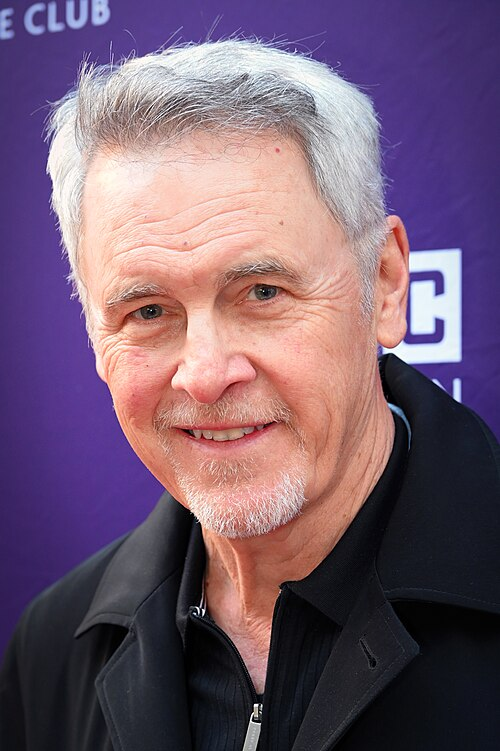
Portrait of Steven Culp

Steven Culp’s current religion is not clearly confirmed by the reliable public sources reviewed for this article. There is not enough verified evidence here to identify him as a Christian or assign him a denomination. A careful answer should say so rather than turn an unsourced biography label into a fact.

Culp is familiar to Desperate Housewives viewers as Rex Van de Kamp. He has also portrayed Robert F. Kennedy in Thirteen Days and Edward Truman in Revolution. Religious ideas or moral choices connected with those characters belong to their stories. They do not automatically describe the actor.

The person behind a convincing performance

In a 2014 myFanbase interview, Culp described preparing for a role and then discovering new things while acting with others. He explained that a character may develop differently as scripts arrive and scenes take shape. His discussion offers a useful reminder: a performance is carefully made through imagination and collaboration.

The interview does not establish his religious affiliation. That absence is not proof that he is an atheist, either. It simply limits what this profile can responsibly claim. We can admire his skill while allowing his private beliefs to remain private unless he chooses to explain them publicly.

When appearances make us too certain

Some performers make authority look effortless. A few lines, a steady voice, and the right expression persuade us that we are watching a doctor, a government official, or a person who has everything under control. We recognize that ability as acting when a show ends. In daily life, however, we are often less careful about appearances.

We may assume that a confident person knows the truth, that an anxious person has little faith, or that someone with a respectable home has no serious struggles. Those shortcuts can be unfair. First Samuel 16:7 reminds us that people look at outward appearance while the Lord sees the heart.

This should make Christians humble when discussing celebrities and when speaking with a neighbor. We do not need to invent what we cannot know. Truthfulness includes admitting the limits of our information. A quiet admission of uncertainty can honor God more than a dramatic claim that happens to be wrong.

What we do know about the human heart

Although we cannot see Culp’s heart, Scripture tells us something about our own. We are accountable to a holy God. We have not loved Him perfectly, and we have not consistently loved the people He made. Our problem reaches beyond misunderstandings or a need for better information.

Consider the Ten Commandments. Have we told a lie when the truth would cost us? Taken something that belonged to another person? Coveted a success we wished were ours? Used God’s name without reverence? Jesus’ teaching in Matthew 5 also addresses anger and lust. An outwardly respectable life can still hide sin.

Romans 3:23 says all have sinned and fall short of God’s glory. The standard is God’s holiness, not our ability to seem convincing. We cannot rehearse a defense that makes Him forget the truth. His judgment is just, and our guilt cannot be erased by a well-chosen image or a generous act performed afterward.

The Savior who needed no disguise

The Bible’s good news begins with what God has done for people who cannot save themselves. Jesus Christ is the eternal Son of God who became truly human. He lived without sin. His goodness was not a performance. He perfectly obeyed the Father in public and in private.

Jesus willingly went to the cross and died for our sins, bearing the judgment we deserve. He was buried and rose bodily from the dead on the third day. The Gospel rests on His finished work, not on the hope that human effort will eventually become good enough. First Corinthians 15:3–4 places His death and resurrection at the center of the message.

Salvation is God’s gift by grace through faith, not a payment earned by good works (Ephesians 2:8–9). Church attendance, a religious family, professional success, and kindness cannot replace the Savior. Those who trust Christ are accepted because of Him, not because they have learned to hide their flaws.

An honest answer and a personal invitation

So, is Steven Culp a Christian? The public evidence reviewed here does not settle that question. We should avoid treating a dramatic role, a familiar name, or an online guess as a profession of faith. His work can still prompt worthwhile reflection about the difference between what appears true and what is true.

The question that comes home to each reader is simpler: are you trusting your own record, or are you trusting Jesus Christ? Acknowledge your sin before God. Rest your hope in the crucified and risen Savior and His finished work. You do not need to construct a character God will admire. You can come honestly as a sinner who needs the grace He offers.

Sources

Featured image: Steven Culp portrait accompanying the linked myFanbase interview. Source: myFanbase. Small source thumbnail used unchanged for identification; copyright remains with its respective owner.

What Is Mark Moses’s Religion? Is He a Christian?

Portrait of Mark Moses

Mark Moses’s present religious affiliation is not clearly established in the reliable public material reviewed for this profile. His surname is not evidence that he practices Judaism or Christianity, and the beliefs of a character he plays cannot answer the question. The honest answer is that we do not have enough verified information to label him a Christian.

Viewers remember Moses as Paul Young on Desperate Housewives and Duck Phillips on Mad Men. Those performances show his ability to create complicated people. They do not give an audience access to his private convictions about God.

What his own interview actually tells us

In a 2025 Hollywood Soapbox interview about the play Still, Moses discussed acting, relationships, and the way people remember their past differently. He specifically distinguished himself from the character he played, even though both shared the name Mark. He also reflected on discovering an old letter that corrected his memory of when he knew he wanted to marry his wife.

That interview offers a thoughtful glimpse of his outlook and craft. It does not provide a religious profession. We can appreciate what he actually said without adding an unsupported faith story. Public uncertainty also does not prove that someone has no faith.

The stories we tell about ourselves

Memory can be a wonderful gift. A song brings back a friendship. A photograph recalls a family celebration. Yet our memories can also protect us from truths we would rather not face. We remember our good intentions clearly and someone else’s harsh words in detail. Our own contribution to a broken relationship can become strangely faint.

That is a human issue, not an accusation about Moses. His discussion of memory provides a useful doorway into a question for all of us: is the story I tell about myself the whole truth? When we become the editor and the judge of our own record, we usually know which scenes we prefer to leave out.

Psalm 139 describes a God who knows us completely. We do not have to explain the missing details to Him. He sees our thoughts and our ways. That knowledge can feel uncomfortable, but it also means we do not need to maintain a fictional version of ourselves in His presence.

God’s law gives a reliable measure

The Bible gives us something firmer than a favorable memory. God’s commandments show what love for Him and our neighbor requires. They address lying, stealing, adultery, coveting, honoring parents, and the worship God alone deserves. They also challenge the idea that outward respectability is the same thing as innocence.

Have you ever told a lie to escape an awkward consequence? Desired what belonged to someone else? Treated God’s name as an empty expression? Jesus teaches in Matthew 5 that the heart matters too. Anger and lust reveal a deeper problem than the public acts we are willing to admit.

Romans 3:23 says everyone has sinned and falls short of God’s glory. We cannot solve that by editing our recollection or comparing ourselves with a television villain. God judges truly. His justice is not confused by our excuses, and a good chapter later in life does not erase the wrong we have already done.

A truthful confession meets real grace

The Gospel does not tell us to invent a better personal story. It tells us what God has done in history. Jesus Christ, the eternal Son of God, became truly human. He lived a sinless life, perfectly loving and obeying the Father. He had no hidden moral debt to cover.

Jesus willingly died on the cross for sinners, bearing the judgment our sins deserve. He was buried and rose bodily from the dead on the third day. His resurrection is not a metaphor for remembering life more positively. It is God’s victory over death through the living Savior.

Because of Christ’s finished work, forgiveness can be both just and merciful. God does not pretend sin never mattered. The price was borne by His Son. Ephesians 2:8–9 teaches that salvation is by grace through faith, not by works. Our achievements and our polished explanations cannot purchase it.

More than a name or a role

A religious-sounding name cannot make someone right with God. Neither can playing a good person, avoiding a bad reputation, or being admired by an audience. Christian faith rests in Jesus Himself. He is the Savior, and we are the people who need saving.

We should leave Mark Moses’s unconfirmed religious identity unconfirmed. The more personal question is whether you are ready to be honest with the God who already knows you. Acknowledge your sin and trust the death and resurrection of Jesus Christ as your only hope of forgiveness. You do not need to persuade Him that your record is spotless. You need the mercy He freely offers through His Son.

Sources

Featured image: Mark Moses, April 2026, by PhilipRomanoPhoto, via Wikimedia Commons, CC BY-SA 4.0. Wikimedia’s 500-pixel version; no other changes.

What Is Neal McDonough’s Religion? Is He a Christian?

Portrait of Neal McDonough

Neal McDonough openly identifies with the Catholic faith. In a 2023 interview reported by Faithwire, he spoke about gratitude to God, his marriage, his children, and the boundaries he sets in his acting work. Unlike a religion label guessed from a surname or a screen role, this is based on his own public discussion of faith.

Desperate Housewives viewers know him as Dave Williams. His television work also includes Damien Darhk in Arrow. The darkness of that fictional storyline should not be confused with the actor’s personal convictions. McDonough has often played villains while speaking positively about God and his family away from the camera.

Faith, marriage, and a professional boundary

McDonough has explained that he declines sex scenes and on-screen kissing with other performers. In the Faithwire interview, he linked his outlook to appreciation for his wife, Ruve, and the life God has given him. He also discussed teaching his children to work hard. These are public statements about his priorities, not merely assumptions drawn from his work in religious films.

Is Neal McDonough a Christian? He has publicly identified with Catholic belief and spoken about faith in God. A Catholic label alone does not establish what he personally trusts for salvation. We can report that clearly while remembering that no writer can see another person’s heart or issue God’s verdict about his salvation.

Why a conscience matters when a career is at stake

Many people never face a Hollywood casting decision, but nearly everyone faces pressure to cross a line. A supervisor may reward dishonesty. Friends may make faithfulness look foolish. The temptation is to say that one compromise will buy enough security to make everything easier later.

The Bible treats faithfulness in marriage as good and serious. Hebrews 13:4 honors marriage, and Jesus speaks about the heart’s desires as well as outward behavior. Loving a spouse involves more than avoiding a headline. It includes truthfulness, patience, sacrifice, and attention when nobody is applauding.

A person may reasonably appreciate McDonough’s willingness to state his boundaries without assuming that every Christian must make identical professional decisions in every situation. A conscience should be trained by Scripture. It should not become a tool for boasting that we are better than our neighbors.

A good boundary cannot erase a guilty past

Here is where a conversation about values must reach a deeper question. Can a strong marriage, a firm conscience, or a courageous decision make us right with God? Those things can be good gifts, but they cannot pay for sin. God is holy. He does not measure us only against the worst behavior we can find in someone else.

The Ten Commandments address our worship, speech, honesty, desires, and relationships. Have we always loved God above everything? Have we lied, coveted, stolen, or misused His name? Have we honored others with our thoughts as well as our actions? Jesus’ teaching in Matthew 5 exposes anger and lust beneath a respectable surface.

Romans 3:23 says all have sinned and fall short of God’s glory. That truth includes religious people and people who have never entered a church. Our failures are not balanced away by a later accomplishment. God’s justice is real, and we need forgiveness that rests on something stronger than our record.

Jesus is the foundation of Christian hope

The good news is that God has acted for sinners. Jesus Christ is the eternal Son of God who became truly human. He lived without sin, perfectly loving the Father and fulfilling the law we have broken. His obedience was complete, not a polished public image covering private rebellion.

Jesus willingly died on the cross for our sins. He bore the judgment sinners deserve, was buried, and rose bodily from the dead on the third day. His victory is the foundation of the Gospel. Christianity centers on this living Savior, not simply on admirable family values or encouragement to try harder.

Ephesians 2:8–9 teaches that we are saved by grace through faith, not by works. Titus 3:5 also points away from our righteous deeds as the cause of salvation and toward God’s mercy. Religious identity, generous giving, moral boundaries, and years of effort cannot replace Christ’s finished work. Forgiveness is a gift received through faith in Him.

Faithfulness grows from grace

This does not make obedience unimportant. Ephesians 2:10 describes believers as created in Christ for good works. The order matters: good works are the fruit of salvation, not the price of admission. We can honor a marriage and work honestly from gratitude instead of trying to assemble enough evidence to force God to accept us.

McDonough’s public faith invites a useful personal question: am I resting in Jesus, or am I resting in the strength of my principles? Acknowledge your sin before God and trust the crucified and risen Christ as your only Savior. His finished work is sufficient. Then let His Word shape your choices, including the quiet commitments at home that may never make an entertainment headline.

Sources

Featured image: Neal McDonough, 2016, by Heroes & Villains, via Wikimedia Commons, CC BY-SA 2.0. Existing Commons crop, 500-pixel version; no additional changes.

What Is Jesse Metcalfe’s Religion? Is He a Christian?

Portrait of Jesse Metcalfe

Jesse Metcalfe has spoken publicly about a faith that became more important as he grew older. In a 2023 interview with Faithwire, he described a stronger connection to God and said life can humble people into looking beyond their own problems. That is real evidence of personal spiritual belief. It does not, by itself, establish a particular denomination or answer every question about what he believes about Jesus.

Fans of Desperate Housewives remember Metcalfe as John Rowland. A fictional character’s choices do not tell us the actor’s convictions. His own words are the better starting point for a fair conversation about his religion.

What Jesse Metcalfe has said about faith

Discussing On a Wing and a Prayer, Metcalfe connected faith with humility, honesty, and the need for something greater than ourselves. He also welcomed the growth of inspirational entertainment. His language in that interview included a higher power and a connection to God. We should preserve those distinctions rather than turn a brief interview into a complete Christian testimony.

So, is Jesse Metcalfe a Christian? He has publicly discussed faith in God and worked in Christian films. The source linked below does not give enough detail to confidently describe his present church membership or full understanding of salvation. Only God knows his heart.

When confidence reaches its limit

Metcalfe’s comments raise a question many people recognize: what do we do when our own strength is not enough? Confidence can help someone face a difficult assignment. Talent can open a door. Neither can give us control over every outcome, and neither can settle the deeper question of our standing before God.

The Bible does not ask us to pretend we are helpless at everything. People can learn, work, create, and help their neighbors. Those gifts matter. Yet a capable person still needs mercy. Our greatest problem is not that we have failed to believe in ourselves strongly enough. It is that we have sinned against a holy God.

Proverbs 3:5–6 calls us to trust the Lord rather than make our own understanding the final authority. That changes the direction of faith. Instead of asking God to support whatever story we have written for ourselves, we listen to what He has revealed.

Honesty before God goes deeper than a public image

Honesty is refreshing in a world where people carefully manage what others see. Scripture brings that honesty into the presence of God. He knows the thoughts we never posted, the words we wish we could retrieve, and the motives beneath our best-looking actions.

The Ten Commandments give us a clear measure. Have we lied? Taken something that was not ours? Used God’s name carelessly? Coveted another person’s life or possessions? Jesus also addressed lust and anger in the heart in Matthew 5. Sin is more than a list of public scandals. It reaches ordinary people in ordinary rooms.

Romans 3:23 says that all have sinned and fall short of God’s glory. That includes the person reading, the person writing, and the celebrity being discussed. This is not a reason to look down on Metcalfe. It is a reason to stop making comparisons and face our own need. A better reputation cannot erase guilt, and God’s judgment is not a popularity vote.

The hope is a Savior, not stronger self-belief

God’s answer is Jesus Christ, His eternal Son, who became truly human. Jesus lived the sinless life we have not lived. He loved the Father perfectly and never broke God’s law. He did not merely offer advice about surviving a hard season. He came to rescue sinners.

On the cross, Jesus willingly died for our sins, bearing the judgment we deserve. He was buried and rose bodily from the dead on the third day. His resurrection means the Gospel is not simply a moving story about determination. The living Christ has conquered death and offers forgiveness and eternal life.

Ephesians 2:8–9 teaches that salvation is by grace through faith, not the reward for our works. Joining an inspiring project, becoming more disciplined, or speaking warmly about spirituality cannot purchase peace with God. Christ has done the saving work. Faith receives Him rather than presenting our improvements as payment.

A personal response to the living Christ

We can appreciate Metcalfe’s willingness to speak about faith while asking a personal question of our own: whom am I trusting? A vague sense that something greater exists is different from resting in the Savior revealed in Scripture. Jesus invites weary sinners to come to Him, not to earn their way into His welcome.

Acknowledge your sin honestly before God. Trust Jesus Christ and His finished work—His death for sinners and His resurrection—as your only hope of acceptance with God. Then open the Bible and learn who He is. Start with the Gospel of John. Christian hope is not the promise that every frightening moment disappears; it is the promise that the Savior is sufficient, even when our confidence is small.

Sources

Featured image: Jesse Metcalfe at PaleyFest 2013, photograph by iDominick, via Wikimedia Commons, CC BY-SA 2.0. Wikimedia’s 500-pixel version; no other changes.

What Is Kyle MacLachlan’s Religion? Is He a Christian?

Portrait of Kyle MacLachlan

Kyle MacLachlan has discussed meditation, gratitude, and empathy, but the public interview reviewed here does not establish a current religious affiliation or a clear profession of Christian faith. His comments describe parts of his outlook. They should not be stretched into a denomination or a complete statement about his beliefs concerning God.

Desperate Housewives viewers know MacLachlan as Orson Hodge. Many also recognize him as Dale Cooper in Twin Peaks. His performances often place him inside stories filled with mystery. An actor’s willingness to explore those worlds is different from personally endorsing their spiritual ideas.

What did he say about meditation?

In an August 2020 MEL interview with Tim Grierson, MacLachlan was asked about Transcendental Meditation in connection with David Lynch. He described his practice as inconsistent while appreciating the opportunity to pause. That answer should be reported as it stands, rather than turned into proof of membership in a religion.

He also spoke about appreciating meaningful work and the value of empathy. Those themes help readers understand something about his approach to life and acting. They do not answer every question about Jesus, salvation, or worship.

Is empathy a weakness?

The Bible gives Christians strong reasons to care about another person’s experience. Romans 12:15 calls believers to rejoice with those who rejoice and weep with those who weep. Compassion requires more than noticing that someone is in pain. It calls us to respond without making ourselves the center of the story.

Jesus showed compassion toward people who were overlooked, grieving, or burdened. His example challenges the idea that being strong means never feeling another person’s sorrow. At the same time, compassion and truth belong together. Loving someone does not require pretending that every choice or spiritual claim is equally sound.

What gives gratitude a foundation?

We can appreciate a friendship or a creative opportunity without fully understanding why it matters so much. Christian gratitude takes an additional step by recognizing God as the Giver of good gifts. James 1:17 directs attention beyond the gift itself to the faithful character of God.

That perspective can protect us from treating success as proof that we are better than someone else. Talent and opportunity are reasons for humility and responsibility, not grounds for boasting. When circumstances are difficult, gratitude also need not become a demand to hide our grief. The Bible makes room for both thanksgiving and honest lament.

A quiet moment cannot remove moral guilt

Taking a break may help us regain perspective. But relief from stress is not the same as forgiveness. We can feel calm while avoiding a truth we need to face. A spiritual practice should not become a way of treating guilt as nothing more than an uncomfortable feeling.

God’s Ten Commandments help us examine our lives concretely. Have we lied, stolen, or used His name carelessly? Have we envied another person’s possessions or success? Have we treated other people as tools for getting what we want? Jesus also confronted anger and lust in the heart in Matthew 5.

These questions are not an attempt to judge MacLachlan’s private life. They apply to the writer and reader. Romans 3:23 says that all have sinned and fall short of God’s glory. Neither creative talent nor an appealing personality makes any of us an exception.

Christian hope rests in a living Savior

God is holy, loving, and just. Our sin deserves His judgment, and we cannot erase it through kindness, meditation, or professional success. The good news is that God has provided a Savior rather than leaving us to make ourselves acceptable.

Jesus Christ, the divine Son of God, became human and lived a completely sinless life. He willingly died on the cross, bearing the penalty for our sins in our place. He was buried and rose bodily from the dead, victorious over sin and death. First Corinthians 15:3–4 places these events at the center of the gospel.

Ephesians 2:8–9 explains that salvation is a gift of grace received through faith, not a reward for works. You can acknowledge your sin before God and trust in Jesus and His finished work. The hope rests on what He has accomplished, rather than on the spiritual impression we make.

MacLachlan’s comments invite thoughtful discussion about gratitude and empathy. Scripture carries that discussion toward our relationship with God. We need more than a pleasant outlook or a moment of quiet. Jesus offers forgiveness and a foundation for hope that remains when circumstances and feelings change.

Sources and photo credit

Tim Grierson, MEL interview with Kyle MacLachlan, August 18, 2020. Bible: Exodus 20; Matthew 5; Romans 12:15; James 1:17; Romans 3:23; 1 Corinthians 15:3–4; Ephesians 2:8–9.

Photo: Gage Skidmore, Kyle MacLachlan at San Diego Comic-Con, July 21, 2017, CC BY-SA 3.0. Wikimedia Commons web-sized version.

What Is Doug Savant’s Religion? Is He a Christian?

Portrait of Doug Savant

Doug Savant’s current religious affiliation is not confirmed by the public material reviewed for this profile. His interviews about television and acting do not provide a clear personal profession of Christian faith. A careful answer should acknowledge that limit rather than assign him the beliefs of a character or a presumed family background.

Savant is familiar to Desperate Housewives viewers as Tom Scavo and to Melrose Place viewers as Matt Fielding. Those roles occupy different fictional worlds. The skill required to portray them should remind us that a convincing performance is not the same thing as a personal statement about God.

What has he discussed publicly?

In a 2024 appearance on the Still the Place podcast, Savant revisited his Melrose Place experience, including his audition, his departure, and questions about the boundary between a role and private identity. The episode concerns his career and the people with whom he worked.

That discussion is useful context for understanding a performer. It does not establish a current church connection or detailed beliefs about Jesus. The absence of that information in a career interview should not be treated as either a denial of faith or proof of it.

People are more than the roles we recognize

We often attach familiar labels to people because labels make a complicated world easier to organize. Yet an actor may spend years portraying a person unlike himself. Even outside acting, a job title or public reputation tells only part of someone’s story. Careful speech leaves room for what we do not know.

The Bible’s command against false witness applies here. Exodus 20 does not make an exception for people who appear on television. Christians should avoid turning rumor into certainty or treating entertainment as access to a stranger’s heart. Truthfulness includes being clear about the limits of our evidence.

What does faithfulness look like at home?

A television marriage can make ordinary family frustrations seem comic or dramatic. Real relationships, however, require choices when there is no audience. Keeping a promise, listening patiently, and admitting a wrong can matter more than an impressive speech about love.

Colossians 3:19 calls husbands to love their wives rather than treat them harshly. The wider chapter urges kindness, humility, patience, and forgiveness. These qualities challenge selfishness in every relationship. They are not a script for assigning blame to the other person while refusing to examine ourselves.

It is useful to ask whether we are as careful with the people closest to us as we are with people we want to impress. A good public image cannot repair a pattern of dishonesty or cruelty at home. God sees both settings, and His concern for love reaches into ordinary conversation.

Our own record needs an honest examination

God’s Ten Commandments move the discussion beyond comparing ourselves with fictional characters. Have we lied, taken what belonged to someone else, or used God’s name carelessly? Have we envied another person’s possessions or success? Have we treated our desires as more important than the people around us?

Jesus also addressed anger and lust in the heart in Matthew 5. Sin is more than what others can prove about our behavior. God knows our motives. Romans 3:23 teaches that all have sinned and fall short of His glory. This includes the reader and writer, not only a public figure being discussed.

That truth should make Christians humble. We do not need to know Savant’s private failings to recognize our own guilt. Nor can we erase that guilt with a respectable occupation, a stable image, or a list of helpful acts. A just God does not call wrongdoing harmless simply because we prefer to move on.

Jesus offers forgiveness rather than a performance

God is holy, just, and loving. He has provided a Savior for people who cannot rescue themselves. Jesus Christ is the divine Son of God who became human and lived a completely sinless life. He willingly died on the cross, bearing the penalty for our sins in our place.

He was buried and rose bodily from the dead. His death and resurrection are central to the gospel (1 Corinthians 15:3–4). Christian hope rests in the living Savior, not in our ability to appear worthy. He has done the saving work that our reputation cannot do.

Salvation comes by grace through faith, not through works (Ephesians 2:8–9). You can acknowledge your sin before God and trust in Jesus Christ and His finished work. A changed life can follow as a response to mercy. It cannot purchase that mercy.

Savant’s career reminds us to distinguish a person from a performance. Scripture invites a deeper honesty about ourselves: beyond every role we occupy, we need forgiveness. Jesus offers that grace to famous people and ordinary readers on the same terms.

Sources and photo credit

Still the Place: Doug Savant interview, 2024. Bible: Exodus 20; Matthew 5; Colossians 3; Romans 3:23; 1 Corinthians 15:3–4; Ephesians 2:8–9.

Photo: Kristin Dos Santos, Doug Savant at PaleyFest, April 18, 2009, CC BY-SA 2.0. Wikimedia Commons web-sized version.

What Is Ricardo Antonio Chavira’s Religion? Is He a Christian?

Portrait of Ricardo Antonio Chavira

Ricardo Antonio Chavira’s current religious affiliation is not confirmed by the reliable public material reviewed for this profile. His work often brings him into stories about family and responsibility, but a performance is not a profession of faith. The available career information does not establish that he personally identifies as Christian.

Chavira is widely recognized as Carlos Solis, Gabrielle’s husband on Desperate Housewives. He also played Abraham Quintanilla in Selena: The Series. The Atlantic Theater’s biography highlights his work across television and the stage. That range reminds readers why an actor should not be reduced to the convictions of one character.

What do the sources actually tell us?

In an interview with TV Insider about Selena: The Series, Chavira discussed portraying the father-daughter relationship and drawing on family experience. That is evidence about his creative process. It is not a detailed explanation of his beliefs about God, Jesus, or salvation.

His heritage and his character’s religious setting should not be used to fill that gap. People within the same family or culture may hold very different beliefs. A trustworthy profile can report the known work while acknowledging that the personal religious question remains unanswered.

Family roles carry moral weight

Fictional fathers may be loving, controlling, brave, selfish, or several of those things at once. Watching their choices can help us think about our own responsibilities. But the important question is not only whether a character reminds us of someone else. It is whether we recognize our own temptations.

Ephesians 6:4 warns fathers against provoking their children and calls for instruction that honors the Lord. Leadership in a family is not permission to dominate. It requires patience, example, and a willingness to listen. Authority should serve the good of another person rather than merely protect our pride.

Does being a provider settle the question of goodness?

Providing for a household is important. Yet money alone cannot replace honesty, affection, or faithfulness. A person can work hard and still speak cruelly. Another can be admired in public while avoiding responsibility at home. The Bible’s view of love reaches beyond one role we perform well.

First Corinthians 13 describes love as patient and kind. It rejects boasting and self-seeking. These qualities are demanding because they must be practiced when we are tired, disappointed, or not receiving praise. We all need to examine the difference between how we wish to be seen and how we actually treat people.

God’s law speaks to our hidden lives

The Ten Commandments make that examination concrete. Have we lied to protect our image? Taken what was not ours? Used God’s name carelessly? Have we wanted a neighbor’s possessions, position, or relationships more than we have loved that person? Those are questions about our own choices, not guesses about Chavira’s life.

In Matthew 5, Jesus also confronted anger and lust in the heart. God sees what a successful public performance can hide. We may find someone whose failures look worse, but comparison does not erase our guilt. Romans 3:23 says that all have sinned and fall short of God’s glory.

The writer and reader therefore share the same need. Neither career success, family loyalty, nor charitable activity can make us innocent before a holy and just God. Those things may be good, but they cannot pay the debt of sin.

The hope that goes beyond a better role

The Christian message is not that we can save ourselves by becoming a more convincing version of a good person. God is loving as well as just, and He has provided a Savior. Jesus Christ, the divine Son of God, became human and lived a completely sinless life.

Jesus willingly died on the cross, bearing the penalty for our sins in our place. He was buried and rose bodily from the dead. His death and resurrection stand at the center of the gospel (1 Corinthians 15:3–4). He has accomplished what our effort and reputation cannot accomplish.

Ephesians 2:8–9 teaches that salvation comes by grace through faith, not by works. You can acknowledge your sin before God and trust in Jesus Christ and His finished work. Forgiveness is a gift to receive, not a performance to complete. Good works can follow as the fruit of gratitude.

Chavira’s roles invite conversations about love, family, and responsibility. Scripture brings those conversations home to every reader. We need truth about our failures and hope deeper than success, and Christianity points us to the living Savior who offers both grace and a new foundation for life.

Sources and photo credit

Atlantic Theater: Ricardo Chavira biography; TV Insider: Chavira on Selena: The Series. Bible: Exodus 20; Matthew 5; Ephesians 6:4; 1 Corinthians 13; Romans 3:23; 1 Corinthians 15:3–4; Ephesians 2:8–9.

Photo: Philippe Baledent / Biosstars, uploaded by Wames, Ricardo Chavira at Monte-Carlo, CC BY 2.5. Used as supplied.

What Is James Denton’s Religion? Is He a Christian?

Portrait of James Denton

James Denton has a publicly reported Christian upbringing and has discussed faith in connection with his work. A 2013 Front Row Features interview described him as the son of a church deacon and as someone raised in the Christian faith. That is firmer evidence than simply assuming his religion from a film role, though an older account should not be treated as a complete statement of his beliefs today.

Desperate Housewives viewers know Denton as Mike Delfino. His career also includes the Christian drama Grace Unplugged, in which he portrayed a musician and father. The character’s convictions and the actor’s own beliefs remain separate questions, even when a project deals directly with Christianity.

What does the public record support?

Front Row Features introduced Denton’s religious background while discussing Grace Unplugged in 2013. The film gave him an opportunity to work in a story involving family, music, and faith. Other interviews from that period also placed Christianity and Hollywood among their topics.

These sources support describing a Christian background and a willingness to discuss faith publicly. They do not justify inventing a current church membership, a detailed conversion account, or answers to theological questions he has not addressed in the material reviewed here.

A parent cannot believe for a child

Stories about parents and children often reveal a difficult truth: love does not give us control over another person’s heart. A parent can teach, pray, listen, and set an example. But faith cannot be handed down in the same way as a family photograph or a musical instrument.

The Bible values teaching the next generation. Deuteronomy 6 presents instruction about God as part of ordinary family life. Yet the aim is more than preserving a familiar routine. Children and adults alike need to understand who God is and respond to Him personally. A respected family history cannot replace that response.

What makes a Christian story helpful?

A film may encourage people to talk about forgiveness, ambition, or reconciliation. That can be worthwhile. At the same time, a movie should not take the place of Scripture. The fact that a story contains Christian characters does not make every line of dialogue a reliable explanation of the gospel.

Christians should appreciate creative work while thinking carefully about its message. Does it point toward Jesus Himself, or only toward being nicer and repairing relationships? Restoring a friendship is good, but the deepest human need is reconciliation with the God who made us.

God’s standard reaches every home

It is easy to evaluate the failures of a fictional family while overlooking our own. God’s Ten Commandments turn the question toward us. Have we lied to avoid consequences? Taken something that was not ours? Used God’s name carelessly? Have we envied someone else’s success or possessions?

Jesus also addressed anger and lust in Matthew 5. He showed that our inner lives matter to God. A person can look dependable and kind while hiding bitterness or selfish desire. The point is not to accuse Denton or claim knowledge of his private life. It is to examine ourselves honestly.

Romans 3:23 says that all have sinned and fall short of God’s glory. Neither fame nor a religious upbringing makes us an exception. The writer and reader stand under the same standard. We cannot make ourselves innocent by comparing our record with someone whose choices appear worse.

The Father’s mercy is revealed in the Son

God is holy, just, and loving. Our sin deserves judgment, and our good works cannot erase it. Yet He has not left us without hope. Jesus Christ, the divine Son of God, became human and lived a completely sinless life.

Jesus willingly died on the cross, bearing the penalty for our sins in our place. He was buried and rose bodily from the dead. First Corinthians 15:3–4 places His death and resurrection at the center of the Christian message. His saving work is finished; it does not need to be completed by our achievements.

Ephesians 2:8–9 explains that salvation is a gift of grace received through faith, not earned through works. You can acknowledge your sin before God and trust in Jesus Christ and what He has done. A faithful family, church service, or moving film may point us toward that truth, but none can substitute for the Savior.

Denton’s public connection with Christian themes can begin a valuable conversation about faith and family. Scripture carries that conversation to its central question: where does our hope rest? The Christian answer is Jesus, whose grace is offered to every reader as freely as to any actor on screen.

Sources and photo credit

Front Row Features: Denton Answers a Higher Calling in Grace Unplugged, 2013. Bible: Deuteronomy 6; Exodus 20; Matthew 5; Romans 3:23; 1 Corinthians 15:3–4; Ephesians 2:8–9.

Photo: State Farm, James Denton at the 2014 Hero Dog Awards, CC BY 2.0. Wikimedia Commons portrait crop, web-sized version.

What Is Brenda Strong’s Religion? Is She a Christian?

Portrait of Brenda Strong

Brenda Strong has publicly described yoga and meditation as important parts of her life, but the interview reviewed here does not establish a specific religious affiliation or a personal profession of Christian faith. Her own account presents a spiritual approach connected with awareness, acceptance, and compassion. Those ideas can be discussed without assigning a denomination she does not name.

Strong is known as Mary Alice Young, the narrator of Desperate Housewives. Narrating a story about life and death does not make an actress a spiritual authority on the afterlife. Her performance and her personal beliefs are different subjects, and both deserve to be understood in their proper setting.

What has she said about spiritual practice?

In an American Fertility Association interview reproduced on her Strong Yoga 4Women website in August 2013, Strong discussed meditation, journaling, breathing, and yoga. She connected her work with helping people face uncertainty and described contentment as a spiritual practice.

The interview also discussed her wish to support people through difficult experiences. That is useful evidence about her outlook and work. It does not give a detailed account of her beliefs about Jesus or salvation. A spiritual vocabulary should not be converted into a more specific religious claim without evidence.

Christian compassion begins by taking suffering seriously

The Bible does not treat painful waiting as a failure to think positively. The Psalms contain grief, unanswered questions, and cries for help. Romans 12:15 calls believers to weep with those who weep. Sometimes love means being present rather than offering a quick explanation.

People facing disappointment should not be told that their pain proves they lacked faith or failed to manage their emotions correctly. Nor should a faith profile promise a particular earthly outcome. Christian hope makes room for lament. Trusting God is compatible with admitting that a situation hurts and asking other people for help.

Where does biblical meditation direct our attention?

The word meditation can describe many different practices. Psalm 1 presents a person reflecting on God’s instruction. The emphasis is on the truth God has revealed, rather than on treating every inner impression as guidance. A Christian can pause, think carefully, and bring concerns to God in prayer.

That does not mean every quiet exercise has the same spiritual meaning. A breathing practice, a religious ritual, and reflection on Scripture should not be treated as interchangeable. The important questions include what is being trusted, what view of God is involved, and whether the teaching agrees with His Word.

Peace and forgiveness are different questions

A person may feel calmer after a quiet moment and still need to address something wrong. Emotional relief is valuable, but it is not the same as being reconciled to God. A peaceful feeling cannot make a lie true or repair harm we refuse to acknowledge.

God’s Ten Commandments help us move beyond vague ideas about being a good person. Have we lied, taken what was not ours, or used His name carelessly? Have we let envy govern our treatment of other people? Jesus also confronted anger and lust in the heart in Matthew 5. God sees both the visible behavior and the hidden motive.

These questions are for all of us. They are not an attempt to accuse Strong or claim knowledge of her private life. Romans 3:23 says that all have sinned and fall short of God’s glory. The writer and reader share the same need for mercy.

The grace Christians proclaim

God is holy and just, so sin deserves His judgment. He is also loving, and He has provided a Savior. Jesus Christ is the divine Son of God who became human and lived a completely sinless life. He willingly died on the cross, bearing the penalty for our sins in our place.

Jesus was buried and rose bodily from the dead, victorious over sin and death. First Corinthians 15:3–4 places these events at the center of the gospel. Christianity offers more than a method for feeling better. It announces that the living Savior has done what sinners cannot do for themselves.

Ephesians 2:8–9 teaches that salvation is a gift by grace through faith, not a reward for works. You can acknowledge your sin before God and trust in Jesus Christ and His finished work. Neither spiritual discipline, public success, nor personal compassion can purchase the forgiveness He freely gives.

Strong’s comments about uncertainty and compassion can open a worthwhile conversation. Scripture directs that conversation toward the God who welcomes honest prayer and the Savior whose mercy is secure even when our feelings change. That hope is available to every reader, whatever their public profile or private struggle.

Sources and photo credit

American Fertility Association interview with Brenda Strong, reproduced August 5, 2013. Bible: Psalm 1; Exodus 20; Matthew 5; Romans 3:23; Romans 12:15; 1 Corinthians 15:3–4; Ephesians 2:8–9.

Photo: iDominick, Brenda Strong at PaleyFest, March 10, 2013, CC BY-SA 2.0. Wikimedia Commons web-sized version.

What Is Vanessa Williams’s Religion? Is She a Christian?

Portrait of Vanessa Williams

Vanessa Williams has publicly described a continuing connection with Catholic faith, while also describing a prayer life that includes ancestors and guides. Both parts matter. In a November 2019 interview with Allison Kugel, she discussed whom she prays to and what she asks for. Her answer provides more detail than a simple religious label.

Desperate Housewives viewers know Williams as Renee Perry. Her work also includes music, theater, and Ugly Betty. Those performances are not statements of personal belief. To understand her religion, her own public explanation is more useful than assuming she shares a character’s outlook.

What did she say about prayer?

In the interview published by Tribute, Kugel described Williams as a practicing Catholic and asked about her private prayers. Williams named God, ancestors, and guides. She said that her requests varied with her needs, including guidance and protection for her children.

That answer supports describing a Catholic identity alongside a broader spiritual practice. It does not explain every detail of what she means by ancestors or guides. We should not invent those details, but neither should we leave that part out of a profile that asks what she believes.

Why does the object of prayer matter?

In the Bible, prayer is more than expressing a strong wish. It is a response to the living God who hears and knows His people. Jesus taught His disciples to address their Father in heaven in Matthew 6. Their confidence was meant to rest in God’s character, rather than in finding enough spiritual helpers.

First Timothy 2:5 identifies Jesus Christ as the one mediator between God and humanity. From the biblical perspective used by Famous Faith, this directs our trust toward Christ. Seeking spiritual guidance from ancestors or unspecified guides raises questions that a Christian should examine in the light of that teaching.

This comparison concerns a publicly expressed idea. It is not a claim to know everything in Williams’s heart. Christians can explain why they believe a practice differs from Scripture while treating the person who describes it with dignity and speaking without mockery.

What does it mean to ask God for guidance?

We often want guidance when we cannot see the next step. James 1:5 encourages people who lack wisdom to ask God. That invitation does not promise a life free from difficult decisions. It does give believers a reason to seek wisdom with humility instead of pretending to control every outcome.

God’s written Word also gives guidance that does not depend on a private impression. We already know that we should tell the truth, honor our commitments, and love our neighbors. A supposed spiritual message should never become an excuse to ignore what God has made clear.

Religious identity does not remove our need

Knowing religious language or belonging to a church cannot make us innocent before God. His Ten Commandments bring the issue down to daily life. Have we lied, stolen, or used God’s name carelessly? Have we wanted what belongs to someone else? Have we treated people as obstacles to our own success?

Jesus also addressed anger and lust in the heart in Matthew 5. God sees more than a public reputation. We may compare ourselves with someone whose failures seem worse, but that comparison does not change our own record. Romans 3:23 teaches that all have sinned and fall short of God’s glory.

These questions apply to the reader and writer, not only to Williams. The purpose is to show why every person needs forgiveness. Even our best intentions and most generous actions cannot erase sin or purchase acceptance from a holy and just God.

The Savior gives prayer its deepest hope

God is loving as well as just. Jesus Christ, the divine Son of God, became human and lived a completely sinless life. He willingly died on the cross, bearing the penalty for our sins in our place. He was buried and rose bodily from the dead, victorious over sin and death.

The gospel is not that we must assemble a perfect spiritual routine. It is that Christ has done the saving work. First Corinthians 15:3–4 places His death and resurrection at the center of this good news. Ephesians 2:8–9 explains that salvation is a gift of grace received through faith, not earned by works.

You can acknowledge your sin before God and trust in Jesus and His finished work. We approach God because of the Savior’s mercy, not because fame, religious heritage, or personal effort makes us deserving. That gives ordinary readers and public figures the same foundation for hope.

Williams’s interview invites a serious conversation about prayer and trust. Scripture brings that conversation to Jesus Christ. The question is not only whether we pray, but where our confidence rests when we seek forgiveness, wisdom, and lasting peace with God.

Sources and photo credit

Allison Kugel interview with Vanessa Williams, Tribute, November 20, 2019. Bible: Exodus 20; Matthew 5–6; James 1:5; 1 Timothy 2:5; Romans 3:23; 1 Corinthians 15:3–4; Ephesians 2:8–9.

Photo: Christopher Peterson, Vanessa Williams in Bryant Park, February 9, 2007, CC BY-SA 4.0. Portrait crop supplied by Wikimedia Commons.