14 cast profiles
Faith and friendship in the Nine-Nine
Brooklyn Nine-Nine combines workplace comedy, unlikely friendships, competitive detectives, and questions about justice. Its cast includes people with different religious backgrounds and people who have said relatively little about personal faith. This guide brings together fourteen Famous Faith profiles of the show’s regular and major recurring performers, then considers its themes in light of the Bible.
The cast: fourteen religion and faith profiles
 Andy SambergJake PeraltaJewish cultural background and his own comments about religious observance.
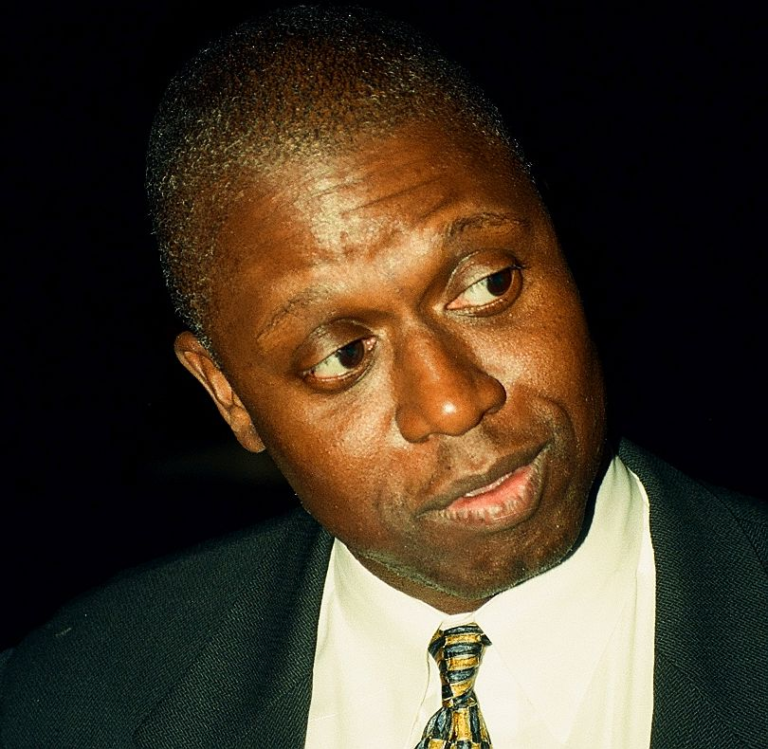 Andre BraugherRaymond HoltReligious education and public reflections, with care about what those establish.
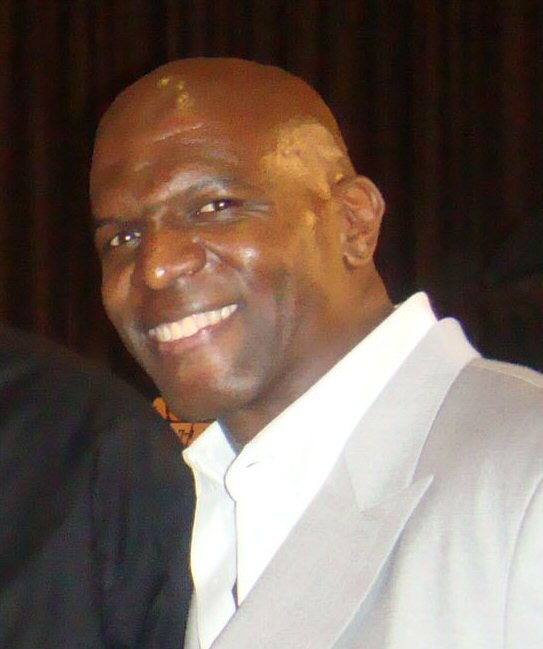 Terry CrewsTerry JeffordsHis public Christian testimony, alongside a biblical explanation of grace.
 Melissa FumeroAmy SantiagoHer publicly discussed background and the limits of evidence about present faith.
 Stephanie BeatrizRosa DiazHer Catholic upbringing and public reflections on family and belonging.
 Joe Lo TruglioCharles BoyleThe difference between career roles and verified personal religious belief.
 Chelsea PerettiGina LinettiJewish family heritage and the distinction between ancestry and present confession.
 Dirk BlockerMichael HitchcockHis Golden Rule reflections, grief, and the limits of religious labeling.
 Joel McKinnon MillerNorm ScullyHis publicly described Lutheran faith and the Christian teaching of grace.
 Marc Evan JacksonKevin CoznerHis education, work with ethical questions, and publicly unconfirmed personal affiliation.
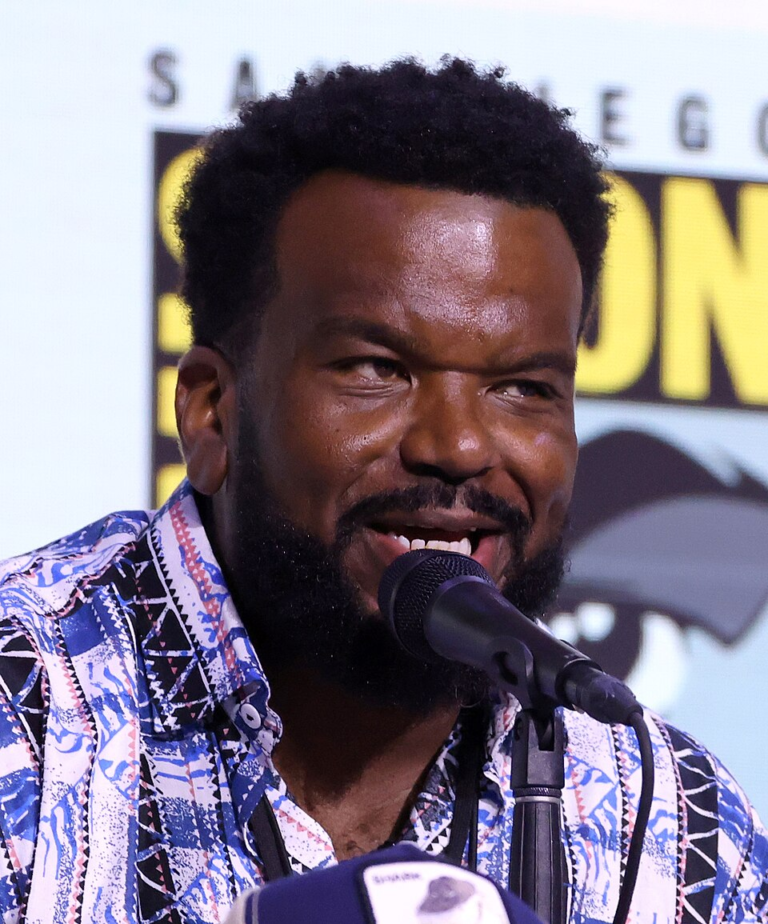 Craig RobinsonDoug JudyHis church and gospel-music background, without assuming a current profession.
 Jason MantzoukasAdrian PimentoHis comments on childhood religious practice and his academic study of religion.
 Kyra SedgwickMadeline WuntchHer Jewish self-identification and emphasis on culture, ethics, and questions.
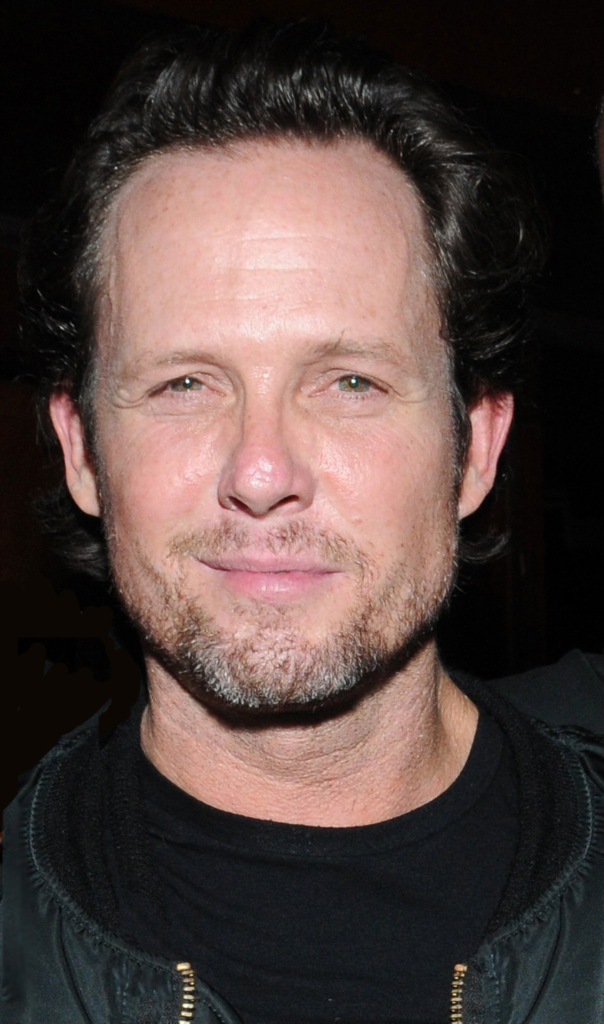 Dean WintersKeith “the Vulture” PembrokeHis Catholic educational background and publicly unconfirmed current faith.
This selection includes the nine principal ensemble performers and five important recurring cast members. Each article stands on its own, with sources, a biblical comparison, and an explanation of the Christian gospel. The purpose is to answer what can responsibly be known about the public person while helping readers consider the larger questions raised by faith.
An actor’s character is not a statement of the actor’s religion. Raymond Holt’s convictions, Jake Peralta’s jokes, and the Vulture’s behavior belong to the story. When discussing the performers themselves, this series relies on their public statements and documented background. A surname, ethnicity, school, spouse, or screen role cannot establish saving faith.
What religions do the Brooklyn Nine-Nine cast members follow?
There is no single religious label for the cast. Some performers have publicly identified with Christian traditions; others describe Jewish cultural or religious connections. Several profiles cannot confirm a current affiliation from reliable public evidence. Those differences deserve accurate treatment. Having a religious upbringing and presently practicing that religion are separate claims, just as studying religion is different from accepting its doctrines.
The linked profiles explain the evidence for each person before moving to Christian teaching. They distinguish a person’s own words from general biographical context and avoid claiming access to anyone’s heart. Christianity makes definite truth claims about Jesus Christ, but it also commands truthful witness and love for our neighbors.
Justice is more than winning a case
The detectives’ work gives the comedy a recurring moral setting: someone has been harmed, the truth must be discovered, and authority should serve justice. Scripture affirms the importance of fair judgment. Micah 6:8 calls for justice, mercy, and humility before God. Proverbs 17:15 condemns both clearing the guilty and condemning the innocent. Neither personal loyalty nor institutional convenience should replace truth.
Romans 13:1–4 describes governing authority as responsible for restraining wrongdoing. That responsibility is accountable to God; holding an office does not make everything an official does righteous. Biblical justice rejects favoritism, corruption, exploitation, and dishonest testimony. Viewers can appreciate stories about professional integrity while also asking whether a particular choice truly protects the vulnerable and treats people fairly.
These standards apply beyond police work. Employers, parents, church leaders, and ordinary neighbors can misuse influence. Christians should examine their own conduct before treating a fictional workplace as an opportunity to feel morally superior. God sees the motives that respectable appearances can hide.
Friendship, loyalty, and telling the truth
The precinct’s relationships are a large part of the show’s appeal. People with different temperaments learn to cooperate, encourage each other, and bear with faults. Scripture commends friendship, practical service, and bearing one another’s burdens (Proverbs 17:17; Galatians 6:2). Patience with an irritating colleague may reveal more love than a dramatic speech.
Yet loyalty needs moral direction. A friend should not conceal serious wrongdoing simply to keep someone comfortable. Ephesians 4:15 connects truth with love, and Proverbs 27:6 recognizes that faithful correction can help us. Christian friendship includes forgiveness, honesty, and the willingness to seek another person’s lasting good.
Humor also calls for discernment. A joke may expose vanity or help people endure a difficult day. It can also humiliate, degrade, or normalize cruelty. Ephesians 4:29 asks whether our speech builds others up. The question is practical: what does our laughter teach us to enjoy, and what does it do to the people around us?
Human dignity and biblical convictions
Brooklyn Nine-Nine features characters with different backgrounds, identities, and relationships. Christians should begin with the dignity of every person as an image-bearer of God (Genesis 1:27). Mockery, bullying, racial contempt, and dehumanization violate that truth. Respect is owed to people because they are human, not because they agree with us.
Respect does not require Christians to set aside Scripture’s moral teaching. Historic Christian teaching understands marriage as the covenant union of a man and a woman, grounded in creation and affirmed by Jesus (Genesis 2:24; Matthew 19:4–6). Christians can explain that conviction while speaking patiently and refusing personal hostility. An actor’s portrayal of a relationship should also remain distinct from claims about that performer’s private beliefs.
Every viewer needs humility. Sexual sin, pride, greed, dishonesty, and resentment all fall under God’s judgment. The Bible does not offer respectable people an exemption while singling out a convenient group of neighbors. Its call to repentance reaches every one of us.
Why being one of the good people is not enough
A comedy often gives us characters to root for, but real life cannot be divided neatly into righteous heroes and hopeless villains. Scripture says that all have sinned and fall short of God’s glory (Romans 3:23). We fail to love God with our whole hearts and fail to love our neighbors as ourselves.
Good works matter, but they cannot cancel guilt. Neither courage, public service, family loyalty, religious heritage, nor generosity can purchase forgiveness from a holy God. Sin leads to death and judgment (Romans 6:23; Hebrews 9:27). The Christian gospel begins by admitting our need rather than presenting a résumé of achievements.
The gospel of Jesus Christ
God’s answer to sin is His Son, Jesus Christ. Jesus is fully God and fully man, the eternal Word who became flesh (John 1:1–14). He lived without sin, perfectly obeyed the Father, and willingly died on the cross as a substitute for sinners. He bore the judgment we deserve so that those who trust Him can be forgiven and reconciled to God (1 Peter 2:22–24).
Jesus was buried and rose bodily from the dead on the third day. His resurrection is central to the gospel, not an optional symbol of optimism (1 Corinthians 15:3–4, 17). The risen Christ offers a hope that outlasts professional achievement, public approval, illness, and death.
Salvation is by grace through faith, not earned by works (Ephesians 2:8–9). God calls people to repent—to turn from sin and self-rule—and trust Jesus as Savior and Lord. Obedience and love then grow as the fruit of His grace. A church background, Jewish heritage, religious education, or a reputation for kindness cannot substitute for that personal response to Christ.
The cast profiles above explore public religious stories with care. The question of Jesus reaches beyond any television ensemble: will we rely on ourselves, or receive the forgiveness and new life God gives through His crucified and risen Son?
Sources and further reading
Peacock’s official Brooklyn Nine-Nine page provides an overview of the series and principal cast. Sources for individual religious statements appear in the linked profiles. For another ensemble guide, read The Fresh Prince of Bel-Air cast: religion, faith, and what the Bible says.
Featured image: Brooklyn Nine-Nine text logo, Fox, public-domain text logo, via Wikimedia Commons.

Cast portrait credits
Images are framed as squares for this cast guide. Individual sources and licenses follow.
- Andy Samberg. Gage Skidmore, CC BY-SA 3.0, via Wikimedia Commons. Cropped or resized where needed.
- Andre Braugher. John Mathew Smith & www.celebrity-photos.com, CC BY-SA 2.0, via Wikimedia Commons. Cropped or resized where needed.
- Terry Crews. Terry Crews photo by eternalconceptspr, via Wikimedia Commons, licensed CC BY 2.0.
- Melissa Fumero. Joe Peacock, CC BY-SA 4.0, via Wikimedia Commons. Cropped or resized where needed.
- Stephanie Beatriz. Erik Drost, CC BY 2.0, via Wikimedia Commons. Cropped or resized where needed.
- Joe Lo Truglio. Adweek, CC BY 3.0, via Wikimedia Commons. Cropped or resized where needed.
- Chelsea Peretti. Miss Wright, CC BY 2.0, via Wikimedia Commons. Cropped or resized where needed.
- Dirk Blocker. NBC Television, 1976 publicity photograph, Public domain in the United States, via Wikimedia Commons. Cropped or resized where needed.
- Joel McKinnon Miller. AI-generated editorial illustration created for Famous Faith. It is marked “AI GEN” and is not a documentary photograph.
- Marc Evan Jackson. NASA / Kim Shiflett, Public domain in the United States, via Wikimedia Commons. Cropped or resized where needed.
- Craig Robinson. Gage Skidmore, via Wikimedia Commons, CC BY-SA 3.0. Displayed at reduced size; no additional crop. No endorsement implied.
- Jason Mantzoukas. Gage Skidmore, CC BY-SA 2.0, via Wikimedia Commons. Cropped or resized where needed.
- Kyra Sedgwick. Ted Eytan, CC BY-SA 2.0, via Wikimedia Commons. Cropped or resized where needed.
- Dean Winters. Peter Massas, CC BY-SA 2.0, via Wikimedia Commons. Cropped or resized where needed.


