People · Beliefs
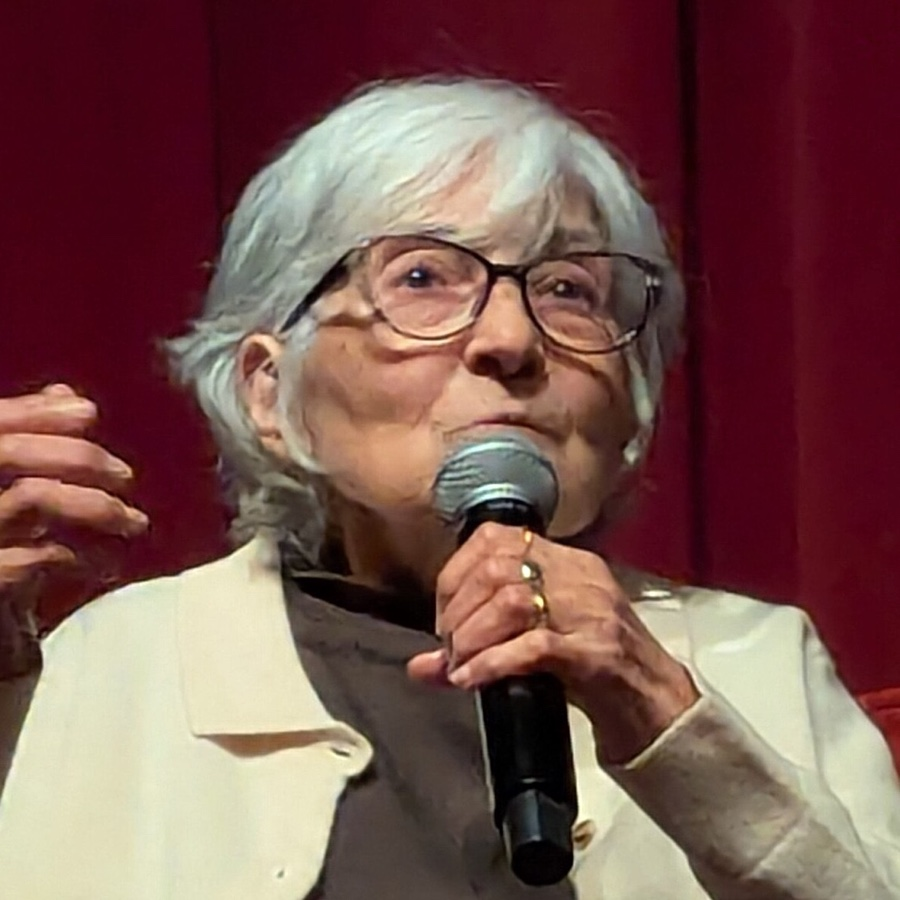
Marva Nabili
Before directing The Sealed Soil, Marva Nabili played Soudabeh in Siavash in Persepolis, an early feature of the Iranian New Wave.
- On screen
- Soudabeh in Siavash in Persepolis
- Directed
- The Sealed Soil
- Upbringing
- Bahá’í
- Age
- 85
Remembering Marva Nabili
In Siavash in Persepolis, Marva Nabili played Soudabeh, the king’s wife whose accusation puts a young prince’s life at risk. The role let a painter and poet see how a film could make an old story feel immediate. She went on to direct The Sealed Soil, a landmark Iranian drama whose heroine faces an entirely different kind of pressure in a small village. Nabili’s account of her early film work · Film historian Hervé Dumont’s cast and synopsis
BBC Persian reported that Nabili died on Monday, November 23, 2026. She was 85 and died in the United States. Film Forum, which had hosted her in 2025, paid tribute on November 23. The UCLA Film & Television Archive, which worked with her to restore her first feature, also shared a tribute on November 23, Los Angeles time. IranWire reported it on November 25. The date of a separate family announcement has not been established. BBC Persian’s November 26 report · Film Forum’s tribute · UCLA archive’s statement · IranWire’s November 25 report
From Soudabeh to The Sealed Soil
Nabili was born in Iran in 1941 and studied painting in Tehran. Her teacher Fereydoun Rahnema invited her to act in his feature film, which drew on Ferdowsi’s Book of Kings. She also helped with the script. Nabili later recalled filming among the ruins of Persepolis and becoming fascinated by the way Rahnema told the story. His encouragement helped lead her to study film abroad. She dedicated The Sealed Soil to him. Cinema Iranica profile · Nabili’s June 2025 interview
Rahnema’s film stages scenes from the Persian epic among the ruins of the ancient city. It also shows contemporary visitors walking among those same stones. The two time periods sit side by side. That unusual approach helped make the film an early landmark for the filmmakers who became known as the Iranian New Wave. Film history and synopsis
For The Sealed Soil, she cast Flora Shabavis as a young woman resisting pressure to marry and worked with villagers who went about their usual routines on camera. “The length of the shots was really inspired by the pace of the village,” Nabili told RogerEbert.com in June 2025. She carried the film out of Iran in a suitcase. The UCLA archive premiered its restoration in 2024 and invited her to speak. Nabili also directed Nightsongs, about a Chinese immigrant family in New York, for public television’s American Playhouse. Nabili on filming in the village · UCLA Film & Television Archive
What was Marva Nabili’s religion?
Nabili said she was raised in the Bahá’í faith. In an interview published by Cinema Iranica, she recalled it as “a religion that was not so discriminated against then as now.” Her comment describes her experience of growing up in Iran and her awareness of the prejudice Bahá’ís have faced. Her later religious practice is less clear, and the available accounts do not establish that she identified as Christian. Nabili on her upbringing
Beyond the Spotlight
Nabili’s films take time to notice people whose lives others rush to explain. That attention can remind Christians of a humbling truth. God knows each of us completely, including the wrong we hide. The Bible says all have sinned and will answer to God. Jesus warned about hell and judgment, and he also made a way for sinners to be forgiven.
Jesus lived without sin, died on the cross to bear the judgment sinners deserve, and rose again. He calls us to turn away from sin and trust him. The forgiveness and eternal life he offers are gifts of grace, received through faith. Ephesians 2:8–9 says salvation is God’s gift. In grief, Christians can offer that hope with kindness and leave the judgment of any individual to God.
Sources and image credit
- UCLA Film & Television Archive · Official tribute by her restoration collaborators
- IranWire · November 25 death report
- Cinema Iranica · Nabili’s account of her role and Bahá’í upbringing
- Hervé Dumont · Film history, cast and major character
Portrait by Farzaneh via Wikimedia Commons, cropped and resized. CC0 1.0.
