21 cast profiles
Courage and loyalty in Hawkins
Stranger Things combines friendship, family loyalty, frightening discoveries, and the fight against evil. Its fictional world raises questions about fear, courage, truth, and sacrifice. The performers who bring that world to life have different religious backgrounds and views, and some have shared little reliable public information about personal faith.
Explore the twenty-one cast profiles
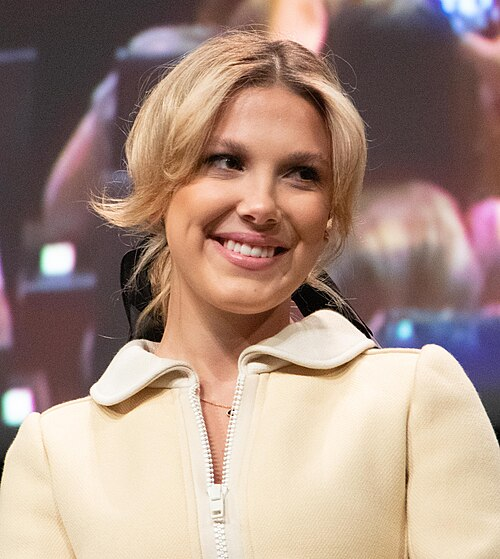 Millie Bobby BrownEleven
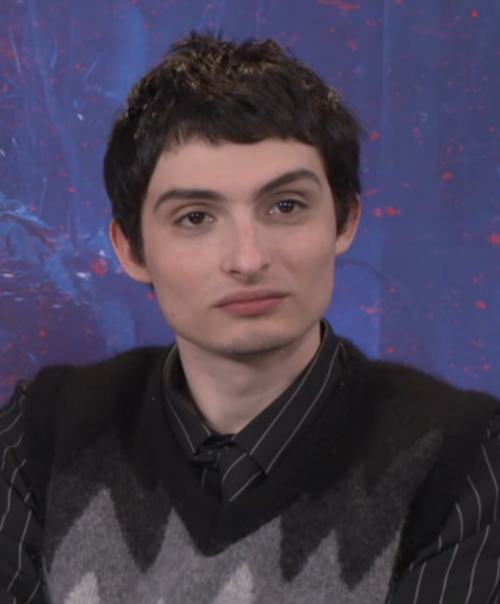 Finn WolfhardMike Wheeler
 Gaten MatarazzoDustin Henderson
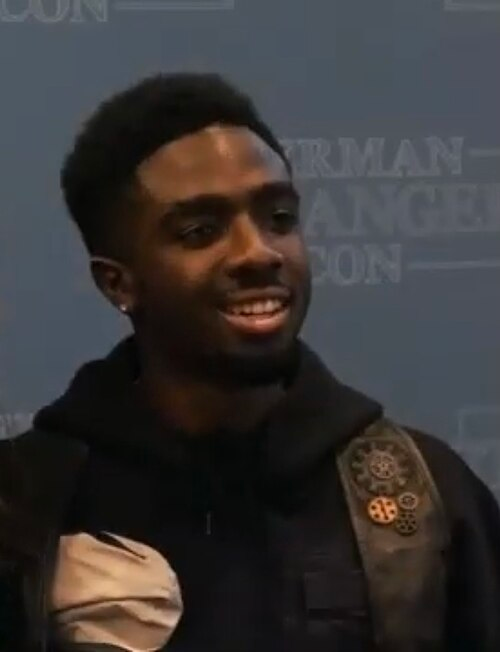 Caleb McLaughlinLucas Sinclair
 Noah SchnappWill Byers
 Sadie SinkMax Mayfield
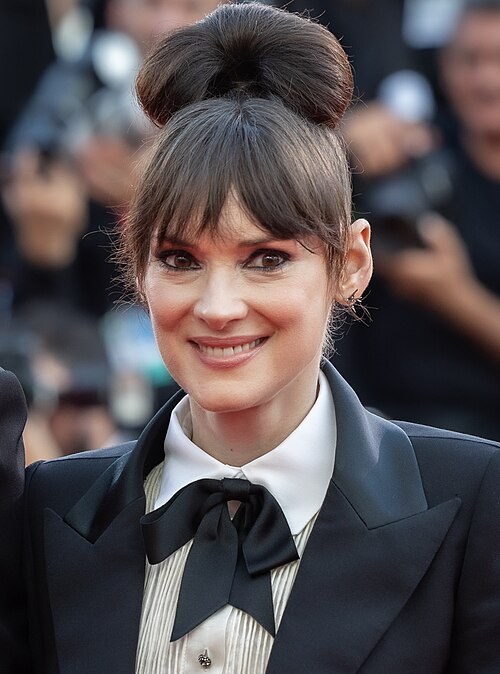 Winona RyderJoyce Byers
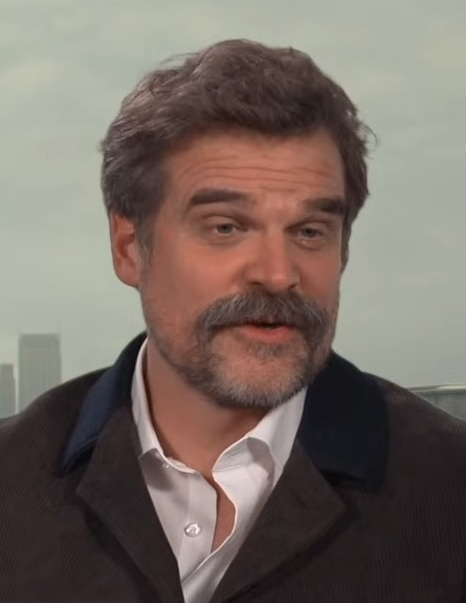 David HarbourJim Hopper
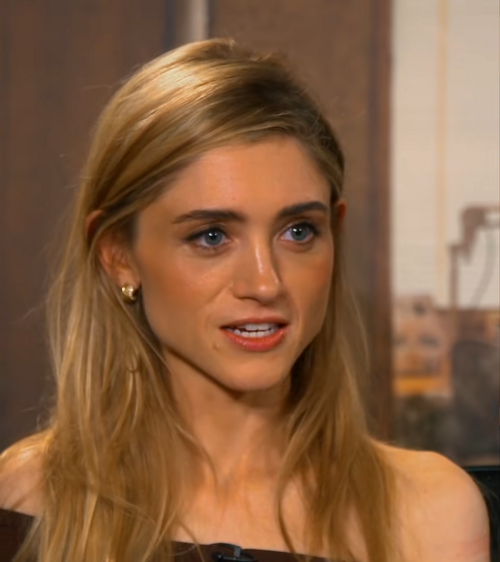 Natalia DyerNancy Wheeler
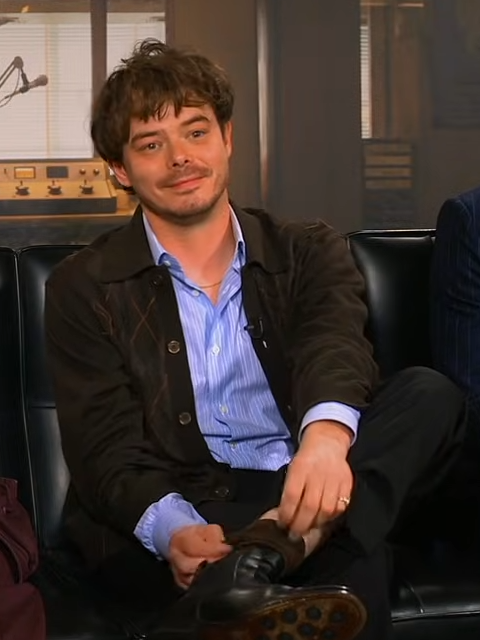 Charlie HeatonJonathan Byers
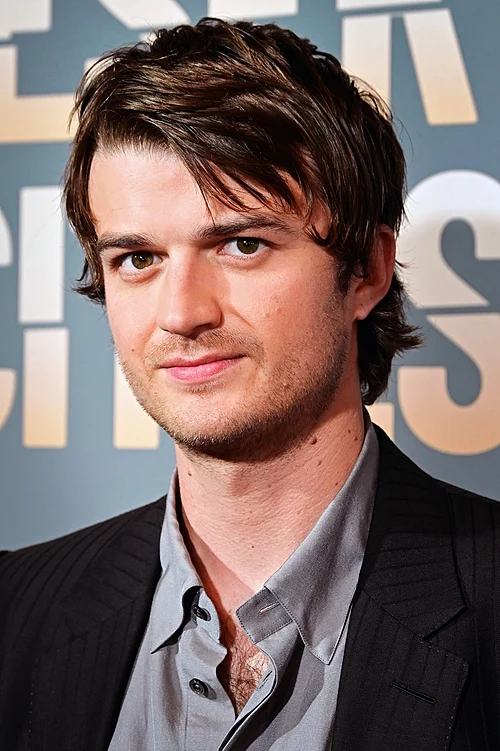 Joe KeerySteve Harrington
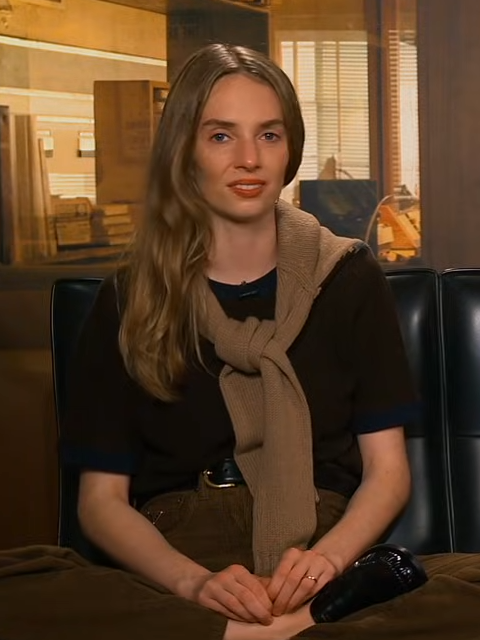 Maya HawkeRobin Buckley
 Priah FergusonErica Sinclair
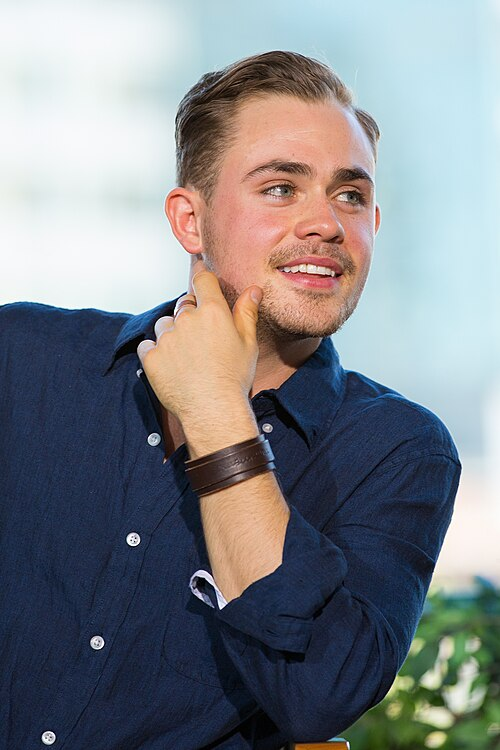 Dacre MontgomeryBilly Hargrove
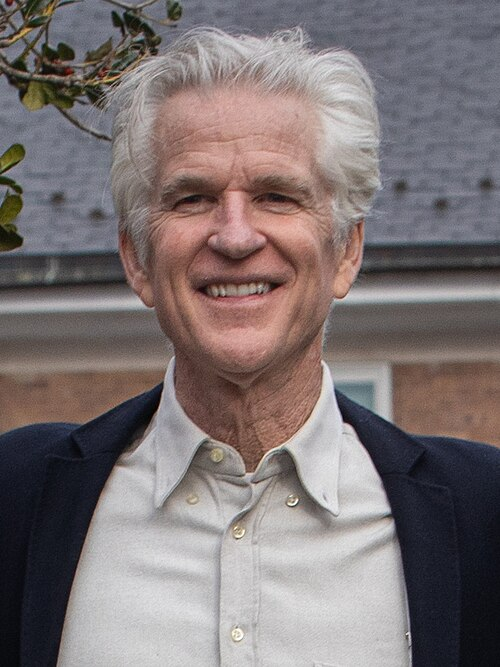 Matthew ModineDr. Martin Brenner
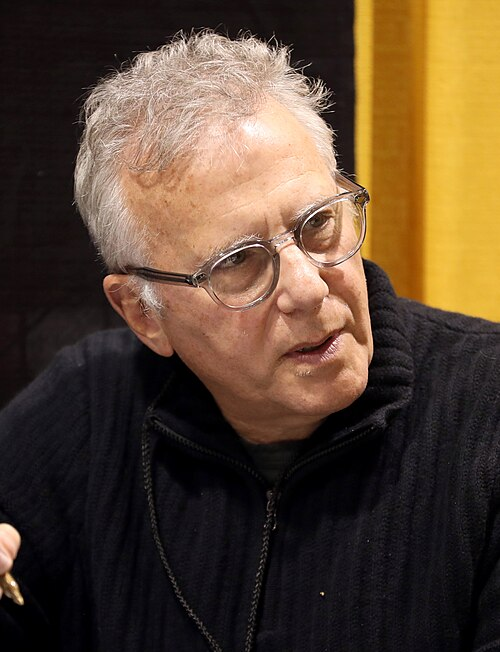 Paul ReiserDr. Sam Owens
 Sean AstinBob Newby
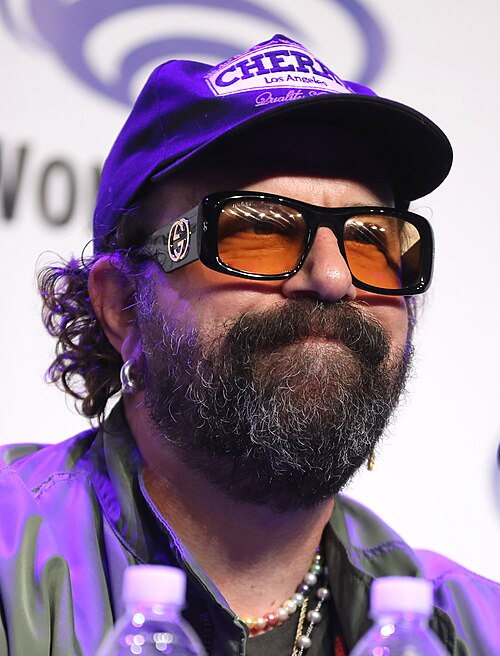 Brett GelmanMurray Bauman
 Jamie Campbell BowerHenry Creel / Vecna
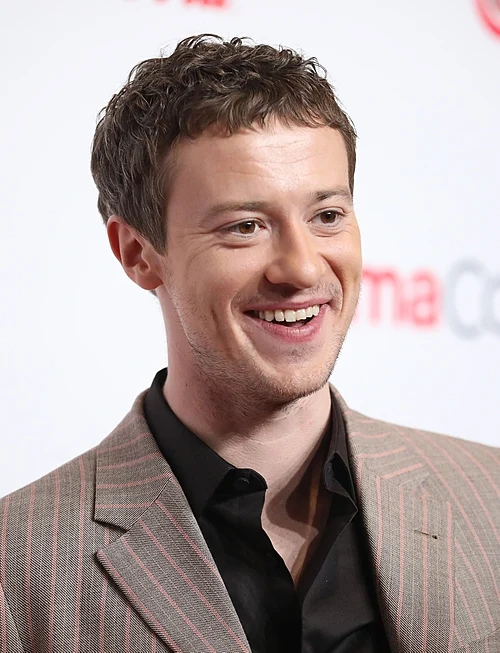 Joseph QuinnEddie Munson
 Cara BuonoKaren Wheeler
This guide connects twenty-one Famous Faith profiles of the show’s main and key recurring cast members. Each profile begins with documented public statements or background, then compares the relevant ideas with Scripture and explains the Christian gospel. An actor’s religion is kept separate from a character’s beliefs and behavior.
What religions do the Stranger Things cast members follow?
There is no single religious label for this ensemble. Caleb McLaughlin has discussed a Baptist background, prayer, and church. Sean Astin has publicly identified as Christian with a Lutheran connection. Noah Schnapp, Paul Reiser, and Brett Gelman have discussed Jewish identity, culture, or practice in different ways. Winona Ryder has described a nonreligious Jewish identity, alongside an earlier statement of atheism.
Other profiles explore a Catholic or Methodist upbringing, agnosticism, spiritual curiosity, Buddhist influences, or a search outside organized religion. Finn Wolfhard’s later agnostic self-description, for example, should not be replaced with an assumption based on Catholic schooling. Reading a Buddhist author or visiting a monastery also does not automatically establish conversion to Buddhism.
The individual articles explain the dates and limits of those statements. Where current beliefs remain unconfirmed, the profiles say so. Neither a surname, nationality, relative, screen role, nor the absence of a religious interview can supply the missing evidence. These distinctions help readers consider faith without turning public figures into stereotypes.
Fear and the reality of evil
The story’s dangers make fear a constant presence in Hawkins. Christianity also takes evil seriously, but the Bible is not a guide to the Upside Down, and the show’s fictional creatures should not be confused with biblical teaching about the spiritual world.
Scripture teaches that evil includes more than frightening things outside us. Jesus points to sinful desires and actions arising from the human heart (Mark 7:20–23). Pride, cruelty, dishonesty, lust, and selfishness can exist in people who appear ordinary and respectable. A story that divides the world into heroes and monsters cannot provide the whole biblical diagnosis.
The Bible also directs believers toward God rather than toward fascination with darkness. Christians should not seek spiritual power through divination or occult practices (Deuteronomy 18:9–14). Entertainment calls for discernment too: does what we watch encourage truth and compassion, or train us to enjoy cruelty and become preoccupied with fear? Philippians 4:8 provides a useful standard for examining what occupies our thoughts.
Friendship, loyalty, and costly love
Much of the series’ emotional strength comes from people refusing to abandon one another. Friends and family members take risks, share burdens, and keep searching when others give up. Scripture commends faithful friendship and practical care (Proverbs 17:17; Galatians 6:2).
Christian love is more than affection for people who understand us. Jesus commands love for our neighbors and even our enemies (Matthew 5:43–48). Loyalty also needs truth. Helping a friend conceal serious wrongdoing is not love, and belonging to a close group does not make every decision wise.
The most useful response to a story about courage is to examine ordinary responsibilities. Are we truthful when it costs us? Do we help a lonely person, keep a promise, or care for a family member when no one applauds? Sacrifice is often less dramatic than it looks on screen, but it remains an important test of love.
Rumors, outsiders, and truthful judgment
Fear can lead people to accept a convenient story before they understand what has happened. The series gives viewers reasons to consider how outsiders are treated and how suspicion can grow. Scripture calls for a better standard than rumor or social pressure.
Exodus 20:16 forbids false witness. Proverbs 18:13 warns against answering before hearing, and verse 17 reminds readers to examine an initial account. James 2:1–9 condemns favoritism. Those passages challenge both careless accusation and the habit of trusting someone merely because that person looks familiar or respectable.
The same care belongs in celebrity profiles. A popular theory about an actor’s religion can be wrong even when repeated across several websites. A fictional role can be compelling without revealing the performer’s heart. Truthful reporting is a practical expression of love for our neighbors.
Power and the duty to protect people
The show also asks what happens when people with power treat others as tools. From a biblical perspective, authority carries responsibility rather than permission to exploit. Every human being bears God’s image (Genesis 1:27), so usefulness to a project cannot determine a person’s dignity.
Jesus teaches His followers to reject domineering leadership and pursue service instead (Mark 10:42–45). That principle reaches beyond fictional laboratories and government institutions. Parents, employers, teachers, and church leaders must consider whether their influence protects others or merely serves their own ambitions.
Powerful people need accountability, and vulnerable people need truthful care. Christians should apply those standards consistently rather than overlooking harm when it comes from a group they admire.
Grief and hope beyond survival
Stories about loss resonate because real people know what it means to fear separation and death. The Bible gives room for grief. Jesus wept at Lazarus’s tomb, and believers are called to mourn with those who mourn (John 11:35; Romans 12:15).
Christian hope does not require pretending loss is painless. It rests in the resurrection of Jesus. He promises resurrection and life to those who trust Him (John 11:25–26). The final hope is more than surviving one more danger or preserving the life we already know; it is reconciliation with God and His victory over death.
Why we need more than a hero
Human courage and friendship are good gifts, but they cannot remove guilt before God. Scripture says that all have sinned and fall short of His glory (Romans 3:23). That includes religious people, nonreligious people, famous performers, and ordinary readers.
Sin brings death and judgment (Romans 6:23; Hebrews 9:27). We cannot earn forgiveness through bravery, kindness, family loyalty, spiritual experiences, or religious activity. The gospel begins with our need for mercy rather than a claim that we belong among the good people.
The gospel of Jesus Christ
God’s answer is His Son, Jesus Christ. Jesus is fully God and fully man, the eternal Word who became flesh (John 1:1–14). He lived without sin and willingly died on the cross as a substitute for sinners, bearing the judgment we deserve. He was buried and rose bodily from the dead on the third day (1 Peter 2:22–24; 1 Corinthians 15:3–4).
His resurrection is central to Christianity, not an optional symbol of optimism. Paul says that if Christ has not risen, believers remain in their sins (1 Corinthians 15:17). Christian hope rests on who Jesus is and what He accomplished.
Salvation is God’s gift of grace received through faith, not earned by works (Ephesians 2:8–9). God calls us to repent, turning from sin and self-rule, and trust the crucified and risen Savior. Obedience, compassion, and courage then grow as the fruit of new life rather than purchasing forgiveness.
The cast profiles above explore public religious stories with care. The question of Jesus reaches beyond the fictional world of Hawkins: will we rely on ourselves, or receive the forgiveness and lasting hope God gives through His Son?
Sources and image credit
Netflix’s official Stranger Things overview and Tudum’s cast and character guide provide series context. Sources for personal religious statements appear in each linked profile. The biblical comparisons reflect Famous Faith’s Christian perspective and are not statements endorsed by the performers.
Featured image: Netflix, Public domain, via Wikimedia Commons. The public-domain text logo identifies the subject of this independent commentary; no affiliation or endorsement is implied.

Cast portrait credits
Images are framed as squares for this cast guide. Individual sources and licenses follow.
- Millie Bobby Brown. Laviru Koruwakankanamge, CC BY-SA 4.0, via Wikimedia Commons. Cropped or resized where needed.
- Finn Wolfhard. HEYFOMO, CC BY 3.0, via Wikimedia Commons. Cropped or resized where needed.
- Gaten Matarazzo. Philip Romano, CC BY-SA 4.0, via Wikimedia Commons. Cropped or resized where needed.
- Caleb McLaughlin. German Comic Con, CC BY 3.0, via Wikimedia Commons. Cropped or resized where needed.
- Noah Schnapp. Kevin Paul, CC BY 4.0, via Wikimedia Commons. Cropped or resized where needed.
- Sadie Sink. Pietro Luca Cassarino, CC BY-SA 4.0, via Wikimedia Commons. Cropped or resized where needed.
- Winona Ryder. Harald Krichel, CC BY-SA 4.0, via Wikimedia Commons. Cropped or resized where needed.
- David Harbour. PelucheEn ElEstuche, CC BY 3.0, via Wikimedia Commons. Cropped or resized where needed.
- Natalia Dyer. Beto Pasillas, CC BY 3.0, via Wikimedia Commons. Cropped or resized where needed.
- Charlie Heaton. Beto Pasillas, CC BY 3.0, via Wikimedia Commons. Cropped or resized where needed.
- Joe Keery. PhilipRomano, CC BY-SA 4.0, via Wikimedia Commons. Cropped or resized where needed.
- Maya Hawke. Beto Pasillas, CC BY 3.0, via Wikimedia Commons. Cropped or resized where needed.
- Priah Ferguson. German Comic Con, CC BY 3.0, via Wikimedia Commons. Cropped or resized where needed.
- Dacre Montgomery. iDominick, CC BY-SA 2.0, via Wikimedia Commons. Cropped or resized where needed.
- Matthew Modine. Lance Cpl. Pranav Ramakrishna, Public domain, via Wikimedia Commons. Cropped or resized where needed.
- Paul Reiser. Gage Skidmore, CC BY-SA 3.0, via Wikimedia Commons. Cropped or resized where needed.
- Sean Astin. Joe Peacock, CC BY-SA 4.0, via Wikimedia Commons. Cropped or resized where needed.
- Brett Gelman. Gage Skidmore, CC BY-SA 3.0, via Wikimedia Commons. Cropped or resized where needed.
- Jamie Campbell Bower. John Manard for Super Festivals from Ft. Lauderdale, USA, CC BY 2.0, via Wikimedia Commons. Cropped or resized where needed.
- Joseph Quinn. Gage Skidmore, CC BY-SA 3.0, via Wikimedia Commons. Cropped or resized where needed.
- Cara Buono. Miguel Discart & Kiri Karma, CC BY-SA 4.0, via Wikimedia Commons. Cropped or resized where needed.


