What Is Meghan Markle’s Religion? Is She a Christian?

AI-Generated portrait of Meghan Markle

Before royal headlines made Meghan Markle a name far beyond television, Suits viewers knew her as Rachel Zane. Interest in her religion often mixes facts about schooling, marriage, and public ceremonies with assumptions about her private convictions. There is a documented religious event to report, but it should be described with care.

Meghan Markle’s documented baptism

In March 2018, ITV News interviewed Justin Welby, then Archbishop of Canterbury, about baptizing Markle before her wedding to Prince Harry. Welby personally confirmed conducting the ceremony and described it as sincere and moving. Because he conducted it, his account is strong evidence for the event itself. Read ITV’s interview with Welby.

That baptism belongs to her public Anglican history. It is more substantial evidence than an anonymous celebrity biography listing a religion without a source. Even so, a ceremony in 2018 does not provide a complete description of her current doctrine, church attendance, or understanding of salvation. We should report the event without pretending it answers every question about her spiritual life today.

Does that mean Meghan Markle is a Christian?

A church affiliation and a judgment about saving faith are different claims. We can identify the publicly documented baptism while acknowledging that we cannot see Markle’s heart. We also should not infer a profession of faith solely from the religious setting of a wedding. The question for biblical Christianity concerns trust in Jesus Christ and his saving work, not proximity to a historic institution.

Markle’s education is sometimes folded into this discussion. Attending a Catholic school does not, by itself, establish Catholic membership or agreement with Catholic doctrine. Nor would a Catholic label automatically establish biblical Christianity. Famous Faith evaluates the question of salvation by the gospel of grace through faith in Christ, rather than by a school name, a social title, or a ceremony.

Rachel Zane and the woman who played her

In Suits, Markle plays Rachel Zane, whose intelligence and professional hopes are important to the original ensemble. Her relationship with Mike Ross gives the story another place to explore trust, loyalty, and the consequences of withheld truth. Rachel is a written character; she should not become a substitute biography for Markle. Netflix’s cast guide identifies the central performers and characters.

That distinction matters especially for someone whose public image attracts intense praise and criticism. Admiration cannot prove Christian faith, and disapproval cannot prove the absence of it. A profile about religion should not turn into a verdict based on celebrity coverage. Specific evidence deserves specific conclusions, while questions the evidence does not answer should remain open.

Baptism, grace, and the Christian gospel

Famous Faith holds that salvation is by God’s grace alone through faith in Jesus Christ alone. Ephesians 2:8–9 describes salvation as a gift, not an achievement produced by works. The gospel’s foundation is Christ’s death for sins and resurrection, summarized in 1 Corinthians 15:3–4. A public rite is not something an observer can use to certify another person’s salvation.

Christians understand baptism as a serious matter, and traditions explain its relationship to faith differently. Our position is that no religious ceremony earns forgiveness or adds to the sufficiency of Christ’s saving work. We can state that conviction without claiming to know whether Markle personally agrees with it. Reporting her history accurately and explaining our own theological standard are both necessary.

What can responsibly be said?

Meghan Markle has a documented Anglican baptism in 2018. The sources reviewed do not justify a sweeping account of all her present beliefs or a declaration about whether she is saved. Calling her religious background entirely unknown would overlook real evidence; claiming the evidence resolves every spiritual question would go too far.

For viewers, Rachel Zane’s story can prompt reflection on trust and integrity. For anyone asking about Christianity, the central invitation remains to consider Jesus himself. Celebrities and their audiences share the same need for mercy, and no public status places a person beyond either that need or the reach of God’s grace.

Sources and image disclosure

Sources: ITV News interview with Justin Welby, March 2018; Netflix Tudum Suits cast guide. Biblical reflection: Ephesians 2:8–9; 1 Corinthians 15:3–4.

Image: AI-generated editorial portrait created for Famous Faith. It represents Meghan Markle and is labeled AI-Generated; it is not a photograph or an official image. No endorsement is implied.

More from this series: Explore all ten Suits cast faith profiles.

What Is Patrick J. Adams’s Religion? Is He a Christian?

AI-Generated portrait of Patrick J. Adams

Patrick J. Adams made Mike Ross’s extraordinary memory and troubled secret central to Suits. The character gives viewers plenty to debate about truth, ambition, and whether good intentions excuse deception. But what about Adams himself? His interviews offer a thoughtful view of acting and family, while leaving the narrower question of his religion largely unanswered.

Has Patrick J. Adams said he is a Christian?

We did not verify a clear public profession of Christian faith from Adams in the sources reviewed. This is a limit on the available evidence, not a claim that he rejects God. Promotional interviews usually concentrate on a project or performance. A person’s silence about doctrine in that setting cannot establish either belief or unbelief.

In an April 2026 interview with SHARP, Adams described the emotional refuge he found in film and television when he was young. He compared that experience to church while explaining how acting became meaningful to him. The comparison concerns the place art held in his life; it is not a statement of church membership, a denomination, or trust in Jesus Christ. Read Adams’s interview.

Religious language needs context. People sometimes speak of a favorite activity as sacred, describe a routine as religious, or thank God in conversation. Such expressions may be sincere and significant, but their meaning cannot be expanded into a complete theology. A profile should preserve the distinction between a moving metaphor and a direct account of faith.

Mike Ross and the problem of a hidden identity

Adams plays Mike Ross opposite Gabriel Macht’s Harvey Specter. Mike enters the legal world with exceptional ability and without the credentials others believe he possesses. That premise gives the drama its unusual tension. The audience may hope he helps a client while also recognizing the wrongness of the deception holding his career together. USA Network’s original series description explains that premise.

This is a fictional situation performed by an actor. Mike’s decisions are not evidence about Adams’s personal honesty, religion, or relationship with God. The useful question for a viewer is not whether Adams shares every conviction in the script. It is why stories about hidden truth make us uneasy, especially when a sympathetic person seems to benefit from keeping the secret.

A Christian reflection on truth and grace

Scripture treats truthfulness as more than a tactic that works when circumstances favor it. Ephesians 4:25 calls people to put away falsehood and speak truth. A benevolent aim does not magically make deception harmless. At the same time, Christianity does not offer forgiveness only to people who have never concealed anything. It announces mercy for sinners who come to Christ.

That matters because a person can recognize wrongdoing and still imagine that enough achievements will balance the account. The gospel gives a different basis for hope. First Corinthians 15:3–4 centers on Jesus dying for sins and being raised. Ephesians 2:8–9 says salvation is by grace through faith, not earned through works. Neither extraordinary talent nor an admirable public image can substitute for that gift.

Grace also does not mean that accountability is unnecessary. The following verse, Ephesians 2:10, describes good works as the life God prepares for those he saves. The order matters: good deeds follow salvation rather than purchasing it. This biblical reflection is Famous Faith’s application to the show’s themes. It should not be read as a claim that Adams has endorsed this explanation of the gospel.

The answer about Patrick J. Adams’s religion

The interviews reviewed do not establish Patrick J. Adams’s current religious affiliation or a clear Christian testimony. His language about art and church is worth understanding accurately, without making it carry a meaning he did not state. We therefore leave his personal faith unconfirmed rather than attaching a confident label.

Mike Ross’s story can start an honest conversation about conscience, identity, and the hope of being forgiven. It cannot finish an investigation into Adams’s spiritual life. We can appreciate the performance, consider Scripture’s teaching for ourselves, and update this profile if Adams speaks directly about what he believes.

Sources and image disclosure

Sources: SHARP interview with Patrick J. Adams, April 2026; USA Network’s original Suits cast and series page. Biblical reflection: Ephesians 4:25; 2:8–10; 1 Corinthians 15:3–4.

Image: AI-generated editorial portrait created for Famous Faith. It represents Patrick J. Adams and is labeled AI-Generated; it is not a photograph or official promotional image. No endorsement is implied.

More from this series: Explore all ten Suits cast faith profiles.

What Is Gabriel Macht’s Religion? Is He a Christian?

AI-Generated portrait of Gabriel Macht

Gabriel Macht gives Harvey Specter his unmistakable confidence on Suits. Harvey can usually find an argument, a bargaining position, or a way out of trouble. Questions about Macht’s religion call for a different kind of answer: one grounded in the public record, with room to acknowledge what the actor has not explained.

What is known about Gabriel Macht’s religion?

Macht has a documented Jewish family background. In a 2024 Beverly Hills Weekly interview, his sister Julie discussed their family’s Jewish life and their father Stephen Macht’s work as a Jewish chaplain. That is meaningful family testimony. It does not tell us how Gabriel personally understands God, how observant he is today, or what he believes about Jesus. Read the family interview.

We did not find a reliable first-person statement establishing that Gabriel Macht professes Christian faith. It would also go beyond the available evidence to describe his current religious practice in detail. Family heritage, cultural identity, and an individual’s convictions are related questions, but they cannot simply be substituted for one another. A father’s ministry is not a son’s testimony.

The actor behind Harvey Specter

Macht is best known for playing Harvey in the original Suits ensemble. USA Network’s cast retrospective identifies him with the role that anchors so much of the series. The appeal is easy to understand: Harvey is quick, forceful, and difficult to intimidate. His partnership with Mike Ross gives the show much of its momentum. USA Network’s cast retrospective provides professional context.

An actor can make a character’s values persuasive without personally sharing them. We therefore should not read Harvey’s approach to winning, relationships, or moral compromise as Macht’s own philosophy. The character belongs to a story developed by writers and performed by a cast. The man behind the performance deserves to be understood through his own words and verified biographical evidence.

Winning a case and answering to God

Harvey’s world is full of negotiations about leverage and consequences. That makes Suits an interesting starting point for thinking about conscience. Can a person defend an action merely because it worked? Does protecting a friend justify hiding the truth? These are questions about the story, not allegations about Macht’s conduct. They become useful when viewers examine their own choices rather than imagine they can diagnose an actor’s heart.

The Bible does not describe salvation as a successful negotiation with God. Romans 3:23 says every person has sinned. Wealth, intelligence, reputation, and religious family connections cannot erase that reality. Christianity’s central claim is that Jesus Christ died for sins and rose again, as summarized in 1 Corinthians 15:3–4. The hope rests on his work, not on our ability to present a convincing defense of ourselves.

Ephesians 2:8–9 teaches salvation by grace through faith, apart from works. That message applies equally to a celebrated performer and an unknown viewer. No ethnic background puts someone beyond God’s mercy, and no family’s religious history automatically gives someone saving faith. Respect for Jewish people and honesty about Christian beliefs belong together; neither requires pretending that Judaism and a profession of faith in Jesus are interchangeable.

Is Gabriel Macht a Christian?

The responsible answer is that we have not verified a public Christian profession from Gabriel Macht. His Jewish family background is documented, while his present beliefs are less clearly established in the sources reviewed. We will not turn that uncertainty into a claim that he is an atheist or a verdict about his salvation. Those conclusions would require evidence this profile does not have.

Readers can enjoy Harvey Specter’s charisma while keeping the actor and the character distinct. If Macht later gives a clear account of his beliefs, it can be reported in its proper context. Until then, the most accurate profile describes the evidence, acknowledges its limits, and points anyone asking spiritual questions toward the gospel itself.

Sources and image disclosure

Sources: Beverly Hills Weekly, Julie Macht family interview, 2024; USA Network cast retrospective. Biblical reflection: Romans 3:23; 1 Corinthians 15:3–4; Ephesians 2:8–9.

Image: AI-generated editorial portrait created for Famous Faith. It represents Gabriel Macht and is labeled AI-Generated; it is not a photograph or an official promotional image. No endorsement is implied.

More from this series: Explore all ten Suits cast faith profiles.
What Is Jonathan Pryce’s Religion? Is He a Christian?

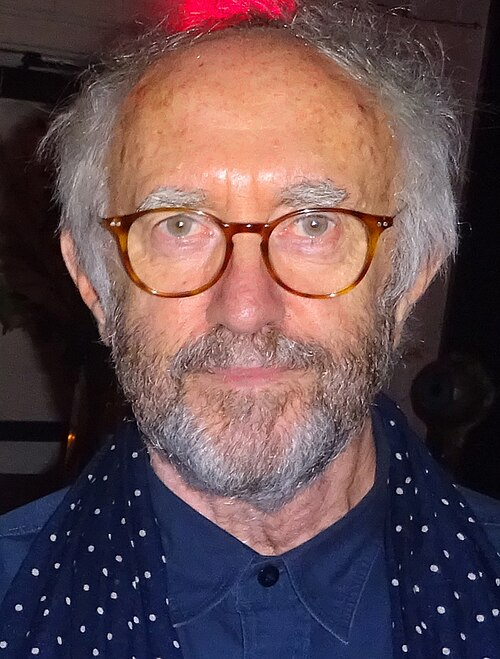
Jonathan Pryce photographed in New York in 2016

Jonathan Pryce has portrayed religious authority in strikingly different forms: the High Sparrow in Game of Thrones and Pope Francis in The Two Popes. Those roles make questions about the actor’s own faith understandable. But wearing religious clothing on screen is not the same as confessing the beliefs associated with it. What has Jonathan Pryce actually said about religion?

Jonathan Pryce has expressed mixed feelings about organized religion

In a profile published by the Golden Globes in January 2020, Pryce said he was not Catholic and described conflicting views about organized religion. He explained that his interest in portraying Francis included empathy with his concern for other people and his potential influence as a world leader.

That statement supports a careful answer. Pryce has publicly distinguished himself from Catholic identity and expressed ambivalence about religious institutions. It does not establish every detail of his beliefs about God, nor does it justify assigning him a complete theological position. The material reviewed here does not establish a personal profession of evangelical Christian faith.

The High Sparrow and Pope Francis are performances

A viewer may associate Pryce with a severe fictional religious movement because of the High Sparrow. Another may associate him with Catholicism because of The Two Popes. Neither association overrides his own words. The skill involved in portraying a believer does not require an actor to share that believer’s creed.

The same distinction helps Christians discuss difficult art responsibly. We can analyze whether a story depicts humility, coercion, hypocrisy, or compassion without converting an actor into a representative of everything his character says. A role can raise meaningful spiritual questions while still remaining a role. Public curiosity should lead to accurate listening rather than confident invention.

When religious authority becomes a way to control

The High Sparrow’s place in Westeros invites scrutiny of power presented in spiritual language. A leader can appear humble while pursuing control. Religious vocabulary does not automatically make a demand wise, a punishment just, or an institution trustworthy. Christians should be particularly willing to apply that test within their own communities.

Jesus confronted hypocrisy and burdensome religious leadership. In Mark 10:42–45, he contrasted domination with service and pointed to his own self-giving mission. Genuine Christian authority remains accountable to Christ and his teaching. It does not permit a leader to become the final measure of truth or to treat vulnerable people as instruments for maintaining influence.

Questions about institutions should lead us to examine Jesus

Disappointment with religious institutions can involve real wrongs that should be named rather than dismissed. Yet a failure by people who use Christian language is not itself a demonstration that Jesus is false. A Christian response needs both honesty about wrongdoing and a willingness to look directly at the person and claims of Christ.

It also needs humility. Christians cannot treat the exposure of another person’s hypocrisy as proof of their own innocence. The problem of using reputation to cover selfishness reaches beyond religious leadership. It appears whenever we want the benefits of appearing good without submitting our actual desires to truth. Scripture’s searching questions address the observer as well as the person being observed.

Compassion matters, and forgiveness is still a gift

Concern for neighbors is an appropriate subject for moral agreement and serious action. Christians are commanded to love others, including those who lack influence. But compassion must not be turned into a claim that we have earned acceptance before God. Good acts are good; they cannot cancel the wrongs for which we are accountable.

The Gospel starts with the holy Creator. His Ten Commandments reveal how we have failed to love him and our neighbors: dishonesty, coveting, theft, hatred, sexual wrongdoing, and giving created things the devotion he deserves. All of us have sinned. God is just, and we deserve judgment. Neither religious office nor skepticism about institutions supplies an exemption from that reality.

Christ’s authority is joined to his saving work

God’s answer is Jesus Christ, his eternal divine Son who became truly human. Jesus lived without sin and willingly died on the cross as the substitute for sinners. He was buried and rose bodily from the dead. His resurrection grounds Christian hope in his victory over sin and death, rather than in the moral reputation of any institution or celebrity.

Salvation is a gift of grace received through faith, not a reward for our works. Ephesians 2:8–9 excludes boasting in either religious achievements or humanitarian accomplishments. You can acknowledge your sin before God and trust Jesus’ finished work, relying on his death and resurrection as the sufficient basis for forgiveness. The Savior supplies what our own record cannot.

That grace leads toward a life of truthful service. It does not excuse hypocrisy, nor does it require pretending that human leaders are beyond criticism. Christians follow a Lord who gave himself for sinners, and their conduct should reflect the humility of that gift.

A conclusion that respects Pryce’s actual words

Jonathan Pryce has publicly described mixed feelings about organized religion and said he is not Catholic. The reviewed evidence does not settle his complete present beliefs or authorize a verdict about his heart. His performances can prompt valuable questions about power and compassion, while the Christian invitation remains centered on Jesus himself.


Source: Golden Globes, Jonathan Pryce nominee profile, January 2, 2020.

Photo: Jonathan Pryce in New York, 2016, by Greg2600, via Wikimedia Commons, CC BY-SA 2.0. Cropped version, resized.

What Is Tom Wlaschiha’s Religion? Is He a Christian?

Tom Wlaschiha photographed in 2016

Tom Wlaschiha became internationally recognizable as Jaqen H’ghar in Game of Thrones. A character associated with changing faces and hidden identity can make the actor behind him seem especially mysterious. Yet questions about a performer’s actual beliefs need evidence beyond a memorable role. What is Tom Wlaschiha’s religion, and is he a Christian?

What has Tom Wlaschiha publicly confirmed?

The interview material reviewed for this profile does not establish a religious affiliation or a clear personal profession of Christian faith from Wlaschiha. His religion remains unconfirmed here. This does not establish that he is atheist. It means that the available evidence does not support a more specific label.

Jaqen’s connection with the Faceless Men belongs to the fictional world of Westeros. It cannot establish what Wlaschiha worships or believes about death. His nationality, childhood setting, or ability to portray a strange spiritual system also cannot substitute for his own testimony. Readers deserve a distinction between an actor’s professional work and the convictions he has actually chosen to discuss.

Leaving the role at work

In an October 2023 interview with GQ Germany, Wlaschiha described acting as a profession requiring persistence and an openness to learning from different jobs. Asked about characters affecting him, he explained that the role stays at work after filming. He also distinguished the influence of a fictional part from the experiences of working with directors and colleagues.

Those comments help explain why a convincing performance should not be treated as autobiography. An actor can bring skill and seriousness to a character whose values are radically different from his own. Christians can evaluate the moral content of that character while refusing the shortcut of assigning the same beliefs to the performer. Careful distinctions serve truth and protect people from careless judgment.

A person is more than a face or a function

Jaqen’s mysterious approach to identity raises a striking question for Christian reflection. Can someone become merely an instrument, emptied of personal responsibility and known only by what he accomplishes? Scripture gives a different account of human beings. We are creatures made in God’s image, personally accountable and never reduced to interchangeable tools in someone else’s plan.

Psalm 139 presents God’s knowledge as searching and intimate. He knows what a public appearance conceals. That can challenge the person who wants to hide guilt, and it can comfort the person who feels overlooked. A crowd may know a face without knowing a heart; God’s knowledge does not depend on recognition, popularity, or a successful presentation of ourselves.

Truthfulness matters when concealment looks impressive

A story built around disguise can be compelling without making deceit a suitable model for everyday life. The Bible commands truthful speech because relationships need more than tactical advantage. Ephesians 4:25 connects honesty with our responsibilities to one another. When people become merely obstacles to manipulate, cleverness can conceal a serious failure of love.

That principle reaches much further than a fantasy assassin. It concerns the workplace story that protects our reputation at another person’s expense, the selective account that makes us look innocent, and the carefully managed image that avoids accountability. These are questions readers can ask of themselves. They are not accusations about Wlaschiha, whose personal conduct should not be invented from a script.

Being known by God exposes our real need

The Gospel begins with the holy God who made us and has a rightful claim on our lives. His Ten Commandments uncover our failure to love him and our neighbors. Lies, coveting, theft, hatred, sexual wrongdoing, and putting created things above God show that the problem is deeper than an imperfect public image. All of us have sinned, and we deserve judgment from a just Judge.

Changing how others see us cannot remove that guilt. Neither can spiritual curiosity, artistic achievement, generosity, or an impressive reputation. God provided a rescue that depends on his mercy. Jesus Christ, the eternal divine Son, became truly human, lived without sin, and willingly died on the cross as the substitute for sinners. He was buried and rose bodily from the dead.

The resurrection gives Christian hope an objective foundation. Jesus did not merely offer an inspiring way of thinking about death; he conquered it. Salvation is a gift of grace received through faith, not something earned through moral performance. Ephesians 2:8–9 excludes boasting, because forgiveness rests on Christ’s finished work rather than our ability to assemble a convincing spiritual identity.

You can acknowledge your sin honestly before God and trust Jesus’ death and resurrection as the sufficient basis for forgiveness. There is no need to hide behind a role, a family background, or a religious appearance. New obedience follows God’s grace as its fruit. It does not become a payment that makes the cross effective.

A careful conclusion about Tom Wlaschiha

Wlaschiha’s reviewed public comments give insight into a thoughtful working actor, while leaving his religious affiliation unconfirmed. His portrayal of Jaqen offers material for discussing identity and responsibility, but it does not reveal his private faith. Readers can appreciate his craft while considering a deeper personal question: what does it mean to stand honestly before the God who already knows us?


Source: Tom Wlaschiha’s GQ Germany interview, October 20, 2023.

Photo: Tom Wlaschiha, 2016, by Fryta 73, via Wikimedia Commons, CC BY-SA 2.0. Cropped version, resized.

The Rookie Cast: What Are Their Religions? Who Is Christian?

THE ROOKIE in large bold white letters over an AI-generated Los Angeles police-station illustration

The Rookie brings together characters at different stages of life and service. John Nolan starts again in middle age; Lucy Chen, Tim Bradford, Angela Lopez, Nyla Harper, Wade Grey, Bailey Nune, Celina Juarez, Wesley Evers, and Miles Penn each add a different perspective. Viewers often ask what the actors behind these roles believe about God. This guide connects our individual Famous Faith profiles and keeps an important boundary in view: a character’s convictions do not establish an actor’s faith.

The cast and their faith profiles

AI-Generated portrait of Melissa O’Neil
AI-generated portrait of Melissa O’Neil; not a photograph.

Melissa O’Neil (Lucy Chen) has a career in music, theater, and television. We found no clear first-person Christian profession that we could verify.

AI-Generated portrait of Eric Winter
AI-generated portrait of Eric Winter; not a photograph.

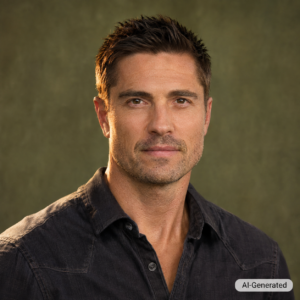
Eric Winter (Tim Bradford) plays the officer whose discipline and relationships have made him a fan favorite. His personal faith is not established by the reliable public material we found.

AI-Generated portrait of Nathan Fillion
AI-generated portrait of Nathan Fillion; not a photograph.

Nathan Fillion (John Nolan) stars in and executive produces the series. His long acting career and Nolan’s story of a second chance do not by themselves reveal his beliefs.

AI-Generated portrait of Alyssa Diaz
AI-generated portrait of Alyssa Diaz; not a photograph.

Alyssa Diaz (Angela Lopez) brings a wide television background to a role involving justice, family, and responsibility. We did not find a clear, verifiable public profession of Christian faith.

AI-Generated portrait of Mekia Cox
AI-generated portrait of Mekia Cox; not a photograph.

Mekia Cox (Nyla Harper) has performed in theater, dance, film, and television. Her portrayal of a training officer cannot tell us what she personally believes about Jesus.

AI-Generated portrait of Richard T. Jones
AI-generated portrait of Richard T. Jones; not a photograph.

Richard T. Jones (Wade Grey) has spoken directly about rededicating himself to the Lord and about Jesus helping him. His interview gives us a basis to report a public expression of Christian faith while leaving the judgment of his heart to God.

AI-Generated portrait of Jenna Dewan
AI-generated portrait of Jenna Dewan; not a photograph.

Jenna Dewan (Bailey Nune) has discussed spirituality publicly. A broad spiritual conversation is not the same as a clear profession of the biblical gospel.

AI-Generated portrait of Lisseth Chavez
AI-generated portrait of Lisseth Chavez; not a photograph.

Lisseth Chavez (Celina Juarez) is known for work on The Rookie, Chicago P.D., and Legends of Tomorrow. Her public professional biography does not establish her personal faith.

AI-Generated portrait of Shawn Ashmore
AI-generated portrait of Shawn Ashmore; not a photograph.

Shawn Ashmore (Wesley Evers) is also familiar from the X-Men films. A fictional lawyer’s moral choices cannot answer the question of the actor’s religion.

AI-Generated portrait of Deric Augustine
AI-generated portrait of Deric Augustine; not a photograph.

Deric Augustine (Miles Penn) joins the ensemble as one of its newer rookies. His professional and charitable work deserves to be described accurately without treating it as a declaration of theology.

Why we separate actors from characters

A television drama can make an invented person feel real. The audience sees decisions, failures, friendships, and perhaps religious language in a script. But an actor may portray a believer, a skeptic, or someone with no stated faith. Even a faith-related project is still a professional role. We therefore look for the actor’s own public words, preferably in a direct interview or statement, before assigning a religious description. When evidence is missing, “we do not know” is a more truthful answer than a confident guess.

This practice is also respectful. Public figures can choose what to share. An absence of testimony in a promotional interview does not prove unbelief, and a religious-sounding phrase does not establish saving faith. A label attached by an unsourced entertainment site should not carry the weight of someone’s own explanation. Where a source does support a narrower claim, as Jones’s interview does, we say exactly what the source supports.

The gospel is more than an inspiring storyline

The Rookie often deals in courage, accountability, second chances, and care for other people. Christians can talk about those themes, but they should not confuse them with the gospel itself. Romans 3:23 says all have sinned. Romans 5:8 says Christ died for sinners. First Corinthians 15:3–4 summarizes his death for sins and resurrection, and Ephesians 2:8–9 teaches salvation by grace through faith, not by works. The hope of Christianity rests on Jesus Christ rather than on a person’s achievements, popularity, denomination label, or good intentions.

The cast’s stories may prompt viewers to ask serious questions about justice and mercy. Those questions are worth taking to Scripture and to honest conversation. Our profiles provide the public evidence we could verify about the actors, and they make clear where that evidence stops. As cast members speak about faith in their own words, we can revise the relevant profiles and keep this guide current.

Photo note: The featured image is an AI-generated editorial illustration of a generic Los Angeles police setting. It is not a photograph from The Rookie. Cast portraits are AI-generated editorial illustrations created for Famous Faith and reused from the linked actor profiles. They are not photographs or official show images. Each is labeled AI-Generated. No endorsement is implied.

Source: ABC’s official cast page for The Rookie, together with the sources linked in each profile.

The King of Queens Cast: Religion, Faith, and What the Bible Says

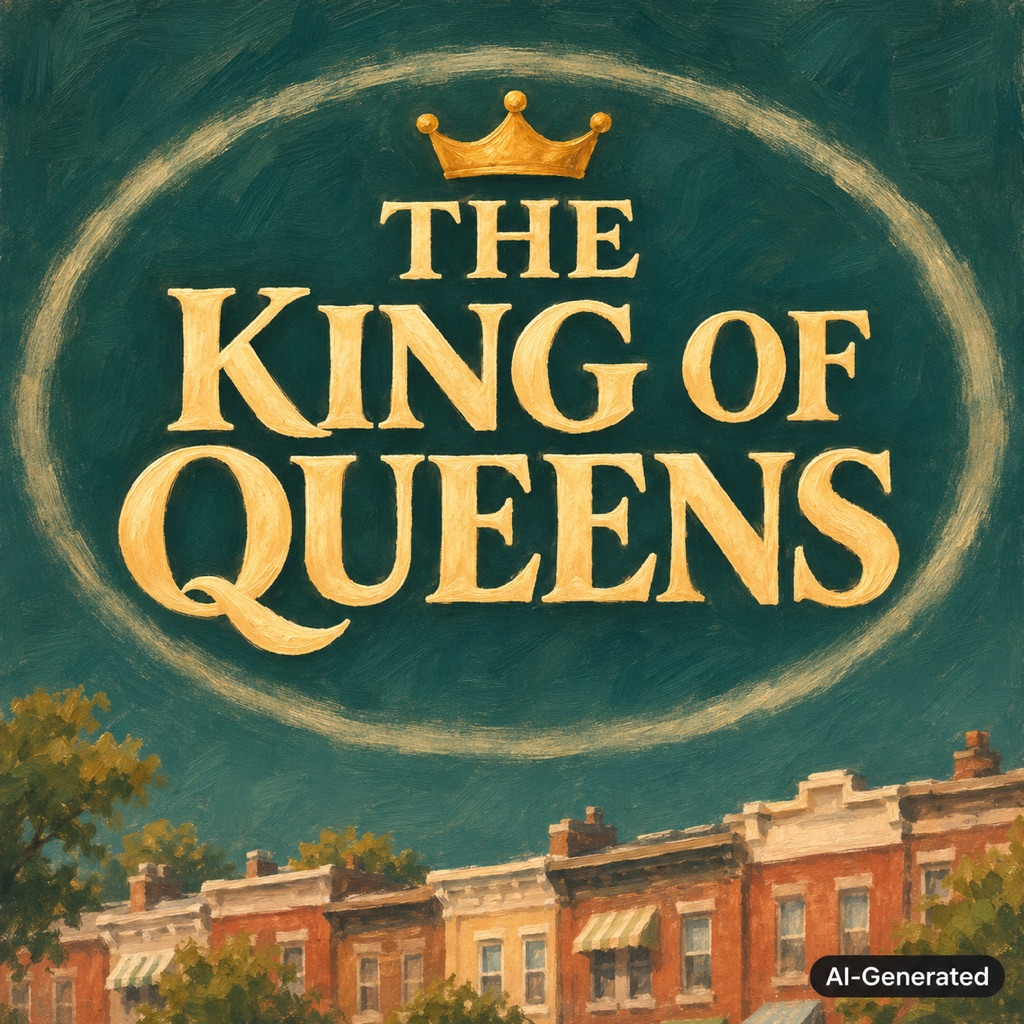
AI-generated painted title card for The King of Queens cast and faith guide, labeled AI-Generated.

AI-generated painted editorial title card for The King of Queens cast guide; not official show artwork.

The King of Queens makes a familiar promise: spend a little time with this household, and an ordinary problem will become a very funny mess. Doug wants comfort, Carrie wants a straight answer, and Arthur rarely wants to remain quietly in the background. Friends arrive with advice that may help or may make everything worse. Under the jokes are questions about truth, patience, marriage, and the way we treat people close to us.

This guide connects nine cast profiles with those biblical questions. It also separates two subjects that can easily become confused. What an actor has said about faith is one question. What a fictional character can teach us about our own conduct is another. A script cannot tell us what its performer believes about God.

Who played the familiar faces in Queens?

Kevin James played Doug Heffernan, and Leah Remini played Carrie Heffernan. Jerry Stiller, who died in 2020, played Carrie’s father, Arthur Spooner. Victor Williams played Deacon Palmer, while Merrin Dungey played his wife, Kelly. Patton Oswalt played Spence Olchin, Gary Valentine played Danny Heffernan, Nicole Sullivan played Holly Shumpert, and Larry Romano played Richie Iannucci.

Those roles gave the show a circle of marriages, friendships, family duties, and competing plans. The people who performed them had separate lives and different public stories. The profiles below follow the evidence available for each person, including a clear statement when a present religious affiliation cannot be confirmed.

What do the cast members’ public statements establish?

Kevin James has openly described himself as Catholic Christian. Leah Remini has discussed leaving Scientology, her Catholic childhood, and her belief in God, without supplying a full statement of Christian doctrine in the interview cited here. Stiller’s Jewish background was a visible part of his life and comedy. Oswalt publicly identified as an atheist in a dated interview.

For Williams, Valentine, Sullivan, Romano, and Dungey, the sources reviewed do not establish a definite present religious affiliation. That is a limit of the evidence, not proof that any of them lacks faith. It would be unfair to assign a religion from a surname, a relative, a charitable act, or a role. Each linked profile explains its sources and the boundary between a fact and an assumption.

Which cast profile would you like to read?

What happens when comfort becomes king?

Doug’s desire for an easy day supplies a useful starting point for self-examination. Comfort is a good gift, but it becomes a problem when another person’s needs feel like an offense simply because they interrupt our plans. A small excuse can grow into a larger lie when protecting convenience matters more than telling the truth.

Philippians 2:3-4 calls Christians to consider other people’s interests. That does not mean rest is wrong or every request must receive a yes. It means love should shape the answer. We can set a reasonable boundary honestly instead of building a story that makes us look better. The question is how we respond when loving someone costs us something.

  • Tell the truth about your plans.
  • Share work without keeping a score.
  • Listen before defending your comfort.
  • Admit a mistake while it is small.

These are applications for viewers. They are not accusations against James or any other performer. Comedy can reveal a temptation by making it larger than life. Scripture asks us to notice the quieter version that appears in our own kitchens and conversations.

Can a sharp reply repair a marriage?

Doug and Carrie’s exchanges often turn on who can land the next line. A joke may succeed because an argument feels familiar. Yet winning a verbal contest and caring for a spouse are different goals. We can make a true observation in a way that humiliates someone, or use humor to avoid admitting that we are hurt.

Proverbs 15:1 commends a gentle answer. Ephesians 4:29 asks whether our words help the listener. Biblical gentleness does not forbid a serious disagreement, and forgiveness does not require hiding harm. It calls us to speak honestly without making cruelty our method. A marriage needs more than two people who can prove a point. It needs people willing to hear a concern and take responsibility.

What do Arthur and Holly reveal about dignity?

Arthur’s place in the Heffernan home raises questions about patience with an older relative. Holly’s work raises questions about how a household treats someone who provides help. The show’s comic situations can send viewers back to a serious issue: do we see a person, or merely an interruption, obligation, or service?

The Bible gives older people and working people dignity that does not depend on how convenient they are. First Timothy 5 discusses responsibility toward family. James 2 warns against valuing people according to visible status. Care can require planning, outside help, and healthy limits. It should still begin with the conviction that a neighbor matters more than the task we want completed.

What makes a friend more than an accomplice?

Deacon, Spence, Danny, and Richie give Doug a wider world than his own living room. Friendship brings laughter and loyalty, but it can also become a way to avoid correction. We may call someone supportive when what we really mean is that the person always agrees with us.

Proverbs 27:6 recognizes the value of honest correction from a friend. Ephesians 4:15 connects truth with love. A faithful friend can listen with compassion and still say that a dishonest plan is wrong. The same standard applies when we are the one being corrected. Humility means receiving the help we would like to believe we no longer need.

Does identifying a fault make us right with God?

It is easy to finish an episode thinking that another person needs to change. Scripture turns the examination toward all of us. Romans 3:23 says everyone has sinned and falls short of God’s glory. We have lied, acted from pride, envied a neighbor, and failed to love. Recognizing those failures is a beginning, but recognition cannot erase guilt.

Religious labels cannot do that work either. Belonging to a church, admiring a Christian actor, having Jewish or Catholic roots, or being known as a good friend does not give us a perfect record before God. We need forgiveness that rests on something stronger than our next promise to improve.

What is the gospel’s hope for an imperfect household?

Jesus Christ, the eternal Son of God, became human and lived without sin. He willingly died on the cross for sinners, bearing the judgment we deserve. He was buried and rose bodily from the dead. First Corinthians 15:3-4 places His death and resurrection at the center of the good news. Christianity offers more than a useful lesson about getting along.

Ephesians 2:8-9 teaches that salvation is God’s gift, received through faith rather than earned through works. Jesus calls us to repent and believe, turning from sin and trusting His finished work for forgiveness and eternal life. Good works follow as a response to grace. They do not become the payment that makes God accept us.

No article can announce the hidden condition of a cast member’s heart or declare an individual’s eternal destination. We can report public statements accurately, disagree with care, and point readers to Christ. After the laughter, the most useful question is personal: what am I trusting to make me right with God?

Sources and image credit

Featured image: AI-generated painted editorial title card created for Famous Faith. This is an illustration, not official show artwork. No endorsement is implied.

What Is Merrin Dungey’s Religion? Is She a Christian?

AI-Generated portrait of Merrin Dungey

AI-generated painted editorial portrait of Merrin Dungey; not a photograph.

Merrin Dungey’s current religious affiliation is not clearly established in the interviews reviewed for this profile. We have not found enough verified evidence in those sources to identify her as a practicing Christian or give her another definite religious label. Her television work does not answer that private question for her.

King of Queens viewers recognize Dungey as Kelly Palmer, Deacon’s wife. Audiences of other series may associate her with a best friend, an investigator, a hospital executive, or a villain. That range makes an important point: a performer’s skill at showing different personalities should make us more careful about treating any one character as a window into her beliefs.

What has Merrin Dungey shared about her life?

In a 2016 Sactown Magazine interview, Dungey described growing up in the Sacramento area, enjoying performance, and finding acting opportunities while studying at UCLA. She discussed piano, ballet, and early television experience. The conversation offers a lively account of how a creative interest became a profession.

She also reflected on discovering more about her identity as a Black woman as she entered college and began auditioning. That is her own account of personal development. It should be treated with the same care as any other part of a person’s story, without turning it into a claim about religion that she did not make.

In a 2018 Assignment X interview, Dungey discussed portraying morally complicated people on television. She recognized the difference between the responsibilities a character thinks she has and the way an audience may judge her. Neither interview supplies a clear profession of Christian faith or a complete statement about God.

Does playing Kelly Palmer establish anything religious?

Kelly’s place in The King of Queens brings another marriage and another family into the story. The role can prompt questions about trust, communication, and the limits of what friends know about one another. Those are questions about the series. They are not proof of Dungey’s beliefs or evidence about her own relationships.

A character’s name, family, or decisions cannot be used as a substitute for an actress’s testimony. The same caution applies to playing a frightening villain or a compassionate helper. Acting asks people to portray lives they do not necessarily share. A good performance makes that boundary easy to forget, which is precisely why a faith profile must remember it.

What does the Bible say about judging appearances?

First Samuel 16:7 contrasts the way people focus on outward appearance with God’s knowledge of the heart. The passage should make us humble. We see a small part of another person’s life, and a screen performance gives us an even more carefully selected part.

James 2 warns Christians against giving people different treatment because of visible status. The warning reaches beyond a church meeting. We can favor someone who seems impressive, dismiss someone who does not fit our expectations, or assume a person’s entire outlook from a group identity. Scripture challenges those habits rather than blessing them.

  • Ask what a person has actually said.
  • Resist reducing someone to a single role.
  • Give unfamiliar people a fair hearing.
  • Examine your own quick assumptions.

These choices help us speak more truthfully and listen more patiently. They also remind us that an unanswered question is sometimes the most accurate result of research. We are not owed a detailed confession from every public figure whose work we enjoy.

Can understanding a character excuse wrongdoing?

Trying to understand someone’s motives does not mean every action is right. Dungey’s discussion of complicated roles provides a useful starting point for that distinction. In ordinary life, a person may offer a reason for a harsh decision while still needing to acknowledge the harm it caused.

The Bible takes both truth and mercy seriously. Micah 6:8 joins justice, kindness, and humility before God. We should not ignore wrongdoing because we find a person sympathetic, nor refuse compassion because we believe an action was wrong. Holding those responsibilities together is harder than choosing an easy hero and villain.

What does Christian faith offer imperfect people?

The Christian message begins with a problem shared by everyone. Romans 3:23 says all have sinned and fall short of God’s glory. We are not merely misunderstood characters who need a better explanation. We have failed to love God and our neighbors through our actions, words, and desires.

Jesus Christ lived without sin and willingly died on the cross for sinners, bearing the judgment we deserve. He was buried and rose bodily from the dead. Through Him, God offers forgiveness and reconciliation. Ephesians 2:8–9 teaches that salvation is a gift received through faith rather than a reward for good works.

Jesus calls us to turn from sin and trust His finished work. We can come honestly, without pretending our motives have always been pure. His grace gives hope to people whose lives are more complicated than a simple label.

Dungey’s interviews establish parts of her public story, while her present religious beliefs remain unconfirmed here. We can appreciate her performances without inventing a faith for her. The deeper invitation is to consider the biblical Jesus ourselves and ask whether we are willing to receive the mercy He offers.

Explore the King of Queens cast and faith guide.

Sources and image credit

Featured image: AI-generated painted editorial portrait of Merrin Dungey, created for Famous Faith. This is an illustration, not a photograph or an official publicity image. No endorsement is implied.

What Is Larry Romano’s Religion? Is He a Christian?

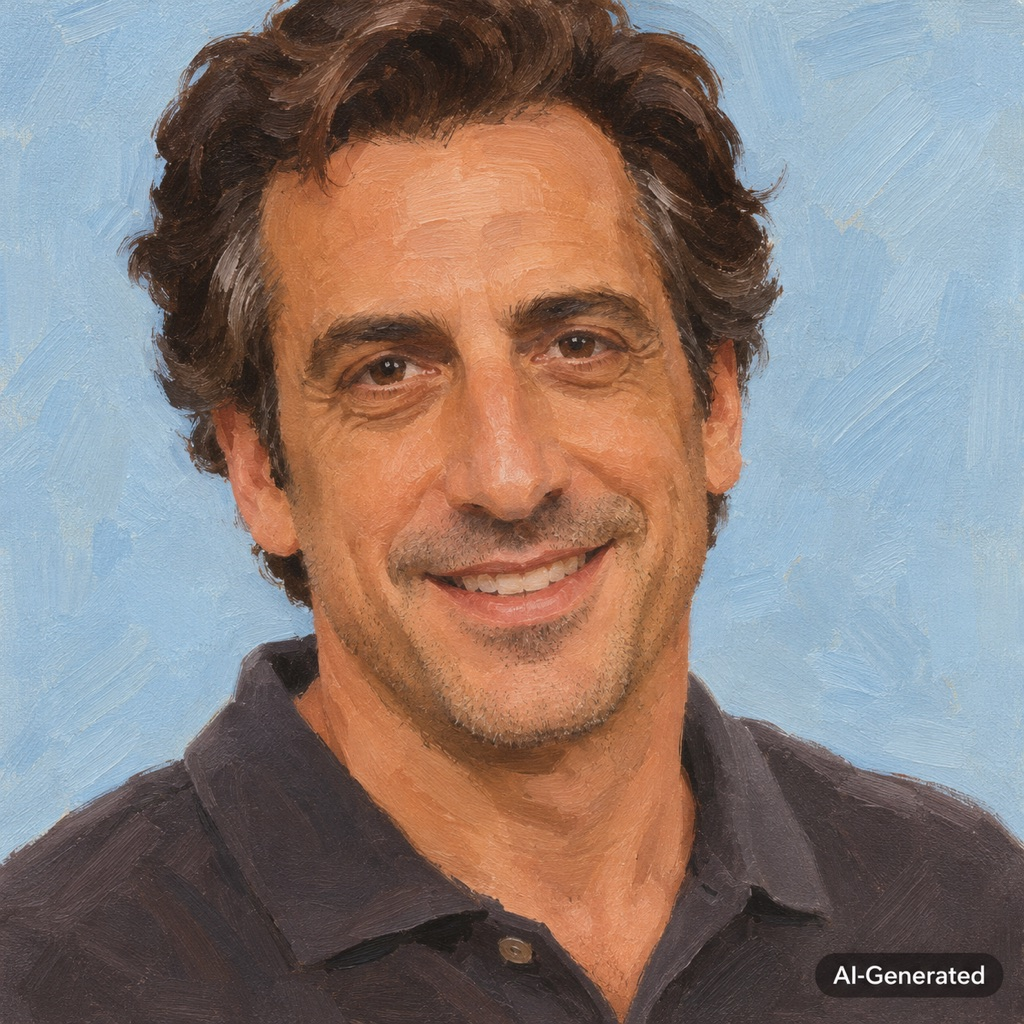
AI-Generated portrait of Larry Romano

AI-generated painted editorial portrait of Larry Romano; not a photograph.

Larry Romano’s present religious beliefs are not clearly established in the official career material and other sources reviewed for this profile. There is not enough verified evidence here to call him a practicing Christian or assign another definite faith. An Italian surname, a New York background, or a familiar television role cannot supply that answer.

Romano played Richie Iannucci in the early seasons of The King of Queens. The character belongs to the world of Doug Heffernan’s friends, while the actor’s work extends into film, theater, writing, and directing. A profile about his religion should begin by separating that real career from the assumptions a viewer may bring to a character.

What does Larry Romano’s public work establish?

Romano’s official website highlights his film Saturday in the Park and identifies it as a directing project based on his earlier stage work. His professional biography also lists acting credits including Donnie Brasco and The Thin Red Line. Those are useful facts about a creative life, rather than a religious testimony.

An Encyclopedia.com career entry identifies his King of Queens role as Richie and records work in music and theater. Together, the sources describe a performer whose interests go beyond the part many television viewers remember. They do not provide a clear current confession about God, Jesus, or salvation.

It is fair to report what these sources establish and stop where they stop. Not finding an answer in a career biography is not proof that a person lacks faith. It is a reminder that a professional page may have a limited purpose and that public curiosity does not give us access to every private belief.

Why can a familiar name create a false shortcut?

People often attach expectations to a surname or a place. They may assume someone must belong to the religion common in a family or neighborhood. Sometimes that guess happens to be correct, but it is still a guess. A reliable profile needs evidence that actually concerns the person being described.

The same rule applies to a role. Playing a police officer, a soldier, or a friend in a sitcom does not establish an actor’s moral or religious convictions. Actors interpret scripts. A reader should not confuse an effective performance with a personal confession, even when the character feels especially natural.

What does the Bible say about careful judgment?

Proverbs 18:13 warns against answering before listening. That wisdom applies to a conversation at home and to a claim about someone we have never met. A confident sentence can travel faster than the evidence behind it, especially when it confirms what an audience already expects.

The command against bearing false witness also reaches careless speech. We do not have to invent an elaborate accusation to misrepresent a neighbor. Repeating an unsupported label can create a false impression. Christians should value truth even when a less certain answer makes an article less dramatic.

  • Look for the original statement behind a claim.
  • Distinguish a fact from an assumption.
  • Correct an error when better evidence appears.
  • Allow a private question to remain unanswered.

These principles are not special favors for actors. They are part of loving a neighbor. The person being described may never read the article, but God still cares about whether our words are honest. Accuracy is a moral responsibility as well as a writing skill.

Where does a person’s identity finally rest?

Work can become a large part of how we describe ourselves. A performer may be remembered for one role while continuing to create very different projects. Outside entertainment, the same pressure appears when someone becomes known mainly as a parent, an employee, or the person who once made a mistake.

The Bible gives a deeper starting point: human beings are made in God’s image. That dignity does not depend on a successful career or a public reputation. It also comes with moral responsibility. Our value is not erased by failure, and our failures are not erased by success.

Romans 3:23 says all have sinned. We have lied, envied, acted selfishly, or refused to love as we should. A better story about ourselves cannot undo those wrongs. Neither can a familiar religious identity make us innocent before a holy God.

What hope does the gospel offer beyond reputation?

Jesus Christ, the Son of God, lived without sin and died on the cross for sinners. He bore the judgment we deserve, was buried, and rose bodily from the dead. The Christian message is about His finished work rather than our ability to produce an impressive personal history.

Ephesians 2:8–9 teaches that salvation comes by grace through faith, not by works. Jesus calls people to turn from sin and rely on Him for forgiveness and eternal life. We do not have to make ourselves worthy before seeking His mercy. Good works follow as a response to the gift.

Romano’s work can be described from the public sources available. His current religion requires more restraint. For the reader, that limit can be useful: it shifts attention from guessing about another person to considering our own beliefs. What do we think is true about Jesus, and what are we trusting to make us right with God?

Explore the King of Queens cast and faith guide.

Sources and image credit

Featured image: AI-generated painted editorial portrait of Larry Romano, created for Famous Faith. This is an illustration, not a photograph or an official publicity image. No endorsement is implied.

What Is Nicole Sullivan’s Religion? Is She a Christian?

AI-Generated portrait of Nicole Sullivan

AI-generated painted editorial portrait of Nicole Sullivan; not a photograph.

Nicole Sullivan’s current religious affiliation is not clearly established in the interviews and studio material reviewed for this profile. We have not found a clear public profession of Christian faith in those sources. That leaves the question open; it does not prove that she has no religion or invite a writer to guess from her name or upbringing.

King of Queens fans know Sullivan as Holly Shumpert, whose work brings her into the Heffernans’ unusual household. Other viewers recognize her sketch comedy or voice acting. A performer can make a character feel familiar while keeping important parts of her own life private. Religious belief is one area where that distinction matters.

What has Nicole Sullivan shared publicly?

In a 2010 Smashing Interviews conversation, Sullivan spoke about comedy, early theater work, and her experience with The King of Queens. She described meeting her husband while working on the show and remembered Jerry Stiller as generous and encouraging. The interview offers a personal view of professional life, not a statement of religious doctrine.

She also discussed support for Alley Cat Allies and the work people do to help vulnerable animals. Those comments show an interest in a practical cause. They should be reported for what they are, without turning a charitable concern into evidence that she belongs to a particular faith.

CBS’s archived biography also records her theater background and work on MADtv. These sources help explain the career behind Holly. They do not establish where Sullivan worships, whether she prays, or what she believes about Christ. An honest profile can appreciate the work while leaving those questions unresolved.

Why should kindness and religion remain separate questions?

A kind act is valuable whether or not the person performing it gives a religious explanation. Christians should be able to recognize generosity in a neighbor who believes differently. Assigning a Christian label whenever someone does something admirable misrepresents both the person and the meaning of Christian faith.

The reverse mistake is also possible. A fictional character who makes a poor choice does not prove that the actress shares that character’s morals. Holly is a written part, and Sullivan has played many other parts. A comedy performance should not become a shortcut for judging a real person’s conscience.

What does Holly’s place in the household reveal?

In the episode “Walk, Man,” Doug hires Holly to walk Arthur while giving Arthur a different explanation for her visits. CBS’s original episode description makes the comic misunderstanding clear. The situation raises a useful question for the viewer: are we treating another person as a neighbor, or mainly as a convenient way to solve our own problem?

The Bible’s command to love our neighbors reaches ordinary working relationships. A person who helps with a task has dignity beyond the service provided. James 2 warns against treating people as more or less important because of their status. Philippians 2:4 asks us to consider another person’s interests alongside our own.

  • Learn the name of someone serving you.
  • Be truthful about what you are requesting.
  • Give credit rather than taking kindness for granted.
  • Notice when a helpful person needs help.

These habits are small enough to practice today. They are also difficult when comfort has become our main concern. A comedy can make selfishness look absurd, but recognizing the joke does not automatically change our conduct. We still have to choose to love a real person.

Does caring for others earn forgiveness?

Good works matter. The Bible encourages generosity, mercy, and care for people who are overlooked. It also says those works cannot erase guilt or purchase a place with God. A generous person can still be dishonest, proud, or unwilling to forgive. The moral standard applies to every part of life.

Romans 3:23 says everyone has sinned. That includes the reader and the writer, so a celebrity profile should never become a way to feel superior. The question is not whether we have ever done something kind. It is whether we can make ourselves righteous before a holy God. Scripture says we need a Savior.

What good news does Jesus offer?

Jesus Christ lived without sin and willingly died on the cross for sinners, bearing the judgment we deserve. He was buried and rose bodily from the dead. Through Him, forgiveness and eternal life are offered as a gift. Ephesians 2:8–9 teaches that salvation is by grace through faith, apart from works.

Jesus calls us to turn from sin and trust Him. Kindness then becomes a response to mercy rather than an attempt to pay for it. Christians should help neighbors because they are loved by God, not because each good deed adds another point to a spiritual scorecard.

Sullivan’s interviews give readers reason to appreciate her craft and the warmth of some of her working relationships. They do not establish a definite religious affiliation. We can respect that limit and still allow a familiar character to prompt a worthwhile question: do we see the people around us clearly enough to love them well?

Explore the King of Queens cast and faith guide.

Sources and image credit

Featured image: AI-generated painted editorial portrait of Nicole Sullivan, created for Famous Faith. This is an illustration, not a photograph or an official publicity image. No endorsement is implied.