What Is Maria Sten’s Religion? Is She a Christian?

AI-Generated portrait of Maria Sten

AI-generated editorial portrait; not a photograph.

Maria Sten appears in Reacher as Frances Neagley, part of the story introduced in season 1. Fans may recognize a face long before they know anything about the person’s beliefs. Asking about an actor’s religion is understandable, but the answer needs to come from evidence about the actor rather than from the fictional world on screen.

Maria Sten’s religion is not confirmed in the reliable public sources reviewed for this profile. We have not established a clear personal profession of Christian faith or a current denomination.

The person behind Frances Neagley

Sten’s work extends beyond being an action performer. In a Creative Screenwriting interview, she discusses writing as well as portraying Frances Neagley. Those different responsibilities help explain why a viewer might be interested in the thinking behind her work. They do not, by themselves, identify a religious allegiance. A person can care about telling thoughtful stories and still hold beliefs very different from those of another artist working on the same production.

Neagley is one of Reacher’s trusted companions, with a distinctive professional competence and a life that is not simply an extension of his. Sten’s performance gives the partnership an important sense of mutual respect. The character’s loyalty can be discussed as part of the drama without assuming that loyalty is a coded statement about Sten’s own religion. A fictional friendship and a personal confession of faith are different kinds of evidence.

What the public evidence does—and does not—show

The reviewed professional interview explains her creative perspective, but it does not supply a clear statement that she trusts Jesus Christ for salvation or belongs to a particular church. Her Danish background, international career, or advocacy cannot responsibly fill that gap. Nor should searches for Maria Sten be confused with material about Maria Steen, the Irish public commentator. Similar names can connect unrelated people to very different religious claims.

This profile distinguishes documented career information, direct statements about belief, and Famous Faith’s own Christian commentary. The sources linked here can establish a performance or a comment without answering every question about her present convictions. An interview about a role is not automatically a testimony. Likewise, an absent religious statement is not evidence that someone rejects God. We should leave an unanswered question open rather than supply a convenient label.

Loyalty that serves rather than controls

Neagley’s place in the story raises a worthwhile question about friendship: do we value someone as a person, or only as a useful ally? Christian love seeks another person’s good rather than merely recruiting help for our own cause. Philippians 2:3–4 calls believers to consider others, and Galatians 6:2 describes carrying one another’s burdens. These passages offer a way to examine our relationships. They are not a claim that Sten intended her character to teach Christianity. The application belongs to the reader’s reflection on the story, while the question of the actor’s faith remains dependent on her own public words.

The Bible’s message of grace

The Bible teaches that our deepest problem is sin, not a lack of recognition or an insufficiently impressive religious background. Romans 3:23 includes every one of us in that diagnosis. Jesus Christ, God’s Son, lived without sin, died for sinners, and rose bodily from the dead. His death and resurrection are the heart of the gospel (1 Corinthians 15:3–4). Salvation is received by God’s grace through faith in Christ, not earned by good deeds, church membership, cultural identity, or success (Ephesians 2:8–9). Repentance means turning from sin toward God; faith means depending on Jesus Himself. The obedience that follows is a response to grace, not its purchase price. That is the standard Famous Faith uses when explaining Christianity, regardless of how famous or likable someone may be.

For Maria Sten, the most accurate conclusion is the one the evidence actually supports: the reviewed sources do not settle the question of a current religious affiliation or personal trust in Christ. We can appreciate her work without making a spiritual judgment on the strength of a performance. The question also invites readers to examine their own hope: is it grounded in Jesus Christ, or only in a reputation, a tradition, or an identity other people recognize?

Image disclosure: AI-generated editorial portrait representing Maria Sten, created for Famous Faith; not a photograph. No endorsement implied.

More from this series: Explore all 31 Reacher cast faith profiles.

What Is Alan Ritchson’s Religion? Is He a Christian?

AI-Generated portrait of Alan Ritchson

AI-generated editorial portrait; not a photograph.

Alan Ritchson is the actor at the center of Reacher, playing Jack Reacher as an imposing former military investigator whose size can conceal a quick, observant mind. Viewers who discover him through the action series often ask a different question about the man behind the character: What does he believe about God?

Ritchson has publicly identified as a Christian and frequently discusses Jesus. He has also described a Catholic upbringing. Those statements deserve to be reported accurately, without treating a childhood label, a film role, or celebrity influence as proof of salvation.

What Alan Ritchson has said about faith

A 2024 Deseret News report on his Hollywood Reporter interview documents Ritchson’s comments about Christianity and his Catholic family background. He presents Jesus’ teaching as important to the way he thinks people should live. The report also discusses his criticism of hypocrisy among people who claim a Christian identity. These are public statements about his own convictions, rather than conclusions drawn from the characters he portrays.

That distinction matters because Ritchson also appeared in Ordinary Angels, a drama marketed to faith audiences. Acting in a story about compassion can introduce viewers to spiritual questions, but the role itself cannot establish an actor’s theology. In Ritchson’s case, there is separate evidence: he has spoken about faith in interviews. The responsible conclusion rests on those statements, not on the genre of a movie.

A Catholic upbringing and a present profession are different questions

Some people regard Catholicism as a branch of Christianity. Famous Faith evaluates religious claims against Scripture rather than treating that classification as a guarantee that the same gospel is being taught. Our conviction is that salvation is God’s gift of grace, received through faith in Jesus Christ, apart from human merit or religious achievement. A Catholic label cannot save someone, and neither can a Protestant label.

Someone who calls himself Catholic may personally trust Christ, but the label is not the reason he is saved. Similarly, knowing that Ritchson grew up Catholic does not tell us everything he now believes about the authority of Scripture, the work of Christ, repentance, or justification. We should neither erase his public Christian profession nor fill in doctrinal answers he has not clearly supplied in the sources reviewed here.

Reacher’s justice is not the Christian gospel

Amazon’s description of the series places Reacher amid danger, betrayal, and the search for people responsible for serious wrongdoing. Ritchson’s performance gives the character confidence and physical authority. That can make for compelling fiction, but it does not make the character a model for every decision a Christian should make.

Scripture takes justice seriously while rejecting personal vengeance as a substitute for righteousness. Romans 12:19 places final vengeance in God’s hands. Christians can appreciate a story’s concern for victims while questioning its methods, its sexual content, or its treatment of violence. Appreciating an actor and evaluating his choices are compatible. Neither admiration nor criticism gives us access to his heart.

What makes someone a Christian?

The Bible’s answer begins with our need, not our reputation. Romans 3:23 teaches that all have sinned. The successful actor, the devoted churchgoer, and the ordinary viewer all need reconciliation with a holy God. Good intentions and acts of generosity cannot erase guilt. Christianity does not promise that the strongest person can rescue himself.

Jesus Christ lived without sin, died for sinners, and rose bodily from the dead. His death and resurrection stand at the center of the gospel in 1 Corinthians 15:3–4. Ephesians 2:8–9 teaches that salvation comes by grace through faith, not as a reward for works. Good works follow salvation; they do not purchase it. Repentance means turning from sin toward God, and faith means depending on Christ rather than on our accomplishments.

We can therefore say that Alan Ritchson publicly professes Christian faith while remaining careful about the limits of the available evidence. His fame does not validate every theological opinion, and disagreement with a celebrity does not remove our duty to speak truthfully and charitably. The most useful question his profile can raise is personal: Are we trusting Jesus Christ Himself, or relying on a religious identity that other people recognize?

Image disclosure: AI-generated editorial portrait representing Alan Ritchson, created for Famous Faith; not a photograph. No endorsement implied.

More from this series: Explore all 31 Reacher cast faith profiles.

Suits Cast: Religion, Faith, and What the Bible Says

SUITS in large bold white letters over an AI-generated Manhattan law-office illustration

The people of Suits make arguments for a living, but questions about the actors’ faith require evidence rather than a persuasive guess. This guide brings together ten Famous Faith profiles, from the original ensemble to major later-season characters. Each profile distinguishes the actor’s public religious history from the beliefs of the lawyer or colleague played on screen. Follow the cards below for the sources, the limits of what is known, and a biblical reflection on the themes their characters raise.

Explore all ten Suits cast profiles

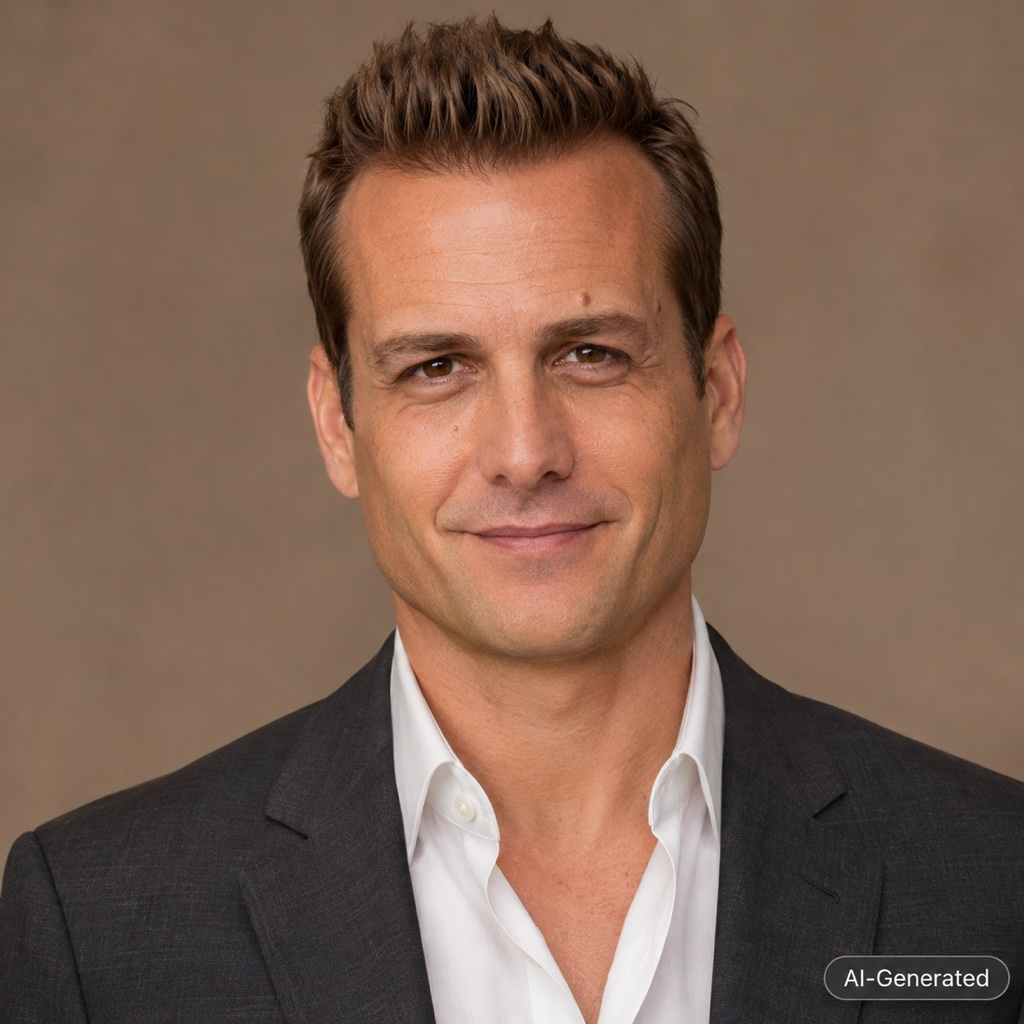
AI-Generated portrait of Gabriel Macht

AI-generated editorial portrait; not a photograph.

Gabriel Macht

Harvey Specter

Macht has a documented Jewish family background; that history does not establish his present religious practice or a Christian profession.

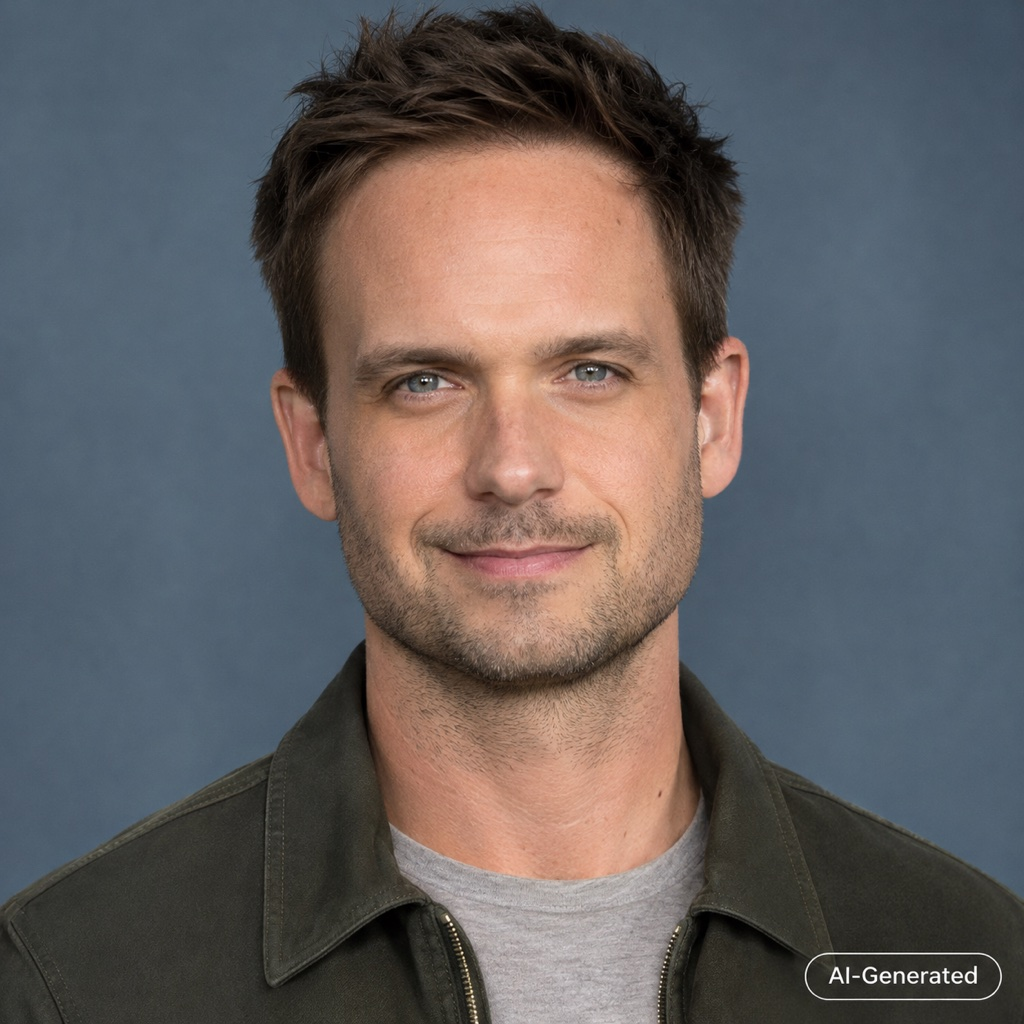
AI-Generated portrait of Patrick J. Adams

AI-generated editorial portrait; not a photograph.

Patrick J. Adams

Mike Ross

Adams has used church imagery when discussing the meaning of acting, but the reviewed interviews do not establish his personal religion.

AI-Generated portrait of Meghan Markle

AI-generated editorial portrait; not a photograph.

Meghan Markle

Rachel Zane

Markle’s 2018 baptism by the Archbishop of Canterbury is documented. That event does not disclose every aspect of her present beliefs.

AI-Generated portrait of Sarah Rafferty

AI-generated editorial portrait; not a photograph.

Sarah Rafferty

Donna Paulsen

Rafferty has discussed family and self-care, but the reviewed interviews do not establish a clear Christian profession or denomination.

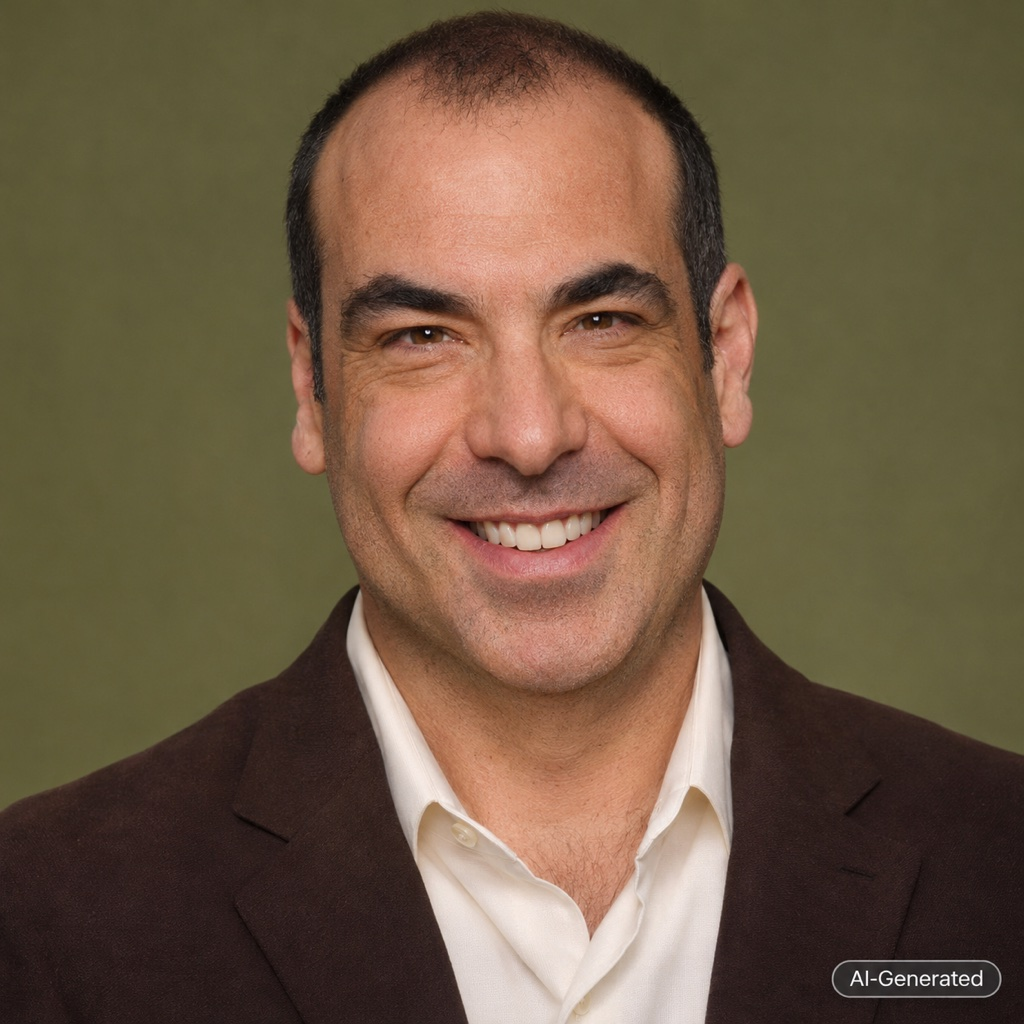
AI-Generated portrait of Rick Hoffman

AI-generated editorial portrait; not a photograph.

Rick Hoffman

Louis Litt

Hoffman has publicly identified himself as Jewish. That statement does not supply a detailed account of his current religious practice.

AI-Generated portrait of Gina Torres

AI-generated editorial portrait; not a photograph.

Gina Torres

Jessica Pearson

Torres has directly described growing up Catholic. Her childhood background does not establish her current doctrine or a saving faith in Christ.

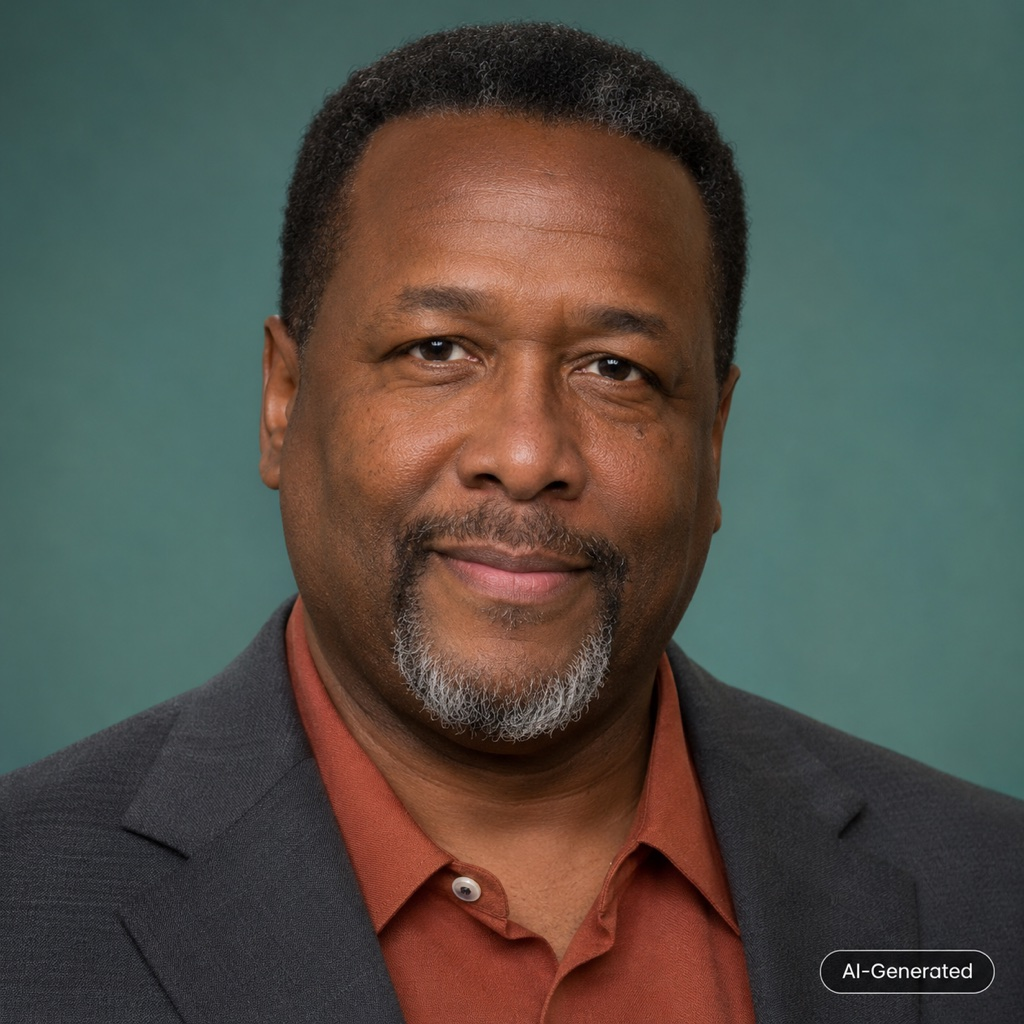
AI-Generated portrait of Wendell Pierce

AI-generated editorial portrait; not a photograph.

Wendell Pierce

Robert Zane

Pierce has publicly identified as Catholic and discussed struggles with faith. Famous Faith distinguishes that label from a profession of the biblical gospel.

AI-Generated portrait of Amanda Schull

AI-generated editorial portrait; not a photograph.

Amanda Schull

Katrina Bennett

Schull has starred in faith-themed entertainment, including The Blessing Bracelet. Her character’s beliefs do not establish her own religion.

AI-Generated portrait of Dulé Hill

AI-generated editorial portrait; not a photograph.

Dulé Hill

Alex Williams

Hill explicitly identified himself as Christian in a direct interview and described faith as his highest priority. The statement is reported with its date and limits.

Katherine Heigl — photograph by Luke Ford

Photograph by Luke Ford / Wikimedia Commons, CC BY-SA 2.5; cropped and resized.

Katherine Heigl

Samantha Wheeler

Heigl has discussed her Mormon upbringing and changes in her practice. Those statements do not establish a current profession of biblical Christianity.

What the public record can tell us

The evidence is different for each person. Some actors have directly named a religious identity. Others have described a childhood background, participated in a documented ceremony, or spoken broadly about faith without supplying a full doctrinal account. Those statements deserve to be reported at the level they actually support. An old interview should retain its date, and a family member’s religion should not become an assumed personal testimony.

A profile also needs room for uncertainty. Not finding a clear profession of faith does not prove that an actor rejects God. Likewise, a reference to church, a religious school, or a part in a faith-themed movie does not establish a saving trust in Jesus. Our purpose is to show the available evidence so readers can understand both what has been said and what remains private.

Catholic and Mormon backgrounds require careful distinctions

Several profiles discuss Catholic or Mormon history. Famous Faith does not treat either label as proof of biblical Christianity. Our position is that salvation is by grace alone through faith in Jesus Christ alone. Some people regard Catholicism as a branch of Christianity; that classification does not settle disagreements about the gospel. A person’s salvation rests on Christ, not on the religious label used or the institution attended.

These convictions should be explained accurately and respectfully. We should not assume an actor agrees with every doctrine associated with a childhood religion, and we cannot pronounce judgment on a heart we do not know. The relevant profiles distinguish documented statements from the site’s own theological explanation. That approach allows honesty about doctrine without inventing private beliefs.

Truth, ambition, and grace in Suits

The series gives viewers many reasons to think about conscience. Talent can conceal a secret for a time, loyalty can become pressure to compromise, and a desire for respect can turn into envy. Those are useful questions for self-examination. They are not a basis for accusing the cast of sharing every failing written into their characters. An actor’s performance and an actor’s personal confession are different kinds of evidence.

The Bible’s answer to guilt is not that a person can eventually make a stronger argument or accumulate enough admirable deeds. Romans 3:23 says all have sinned. First Corinthians 15:3–4 centers the gospel on Jesus dying for sins and rising again. Ephesians 2:8–9 says salvation is a gift of grace received through faith, apart from works. These truths apply to celebrated actors and ordinary viewers alike.

Enjoy the performances, explore the linked sources, and take the deeper questions to Scripture itself. A television drama may start a conversation about integrity, forgiveness, or hope. The gospel points beyond entertainment to the Savior who offers mercy to sinners. As cast members speak more clearly about faith, their individual profiles can be updated with their own words and the proper context.

Sources and image credits

Professional cast context: Netflix Tudum’s cast guide and Universal Pictures’ series listing. Direct interviews and religious-history sources are linked in each profile.

Cover and nine cast portraits: AI-generated editorial illustrations created for Famous Faith, labeled AI-Generated. They are not photographs or official show artwork. Katherine Heigl photograph: Luke Ford, via Wikimedia Commons, CC BY-SA 2.5; cropped square and resized. No endorsement is implied.

What Is Katherine Heigl’s Religion? Is She a Christian?

Katherine Heigl smiling at a film premiere

Katherine Heigl joined Suits as Samantha Wheeler, bringing another forceful personality into the firm. Her public religious history predates that role and is more specific than a vague celebrity spirituality label. Heigl has discussed growing up Mormon and later practicing differently. Those statements deserve to be reported without assuming they tell us everything about her beliefs today.

Katherine Heigl’s Mormon background

In a 2007 Glamour interview, Heigl discussed her Mormon upbringing. She said her practice had changed while expressing appreciation for aspects of that childhood. The interview establishes an important part of her religious history; it does not establish her present church involvement or a current Christian testimony. Read the original interview.

A 2021 feature highlighted on Heigl’s official website described her as no longer practicing Mormonism. That provides later context, but it still does not supply a complete account of what she believes about Jesus, Scripture, or salvation now. Religious biographies should not freeze a person in childhood or present an old interview as if it were a newly issued statement. Read the official-site feature.

We can therefore identify a Mormon background and a later reported change in practice. We should not fill the remaining gaps by declaring her an atheist, a practicing Latter-day Saint, or a born-again Christian. Each of those is a more specific claim that would require its own reliable evidence. The sources reviewed do not justify that additional certainty.

Does a Mormon label mean biblical Christianity?

Famous Faith does not treat a Latter-day Saint identity as equivalent to a profession of biblical Christianity. Using Christian vocabulary or expressing admiration for a religious childhood does not, by itself, explain what someone believes about Christ and his saving work. Our standard is the gospel taught in Scripture, rather than a celebrity’s label or the appeal of a particular upbringing.

John 1:1 and 1:14 present Jesus as the eternal Word who became flesh. First Corinthians 15:3–4 centers the gospel on his death for sins and resurrection. Ephesians 2:8–9 teaches salvation by grace through faith, apart from works. These are the convictions Famous Faith brings to the discussion. We should not imply that Heigl has publicly affirmed them merely because religion has mattered in her life.

Samantha Wheeler and questions of trust

Heigl plays Samantha Wheeler in the later seasons of Suits. Samantha’s presence adds another perspective on ambition and professional loyalty. A strong performance can make viewers interested in the actor, but it does not turn a fictional lawyer’s convictions into evidence of the performer’s faith. Universal’s series listing includes Heigl among the cast.

The legal-drama setting invites viewers to consider whether success can become an excuse for compromise. That reflection belongs first to the story and then to our own conduct. It should not become speculation about Heigl’s personal character. An actress is responsible for her own public words and actions, not for every moral choice written for Samantha.

Christianity also distinguishes a changed life from a life impressive enough to earn salvation. Moral growth matters, but it cannot undo sin or supply a substitute for Jesus. Romans 5:8 points to Christ’s love for sinners before they had made themselves worthy. That is why a profile about religion should not treat family values, professional achievement, or charitable concern as proof of saving faith.

Is Katherine Heigl a Christian?

Her Mormon upbringing is documented, and later material describes a change in her practice. We did not verify a clear present profession of the biblical gospel in the sources reviewed. That is an evidence-based limit, not a declaration about her salvation. No observer can resolve her spiritual condition simply by reading an interview or watching Suits.

Readers can appreciate Heigl’s work while keeping that distinction intact. If she offers a fuller explanation of her current beliefs, it should be considered in its own context. Until then, an honest profile reports the religious history we can support and invites anyone asking about Christian hope to examine Christ’s claims directly.

Sources and image disclosure

Sources: Glamour interview, 2007; Stella feature highlighted on Heigl’s official site, 2021; Universal Pictures Suits listing. Biblical reflection: John 1:1, 14; Romans 5:8; 1 Corinthians 15:3–4; Ephesians 2:8–9.

Photo: Luke Ford, via Wikimedia Commons, CC BY-SA 2.5. Cropped square and resized; the photograph has not been AI-generated or retouched.

More from this series: Explore all ten Suits cast faith profiles.

What Is Dulé Hill’s Religion? Is He a Christian?

AI-Generated portrait of Dulé Hill

Dulé Hill plays Alex Williams in Suits, adding another experienced attorney to the ensemble. Unlike profiles that depend on assumptions from an actor’s roles, Hill’s religious background includes a direct public statement: he has explicitly identified himself as Christian. That allows a clearer answer, provided the interview is reported in context and without claiming access to his heart.

Dulé Hill’s own words about faith

In a 2010 interview with Kam Williams, published by NewsBlaze, Hill explained that faith was his highest priority. In the same conversation, he said, “I’m a Christian.” He also acknowledged falling short of his own standards and wanting to learn from mistakes. This is a first-person identification, not an inference from a character he played. Read the interview.

It is therefore fair to say Hill has publicly professed Christian identity. The date matters: a 2010 interview is evidence of what he said then, not a complete account of every conviction he holds today. A brief conversation also does not provide a full statement of doctrine. We should neither ignore a clear profession nor make it answer questions it did not address.

The interview offers something more useful than a celebrity database entry. Readers can see that the religious description came from Hill himself. They can also distinguish his comments about personal growth from the Bible’s explanation of salvation. A person’s acknowledgment of weakness can be significant without giving an outside observer authority to pronounce that person saved.

Alex Williams and the performer behind him

Hill’s place in Suits is one part of a broader acting career familiar to viewers of Psych and The West Wing. On the legal drama, he portrays Alex Williams. Professional biographies establish that work; they do not create his faith identity. The direct interview is the stronger source for that separate question. Universal’s series listing includes Hill in the cast.

An actor can take a character through compromise or conflict without endorsing every action in the story. That is particularly important in a series built around difficult legal and professional decisions. Alex’s choices belong to the drama. Hill’s statement about Christianity belongs to his public life. A responsible profile keeps those different kinds of evidence in their proper place.

Personal growth and salvation by grace

Hill’s comments about falling short make a natural starting point for a biblical reflection. Romans 3:23 says all have sinned. That includes people who sincerely want to improve and people admired for their achievements. Christianity does not begin with the claim that its followers have already become morally impressive. It begins with the need for mercy and the saving work of Jesus.

First Corinthians 15:3–4 summarizes that work: Christ died for sins and rose again. Ephesians 2:8–9 says salvation comes by grace through faith rather than works. Famous Faith holds that forgiveness is not earned by steadily improving ourselves. Good works matter as the fruit of salvation, as Ephesians 2:10 explains, but they are not the purchase price of acceptance with God.

This is the site’s explanation of the gospel, not a claim that Hill’s short interview explicitly addressed every one of these passages. We can affirm that a Christian profession deserves to be reported while still examining any teaching by Scripture. Celebrity status does not create spiritual authority, and an audience’s admiration cannot certify anyone’s relationship with God.

Is Dulé Hill a Christian?

Hill has directly identified himself as Christian and described faith as a central priority. That is a documented public profession, which is stronger evidence than a religious family background or a role in a faith-themed production. We do not claim to know his heart or every aspect of his present theology. We can report his words accurately and allow them their proper weight.

For Suits viewers, the distinction is simple: Hill’s faith statement comes from Hill, while Alex Williams comes from a script. Readers interested in Christian hope can then move beyond celebrity identification to consider the gospel itself, which offers the same grace to actors and audiences alike.

Sources and image disclosure

Sources: Kam Williams’s direct interview with Dulé Hill, 2010; Universal Pictures Suits series listing. Biblical reflection: Romans 3:23; 1 Corinthians 15:3–4; Ephesians 2:8–10.

Image: AI-generated editorial portrait created for Famous Faith. It represents Dulé Hill and is labeled AI-Generated; it is not a photograph or official promotional image. No endorsement is implied.

More from this series: Explore all ten Suits cast faith profiles.

What Is Amanda Schull’s Religion? Is She a Christian?

AI-Generated portrait of Amanda Schull

Amanda Schull is familiar to Suits viewers as Katrina Bennett. She has also appeared in a film whose story explicitly involves faith and a church community. That combination makes questions about her religion understandable. It also creates an easy mistake: assuming an actress must personally believe what a character in a faith-themed story believes.

Who is Amanda Schull?

Hallmark’s official biography identifies Schull with her role as Katrina on Suits and with her work in television movies. Her performance career also includes dance and the film Center Stage. These are professional facts, not a declaration of religious identity. A biography can tell us what someone has performed without explaining what she believes about God. Read Hallmark’s biography.

Katrina works within a fictional legal environment where ambition, competence, and loyalty can pull people in competing directions. Viewers may admire her determination or question her choices. Neither reaction settles Schull’s personal faith. Acting is the work of bringing a written person to life, including convictions or decisions the performer may not share.

What The Blessing Bracelet does and does not establish

In Hallmark’s The Blessing Bracelet, Schull plays Dawn, a woman whose renewed attention to blessings and support from a church community are part of the story. The studio’s 2023 release describes a faith-related plot. It describes the character’s journey, not Schull’s own conversion or church membership. Read the original Hallmark release.

Promotional language can blur that boundary when a headline says actors rediscover faith in a movie. In context, such wording may refer to the story they perform. Before treating it as personal testimony, we need the actor’s own clear explanation. A role involving prayer or worship is no more conclusive about an actress’s theology than a role as a lawyer is about her professional qualifications.

We did not verify a direct public profession from Schull that establishes her current religion or her understanding of salvation through Jesus. That conclusion is deliberately limited. It does not mean she has no faith, and it is not evidence that she rejects Christianity. It means the sources reviewed do not support attaching a confident religious label to her.

Gratitude and the Christian message

The film’s theme of gratitude can lead to worthwhile reflection. Recognizing gifts and accepting help can interrupt the feeling that everything depends on our own strength. First Thessalonians 5:18 calls Christians to give thanks in every circumstance. That does not require pretending pain is pleasant. It encourages trust and gratitude even when life contains genuine difficulty.

The gospel, however, cannot be reduced to becoming more optimistic or more appreciative. Its center is a person and an event: Jesus Christ died for sins and rose again (1 Corinthians 15:3–4). Romans 3:23 says everyone needs mercy. Ephesians 2:8–9 teaches that salvation is by grace through faith, not earned by works. A gratitude practice may be beneficial without becoming a substitute for reconciliation with God.

This distinction protects both the actress and the reader. We should not claim that Schull endorses every theological interpretation someone offers of her movie. We also should not present a piece of jewelry, a positive attitude, or a supportive community as the source of salvation. Christian hope rests on Christ’s completed saving work rather than an object or a technique.

Is Amanda Schull a Christian?

Her personal Christian faith remains unconfirmed in the reliable material reviewed. We can say she plays Katrina Bennett in Suits and has portrayed a character in a faith-themed Hallmark film. Those facts do not establish a Christian testimony. If she later explains her beliefs publicly, her own account can support a more specific answer.

Until then, viewers can enjoy the performances and think seriously about the themes they raise. The most helpful spiritual response is to examine Scripture directly rather than ask an actress’s fictional roles to answer a private question she has not clearly addressed in the sources available to us.

Sources and image disclosure

Sources: Hallmark’s Amanda Schull biography; Hallmark’s 2023 The Blessing Bracelet release. Biblical reflection: 1 Thessalonians 5:18; Romans 3:23; 1 Corinthians 15:3–4; Ephesians 2:8–9.

Image: AI-generated editorial portrait created for Famous Faith. It represents Amanda Schull and is labeled AI-Generated; it is not a photograph or official promotional image. No endorsement is implied.

More from this series: Explore all ten Suits cast faith profiles.

What Is Wendell Pierce’s Religion? Is He a Christian?

AI-Generated portrait of Wendell Pierce

Wendell Pierce’s Robert Zane brings formidable experience and family ties into Suits. Questions about the actor’s religion have a documented answer at one level: Pierce has identified himself as Catholic. His interviews also show that this identification has involved struggle and difficult questions. A careful profile should hear those statements without turning a religious label into a verdict about salvation.

What Wendell Pierce has said about faith

During a roundtable interview about Selma, published by critic Kenneth R. Morefield in 2015, Pierce said he grew up Catholic in the South and still identified as Catholic. He also spoke of struggling with faith. These are his own statements in a direct interview, rather than conclusions inferred from his acting work. Read the interview.

Pierce described racism his family experienced in church and explained that his mother encouraged him to distinguish God from human wrongdoing. That account gives important context to his struggle. It would be unfair to reduce it to a slogan about a happy religious childhood or to suggest that his questions were simply indifference to God. His words describe a serious confrontation with religious hypocrisy.

The interview is also dated. It tells us what Pierce said in that conversation; it does not supply a complete account of every belief he holds today. We can report his public Catholic identification without pretending to know the entire present condition of his spiritual life. Religious biography should retain both the substance and the limits of the evidence.

Catholic identity and the biblical gospel

Some people classify Catholicism as a branch of Christianity. Famous Faith does not consider that classification sufficient to establish saving faith. Our conviction is that salvation is by grace alone through faith in Jesus Christ alone. A person’s church label cannot save them. Someone who calls themselves Catholic may personally trust Christ, but that salvation would rest on Christ rather than the label.

Our concerns with Catholic doctrine are theological. The Catholic Catechism speaks of grace while connecting justification with baptism and describing human cooperation. Famous Faith rejects dependence on religious rites or human merit as grounds for being accepted by God. We should state those disagreements clearly while avoiding the assumption that Pierce personally affirms every detail of Catholic teaching. The Catechism explains its position here.

Robert Zane and moral authority

In Suits, Pierce plays Robert Zane, Rachel Zane’s father and an important legal figure. That combination of family and professional authority gives viewers another way to consider loyalty and responsibility. His role belongs to the fictional world of the show. It cannot establish what Pierce believes about God, and its conflicts should not be treated as commentary on the actor’s private life. USA Network discusses the character.

The religious hypocrisy Pierce described raises questions that deserve an honest Christian response. Racism and cruelty in a religious setting are sins, not evidence of holiness. James 2:1–9 condemns favoritism. The failure of churchgoers should never be excused merely because they occupy a respected institution. Scripture calls for truth and repentance rather than protection of appearances.

At the same time, the gospel does not rest on the moral success of religious institutions. First Corinthians 15:3–4 centers on Christ’s death for sins and resurrection. Ephesians 2:8–9 describes salvation as God’s gift through faith, apart from works. Christians should point to Jesus while being willing to acknowledge wrongdoing among people who claim to represent him.

Is Wendell Pierce a Christian?

Pierce has publicly identified as Catholic and has spoken candidly about struggling with faith. That is the supported description. We cannot determine his salvation from those interviews, and Famous Faith does not equate a Catholic label with biblical Christianity. Readers should consider his own words and the gospel’s claims without confusing either with Robert Zane’s fictional story.

Sources and image disclosure

Sources: Kenneth R. Morefield’s 2015 roundtable interview; USA Network on Robert Zane; Catholic Catechism on grace and justification. Biblical reflection: James 2:1–9; Ephesians 2:8–9; 1 Corinthians 15:3–4.

Image: AI-generated editorial portrait created for Famous Faith. It represents Wendell Pierce and is labeled AI-Generated; it is not a photograph or official promotional image. No endorsement is implied.

More from this series: Explore all ten Suits cast faith profiles.

What Is Gina Torres’s Religion? Is She a Christian?

AI-Generated portrait of Gina Torres

Gina Torres brings authority and composure to Jessica Pearson in Suits. Jessica’s ability to lead difficult people makes her memorable, and Torres’s performance encourages curiosity about the woman behind the role. Her religious background is not entirely unknown: she has spoken directly about a Catholic childhood. The important task is to report that history without adding claims she did not make.

Gina Torres’s Catholic upbringing

At TheWrap’s 2019 Power Women Summit, Torres discussed growing up in the Bronx as the daughter of Cuban parents. In that conversation about identity and the entertainment industry, she explicitly described her upbringing as Catholic. This is a first-person statement about her childhood, not merely a label assigned by a celebrity website. Read TheWrap’s account of her remarks.

The scope of the statement matters. Saying how someone grew up is not the same as explaining what that person currently believes about salvation, Scripture, or the authority of a church. We did not find a sufficiently clear personal testimony to establish Torres’s present understanding of the biblical gospel. We should not assume that she affirms every doctrine associated with her childhood religion.

Does a Catholic background establish Christianity?

Some people regard Catholicism as a branch of Christianity. Famous Faith does not treat that classification, or a Catholic label, as proof of saving faith. Our conviction is that salvation rests on God’s grace alone through faith in Jesus Christ alone. A person may use a Catholic label and personally trust Christ; the label itself is neither the source nor the evidence of that salvation.

The theological disagreement should be stated accurately. Catholic teaching uses the language of grace, but its Catechism also connects justification with baptism and describes human cooperation. Famous Faith rejects reliance on sacraments or human merit as a basis for acceptance with God. That is a real doctrinal concern, not a reason to speculate about Torres’s heart or to claim she personally endorses every Catholic teaching. The Catechism’s explanation provides the relevant Catholic position.

Jessica Pearson, leadership, and identity

Torres plays Jessica Pearson in Suits and continued the character’s story in Pearson. The role involves leadership, competing loyalties, and difficult decisions. An actor can portray a persuasive authority figure without making that character a spokesman for her own religion. Jessica’s moral calculations belong to the drama. USA Network’s retrospective supplies professional context.

Her story can nevertheless prompt useful questions for viewers. Does maintaining control become more important than telling the truth? What does a leader owe the people who depend on her? When does loyalty become an excuse for compromise? These questions are worth asking about ourselves. They do not give us permission to invent private convictions for the performer.

Grace is not a reward for an impressive life

Ephesians 2:8–9 says salvation is a gift of grace received through faith, not earned by works. First Corinthians 15:3–4 identifies Christ’s death for sins and resurrection as the gospel’s center. The Christian hope is therefore grounded in what Jesus accomplished, not in a person’s career, upbringing, charitable reputation, or ability to lead others.

That message also leaves no room for religious pride. Romans 3:23 says all have sinned. Christians discussing doctrinal error still need the very mercy they proclaim. Respect for Torres as a person and clarity about the gospel can coexist. We can describe her background honestly without offering either an automatic certificate of salvation or an unsupported declaration of unbelief.

The answer about Gina Torres’s religion

Torres has publicly described a Catholic upbringing. Her current doctrinal commitments and personal understanding of salvation are not established by that statement alone. We therefore report the background while leaving her present saving faith unconfirmed. The role of Jessica Pearson, however compelling, cannot resolve the question.

If Torres later speaks more fully about her beliefs, her own explanation should guide an update. Until then, the useful distinction is between documented history and private conviction. For readers asking spiritual questions, the next step is to consider the gospel itself rather than rely on a famous person’s religious label.

Sources and image disclosure

Sources: TheWrap, Torres’s 2019 summit remarks; USA Network cast retrospective; Catholic Catechism, grace and justification. Biblical reflection: Ephesians 2:8–9; Romans 3:23; 1 Corinthians 15:3–4.

Image: AI-generated editorial portrait created for Famous Faith. It represents Gina Torres and is labeled AI-Generated; it is not a photograph or official promotional image. No endorsement is implied.

More from this series: Explore all ten Suits cast faith profiles.

What Is Rick Hoffman’s Religion? Is He a Christian?

AI-Generated portrait of Rick Hoffman

Rick Hoffman makes Louis Litt one of the most emotionally unpredictable figures in Suits. Louis can be funny, wounded, competitive, and desperate to belong, sometimes within the same scene. The performance has led many viewers to ask about Hoffman’s own background. On religion, there is a direct public statement worth reporting carefully.

Rick Hoffman has identified himself as Jewish

Hoffman identified himself as Jewish in a 2017 interview about Suits. That supports reporting Jewish identity; it does not establish his present level of observance. Read the interview.

Jewish identity can involve family, culture, religious belief, or a combination of those things. We should not assume that one brief identification answers every question about how Hoffman worships, what he believes about God, or whether his views have changed over time. A source can support a real fact without supporting every possible inference someone might draw from it.

We did not verify a public profession of Christian faith from Hoffman. That should be stated without hostility or speculation. It is possible to report someone’s Jewish identity respectfully while also explaining that Christianity makes particular claims about Jesus. Accuracy does not require treating all religious descriptions as interchangeable, and Christian conviction does not excuse careless statements about another person.

The actor and Louis Litt are different people

Hoffman plays Louis Litt in the original legal-drama ensemble. Louis’s professional rivalry and longing for respect give the series many of its most uncomfortable and entertaining moments. Those are features of a written character, brought to life through performance. They should not be turned into a diagnosis of Hoffman’s personality or spiritual life. Netflix’s cast guide identifies the actor and role.

The distinction also protects against stereotyping. A fictional person’s anxiety, competitiveness, or comic behavior does not explain the beliefs of a whole religious or ethnic group. The right subject of analysis is the particular story and the choices its writers give Louis. Hoffman’s own religious identity should be described through evidence rather than through the character’s strengths or failures.

Approval, envy, and the need for grace

Louis’s desire to be accepted is something many viewers can recognize in themselves. People want their work to count and their relationships to feel secure. That desire can become destructive when another person’s success feels like our own humiliation. James 3:16 warns about the disorder that envy and selfish ambition can produce. This is a reflection on the show’s moral themes, not an accusation about Hoffman.

The gospel offers a basis for hope deeper than outperforming a rival or finally receiving the praise we want. Romans 3:23 places everyone under the same verdict of sin. First Corinthians 15:3–4 announces that Christ died for sins and rose again. Ephesians 2:8–9 teaches that salvation comes by grace through faith rather than through achievements. Acceptance with God cannot be secured by making ourselves the most impressive person in the office.

For a Christian reader, these truths should encourage humility. Religious heritage is not something to mock, and another person’s beliefs are not an opportunity for self-congratulation. The question of saving faith is personal: trust in Jesus Christ and his work. We cannot settle that question for a public figure by examining a few interviews or by watching an affecting performance.

Is Rick Hoffman a Christian?

The supported public description is that Rick Hoffman has identified himself as Jewish. We have not verified a Christian profession from him. We are not claiming detailed knowledge of his current practice or issuing a verdict about his salvation. The distinction between what is reported and what remains private keeps the answer useful and fair.

Viewers can appreciate Hoffman’s ability to give Louis vulnerability without treating the fictional lawyer as evidence about the actor’s relationship with God. The show can start conversations about envy, belonging, forgiveness, and grace. Those conversations are strongest when they lead us to examine our own hearts and to consider Scripture directly.

Sources and image disclosure

Sources: 2017 interview with Rick Hoffman; Netflix Tudum Suits cast guide. Biblical reflection: James 3:16; Romans 3:23; 1 Corinthians 15:3–4; Ephesians 2:8–9.

Image: AI-generated editorial portrait created for Famous Faith. It represents Rick Hoffman and is labeled AI-Generated; it is not a photograph or official promotional image. No endorsement is implied.

More from this series: Explore all ten Suits cast faith profiles.

What Is Sarah Rafferty’s Religion? Is She a Christian?

AI-Generated portrait of Sarah Rafferty

Sarah Rafferty’s Donna Paulsen seems able to read a room before anyone else knows there is a problem. That confidence makes Donna one of the most memorable people in Suits. It also makes viewers curious about Rafferty herself, including her religion. The available interviews offer personal observations, but they do not give us a clear Christian testimony.

What has Sarah Rafferty said about religion?

In a 2017 Best Health interview, Rafferty described exercise and time outside as helpful when she feels stressed or anxious. She used a comparison to going to church to explain how restorative that experience feels. The context was self-care. It did not establish a denomination, church membership, or a statement about salvation through Jesus. Read the Best Health interview.

That distinction is small but important. An expression involving church may reveal something about a person’s vocabulary or experience without explaining the person’s theology. We should not stretch a metaphor until it becomes a profession of faith. Nor should we take the absence of a detailed profession in that interview as proof that Rafferty does not believe.

Some celebrity pages confidently supply religious labels without linking to the person’s own explanation. We did not verify a direct statement sufficient to establish Rafferty’s current affiliation or her understanding of the gospel. Repeating an unsupported label would make this profile sound more certain while giving readers less reliable information. The honest answer leaves her present beliefs unconfirmed.

Donna Paulsen and the desire to be understood

Rafferty plays Donna in the original Suits ensemble, alongside Gabriel Macht’s Harvey Specter. Donna’s ability to notice what others miss helps give the legal drama its humor and emotional tension. A compelling performance can make a fictional person feel familiar. It does not mean viewers know the performer’s private convictions. Netflix’s cast guide provides the character context.

The distinction is especially useful with a character audiences trust. We may like Donna’s insight and then assume the actor shares every quality or opinion in the script. That is understandable, but it is not evidence. Rafferty’s work involves portraying a person within an invented workplace. Questions about her own faith require her own words rather than a reading of Donna’s dialogue.

Rest, identity, and Christian hope

Rafferty’s observations about finding relief outdoors can open a worthwhile conversation about rest. People need ordinary rhythms that help them attend to family, work, and their own limitations. Christianity does not require us to pretend that a walk or a nap is spiritually suspicious. It does ask us to distinguish healthy relief from the deeper reconciliation with God that the gospel announces.

Jesus invites the weary to come to him in Matthew 11:28–30. Christian hope is therefore more than finding an activity that makes a difficult week manageable. It concerns a Savior who knows human need and gives rest grounded in himself. That is our biblical reflection on the topic, not an interpretation of what Rafferty privately believes about Jesus.

The New Testament also makes the basis of salvation clear. Christ died for sins and rose again (1 Corinthians 15:3–4). We are saved by grace through faith, not by works (Ephesians 2:8–9). Popularity, emotional intelligence, a healthy routine, or a religious association cannot purchase that gift. Every person needs grace, including the people we admire and the people whose lives never appear on a screen.

Is Sarah Rafferty a Christian?

We cannot responsibly confirm Sarah Rafferty as a Christian from the interviews reviewed, and we cannot responsibly declare that she is not one. Her comments about self-care are meaningful in their own context. They should not become a religious label she did not state. A future direct account of faith could provide stronger evidence and would deserve to be considered on its own terms.

Donna Paulsen may be exceptionally good at understanding other people, but audiences should be more modest about their own ability to understand an actor at a distance. We can enjoy Rafferty’s performance, respect the limits of public knowledge, and consider the Bible’s invitation without turning a television favorite into a spiritual authority.

Sources and image disclosure

Sources: Best Health interview with Sarah Rafferty, 2017; Netflix Tudum Suits cast guide. Biblical reflection: Matthew 11:28–30; 1 Corinthians 15:3–4; Ephesians 2:8–9.

Image: AI-generated editorial portrait created for Famous Faith. It represents Sarah Rafferty and is labeled AI-Generated; it is not a photograph or official promotional image. No endorsement is implied.

More from this series: Explore all ten Suits cast faith profiles.