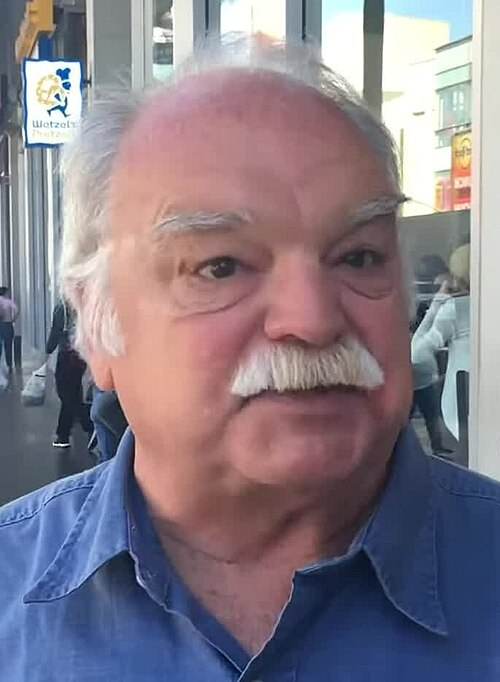
Richard Riehle, the familiar character actor remembered for Office Space, Grounded for Life, and many other roles, died on October 15, 2026, at age 78. The Associated Press reported that Wright Entertainment announced his death on October 19. We extend our condolences to his family, friends, and colleagues.
As people remember his work, some will also wonder about his faith. Riehle’s own account included family ties to the Catholic priesthood and a brief period in seminary. Those experiences are part of his story, even though the public record leaves important questions about his later beliefs unanswered.
Richard Riehle’s religious background
In an interview with Notre Dame Magazine, Riehle explained that both his godfather and his mother’s brother had been priests. With that family example around him, he once considered following a similar path.
He attended Saint Francis de Sales seminary, but soon realized it was not the right direction for him. As he put it, “it became clear pretty fast that it wasn’t for me.” The profile recounts a conversation with seminary leaders that helped him acknowledge this change of direction.
These are meaningful details because they come from his own recollections. They establish an early connection with Catholic religious life. Leaving seminary, however, does not by itself tell us whether someone later practiced a faith, changed beliefs, or continued privately asking spiritual questions.
Was Richard Riehle a Christian? His seminary history alone cannot answer that fully. In the sources reviewed for this article, we did not find a clear public statement explaining his later personal beliefs about God, Jesus, or salvation. That is a limit in the available evidence, rather than proof that he had no faith. Respectful remembrance leaves room for what he did not publicly share.
Remembering the person behind the familiar face
Riehle was born in Menomonee Falls, Wisconsin, in 1948. His biographical record includes study at the University of Notre Dame and an MFA from the University of Minnesota. His career crossed theater, television, film, and voice acting.
Many viewers remember him as Tom Smykowski in Office Space, whose anxious office conversations became part of the film’s lasting appeal. Others knew him as Walt Finnerty in Grounded for Life. His credits also included Glory, The Fugitive, and appearances across Star Trek: The Next Generation, Voyager, and Enterprise. He voiced Bumi in The Legend of Korra.
The range of those parts is a reminder of what character actors contribute. A supporting performance can make a setting feel believable, give a scene its humor, or bring a brief encounter to life. Viewers may remember the face and the feeling long before they learn the performer’s name.
Riehle told Notre Dame Magazine that he looked for roles that would stretch him, rather than simply seeking the lead. That approach offers something worth appreciating: careful work can matter even when it does not receive the largest share of attention.
In its statement reported by AP, Wright Entertainment also remembered his kindness and his encouragement of newer actors and filmmakers. Such tributes describe how colleagues experienced him. They deserve to be heard as memories of a person, while remaining distinct from claims about his private religious convictions.
A biblical perspective on work, kindness, and grief
The Bible gives dignity to work that happens outside the spotlight. Colossians 3:23 calls believers to work wholeheartedly for the Lord. A task does not have to be famous to deserve care. Teaching, serving a customer, caring for family, and helping a coworker can all be opportunities to love others through faithful effort.
Kindness also has real weight in Scripture. Ephesians 4:32 calls Christians to be kind, tenderhearted, and forgiving. Encouragement can make a difference to someone who is new, uncertain, or easily overlooked. Remembering another person’s generosity can prompt us to practice those habits ourselves.
These connections are reflections on biblical teaching, rather than an attempt to turn Riehle’s performances or reputation into a profession of faith. An actor’s roles do not reveal everything about his soul. Honesty and humility matter especially when writing about someone who can no longer answer questions.
Scripture also makes room for sorrow. Romans 12:15 calls us to weep with those who weep. In John 11, Jesus wept at Lazarus’s tomb. Grief is not something mourners must quickly hide or explain away. Friends can show love by listening, offering practical help, and giving people room to remember.
The Christian hope for readers facing questions about death
A death can bring our own questions closer: What is life for? Can guilt be forgiven? Is there hope beyond the grave? The Bible’s answer centers on Jesus Christ. This is an invitation to the reader, not a claim about beliefs Riehle did not publicly state.
The Bible teaches that God made us and loves us, and that he is holy and just. Romans 3:23 says all have sinned and fall short of his glory. We have failed to love God and our neighbors as we should. Neither a kind reputation nor religious education can erase our guilt. Every one of us needs mercy.
God sent his Son, Jesus, to save sinners. Jesus lived without sin and died on the cross for our sins, bearing the judgment we deserve. He was buried and rose bodily from the dead. His resurrection is the foundation of Christian hope: forgiveness and eternal life rest on a living Savior.
Ephesians 2:8–9 teaches that salvation comes by grace through faith, not through works. Jesus calls us to repent—to turn from sin and self-rule—and trust him as Lord and Savior. Good works follow as a response to his grace; they do not purchase it.
We remember Richard Riehle with gratitude for the work he shared and respect for those who loved him. For readers seeking comfort and truth, the Gospels offer a place to begin: consider Jesus’ words, his death, and his resurrection. Bring your grief and questions honestly before God, and consider the mercy Christ offers.
Photo credit: Germar Derron, portrait still from “Richard Riehle Supports Autism Awareness” (2016), via Wikimedia Commons, CC BY 3.0. Existing extracted portrait, resized.
