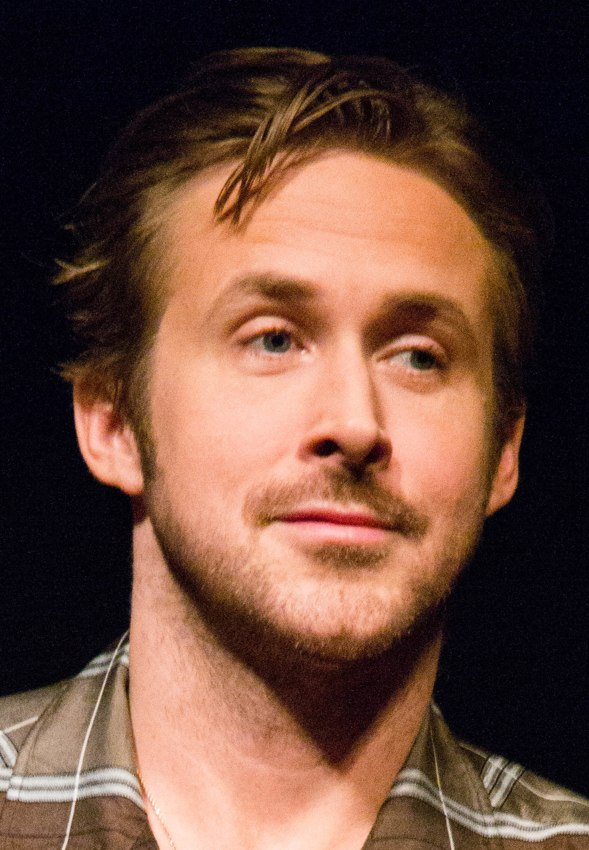
Ryan Gosling grew up in a Mormon family, but he has publicly distinguished that background from his own religious identity. His childhood is documented; his present faith should not be reduced to a label carried over from his parents. The interviews below give a more careful answer to the question of whether he is a Christian.
Gosling has a recent major film credit in Project Hail Mary, released in the United States on March 20, 2026. He plays a science teacher facing an extraordinary mission to save Earth. The movie title includes a familiar religious expression, but a title cannot serve as the actor’s statement of belief.
Was Ryan Gosling raised Mormon?
Yes. His family background includes the Church of Jesus Christ of Latter-day Saints. However, in a 2007 Busted Halo interview, Gosling explained that the faith was his parents’ and that he had not personally identified with it in the same way. He described his mother as allowing her children to work out their beliefs rather than treating the family religion as their only option.
He also spoke positively about some social experiences of childhood church attendance: meeting people, speaking publicly, and singing. Those comments show that someone can appreciate aspects of religious community while making a distinction about personal faith. Neither appreciation nor distance tells us everything about what that person believes now.
What has Ryan Gosling said about his own beliefs?
A 2002 Village Voice interview described him as religious without a denominational label. That is an older statement, not a verified description of his beliefs in 2026. The later Busted Halo interview makes clear why automatically calling him a practicing Mormon would be misleading.
These sources do not provide a current, detailed profession of faith in Jesus Christ. They also do not justify announcing that he is an atheist. People can move away from a family tradition without giving the public a complete account of their spiritual lives. A responsible profile reports the available statements and acknowledges what remains unanswered.
Do Ryan Gosling’s movie roles reveal his religion?
An actor’s work may explore religious identity, community, isolation, or rescue without reflecting his own convictions. Gosling was speaking to Busted Halo while discussing Lars and the Real Girl, a story in which community and church matter. His comments about the character belong to that context. They should not be rewritten as a conversion testimony.
The same caution applies to Project Hail Mary. A fictional rescue mission can prompt worthwhile questions about sacrifice and hope. It does not tell us whether the person playing the rescuer trusts Christ. Readers should look for direct statements rather than treating a screen story as evidence about private worship.
How does a religious upbringing compare with biblical faith?
The Bible values teaching children about God, but it also presents faith as a personal response to him. In John 1:12–13, belonging to God’s family is connected with receiving Christ, not simply with human ancestry. A parent’s faith cannot function as someone else’s repentance or trust.
Historic Christian teaching also centers on who Jesus is: the eternal Son, truly God and truly human. That question matters more than grouping every community that uses Jesus’ name under one broad label. This profile does not assume Gosling holds the teachings of a church just because his family attended it.
For readers who grew up around religion, his story raises a useful question: have I considered Christ for myself? Good memories, difficult memories, and inherited habits are all part of a life story. The gospel asks us to look directly at Jesus and his saving work.
What is the gospel of Jesus Christ?
The Christian message begins with God, who made us and is holy, loving, and just. Every person has sinned and fallen short of his glory (Romans 3:23). Sin includes our actions, words, desires, and refusal to love God and our neighbors. It brings guilt, separates us from God, and deserves his judgment. Fame, good intentions, religious customs, and kind deeds cannot erase that guilt.
God did not leave sinners without hope. Jesus Christ, the eternal Son of God, became human and lived without sin. He willingly died on the cross for sinners, taking the judgment they deserved. He was buried and rose bodily from the dead on the third day (1 Corinthians 15:3–4). His resurrection shows his victory over sin and death. He is alive, and he calls people to come to him.
Forgiveness and eternal life are gifts of God’s grace, received through faith in Jesus rather than earned by works (Ephesians 2:8–10). To repent is to turn from sin toward God; to believe is to rely on Christ and what he has done. Neither a family background nor a public label can replace that trust. A changed life, including love, honesty, and good works, follows salvation as its fruit. It does not purchase it. This invitation is for ordinary readers and famous people alike.
How should readers understand this profile?
This article separates the person’s public statements from Famous Faith’s Bible commentary. Older interviews tell us what someone said at that time; they cannot settle every question about present beliefs. We do not know anyone’s heart or claim to decide whether a person is saved. Christians can evaluate public ideas by Scripture while speaking truthfully, respecting the person, and praying with humility. The same questions about sin, grace, and faith apply to us.
Photo credit
Featured portrait: Elen Nivrae; crop by Damian Vo, via Wikimedia Commons, CC BY 2.0. Resized and compressed for this page. The photograph does not imply the subject’s or photographer’s endorsement.
