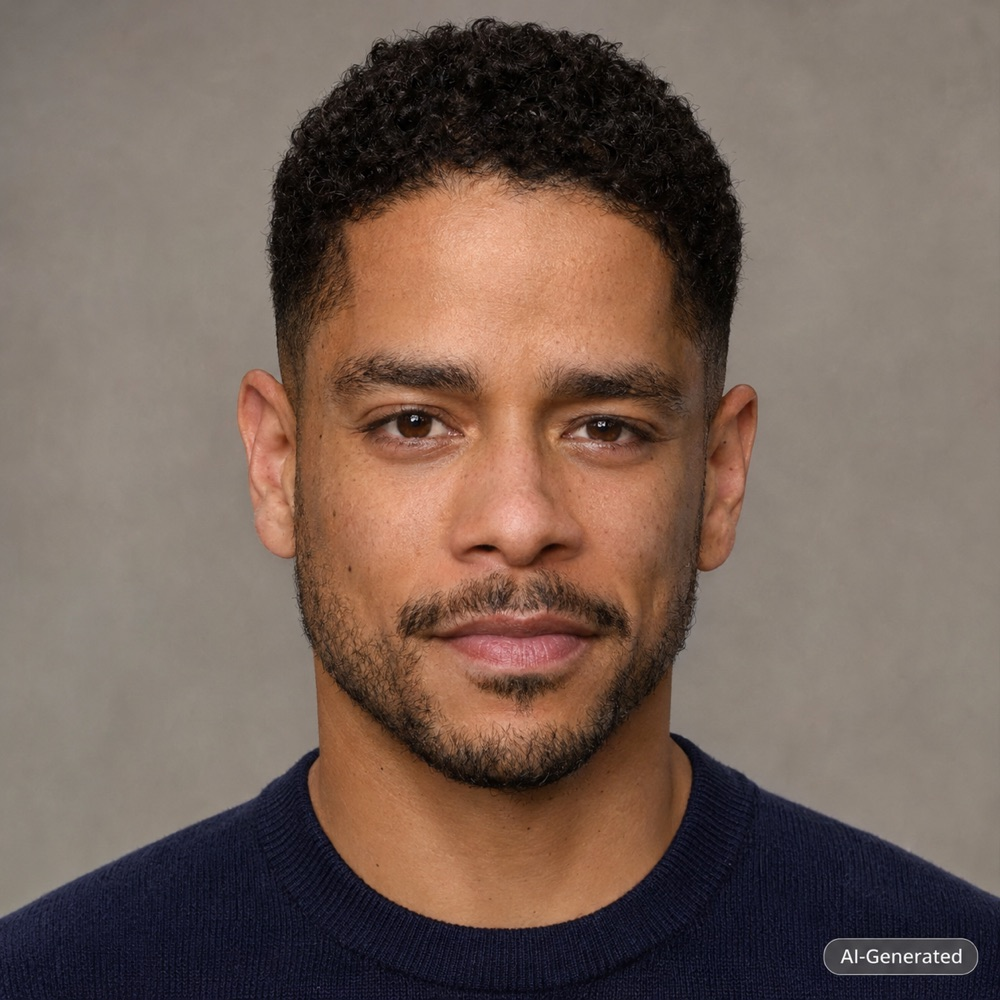
Charlie Barnett’s current religious affiliation is unconfirmed in the sources reviewed. His role as John Diggle Jr. in Arrow and his other performances do not establish a personal Christian confession.
The person behind the performance
Barnett is an actor known for Chicago Fire, Russian Doll, Tales of the City, and The Acolyte. His career biography records training at Juilliard and work across several very different fictional settings. This is the actor born in 1988, rather than the late comedian of the same name.
In a Vanity Teen interview, he discussed life and creative work with an emphasis on change and awareness. Such language can be thoughtful and significant without amounting to a statement of church membership or a detailed account of Christian belief.
Their part in Arrow
In Arrow, Barnett portrays John Diggle Jr., often called JJ, in the future-generation story. The character is associated with Deathstroke and stands in a different moral position from his father’s more familiar role in Oliver’s team. The show does not present every member of a family as making the same choices.
A character’s name and inherited relationships can invite reflection about expectations. They are not evidence about Barnett’s own family or faith. The distinction matters especially in an interconnected television universe with alternate histories.
What the public record says about faith
The sources reviewed do not establish a current denomination or a clear personal testimony of trust in Christ. General celebrity pages attach differing labels without making the evidence sufficiently clear. This profile does not rely on those labels.
Barnett’s religious affiliation therefore remains unconfirmed here. That answer should not be enlarged into a claim that he has no spiritual interests or rejects Christianity. It simply recognizes the limits of the reviewed public record. The biblical observations below are Famous Faith’s own response to themes raised by the role, not claims about the performer’s intentions.
A family’s example does not remove the need to choose wisely
People sometimes assume that a good background guarantees a good direction, or that a troubled background makes a different future impossible. Both assumptions give too little weight to personal responsibility and to the need for grace. A family can influence a life without becoming its moral substitute.
Ezekiel 18 rejects the idea that moral accountability can simply be transferred from parent to child. Proverbs repeatedly presents wisdom as something to receive and practice, not merely an inheritance to possess. Hearing good counsel and obeying it remain different things.
Famous Faith’s reflection is that we should neither congratulate ourselves on borrowed virtue nor treat a difficult history as permission to harm others. The choices available now matter. So do the people who offer patient correction and practical help. Christian hope is not that an impressive lineage will save us, but that Christ can forgive sinners and call them into a changed direction.
The gospel and the hope of grace
The Bible says that all have sinned and fall short of God’s glory (Romans 3:23). Our need is deeper than an imperfect public image: we have failed to love God and our neighbors as we should. Jesus Christ, God’s Son, lived without sin, died for sinners, and rose bodily from the dead. His death and resurrection are central to the gospel (1 Corinthians 15:3–4). Salvation is God’s gift, received through faith in Christ rather than earned through good deeds, church membership, or personal achievement (Ephesians 2:8–10). Jesus calls us to repent and believe. A changed life follows his grace; it does not purchase forgiveness.
The reflection above expresses Famous Faith’s Christian perspective. It is not attributed to the actor or presented as a claim to know anyone’s heart.
Sources and image credit
Original AI-generated editorial portrait of Charlie Barnett, created for Famous Faith. Artistic interpretation, not a photograph. No endorsement by the performer or production is implied.