What Is Dave Coulier’s Religion? Is He a Christian?

Dave Coulier speaking at Brookdale Community College
Portrait of Dave Coulier

Dave Coulier has publicly described a Catholic upbringing and spoken positively about faith and Jesus’ love. In a 2022 interview with The Christian Post, he discussed those subjects in his own voice. That gives this profile a firmer basis than his television role. It still does not tell us every part of his personal theology.

More than Joey Gladstone

Coulier is best known to many viewers as Joey Gladstone on Full House and Fuller House. His comedy and impersonations helped give the Tanner home its lively feel. The character’s kindness is part of the show, but a written role does not establish what the actor believes. A performer can portray a religious person, a skeptic, or someone with no stated faith at all.

In 2022, Coulier also starred in Live + Local, a comedy set at a fictional Christian radio station. That project created an opening for an interview about his life. The useful evidence comes from what Coulier said during the interview, not from the religious setting of the program. Working in Christian entertainment is not, by itself, a profession of Christian faith.

What he said about his faith background

Coulier told The Christian Post that he attended Catholic schools from third grade through twelfth grade. He described church as central to his Detroit community. It was a place to gather and help others. He said faith had remained part of his life in one way or another. These are his public memories, not guesses based on a surname or a screen role.

He also spoke about the effect of his drinking on his spiritual life. His account described a process of becoming honest with himself and choosing sobriety. The article placed that choice on January 1, 2020. This profile reports his 2022 account; it does not use that older interview to certify his present health or recovery status.

His public words about Jesus and love

In the second part of the interview, Coulier responded to a message about loving like Jesus. He welcomed its emphasis on love. He also urged people to listen, support one another, and resist division. Those words show that Jesus’ example had a positive place in his public discussion of love.

That is meaningful evidence, but it is not a complete creed. The interview does not lay out his beliefs about Christ’s deity, the cross, or salvation in detail. A careful article can affirm what he said without claiming to settle questions he did not address. Nor should we reduce Catholic faith to a stereotype or assume all people with Catholic schooling believe the same things.

Love and the teaching of Jesus

The Bible strongly supports the call to love others. In Matthew 22:37–39, Jesus places love for God and love for our neighbor at the center of His teaching. John 13:34 calls His followers to love one another as He loved them. Christian love involves patient action, truthfulness, and concern for another person’s good, not only warm feelings.

Coulier’s public appeal to listen and support others fits that moral concern. Yet biblical love is not simply avoiding disagreement. Jesus could show deep compassion while telling people to turn from sin. Speaking the truth gently and treating people with dignity belong together. A respectful faith discussion should practice both, including when it examines a public figure’s words.

Honesty, help, and grace

The Bible also calls us to honesty about our failures. Proverbs 28:13 contrasts hiding sin with confessing it and seeking mercy. That teaching can help a reader reflect on Coulier’s account of facing a harmful pattern. It is a comparison with a biblical principle, not a judgment about the condition of his soul.

People facing addiction deserve care rather than shame. Prayer, trusted support, and qualified treatment can work alongside one another. Seeking help does not show that a person has no faith. Christians are called to carry one another’s burdens in Galatians 6:2. We should not promise that one religious action will remove every struggle or make all grief disappear.

There is also a distinction between making a needed life change and receiving salvation. A better habit can help a person and a family. It cannot pay for sin. Scripture directs us to Christ for forgiveness, and His grace then gives a new foundation for the way we live.

The gospel for the reader

God made us and is perfectly holy. We have sinned against Him in our thoughts, words, and actions. Romans 3:23 includes everyone. The writer needs mercy as much as any person named in this article. A good reputation, religious schooling, or a successful fresh start cannot erase our guilt before God.

Jesus Christ, God’s Son, lived without sin and died on the cross for sinners. He bore the judgment we deserve. He was buried and rose again, as First Corinthians 15:3–4 teaches. The gospel is good news about His saving work, not a demand that we first fix ourselves well enough to be accepted.

Ephesians 2:8–9 teaches salvation by grace through faith, not by works. Turn from sin and trust Jesus Christ. Rely on His death and resurrection rather than your own record. You can come to God honestly, confess your need, and ask for mercy. Read the Gospel of John and find a church that teaches the Bible faithfully. Christ’s love is more than an example to admire; He is the Savior we need.

Sources

Photo: ComedyLiker23, via Wikimedia Commons. Released into the public domain by the photographer. Display cropped and resized.


What Is John Stamos’s Religion? Is He a Christian?

John Stamos, photographed in 1990
Portrait of John Stamos

John Stamos has publicly celebrated Greek Orthodox Easter and shared words that honor that tradition. He has also said that he prefers to keep religion private. Those statements support a connection to Christian customs, but they do not provide a full account of his personal beliefs. This profile reports what he has shared and leaves room for what he has not.

The actor behind Uncle Jesse

Stamos became a household name as Jesse Katsopolis on Full House. His charm, comic timing, and music helped make Uncle Jesse a favorite with viewers. Yet the character is a role. Jesse’s family life and words belong to a written story. They cannot prove the actor’s view of God or tell us whether he trusts Jesus Christ.

His career also reaches the stage. In a 2012 Entertainment Tonight interview, Stamos spoke about playing a senator in the Broadway production The Best Man. He enjoyed finding new layers in the part and learning from his fellow actors. That interview is especially helpful for a faith profile because it shows how easy it is to confuse a performer’s words about a character with words about himself.

His own words about religion

Asked about politics, Stamos recalled advice from his father: “Never talk about politics or religion.” He explained that he had tended to keep those matters quiet. This was a statement about privacy, not a denial of God. Silence should not be turned into a claim that someone is an atheist, just as Greek ancestry should not become automatic proof of Christian faith.

In that same interview, he described a character who believed in God but lied to people. The religious claim belonged to the fictional senator. It was not Stamos announcing his own beliefs. Keeping that distinction clear respects both the interview and the person being discussed.

There is also a more recent public statement. In April 2026, People reported his Instagram post about a Greek Orthodox Easter gathering. Stamos described it as shared heritage and ended with “Christos Anesti,” the Greek Easter greeting meaning Christ is risen. This shows him publicly honoring an Easter tradition. It does not answer every question about his church membership or theology.

What can we fairly conclude?

Stamos has shared a connection to Greek Orthodox Easter, while his older interview explains his wish for religious privacy. Those facts can stand together. People may share some parts of faith or heritage while keeping other parts personal. We should not fill that space with rumors or a confident label that goes beyond the evidence.

The sources reviewed here do not include a detailed statement from Stamos about salvation through Christ. That does not prove he rejects it. It simply sets a limit on this article. Respectful research names what is known, identifies what is unclear, and does not treat a celebrity’s private life as a puzzle we are entitled to solve.

Easter and the Bible

The Easter greeting points to the heart of the Christian message. First Corinthians 15:3–4 teaches that Jesus died for our sins, was buried, and rose again. His resurrection is not just a symbol of spring or fresh energy. Christians believe Jesus truly defeated death. The chapter also explains that Christian faith would be empty if Christ had not been raised.

Family gatherings, music, and food can be good gifts. James 1:17 teaches that every good gift comes from God. Gratitude for those gifts can lead us to consider the Giver. But taking part in a holiday is different from personally trusting the Lord the holiday celebrates. This is a question for every reader, not a special test reserved for actors.

Faith is more than a family tradition

The Bible honors family and tells parents to teach their children about God. Yet family history cannot take the place of a personal response to Christ. John 1:12–13 connects becoming God’s children with receiving Christ and believing in His name. It is not a status passed down by ancestry or earned by public popularity.

We should not use that teaching to accuse Stamos of having only cultural faith. He has not given us enough information for that judgment. Instead, it invites us to examine ourselves. Do we know the meaning of Easter? Are we relying on a familiar tradition, or on the Savior who died and rose again?

The gospel for you

God made us to know Him, love Him, and live under His good rule. We have all sinned against Him. Romans 3:23 does not divide humanity into famous failures and respectable spectators. It includes each of us. Our selfish choices, lies, and failures to love show that we need forgiveness, not just better habits.

Jesus Christ, the Son of God, lived without sin. He died on the cross for sinners, bearing the judgment we deserve, and rose from the dead. Salvation is God’s gift of grace. Ephesians 2:8–9 says it comes through faith rather than our works. No holiday celebration, church background, or good reputation can purchase it.

Turn from sin and trust Jesus Christ. Bring your guilt honestly to God and rely on what Jesus has done. You do not need fame or a perfect past to receive His mercy. Read the Gospel of John, ask questions, and seek a church that teaches Scripture faithfully. The risen Christ deserves more than a place in our traditions; He calls for our trust and our lives.

Sources

Photo by Alan Light, via Wikimedia Commons, CC BY 2.0. Display cropped and resized. No endorsement implied.

What Was Bob Saget’s Religion? Was He a Christian?

Portrait of Bob Saget

Bob Saget was publicly connected with Judaism. He spoke about his Jewish background and his synagogue in interviews. The sources reviewed here do not establish that he publicly professed Christian faith. That is a statement about the available evidence, not a claim to know everything he believed or what happened in his final moments.

The man behind Danny Tanner

Many viewers knew Saget as Danny Tanner, the caring father on Full House. He also hosted America’s Funniest Home Videos. Those family shows made him a familiar face in living rooms for years. His work outside those programs included adult stand-up comedy, acting, and writing. A television role, however, cannot tell us a performer’s religion. A script gives a character words to say. A faith profile needs the person’s own words.

In a 2008 Jewish Journal interview, Saget discussed the gap between his clean television image and his adult comedy. He also spoke warmly about the young actors who had played his children. His concern for them was personal. Fans can appreciate that care without using it as proof of a particular view of God. Being loved by others and making people laugh are different questions from what someone believes about Jesus.

What he publicly said about his Jewish life

The same interview identified his congregation as Kehillat Israel in Pacific Palisades. Saget called it a great synagogue and described it as Reconstructionist. The report said he joined with his former wife in 1990 and that their three daughters had their bat mitzvahs there. These details show a real connection to Jewish community life. They are more useful than guessing from his name or from the family values of Full House.

JTA’s obituary also described his Jewish upbringing and cited memories he shared in a book foreword. But Jewish identity can involve family, culture, community, and religious practice in different ways. It does not answer every question about a person’s theology. Nor should a joke in a comedy interview become a complete statement of doctrine. The careful conclusion is that Saget publicly discussed Jewish roots and synagogue involvement.

He died in January 2022 at age 65. This article does not assign him an eternal destination. We can report public evidence and explain Christian teaching without pretending to see another person’s heart. God knows a life fully; readers and writers do not.

Where the Bible’s teaching connects

Christianity has deep Jewish roots. Jesus was Jewish, and the first Christians were Jewish. The Old Testament tells of God’s covenant with Israel, His commands, and His promises. Christians should approach Jewish people with respect, not contempt. Romans 11 warns Gentile believers against pride. Learning about someone’s Jewish background should lead to careful listening, not cheap labels.

The Bible also values family care and compassion. Jesus taught people to love their neighbors, and James 1:27 calls believers to care for people in need. A concern for others can remind readers of those commands. Yet a kind act is not a full confession of faith. It would be unfair to turn Saget’s affection for his television family into a claim he made about salvation.

The central Christian difference: Jesus

The key Christian claim is that Jesus is the promised Messiah and the risen Lord. John 1:14 teaches that God’s Word became flesh. First Corinthians 15:3–4 says Christ died for our sins, was buried, and rose again. These are claims about what God has done in history, not simply advice to be nicer.

Jewish traditions differ from Christianity on this central claim about Jesus. That broad difference helps explain the question, but it must not replace evidence about Saget himself. We do not have a detailed personal statement from him on every Christian teaching. We can name the Bible’s message clearly while leaving those unknown details unknown.

The gospel for the reader

The gospel begins with God, who made us and is holy and good. Each of us has sinned. Romans 3:23 includes everyone, including the writer and the reader. Sin is more than an embarrassing mistake. It is our failure to love and obey God, and it separates us from Him. Fame, religious heritage, good manners, and generous acts cannot remove that guilt.

God has not left us without hope. Jesus Christ, God’s Son, lived without sin and willingly died for sinners. He took the judgment we deserve and rose from the dead. Ephesians 2:8–9 teaches that salvation comes by grace through faith, not by works. We cannot earn forgiveness, but we can receive it because of Christ.

God calls you to repent and trust Jesus. Repentance means turning from sin toward God. Faith means relying on Christ and His finished work rather than your own goodness. You can speak honestly to God, confess your sin, and ask for mercy. A prayer does not work like a magic formula; the Savior is the one who saves.

Read the Gospel of John and seek a church that teaches the Bible faithfully. Ask questions, and look closely at who Jesus claimed to be. The point of this profile is not to place yourself above a celebrity. It is to consider the same question we all face: will we trust the risen Christ?

Sources

Photo: Behind The Velvet Rope TV, via Wikimedia Commons, CC BY 3.0. Used as supplied; resized for display. No endorsement implied.

What Is Terry Crews’ Religion? Is He a Christian?

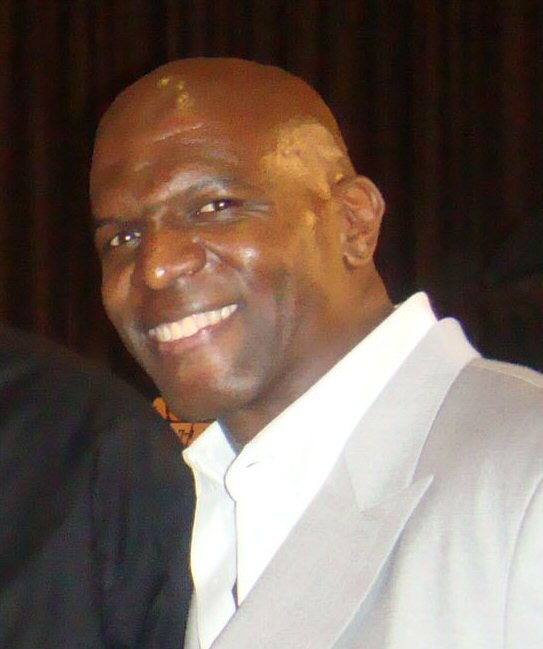
Terry Crews at a 2008 event

Terry Crews is known for his big smile, his time in the NFL, and roles in Brooklyn Nine-Nine and America’s Got Talent. He has also spoken openly about Christian faith. His story is not a simple tale of a famous person saying the right religious words. In a detailed interview with RELEVANT, Crews described growing up in church, hiding serious problems, telling the truth, and seeking help. What does he say he believes? And what can readers learn without pretending to know his heart?

Did Terry Crews grow up Christian?

Yes. Crews told RELEVANT that he grew up in a strict Christian home in Flint, Michigan. Church filled much of his week. He remembered limits on music, dances, and movies. That background helps explain why he knows Christian language and church life well. But he also made a point many churchgoers should hear: being around religion is not the same as being honest before God.

In the interview, he said, “Here I was: a Christian, a churchgoer, but I had a double life.” Crews was talking about his own conduct, not inviting strangers to judge everyone else in church. He said he had hidden damaging habits and had not been truthful with his wife. His public account is painful, but it is his story to tell. We should neither turn it into entertainment nor use it to act as if famous people face a different moral standard from the rest of us.

What has Terry Crews said about faith and change?

Crews told RELEVANT that, when his secrets came into the open, his marriage was in serious trouble. He sought advice from his pastor, entered treatment, and worked with a therapist. He said the repair took years of honesty, tears, and hard conversations. In telling this story, he did not present fame, physical strength, or a good public image as enough to make a person whole. He spoke about needing to face the truth.

That matters because celebrity profiles can make change look quick and easy. Crews’ own description does not. He said his wife was deeply hurt and that he could not simply fix the damage with a grand gesture. He spoke of taking responsibility and continuing to show up. It is fair to report that this is how he has publicly described his path. It would not be fair to claim we can see every private part of his marriage or measure the condition of his soul.

Later in the same conversation, Crews said he sees meaning in suffering and spoke about God’s presence during hard times. He said that pleasure and power fade. Those are meaningful public statements about faith. They show more than a passing reference to God in an award speech. Still, our knowledge ends with what he has chosen to share. A person’s words and actions are worth examining, but only God knows the whole heart.

Is Terry Crews a Christian?

Crews has publicly identified with Christianity and spoken about his faith in God. On that basis, it is reasonable to describe him as someone who says he is a Christian. It is not our place to give a final verdict on his standing with God. The purpose of this page is to report his own statements accurately and then ask what the Bible teaches all of us.

His story also raises an important question: can religious habits cover a hidden life? Jesus warned against making an impressive outward show while leaving the inside untouched (Matthew 23:25–28). That warning is not just for actors. It is for people who sit in church, write about faith, and read articles like this one. We may be tempted to keep a good image while refusing to confess a sin or seek help.

The Bible says every person has sinned and falls short of God’s glory (Romans 3:23). It also says that hiding sin is not the way to peace. Confession matters (1 John 1:8–9). This does not mean every painful problem disappears overnight. Wise help, accountability, and care for people harmed by our actions can be part of responding truthfully.

What does Terry Crews’ story mean for you?

It is easy to read about a celebrity’s struggles from a safe distance. The harder step is to ask whether you are hiding behind your own reputation. Perhaps people see you as kind, successful, or religious, while you know there are things you refuse to bring into the light. No amount of applause can forgive sin. Neither can a church attendance record or a promise to try harder.

The good news of the gospel is that Jesus Christ died for sinners and rose again (1 Corinthians 15:3–4). He calls people to repent and believe the good news (Mark 1:15). If you have been pretending everything is fine, turn to him today. Tell the truth about your sin, ask for mercy, and trust in Jesus Christ rather than your image. If your choices have hurt someone, seek wise help and take responsibility as well. Our hope is not that we can make ourselves look clean. Our hope is the Savior who can forgive and change us.

Jesus is the Son of God, who lived without sin and bore our deserved judgment on the cross. He rose bodily from the dead. Forgiveness is received by grace through faith in him, not earned through treatment, religious attendance, or good deeds (Ephesians 2:8–9). Honest change matters, but Christ’s finished work is our foundation.

Sources and photo credit

What Is Craig Robinson’s Religion? Is He a Christian?

Craig Robinson speaking at San Diego Comic-Con in 2025
Craig Robinson at San Diego Comic-Con in 2025

Is Craig Robinson a Christian?

Craig Robinson has publicly described gospel music as a significant part of his family’s musical life. That is a documented connection with Christian culture, but it is not the same as a current profession of Christian faith. In the reliable interviews and professional sources reviewed for this article, a clear statement establishing his present religious identity or beliefs about salvation was not verified. It would therefore be inaccurate to confidently label him a Christian—or an atheist—on that evidence alone.

Fans know Robinson as Darryl Philbin on The Office, but fictional roles cannot settle questions about the actor’s faith. Even a performer playing a version of himself in a comedy is still participating in a scripted story. This profile focuses on his own public account of music and his documented professional background, followed by a clearly identified Christian reflection and gospel explanation for the reader.

Gospel music in a musical household

Speaking with Jesse Thorn on Bullseye, Robinson recalled singing frequently with his family, including a substantial amount of gospel music. He described harmonizing in everyday settings and growing up surrounded by instruments. His mother was a music teacher, and his brother is a musician who has also worked with him. Robinson remembered his father playing a hymn at church.

In that conversation, Robinson also credited Bernie Mac’s encouragement during his early comedy career and discussed the joy of performing with the professional musicians in his band. These recollections help explain how musical training and comedy came together in his work. They do not supply a full statement of religious doctrine.

A hymn can carry memories of family, community, and worship. Those connections are meaningful, but a researcher must not turn remembered songs into an invented testimony. Knowing the vocabulary and sound of Christian worship does not by itself tell us how someone understands Jesus Christ today. The evidence allows appreciation of Robinson’s musical roots while leaving unverified religious questions open.

From Chicago classrooms to comedy

Robinson’s official biography describes a career in the Chicago Public School System before he pursued comedy full time. He taught kindergarten through eighth grade, earned his undergraduate degree at Illinois State University, and completed a master’s degree in education at St. Xavier University. Those details are a reminder that a familiar entertainment career may follow another substantial vocation.

His official biography also records film work including Knocked Up, Pineapple Express, and Hot Tub Time Machine, alongside television appearances and voice acting. The breadth of those credits demonstrates that Darryl is one important part of a wider career rather than its entire description. A university’s religious affiliation or a film’s subject matter should not be used as a shortcut to labeling his own beliefs.

The Los Angeles Philharmonic’s artist profile describes Robinson’s combination of stand-up comedy, solo performance, and full-band shows with the Nasty Delicious. It also connects his early interest in acting and comedy with Second City in Chicago. Music is a genuine part of his professional identity, not merely a prop beside the jokes.

Robinson’s work on The Office draws much of its humor from Darryl’s contrast with Michael Scott’s management style. A measured look or response can make an exaggerated situation funnier. Darryl’s role also broadens the show beyond the sales desks, reminding viewers that the workplace includes people whose skills and responsibilities differ. Appreciating that contribution does not require assuming that the character and actor share every conviction.

A biblical reflection on music and vocation

Christianity has a deep relationship with music. The Psalms contain praise, lament, confession, and thanksgiving. Colossians 3:16 describes singing as a way believers teach and encourage one another. In Scripture, music is not just atmosphere; it can carry truth, help people remember, and give expression to worship.

Yet musical participation is not the same as reconciliation with God. A person may know hymns, enjoy gospel harmonies, or grow up among churchgoing relatives without having personally trusted Christ. That principle applies to everyone, not only entertainers. Faith cannot be inherited through family talent or established through a favorite genre.

Teaching and performance also provide opportunities to serve others with developed abilities. From a Christian perspective, human creativity exists within the goodness of God’s creation. Skill, preparation, and collaboration can be appreciated as gifts without turning professional success into proof of God’s approval or evidence of salvation. Fame is neither a certificate of faith nor a reason to dismiss a person’s dignity.

This reflection is not an assertion that Robinson holds these biblical views. It is a comparison prompted by the documented themes of music and work in his life. Honest religious research should distinguish an actor’s statements, a researcher’s interpretation, and the Bible’s teaching rather than blend them into one unsupported claim.

The gospel for the interested reader

The Christian gospel begins with God, who is holy and just and who created us to know Him. All of us have sinned and fallen short of His glory (Romans 3:23). Sin is more than a mistake in performance or a need for personal improvement. It is rebellion against God, bringing guilt, separation, and judgment. We cannot erase it through education, talent, generosity, or a religious family background.

God’s answer is Jesus Christ, fully God and fully man. Jesus lived without sin and died on the cross as the substitute for sinners, bearing the punishment we deserve. He rose bodily from the dead, defeating death. His saving work is the foundation of the gospel (1 Corinthians 15:3–4).

God calls us to repent and trust in Jesus Christ as Lord and Savior. Salvation is by grace through faith, not earned by works (Ephesians 2:8–9). Turn from sin and self-reliance and place your hope in Christ’s finished work. Forgiveness, reconciliation with God, and eternal life are found in Him. This invitation is offered to the interested reader without claiming knowledge of Craig Robinson’s private spiritual condition.

Sources

Photo: Gage Skidmore, via Wikimedia Commons, CC BY-SA 3.0. Displayed at reduced size; no additional crop. No endorsement implied.

What Is Oscar Nuñez’s Religion? Is He a Christian?

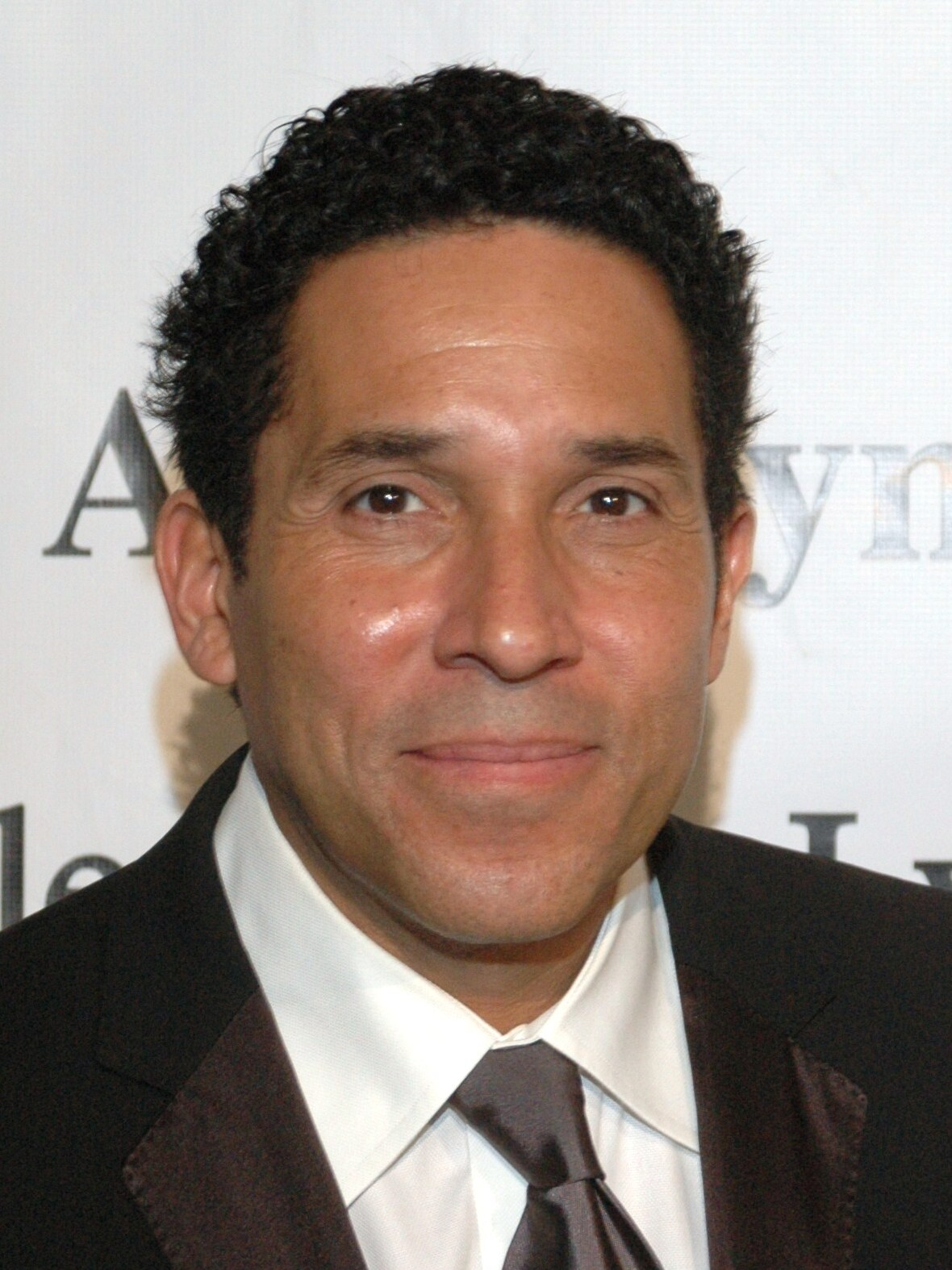
Portrait of Oscar Nuñez at the Children Uniting Nations event in 2009
Oscar Nuñez in 2009

What has Oscar Nuñez said about religion?

Oscar Nuñez has publicly discussed his Catholic upbringing, but that background should not automatically be treated as a current profession of Christian faith. In a Soul Boom conversation with Rainn Wilson, he remembered the nuns at St. Michael’s School warmly and praised the love behind their discipline. He distinguished those positive personal experiences from his reservations about organized religion and said he was not raising his daughter Catholic.

Nuñez also emphasized practical care for people in need, pointing to Mother Teresa as an example of trying to follow Jesus. His comments stressed compassionate action rather than the use of Christianity as a public label. The interview provides a meaningful account of his perspective; it does not establish his complete beliefs about God, Christ’s resurrection, or salvation. Nor is it a basis for labeling him an atheist.

These are the actor’s comments, not the beliefs of Oscar Martinez, his character on The Office. A fictional accountant’s dialogue and storylines cannot answer questions about the real person’s faith. The distinction keeps religious research grounded in public evidence rather than familiarity with a television show.

A performer with a broad comedy career

Nuñez’s official biography identifies The Office as his best-known role and lists film work including The Proposal, The Lost City, Disenchanted, and The Long Game. It also describes animation work and television roles in People of Earth, Mr. Iglesias, and Lucky Hank. His career involves more than the single character many viewers first associate with him.

The Groundlings’ own profile records his membership in the comedy company, followed by his regular role on The Office. It also notes that he created and co-starred in Halfway Home and appeared in the legal comedy Benched. That background gives useful context for the precision of his comedy: ensemble performance depends on listening, reacting, and making another performer’s moment work as well as delivering one’s own line.

His official biography also confirms that he reprises Oscar Martinez in The Paper. Returning to a familiar character illustrates the enduring recognition his Office work has earned, while his other credits demonstrate the variety of projects alongside it. A substantial career need not be reduced to a list of personal labels.

On The Office, Oscar frequently provides a more restrained response to the chaos around him. That contrast helps the workplace feel like a group of different personalities rather than one repeated comic voice. Fans can appreciate Nuñez’s timing and the way he contributes to the ensemble without confusing a character’s composure, arguments, or identity with the actor’s theology.

Compassion and religious integrity in the Bible

The concern that religious words should be matched by conduct has a strong biblical counterpart. Jesus commands love for one’s neighbor, and His parable of the Good Samaritan presents mercy as something practiced, not merely praised (Luke 10:25–37). James 2:15–17 challenges a supposed faith that notices a person’s need but offers no practical help. Christian language should never be used to excuse indifference.

This agreement on the importance of compassion does not mean every broader religious question has been settled. A person can value Jesus’ example while still leaving unanswered who Jesus is and what His death and resurrection accomplish. Christianity includes a call to imitate Christ, but it is not only an ethical program built from selected teachings.

Scripture presents Jesus as the Son of God and the Savior of sinners, not simply a model of generosity. His authority includes both comforting suffering people and calling people to repent. Biblical love is not a substitute for truth, and truth must not become an excuse for cruelty. Christians are called to hold both together in humility.

Grace is not permission to ignore other people

Salvation by grace and compassionate conduct are sometimes presented as competing ideas. The Bible does not set them against each other. Ephesians 2:8–9 teaches that salvation is God’s gift, not earned through works; the next verse says believers are created in Christ Jesus for good works. The order matters. Good works flow from salvation; they do not purchase it.

Similarly, repentance is not a convenient phrase said while deliberately remaining indifferent to God and others. Turning to Christ means turning from sin and self-rule. Christians still fail and need forgiveness, but grace is not a claim that their actions no longer matter. Romans 6:1–2 directly rejects continuing in sin as a way of magnifying grace.

These distinctions are offered as a biblical comparison, not as an imagined debate with Nuñez or a verdict about his heart. Public interviews reveal particular thoughts at particular times. They do not give a researcher unlimited access to a person’s convictions, motives, or standing before God.

The gospel for the interested reader

God is holy, loving, and just. He created us to know Him, but all of us have sinned and fallen short of His glory (Romans 3:23). Sin brings guilt and judgment. Helping others matters, yet even our most generous actions cannot erase our sin or make God owe us salvation.

Jesus Christ, fully God and fully man, lived the sinless life we have not lived. He died on the cross as the substitute for sinners, bearing the punishment we deserve. He rose bodily from the dead, defeating death. The gospel rests on His saving work, not on our ability to become flawless moral examples (1 Corinthians 15:3–4).

God calls us to repent and trust in Jesus Christ as Lord and Savior. Forgiveness and reconciliation are gifts of grace received through faith. We are not saved by good works, but those who belong to Christ are called to a changed life that includes love for their neighbors. Turn from sin and self-reliance and place your hope in Christ. This invitation is for the reader; it does not presume to declare Oscar Nuñez’s private spiritual condition.

Sources

Photo: Ilya Haykinson, via Wikimedia Commons, CC BY-SA 4.0. Image-level adjustment by Nick Moreau; crop supplied by Commons. Displayed at reduced size. No endorsement implied.

What Is Phyllis Smith’s Religion? Is She a Christian?

Portrait of Phyllis Smith in St. Louis in 2014
Phyllis Smith in St. Louis in 2014

Is Phyllis Smith a Christian?

Phyllis Smith’s personal religious beliefs are not clearly established by the reliable interviews and professional sources reviewed for this article. She is widely recognized as Phyllis Vance on The Office and the voice of Sadness in Pixar’s Inside Out films, but those roles do not tell us whether she personally identifies as a Christian. The responsible answer is that a clear public profession of faith has not been verified here.

This is a limit of the available evidence, not a conclusion that Smith lacks faith. People can keep religious commitments private. Conversely, an appealing screen presence or a role involving spiritual themes does not prove a religious identity. This profile therefore concentrates on her documented career and then offers a clearly identified biblical reflection for the interested reader, without putting beliefs into her mouth.

A creative career rooted in St. Louis

Disney’s production notes for Inside Out 2 describe Smith as born and raised in St. Louis. She studied and taught dance from an early age, performed with the St. Louis Civic Ballet and St. Louis Dance Theatre, and worked as a St. Louis Cardinals cheerleader. Touring productions expanded that experience before an injury ended her professional dance career.

Those notes also describe a long period in casting, including work connected with Freaks and Geeks, Spin City, and Arrested Development. Her later screen credits include Bad Teacher and the Netflix series The OA. The range is important: Smith’s familiar television role followed years of work in several different parts of the entertainment industry.

In a St. Louis Magazine interview about judging young performers, Smith encouraged aspiring dancers to develop more than one skill, including singing and acting. She discussed technical ability as well as stage presence, and credited experienced professionals she had worked with in dance and casting. Her advice was practical rather than a promise that success comes easily: broaden your preparation because a career may develop along an unexpected route.

That perspective makes her story more interesting than a simple overnight-success narrative. An audience may first encounter an actor in one beloved role while knowing little about the experience that preceded it. Smith’s work illustrates how a creative life can involve performing, helping others perform, and adjusting when an earlier path becomes difficult.

How she became Phyllis on The Office

Speaking with Jenna Fischer and Angela Kinsey on Office Ladies, Smith recalled working as a casting associate with Allison Jones. During the audition process, director Ken Kwapis asked her to read scenes with prospective actors. Her participation eventually led to the role of Phyllis. She remembered a wardrobe call as the moment that made the job real to her.

In the same interview, Smith described learning the demands of animation recording and how her performance in Bad Teacher helped bring her voice to the attention of the Inside Out team. Sadness became another defining role, and she returned for Inside Out 2. These accounts explain her professional journey; they do not establish a religious conversion story.

Her performances invite appreciation for subtle craft. A quiet reaction in a workplace comedy can change the rhythm of a scene. A gentle vocal performance can make an animated emotion feel recognizable. Neither requires treating a character as a transparent window into the actor’s private convictions.

A biblical reflection on sadness and compassion

Because Smith voices Sadness, readers may naturally think about how sorrow fits into a Christian understanding of life. This is a reflection on a theme in her work, not a claim that she personally endorses the following interpretation. The Bible does not command people to disguise every painful feeling behind a cheerful appearance.

The Psalms include honest cries of grief and questions directed to God. Romans 12:15 calls believers to rejoice with those who rejoice and weep with those who weep. Jesus Himself wept at Lazarus’s tomb (John 11:35). Compassion involves drawing near to suffering people, not treating their tears as an inconvenience or a failure of character.

At the same time, the Christian hope is more than accepting emotion. Scripture locates lasting hope in God’s character and promises. A film can help a viewer recognize a feeling or begin a conversation, but it cannot reconcile a sinner to God. The gospel addresses guilt, death, and our need for forgiveness as well as sorrow.

Christians can appreciate Smith’s ability to bring warmth and humanity to her work while distinguishing appreciation from spiritual certainty. Honest research allows a person to remain a person, rather than a symbol for beliefs the researcher wants to find. Respect for truth and respect for the subject belong together.

The gospel for the interested reader

Christianity begins with the holy God who created us and to whom we are accountable. Every one of us has sinned and fallen short of His glory (Romans 3:23). Sin is not simply an unpleasant feeling or a lack of self-confidence; it is rebellion against God. We deserve judgment, and we cannot earn forgiveness by becoming successful, kind enough, or emotionally insightful.

God acted in love through Jesus Christ, fully God and fully man. Jesus lived without sin, died on the cross as the substitute for sinners, and rose bodily from the dead. He bore the punishment we deserve, and His resurrection is the foundation of Christian hope (1 Corinthians 15:3–4).

God calls us to repent and trust in Jesus Christ as Lord and Savior. Salvation is by grace through faith, not a reward for good works (Ephesians 2:8–9). Turn from sin and self-reliance, and rely on Christ’s finished work for forgiveness and reconciliation with God. This invitation is directed to the reader. It does not presume to pronounce on Phyllis Smith’s private relationship with God or claim a profession of faith she has not publicly made in the sources reviewed.

Sources

Photo: Vsculley, via Wikimedia Commons, CC BY-SA 4.0. Cropped and rotated version supplied by Commons; WordPress normalized image orientation. No endorsement implied.

What Is Creed Bratton’s Religion? Is He a Christian?

Portrait of Creed Bratton at GalaxyCon Raleigh in 2019
Creed Bratton at GalaxyCon Raleigh in 2019

What has Creed Bratton publicly said about religion?

Creed Bratton has spoken publicly about meditation, spiritual inspiration, and the possibility of connections beyond this life. Those comments are worth examining on their own terms. They do not establish that he is a Christian, nor do they justify assigning him a Buddhist or Taoist identity. In the interviews reviewed for this article, he discusses spiritual experiences more readily than membership in a particular religion. The honest answer is that his public statements reveal spiritual exploration, but not a clearly documented Christian profession.

That distinction matters especially because Bratton plays a fictional version of himself on The Office. The character’s bizarre comments and mysterious history are comedy, not reliable evidence about the actor’s beliefs. Neither a television script nor an evocative album title can substitute for what a person actually says about faith.

Meditation, inspiration, and questions about another life

In a 2024 interview with American Songwriter, Bratton described a morning routine involving green tea, meditation, and yoga. He also described songwriting in language of receiving inspiration rather than forcing it, and discussed creative visualization. These comments suggest that spiritual language is part of how he understands creativity. They do not provide a complete doctrine of God, salvation, or the afterlife.

In an earlier TIDAL interview, he described finding personal spiritual meaning in his songs after writing them. He also raised the possibility that a connection with someone might involve another life. His wording was tentative; it would be unfair to turn that possibility into a detailed system of reincarnation that he did not explain. Likewise, describing music as healing need not be read as a medical claim or a formal religious teaching.

It is possible to acknowledge the sincerity of these reflections while keeping the evidence limited. Meditation can have different meanings for different people. An artist’s description of a muse does not tell us everything about his worship or convictions. This article therefore reports the specific comments rather than pretending to know his private spiritual life.

A musician before he was an Office favorite

Long before television audiences knew Creed at Dunder Mifflin, Bratton was building a musical career. His official biography describes a childhood in a small California community between Fresno and Yosemite, with music in his family. His subsequent travels included performing abroad, and he became a member of the 1960s band the Grass Roots. His later solo work makes clear that music was not merely a colorful backstory added to his television persona.

His 2024 album Tao Pop continued that career with collaborators including producer Dave Way. The title is an artistic choice; it is not, by itself, a declaration that Bratton practices Taoism. His career connects several creative worlds: touring musician, songwriter, actor, and a familiar member of one of television’s most enduring ensembles.

On The Office, his understated delivery made strange lines memorable. The character often contributed a brief interruption rather than a long speech, demonstrating how timing and restraint can shape comedy. In the TIDAL interview, Bratton also discussed the significance of having his song “All the Faces” used in the series finale. That moment allowed his musical identity to meet the television role many viewers associated with him.

How do these ideas compare with the Bible?

Christianity does not teach that every powerful inward impression is a message from God. Scripture calls people to test spiritual claims rather than accept them simply because they feel meaningful (1 John 4:1). Proverbs 3:5–6 directs trust toward the Lord rather than making personal understanding the final authority. This does not mean Christians must dismiss imagination or musical inspiration. It means inspiration and revelation are different categories.

The Bible also presents human life, death, and judgment differently from reincarnation. Hebrews 9:27 speaks of death followed by judgment. Christian hope is resurrection, grounded in Jesus Christ’s bodily resurrection, not repeated earthly lives in which a person gradually works toward redemption. This is a contrast with the possibility Bratton mentioned, not a claim that he has endorsed every teaching associated with reincarnation.

Music can nevertheless express longing, gratitude, grief, and love in ways that listeners recognize. Christians can appreciate artistic skill and human connection as gifts within God’s creation without equating a moving song with saving faith. Appreciation and discernment belong together: enjoying Bratton’s work does not require making unsupported claims about his relationship with Christ.

The gospel: more than spiritual inspiration

The Christian gospel is not a technique for accessing creativity or feeling connected to the universe. It begins with the holy God who created us and deserves our love and obedience. All of us have sinned, falling short of His glory (Romans 3:23). Our problem is not merely confusion or unrealized potential; sin separates us from God and brings judgment. We cannot repair that separation through artistic achievement, meditation, moral improvement, or repeated lives.

God’s answer is Jesus Christ, fully God and fully man. Jesus lived without sin and willingly died on the cross, bearing the punishment sinners deserve. He rose bodily from the dead, defeating death. His resurrection is central to the message, not simply a metaphor for finding new inspiration (1 Corinthians 15:3–4).

God calls us to repent—to turn from sin—and trust in Jesus Christ as Lord and Savior. Salvation is God’s gift of grace, received through faith, not earned by works (Ephesians 2:8–9). The invitation is personal: stop relying on yourself to become acceptable to God and rely on Christ’s finished work. Forgiveness and reconciliation are found in Him. This gospel is offered to the interested reader; it is not a declaration about Creed Bratton’s private spiritual standing.

Sources

Photo: Super Festivals, via Wikimedia Commons, CC BY 2.0. Cropped version supplied by Commons; displayed at reduced size. No endorsement implied.

What Is Brian Baumgartner’s Religion? Is He a Christian?

Brian Baumgartner at Camp Pendleton in 2023
Brian Baumgartner in 2023

Brian Baumgartner gave The Office one of its most distinctive comic performances as Kevin Malone. Behind the slow delivery and awkward moments is an actor with years of theater training, a thoughtful interest in collaboration, and an ongoing relationship with the show’s audience. But what is his religion, and has he publicly said he is a Christian?

The reliable material reviewed for this profile does not establish Baumgartner’s religious affiliation or a personal profession of Christian faith. That is a limit of the evidence, not a declaration that he is unbelieving. His education, film roles, and interviews about work should not be converted into religious claims he has not made.

What the Public Evidence Does—and Does Not—Show

Biographical information can be easy to overread. Southern Methodist University identifies Baumgartner as a 1995 theater graduate. Attending a university with a religious name does not establish a student’s denomination or beliefs. Similarly, performing in a story with religious themes is acting, not automatically a testimony.

This article therefore does not call him Methodist, Christian, atheist, or agnostic. It reports the career and public values that can be supported, then offers a distinct biblical discussion for readers. If a clear firsthand statement about his faith becomes available, that would be a stronger basis for updating the profile than guessing from associations.

A Stage Actor Before Television Fame

SMU’s 2024 alumni spotlight describes how Baumgartner developed his craft at its Meadows School of the Arts. He valued an emphasis on technique and training rather than simply finding employment quickly. After graduation, he moved to Minneapolis with fellow graduates and began working in theater. His stage career preceded the television role that made him widely recognizable.

The college also describes his move toward film and television and his appreciation for reaching audiences around the world. In 2024 he returned as a commencement speaker. These details help explain why Kevin Malone should not be mistaken for the performer: a carefully constructed comic character can look effortless while drawing on substantial preparation.

In a 2021 Thirty Minute Mentors interview with Adam Mendler, Baumgartner said his early goal was creating characters rather than becoming famous. He described years of regional theater and his parents’ support during uncertain early work. His account makes room for the less visible years that can disappear when a career is summarized only by its best-known success.

Collaboration and the Work Behind the Laughs

That interview also explores the unusual choices behind The Office: its unfamiliar cast, moving camera, and departure from conventional sitcom presentation. Baumgartner’s reflections focus on creating a show the team found funny rather than merely following an established formula. He has continued exploring the series through interviews and Office-focused podcasts.

Readers can appreciate that collaborative craft without inventing a spiritual explanation for it. Ensemble comedy depends on listening, timing, and allowing another performer’s contribution to matter. A memorable scene may involve writers, actors, directors, and crew whose work is not equally visible. The face on screen is only one part of the creative process.

This offers a useful Christian reflection on ordinary work. Colossians 3:23 urges wholehearted service, while Philippians 2:3–4 challenges selfish ambition and encourages attention to others. These biblical principles are not being attributed to Baumgartner. They are a lens through which a Christian reader can consider diligence, teamwork, and the temptation to measure success only by recognition.

Being Known Is Not the Same as Being Fully Known

A long-running character can feel familiar enough that viewers believe they know the actor personally. That feeling is understandable, but it has limits. A scripted mistake, joke, or opinion is not a reliable window into private convictions. Even a sincere interview about professional values may leave religious questions unanswered.

Scripture encourages truthfulness and humility. James 1:19 calls people to be quick to hear and slow to speak. Applied to celebrity research, that means listening carefully, preserving context, and resisting confident labels when evidence is absent. It is possible to write an interesting profile without claiming access to someone’s conscience.

The same humility matters in daily relationships. We can ask people what they actually believe instead of assuming their background tells the whole story. Christians can share the gospel clearly while treating another person as someone to listen to, not simply someone to categorize.

The Gospel: More Than a Better Reputation

The Christian gospel addresses a need deeper than success, approval, or a more likable personality. God is holy, and all of us have sinned and fall short of His glory (Romans 3:23). Sin includes our thoughts and motives as well as outward actions. God’s justice means wrongdoing faces judgment, and no amount of applause or achievement can erase our guilt.

Jesus Christ is fully God and fully man. He lived without sin and willingly died on the cross for sinners, bearing sin’s penalty. He was buried and rose bodily from the dead, as the apostolic message explains in 1 Corinthians 15:3–4. The resurrection is central to Christian hope, not merely a metaphor for starting over.

God calls us to repent, turning away from sin, and trust in Jesus Christ. Salvation is His gift of grace through faith, not something earned by good works or religious association (Ephesians 2:8–9). Following Christ changes the direction of our lives, but the foundation of forgiveness is His finished work, not our performance.

This invitation is for the interested reader. It is not a statement of Baumgartner’s own theology. The conclusion about his religion remains appropriately limited: the sources reviewed support a substantial account of his creative career, but they do not establish his personal faith. Reporting that honestly is part of respecting both the person and the truth.

Sources

Photo: U.S. Marine Corps / Cpl. Alison Dostie via Wikimedia Commons. Public domain U.S. federal government work. Cropped version supplied by Commons; displayed at a reduced size. No endorsement implied.

What Is Angela Kinsey’s Religion? Is She a Christian?

Angela Kinsey working with NBC in Times Square in 2012
Angela Kinsey in 2012

Angela Kinsey made Angela Martin one of The Office’s most recognizable personalities: exacting, prickly, and often quick to disapprove. But the actor and the fictional accountant are different people. Kinsey’s public reflections on faith emphasize prayer, family, and what Jesus represents to her, rather than simply repeating her character’s religious language.

There is public evidence of a Christian faith background and an ongoing place for prayer in Kinsey’s life. Her April 2024 Soul Boom conversation with Rainn Wilson is particularly useful. The responsible approach is to describe those statements without claiming to know her heart or supplying a full doctrinal position she has not given.

Faith in Her Own Public Words

On Soul Boom, Kinsey recalled a positive relationship with church and prayer. She spoke about her mother teaching Sunday school and Bible study, and explained that prayer remains part of her family and her own life. These are more informative than guessing her religion from a sitcom role.

She also recalled asking showrunner Greg Daniels to remove a joke in which Angela Martin invoked Jesus while judging Oscar. Kinsey felt it did not fit what Jesus represented to her, and Daniels removed it. Her account describes a specific personal boundary. It is not permission to infer her position on every theological or social question.

That distinction protects accuracy in both directions. It would be unfair to treat Angela Martin’s harshness as Kinsey’s own belief, and equally unfair to turn one interview into a detailed creed she never stated. Her public comments can be reported honestly while acknowledging that they do not answer every question about doctrine, denomination, or church involvement.

The Career Behind the Character

Kinsey’s official Office Ladies biography describes her upbringing in Jakarta, Indonesia, and her graduation from Baylor University. It also notes recognition for The Office ensemble and her Daytime Emmy for The Accountants webisodes. Her other work includes Haters Back Off!, Tall Girl, and food-related programs such as Be Our Chef.

Alongside Jenna Fischer, Kinsey co-hosts Office Ladies, bringing firsthand memories to the series’ continuing audience. They also wrote The Office BFFs, a memoir of their friendship and work on the show. Her creative life includes a baking channel with her husband, Joshua Snyder, giving fans another view of the person behind the character.

These projects show how a career can include performance, collaboration, storytelling, and hospitality. They are interesting biographical facts, not tests of salvation. A person’s awards, university, charitable instincts, or friendships do not by themselves settle what that person believes about Jesus Christ.

Jesus, Kindness, and Religious Stereotypes

Kinsey’s concern about using Jesus’s name for a cruel punchline invites a biblical comparison. The Gospels show Jesus receiving people others dismissed, confronting hypocrisy, and calling sinners to repentance. John 1:14 describes Him in terms of grace and truth. Neither grace without truth nor truth used as an excuse for contempt represents that biblical balance.

Christians are told to be kind, tenderhearted, and forgiving (Ephesians 4:32). That does not remove moral conviction. It does reject the idea that conviction gives us a license to humiliate another person. A Christian reader can ask whether their own words combine honesty with patience and whether their treatment of others points toward Christ or merely toward their own superiority.

Comedy often enlarges flaws to make them visible. A fictional religious character can expose hypocrisy without describing every real Christian. Conversely, an actor’s objection to a particular joke does not mean all satire must be removed. Thoughtful appreciation of a show can recognize both the craft of a performance and the limitations of a stereotype.

Prayer and Dependence on God

Scripture presents prayer as more than a social custom around meals. Philippians 4:6 encourages believers to bring requests to God with thanksgiving. Prayer expresses dependence on Him, not confidence that we control outcomes. Gratitude can help us notice gifts that busyness makes easy to overlook, including people, daily provision, and opportunities to serve.

Still, describing prayer as important is not the same as explaining the whole gospel. Religious routines cannot pay for sin. The Christian hope rests on Jesus Christ Himself, and that is the message offered to readers here. It should not be confused with a claim that Kinsey has publicly endorsed every sentence of this article.

The Gospel for the Reader

God is holy and just. All people have sinned and fall short of His glory (Romans 3:23). The problem is not confined to visibly unpleasant people or to characters written for laughs. It includes our own pride, dishonesty, selfishness, and rebellion against God. We need forgiveness, not merely a more agreeable public personality.

Jesus Christ, fully God and fully man, lived without sin and willingly died on the cross for sinners, bearing sin’s penalty. He was buried and rose bodily from the dead (1 Corinthians 15:3–4). God’s mercy does not ignore evil: the cross reveals both the seriousness of sin and the greatness of His love.

God calls us to repent and trust in Christ. Salvation is a gift of grace through faith, not a reward earned by good works, church attendance, or family history (Ephesians 2:8–9). A changed life follows His saving work; it does not purchase it. The invitation is to rely on Jesus’s finished work and follow Him.

Kinsey’s public reflections give readers real material to consider, particularly the difference between a stereotype and a personal faith. This profile reports that evidence with care. The gospel above is an invitation to the interested reader, while the final judgment of any person’s heart belongs to God.

Sources

Photo: Anthony Quintano via Wikimedia Commons, CC BY 2.0. Cropped version supplied by Commons; no further crop.