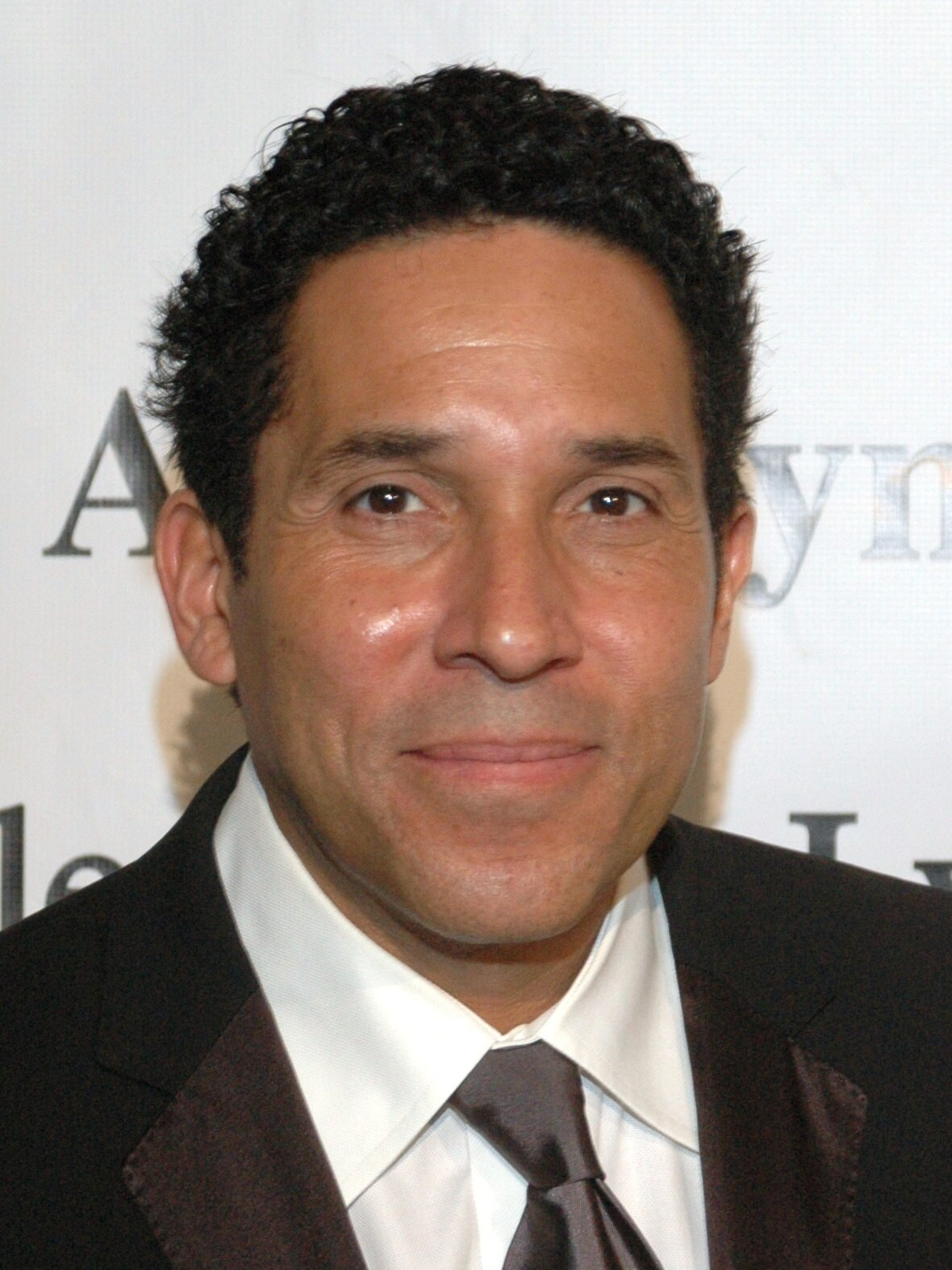
What has Oscar Nuñez said about religion?
Oscar Nuñez has publicly discussed his Catholic upbringing, but that background should not automatically be treated as a current profession of Christian faith. In a Soul Boom conversation with Rainn Wilson, he remembered the nuns at St. Michael’s School warmly and praised the love behind their discipline. He distinguished those positive personal experiences from his reservations about organized religion and said he was not raising his daughter Catholic.
Nuñez also emphasized practical care for people in need, pointing to Mother Teresa as an example of trying to follow Jesus. His comments stressed compassionate action rather than the use of Christianity as a public label. The interview provides a meaningful account of his perspective; it does not establish his complete beliefs about God, Christ’s resurrection, or salvation. Nor is it a basis for labeling him an atheist.
These are the actor’s comments, not the beliefs of Oscar Martinez, his character on The Office. A fictional accountant’s dialogue and storylines cannot answer questions about the real person’s faith. The distinction keeps religious research grounded in public evidence rather than familiarity with a television show.
A performer with a broad comedy career
Nuñez’s official biography identifies The Office as his best-known role and lists film work including The Proposal, The Lost City, Disenchanted, and The Long Game. It also describes animation work and television roles in People of Earth, Mr. Iglesias, and Lucky Hank. His career involves more than the single character many viewers first associate with him.
The Groundlings’ own profile records his membership in the comedy company, followed by his regular role on The Office. It also notes that he created and co-starred in Halfway Home and appeared in the legal comedy Benched. That background gives useful context for the precision of his comedy: ensemble performance depends on listening, reacting, and making another performer’s moment work as well as delivering one’s own line.
His official biography also confirms that he reprises Oscar Martinez in The Paper. Returning to a familiar character illustrates the enduring recognition his Office work has earned, while his other credits demonstrate the variety of projects alongside it. A substantial career need not be reduced to a list of personal labels.
On The Office, Oscar frequently provides a more restrained response to the chaos around him. That contrast helps the workplace feel like a group of different personalities rather than one repeated comic voice. Fans can appreciate Nuñez’s timing and the way he contributes to the ensemble without confusing a character’s composure, arguments, or identity with the actor’s theology.
Compassion and religious integrity in the Bible
The concern that religious words should be matched by conduct has a strong biblical counterpart. Jesus commands love for one’s neighbor, and His parable of the Good Samaritan presents mercy as something practiced, not merely praised (Luke 10:25–37). James 2:15–17 challenges a supposed faith that notices a person’s need but offers no practical help. Christian language should never be used to excuse indifference.
This agreement on the importance of compassion does not mean every broader religious question has been settled. A person can value Jesus’ example while still leaving unanswered who Jesus is and what His death and resurrection accomplish. Christianity includes a call to imitate Christ, but it is not only an ethical program built from selected teachings.
Scripture presents Jesus as the Son of God and the Savior of sinners, not simply a model of generosity. His authority includes both comforting suffering people and calling people to repent. Biblical love is not a substitute for truth, and truth must not become an excuse for cruelty. Christians are called to hold both together in humility.
Grace is not permission to ignore other people
Salvation by grace and compassionate conduct are sometimes presented as competing ideas. The Bible does not set them against each other. Ephesians 2:8–9 teaches that salvation is God’s gift, not earned through works; the next verse says believers are created in Christ Jesus for good works. The order matters. Good works flow from salvation; they do not purchase it.
Similarly, repentance is not a convenient phrase said while deliberately remaining indifferent to God and others. Turning to Christ means turning from sin and self-rule. Christians still fail and need forgiveness, but grace is not a claim that their actions no longer matter. Romans 6:1–2 directly rejects continuing in sin as a way of magnifying grace.
These distinctions are offered as a biblical comparison, not as an imagined debate with Nuñez or a verdict about his heart. Public interviews reveal particular thoughts at particular times. They do not give a researcher unlimited access to a person’s convictions, motives, or standing before God.
The gospel for the interested reader
God is holy, loving, and just. He created us to know Him, but all of us have sinned and fallen short of His glory (Romans 3:23). Sin brings guilt and judgment. Helping others matters, yet even our most generous actions cannot erase our sin or make God owe us salvation.
Jesus Christ, fully God and fully man, lived the sinless life we have not lived. He died on the cross as the substitute for sinners, bearing the punishment we deserve. He rose bodily from the dead, defeating death. The gospel rests on His saving work, not on our ability to become flawless moral examples (1 Corinthians 15:3–4).
God calls us to repent and trust in Jesus Christ as Lord and Savior. Forgiveness and reconciliation are gifts of grace received through faith. We are not saved by good works, but those who belong to Christ are called to a changed life that includes love for their neighbors. Turn from sin and self-reliance and place your hope in Christ. This invitation is for the reader; it does not presume to declare Oscar Nuñez’s private spiritual condition.
Sources
- Soul Boom: Oscar Nuñez on The Office, The Paper, and religion (transcript, discussion around 32–38 minutes)
- Oscar Nuñez: official biography
- The Groundlings: Oscar Nuñez
Photo: Ilya Haykinson, via Wikimedia Commons, CC BY-SA 4.0. Image-level adjustment by Nick Moreau; crop supplied by Commons. Displayed at reduced size. No endorsement implied.
.JPG)