What Is Florence Pugh’s Religion? Is She a Christian?

Portrait of Florence Pugh at the 2024 Toronto International Film Festival

Florence Pugh has spoken openly about kindness, love, identity, and the emotional meaning of her work. A clear personal statement identifying her religion was not found in the reliable interviews reviewed for this article. Her public comments reveal values she cares about, while leaving questions about her beliefs concerning God unanswered.

That distinction matters because her films often deal with religion. An actress can explore faith, doubt, or a cult on screen without sharing the beliefs of the person she plays. The best answer starts with Pugh’s own words.

What Florence Pugh has said publicly

In her 2024 British Vogue interview, Pugh said that what mattered most was being a good person and helping people feel good around her. She also talked warmly about caring for others and wanting a life with love, family, and security. These are real personal priorities. They are not a statement of membership in a church or another faith community.

The same interview included a comment about the meaning hair holds in different religions, made while discussing shaving her head for a role. That observation should not be turned into a claim that she practices any of those religions. Discussing a spiritual idea and adopting it are different things.

A 2026 Town & Country conversation about East of Eden also needs careful reading. Pugh spoke about growth, changing perspective, and what playing Cathy Ames meant to her work. Some of the longer comments about Cain and Abel and human nature came from writer Zoe Kazan. They should not be attributed to Pugh.

The sources reviewed do not establish a clear personal profession of Christian faith. They also do not justify calling her an atheist. When the evidence does not settle a question, leaving it open is more honest than supplying a confident label.

A career built on demanding roles

Pugh made her film debut in The Falling in 2014. Her performance in Lady Macbeth brought wider attention, and 2019 showed her range in three very different films. She played a wrestler in Fighting with My Family, a grieving young woman in Midsommar, and Amy March in Little Women. The last role earned her an Academy Award nomination.

She later became familiar to Marvel audiences as Yelena Belova and joined the Dune films as Princess Irulan. Her work also includes The Wonder, Oppenheimer, and We Live in Time. Moving between large productions and intimate dramas has made her one of her generation’s most recognizable performers.

Both Marvel’s Avengers: Doomsday and Dune: Part Three list Pugh in their casts. Those upcoming films give fans new reasons to search for her, but a promotional role does not answer a personal religious question.

Kindness and goodness in Scripture

Pugh’s wish to treat people well gives us a thoughtful place to begin a biblical comparison. Kindness is worth appreciating. Ephesians 4:32 calls Christians to be kind and tenderhearted. Jesus teaches love for our neighbors, including people who cannot repay us. Looking beyond appearances to care about another person’s needs reflects a serious moral concern.

The Bible also asks us to examine what we mean by being good. We can compare ourselves with people who seem worse and feel satisfied. God’s standard reaches deeper. He sees the motives behind our actions, the words we hide, and the love we fail to give. Romans 3:23 says that everyone has sinned and fallen short of His glory.

This is not a judgment aimed at Pugh. It includes the writer and the reader. We can value kindness without asking it to do something it cannot do: erase our guilt before God. Good deeds matter, but they cannot undo the wrong we have already done.

The Christian message therefore offers more than advice to become nicer. It announces forgiveness and a new relationship with God through Jesus Christ. That is the point at which a discussion of human goodness becomes a question of grace.

The gospel for the interested reader

God is holy, just, and loving. He created us to know Him, but we have turned toward our own ways. Sin includes dishonesty, pride, greed, lust, and the refusal to love God and others as we should. Because God is just, sin brings judgment. We cannot solve that problem by gaining fame, making art, or building a better public image.

Jesus Christ is God’s Son. He lived a sinless life and willingly died on the cross for sinners. He bore the judgment we deserve, was buried, and rose bodily from the dead. His resurrection is central to the gospel described in 1 Corinthians 15:3–4. Our hope is in a living Savior.

Ephesians 2:8–10 explains the relationship between grace and good works. Salvation is a gift received through faith, not something we earn. Good works follow as the fruit of a changed life; they are not the price of forgiveness.

Turn from sin and trust Jesus as Lord and Savior. You do not have to hide behind a religious label or pretend to have made yourself worthy. Bring your questions honestly, read the Gospels, and consider His claim on your life.

Pugh’s public interviews tell us about her work and some of her values. They leave her personal religion less clear. For the reader, the invitation remains clear: discover who Jesus is and the mercy He offers.

Sources

Photo: Frank Sun / WikiPortraits, Florence Pugh at TIFF 2024, CC BY-SA 4.0. Cropped by Mithoron, color adjusted by Hohum; resized to 500 pixels wide.


What Is Daniel Radcliffe’s Religion? Is He a Christian?

Portrait of Daniel Radcliffe

Daniel Radcliffe has publicly described himself as an atheist and has also spoken of Jewish identity as part of his heritage. His interviews distinguish cultural belonging from belief in God. He has been clear about his own unbelief while defending other people’s freedom to believe.

That is a better starting point than anything suggested by Harry Potter or by a religious character he has played. His personal statements give readers a direct answer, with important differences in wording across the years.

What Daniel Radcliffe has said about religion

In a 2012 Parade interview, Radcliffe said religious faith had not been part of his home life. He spoke of identifying with both Jewish and Irish heritage, while explaining that he did not believe in God. He also objected to religious claims that seemed to him to leave no room for human complexity.

In a 2013 Jewish Journal interview, he described becoming an atheist around age fourteen while studying world religions. At the same time, he expressed pride in being Jewish. He talked about family humor and cultural connections as parts of that identity.

These statements do not require a contradiction. Jewish identity can include family, culture, and peoplehood as well as religious practice. Radcliffe described how he understood himself; we should not replace his explanation with an assumption that ancestry automatically establishes belief.

Unbelief alongside respect for believers

When ShortList interviewed him in 2016, Radcliffe again said he did not believe in God. He also emphasized support for people who did. He rejected the idea that religion was responsible for every evil and acknowledged that it helps many people.

His 2019 description was more qualified: agnostic, leaning toward atheism.

The dates and wording matter. Atheism generally concerns not believing in God; agnosticism concerns uncertainty or limits of knowledge. People sometimes use both descriptions together. Reporting the words Radcliffe chose is more useful than forcing him into a sharper category than he offered.

The record reviewed here does not establish a later conversion or a current church affiliation. It does establish that he has discussed unbelief openly and has recognized that others find real value in faith.

A career beyond the boy wizard

Radcliffe became known around the world through the Harry Potter films. His later work includes The Woman in Black, Swiss Army Man, Miracle Workers, and Weird: The Al Yankovic Story. His career has also included demanding stage work. The range itself shows why a role is a poor measure of an actor’s personal worldview.

A fantasy hero, a comic angel, and a horror-film protagonist live within different fictional settings. Their lines are written for a story. None should override the actor’s account of his own beliefs. That principle applies whether a performance seems friendly or hostile to religion.

Questions, complexity, and the Bible

Radcliffe’s concern about easy answers creates a thoughtful place for comparison with Scripture. The Bible does not flatten human life into simple slogans. Job wrestles with suffering. Ecclesiastes examines frustration and mortality. The Psalms include questions that do not receive immediate explanations.

Christian faith does make truth claims, but believing that truth exists is different from claiming to understand everything. First Corinthians 13:12 speaks of present knowledge as partial. Christians should be honest about what they know, what they do not know, and what a passage actually teaches.

The Bible also presents reasons to examine the claim that God has made himself known. Acts 17 describes Paul speaking with people who did not share his faith. He appealed to God as Creator and called attention to the resurrection of Jesus. The conversation involved claims about reality, not merely whether religion made someone feel better.

Respect for unbelievers is equally necessary. Every person bears God’s image (Genesis 1:27). First Peter 3:15 calls believers to explain their hope with gentleness and respect. Mockery does not become faithful witness because the target happens to be an atheist.

Where the Christian message differs

Christianity teaches that God is personal, that he created us, and that we are accountable to him. John 1:14 presents Jesus as God’s Word made flesh. First Corinthians 15 argues that the resurrection is essential: if Christ has not been raised, Christian faith fails. This is a claim readers can investigate rather than a vague appeal to spirituality.

The Bible’s message also challenges religious pride. Romans 3:23 says all have sinned. Believers and unbelievers alike have failed to love God and neighbor. Neither belonging to a religious group nor standing outside one can remove guilt.

The gospel invitation for the reader

God’s answer to sin is Jesus Christ, his Son. Jesus lived without sin and willingly died on the cross for our sins, bearing the judgment we deserve. He was buried and rose bodily from the dead, as First Corinthians 15:3–4 teaches. The Christian hope is anchored in this living Savior.

Ephesians 2:8–9 teaches that salvation comes by grace through faith, not through works. Jesus calls us to repent, turning from sin and self-rule, and trust him as Lord and Savior. Forgiveness is a gift grounded in his sacrifice rather than our achievements or religious credentials.

If you share Radcliffe’s questions, you do not need to hide them. Read a Gospel and consider who Jesus claimed to be. Ask serious questions about his life and resurrection. The invitation is to come honestly to him, receiving mercy rather than pretending you already have every answer.

Photo: Daniel Radcliffe at New York Comic Con in 2022, by Philip Romano, via Wikimedia Commons, CC BY-SA 4.0. Resized; image reuse remains under the same license.

What Is Charlize Theron’s Religion? Is She a Christian?

Portrait of Charlize Theron

Charlize Theron has described herself as pagan at heart in an older interview. That statement does not establish membership in a particular pagan tradition, and it should not be treated as a complete description of her beliefs today. The sources reviewed here do not provide a clear public Christian profession.

Theron appears in Christopher Nolan’s The Odyssey, released July 17, 2026. Her work in that recent film makes her a current movie subject. Its ancient Greek setting also makes it especially important to distinguish an actor’s role from her own beliefs about God.

What has Charlize Theron said about religion?

In a January 23, 2008 Female First interview, Theron was asked whether she had ever been religious. She recalled that her mother encouraged her to reach her own conclusions. She had attended church as a child and then stopped. When someone from the church raised her absence with her mother, her mother directed the conversation back to Charlize herself.

Theron ended that answer by describing herself as pagan at heart. Her phrasing is worth preserving without embellishment. The interview did not supply a list of deities she worshipped, rituals she practiced, or a formal group she had joined. Inventing those details would make the account less accurate, even if it sounded more definite.

Is Charlize Theron a Christian?

The cited interview does not describe her as a Christian. Childhood church attendance alone cannot establish adult Christian faith, especially when the person herself explains that she stopped attending. Still, one older interview cannot tell us everything about her present spiritual life. This profile does not claim to know her heart.

Nor should a reader interpret the word pagan as proof of every practice sometimes associated with that term. People use spiritual language in broad, personal, and sometimes informal ways. A writer’s responsibility is to report the actual statement, attach its date, and be clear about the limits of the evidence.

Does The Odyssey show what Charlize Theron worships?

No. A film based on an ancient story may include gods, supernatural events, and different ideas about fate. Participating in that story is an acting choice. It is not a declaration that the performer worships the figures presented on screen. The same principle applies whether an actor portrays a biblical person, an atheist, or a character from mythology.

That distinction allows readers to discuss the film thoughtfully without turning entertainment into gossip about a real person’s soul. A story can raise questions about loyalty, temptation, home, and hope. The answers its characters give should not automatically be attributed to the people performing them.

How does the Bible compare with a personal spiritual path?

The Bible calls people to consider truth rather than accept a belief only because their family holds it. Acts 17 presents Paul speaking with people from different religious backgrounds and directing them toward the Creator. He does not treat every spiritual claim as interchangeable. He points to the God who made the world and to the resurrection of Jesus.

Scripture also teaches one God, distinct from his creation. The earth displays his handiwork, but creation itself is not the object of worship. Romans 1 makes that distinction important. A sense of wonder at nature can begin a conversation about God; it does not by itself answer who God is or how sinners can know him.

Christians should explain these differences without contempt. A person’s freedom to ask questions deserves respect, and so does the responsibility to answer carefully. Faithfulness to Scripture does not require pretending that an old celebrity interview contains more evidence than it actually does.

The central Christian claim is specific: God has made himself known through his Son. The response the gospel calls for is repentance and faith in Jesus, not simply a religious label, a strong feeling, or conformity to a parent’s wishes.

What is the gospel of Jesus Christ?

The Christian message begins with God, who made us and is holy, loving, and just. Every person has sinned and fallen short of his glory (Romans 3:23). Sin includes our actions, words, desires, and refusal to love God and our neighbors. It brings guilt, separates us from God, and deserves his judgment. Fame, good intentions, religious customs, and kind deeds cannot erase that guilt.

God did not leave sinners without hope. Jesus Christ, the eternal Son of God, became human and lived without sin. He willingly died on the cross for sinners, taking the judgment they deserved. He was buried and rose bodily from the dead on the third day (1 Corinthians 15:3–4). His resurrection shows his victory over sin and death. He is alive, and he calls people to come to him.

Forgiveness and eternal life are gifts of God’s grace, received through faith in Jesus rather than earned by works (Ephesians 2:8–10). To repent is to turn from sin toward God; to believe is to rely on Christ and what he has done. Neither a family background nor a public label can replace that trust. A changed life, including love, honesty, and good works, follows salvation as its fruit. It does not purchase it. This invitation is for ordinary readers and famous people alike.

How should readers understand this profile?

This article separates the person’s public statements from Famous Faith’s Bible commentary. Older interviews tell us what someone said at that time; they cannot settle every question about present beliefs. We do not know anyone’s heart or claim to decide whether a person is saved. Christians can evaluate public ideas by Scripture while speaking truthfully, respecting the person, and praying with humility. The same questions about sin, grace, and faith apply to us.

Photo credit

Featured portrait: PhilipRomano; crop by Danyele, via Wikimedia Commons, CC BY-SA 4.0. Resized and compressed for this page. The photograph does not imply the subject’s or photographer’s endorsement.

LOST: Faith, Redemption, and the Bible

LOST title card with white lettering on a black background

LOST begins with people stranded after a plane crash and grows into a story about trust, guilt, belonging, sacrifice, and death. Its mysteries are memorable, but so are the people trying to live with one another. This FamousFaith guide brings together all 24 cast profiles in our series and considers the show’s major themes through the Bible.

The actors have different public religious backgrounds and beliefs. Some have spoken directly about faith; others have not established a clear affiliation in the sources reviewed. Each linked profile explains the evidence and its limits, keeps the actor separate from the character, and presents the Gospel of Jesus Christ. Public statements do not give us access to anyone’s heart or final standing before God.

Spoiler note: the discussion below includes major themes and references to the series ending.

Is LOST a Christian show?

LOST uses Christian imagery alongside ideas and symbols drawn from other traditions. In a 2008 FanBolt interview, Damon Lindelof described using different kinds of religious allegory and aiming for broadly spiritual themes. That creative approach helps explain why viewers from different backgrounds find questions worth discussing in the series.

The presence of a cross, a priest, or a character named Christian does not make the whole story a presentation of biblical Christianity. Nor does a fictional character’s belief identify the religion of the performer. We can appreciate the questions while testing the answers against Scripture.

The Bible makes specific claims about the Creator, sin, judgment, and Jesus Christ. Those claims cannot be reduced to a general feeling that every spiritual path means the same thing. Respect for people with different beliefs should go together with honesty about real differences.

Jack, Locke, and the question of trust

Jack and Locke often give viewers contrasting ways of approaching the unknown. Jack wants explanations and control. Locke longs for purpose and is willing to see meaning in events others dismiss. Both perspectives can expose something recognizable in us: pride in our own understanding on one side, and the temptation to trust too quickly on the other.

Biblical faith is not a choice to stop thinking. Acts 17 shows Paul reasoning with his hearers and pointing to Jesus’ resurrection. First John 4:1 calls for testing spiritual claims. Confidence is valuable only when its object is trustworthy. Strong feelings about a leader, a sign, or a personal destiny cannot make a falsehood true.

At the same time, knowledge is not the same as total control. Human beings cannot see every consequence or answer every question. Christians are called to humility before God, whose wisdom exceeds ours. We need both honest inquiry and a willingness to hear truth that challenges our preferred plans.

Community can heal, and power can harm

The survivors need one another for food, shelter, protection, and encouragement. Their experience makes a simple truth vivid: isolation can leave people vulnerable. Galatians 6:2 calls believers to bear one another’s burdens. Sharing work, listening to grief, and helping someone who cannot repay us are concrete forms of love.

Yet LOST also portrays secrecy, manipulation, and leaders who defend harmful methods by appealing to a larger purpose. That behavior should not be excused merely because a group claims special knowledge. Romans 3:8 rejects doing evil so that good may result. A worthy goal does not turn lying, coercion, or cruelty into righteousness.

Jesus describes leadership in terms of service in Mark 10:42–45. His standard challenges families, workplaces, churches, and governments alike. People are neighbors to love, not disposable pieces in a plan. Loyalty to a leader never removes our responsibility to tell the truth and protect the vulnerable.

Can people escape the wrong they have done?

Many LOST characters carry shame, resentment, betrayal, or violence into their new surroundings. The island changes their circumstances without automatically changing their hearts. That is a useful picture of a common hope: perhaps a new job, new relationship, or new place will finally leave our old failures behind.

The Bible encourages real change, confession, and making amends where possible. But it does not teach that a fresh beginning makes past wrongdoing unreal. Forgiveness is meaningful precisely because harm matters. Trust may need time to rebuild, and mercy can coexist with accountability and appropriate boundaries.

God’s law reaches beneath the stories we tell to defend ourselves. The Ten Commandments forbid false witness, theft, adultery, murder, coveting, and giving anything God’s place. Jesus also exposes sinful anger and lust in the heart. Romans 3:23 says all have sinned. We may recognize a character’s guilt more easily than our own, but God’s standard applies to us too.

Sacrifice and the Savior we actually need

LOST includes costly acts of courage, especially when characters choose another person’s safety over their own. Christians can honor self-giving love while remembering that a fictional hero is not an exact substitute for Jesus. Human sacrifice within a story does not automatically explain the cross.

Jesus is God’s divine Son, not another flawed person seeking a way to redeem his own past. He became man and lived a sinless life. He willingly died on the cross as the substitute for sinners, bearing the judgment we deserve. He was buried and rose bodily from the dead. First Corinthians 15:3–4 puts these events at the center of the Gospel.

God is holy and just. We cannot erase guilt through good deeds, religious performance, family loyalty, or bravery. We need the forgiveness Christ provides. Salvation is God’s gift by grace through faith, not works, as Ephesians 2:8–9 teaches. We are invited to acknowledge our sin and trust Jesus’ finished work for forgiveness and eternal life.

What about the ending and life after death?

The final season’s flash-sideways story and the gathering at the end should be distinguished from the characters’ lives on the island. ABC News’s contemporary explanation emphasizes that the island events happened within the story; the characters did not all die in the original crash. The ending presents a fictional picture of reunion after death.

That image can express longing for reconciliation and people we have lost. It should not be treated as a biblical map of the afterlife. Scripture teaches judgment and locates eternal life in Jesus Christ. John 14:6 presents him as the way to the Father; Hebrews 9:27 speaks of death and judgment. Friendship, emotional closure, and spiritual imagery cannot replace reconciliation with God through the Savior.

The Christian hope is more than remembering each other or moving into an undefined light. It rests on the risen Christ, who conquered death and promises life to those who trust him. The show can open the conversation, but Jesus supplies the hope.

Meet the LOST cast

Choose a name or portrait below to read the full sourced profile. The order follows our LOST series, beginning with Matthew Fox and ending with Cynthia Watros. Read each account with its dates and limits in view; an unknown belief should remain unknown until sound evidence supports a clearer answer.

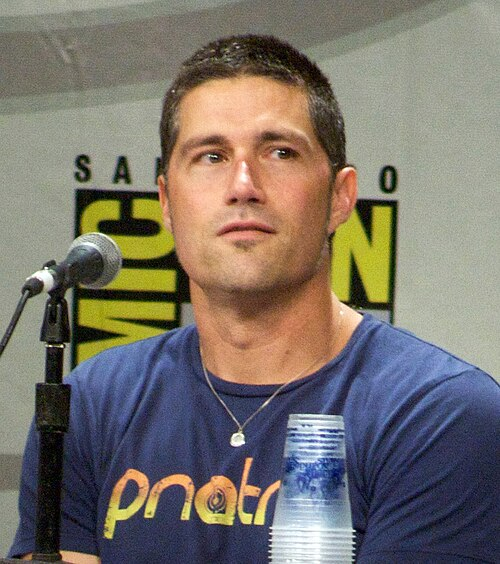
Matthew FoxMatthew FoxJack Shephard
Evangeline LillyEvangeline LillyKate Austen
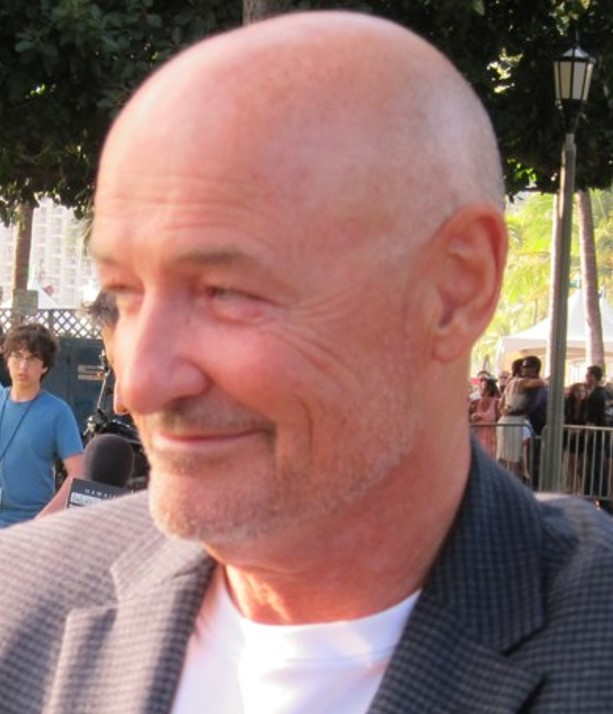
Terry O’QuinnTerry O’QuinnJohn Locke
Josh HollowayJosh HollowayJames “Sawyer” Ford
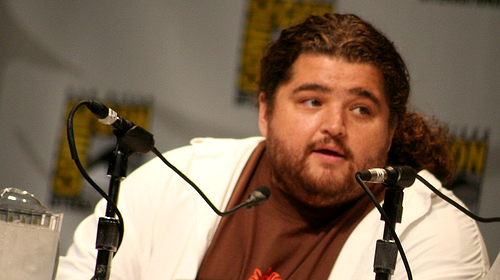
Jorge GarciaJorge GarciaHugo “Hurley” Reyes
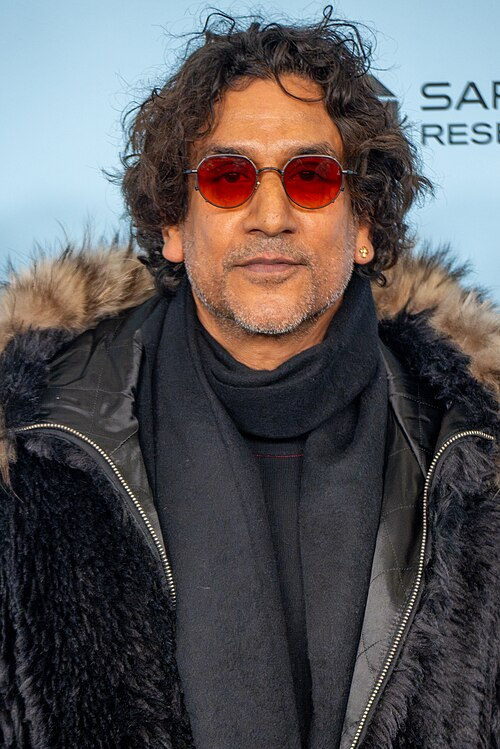
Naveen AndrewsNaveen AndrewsSayid Jarrah
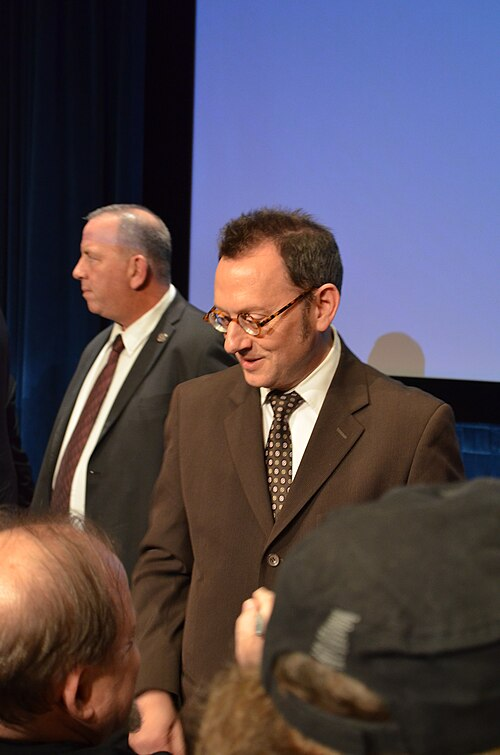
Michael EmersonMichael EmersonBenjamin Linus
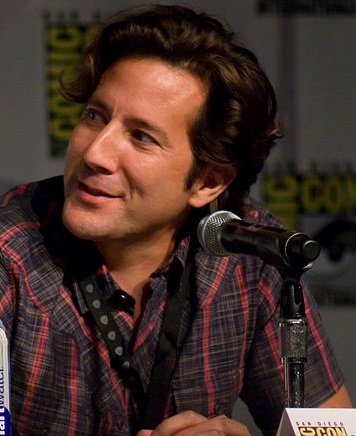
Henry Ian CusickHenry Ian CusickDesmond Hume
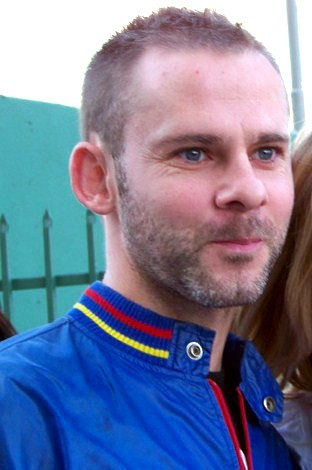
Dominic MonaghanDominic MonaghanCharlie Pace
Daniel Dae KimDaniel Dae KimJin-Soo Kwon
Yunjin KimYunjin KimSun-Hwa Kwon
Elizabeth MitchellElizabeth MitchellJuliet Burke
Emilie de RavinEmilie de RavinClaire Littleton
Harold PerrineauHarold PerrineauMichael Dawson
Ian SomerhalderIan SomerhalderBoone Carlyle
Maggie GraceMaggie GraceShannon Rutherford
Michelle RodriguezMichelle RodriguezAna Lucia Cortez
Néstor CarbonellNéstor CarbonellRichard Alpert
Jeremy DaviesJeremy DaviesDaniel Faraday
Ken LeungKen LeungMiles Straume
Jeff FaheyJeff FaheyFrank Lapidus

Sources

FanBolt: Interview with Damon Lindelof and Carlton Cuse, December 2008.

ABC News: LOST finale explained, May 2010.

Individual actor sources appear in the linked profiles. Scripture: Exodus 20:1–17; Matthew 5:21–30; Mark 10:42–45; Acts 17:16–34; Romans 3:8, 23–26; Galatians 6:2; 1 John 4:1; 1 Corinthians 15:3–4; Ephesians 2:8–10; John 14:6; Hebrews 9:27.

Logo: LOST title card, creator not identified in the source file, via Wikimedia Commons. Public-domain text logo. No changes. LOST and its logo are trademarks of their respective owners, used for identification. No endorsement implied.

Cast portrait credits

Matthew Fox: Ewen Roberts, via Wikimedia Commons, CC BY 2.0. Commons crop and adjustments; resized.

Evangeline Lilly: MTV UK, via Wikimedia Commons, CC BY 3.0. Video still, cropped on Commons.

Terry O’Quinn: Michele Meyer, via Wikimedia Commons, CC BY 2.0. Cropped on Commons.

Josh Holloway: Gage Skidmore, via Wikimedia Commons, CC BY-SA 3.0. Resized.

Jorge Garcia: Ewen and Donabel Roberts, via Wikimedia Commons, CC BY 2.0. Cropped on Commons.

Naveen Andrews: Bryan Berlin, via Wikimedia Commons, CC BY-SA 4.0. Commons crop; resized.

Michael Emerson: Genevieve, via Wikimedia Commons, CC BY 2.0. Resized.

Henry Ian Cusick: vagueonthehow, via Wikimedia Commons, CC BY 2.0. Cropped on Commons.

Dominic Monaghan: U2soul; crop and adjustments by RanZag, via Wikimedia Commons, CC BY 2.0.

Daniel Dae Kim: Ewen Roberts, via Wikimedia Commons, CC BY 2.0. Cropped on Commons.

Yunjin Kim: Lotte Entertainment (롯데엔터테인먼트), via Wikimedia Commons, CC BY 3.0. Video still.

Elizabeth Mitchell: Luke Ford/lukeford.net, via Wikimedia Commons, CC BY-SA 2.5. No changes.

Emilie de Ravin: Miguel Discart, via Wikimedia Commons, CC BY-SA 2.0. Resized.

Harold Perrineau: Derek Hofmann, cropped by Aiksu, via Wikimedia Commons, CC BY-SA 2.0. Existing crop.

Ian Somerhalder: John Manard / WikiPortraits, via Wikimedia Commons, CC BY-SA 4.0. Resized.

Maggie Grace: Gage Skidmore, via Wikimedia Commons, CC BY-SA 2.0. Existing crop, resized.

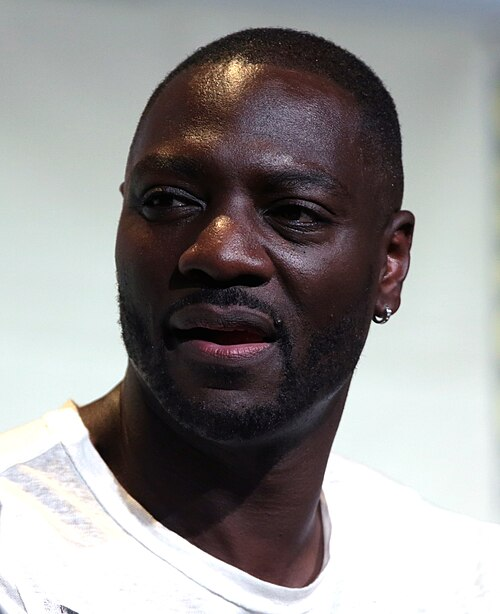
Adewale Akinnuoye-Agbaje: Gage Skidmore, cropped by Mike210381, via Wikimedia Commons, CC BY-SA 2.0. Existing crop, resized.

Michelle Rodriguez: Georges Biard, via Wikimedia Commons, CC BY-SA 3.0. No changes.

Néstor Carbonell: Kristin Dos Santos, via Wikimedia Commons, CC BY-SA 2.0. No changes.

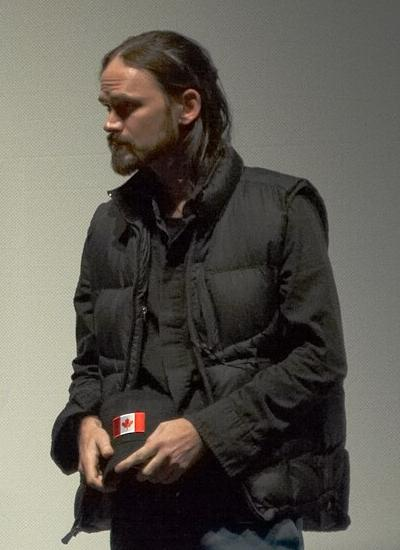
Jeremy Davies: jbach, cropped by Wikimedia contributors, via Wikimedia Commons, CC BY-SA 2.0. Existing crop.

Ken Leung: Crosa, cropped by StrangeloveFan101, via Wikimedia Commons, CC BY 2.0. Existing crop, resized.

Jeff Fahey: Kevin Payravi / WikiPortraits, Wikimedia Commons, via source file, CC BY-SA 4.0. Existing crop, resized.

Malcolm David Kelley: iDominick, via Wikimedia Commons, CC BY-SA 2.0. Existing crop, resized.

Cynthia Watros: Sgt. Zachary Mott, U.S. Army, via Wikimedia Commons. Public domain in the United States. Existing crop, resized.

What Is Cynthia Watros’s Religion? Is She a Christian?

Cynthia Watros visiting Camp Taji in 2008

Cynthia Watros is known to LOST viewers as Libby and to daytime television audiences for major soap roles. Her characters’ relationships, mistakes, and hopes can lead to questions about the actress’s own beliefs. The public interview reviewed here does not confirm a current religious affiliation or a clear personal profession of Christian faith.

The careful answer is that Watros’s religion remains unconfirmed in these sources. That is not a claim that she has no faith. It is a recognition that professional work and personal values do not automatically supply a religious label. Her own clear statement would be needed to make a more definite claim.

What Watros has discussed publicly

In a 2019 Soap Opera Digest interview, Watros described finding acting through a community college production and later studying at Boston University. She spoke about returning to daytime television and taking on Nina on General Hospital after earlier work on Guiding Light, sitcoms, and LOST.

Family was also central to that conversation. Watros explained that jobs requiring time away from her children had affected her choices about work. She valued being present as a mother. She also described communication as important when her daughters disagreed.

These comments offer a meaningful view of priorities she chose to discuss. They are not a church history, a conversion account, or a statement about salvation. Appreciating family does not establish a denomination, just as working on a show with spiritual themes does not prove a particular belief about God.

Libby’s kindness and the actress behind it

On LOST, Libby’s relationship with Hurley gives viewers moments of gentleness amid fear and conflict. Her story also leaves unanswered questions, which has helped keep fans interested long after the original broadcast. Those questions belong to the fictional series. They should not become speculation about Watros’s religious identity.

An actor can make kindness persuasive without being identical to a character. She can also portray troubling behavior without endorsing it. Watros’s work across comedy and drama depends on that ability to enter different imagined lives.

Religious profiles need the same distinction that ordinary viewers already make in other contexts. Playing a medical professional does not supply a medical license. Playing someone who appears in an afterlife scene does not supply a personal belief about heaven. The relevant evidence is what the actress has said about herself.

Presence can be an ordinary form of love

Watros’s comments about family point toward a practical question: what does it mean to be available to the people we love? Our culture often celebrates visible achievement while overlooking the time spent listening, keeping promises, and sharing everyday responsibilities.

The Bible gives those ordinary acts real weight. First Corinthians 13 describes love as patient and kind. Philippians 2:3–4 calls people to consider others’ interests rather than living only for their own advancement. Love is not measured solely by dramatic gestures. It is also expressed through attention when someone is tired, confused, or difficult to understand.

That does not mean every family can make identical work choices. Financial needs and responsibilities differ. A biblical application should encourage thoughtful care without turning one person’s circumstances into a rule for everyone. These are Christian reflections on the subject, not a claim that Watros herself framed her decisions through these passages.

Communication needs truth and humility

Listening matters because another person is more than the role we assign to her. James 1:19 calls for being quick to listen, slow to speak, and slow to anger. Honest conversation requires room to hear something inconvenient and courage to admit when we were wrong.

Forgiveness is also different from pretending harm never occurred. Truth, appropriate boundaries, and accountability can be part of caring well. A desire for peace should not pressure someone to hide real wrongdoing. Biblical love rejoices with the truth.

These standards challenge all of us. We may be patient in public and harsh at home, or generous with strangers while refusing to admit a lie to someone close. The Bible does not let a good outward impression settle the condition of our hearts.

Grace for people who cannot repair everything

God’s law exposes our shared need. The Ten Commandments forbid lying, stealing, adultery, coveting, and giving anything God’s place. Jesus also addresses anger and lust within the heart. Romans 3:23 says all have sinned and fall short of God’s glory.

God is just, and judgment is real. Neither family devotion nor professional success can erase guilt. We need a Savior who can reconcile us to God. That diagnosis includes the writer and reader; it is not a claim to know Watros’s private heart or eternal destiny.

Jesus Christ is God’s divine Son. He became man and lived a sinless life. He willingly died on the cross as the substitute for sinners, bearing the judgment we deserve. He was buried and rose bodily from the dead. His resurrection gives a foundation for hope beyond any fictional ending.

Ephesians 2:8–9 teaches that salvation is by grace through faith, not works. We are invited to acknowledge our sin and trust Jesus’ finished work for forgiveness and eternal life. Good works follow as a grateful response to his gift.

Watros’s public religious profession remains unconfirmed here. Her work and comments can prompt worthwhile reflection, while the Christian message directs every reader to the living Christ and the grace he offers.

Sources

Soap Opera Digest: Cynthia Watros interview, October 2019.

Scripture: 1 Corinthians 13:4–6; Philippians 2:3–4; James 1:19; Exodus 20:1–17; Matthew 5:21–30; Romans 3:23; 1 Corinthians 15:3–4; Ephesians 2:8–10.

Photo: Sgt. Zachary Mott, U.S. Army, via Wikimedia Commons. Public domain in the United States. Existing crop, resized.

What Is Malcolm David Kelley’s Religion? Is He a Christian?

Malcolm David Kelley at the LOST PaleyFest panel in 2014

Malcolm David Kelley became familiar to LOST viewers as Walt Lloyd, a child at the center of the series’ early mysteries and family conflicts. His character’s unusual place in the story does not tell us the actor’s religion. The public interview reviewed here does not establish a current religious affiliation or a clear personal profession of Christian faith.

The honest answer is that Kelley’s religion remains unconfirmed in these sources. This does not mean he has no beliefs. It means that a responsible account should distinguish what he has actually discussed from a label supplied by assumption.

Growing beyond a childhood role

In a 2017 Parlé interview, Kelley discussed moving from child roles into adult work. His career included Antwone Fisher, You Got Served, LOST, and the film Detroit. He also worked in music as part of MKTO with Tony Oller.

Kelley spoke appreciatively about parents who supported his interests without forcing him to keep working. He valued time for children to be children. He also discussed learning about the history behind Detroit and hoped the film would encourage conversation about injustice, community, and change.

These comments provide real material for understanding his public priorities. They are not a conversion testimony or a statement of doctrine. A word such as “blessing” in a career conversation does not settle what a person believes about Jesus. We should not make religious certainty out of ordinary conversational language.

Walt belongs to the story; Kelley has his own life

LOST places Walt in situations where adults are frightened, divided, and tempted to treat him as part of their plans. Viewers naturally become concerned for him. That emotional connection can make it easy to forget that the young performer was doing a job in a fictional world.

Walt’s experiences are not a record of Kelley’s spiritual life. Neither the character’s unusual abilities nor the show’s supernatural imagery identifies the actor’s beliefs. We should apply the same rule to adult performers and children: a convincing role remains a role.

There is another lesson for longtime viewers. An actor who first became famous as a child continues to grow. Public discussion should allow him to become an adult rather than keeping him frozen in a familiar television image. The person matters beyond the audience’s nostalgia.

Children have worth beyond what they can produce

Kelley’s comments about supportive parenting give Christian readers a useful point of contact. In Mark 10:13–16, Jesus welcomes children whom others were prepared to keep away. Their value did not depend on professional skill, influence, or usefulness to the adults around them.

That challenges a culture that often measures children by performance. A child’s talent can be encouraged without becoming the price of love. Rest, ordinary friendships, learning, and time to make age-appropriate mistakes matter. Parents and other adults should protect a child’s dignity rather than letting public attention determine every decision.

This is a biblical reflection on the subject Kelley discussed, not an investigation into his family. His own appreciative remarks can be reported without imagining that they reveal every detail of his upbringing or his parents’ beliefs.

Justice asks more of us than a strong feeling

A film about injustice can make viewers angry or moved. The Bible calls for more than a brief emotional response. Micah 6:8 links justice, mercy, and humility before God. Proverbs 31:8–9 calls people to speak for those whose voices are easily ignored.

Christians should take cruelty seriously and listen carefully to people harmed by it. Human dignity does not depend on race, popularity, income, or whether someone is powerful enough to defend himself. All people are made in God’s image. Honest concern for justice should include truthful evidence, fair treatment, and a refusal to excuse abuse.

Yet we also need humility. We can recognize wrong in society while overlooking wrong in ourselves. The Bible does not let us divide humanity into the guilty people on one side and our entirely innocent selves on the other.

Our need for forgiveness is universal

God’s law exposes that shared need. The Ten Commandments forbid lies, theft, adultery, murder, coveting, and putting anything before God. Jesus teaches that anger and lust reveal sin in the heart. Romans 3:23 says all have sinned and fall short of God’s glory.

God is just and will hold us accountable. A career achievement, a kind family, or support for a worthy cause cannot erase guilt. We need a Savior who can reconcile us to God, not merely a better public reputation.

Jesus Christ is God’s divine Son. He became man and lived a sinless life. He willingly died on the cross as the substitute for sinners, bearing the judgment we deserve. He was buried and rose bodily from the dead. This is the good news of a living Savior who has completed the work of rescue.

Salvation is by grace through faith, not works, as Ephesians 2:8–9 teaches. We are invited to acknowledge our sin and trust Jesus’ finished work for forgiveness and eternal life. Good works follow as a response to grace rather than a payment for it.

Kelley’s current religious profession remains unconfirmed here. The Christian message invites every reader, whatever the background, to find hope in Christ rather than in fame, family history, or moral achievement.

Sources

Parlé: Malcolm David Kelley interview, July 2017.

Scripture: Genesis 1:27; Mark 10:13–16; Micah 6:8; Proverbs 31:8–9; Exodus 20:1–17; Matthew 5:21–30; Romans 3:23; 1 Corinthians 15:3–4; Ephesians 2:8–10.

Photo: iDominick, via Wikimedia Commons, CC BY-SA 2.0. Existing crop, resized.

What Is Jeff Fahey’s Religion? Is He a Christian?

Jeff Fahey at the Toronto International Film Festival in 2024

Jeff Fahey is known to LOST viewers as pilot Frank Lapidus, a practical presence in a story filled with extraordinary events. His long acting career and public humanitarian interests have also prompted questions about his faith. The interviews and public material reviewed here do not establish a clear current religious affiliation or a personal profession of Christian faith.

The careful answer is that Fahey’s religion remains unconfirmed in these sources. A role in a film with religious themes, an expression of goodwill, or a record of charitable work cannot take the place of his own clear account of belief. That limit should be stated without assuming either faith or unbelief.

A career built on varied work and relationships

In a 2022 Movie Elite interview, Fahey discussed the reasons he accepts different projects. Some involve a compelling character or script. Others give him a chance to work with trusted collaborators or help friends get a film made. He spoke warmly about westerns and his experience on Silverado and Wyatt Earp.

He also described the trust he had developed with filmmakers over years of work. The interview covered projects of different sizes and genres, including Maneater. It showed that choosing a role can involve several professional reasons rather than a single personal endorsement of everything in a story.

That is useful context for religious reporting. An actor’s appearance in a Christian film does not automatically prove conversion, and an appearance in supernatural horror does not establish belief in the story’s imagined powers. The work is evidence of a career choice; personal faith requires more direct evidence.

Humanitarian concerns beyond the screen

A 2024 DevTalks episode hosted by DevTech included Fahey and Friends Forever International’s Stephen Martineau. The published description identifies Fahey as an actor and humanitarian advocate and says the conversation covered his global travels and humanitarian work. It also emphasizes empathy and the significance of serving others.

That material supports discussing humanitarian concern as part of his public life. It does not provide a religious label. People from many faiths, as well as people who identify with none, can care deeply about suffering. We should be able to recognize worthwhile service without claiming it answers every question about the person’s theology.

For Christians, the subject of helping others opens a serious conversation about dignity, responsibility, and what love asks of us when another person’s needs are far away.

The neighbor is not always nearby

In Luke 10, Jesus answers a question about loving one’s neighbor with the story of the good Samaritan. The person who shows mercy crosses a social boundary and responds to someone in need. The story challenges the search for an easy excuse to keep compassion limited to familiar people.

Christians have good reason to value empathy that becomes practical help. Listening, learning, giving, and serving can be ways of honoring people made in God’s image. Real help should also respect those receiving it as people with voices and agency, rather than as props in someone else’s story of generosity.

This is a biblical reflection prompted by Fahey’s public humanitarian interests. It is not a claim that he has explained his work through this passage or that we know his private motives. The distinction allows appreciation without speculation.

Lapidus and the need to trust a rescuer

Frank Lapidus’s place in LOST gives viewers another image to consider: in danger, people may need someone with skills they do not possess. They cannot solve every problem by determination alone. His fictional work as a pilot illustrates practical dependence, though no television character should be treated as an exact picture of Christ.

The spiritual problem described in the Bible is greater than being stranded. God’s law exposes sin. The Ten Commandments forbid lying, stealing, adultery, coveting, and putting anything above God. Jesus also identifies anger and lust as matters of the heart. We have all failed to love God and our neighbors perfectly.

Romans 3:23 says all have sinned. God is just, and he will judge wrongdoing. Helping others is good, but it cannot erase guilt or make us our own saviors. We need forgiveness and reconciliation with the God whose law we have broken.

Rescue through Jesus’ finished work

Jesus Christ is God’s divine Son, who became man and lived a sinless life. He willingly died on the cross as the substitute for sinners, bearing the judgment we deserve. He was buried and rose bodily from the dead. First Corinthians 15:3–4 places those events at the center of the Gospel.

Ephesians 2:8–9 teaches that salvation is God’s gift by grace through faith, not works. We are invited to acknowledge our sin and trust Jesus’ finished work for forgiveness and eternal life. The foundation is what he has accomplished, not how impressive our record of service becomes.

Good works then have their proper place as a response to grace. They matter because neighbors matter, not because we can use them to buy God’s acceptance. Fahey’s public religious profession remains unconfirmed here. The Christian hope offered to every reader rests on the living Savior, who rescues people unable to save themselves.

Sources

The Movie Elite: Jeff Fahey interview about Maneater, 2022.

DevTech: Humanitarianism and Development with Jeff Fahey and Stephen Martineau, 2024.

Scripture: Genesis 1:27; Luke 10:25–37; Exodus 20:1–17; Matthew 5:21–30; Romans 3:23; 1 Corinthians 15:3–4; Ephesians 2:8–10.

Photo: Kevin Payravi / WikiPortraits, Wikimedia Commons, via source file, CC BY-SA 4.0. Existing crop, resized.

What Is Ken Leung’s Religion? Is He a Christian?

Ken Leung at FedCon in 2019

Ken Leung has used spiritual language when describing acting, but the sources reviewed here do not confirm a specific religious affiliation or a personal profession of Christian faith. In a 2024 Talk Easy interview, he described the space between the beginning and end of a filmed scene as sacred and connected with people across time. That tells us something about how he experiences his work. It does not, on its own, identify a religion.

The careful answer is therefore that Leung’s current religion is unconfirmed in these sources. He should not be labeled Christian, Buddhist, or atheist on the strength of his ancestry, a role, or a single spiritual expression.

What Leung has said about acting and meaning

Talk Easy’s published excerpt presents Leung’s sense that acting connects performers with those who came before, people working now, and future viewers. He also described acting as a way to express things that are harder to express in daily life. The conversation covered his upbringing, career, and work on Industry.

A January 2026 Story and Craft interview likewise discussed his path through stage, film, and television, including LOST and Industry. These career conversations show an interest in the human significance of performance. They are not a church biography or an explanation of what he believes about Jesus’ identity, the cross, or salvation.

His vocabulary deserves to be taken seriously without being made to say too much. People can use words such as “holy” and “spiritual” in different ways. We should ask what the speaker actually means rather than quietly replacing his meaning with our preferred religious definition.

Miles Straume is part of the story

On LOST, Leung played Miles Straume, whose unusual ability and guarded personality create memorable encounters with the other survivors. The fictional supernatural rules of Miles’s world do not show that Leung believes in those rules himself. Performing a scene about the dead is not evidence that an actor practices communication with spirits.

That distinction is particularly important when a drama mixes mystery, science fiction, and religious imagery. A viewer can discuss a character’s ability as part of a plot without turning it into a claim about the actor’s personal life. Leung’s work in Rush Hour, The Sopranos, and Industry further illustrates how widely a performer’s roles can differ.

The public person is more than any one character. Respectful religious writing should preserve that difference, even when a character offers an interesting starting point for a Christian discussion.

Why art can feel bigger than one person

A scene can move someone the actor will never meet. Stories may give words to grief, expose ambition, or make a lonely viewer feel understood. Christians can recognize the value of imagination and skilled work. Human creativity reflects the gifts of a Creator who made people in his image.

Yet Christianity does not make the emotional power of art the final test of truth about God. A scene can feel profound and still carry a mistaken idea. A modest conversation can be truthful without feeling dramatic. First John 4:1 calls believers to test spiritual claims rather than accepting everything that presents itself as spiritual.

This is a biblical response to the subject, not an assertion that Leung has made a particular supernatural claim beyond the comments reported. Christians can appreciate his seriousness about acting while keeping their own standard of spiritual truth clear.

Being seen is different from being forgiven

Good art may help us recognize something hidden in ourselves. Scripture takes that recognition further by exposing our moral need. The Ten Commandments forbid lying, stealing, adultery, coveting, and worshiping anything above God. Jesus teaches that anger and lust reveal sin within the heart. Every one of us has failed that standard.

Romans 3:23 says all have sinned. Our problem is not only that other people fail to understand us. We have done real wrong, and God is just. Feeling deeply, working creatively, or contributing to culture cannot erase our guilt before him.

That diagnosis is universal. It is not a claim to know Leung’s private failures or eternal standing. It includes the writer and reader. We need a Savior who can do more than make us feel represented; we need one who can reconcile us to God.

The Gospel points to a real event and a living person

Jesus Christ is God’s divine Son. He became man, lived a sinless life, and willingly died on the cross as the substitute for sinners. He bore the judgment our sins deserve. He was buried and rose bodily from the dead. Christian hope rests on his completed work, not on the lasting emotional effect of a performance.

Ephesians 2:8–9 teaches that salvation is God’s gift by grace through faith, not works. We are invited to acknowledge our sin and trust Jesus’ finished work for forgiveness and eternal life. Neither creative achievement nor religious effort can purchase what he gives freely.

Leung’s public comments describe a spiritual dimension to acting, while leaving his religious affiliation unconfirmed here. They can open a thoughtful conversation. The Christian answer to our deepest need remains Jesus Christ, who knows us fully and offers grace.

Sources

Talk Easy with Sam Fragoso: Ken Leung, September 2024.

Story and Craft: Ken Leung, January 2026.

Scripture: Genesis 1:27; 1 John 4:1; Exodus 20:1–17; Matthew 5:21–30; Romans 3:23; 1 Corinthians 15:3–4; Ephesians 2:8–9.

Photo: Crosa, cropped by StrangeloveFan101, via Wikimedia Commons, CC BY 2.0. Existing crop, resized.

What Is Jeremy Davies’s Religion? Is He a Christian?

Jeremy Davies at the Rescue Dawn premiere in Toronto in 2006

Jeremy Davies is familiar to LOST viewers as Daniel Faraday, the physicist trying to understand the island’s mysteries. His work raises questions about knowledge, choices, and what people can change. It does not establish the actor’s religion. The public material reviewed here does not confirm a current religious affiliation or a clear personal profession of Christian faith.

This profile concerns the American actor who played Faraday and Dickie Bennett on Justified. Public figures can share a name, and a religious biography belonging to someone else would not be evidence about him. The careful answer is that Davies’s own religious identity remains unconfirmed in these sources.

What his acting interview actually tells us

In a 2011 CHUD interview, Davies described his enthusiasm for Justified and writer Elmore Leonard. He said he grew up without television and read extensively. He appreciated strong writing, the rhythm of scenes, and the possibilities that good material gives an actor.

He also spoke about supporting others in a competitive business. After enjoying Justified, he had sent word to its creative team that he admired the work and would be interested if a suitable opportunity arose. He later joined the show as Dickie Bennett.

Those remarks reveal literary interests and a view of professional community. They are not a creed, a conversion story, or a statement about Jesus. Even expressions such as “believer” or “bless you” can occur casually in conversation without establishing a person’s religion. Context matters more than an isolated word.

Faraday’s knowledge is part of a fictional world

On LOST, Faraday can explain things that other characters struggle to grasp. Yet intelligence does not spare him from emotional wounds, limited information, or hard choices. His story gives viewers a way to think about the limits of human understanding. It should not be treated as Davies’s personal philosophy.

A scientist in a drama may speak with certainty because the scene requires it. The actor is communicating the character’s confidence, confusion, or discovery. We cannot infer that the performer accepts every claim in the script. The same rule applies when an actor portrays a criminal, a soldier, or a religious figure.

Davies’s range illustrates that point. A character actor’s work depends on entering lives that differ from his own. Appreciating that range helps us avoid the mistake of treating the most memorable role as a complete account of the person.

Faith is not an excuse to stop thinking

Christians do not need to respond to a fictional physicist by making science and faith enemies. The Bible presents a created world that can be observed and studied. It also teaches that human knowledge is limited. We should be grateful for real discoveries and humble about questions we cannot yet answer.

Acts 17 presents Paul reasoning with his hearers and pointing toward Jesus’ resurrection. Christian faith has an object: the God who acts and speaks, supremely through Christ. It is not merely confidence that our preferred theory will turn out to be true. A sincere conviction can be mistaken, so the truth of what we trust matters.

This is a biblical framework for readers to consider, not a claim that Davies shares it. Keeping those boundaries clear allows a meaningful discussion without assigning beliefs to the actor.

A supportive community still needs moral truth

Davies’s appreciation for encouraging colleagues is a welcome topic in a competitive culture. Romans 12:10 calls Christians to honor others. Another person’s achievement need not be treated as our loss. Gratitude, encouragement, and honest praise can make ordinary work more humane.

Yet belonging to a helpful community does not settle our standing before God. Groups can support us and still excuse our wrongs. Friends can reassure us and still be unable to remove guilt. We need something beyond agreement from people who like us.

God’s law exposes the deeper problem. The Ten Commandments forbid lies, theft, adultery, coveting, and worshiping anything above God. Jesus also addresses anger and lust within the heart. We have all sinned, as Romans 3:23 says. No level of intelligence or creative skill makes us exempt from God’s just judgment.

The good news reaches beyond our limits

We cannot solve guilt as if it were an equation or change the past by wishing we understood it sooner. The Gospel announces God’s provision for people who cannot save themselves. Jesus Christ is his divine Son, who became man and lived a sinless life.

Jesus willingly died on the cross as the substitute for sinners, bearing the judgment we deserve. He was buried and rose bodily from the dead. First Corinthians 15:3–4 places his death, burial, and resurrection at the center of the Christian message. He is a living Savior, not simply an inspiring idea.

Salvation is God’s gift by grace through faith, not works. We are invited to acknowledge our sin and trust Jesus’ finished work for forgiveness and eternal life. We do not earn acceptance by being clever, useful, or impressive.

Davies’s public religious profession remains unconfirmed here. His work can lead us into thoughtful questions, but the Christian answer to our deepest need rests on what Christ has already accomplished.

Sources

CHUD: Jeremy Davies interview about Justified, March 2011.

Jeremy Davies: Official career information.

Scripture: Acts 17:16–34; Romans 12:10; Exodus 20:1–17; Matthew 5:21–30; Romans 3:23; 1 Corinthians 15:3–4; Ephesians 2:8–9.

Photo: jbach, cropped by Wikimedia contributors, via Wikimedia Commons, CC BY-SA 2.0. Existing crop.

What Is Néstor Carbonell’s Religion? Is He a Christian?

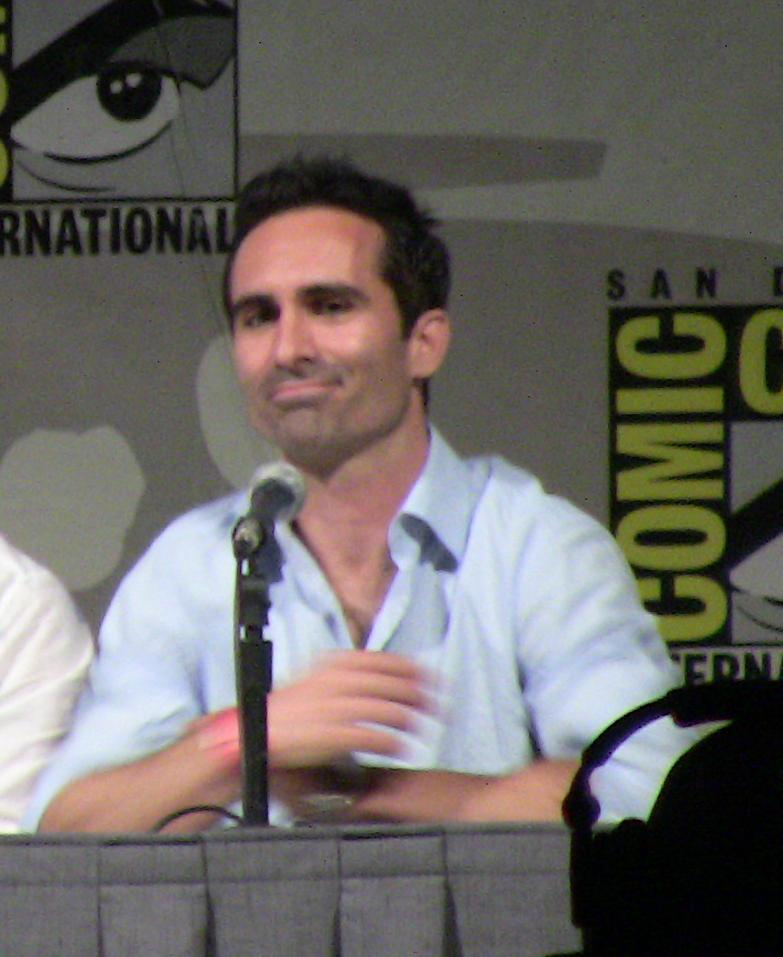
Néstor Carbonell at the LOST Comic-Con panel in 2009

Néstor Carbonell has publicly described a Catholic upbringing and an ongoing reliance on faith. In a September 2025 ¡HOLA! interview, he said that faith and family remained constants as his family moved, and that he continued to depend on faith in daily life. His own account supports describing a Catholic upbringing and a continuing personal reliance on faith, rather than treating religion as only a childhood association.

That is stronger evidence than the religious imagery surrounding Richard Alpert, his character on LOST. Still, a celebrity interview is not a full statement of doctrine. We can report Carbonell’s profession respectfully without claiming to know his heart, measuring the depth of his faith, or declaring his eternal destiny.

What Carbonell has said himself

Asked about faith in ¡HOLA!, Carbonell connected it with the way he and his siblings were raised. He explained that the family sought a church wherever they lived and emphasized that it meant more than attending a ritual. He associated faith with strength and giving back, and described it as a continuing source of support.

He also spoke appreciatively about his parents and wife, and about encouraging his children in their work. The important religious point is the combination of a named Catholic upbringing and present-tense dependence on faith. The interview does not supply a detailed explanation of how he understands every Catholic teaching or of his personal trust in Christ’s saving work.

That limit is worth keeping. A responsible profile should neither flatten his comments into a vague cultural label nor expand them into answers he did not give.

The actor behind Richard Alpert

Carbonell’s career includes Suddenly Susan, The Tick, the Dark Knight films, Bates Motel, Shōgun, and The Morning Show. LOST gave him the mysterious role of Richard, whose unusually long life and hidden history raised questions about loyalty, death, and purpose.

In a 2012 Assignment X interview, Carbonell explained that he did not know Richard’s eventual backstory when he began playing him. He had to work from the information in the scripts and create reasons for the character’s behavior. His early assumptions did not always match what the writers later revealed.

That account helps separate the actor’s faith from the character’s world. Richard’s experience was a developing fictional story, not Carbonell’s testimony. A scene involving guilt, a priest, or supernatural powers cannot be used as a direct summary of what the performer believes.

A faith that travels beyond a familiar place

Carbonell’s description of finding a church after family moves offers a practical point of reflection. Faith can be connected to home and culture without being limited to a single address. Christians can find encouragement in gathering with others, hearing Scripture, praying, and serving neighbors even when familiar surroundings change.

Hebrews 10:24–25 urges believers to encourage one another and continue meeting together. Christian community is more than a comforting memory. It can help people carry burdens, receive correction, and practice love in ordinary life. Those are biblical reasons to value the church, not proof that every gathering or tradition is automatically faithful to Christ.

The central question remains whom we trust. A building, a family history, or a religious identity cannot take the Savior’s place. Jesus himself is the foundation of Christian hope.

Giving back and the limits of good works

Helping others is good. Scripture calls believers to generosity and concern for people in need. Yet the Bible also explains why service cannot purchase forgiveness. Ephesians 2 places good works after salvation by grace: they are the life God prepares for his people, not the payment that makes them acceptable to him.

God’s law shows why we need that grace. The Ten Commandments forbid lying, stealing, adultery, coveting, and putting other things in God’s place. Jesus exposes anger and lust in the heart. All of us have failed to love God and our neighbors perfectly. Romans 3:23 says all have sinned.

God judges justly. A generous act cannot erase a dishonest one, and religious attendance cannot cancel guilt. This is a truth for every tradition and every reader. The purpose is not to speculate about Carbonell’s standing with God, but to explain the Gospel clearly.

Christ is the sure foundation

Jesus Christ is God’s divine Son. He became man, lived without sin, and willingly died on the cross as the substitute for sinners. He bore the judgment our sins deserve. He was buried and rose bodily from the dead. This is the saving work proclaimed in 1 Corinthians 15:3–4.

Salvation is God’s gift by grace through faith, not a reward for good deeds. We are invited to acknowledge our sin and trust Jesus’ finished work for forgiveness and eternal life. Our confidence belongs in his sufficient sacrifice and resurrection, rather than in the strength of our feelings or the quality of our record.

Carbonell’s own words describe faith as an enduring part of his life. Christians can welcome that public account while pointing every reader to the essential question: are we relying on Jesus Christ, the living Savior who has done what we could never do for ourselves?

Sources

¡HOLA!: Néstor Carbonell discusses family, career, and faith, September 2025.

Assignment X: Nestor Carbonell interview, January 2012.

Scripture: Hebrews 10:24–25; Exodus 20:1–17; Matthew 5:21–30; Romans 3:23–26; 1 Corinthians 15:3–4; Ephesians 2:8–10.

Photo: Kristin Dos Santos, via Wikimedia Commons, CC BY-SA 2.0. No changes.