What Is Liam Neeson’s Religion? Is He a Christian?

Liam Neeson at the Deauville American Film Festival in 2012

Liam Neeson is a Northern Irish actor known for serious dramas, action films, and, more recently, comedy. Because he has spoken publicly about Catholicism, God, doubt, and spiritual questions, some people ask whether Liam Neeson is a Christian. That deserves a careful answer. An actor’s roles do not settle the question, and neither do brief headlines or childhood labels.

This article looks at Neeson’s public comments and documented background. It does not claim to know his heart. God alone knows the full condition of a person’s soul. The goal is to report what Neeson has said and to point readers to the good news of Jesus Christ.

A Catholic background

Neeson grew up in Northern Ireland in a Catholic home. In a British Film Institute interview about Martin Scorsese’s film Silence, he said that he had been an altar boy for several years. He also said that the beauty and ceremony of the Mass—including vestments, candles, and lights—helped inspire his desire to become an actor.

That background matters, but it needs to be understood correctly. Growing up around church, serving as an altar boy, or appreciating religious beauty does not by itself show that a person has trusted Jesus Christ for salvation. Many people have a religious past while still wrestling with what they believe. The Bible calls each of us to respond personally to Christ, not merely to inherit a family or cultural identity.

What Liam Neeson has said about faith

Neeson has not tried to present himself as someone who has every answer. While promoting Silence, he spoke with Guideposts about questions involving God, faith, and science. He described the lasting effect of taking part in a Mass with Jesuit priest Daniel Berrigan during the making of The Mission. According to that interview, the experience made the Catholic faith feel especially real to him.

He also spoke honestly about doubt. Neeson said that deep faith and deep doubt can go together, and he described himself as continuing to search. In the same interview, he said that he still believes in God. Those are meaningful public statements. They show that spiritual questions have not been unimportant to him.

In the BFI interview, Neeson was asked whether he had ever considered abandoning his own faith. He answered that he did not think people abandon things such as faith and true friendships, because they become part of a person. He also observed that many people may be weary of organized religion while still searching inwardly for a reason they are here.

These statements should not be stretched beyond what they say. They give evidence of a Catholic background, belief in God, and an ongoing seriousness about faith. They do not provide a clear public testimony that Neeson has repented of sin and placed his trust in Jesus Christ as Lord and Savior. It would be unfair to invent that conclusion, and it would also be wrong to mock someone for asking real questions.

Faith-themed roles are not personal testimony

Neeson has appeared in films that deal with religion, including The Mission and Silence. In Silence, he played Father Cristóvão Ferreira, a Jesuit priest in a story shaped by persecution and the cost of belief. The subject matter clearly gave him an opportunity to speak about faith in interviews.

Still, an acting role is not a creed. An actor can portray a priest, a believer, a skeptic, or a villain without personally endorsing everything that character says or does. Famous Faith tries to make that distinction because it is easy to confuse a powerful performance with a public statement of belief. The question is not simply what a person played on screen. The question is what the person has actually said about God, Jesus, sin, forgiveness, and faith.

A quick author note on comedy

The author of Famous Faith also thinks Neeson is quite funny in the recent 2025 The Naked Gun movie. Paramount lists him as Frank Drebin Jr. in the action-comedy. That is simply an author’s movie opinion, not evidence for or against Neeson’s religion. It is a good reminder that people can be known for very different kinds of work while still carrying serious questions about life and God.

Is Liam Neeson a Christian?

Based on the public material reviewed here, the careful answer is that Neeson has described a Catholic background, belief in God, and an ongoing relationship with questions about faith and doubt. However, the sources do not give a clear public testimony that he has turned from sin and trusted Jesus Christ alone as his Lord and Savior. We should not claim more than the evidence supports.

Only God knows a person’s heart. Christians should resist the urge either to pronounce someone saved on thin evidence or to speak as if a celebrity is beyond God’s grace. The gospel is not a reward for being famous, funny, moral, religious, or successful. It is God’s mercy for sinners.

What makes someone a Christian?

The Bible teaches that every person has sinned against a holy God. We cannot make ourselves right with Him through a church background, good works, family traditions, or admiration for Jesus. Jesus Christ, the Son of God, lived without sin, died on the cross for sinners, and rose again. He offers forgiveness and new life to those who repent and trust in Him.

If you are reading this, do not rest in a label or a vague belief in God. Ask what you believe about Jesus Christ. Turn from sin and self-rule, and trust Him as Savior and Lord. He is not merely a character in a story or a symbol of inspiration. He is the risen King who offers real forgiveness to all who come to Him.

Sources

Featured image credit: Liam Neeson at the Deauville American Film Festival, 2012, photo by Georges Biard, Wikimedia Commons, CC BY-SA 3.0.


What Is Benson Boone’s Religion? Is He a Christian?

Benson Boone in a 2022 radio interview

Benson Boone’s song “Beautiful Things” made him a familiar voice to millions of listeners. As his fame grew, so did questions about his faith. Was the singer raised in a religion? Does he call himself a Christian now? The most honest answer begins with what Boone has actually said, not with guesses based on his songs or the family he grew up in.

Boone has spoken openly about being raised in the Church of Jesus Christ of Latter-day Saints, often called the LDS or Mormon church. He has also described his own beliefs as unsettled and said he does not want to belong to one religion. That is different from a public confession that he trusts Jesus Christ as his Savior. It is also not a window into his heart. Only God knows a person fully.

What Benson Boone has said about his upbringing

In a 2025 Rolling Stone interview, Boone described growing up in the LDS church. He said people around him spoke about personal spiritual experiences, but he had not felt the same certainty. He did not present that as a dramatic fight with his family. Instead, he described a process of trying to understand belief for himself.

Boone also said his parents had encouraged him to discover his own views about God. That detail matters. It would be easy to turn his story into a simple headline about rebellion or rejection, but his own account is more personal than that. His questions were about whether he had experienced the truth of what he had been taught. A fair article should let him explain that in his own terms.

In reporting on the interview, Good Morning America quoted Boone saying he did not want to be part of one religion. Those words do not answer every possible question about what he believes today. They do tell us that it would be misleading to call him a committed member of a particular church without stronger evidence.

Can a song tell us what a singer believes?

Listeners often hear hope, fear, and gratitude in Boone’s music. “Beautiful Things,” for example, speaks about the fear of losing what is precious. Many people can relate to that feeling, whether they are religious or not. A powerful song can raise spiritual questions. It cannot, by itself, tell us what the singer believes about sin, forgiveness, Jesus, or the resurrection.

That distinction protects both the artist and the reader. Fans should not have to decode a performer’s soul from one lyric. Nor should Christians claim a celebrity as one of their own because a song sounds like a prayer. If Boone makes a clear public statement of faith later, that statement should be considered on its own. For now, we should describe the words he has shared and leave room for what we do not know.

Religion, experience, and the gospel

Boone’s comments point to a question many people face: What if I grew up with religious words but never felt sure? Some people inherit church habits from their parents. Others reject those habits. Still others keep searching. None of those facts, alone, makes a person right with God. The Bible does not say that a family label, a moving feeling, or fame can save us.

Historic Christian faith centers on Jesus Christ himself. Scripture says all people have sinned and fall short of God’s glory (Romans 3:23). Our problem is not merely that we need a stronger spiritual feeling. We need forgiveness and a new heart. Jesus lived without sin, died for sinners, and rose again. Salvation is God’s gift of grace, received through faith, not a reward for our efforts (Ephesians 2:8–9).

That message should make Christians patient with honest questions. If someone says, “I did not experience what others said they experienced,” the right response is not mockery. We can listen, point to the words and work of Jesus, and admit that emotions vary. Christian hope rests on Christ, not on whether we can reproduce another person’s story. Boone deserves the same care we would want for anyone in our family.

So, is Benson Boone a Christian?

Based on the public interviews reviewed here, Boone has described an LDS upbringing and a present reluctance to belong to one religion. I have not found a clear public statement from him professing the Christian gospel. That means I cannot responsibly answer “yes” to the question in the title. It also means I cannot announce what God sees in Boone’s heart. Public evidence has limits, and people can change.

If you came here because of Boone’s music, let the question become personal. Your own standing with God does not depend on what a singer believes. Do not rely on a religious childhood, a spiritual mood, or a sense that you are a good person. Turn from your sin and trust in Jesus Christ, who died and rose again. Ask him for mercy. He welcomes all who come to him in faith.

Sources: Rolling Stone interview with Benson Boone; Good Morning America report on Boone’s comments.

Photo: The NEW 96.5, via Wikimedia Commons, CC BY 3.0. Still image from a 2022 video interview.

What Is Pedro Pascal’s Religion? Is He a Christian?

Pedro Pascal at the 2025 Cannes Film Festival

Pedro Pascal is one of the most recognizable actors on television and in movies. Many people know him as the armored father figure in The Mandalorian or as Joel in The Last of Us. His fame also leads to a question we ask about many public figures: What does Pedro Pascal believe about God? Is he a Christian?

The clearest public answer is that Pascal has described himself as agnostic. That means he has not claimed to know whether God exists. It is not the same as a confession of Christian faith. Still, his own words deserve a careful reading. A person is more than one sentence from an interview, and none of us can see inside his heart.

What Pedro Pascal has said about religion

In a 2017 interview with Solar Magazine, Pascal was asked about his character and the way he treats others. He talked about his family, loss, and the experiences that shaped him. Then he addressed belief directly. He said he did not know what he believed and called himself “completely agnostic.” He also said he had not developed a particular relationship with spirituality. These are his statements, not a label placed on him by fans.

In that same conversation, Pascal said that being a good person mattered more to him than being famous or powerful. He connected that view to his upbringing and years of hard work before major roles came his way. His answer sounds thoughtful and personal. It also shows why a short headline such as “Pedro Pascal is Christian” would mislead readers. He did not say that in this interview.

A 2025 Vanity Fair profile likewise described him as agnostic, practically an atheist. The wording matters. The writer was describing Pascal, while the 2017 interview records his own words. Neither source tells us every belief he holds today. People can change, and interviews do not reveal every private thought. Based on these public sources, it is fair to say that Pascal has not publicly identified himself as a Christian in the material reviewed here.

Why people may wonder

Pascal often plays characters who protect others at great personal cost. That can make viewers think about love, sacrifice, and family. Yet the beliefs of a character are not the beliefs of the actor. A moving scene in The Last of Us cannot tell us whether Pascal trusts Jesus Christ. We need to listen to what he has actually said.

His public story also includes experiences that could make anyone ask hard questions. His family fled political danger in Chile when he was a baby, and he has spoken about painful losses in his family. Those facts help explain some of the values he has discussed, but they do not prove a religious conclusion. We should not use someone’s suffering as a shortcut to guessing the condition of his soul.

Is being a good person enough?

Pascal’s comment about being a good person raises a question that belongs to all of us, not just celebrities. Most people want to be kind, honest, and generous. Christians should want those things too. But the Bible says our good deeds cannot erase our sin. Romans 3:23 says that all have sinned and fall short of God’s glory. That includes actors, writers, pastors, and readers of this page.

The gospel is not that Christians are better people who earned God’s approval. It is that Jesus Christ lived without sin, died for sinners, and rose again. According to Ephesians 2:8–9, salvation is God’s gift, received by grace through faith, not a prize for good behavior. Christians may disagree with Pascal’s public view of God, but that is no reason to mock him. We can listen honestly, speak kindly, and remember our own need for mercy.

There is also a difference between uncertainty and indifference. An agnostic may be asking real questions. Christians should be willing to answer those questions with patience and evidence, rather than acting as if doubt makes someone unreachable. The Bible invites us to seek God and to consider who Jesus is. Pascal’s answer in one interview is not the final word on what he may believe in the future.

What should a reader do?

If you came here to learn about Pedro Pascal, the responsible answer is limited but clear: He has publicly described himself as agnostic, and I have not found a public statement from him professing faith in Jesus Christ. That does not give me knowledge of his heart or his standing before God. It gives me a reason to pray for him, as I would pray for anyone, and to speak truthfully about what he has said.

The more important question is not whether a famous actor believes, but whether you have trusted Christ. God calls every person to turn from sin and trust in Jesus, who died and rose again. Do not rest your hope on being a good person, having a religious background, or admiring someone who seems kind. Repent and put your faith in Jesus Christ today. He offers forgiveness and new life to all who come to him.

Sources: Pedro Pascal’s 2017 Solar Magazine interview; Vanity Fair’s 2025 profile; Biography.com career overview.

Photo: Gabriel Hutchinson / WikiPortraits, via Wikimedia Commons, CC BY-SA 4.0. Resized from the original.

What Is Martin Short’s Religion? Is He a Christian?

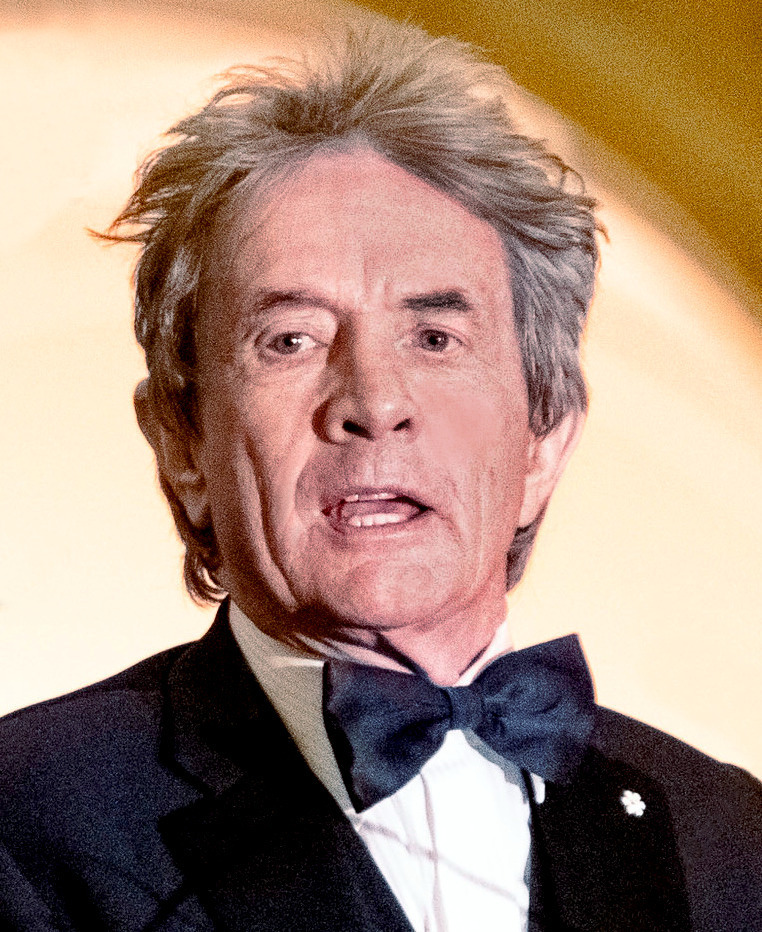
Martin Short in 2021

Martin Short is widely known for a long career in comedy and acting. Public success, however, does not make a person’s inner life public. This article separates what reliable sources say from what remains private.

What religion is Martin Short?

Martin Short was raised in a Catholic family in Canada. Reliable public profiles describe that background, but he has not made a detailed current faith statement a central part of his public life.

Is Martin Short a Christian?

A Catholic upbringing is known; his personal relationship with Christ is private. Only God knows the heart. A family background, a public interest in religion, or a label in a profile cannot tell us whether someone trusts Jesus Christ.

What Christians can remember

The gospel is good news for every person. We are saved by God’s grace through faith in Jesus, not by fame, work, background, or public reputation (Ephesians 2:8–9). We can pray for Martin Short with kindness and let God be the Judge.

Sources

Image credit: Martin Short in 2021, photo by Library of Congress Life, CC0, via Wikimedia Commons source.

What Is Scarlett Johansson’s Religion? Is She a Christian?

Scarlett Johansson is one of the most visible actors in modern film. When people ask about her religion, the public record points to Jewish identity and family heritage. That is the right place to begin—not rumors, guesses, or assumptions about what is in her heart.

Famous Faith reports documented statements with respect. No article can decide the condition of anyone’s soul. God alone knows the heart.

Johansson’s Jewish background

In a 2008 report, the Jewish Telegraphic Agency said that Johansson identified as Jewish and described basic family observance of Shabbat and Hanukkah while growing up. Those are clear public details about her connection to Jewish life and heritage.

Her later creative work has also engaged Jewish family stories. A PBS interview about her 2025 film project discussed a family story that she said lives within her. This should not be stretched into a claim about every part of her theology. It does show that Jewish history and identity have remained meaningful public subjects for her.

Is Scarlett Johansson a Christian?

Based on the public sources used here, Scarlett Johansson identifies with Jewish heritage and has not made a clear public profession of Christian faith. It would be wrong to call her a Christian simply because people are curious about her. It would be equally wrong to make final claims about what God may be doing in her heart.

Christians should speak about Jewish people with genuine respect. Jesus was Jewish, and the earliest Christians were Jewish. The Christian message is that Jesus is the promised Messiah who died for sins and rose again. That message is for every person, from every family and background.

What the gospel says

Heritage is important, but it cannot remove sin. Neither can fame, talent, good works, or personal sincerity. The Bible says that all of us need mercy. Jesus Christ came to save sinners, and He offers forgiveness to those who trust Him.

That is why this question matters beyond a celebrity’s name. It asks us whether we are resting in something that cannot save, or in the Savior Himself.

A word to the reader

If you have never done so, repent—turn from sin and self-rule—and trust in Jesus Christ. Do not depend on background, success, or a religious label. Trust the risen Lord who gives forgiveness and new life.

Sources

Image credit: Scarlett Johansson at the Sing premiere, 2016, by GabboT, Wikimedia Commons, CC BY-SA 2.0.

What Is Jamie Foxx’s Religion? Is He a Christian?

Jamie Foxx has made public comments about God, church, and Christianity at different points in his career. His words are worth considering, but they do not fit neatly into a simple label. The best answer is to report what he has actually said and not pretend we can see his heart.

Famous Faith looks at documented public information. Only God knows whether a person has truly repented and trusted Christ.

Church and Christian language

A 2019 report in The Christian Post described Foxx speaking about church life and his Christian background. He said that he spent many days in church while growing up in Texas and used the phrase “umbrella of Christianity” while discussing faith and community.

After his serious health crisis, Foxx also spoke publicly about God. In 2024, Time reported on his Netflix special and his comments about faith, family, and gratitude during recovery. He described God’s work through the people who helped him.

Public words and personal faith

These are meaningful public references to God and Christianity. Still, Christians should not rush to make a final declaration about another person’s salvation. A person can use religious language, value a church background, or thank God in a difficult season. Saving faith is more than religious words. It is turning from sin and trusting Jesus Christ alone.

That truth should make us humble. We do not know every detail of Jamie Foxx’s beliefs, and we do not know the full story of anyone’s heart. But we do know what the gospel says: Jesus died for sinners, rose again, and calls all people to come to Him.

Is Jamie Foxx a Christian?

Jamie Foxx has publicly connected himself with Christian language, church, and faith in God. The sources reviewed here do not give a full, clear public statement of his doctrine or salvation. The careful answer is to let his own words stand and leave final judgment to God.

A word to the reader

A crisis often makes us think about life, death, and God. You do not have to wait for a crisis to seek Him. If you have never done so, repent—turn from sin and self-rule—and trust in Jesus Christ. He is able to forgive your sin and give you real hope.

Sources

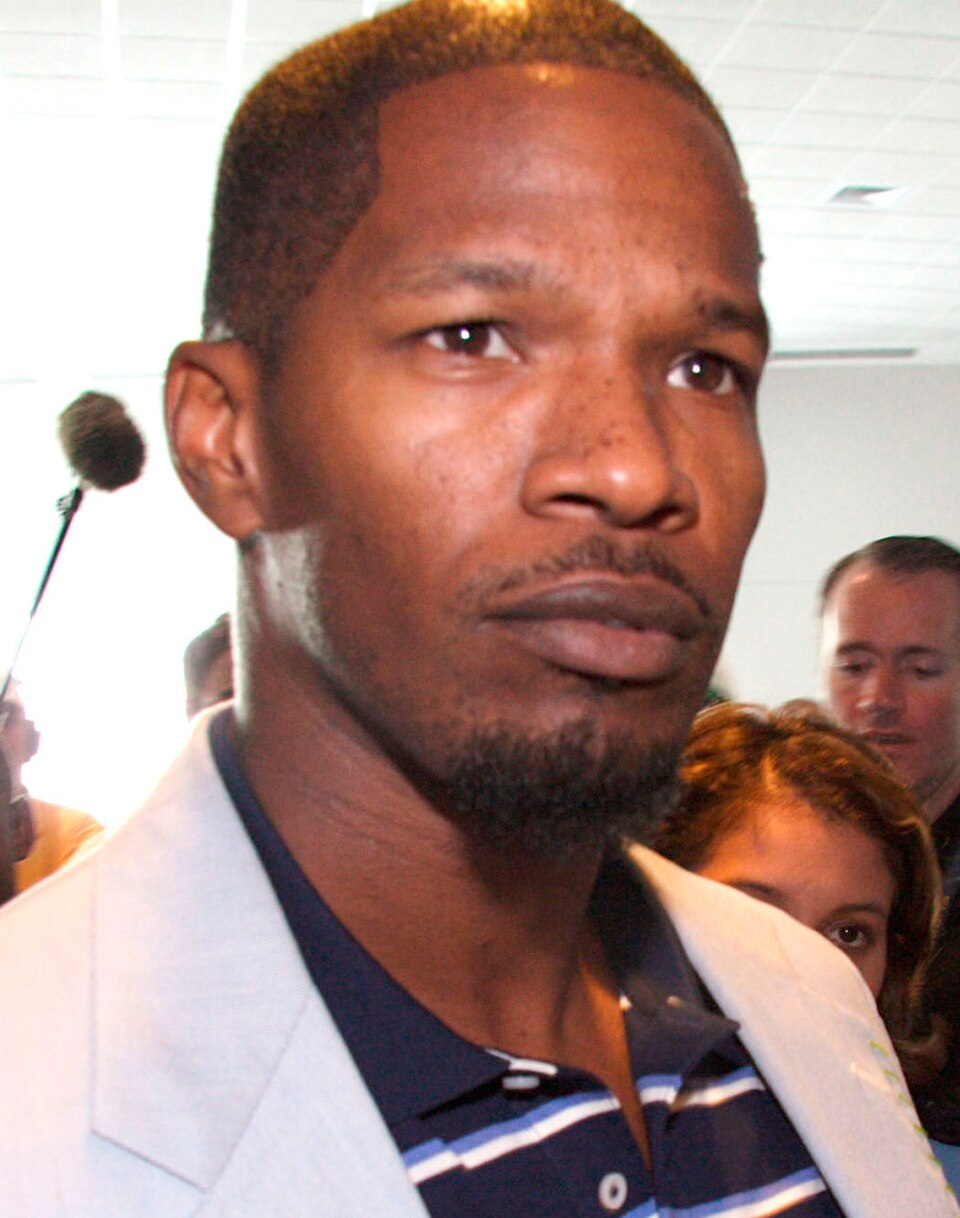
Image credit: Jamie Foxx, 2005, photo by Ed Edahl, Wikimedia Commons, CC BY-SA 3.0.
What Is Martin Scorsese’s Religion? Is He a Christian?

Martin Scorsese is one of the most influential film directors in history, and questions of Catholic faith, doubt, sin, and redemption appear often in his work. His public interviews give a substantial record of a life shaped by Catholic belief and practice, even as he has spoken honestly about spiritual struggle and artistic questions.

Famous Faith does not use a religious label to claim it knows a person’s soul. We can report Scorsese’s documented words, while leaving final judgment to God.

A Catholic childhood

Scorsese has described growing up in a Catholic environment in New York. In a 2016 interview with America magazine about his film Silence, he spoke about attending Mass as a child, serving as an altar boy, and at one point considering the priesthood. He said he eventually understood that he was not called to be a priest.

In 2024, the Associated Press reported on Scorsese’s work related to saints and his memories of finding quiet in a cathedral as a child. These accounts show that Catholic faith and Christian history have remained important subjects in his public life and art.

Art, questions, and faith

A serious interest in Christian ideas is not the same as a clear public statement of saving faith. Films can ask hard questions about guilt, suffering, and God without revealing every belief of their maker. It would be unfair to treat Scorsese’s movies as a shortcut to knowing his heart.

At the same time, his work provides an opportunity to remember what the gospel says. Sin is real, grace is needed, and Jesus Christ is not only a subject for art or history. He is the Savior who gave His life for sinners and rose again.

Is Martin Scorsese a Christian?

The public record strongly connects Scorsese with Catholic belief and practice and an ongoing interest in Christian faith. We should say that carefully, without pretending to know his final standing before God. That is true for famous people and for us.

Tradition, art, and the gospel

Some people regard Catholicism as a branch of Christianity. Famous Faith believes Catholic teaching on justification differs in important ways from the Bible’s message of salvation by grace through faith in Jesus Christ alone. Scorsese’s interest in Catholic life and Christian history tells us about subjects that have mattered to him; it cannot reveal what he personally trusts for salvation.

Ephesians 2:8–9 teaches that salvation is God’s gift, received through faith rather than earned by works. Religious observance, family tradition, artistic achievement, and acts of service cannot purchase eternal life. Good works can follow as a response to grace, but they are not the price of receiving it. Our hope rests on Jesus’ death for our sins and His resurrection, not on the strength of our own record (1 Corinthians 15:3–4).

A word to the reader

Questions and art can lead us to think, but they cannot take away our sin. If you have never done so, recognize your need for forgiveness and trust in Jesus Christ alone. He is not merely a character in a story; He is the living Lord who offers forgiveness and new life.

Sources

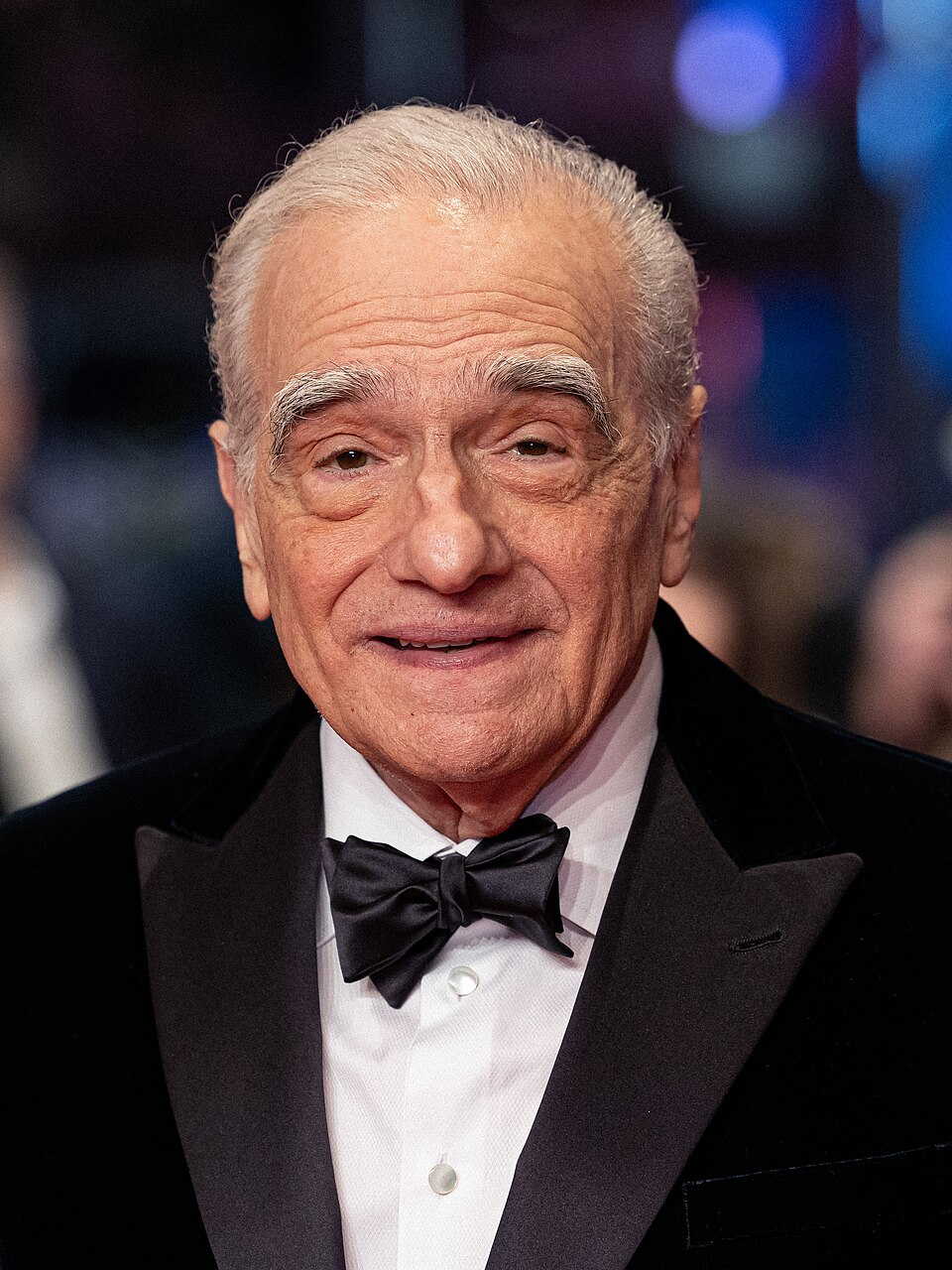
Image credit: Martin Scorsese, photo by Harald Krichel, Wikimedia Commons, CC BY-SA 4.0.

What Is Tyler Perry’s Religion? Is He a Christian?

Tyler Perry has often spoken openly about Christian faith. Unlike many celebrity religion questions, this one includes a direct public statement from Perry himself. That makes it possible to describe his public position plainly while still remembering that God alone knows the heart.

Famous Faith reports what people say about faith and then points readers back to the gospel. A public profession should be taken seriously, but no human being can pronounce another person’s final standing before God.

Perry’s own words

In an interview with Beliefnet, Perry said, “I am a Christian, I am a believer,” while speaking about the role faith had played in his life. His official website has also described his Christian faith as central to his story. In a CBS News interview, he discussed his mother’s deep faith in God and Jesus and the way church was part of his early life.

Those are meaningful public statements. They show that Tyler Perry identifies as a Christian and credits God with shaping his life. They are stronger evidence than a rumor, a social-media post, or a guess based on a film role.

Success does not save

Perry’s story includes major success in writing, film, television, and business. It is easy for us to think that achievement proves that someone is right with God. The Bible does not teach that. Money, influence, talent, and public praise cannot remove sin. Every person needs the same Savior.

Christians should be thankful when someone speaks warmly about Jesus. Yet our hope is not in a celebrity’s testimony. Our hope is in Jesus Christ Himself. He died for sinners and rose again, and He calls us to turn from sin and trust Him.

Is Tyler Perry a Christian?

Based on his own documented words, Tyler Perry publicly identifies as a Christian and believer. We can report that clearly. We should also be humble enough to say that only God sees a person’s heart. The same standard applies to every one of us.

A word to the reader

It is possible to admire a story of success and still miss the main message of the Bible. You do not need fame, money, or a platform to come to Christ. If you have never done so, repent—turn from sin and self-rule—and trust in Jesus Christ. He alone forgives sin and gives new life.

Sources

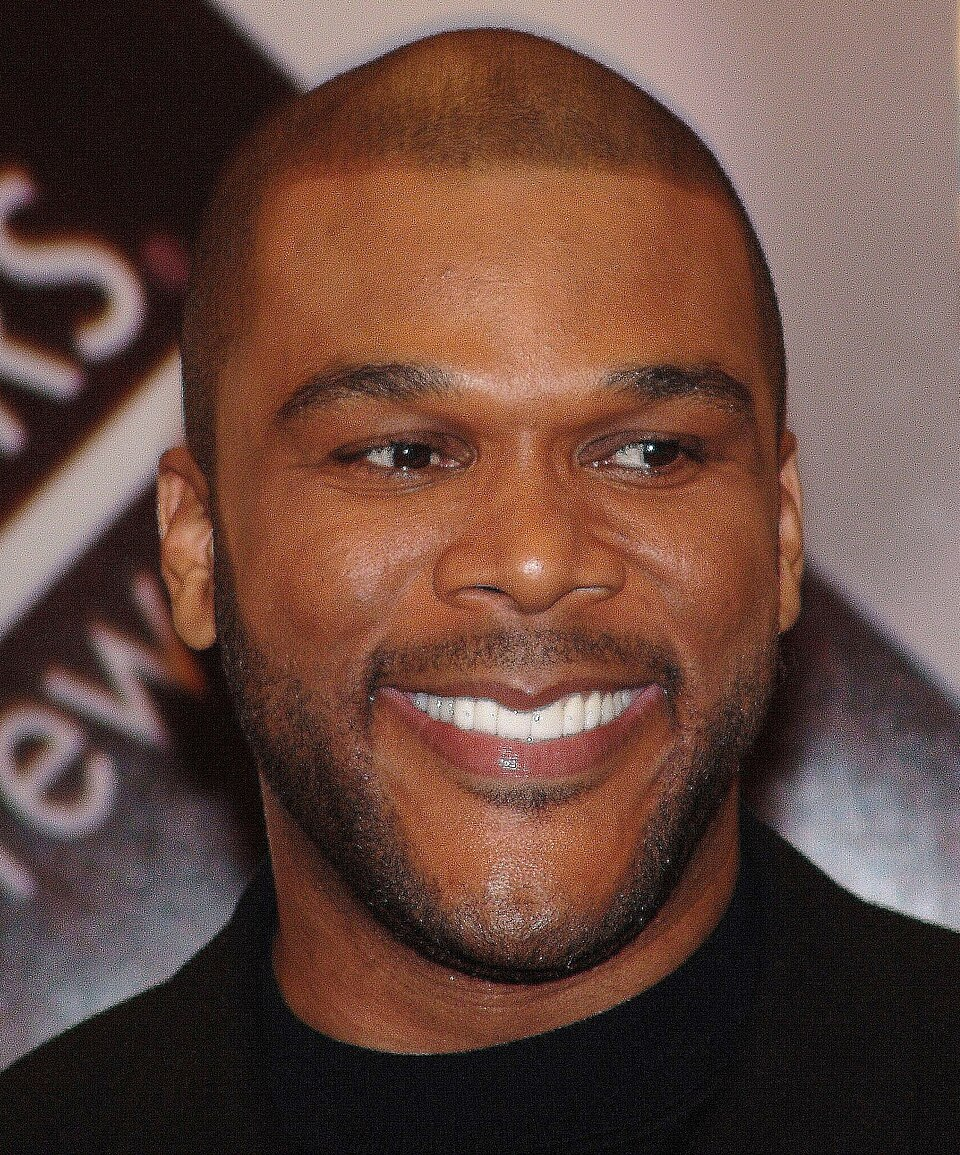
Image credit: Tyler Perry at a book signing, by John Mathew Smith, Wikimedia Commons, CC BY-SA 2.0.

What Is Whoopi Goldberg’s Religion? Is She a Christian?

Whoopi Goldberg is an actor, comedian, author, and television host whose work has reached audiences for many years. Because of films such as Sister Act and her frequent public comments, people sometimes ask whether Whoopi Goldberg is a Christian. The answer needs care. A role in a faith-themed movie does not tell us what an actor believes, and a person’s beliefs should not be reduced to a headline.

Goldberg is also known to Star Trek fans for playing Guinan, the thoughtful bartender and trusted listener on Star Trek: The Next Generation. That is an important part of her acting career, but it is still a fictional role. A character’s words and story should not be treated as a statement of an actor’s personal faith.

This article looks at public information and documented comments. It does not claim to know Whoopi Goldberg’s heart. God alone knows the full condition of any person’s soul. Our purpose is to state what can be supported and point readers to the gospel of Jesus Christ.

Her Catholic school background

In a 2025 conversation with Father James Martin, published by America magazine, Goldberg spoke about being raised Catholic and attending St. Columba’s Catholic School in Manhattan. She remembered a religious sister from her childhood with warmth and described how that sister challenged the idea that faith had to be gloomy or joyless.

Goldberg also spoke in that conversation about a spiritual journey that has unfolded over time. She said that people come to faith in different ways and described how the television series The Chosen helped her see Jesus as a real person. Those are meaningful comments about her background and her interest in Jesus. They should be represented accurately.

At the same time, being raised Catholic or speaking positively about a nun does not automatically show that a person is currently a biblical Christian. Many people have a church background without personally trusting Christ. Others value Jesus as a teacher while rejecting what the Bible says about His identity and His saving work.

Public comments about God and Jewish identity

Goldberg’s public religious language has not always fit into one simple category. In an earlier interview reported by the Jewish Chronicle, she said, “I’m Jewish and I talk to God.” She also said that organized religion can feel like a great deal of work. That statement should not be forced into a claim about every part of her theology or family history. It does show that she has publicly spoken about both Jewish identity and talking to God.

When the public record contains different statements from different seasons, the honest response is not to rush to a label. We can say that Whoopi Goldberg has described Catholic schooling, a spiritual journey, Jewish identity, and belief in God. We should not pretend that these facts give us a complete map of her beliefs or her relationship with Christ.

Is Whoopi Goldberg a Christian?

The public sources reviewed here do not provide a clear statement that Goldberg has repented of sin and trusted Jesus Christ as Lord and Savior. Her Catholic childhood, respect for religious sisters, interest in The Chosen, and references to God are all worth reporting. But none of those things, by themselves, are the same as a clear profession of saving faith in Christ.

That may sound careful, but it is the fairest answer. We should not say that someone is not a Christian merely because we dislike their views or their work. Neither should we call someone a Christian simply because they use spiritual words or appear in a religious film. God sees the heart, and we do not.

What makes someone a Christian?

In the Bible, a Christian is not made by a family background, a school, a movie role, a religious label, or good intentions. Christianity begins with the truth that every person has sinned against God. We need more than advice or inspiration. We need forgiveness.

The good news is that God did not leave us without hope. Jesus Christ, the Son of God, lived without sin. He died on the cross for sinners, taking the punishment sin deserves, and He rose again from the dead. He offers salvation freely to those who turn from sin and put their trust in Him.

Jesus is more than a character in a television series and more than a symbol of kindness. He is the living Lord. His call is personal: come to Him, believe Him, and follow Him. That message is for entertainers, public figures, churchgoers, skeptics, and every reader.

Truth with compassion

Christians should be known for truth and compassion together. It is possible to speak clearly about the gospel without mocking someone else’s story. It is possible to disagree without becoming cruel. We do not need to win a celebrity argument. We need to be faithful to Christ and to love our neighbors.

A word to the reader

Maybe you have been around religion your whole life. Maybe you are interested in Jesus but are not sure what you believe. Do not rest in a background, a label, or a spiritual feeling. Ask who Jesus is and what He has done. If you have never done so, repent—turn from sin and self-rule—and trust in Jesus Christ. He is able to forgive you and give you new life.

Sources

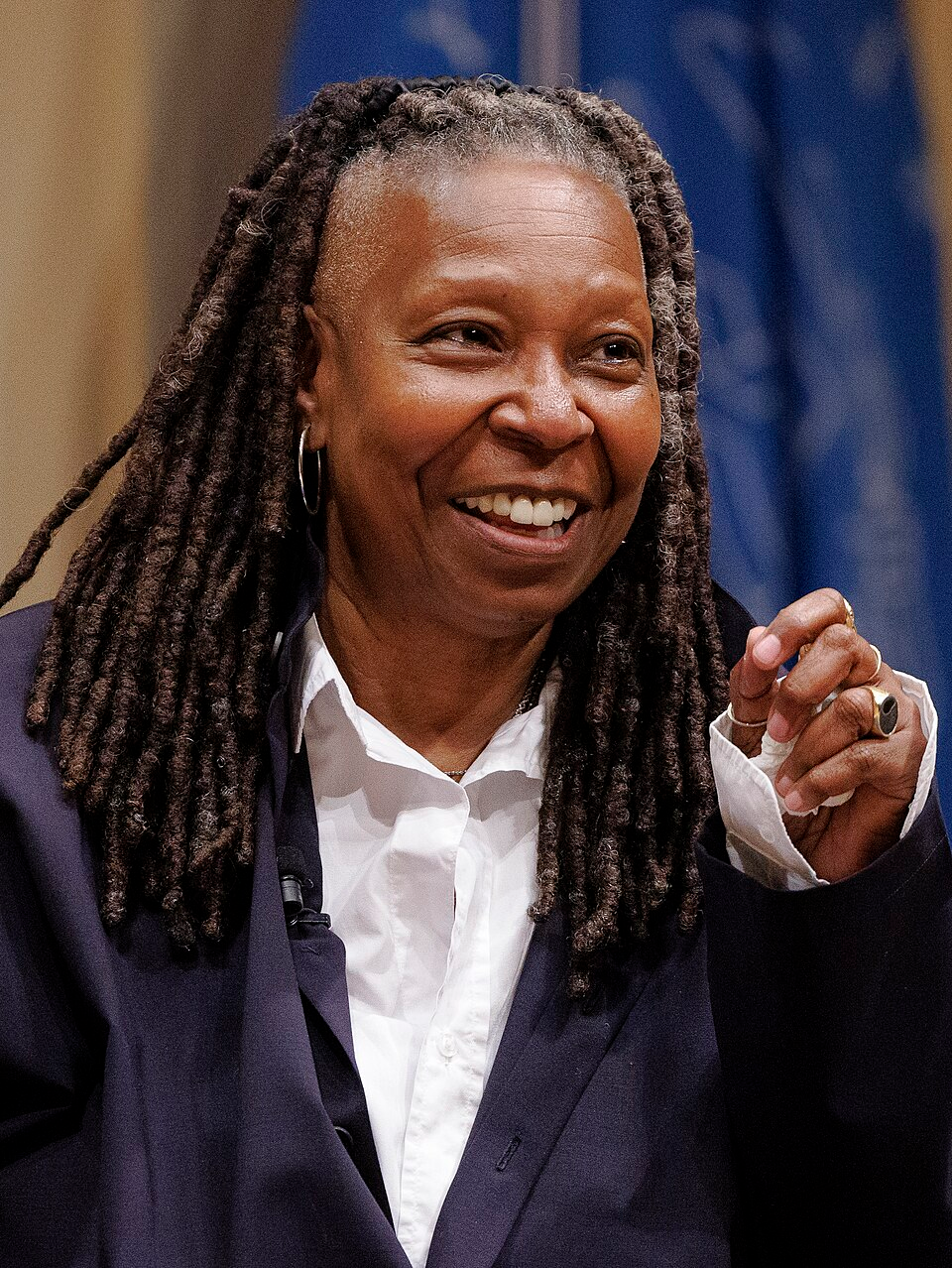
Whoopi Goldberg speaking in 2024
Image credit: Whoopi Goldberg speaking at the Library of Congress, 2024, photo by Shawn Miller/Library of Congress, Wikimedia Commons, CC0.

What Is Pamela Anderson’s Religion? Is She a Christian?

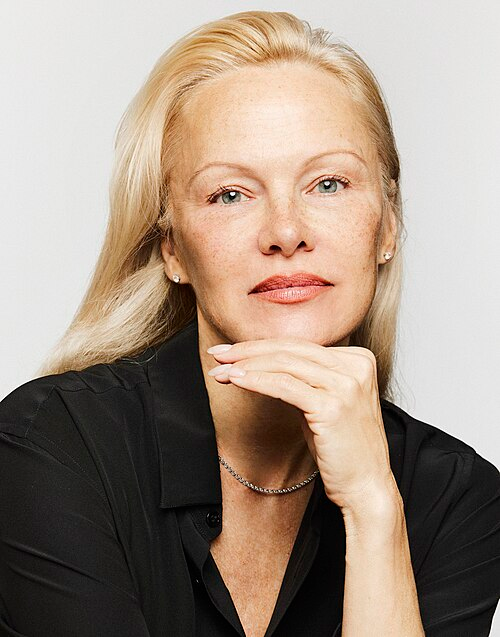
Pamela Anderson in a 2024 portrait by Norman Wong

Pamela Anderson’s recent public comments describe an interest in spirituality, prayer, and rituals rather than a strong religious label. In an August 2025 interview with ELLE Australia, she said, “I’m not religious, but I love spirituality and rituals.” Earlier interviews also record belief in God, church attendance, and an interest in religious ideas. Reading those statements with their dates gives a fuller picture.

Her more recent comments about spirituality

In her 2025 ELLE interview, Anderson discussed routines that help her feel grounded while traveling and performing. She also described a small altar with a candle where she prays. She expressed affection for the prayer commonly associated with Saint Francis and spoke about seeking peace and joy.

Those are meaningful details about her spiritual life. They show that prayer and reflection remain part of her public account. They do not require us to decide that she belongs to a particular church. Her own description combines distance from a religious label with an active interest in spiritual practice.

What she told Larry King in 2002

During a July 2002 CNN Larry King Live interview, a caller asked about Anderson’s religious or spiritual beliefs. She said she believed in God and credited Him with helping her through difficult experiences. She also said she attended church and that her children went to Sunday school.

When King asked whether her faith was Protestant, she described it as non-denominational. This is a direct public statement worth reporting. It is also an older statement, so it should not be presented as proof of her current church attendance. Her later comments give readers a reason to keep the timeline visible.

Her childhood and interest in religious ideas

In a 2023 conversation with Ronan Farrow for Interview, Anderson said she did not grow up Catholic. She recalled her grandfather describing her as agnostic and telling her that no one could dictate what she believed. She also discussed a childhood fascination with religion, mythology, rituals, and fairy tales.

A recollection about what her grandfather told her is not the same as a present declaration that she is agnostic. The useful point is the context she gave: she grew up curious about belief and imagination, and she has continued to discuss spiritual interests in her own way.

From Lisa on Home Improvement to a wider career

Before becoming known around the world for Baywatch, Anderson played Lisa, the original assistant on Tool Time in Home Improvement. Her career later included V.I.P., film work, writing, and activism. Her biographical overview gives more of that history.

Her memoir Love, Pamela and the documentary Pamela, a Love Story gave audiences a more personal account of her life in 2023. She later starred in The Last Showgirl and the 2025 comedy The Naked Gun. These projects show a performer whose public story extends beyond the image many viewers first encountered.

That distinction matters in a faith profile. A public image is not a spiritual autobiography. Neither Lisa nor a later character tells us what Anderson herself believes. Her interviews are the evidence, and her own wording should remain more important than an audience’s assumptions about her roles.

Is Pamela Anderson a Christian?

Her public record includes belief in God and a non-denominational church connection in 2002, followed by broader spiritual language in more recent interviews. Her 2025 statement that she is not religious should be included alongside those earlier comments. The sources reviewed do not establish a current detailed profession of Christian faith.

A careful answer therefore describes the beliefs and practices she has shared rather than reducing them to a confident label. It leaves room for the difference between church history, spiritual interest, and present conviction. It also does not claim to know her private relationship with God.

Prayer, peace, and the Bible

Anderson’s interest in prayer and peace offers a thoughtful bridge to Scripture. Philippians 4:6–7 calls believers to bring their concerns to God with thanksgiving. Matthew 5:9 praises peacemakers. The Christian life should include seeking peace, caring for others, and turning to God honestly.

Yet prayer is more than a routine that helps us feel settled. In Christianity, it is a response to a personal God who has revealed Himself. Jesus teaches His followers to pray to the Father in Matthew 6:9–13. Their hope is grounded in God’s character, rather than in a candle, an altar, or the repetition of a phrase.

Those practices can provide a setting for reflection, but they cannot earn forgiveness. The Bible points to reconciliation with God through Jesus Christ. That is a real distinction between a broad interest in spirituality and the central Christian message. It should be explained respectfully, without treating Anderson’s curiosity as something to mock.

The gospel for the interested reader

God is holy and just, and Romans 3:23 teaches that all have sinned. We need forgiveness for our failure to love God and our neighbors as we should. Fame, good deeds, church attendance, and peaceful feelings cannot remove that guilt.

Jesus Christ, the Son of God, lived without sin, died on the cross for sinners, and rose bodily from the dead. First Corinthians 15:3–4 presents His death and resurrection as the heart of the gospel. Through Him, God offers forgiveness, reconciliation, and eternal life.

Salvation is by grace through faith, not earned by works (Ephesians 2:8–9). Repentance means turning from sin toward God. Faith means trusting Jesus to save you. His grace offers new life and calls us to love others, tell the truth, and follow Him.

If Anderson’s comments have made you curious about prayer or faith, read the Gospel of John and seek a Bible-teaching church. You can bring questions honestly. The Christian invitation is to know God through Christ, rather than relying only on a spiritual feeling or borrowing a famous person’s beliefs.

Photo credit: Pamela Anderson, 2024, by Norman Wong, via Wikimedia Commons, CC BY-SA 4.0. No endorsement implied.