What Is John de Lancie’s Religion? Is He a Christian?

John de Lancie is known to many Star Trek fans through Q, the powerful and unpredictable character who appeared across Star Trek series. A familiar role can make people curious about the person behind it. Some readers ask whether John de Lancie is a Christian. That is a fair question to research, but it needs a careful answer based on what John de Lancie has actually said in public.

What can we verify about John de Lancie?

De Lancie’s character Q often raised big questions about humanity, but the actor has also spoken directly about his own views. In a detailed Skeptical Inquirer interview, de Lancie said he grew up in a secular home and did not believe “all this religious stuff.” He also discussed why he has described himself as openly secular and why he is cautious about labels.

Career facts are useful, but they are not the same thing as a person’s faith. An actor can portray a doctor, counselor, android, captain, or spiritual character without sharing that character’s beliefs. Fans also should not assume that the views of a franchise, a writer, a co-star, or a family member belong to John de Lancie. Each person deserves to be described by his or her own documented words.

Is John de Lancie a Christian?

De Lancie is not publicly presenting himself as a Christian. He has spoken as a secular skeptic and has criticized some forms of religion. That deserves an accurate account, not an insult. His criticism may come from real experiences, but Christianity should ultimately be measured by Jesus Christ and the Bible, not by manipulation or hypocrisy done in religion’s name. Scripture itself warns against empty outward religion and calls for truth.

That answer may feel less certain than a quick online label. Still, careful uncertainty is better than confident guessing. Only God sees the heart. Public interviews can tell us what a person has chosen to say, but they cannot give us authority to pronounce a final verdict on anyone’s soul.

Why details matter

Words such as faith, spiritual, Christian, Jewish, secular, or religious can mean different things to different people. They should not be treated as shortcuts. Biblical Christianity is not simply admiring Jesus, being moral, belonging to a religious culture, or using spiritual language. Christians trust that Jesus Christ is the Son of God who died for sinners and rose again. That message deserves to be heard clearly, with kindness and honesty.

It is good to listen to public comments in their full setting. It is also good to be humble when the evidence is limited. We can acknowledge a person’s accomplishments and humanity without turning a celebrity article into either praise or attack. The purpose here is not to win an argument about John de Lancie. It is to point readers toward the far more important question of who Jesus is.

What the gospel says

The Bible says that every one of us has sinned and falls short of God’s glory (Romans 3:23–24). God did not leave us without hope. Jesus Christ came into the world, died for sins, and rose again. The apostle Paul calls this good news “of first importance” (1 Corinthians 15:3–4). This is not merely a general idea that a higher power may exist. It is the historical Christian claim about Jesus.

Jesus calls people to repent and believe the good news (Mark 1:14–15). To repent is to turn from sin and from trusting ourselves. To believe is to trust Jesus Christ—his death and resurrection—for forgiveness and new life. The Gospel of John was written so readers could consider this testimony and believe that Jesus is the Christ (John 20:30–31).

A personal question

You may have arrived here looking for a short answer about John de Lancie. Please do not let the search end there. Whether a celebrity has spoken clearly about faith or not, you still have to answer Jesus’ call for yourself. Read one of the Gospels, examine what it says about Christ, and ask God for mercy. Do not put off turning from sin and trusting in Jesus Christ. He receives those who come to him in faith.

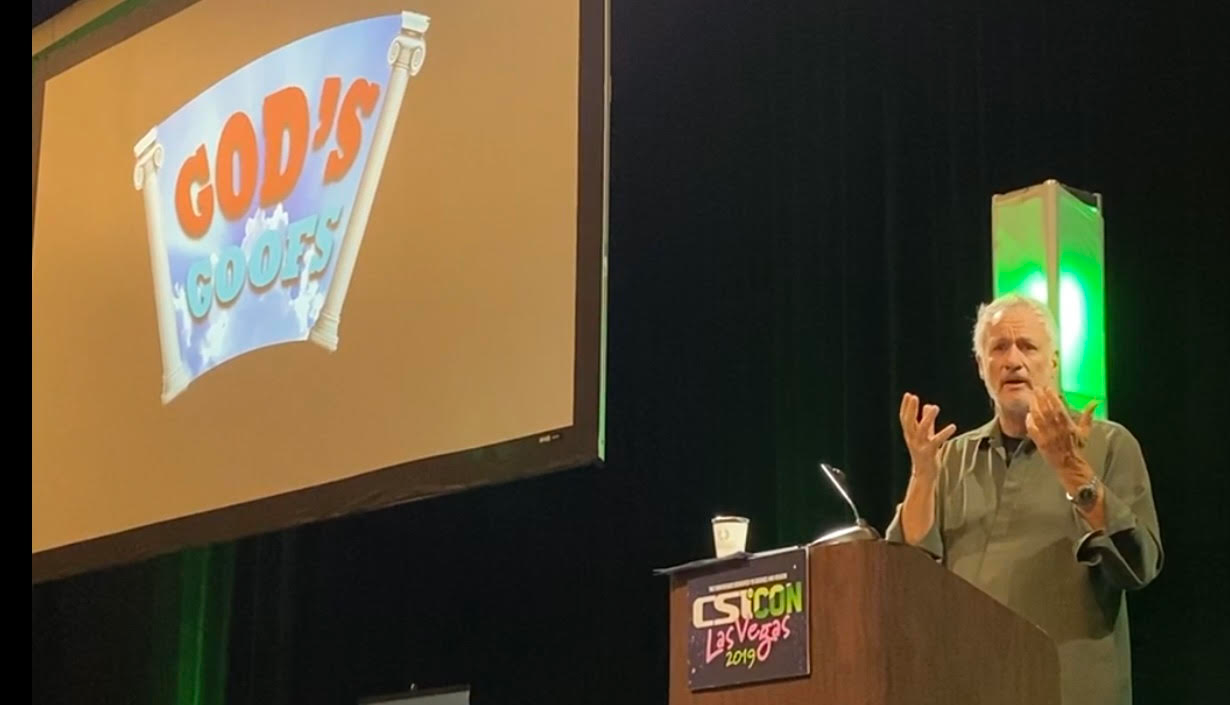
Photo: John de Lancie speaking at CSICon (2019) by Rp2006, via Wikimedia Commons, CC BY-SA 4.0. License.

Sources: Skeptical Inquirer Q&A with de Lancie; The Humanist interview with de Lancie.

What Is Denise Crosby’s Religion? Is She a Christian?

Denise Crosby is known to many Star Trek fans through Security Chief Tasha Yar in the first season of Star Trek: The Next Generation and later Sela. A familiar role can make people curious about the person behind it. Some readers ask whether Denise Crosby is a Christian. That is a fair question to research, but it needs a careful answer based on what Denise Crosby has actually said in public.

What can we verify about Denise Crosby?

Crosby’s time as Tasha Yar was brief, but the character remained important to the story. Crosby later returned as Sela and produced the documentaries Trekkies and Trekkies 2, which looked at the fan community around the franchise. A biographical overview of her career is available through Wikipedia’s sourced profile, while her own interviews often focus on acting, family history, and the unusual bond between fans and the series.

Career facts are useful, but they are not the same thing as a person’s faith. An actor can portray a doctor, counselor, android, captain, or spiritual character without sharing that character’s beliefs. Fans also should not assume that the views of a franchise, a writer, a co-star, or a family member belong to Denise Crosby. Each person deserves to be described by his or her own documented words.

Is Denise Crosby a Christian?

I could not verify a reliable public statement in which Crosby identifies herself as a Christian, explains a current religious belief, or offers a testimony about Jesus Christ. Her famous grandfather, Bing Crosby, her roles, and the names of fictional characters do not answer the question. The responsible answer is that her personal faith is not publicly clear from the sources I found.

That answer may feel less certain than a quick online label. Still, careful uncertainty is better than confident guessing. Only God sees the heart. Public interviews can tell us what a person has chosen to say, but they cannot give us authority to pronounce a final verdict on anyone’s soul.

Why details matter

Words such as faith, spiritual, Christian, Jewish, secular, or religious can mean different things to different people. They should not be treated as shortcuts. Biblical Christianity is not simply admiring Jesus, being moral, belonging to a religious culture, or using spiritual language. Christians trust that Jesus Christ is the Son of God who died for sinners and rose again. That message deserves to be heard clearly, with kindness and honesty.

It is good to listen to public comments in their full setting. It is also good to be humble when the evidence is limited. We can acknowledge a person’s accomplishments and humanity without turning a celebrity article into either praise or attack. The purpose here is not to win an argument about Denise Crosby. It is to point readers toward the far more important question of who Jesus is.

What the gospel says

The Bible says that every one of us has sinned and falls short of God’s glory (Romans 3:23–24). God did not leave us without hope. Jesus Christ came into the world, died for sins, and rose again. The apostle Paul calls this good news “of first importance” (1 Corinthians 15:3–4). This is not merely a general idea that a higher power may exist. It is the historical Christian claim about Jesus.

Jesus calls people to repent and believe the good news (Mark 1:14–15). To repent is to turn from sin and from trusting ourselves. To believe is to trust Jesus Christ—his death and resurrection—for forgiveness and new life. The Gospel of John was written so readers could consider this testimony and believe that Jesus is the Christ (John 20:30–31).

A personal question

You may have arrived here looking for a short answer about Denise Crosby. Please do not let the search end there. Whether a celebrity has spoken clearly about faith or not, you still have to answer Jesus’ call for yourself. Read one of the Gospels, examine what it says about Christ, and ask God for mercy. Do not put off turning from sin and trusting in Jesus Christ. He receives those who come to him in faith.

Photo: Denise Crosby at STICCon (2003) by Salvatore Capalbi, via Wikimedia Commons, CC BY-SA 2.0. License.

Sources: Denise Crosby’s biographical overview and references; VICE interview with Crosby about her career.

What Is Wil Wheaton’s Religion? Is He a Christian?

Wil Wheaton at Phoenix Comicon in 2011

Wil Wheaton has publicly identified as an atheist. The Freedom From Religion Foundation records his statement from a 2011 Nerdist interview, and the public material reviewed here does not establish a later profession of Christian faith. This is his stated religious outlook, rather than a conclusion drawn from a television role.

Wheaton is familiar to Star Trek: The Next Generation viewers as Wesley Crusher. On The Big Bang Theory, he appeared as a fictionalized version of himself. Even a character who shares an actor’s name has dialogue written for a show; the character’s actions are not automatically biographical facts.

What can we verify about Wil Wheaton?

Wheaton joined The Next Generation as Wesley Crusher while he was young and later built a career as an actor, writer, and host. His public statements about religion are clearer than many celebrity profiles. The Freedom From Religion Foundation reports that Wheaton said, “I’m an atheist,” in a 2011 Nerdist interview. In a later Mel Magazine interview, he described a traumatic experience in parochial school and said that religious settings could be triggering for him.

Career facts are useful, but they are not the same thing as a person’s faith. An actor can portray a doctor, counselor, android, captain, or spiritual character without sharing that character’s beliefs. Fans also should not assume that the views of a franchise, a writer, a co-star, or a family member belong to Wil Wheaton. Each person deserves to be described by his or her own documented words.

Is Wil Wheaton a Christian?

Based on his own reported words, Wheaton is not publicly presenting himself as a Christian. He identifies as an atheist. Christians should not use that fact as a reason to mock him or assume every part of his life. It does mean that an article should be direct: a Christian claim about Jesus and Wheaton’s stated unbelief are different things. Respectful honesty is better than pretending the difference does not exist.

Why details matter

Words such as faith, spiritual, Christian, Jewish, secular, or religious can mean different things to different people. They should not be treated as shortcuts. Biblical Christianity is not simply admiring Jesus, being moral, belonging to a religious culture, or using spiritual language. Christians trust that Jesus Christ is the Son of God who died for sinners and rose again. That message deserves to be heard clearly, with kindness and honesty.

It is good to listen to public comments in their full setting. It is also good to be humble when the evidence is limited. We can acknowledge a person’s accomplishments and humanity without turning a celebrity article into either praise or attack. The purpose here is not to win an argument about Wil Wheaton. It is to point readers toward the far more important question of who Jesus is.

The gospel: why every one of us needs Jesus

The Bible begins with a good God who created us to know Him and reflect His character. Our problem is that we have turned away from Him. Romans 3:23 says everyone has sinned and fallen short of God’s glory. That includes religious people, people with no religion, celebrities, and the person writing this article.

God’s commandments make the problem personal. Have you ever lied, taken something that did not belong to you, dishonored your parents, or treated something as more important than God? Jesus teaches in Matthew 5 that God also sees the anger and lust in our hearts. Comparing ourselves with someone worse cannot make us innocent before a holy Judge.

Scripture says that death follows sin and that judgment is real (Romans 6:23; Hebrews 9:27). We cannot buy forgiveness with donations, good intentions, church attendance, or a record of professional success. Good deeds matter, but they cannot undo guilt. The Christian message therefore begins with an honest admission of our need for mercy.

The good news is that God has acted in love. Jesus Christ, God’s Son, became truly human and lived without sin. He willingly died on the cross for sinners, taking the judgment we deserve, and rose bodily from the dead. His resurrection is central to the message announced in 1 Corinthians 15:3–4. Christianity rests on who He is and what He accomplished, rather than our ability to improve ourselves enough to earn acceptance.

Ephesians 2:8–10 explains that salvation is a gift of God’s grace, received through faith rather than earned by works. Changed behavior follows as the fruit of new life. Acts 20:21 calls us to repentance toward God and faith in Jesus Christ. Repentance means turning from sin and self-rule; faith means relying on the risen Savior for forgiveness and reconciliation with God.

You can respond to that message wherever you are. Confess your sin to God, ask for His mercy, and place your trust in Jesus rather than your reputation or religious history. A prayer is not a magic formula; the issue is a real turning of the heart toward Christ. Read the Gospel of John, consider Jesus’ claims for yourself, and seek a church that faithfully teaches the Bible. The invitation is for ordinary readers as surely as it is for famous people.

A personal question

You may have arrived here looking for a short answer about Wil Wheaton. Please do not let the search end there. Whether a celebrity has spoken clearly about faith or not, you still have to answer Jesus’ call for yourself. Read one of the Gospels, examine what it says about Christ, and ask God for mercy. Do not put off turning from sin and trusting in Jesus Christ. He receives those who come to him in faith.

Photo: Wil Wheaton at Phoenix Comicon (2011) by Gage Skidmore, via Wikimedia Commons, CC BY-SA 3.0. License.

Sources: Freedom From Religion Foundation profile quoting Wheaton; Mel Magazine interview with Wheaton.

What Is Michael Dorn’s Religion? Is He a Christian?

Michael Dorn is known to many Star Trek fans through Worf, the Klingon officer who appeared across several Star Trek series and films. A familiar role can make people curious about the person behind it. Some readers ask whether Michael Dorn is a Christian. That is a fair question to research, but it needs a careful answer based on what Michael Dorn has actually said in public.

What can we verify about Michael Dorn?

Dorn’s portrayal of Worf became one of the longest-running roles in the franchise. In a public 2015 Reddit AMA transcript, Dorn said he had been on “a spiritual journey for many, many years” and that it had helped with acting and life. In a later interview about Worf, he also spoke about spirituality as part of the character’s imagined journey. The latter is a discussion of Worf’s story, not necessarily Dorn’s personal belief.

Career facts are useful, but they are not the same thing as a person’s faith. An actor can portray a doctor, counselor, android, captain, or spiritual character without sharing that character’s beliefs. Fans also should not assume that the views of a franchise, a writer, a co-star, or a family member belong to Michael Dorn. Each person deserves to be described by his or her own documented words.

Is Michael Dorn a Christian?

Dorn’s words about a spiritual journey are significant because they are his own. Yet “spiritual” is a broad word. He did not use that statement to identify himself as a Christian or to give a public testimony of faith in Jesus Christ. I could not verify a clear public profession of Christian faith from the sources I reviewed. The careful answer is that he has spoken of spiritual interests, but his personal religion is not publicly clear.

That answer may feel less certain than a quick online label. Still, careful uncertainty is better than confident guessing. Only God sees the heart. Public interviews can tell us what a person has chosen to say, but they cannot give us authority to pronounce a final verdict on anyone’s soul.

Why details matter

Words such as faith, spiritual, Christian, Jewish, secular, or religious can mean different things to different people. They should not be treated as shortcuts. Biblical Christianity is not simply admiring Jesus, being moral, belonging to a religious culture, or using spiritual language. Christians trust that Jesus Christ is the Son of God who died for sinners and rose again. That message deserves to be heard clearly, with kindness and honesty.

It is good to listen to public comments in their full setting. It is also good to be humble when the evidence is limited. We can acknowledge a person’s accomplishments and humanity without turning a celebrity article into either praise or attack. The purpose here is not to win an argument about Michael Dorn. It is to point readers toward the far more important question of who Jesus is.

What the gospel says

The Bible says that every one of us has sinned and falls short of God’s glory (Romans 3:23–24). God did not leave us without hope. Jesus Christ came into the world, died for sins, and rose again. The apostle Paul calls this good news “of first importance” (1 Corinthians 15:3–4). This is not merely a general idea that a higher power may exist. It is the historical Christian claim about Jesus.

Jesus calls people to repent and believe the good news (Mark 1:14–15). To repent is to turn from sin and from trusting ourselves. To believe is to trust Jesus Christ—his death and resurrection—for forgiveness and new life. The Gospel of John was written so readers could consider this testimony and believe that Jesus is the Christ (John 20:30–31).

A personal question

You may have arrived here looking for a short answer about Michael Dorn. Please do not let the search end there. Whether a celebrity has spoken clearly about faith or not, you still have to answer Jesus’ call for yourself. Read one of the Gospels, examine what it says about Christ, and ask God for mercy. Do not put off turning from sin and trusting in Jesus Christ. He receives those who come to him in faith.

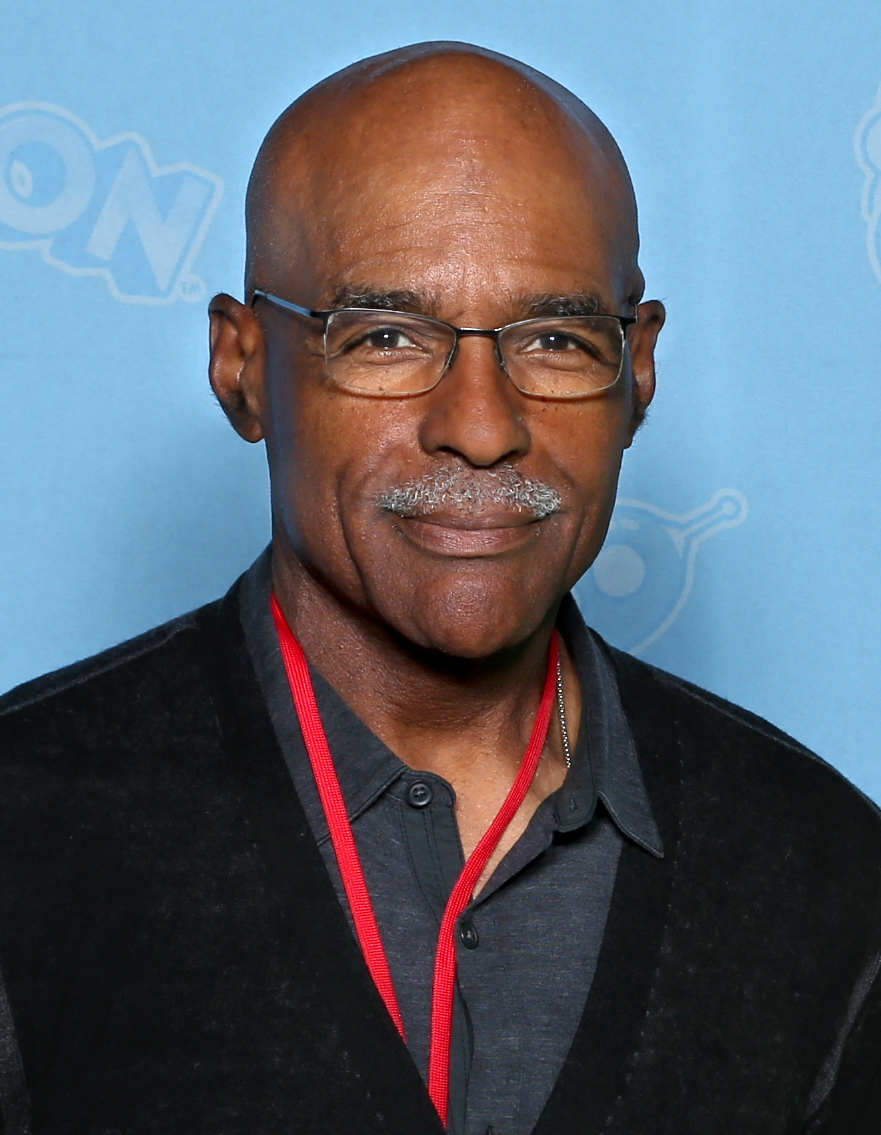
Photo: Michael Dorn at GalaxyCon Richmond (2019) by Super Festivals, via Wikimedia Commons, CC BY 2.0. License.

Sources: Michael Dorn’s 2015 AMA transcript; ComicBook.com interview on Worf’s spirituality as a character.

What Is Chevy Chase’s Religion? Is He a Christian?

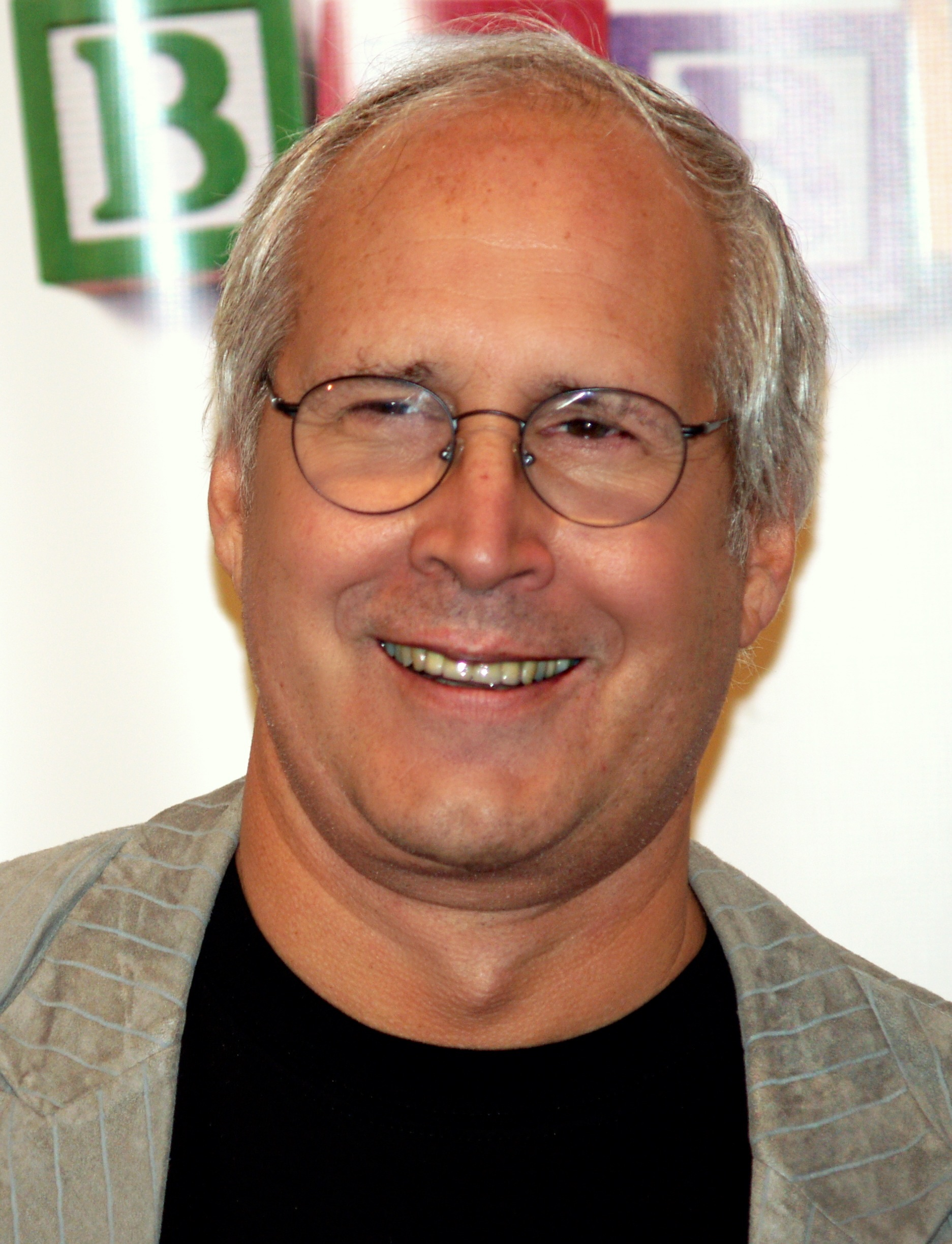
Chevy Chase at the 2008 Tribeca Film Festival

Chevy Chase is widely known for his work in comedy and film. Public success, however, does not make a person’s inner life public. This article separates what reliable sources say from what remains private.

What religion is Chevy Chase?

There is no strong, reliable public record that clearly identifies Chevy Chase’s present religion. Some online references mention possible family backgrounds, but that is not enough to make a firm claim about his faith.

Is Chevy Chase a Christian?

His faith is not publicly confirmed, so we should not label him Christian or otherwise. Only God knows the heart. A family background, a public interest in religion, or a label in a profile cannot tell us whether someone trusts Jesus Christ.

What Christians can remember

The gospel is good news for every person. We are saved by God’s grace through faith in Jesus, not by fame, work, background, or public reputation (Ephesians 2:8–9). We can pray for Chevy Chase with kindness and let God be the Judge.

Sources

Image credit: Chevy Chase at the 2008 Tribeca Film Festival, photo by David Shankbone, CC BY 3.0, via Wikimedia Commons source.

What Is Brent Spiner’s Religion? Is He a Christian?

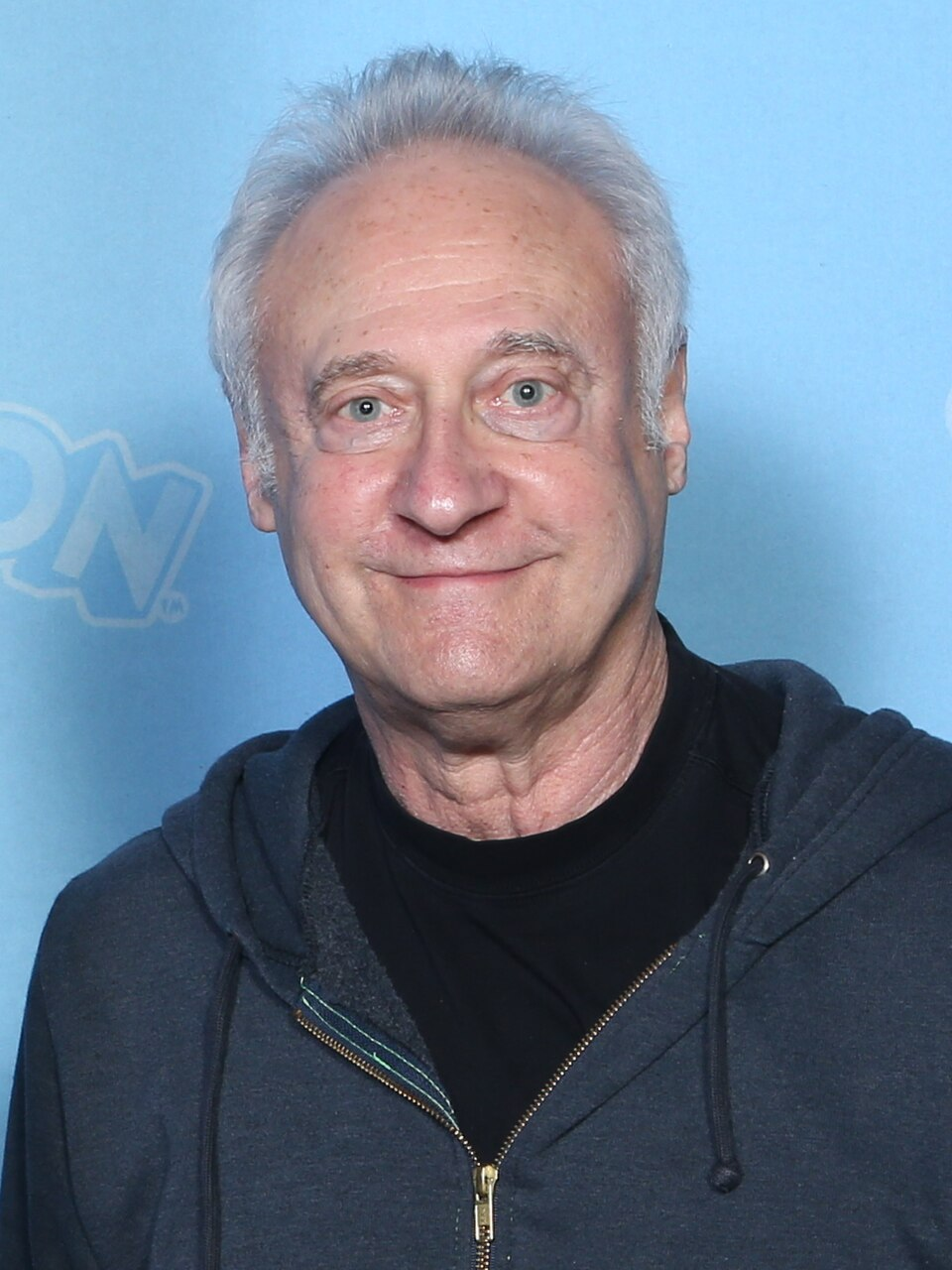
Brent Spiner portrait

Brent Spiner is known to many Star Trek fans through the android Data on Star Trek: The Next Generation. A familiar role can make people curious about the person behind it. Some readers ask whether Brent Spiner is a Christian. That is a fair question to research, but it needs a careful answer based on what Brent Spiner has actually said in public.

What can we verify about Brent Spiner?

Spiner grew up in Texas and is closely identified with Data, a character whose questions about humanity made him central to the series. In a Vanity Fair interview about his book Fan Fiction, Spiner spoke plainly about his Jewish upbringing and his Texas upbringing. Asked what it was like to grow up as a Texas Jew, he answered with humor: “The same as anywhere but with more barbecue.”

Career facts are useful, but they are not the same thing as a person’s faith. An actor can portray a doctor, counselor, android, captain, or spiritual character without sharing that character’s beliefs. Fans also should not assume that the views of a franchise, a writer, a co-star, or a family member belong to Brent Spiner. Each person deserves to be described by his or her own documented words.

Is Brent Spiner a Christian?

Spiner’s Jewish upbringing is a documented part of his background. However, a person’s religious or cultural upbringing does not by itself tell us his present beliefs, how he understands God, or whether he trusts Jesus Christ. I could not verify a public statement in which Spiner identifies himself as a Christian. It would be wrong to erase his Jewish background, and it would be just as wrong to add a Christian label that he has not publicly claimed.

That answer may feel less certain than a quick online label. Still, careful uncertainty is better than confident guessing. Only God sees the heart. Public interviews can tell us what a person has chosen to say, but they cannot give us authority to pronounce a final verdict on anyone’s soul.

Why details matter

Words such as faith, spiritual, Christian, Jewish, secular, or religious can mean different things to different people. They should not be treated as shortcuts. Biblical Christianity is not simply admiring Jesus, being moral, belonging to a religious culture, or using spiritual language. Christians trust that Jesus Christ is the Son of God who died for sinners and rose again. That message deserves to be heard clearly, with kindness and honesty.

It is good to listen to public comments in their full setting. It is also good to be humble when the evidence is limited. We can acknowledge a person’s accomplishments and humanity without turning a celebrity article into either praise or attack. The purpose here is not to win an argument about Brent Spiner. It is to point readers toward the far more important question of who Jesus is.

What the gospel says

The Bible says that every one of us has sinned and falls short of God’s glory (Romans 3:23–24). God did not leave us without hope. Jesus Christ came into the world, died for sins, and rose again. The apostle Paul calls this good news “of first importance” (1 Corinthians 15:3–4). This is not merely a general idea that a higher power may exist. It is the historical Christian claim about Jesus.

Jesus calls people to repent and believe the good news (Mark 1:14–15). To repent is to turn from sin and from trusting ourselves. To believe is to trust Jesus Christ—his death and resurrection—for forgiveness and new life. The Gospel of John was written so readers could consider this testimony and believe that Jesus is the Christ (John 20:30–31).

A personal question

You may have arrived here looking for a short answer about Brent Spiner. Please do not let the search end there. Whether a celebrity has spoken clearly about faith or not, you still have to answer Jesus’ call for yourself. Read one of the Gospels, examine what it says about Christ, and ask God for mercy. Do not put off turning from sin and trusting in Jesus Christ. He receives those who come to him in faith.

Photo: Brent Spiner at GalaxyCon Richmond (2022) by Super Festivals, via Wikimedia Commons, CC BY 2.0. License.

Sources: Vanity Fair interview with Spiner about his Jewish and Texas upbringing.

What Is Marina Sirtis’ Religion? Is She a Christian?

Marina Sirtis portrait

Marina Sirtis is known to many Star Trek fans through Counselor Deanna Troi on Star Trek: The Next Generation. A familiar role can make people curious about the person behind it. Some readers ask whether Marina Sirtis is a Christian. That is a fair question to research, but it needs a careful answer based on what Marina Sirtis has actually said in public.

What can we verify about Marina Sirtis?

Sirtis was born in London to Greek parents and became widely known for playing the Enterprise counselor Deanna Troi. A Big Issue interview shows that she has also spoken candidly about public life and questions raised by a friend’s Christian faith. Her willingness to address a hard topic should not be mistaken for agreement with every view mentioned in the conversation.

Career facts are useful, but they are not the same thing as a person’s faith. An actor can portray a doctor, counselor, android, captain, or spiritual character without sharing that character’s beliefs. Fans also should not assume that the views of a franchise, a writer, a co-star, or a family member belong to Marina Sirtis. Each person deserves to be described by his or her own documented words.

Is Marina Sirtis a Christian?

A faith database, Beliefnet, reports that Sirtis has identified with Greek Orthodoxy, citing a social-media post that is no longer available. That is evidence of a religious background, but it is not a full testimony of personal faith in Christ. We should not go further than the evidence allows. In the biblical sense, being a Christian is not established simply by heritage, a label, or family background; it is personal faith in the crucified and risen Jesus.

That answer may feel less certain than a quick online label. Still, careful uncertainty is better than confident guessing. Only God sees the heart. Public interviews can tell us what a person has chosen to say, but they cannot give us authority to pronounce a final verdict on anyone’s soul.

Why details matter

Words such as faith, spiritual, Christian, Jewish, secular, or religious can mean different things to different people. They should not be treated as shortcuts. Biblical Christianity is not simply admiring Jesus, being moral, belonging to a religious culture, or using spiritual language. Christians trust that Jesus Christ is the Son of God who died for sinners and rose again. That message deserves to be heard clearly, with kindness and honesty.

It is good to listen to public comments in their full setting. It is also good to be humble when the evidence is limited. We can acknowledge a person’s accomplishments and humanity without turning a celebrity article into either praise or attack. The purpose here is not to win an argument about Marina Sirtis. It is to point readers toward the far more important question of who Jesus is.

What the gospel says

The Bible says that every one of us has sinned and falls short of God’s glory (Romans 3:23–24). God did not leave us without hope. Jesus Christ came into the world, died for sins, and rose again. The apostle Paul calls this good news “of first importance” (1 Corinthians 15:3–4). This is not merely a general idea that a higher power may exist. It is the historical Christian claim about Jesus.

Jesus calls people to repent and believe the good news (Mark 1:14–15). To repent is to turn from sin and from trusting ourselves. To believe is to trust Jesus Christ—his death and resurrection—for forgiveness and new life. The Gospel of John was written so readers could consider this testimony and believe that Jesus is the Christ (John 20:30–31).

A personal question

You may have arrived here looking for a short answer about Marina Sirtis. Please do not let the search end there. Whether a celebrity has spoken clearly about faith or not, you still have to answer Jesus’ call for yourself. Read one of the Gospels, examine what it says about Christ, and ask God for mercy. Do not put off turning from sin and trusting in Jesus Christ. He receives those who come to him in faith.

Photo: Marina Sirtis at Lucca Comics & Games (2016) by Niccolò Caranti, via Wikimedia Commons, CC BY-SA 4.0. License.

Sources: Beliefnet’s report on Sirtis and Greek Orthodoxy; The Big Issue interview with Sirtis.

What Is Gates McFadden’s Religion? Is She a Christian?

Gates McFadden in 2025

Gates McFadden is known to many Star Trek fans through Dr. Beverly Crusher on Star Trek: The Next Generation. A familiar role can make people curious about the person behind it. Some readers ask whether Gates McFadden is a Christian. That is a fair question to research, but it needs a careful answer based on what Gates McFadden has actually said in public.

What can we verify about Gates McFadden?

McFadden later returned to the franchise in Star Trek: Picard and created the interview podcast Gates McFadden: InvestiGates. In an interview published on her official website, she described researching guests and learning from the questions she asks. That makes the project a useful example of her curiosity about people and their stories.

Career facts are useful, but they are not the same thing as a person’s faith. An actor can portray a doctor, counselor, android, captain, or spiritual character without sharing that character’s beliefs. Fans also should not assume that the views of a franchise, a writer, a co-star, or a family member belong to Gates McFadden. Each person deserves to be described by his or her own documented words.

Is Gates McFadden a Christian?

I could not verify a reliable public statement in which McFadden identifies herself as a Christian, names a current religious belief, or explains her relationship to Jesus Christ. A discussion of religion on a podcast, or a role in a science-fiction series, is not enough to establish that. The honest answer is that her personal faith is not publicly clear from the sources I found.

That answer may feel less certain than a quick online label. Still, careful uncertainty is better than confident guessing. Only God sees the heart. Public interviews can tell us what a person has chosen to say, but they cannot give us authority to pronounce a final verdict on anyone’s soul.

Why details matter

Words such as faith, spiritual, Christian, Jewish, secular, or religious can mean different things to different people. They should not be treated as shortcuts. Biblical Christianity is not simply admiring Jesus, being moral, belonging to a religious culture, or using spiritual language. Christians trust that Jesus Christ is the Son of God who died for sinners and rose again. That message deserves to be heard clearly, with kindness and honesty.

It is good to listen to public comments in their full setting. It is also good to be humble when the evidence is limited. We can acknowledge a person’s accomplishments and humanity without turning a celebrity article into either praise or attack. The purpose here is not to win an argument about Gates McFadden. It is to point readers toward the far more important question of who Jesus is.

What the gospel says

The Bible says that every one of us has sinned and falls short of God’s glory (Romans 3:23–24). God did not leave us without hope. Jesus Christ came into the world, died for sins, and rose again. The apostle Paul calls this good news “of first importance” (1 Corinthians 15:3–4). This is not merely a general idea that a higher power may exist. It is the historical Christian claim about Jesus.

Jesus calls people to repent and believe the good news (Mark 1:14–15). To repent is to turn from sin and from trusting ourselves. To believe is to trust Jesus Christ—his death and resurrection—for forgiveness and new life. The Gospel of John was written so readers could consider this testimony and believe that Jesus is the Christ (John 20:30–31).

A personal question

You may have arrived here looking for a short answer about Gates McFadden. Please do not let the search end there. Whether a celebrity has spoken clearly about faith or not, you still have to answer Jesus’ call for yourself. Read one of the Gospels, examine what it says about Christ, and ask God for mercy. Do not put off turning from sin and trusting in Jesus Christ. He receives those who come to him in faith.

McFadden’s work as an interviewer is also a reminder that people are more than the characters fans remember. Asking a sincere question is different from making an untested claim. That habit of listening is especially needed when the subject is religion, because a public label may hide more than it reveals.

Photo: Gates McFadden (2025) by John Manard, via Wikimedia Commons, CC BY-SA 4.0.

Sources: Gates McFadden’s official site: interview about InvestiGates and Dr. Crusher.

What Is Jonathan Frakes’ Religion? Is He a Christian?

Jonathan Frakes at GalaxyCon Columbus in 2023

Jonathan Frakes is best known as Commander William Riker on Star Trek: The Next Generation. He has also directed many Star Trek stories. One of them, the Discovery episode “New Eden,” gave him a chance to talk about faith and science. Does that tell us what Frakes himself believes about God? It is worth looking closely at what he actually said.

What has Jonathan Frakes said about faith?

In a 2019 interview about “New Eden,” Frakes discussed how the episode handles religion. He said the show was not necessarily embracing faith, but was embracing “the conversation about science versus faith.” He also spoke about the idea of a higher power being part of that conversation. These were comments about a television story he directed, not a statement that he belongs to a church or follows Jesus Christ. TrekCore’s report of the interview gives the fuller context.

That distinction matters. A director can make a thoughtful scene about prayer without telling the audience whether he prays. An actor can play a skeptic or a believer without sharing that character’s views. Frakes was explaining why a story about people with different beliefs made for good drama. His interest in the subject is real, but it does not settle the question of his personal religion.

Is Jonathan Frakes a Christian?

I could not verify a clear public statement in which Frakes identifies himself as a Christian or names another current religious belief. That does not prove he is not a Christian. It also does not give us grounds to say he is one. The honest answer, based on the public material I found, is that his personal faith is not clear.

Search results can make this confusing. Frakes has spent decades in a science-fiction series that often asks big questions about life, truth, and the future. He also hosted a show called Beyond Belief: Fact or Fiction. Those titles may sound religious, but a show title is not a confession of faith. Nor can we transfer the views of Star Trek creator Gene Roddenberry, the character Riker, or other cast members to Frakes himself. Each person has to speak for himself.

Why the “New Eden” interview is worth reading

Frakes’s comments are still interesting. “New Eden” puts people with different ways of explaining the world in the same story. Frakes described the tension as a conversation, not a simple contest with a one-line answer. In that same interview, he noted that people within a belief system can disagree with one another. That is a fair observation. It is also a reminder to listen carefully instead of assuming we already know what another person means by “faith.”

Frakes knows something about telling stories that invite questions. According to an interview on the official Star Trek site, he began watching directors on the set of The Next Generation and spent time learning the work of editing before he directed episodes himself. That work helps explain why his remarks about “New Eden” focused on what a story can explore. He was talking as a filmmaker. We should not turn a filmmaker’s discussion of a script into a label for his soul.

What about science and the Bible?

The science-and-faith question raised by “New Eden” can be a good starting point, but the Christian message goes beyond the question of whether some higher power exists. The Bible makes a much more specific claim: God has made himself known through Jesus Christ. Christians do not merely say that the universe might have a maker. They say that Jesus died for sins and rose again. The apostle Paul makes the resurrection central to the message in 1 Corinthians 15:3–4.

That claim deserves an honest look. A television episode may help us ask whether faith and reason belong in the same conversation, but it cannot answer what we will do with Jesus. The Gospel of John says its account was written so readers might believe that Jesus is the Christ and have life in his name (John 20:30–31). You can read that account for yourself, ask hard questions, and consider its testimony. You do not have to settle for a vague idea of spirituality.

A question for us, not a verdict on him

It is easy to search “Is Jonathan Frakes a Christian?” and hope for a yes-or-no label. But a search result cannot see a person’s heart. For Frakes, the public comments I found show a director willing to discuss faith as a theme in a story. They do not show a verified personal profession of Christian faith. That is where this article should stop speaking about him.

For you, the question is more personal. Scripture says that all of us have sinned and need God’s mercy (Romans 3:23–24). Jesus calls people to repent and believe the good news (Mark 1:14–15). If you are reading this because you are curious about faith, please do not stop with a celebrity’s possible beliefs. Turn from sin and trust in Jesus Christ, who died and rose again. He offers forgiveness and new life to those who come to him.

Sources: TrekCore, Frakes on “New Eden”; StarTrek.com, “Trek Directors’ School: Jonathan Frakes”.

Photo: Jonathan Frakes at GalaxyCon Columbus (2023) by Super Festivals, via Wikimedia Commons, CC BY 2.0.

What Was Patrick Stewart’s Religion? Was He a Christian?

Patrick Stewart at the Royal Festival Hall in 2023

Updated October 31, 2026: Sir Patrick Stewart died on October 28, 2026, at age 86. Reuters reported that he died at his home in Los Angeles, citing a statement shared on his X account. This article reviews the religious beliefs he discussed publicly during his lifetime.

Patrick Stewart played Captain Jean-Luc Picard in Star Trek and Professor Charles Xavier in the X-Men films. Both characters often speak about truth, courage, and caring for others. But an actor’s role does not tell us his religion. Stewart addressed belief in interviews, and his words are more useful than guessing from a television script.

His public comments also show why a one-word label can miss important details. Stewart said he was not a person of faith and was associated with Humanists UK as a patron. He also spoke about feeling a kind of presence and wondering whether there is more after death. Those statements need to be read together, in the order he made them, without pretending they add up to a Christian profession of faith.

What did Patrick Stewart say about religion?

In a 2020 interview with Square Mile, Stewart said, “I’m not a person of faith.” He told the interviewer he did not believe in an afterlife at that time. Yet he also described himself as spiritual. He explained “spirit” through the connection he felt with other people and through his hope that people can live with compassion and love.

There is a difference between saying that human connection matters and saying that Jesus is Lord. Stewart was describing his own outlook, not making a Christian confession. The Humanists UK profile lists him as a patron. This is another public clue about the causes and ideas with which he chose to be associated. It is not a window into every thought he ever had about God.

Did his views about an afterlife change?

A 2023 NPR interview, republished by KOSU, adds a new detail. Asked about God, spirits, and what might lie beyond ordinary life, Stewart spoke about a sense of “presence” and about experiences that felt bigger than himself. When asked about death, he said he did not know what happens, but had a deep feeling that there is more than the life we now lead.

That is not the same as saying he had become a Christian. It does, however, differ from the firmer statement about no afterlife in the 2020 interview. People may question, reconsider, or use different words at different times. We should allow Stewart’s own recorded words to speak for themselves. An honest article does not freeze a person at one interview or turn a later expression of wonder into a conversion story.

His 2023 comments also do not provide a clear answer to whether he believed in the God of the Bible. The interviewer asked several questions together, and Stewart answered by talking about presence, memory, good, and evil. The careful conclusion is that he spoke about experiences he called spiritual while not publicly identifying himself as a follower of Jesus in these sources.

Why did he compare Star Trek to a ministry?

In that same NPR conversation, Stewart said that Star Trek stood for truth, fairness, honesty, and respect for others. Fans had told him the show helped them through painful times. He said that, in a sense, the actors were “ministers” to those viewers. He was using a metaphor for the show’s effect on people, not saying that he had become a church minister or that Star Trek teaches the gospel.

The distinction matters. Stories can comfort people and stir them to kindness. Picard’s care for strangers may be one reason viewers love him. Yet even a good story cannot tell us everything about the actor’s beliefs. It also cannot answer the deeper question of whether we can be forgiven by God. We should be thankful for art that helps people without asking art to do what only Christ can do.

Was Patrick Stewart a Christian?

The public interviews cited here do not establish that Stewart identified himself as a Christian. His clear statement that he was not a person of faith, his link with Humanists UK, and his later spiritual reflections all belong in the answer. It would be wrong to call him a Christian because he played a wise character. It would also be wrong to claim we know every private belief he held before his death or to announce the state of his soul. Only God knows a person’s heart completely.

This is why Famous Faith looks for direct words and reliable sources. We can report what someone has said. We cannot see into that person’s mind, and we should not use uncertainty as an excuse to invent a dramatic story. This profile describes the beliefs he expressed publicly during his lifetime. It cannot establish whether his private views changed beyond the interviews cited here.

What does the Bible say to the reader?

Stewart’s questions about death and meaning are human questions. Many of us have felt wonder, fear, or hope when thinking about what comes after this life. The Bible does not ask us to trust a feeling alone. It points to Jesus Christ, who said he is “the resurrection and the life” (John 11:25–26). The Christian claim is that Jesus died for sins and rose again (1 Corinthians 15:3–4).

That claim is not about winning an argument with an actor. It is about your relationship with God. Scripture says all of us have sinned (Romans 3:23). Our kindness, success, and hope for a better world cannot erase our guilt. Jesus calls us to repent and believe the good news (Mark 1:15).

If you are unsure what you believe, read one of the Gospels for yourself. Ask whether Jesus really died and rose again, and what that would mean for you. Turn from sin and trust in him for forgiveness and new life. Do not wait for a famous person to answer that question in your place. This invitation is for you, the reader; it is not a verdict on Patrick Stewart’s private life.

Sources and photo credit