What Was Earl Hindman’s Religion? Was He a Christian?

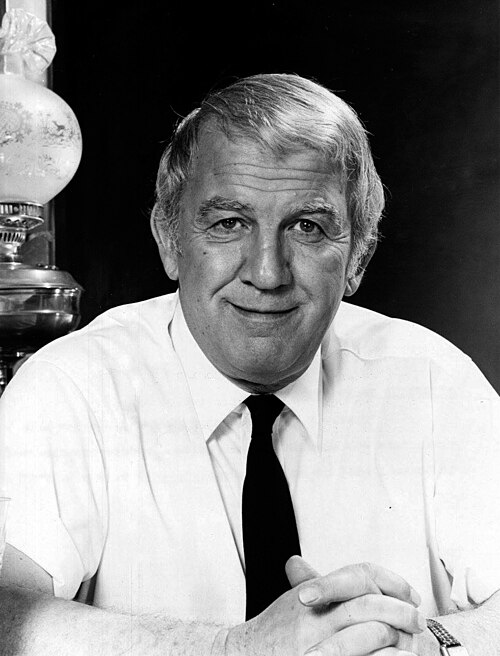
Earl Hindman portrait showing his full face

Earl Hindman had a documented family connection to the Episcopal Church through his wife, Molly McGreevy, who became a priest. His own detailed religious beliefs are much less clearly recorded. The available biographical sources provide that connection, but they do not establish a full personal statement of faith by the actor best remembered as Wilson on Home Improvement.

What is documented about his religious background?

Hindman married McGreevy in 1976. Both worked on the daytime drama Ryan’s Hope, and she later entered Episcopal ministry. His biographical overview records the marriage and her work as a priest. McGreevy’s own biography gives further context about her ministry in New York and Connecticut.

That family history belongs in an account of Hindman’s life. It is a connection with a Christian church, rather than a reason to assign him every belief associated with that church. A husband and wife may share many convictions, some convictions, or different convictions. Without his own statement, the distinction remains important.

The sources reviewed for this profile did not provide a reliable personal interview explaining Hindman’s views of God, Jesus, prayer, or life after death. The honest answer is therefore limited: his wife’s Episcopal ministry is documented; his own detailed religious identity is not established here.

A long career before the backyard fence

Hindman was born in Bisbee, Arizona, and studied acting at the University of Arizona. Hallmark’s cast biography describes his early interest in movies and his move into stage work. He performed in regional theater and in New York, including Dark of the Moon and The Basic Training of Pavlo Hummel.

Television viewers also knew him as Bob Reid on Ryan’s Hope. His film credits include The Taking of Pelham One Two Three, The Parallax View, Silverado, and Three Men and a Baby. Those roles show a wider career than the gentle neighbor remembered from his best-known sitcom. The biography linked above lists more of that work.

Hindman died in December 2003 at age sixty-one. A long-running character can remain familiar to viewers after an actor’s death, but the person’s life includes relationships and work that a single role cannot capture. Remembering that wider history gives a more respectful picture.

Wilson’s wisdom and Hindman’s own beliefs

On Home Improvement, Wilson’s advice often arrived over a fence that hid part of his face. The running joke asked Hindman to communicate through his voice, timing, and the expression the audience could see. A thoughtful pause could be as useful as a line of dialogue. That work helped make Wilson a reassuring presence.

Wilson drew on different kinds of knowledge and offered reflections on life. Those speeches were written for a fictional character. They cannot be used to call Hindman a Christian, a Buddhist, or a follower of some other philosophy. An actor’s skill at making a line believable does not make the line a personal creed.

This is especially important in an article about religion. A viewer may feel that he knows Wilson well while knowing little about Hindman’s private spiritual life. The warmth of that connection is real for the viewer, but it should lead to appreciation rather than unsupported claims.

Was Earl Hindman a Christian?

The documented connection to Episcopal ministry provides Christian family context. It does not, by itself, verify Hindman’s own profession of faith. This profile leaves that question open where the evidence leaves it open. It does not claim that he rejected Christianity, and it does not pretend to know his final relationship with God.

Neighborly care and biblical wisdom

The idea of a neighbor who listens offers a thoughtful transition to the Bible. Proverbs 18:13 warns against answering before hearing. James 1:19 calls people to be quick to listen and slow to speak. Those teachings encourage the patient attention that many people wish to find in a friend.

Scripture also goes beyond giving useful advice. The command to love our neighbor concerns action as well as words. In Luke 10, Jesus tells the story of a man who helps someone in need at personal cost. A good neighbor notices a burden and responds. That is a Christian reflection on the theme of neighborly care, not a claim about Hindman’s theology.

Even the wisest human counselor has limits. Good advice cannot erase sin, defeat death, or reconcile us to God. The Bible points us toward Jesus Christ, who offers more than a better way to manage our daily problems.

The gospel for the interested reader

God is holy and just. Romans 3:23 teaches that all have sinned, so every person needs forgiveness. Being kind, wise, or admired cannot remove our guilt. God has acted in mercy through His Son rather than leaving us to repair the problem alone.

Jesus Christ lived without sin, died on the cross for sinners, and rose bodily from the dead. First Corinthians 15:3–4 identifies His death and resurrection as the heart of the gospel. Through Him, God offers forgiveness, reconciliation, and eternal life.

Salvation is by grace through faith, not earned by works (Ephesians 2:8–9). Repentance means turning from sin toward God. Faith means trusting Jesus to save you. If you are interested, read Luke’s Gospel and seek a Bible-teaching church. You can appreciate Hindman’s work while considering this invitation for your own life: to receive mercy through the living Christ.

Photo credit: Earl Hindman headshot via TV Insider’s actor profile (TMS image service). Original photographer not identified on the source page.


What Is Richard Karn’s Religion? Is He a Christian?

Richard Karn at the Chiller Theatre Expo in 2015

Richard Karn’s public interviews offer a clear picture of his affection for family, gratitude for his career, and respect for the people who helped him. They offer much less detail about his personal religion. In the sources reviewed for this profile, no reliable first-person statement established a specific faith, denomination, or spiritual practice.

What Richard Karn has shared publicly

A 2025 interview published by The Lucky Ones focuses on Karn’s father, Gene. The accompanying description explains that his father’s support and example helped shape both Karn’s life and his portrayal of Al Borland. It is a tribute to a relationship, rather than a statement of religious doctrine.

In a separate 2025 interview with People, Karn discussed drawing inspiration from his father and grandfather, who were builders. He also spoke about becoming a father during the early run of Home Improvement and choosing work that allowed him to remain close to his son. These comments help readers understand his public priorities.

Family loyalty, gratitude, and hard work matter. Still, people from many religious backgrounds, and people with no religious affiliation, can value those things. It would be unfair to attach a faith label to Karn simply because his comments sound warm or responsible. The useful information is what he actually shared, with the limits kept clear.

From actor to familiar television host

Karn trained at the University of Washington and became widely known as Al Borland on Home Improvement. He later hosted Family Feud and Bingo America, and his acting work includes Pen15. His career overview gives the wider history beyond the flannel-shirted character many viewers remember.

He also reunited with Tim Allen for Assembly Required, a series featuring builders and practical projects. The History Channel’s cast biography describes his career and role in that program. The partnership makes use of a familiar comic rhythm while giving viewers a different kind of show.

Playing a dependable assistant and hosting a game show require different skills. An actor serves a script and a scene. A host must listen, explain the rules, keep the pace moving, and help guests feel comfortable. Karn’s career shows how a performer can build on a familiar personality while taking on new work.

Al Borland’s patience and practical knowledge are part of a fictional character. They are not a religious testimony by the actor. Likewise, a television appearance on a program with moral themes would not establish Karn’s private beliefs. Those distinctions keep a profile about faith from becoming a list of guesses based on casting.

Is Richard Karn a Christian?

A verified profession of Christian faith was not found in the sources examined here. That means his religious identity remains unconfirmed in this profile. It does not mean he has no faith, that he has rejected Christianity, or that nothing spiritual matters to him. The evidence simply does not support a more specific answer.

Public figures do not owe readers a complete account of their inner lives. At the same time, a research article should answer its question honestly. When the record is limited, saying so is more useful than repeating an unsupported celebrity religion label.

Family example and the Bible

Karn’s appreciation for his father offers a thoughtful bridge to Scripture. The command to honor father and mother appears in Exodus 20:12. Gratitude for a parent’s help can remind us to recognize the people whose patient work shaped our lives. Where family relationships are painful, honoring a parent does not require denying harm or abandoning appropriate boundaries.

The Bible also treats ordinary work as important. Colossians 3:23 calls people to work wholeheartedly, as serving the Lord. Building, repairing, teaching, hosting, and caring for a household can all involve service to others. A job’s value is not measured only by how much applause it receives.

These are Christian reflections on themes in Karn’s interviews, not claims that he has endorsed the passages. They also lead to a deeper distinction: a good example can teach us how to live, but it cannot take away our sin. We need more than a respected role model or a strong family history.

The gospel for the interested reader

Romans 3:23 teaches that all have sinned. Each of us has failed to love God and other people as we should. God is holy and just, and our good deeds cannot cancel that guilt. Christianity begins with that serious problem and the mercy God has shown in Jesus Christ.

Jesus, the Son of God, lived without sin, died on the cross for sinners, and rose bodily from the dead. First Corinthians 15:3–4 presents His death and resurrection as the heart of the gospel. Through Him, God offers forgiveness, reconciliation, and eternal life.

Salvation is by grace through faith, not earned by works (Ephesians 2:8–9). Repentance means turning from sin toward God. Faith means trusting Jesus to save you. That grace calls us into a changed life of love and obedience; it is not a reward for having the right reputation.

If you are interested, read the Gospel of John and seek a Bible-teaching church where you can ask questions. You can appreciate Karn’s work and his family tribute while examining your own beliefs. The gospel invites the reader to consider the Savior personally, rather than borrowing a celebrity’s image as a substitute for faith.

Photo credit: Rob DiCaterino, via Wikimedia Commons, CC BY 2.0. Existing Commons crop; no endorsement implied.

What Is Patricia Richardson’s Religion? Is She a Christian?

Patricia Richardson at the 1994 Emmy Awards

Patricia Richardson has spoken publicly about prayer, grief, and caring for her father during his final illness. In a personal account published by CurePSP, she described her family praying while staying beside him. That is a real part of her public spiritual record, although it does not provide a full statement of her religion or church membership.

Prayer and grief in her own words

Richardson’s father, Laurence, died in 2005 after living with progressive supranuclear palsy, often called PSP. In her first-person CurePSP story, she recalls the difficult changes in his life and the work of caring for him from far away. Near the end, she and her sisters stayed with him, held his hand, played music, talked, prayed, and waited.

She also describes the comfort of having one another and the help of kind caregivers. Her account asks painful questions about why her father had to suffer and then turns toward helping other families. Those words show a person facing loss honestly. They should not be turned into a detailed creed she did not write.

The mention of prayer is worth reporting. It shows prayer was present in that family experience. It does not identify a denomination, tell us exactly how she understands God, or establish all her beliefs about life after death. Readers deserve both the meaningful detail and the limits of what it can tell us.

The woman behind Jill Taylor

Richardson became widely known as Jill Taylor on Home Improvement. She received four Emmy nominations for the role and also earned recognition for the film Ulee’s Gold. Her career includes theater, the medical drama Strong Medicine, and The West Wing. Hallmark’s cast biography describes her work, and the Television Academy records her Emmy nominations.

She studied at Southern Methodist University and built a career in stage and television work before her best-known sitcom role. Her biographical overview gives that wider history. Attending a university with a religious name does not establish a student’s own faith. Her professional training belongs in the story of her career, rather than serving as proof of a religious label.

Jill’s strength on screen came from more than correcting Tim’s mistakes. Richardson helped make a fictional mother feel like a person with her own concerns, humor, and life. That performance is worth appreciating. Still, Jill’s opinions belong to a television script. A scene about church or family values cannot replace Richardson’s own public statements.

Family priorities and service

Richardson has explained that being away from her children was a reason she chose not to continue Home Improvement for another year. A report on her 2018 interview with Closer Weekly describes that decision. It reflects a family priority, although family commitment alone does not tell us a person’s religion.

Her work with CurePSP gives another view of her public life. Sharing a painful family story can help others feel less alone. It can also draw attention to needs that are easy to miss when someone can no longer communicate clearly. That service deserves respect without requiring us to guess at the private belief behind every act.

Is Patricia Richardson a Christian?

The sources reviewed show a public reference to prayer and a thoughtful account of grief. They did not provide a clear, verified statement from Richardson identifying her current religion or explaining her faith in Jesus Christ. The honest answer is that her full religious identity is not established here. That uncertainty is not evidence that she rejects God, and it is not permission to assume a profession of faith.

Care, suffering, and the Bible

Richardson’s account offers a natural bridge to Scripture’s concern for people who suffer. Genesis 1:27 grounds human worth in being made in God’s image. That worth remains when a person loses strength, independence, or the ability to speak. Galatians 6:2 calls believers to carry one another’s burdens, and Romans 12:15 calls us to weep with those who weep.

The Bible also makes room for honest grief. In John 11, Jesus weeps at Lazarus’s tomb. His tears show that sorrow is not automatically a failure of faith. Christians do not have to give a quick answer to every painful question. They can offer presence, practical care, and the hope God has revealed in Christ.

The gospel for the interested reader

That hope reaches beyond comfort in a difficult moment. God is holy and just, and Romans 3:23 teaches that all have sinned. We need forgiveness for the wrong we do and the good we neglect. Compassion is valuable, but it cannot erase our guilt before God.

Jesus Christ, the Son of God, lived without sin, died on the cross for sinners, and rose bodily from the dead. His death and resurrection are the heart of the gospel (1 Corinthians 15:3–4). Through Him, God offers forgiveness, reconciliation, and eternal life.

Salvation is by grace through faith, not earned by works (Ephesians 2:8–9). Repentance means turning from sin toward God. Faith means trusting Jesus to save you. If these questions matter to you, read John’s Gospel and seek a Bible-teaching church. You can bring grief and uncertainty honestly while considering the mercy and hope offered through Christ.

Photo credit: Alan Light, via Wikimedia Commons, CC BY 2.0. Existing Commons framing and corrections; no endorsement implied.

What Is Tim Allen’s Religion? Is He a Christian?

Tim Allen on the Last Man Standing set in 2012

Tim Allen has publicly spoken about belief in God, reading the Bible, and learning from the teachings of Jesus and the Apostle Paul. His comments describe a faith journey shaped by grief, questions, and a growing interest in Scripture. In February 2026, he reported that he had finished reading the entire Bible and planned to begin again.

What Tim Allen has said about God and the Bible

Allen’s interest in faith has a personal history. His father was killed by a drunk driver when Allen was eleven. In a 2011 interview with ABC’s Elizabeth Vargas, he described the doubts that followed that loss and said his faith had later grown. He has used the phrase “the Builder” when speaking about God and seeking guidance. ABC’s account of his faith and forgiveness provides that background.

More recently, Bible reading became a public part of that search. Allen described working through the Old Testament and then turning to the New Testament. A January 2026 CBN report on his Club Random conversation records him discussing Paul’s teaching about the law and sin. He presented himself as someone still studying, rather than someone claiming to have settled every theological question.

In February 2026, he said he had completed a careful reading of the Bible over thirteen months. He described the experience as “humbled, enlightened and amazed” and expressed a desire to reflect before reading again. Read the report quoting his public update. That is a meaningful statement of engagement with Scripture, and it is best presented in his own context.

Forgiveness after a painful loss

Allen also spoke publicly in September 2025 about forgiving the driver who killed his father. According to the ABC report linked above, hearing Erika Kirk speak about forgiveness moved him to take that step after decades of struggle. His statement connects his spiritual search with a deeply personal wound.

Forgiveness can be hard to discuss because people sometimes confuse it with saying the wrong did not matter. The Christian understanding does not require that. Harm can be real, grief can last, and legal accountability can still be appropriate. Forgiveness concerns how we respond to the offender before God. It does not require pretending that loss was small.

The actor beyond Tim Taylor

Allen became a television favorite as Tim Taylor on Home Improvement, which ran from 1991 to 1999. He later played Mike Baxter in Last Man Standing, voiced Buzz Lightyear in the Toy Story films, and played Scott Calvin in The Santa Clause series. His career also includes stand-up comedy and the film Galaxy Quest. His biography and career overview provide more detail.

Those roles show different sides of his comic skill. A familiar voice can carry confidence, confusion, or vulnerability. A family sitcom gives an actor room to show a man making mistakes and learning from people around him. The work deserves appreciation, while the characters remain separate from Allen’s own beliefs. Tim Taylor’s dialogue is a script, not evidence of the actor’s religion.

Is Tim Allen a Christian?

Allen’s public comments show belief in God and a serious interest in the Bible and Christian teaching. They support describing his outlook as a developing Christian faith journey. The sources discussed here do not establish every part of his doctrine or identify a current church membership. A careful answer can recognize what he has said without inventing the details he has not shared.

Reading his comments alongside the Bible

Allen’s discussion of Paul offers a useful starting point. Romans 3:20 teaches that the law brings knowledge of sin. The point is not that God’s law creates evil or makes wrongdoing good. It shows us where we have failed. Like a clear light in a room, it reveals what was already there.

The Bible then points beyond recognizing the problem. Romans 3:23 says all have sinned, and Romans 3:24 speaks of being justified by God’s grace through the redemption in Christ. Reading Scripture can help us understand that message. It is not itself a payment that earns forgiveness. The central question becomes whether we trust the Savior to whom Scripture points.

The gospel for the interested reader

God is holy and just, and each of us needs His mercy. Jesus Christ, the Son of God, lived without sin, died on the cross for sinners, and rose bodily from the dead. First Corinthians 15:3–4 presents His death and resurrection as the heart of the gospel. God offers forgiveness and reconciliation through Him.

Salvation is by grace through faith, not earned by good deeds, fame, or the number of pages we have read (Ephesians 2:8–9). Repentance means turning from sin toward God. Faith means relying on Jesus to save you. His grace leads to a changed life; it does not excuse wrongdoing or make love for others optional.

If Allen’s Bible reading has made you curious, begin with John’s Gospel and Romans. Bring honest questions, read slowly, and seek a Bible-teaching church. Christianity offers more than admiration for a wise book. It offers forgiveness, new life, and eternal hope through the living Christ.

Photo credit: MingleMediaTVNetwork, via Wikimedia Commons, CC BY-SA 2.0. Existing Commons crop; no endorsement implied.

What Is Bebe Neuwirth’s Religion? Is She a Christian?

Bebe Neuwirth in New York in 2023

Bebe Neuwirth has publicly identified herself as Jewish. Her interviews discuss Jewish heritage and its meaning in her work, while offering less detail about formal religious practice. That distinction helps answer the question about her faith without confusing the actress with Lilith Sternin on Cheers and Frasier.

What Bebe Neuwirth has said publicly

In a 2024 interview with the Associated Press about Cabaret, Neuwirth described gratitude and responsibility as a Jewish artist telling a story set during the rise of Nazism. Her statement shows that Jewish identity is meaningful to her, not simply a label attached by someone else. Read the AP interview.

She also discussed what being Jewish means to her in a 2016 interview with Jew in the City. The linked conversation offers readers a direct source, rather than asking them to rely on a celebrity religion list.

Her biography describes a Jewish family background and a cultural identity, with limited formal religious training while growing up. That secondary account provides context, but it is not a complete description of her adult religious life. See her biographical background.

Jewish identity can include family, culture, history, community, and religious conviction. Those dimensions overlap, but they are not interchangeable. A careful profile should not infer a person’s prayer habits, synagogue attendance, or view of every doctrine from a public statement about heritage.

A performer with a life beyond Lilith

Neuwirth became familiar to television viewers through Lilith Sternin on Cheers and its spin-off Frasier. Her career also includes Madam Secretary, Jumanji, and an extensive life on stage. She won Tony Awards for Sweet Charity and Chicago. She has also supported dancers through the Dancers’ Resource program associated with the Actors Fund. These details are included in the biography linked above.

Her work moves between dance, song, drama, and comedy. A precise performer can make a small pause or a restrained expression carry the joke. On stage, the same control can help an audience pay attention to a difficult story. That range deserves appreciation on its own terms.

Lilith’s professional life and personality are fictional. They are not a religious statement by Neuwirth. Even a character who shares parts of an actor’s background may differ in important ways. For this profile, the actress’s interviews and documented life are the evidence.

Is Bebe Neuwirth a Christian?

The sources reviewed describe a publicly affirmed Jewish identity. They did not provide a verified profession of Christian faith. This is a statement about what was found, rather than a claim to know her private relationship with God. It is also not a reason to ignore the Jewish identity she has discussed.

Jewish heritage and the Christian story

Christianity’s story is deeply connected to the Jewish Scriptures. Jesus was Jewish, His first disciples were Jewish, and the earliest Christian movement arose in that setting. A Christian discussion should begin with that reality and with respect for Jewish people, rather than treating their heritage as something strange or lesser.

The Bible teaches that every person bears God’s image (Genesis 1:27). That gives us a duty to reject contempt and prejudice. Romans 11:18 also warns Gentile believers against boasting over the roots from which they have received spiritual blessings. Christian conviction does not justify arrogance toward Jewish neighbors.

The central theological question is Jesus’ identity. Christians believe He is the Messiah promised in Scripture and the Son of God who brings salvation. Judaism generally does not accept those Christian claims. This is a real difference that should be explained honestly. It should not be turned into a claim that Neuwirth has personally addressed every point in a public interview.

Responsibility, care, and grace

Neuwirth’s comments about responsibility in telling a painful historical story offer a thoughtful bridge to the Bible. Scripture calls people to seek justice and to care for others. Remembering suffering can help us notice a neighbor’s dignity and take our own choices seriously.

Yet Christianity does not teach that compassion alone earns salvation. Kindness is good and needed, but every person still needs forgiveness. Romans 3:23 teaches that all have sinned. Our failures include the harm we do and the good we neglect. God’s holiness requires us to face that truth without excuses.

The gospel for the interested reader

God has acted in mercy through Jesus Christ. Jesus lived without sin, died on the cross for sinners, and rose bodily from the dead. First Corinthians 15:3–4 presents His death and resurrection as the heart of the gospel. The Christian claim is that reconciliation with God comes through Him.

Salvation is by grace through faith, not a reward for achievements or religious ancestry (Ephesians 2:8–9). Repentance means turning from sin toward God. Faith means relying on Jesus to save you. That message is offered to people from every background with the same call and the same hope.

If this profile has made you curious about the Bible, begin with Luke’s Gospel and consider the way Jesus treats people, speaks about sin, and offers forgiveness. Seek a Bible-teaching church that welcomes honest questions. You can appreciate an artist’s work, respect her identity, and still thoughtfully examine your own beliefs. The gospel invites you to find forgiveness and eternal life in Christ.

Photo credit: David Shankbone, via Wikimedia Commons. Released into the public domain by the photographer; existing Commons crop. No endorsement implied.

What Was Nicholas Colasanto’s Religion? Was He a Christian?

Nicholas Colasanto in a 1982 NBC publicity portrait

Nicholas Colasanto’s public religious record is limited. Contemporary reporting documents a Catholic funeral Mass, but this research did not locate a detailed first-person statement explaining his beliefs. That is the clearest starting point for readers wondering about the faith of the actor who played Coach on Cheers.

What the public record actually shows

Colasanto died in February 1985. A United Press International report described his funeral Mass in Providence, Rhode Island, where mourners remembered him with a standing ovation. His biography identifies Holy Cross Church as the funeral location and Saint Ann Cemetery in Cranston as his burial place. See the contemporary UPI report.

A Catholic funeral is meaningful evidence of the setting in which his family and community said goodbye. It is not the same as a recorded personal testimony. It does not establish precisely what he believed about prayer, salvation, or the afterlife throughout his life. Those questions should remain open where the sources do not answer them.

There is a temptation to fill gaps in an older actor’s story with familiar assumptions. A surname, hometown, or cultural background may make a religious label seem likely. Likelihood is not a substitute for evidence. This article reports the documented funeral context and clearly marks the limits of what was found.

The career behind Coach

Born in Providence in 1924, Colasanto served in the U.S. Navy during World War II. He worked as both an actor and a television director. His directing credits included episodes of familiar series, and his film roles included Raging Bull. He became especially loved for Ernie “Coach” Pantusso during the first three seasons of Cheers. His biography documents this background.

Coach gave the bar a different kind of warmth. His misunderstandings could become jokes, yet the character often seemed ready to believe the best about another person. Colasanto made that tone fit within a cast whose other characters could be quick, competitive, and sharp. It was a memorable contribution to an ensemble.

That is an appreciation of the performance, not proof of the actor’s theology. A gentle fictional character can be played by someone with many different beliefs. Here, the sources about the man are more limited than the affection viewers may feel for Coach.

Was Nicholas Colasanto a Christian?

The documented funeral was Catholic. A funeral setting does not establish what he personally believed about salvation. The available sources reviewed here do not provide enough first-person material to confidently describe his personal profession of faith. We should distinguish those two statements instead of turning the funeral into a complete spiritual biography.

Writing about someone who has died calls for particular care. We can remember a career, name a documented religious setting, and explain Christian hope. We cannot pronounce a judgment about a person’s heart or pretend to know an unrecorded final conversation with God.

Remembering people with dignity

The Bible teaches that every person is made in God’s image (Genesis 1:27). That dignity does not depend on fame or on sharing the writer’s beliefs. It gives Christians a reason to handle other people’s stories honestly and to speak about their lives with respect.

Death also brings questions that entertainment cannot answer for us. We may remember a familiar face with affection while realizing that our own lives are brief. Psalm 90:12 asks God to teach us to number our days so that we gain wisdom. That is an invitation to live thoughtfully, rather than a reason to become fearful or cold.

Christian comfort does not require us to invent certainty about another person’s private faith. It rests on what Scripture says about God and His promises. We can leave unanswered questions in His hands while taking seriously the questions He asks of us.

The gospel and the hope of resurrection

The Bible’s good news begins with a need shared by all people. Romans 3:23 teaches that all have sinned. We were made to love God and other people, yet we have failed in our words, thoughts, and actions. Being kind in some areas does not erase guilt in others. God’s holiness means sin matters, and His justice means we cannot simply wave it away.

Yet God has acted in mercy. Jesus Christ, the Son of God, lived without sin and died on the cross for sinners. He rose bodily from the dead. First Corinthians 15:3–4 presents His death and resurrection as the foundation of the gospel. The Christian promise of life beyond death is tied to the living Christ.

Salvation is by grace through faith, not earned through good works (Ephesians 2:8–9). A family tradition, a funeral service, or an admired reputation cannot replace a personal response to Jesus. Repentance is a change of mind toward God, and faith means relying on Christ alone to save you.

If remembering Colasanto has made you think about your own life, consider reading John 11 and First Corinthians 15. Bring honest questions to God and seek a Bible-teaching church. The gospel is offered to the living reader with both seriousness and hope: forgiveness, reconciliation with God, and eternal life are found in Jesus Christ.

Photo credit: NBC Television, 1982 publicity portrait, via Wikimedia Commons. Listed as public domain in the United States. No endorsement implied.

What Was Kirstie Alley’s Religion? Was She a Christian?

Kirstie Alley at the 1994 Emmy Awards

Kirstie Alley was a public supporter of Scientology. She spoke openly about its importance in her life and credited it with helping her overcome cocaine use. Her religious story is well documented through interviews, rather than something readers need to infer from Rebecca Howe on Cheers.

What Kirstie Alley said about Scientology

In November 2012, Alley discussed her earlier cocaine use with Entertainment Tonight and described Scientology as central to her change. This is a first-person account of what she believed had helped her. It is not, by itself, medical evidence about a treatment program. Read the ET interview report.

She also publicly defended Scientology in another 2012 interview with ET. Together, those interviews show that the connection was one she acknowledged herself. This is stronger evidence than a rumor or a list of celebrity affiliations.

Biographical accounts describe a Methodist upbringing before she became a Scientologist in 1979. The record therefore contains both a childhood religious background and a later affiliation she publicly supported. Those are distinct parts of a life story. They should not be combined into a claim that all the beliefs were the same.

Her career beyond Cheers

Born in Wichita, Kansas, in 1951, Alley first reached film audiences as Saavik in Star Trek II: The Wrath of Khan. She joined Cheers as Rebecca Howe in 1987 and earned an Emmy for that role. Her other familiar work includes Look Who’s Talking and Veronica’s Closet. Alley died in December 2022. Her biography documents her career and religious background.

Replacing a familiar lead in a successful comedy is a difficult assignment. Rebecca brought a different rhythm to the bar, giving the writers another set of hopes, insecurities, and comic misunderstandings to explore. Alley made the role recognizable without simply copying the character who had come before her.

That contribution can be appreciated without using the show as religious evidence. Rebecca’s choices were written for television. Saavik’s beliefs belonged to science fiction. The actress’s own interviews are what matter when asking about her faith.

Was Kirstie Alley a Christian?

Her adult public religious identity was Scientologist. Her Methodist upbringing describes an earlier background, rather than establishing a later Christian profession. This article reports the affiliation she publicly supported. It does not pretend to know her final private thoughts or pronounce a verdict about her eternal condition.

What Scientology says about spiritual life

The Church of Scientology’s own explanation of its beliefs describes people as spiritual beings and presents a path toward greater spiritual understanding. It describes humanity as basically good and links spiritual salvation to the person, other people, and a relationship with the universe. Its description of auditing presents that practice as spiritual counseling aimed at restoring awareness and ability.

These are the organization’s teachings, included to explain the religion Alley named. They are not a claim that she personally explained or affirmed every doctrine in an interview. A clear comparison should use the religion’s own description, while keeping an individual’s statements separate.

Where the Bible gives a different answer

The Bible also teaches that human beings have spiritual significance, but it grounds that significance in God’s creation. Genesis 1:27 says people are made in His image. That gives every person dignity, regardless of religious identity, success, or social standing.

Scripture then describes a serious moral problem. Romans 3:23 teaches that all have sinned. In this biblical picture, our deepest need is not simply to recover spiritual ability. We need forgiveness and reconciliation with the holy God against whom we have sinned.

The Christian understanding of salvation therefore differs at its foundation. It rests on Jesus Christ’s saving work, not on a person advancing through a program or reaching a higher spiritual level. Ephesians 2:8–9 says salvation is by grace through faith, not a result of works. That difference can be stated firmly without ridicule toward people who hold another view.

The gospel for the reader

Alley’s account of wanting freedom from a destructive habit touches a human need many readers understand. We long for change, relief, and a way forward. Christianity’s good news goes deeper than an improved public image or a personal success story. It offers peace with God.

We have all broken God’s good commands in thought, word, and action. Sin deserves judgment, and we cannot erase it with charity, religious activity, or determination. Yet God’s love is shown in His response to sinners. Jesus Christ, the Son of God, entered our world and lived without sin.

Jesus died on the cross for sinners and rose bodily from the dead. First Corinthians 15:3–4 places His death and resurrection at the center of the gospel. He bears the cost of sin and offers forgiveness through Himself. The Christian hope is anchored in a living Savior, rather than in our ability to rescue ourselves.

Repentance means turning from sin toward God, and faith means trusting Jesus to save you. Good works follow a changed life; they cannot buy salvation. If you want to consider this personally, read the Gospel of John and Romans 5, and seek a Bible-teaching church. You can ask honest questions while hearing a clear invitation: come to Christ for the mercy and eternal life only He can give.

Photo credit: Alan Light, via Wikimedia Commons, CC BY 2.0. Existing Commons portrait crop. No endorsement implied.

What Is Kelsey Grammer’s Religion? Is He a Christian?

Kelsey Grammer at a film screening in 2026

Kelsey Grammer has publicly spoken about Christian faith, prayer, grief, and spiritual experiences. His account includes renewed faith connected with Jesus Revolution and a response to the gospel at a Harvest Crusade. It also includes beliefs about contact with deceased loved ones, which deserve to be described rather than left out of the picture.

His public story of faith

In March 2026, pastor Greg Laurie wrote about Grammer’s involvement in Jesus Revolution. Laurie recalled Grammer saying he had prayed for meaningful work before receiving the script. He also reported that Grammer made a public profession of faith at a Harvest Crusade and received a New Believer’s Bible.

Laurie’s account includes Grammer’s description of his faith as “limping faith.” It connects his spiritual questions with the murder of his sister, Karen, and the burden he carried afterward. This is a report from a named participant in the events, with some of Grammer’s own words included. Read Laurie’s account and interview links.

Grammer has also discussed his Christian Science upbringing in a 2026 interview with The Times. That childhood tradition is a separate part of his story from the later public testimony described above.

Other spiritual beliefs he has discussed

In a 2025 interview on The Jamie Kern Lima Show, Grammer described experiences he interpreted as contact with his late mother and sister. Entertainment Weekly reported his comments about those experiences and his openness to psychics and mediums. These are his interpretations, not events this article can independently verify. Read the report and interview context.

A fair profile can recognize a public profession of Christian faith while also reporting other spiritual ideas. It should neither erase the testimony nor make every belief identical to biblical teaching. Those distinctions help readers understand what the person has actually said.

The actor behind Frasier Crane

Grammer became familiar to millions through Frasier Crane on Cheers and then Frasier. He has also worked in films, on stage, and as a voice actor, including Sideshow Bob on The Simpsons. In Jesus Revolution, he portrayed pastor Chuck Smith. His biography gives a broader career overview.

One role can follow an actor for decades, especially when it depends on such a distinctive voice and comic rhythm. Yet playing a psychiatrist does not explain Grammer’s spiritual beliefs, just as playing a pastor would not prove them. His interviews and public testimony provide the evidence about the man.

Is Kelsey Grammer a Christian?

There is documented public evidence of a Christian profession, particularly in the Harvest account. That makes the answer more concrete than a guess based on a film credit. Famous Faith reports that evidence while leaving the condition of his heart to God. His other statements remain part of the public record and can be considered alongside Scripture.

Grief, comfort, and biblical discernment

The desire to know that a loved one is safe is deeply human. The Bible does not mock grief. Jesus wept at Lazarus’s tomb in John 11, and Scripture calls people to care for those who mourn. Christian hope is meant to comfort people in real loss, rather than shame them for feeling it.

At the same time, Scripture directs believers away from seeking guidance through mediums or attempts to consult the dead (Deuteronomy 18:10–12). That teaching creates a difference between some spiritual claims described above and the Bible’s direction. We can explain that difference without claiming to know the cause of a private experience or judging another person’s motives.

Christian comfort rests on the character of God and the resurrection of Jesus. First Thessalonians 4:13–18 addresses grief with the hope of resurrection. It does not promise that we will receive messages from departed relatives. The distinction matters because genuine comfort and reliable guidance are not always the same thing.

The gospel offers more than an inspiring moment

A moving film, a prayer, or a public response can open an important conversation. The center of Christianity, however, is the Savior Himself. The gospel begins by telling the truth about our need. Romans 3:23 teaches that all have sinned. Our guilt cannot be removed by talent, suffering, religious experiences, or our desire to do better.

God is holy and just, but He is also merciful. Jesus Christ, the Son of God, came into the world and lived without sin. He died on the cross for sinners and rose bodily from the dead. First Corinthians 15:3–4 identifies these events as the foundation of the good news. His resurrection gives hope that does not depend on our strongest feelings.

Ephesians 2:8–9 teaches that salvation comes by grace through faith, not by works. Repentance means turning from sin toward God. Faith means trusting Christ’s finished work to save you. It is a personal response to a real Savior, rather than an effort to earn peace through a religious performance.

If you are carrying grief, guilt, or questions about God, you can bring them honestly to Him. Read John 11 and Romans 5. Seek a Bible-teaching church where you can receive care and learn Scripture. The Christian invitation is not to pretend that life has been easy. It is to turn to Jesus, receive forgiveness, and find lasting hope in Him.

Photo credit: Michael W. Imhoff / Exchanges Photos, via Wikimedia Commons, CC0 1.0. Existing Commons portrait crop. No endorsement implied.

What Is Woody Harrelson’s Religion? Is He a Christian?

Woody Harrelson at the Midway premiere in 2019

Woody Harrelson has described a spiritual life outside the Christian identity of his childhood. His public interviews offer a clear picture of religious questions he has explored, including why he moved away from the faith in which he was raised.

His public explanation of spirituality

In a 2012 GQ interview, Harrelson said, “I have a strong spiritual life.” He rejected the Christian label in that conversation, admired Jesus alongside other teachers, and questioned Christianity’s claim that Jesus is the only way to God. He also discussed yoga and meditation. Read the original GQ interview.

That source is dated. It reports what he said then, rather than proving that every detail remains unchanged today. A fair article should let a person’s own words carry the weight, while leaving room for the possibility that their thinking develops.

Harrelson has continued to discuss his early religious life in interviews, including a 2023 extended interview with CBS News. His upbringing matters because this is not simply a story about someone who never encountered Christianity. It is a story about a person who knew a religious setting and later reconsidered it.

From Cheers to a wide-ranging film career

Harrelson was born in Midland, Texas, in 1961 and grew up in a Presbyterian household. He studied theater and English at Hanover College. In 1985, he joined Cheers as Woody Boyd, earning an Emmy for the role. That television success became the beginning of a much broader career.

His films range from White Men Can’t Jump and Zombieland to The Hunger Games series. He also appeared in The People vs. Larry Flynt, The Messenger, and Three Billboards Outside Ebbing, Missouri, with Oscar nominations across those dramatic performances. Television audiences also know his work in True Detective. See his background and career overview.

That variety is part of what makes his public story interesting. An actor who became familiar through a gentle comic character can later take on difficult dramatic material. It is also a reminder that a character’s innocence, anger, or religious language cannot be used to establish the actor’s own beliefs. His interview statements are the proper evidence.

Is Woody Harrelson a Christian?

In the interview quoted above, his answer was no. This article keeps that answer tied to the source and its date. It does not label him a member of some other religion simply because he has discussed spiritual practices. A person can explore meditation or admire religious teachers without formally joining a particular faith.

Readers sometimes look for a single word that will settle every question. With a public figure, it is often more helpful to describe the actual statements and the evidence behind them. That approach gives a clearer picture and avoids creating a religious identity the person has not claimed.

Why Jesus’ identity is the central question

The disagreement described in Harrelson’s interview opens a serious question for any reader: is Jesus only a wise teacher, or is He the Savior Scripture presents? Christianity asks people to examine His identity and His work, rather than simply admire a collection of moral sayings.

John 14:6 records Jesus identifying Himself as the way, the truth, and the life, with access to the Father through Him. Acts 4:12 also presents salvation in His name. These claims are central to the New Testament. A Christian cannot remove them while keeping the message unchanged.

This does not give Christians permission to treat people of other beliefs with contempt. First Peter 3:15 calls believers to explain their hope with gentleness and respect. Being clear about a disagreement and being kind to the person who disagrees are compatible. Honest conversation needs both.

It is also useful to distinguish a spiritual practice from its religious meaning. Quiet reflection may help someone pay attention, while biblical meditation focuses on God’s truth (Psalm 1:1–3). Christianity’s central promise, however, does not rest on achieving calm or balance. It rests on what Christ has done for sinners.

The gospel for the interested reader

Most of us want a meaningful life and peace with ourselves. The Bible says our need reaches deeper. We were created by God, yet we have sinned against Him. Romans 3:23 describes a problem shared by every person. We cannot escape that truth through fame, religious knowledge, good intentions, or personal growth.

God is holy, and His judgment is just. Sin is not merely a lack of balance; it is a failure to love and obey our Creator. Yet the gospel is good news because God has acted in mercy. Jesus Christ, the Son of God, lived without sin and died on the cross for sinners.

He rose bodily from the dead. First Corinthians 15:3–4 places that resurrection alongside His death at the center of Christian faith. Jesus is therefore presented as more than one helpful teacher among many. He is the living Savior who reconciles people to God.

Salvation comes by grace through faith, not by works (Ephesians 2:8–9). Repentance means turning from sin toward God. Faith means relying on Jesus to save you. If you have questions about His claims, read the Gospel of John and consider the evidence it presents. Seek a Bible-teaching church where questions can be asked honestly. The invitation is firm and hopeful: forgiveness and eternal life are offered in Christ.

Photo credit: U.S. Navy / Justin R. Pacheco, via Wikimedia Commons. Public domain in the United States; existing Commons portrait crop. No endorsement implied.

What Is John Ratzenberger’s Religion? Is He a Christian?

John Ratzenberger at Politicon in 2016

John Ratzenberger has publicly discussed a Catholic upbringing and the importance of Christian values in his life and work. His faith story is more clearly documented than many celebrity profiles because he has spoken about it in a religious interview, rather than leaving readers to infer it from a movie role.

What John Ratzenberger has said about faith

For a February 2014 appearance on The 700 Club, CBN described Ratzenberger’s Catholic family and schooling in Connecticut. The accompanying interview notes report his view that this education gave him a clear sense of right and wrong, along with responsibility for himself and other people. The account presents faith as an active influence in his work.

He also discussed the place of Christian audiences and faith-based films in Hollywood. The source describes his concern for the values conveyed by entertainment and for projects families can watch together. These are his reported views from that interview, not a claim that every project he has appeared in carries a Christian message. Read CBN’s interview notes.

The evidence supports describing him as an actor who has publicly affirmed the importance of Christian faith and a Catholic background. The 2014 account should be dated honestly. It gives meaningful information, but it does not tell us his current parish, daily habits, or full position on every theological question.

From Cliff Clavin to a familiar animated voice

Ratzenberger became widely known as Cliff Clavin, the talkative postal worker on Cheers. He also supplied memorable voices in Pixar films, including Hamm in Toy Story, P.T. Flea in A Bug’s Life, and Mack in Cars. Outside acting, he hosted Made in America, a program highlighting manufacturing and skilled work. His biography outlines those parts of his career.

There is also something appealing about a voice that becomes familiar across generations. Children may recognize a character long before they know the performer’s name. Yet neither an animated character nor Cliff’s opinions should be treated as Ratzenberger’s personal creed. Here, his own interview carries the religious evidence.

Is John Ratzenberger a Christian?

His public discussion with CBN described how the Catholic schooling of his childhood shaped the values he later brought to his work. That is a fair answer to the question about his publicly reported religion. Famous Faith does not use that answer to make a private judgment about his heart, and it does not assume that all Catholics agree on every issue or practice faith in the same way.

Work, responsibility, and the Bible

Ratzenberger’s interest in skilled work offers a practical point of contact with Scripture. The Bible honors honest labor and service. Colossians 3:23 calls believers to work wholeheartedly, and Ephesians 4:28 connects honest work with having something to share with people in need. Work can become a way of loving our neighbors.

Responsibility matters too. We affect others through what we build, sell, teach, and create. An actor may think about the stories he helps tell, while a parent may think about what enters the home. The biblical command to love our neighbors reaches ordinary decisions, not just dramatic acts of generosity.

Still, valuable work and sound moral standards cannot replace the gospel. We may admire a person’s discipline and still need to ask the same question of ourselves: have we trusted Christ, or are we relying on being respectable? Scripture gives good works an important place, but it does not make them a payment for forgiveness.

Christian values and Christian salvation

It is possible to appreciate the influence of Christianity while missing its central message. Christianity is not only a system for preserving a society or producing family entertainment. At its center is Jesus Christ, the Son of God, and His work to rescue sinners. That is the reason Christians speak about salvation.

Romans 3:23 teaches that all have sinned. Even responsible, hardworking people fall short of God’s holiness. We have been selfish, dishonest, proud, or unloving. Our outward reputation does not remove the guilt of what God sees. We need mercy that reaches deeper than a good public image.

Jesus lived without sin, died on the cross for sinners, and rose bodily from the dead. First Corinthians 15:3–4 summarizes that saving message. His sacrifice shows both the seriousness of sin and the greatness of God’s love. He did not overlook our need; He came to meet it.

Ephesians 2:8–10 explains the relationship between grace and works. Salvation is a gift received through faith, not earned through our achievements. The good works that follow belong to the new life God gives. This keeps us from boasting, while giving us a reason to serve others with gratitude.

The response is repentance and faith: change your mind toward God and rely on Jesus Christ alone to save you. Changed conduct is a response to grace, not a condition for receiving it. If you grew up with Christian values but have never considered Christ’s claims personally, begin with the Gospel of John. Speak with a Bible-teaching church, ask your questions, and seek the Savior Himself. The gospel offers forgiveness, reconciliation with God, and eternal life through Him.

Photo credit: Gage Skidmore, via Wikimedia Commons, CC BY-SA 2.0. Existing Commons portrait crop. No endorsement implied.