What Was Peter Boyle’s Religion? Was He a Christian?

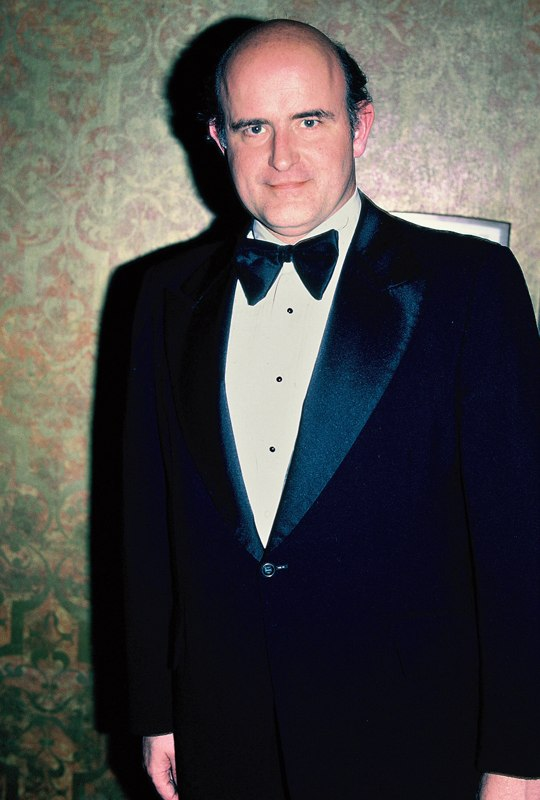
Peter Boyle at the 1978 F.I.S.T. premiere

Peter Boyle had a Catholic background and publicly described returning to Mass later in life. His religious story included time with the Christian Brothers, a long period of inconsistent practice, and a renewed commitment after a serious health event. Describing him only as a former monk leaves out an important part of that story.

Boyle played Frank Barone on Everybody Loves Raymond and the monster in Young Frankenstein. Neither character should be treated as his personal testimony. To understand the actor’s faith, the most useful evidence is what he said about his own life.

Was Peter Boyle really a monk?

Boyle spent part of his young adulthood with the Christian Brothers, a Catholic teaching community. The Television Academy’s remembrance discusses that part of his life and points to its 2005 oral-history interview with him. News accounts often summarize the experience by saying he was a monk.

A religious brother is not necessarily an ordained priest. It is therefore more precise to describe Boyle’s connection with a Catholic religious community than to assume he had served as a priest. Accounts differ about the length of the period, so this article does not try to settle it by choosing whichever number appears most often.

That background shows that religion played a serious role in his early life. It does not tell us that every later year was equally devoted. People’s spiritual histories can include commitment, distance, questions, and return.

Did Peter Boyle return to the Catholic Church?

A Catholic News Service obituary carried by Catholic Review reports Boyle’s account of returning to Mass after a 1999 heart attack. Referring to a 2005 interview, it quotes his decision to get “back to Mass” after years of being lax in Catholic practice.

That is meaningful evidence of renewed religious practice. It supports a more complete description than saying that he left religious life and never looked back. At the same time, a newspaper report does not allow us to describe every detail of his understanding of grace, repentance, or salvation.

The record supports identifying a Catholic background and a reported return to worship. It does not authorize us to claim knowledge of his final spiritual condition. Only God knows a person completely.

What should Christians learn from a renewed awareness of mortality?

A health crisis can interrupt the assumption that we have endless time. Boyle’s reported response invites a question that applies to every reader: what deserves our attention while life is still before us? This is not a claim that every crisis is a specific message about a person’s behavior.

Psalm 90:12 asks God to teach us to number our days so that we gain wisdom. James 4:13–15 warns against planning as though tomorrow were guaranteed. The point is not panic. It is humility about our limits and honesty about the fact that our lives belong to God.

Returning to worship can be an important step, but the Bible calls for more than attendance. Jesus warned that outward religious activity can exist without a heart that knows Him (Matthew 7:21–23). The personal question is whether we are trusting Him and responding to His word.

How does Catholic practice compare with the Bible’s message?

The Catholic Church confesses Jesus Christ, His death, and His resurrection. Catholic and Protestant teachings also have substantial disagreements about justification, authority, and the sacraments. A short celebrity profile should acknowledge those differences without assigning the actor positions he never explained.

Famous Faith’s focus is the Bible’s teaching that forgiveness rests on Christ’s work and is received by faith. Ephesians 2:8–10 distinguishes salvation as God’s gift from the good works that follow it. A religious background, a vow, or a return to a familiar ritual cannot replace personal dependence on Jesus.

Why is Jesus the center of the gospel?

We all need more than a second chance to appear religious. Romans 3:23 teaches that everyone has sinned. God’s commands expose our dishonesty, selfish desires, failures to love, and willingness to put ourselves first. Jesus’ teaching about anger and lust in Matthew 5 reaches beneath appearances to the heart.

God is holy and just. We cannot cancel our guilt by remembering our better moments or promising never to fail again. Religious service cannot purchase innocence. The gospel begins by telling the truth about a problem we cannot solve through effort alone.

God’s Son, Jesus Christ, lived a sinless life and died on the cross for sinners. He bore the judgment our sin deserves and rose bodily from the dead. First Corinthians 15:3–4 describes His death, burial, and resurrection as the heart of the good news. His resurrection means death did not defeat Him.

Jesus calls people to repent and believe (Mark 1:15). Repentance is a change of mind toward God; faith means relying on Christ rather than our own goodness. Salvation is given by grace, not earned through a religious résumé. Those who trust Him begin a new life of obedience and love, depending on His mercy each day.

What is a fair conclusion about Peter Boyle’s faith?

Boyle’s public story includes Catholic formation and a reported return to Mass. We can report those facts, appreciate his work, and resist pretending to know what only God knows. His story also reminds us not to postpone our own response to Jesus until we feel sure that there will be more time.

Photo credit: Photo by Alan Light, Peter Boyle at the 1978 F.I.S.T. premiere, via Wikimedia Commons. CC BY 2.0. Resized and compressed.


What Was Doris Roberts’s Religion? Was She a Christian?

Doris Roberts at a 2011 charity benefit

Doris Roberts was Jewish, with a documented Jewish family background and public comments about Jewish community life. She was not simply the Catholic mother she played on television. The sources reviewed for this article do not establish a personal profession of Christian faith or a complete statement of her theology.

As Marie Barone on Everybody Loves Raymond, Roberts could turn a dinner invitation into a family crisis. Her performance was memorable because Marie’s love and interference were tangled together. Understanding the actress’s own beliefs requires looking beyond that fictional household.

What is known about Doris Roberts’s Jewish background?

The St. Louis Jewish Light describes Roberts’s Russian-Jewish family roots and her birth in St. Louis. That background is part of her identity. It does not mean we can assume the details of her religious observance throughout her life.

Her own words add useful context. In a 2006 interview about Keeping Up With the Steins, Roberts discussed the meaning of Jewish ritual and answered a question about whether she had grown up Reform or Orthodox. Her humorous answer referred to a grandfather who did not make time for synagogue. The exchange does not provide grounds to assign her a specific denomination.

The distinction matters. Jewish heritage, community belonging, and personal religious practice overlap, but they are not interchangeable. An accurate profile can recognize her Jewish identity without claiming knowledge of how often she worshiped or what she believed about every question of faith.

What did Doris Roberts say about love and purpose?

A Jewish Virtual Library profile drawing on a Lifestyles interview records Roberts speaking warmly about an uncle’s unconditional love. She also described the joy she found in work she loved and used language of blessing and prayer when wishing that kind of fulfillment for others.

Those remarks reveal gratitude and affection. They are worth reporting without stretching them into a detailed doctrine of God. People from different faiths can use words such as blessed or prayer, and those words alone do not demonstrate that someone has embraced Christianity.

Was Marie Barone’s religion Doris Roberts’s religion?

No. Marie is a fictional member of an Italian-American Catholic family. Roberts was an actress bringing that character to life. In the Lifestyles material, she described drawing on different family personalities to create Marie. Her ability to make the role believable tells us about her skill, not her church membership.

That separation protects us from a common mistake. Viewers can feel they know an actor because a familiar character has visited their living room for years. But familiarity with a performance is not personal knowledge. We should resist turning a beloved role into evidence about the performer’s private convictions.

What does the Bible say about loving without controlling?

Marie’s habit of presenting interference as love gives viewers a useful question to ask themselves. Do I serve people for their good, or do I need them to follow my preferences? A meal, gift, or favor can be generous. It can also become a way to demand praise or obedience.

First Corinthians 13:4–5 describes love as patient and kind, without insisting on its own way. Philippians 2:3–4 calls believers to humility and concern for others. Those standards challenge the belief that a loving motive automatically makes every action loving. We need wisdom about the effect of our choices, too.

Honor for parents also matters, but Genesis 2:24 describes marriage as forming a new family bond. Adult children can respect their parents while establishing healthy responsibilities in their own homes. These are biblical reflections on the show’s themes, not accusations about Roberts as a mother or grandmother.

How does Christianity compare with Jewish faith?

Christians share the Hebrew Scriptures with Judaism and believe that God’s promises form the setting for understanding Jesus. The central difference is Jesus Himself. Christians confess Him as the Messiah, God’s Son, crucified and risen. Mainstream Judaism does not accept that confession.

That difference calls for clear explanation and genuine respect. Romans 11:17–22 warns Gentile Christians against pride toward Jewish people. Christians should never use a celebrity’s religion as an excuse for hostility. The gospel addresses our own sin before it gives us anything to say about someone else.

Why do we all need forgiveness?

Romans 3:23 teaches that all have sinned. We have failed to love God fully and our neighbors faithfully. The Ten Commandments expose lying, theft, coveting, and dishonoring God. Jesus’ teaching about anger and lust in Matthew 5 shows that even our hearts fall short.

God is just, so guilt is not erased by good intentions, family devotion, charity, or professional achievement. Our need is greater than a better public image. We need mercy that deals honestly with wrongdoing, rather than pretending our failures do not matter.

The good news is that Jesus Christ lived without sin and died on the cross for sinners. He took the judgment we deserve and rose bodily from the dead. His death, burial, and resurrection are central in 1 Corinthians 15:3–4. Because He lives, forgiveness is grounded in God’s action rather than our wishful thinking.

Salvation is a gift received by grace through faith, not earned by works (Ephesians 2:8–9). Jesus calls us to repent and trust Him: turn from sin and rely on His finished work. The result is a changed life that learns to love in truth, with humility and patience.

We can remember Roberts with appreciation, describe her Jewish identity accurately, and leave hidden matters to God. Her story should lead us to examine our own beliefs and the kind of love we practice in the families closest to us.

Photo credit: Angela George, Doris Roberts at the Night of Comedy benefit, April 30, 2011, via Wikimedia Commons. CC BY-SA 3.0. Resized and compressed.

What Is Brad Garrett’s Religion? Is He a Christian?

Brad Garrett in 2016

Brad Garrett has publicly described a Jewish upbringing and a continuing connection with Jewish identity. In a 2014 interview, he also said he had moved away from religious practice. Those two points can both be true. A person may value Jewish family history and culture without being highly observant.

Garrett played Robert Barone, Ray’s long-suffering brother, on Everybody Loves Raymond. Robert belongs to a fictional Catholic family. That television role should not be confused with Garrett’s own religious background. The sources reviewed here do not establish that Garrett has made a personal profession of Christian faith.

What has Brad Garrett said about being Jewish?

Speaking with The Australian Jewish News in October 2014, Garrett recalled his bar mitzvah, a stepfather who was a cantor, and pride in his family’s Jewish identity. He also discussed Jewish food and the place humor held in his home.

In the same interview, he said he had “strayed away from religion a little.” That is a useful qualification. It supports describing a distance from religious practice at that time. It does not tell us everything he believed about God, Scripture, prayer, or life after death, and it should not be treated as a statement about every later year.

The responsible answer therefore includes both identity and uncertainty. Garrett’s Jewish background is documented. The details of his present religious practice are less clear in the verified material reviewed for this profile. We should not turn a short interview into a complete statement of faith.

Did Brad Garrett’s father becoming Christian make Brad Christian?

In a 2015 Fox News interview, Garrett discussed his father becoming a born-again Christian. That concerns his father’s experience, not a documented conversion by Garrett himself.

This distinction is easy to miss when a headline puts several family members in one story. Religious convictions are not automatically inherited through a parent’s decision. Nor should a person’s disagreement with a relative be used to invent a new label. We need a person’s own clear words before announcing a change of faith.

What is the difference between Jewish heritage and Christian belief?

Jewish identity includes a people’s history, family life, culture, and religious tradition. The way those parts fit together varies from person to person. It is inaccurate to assume that every Jewish actor holds an identical set of beliefs or follows the same practices. Garrett’s own comments illustrate why those distinctions matter.

Christianity arose within the Jewish world. Jesus and His earliest followers were Jewish, and Christians receive the Hebrew Scriptures as part of the Bible. Yet there is a major theological difference: Christians confess Jesus as the promised Messiah, the Son of God who died for sins and rose again. Mainstream Judaism does not share that confession.

That difference should be stated respectfully. Romans 11 warns Gentile believers against arrogance toward Jewish people. A biblical comparison is not permission for insults, stereotypes, or contempt. Christians are called to speak truth with love, including when discussing beliefs they do not share.

What can Robert Barone teach us about comparison?

Robert’s place in the sitcom often turns on feeling overlooked while Ray receives attention. That is a feature of a scripted character, not a diagnosis of Garrett. Still, the situation is familiar enough to make audiences laugh: someone else appears to receive the affection or opportunity we wanted.

James 3:14–16 warns about envy and selfish ambition. Comparison can make us resent a brother’s success or interpret every family event as evidence that we matter less. Scripture offers a better response: gratitude, honest speech, and love that can rejoice in another person’s good (1 Corinthians 13:4–6).

These passages are a lens for viewers to examine themselves. They should not become a way to turn a performer’s most memorable character flaws into accusations about his private life. Playing a jealous character does not establish that the actor is jealous, any more than playing a Catholic establishes that he is Catholic.

What is the Christian gospel?

The gospel addresses a problem deeper than our place in a family. God made us to love Him and our neighbors, but we have sinned. Romans 3:23 includes everyone in that failure. We have lied, coveted, mistreated others, and lived as though our own desires had the final authority.

God is holy and just. Our guilt cannot be erased by comparing ourselves with someone worse or by pointing to an impressive career. Even sincere generosity does not undo sin. The need for forgiveness belongs to religious and nonreligious people alike; Christians have no grounds for boasting over anyone else.

Jesus Christ, God’s Son, lived without sin and gave His life on the cross for sinners. He bore the judgment we deserve and rose bodily from the dead. First Corinthians 15:3–4 summarizes His death, burial, and resurrection as central to the good news. He offers reconciliation with God that we cannot produce for ourselves.

According to Ephesians 2:8–9, salvation is a gift of grace received through faith, not a payment for good deeds. Jesus calls us to repent and believe the gospel (Mark 1:15). That means turning from sin and relying on Him rather than our own worthiness. A changed life follows that trust; it does not purchase it.

How should Christians approach Brad Garrett’s beliefs?

Report his Jewish identity accurately, keep dated comments in their setting, and avoid pretending that his family members speak for him. Pray with humility. The purpose of examining a celebrity’s beliefs is not to win a comparison contest, but to consider the truth about God and our own need for His grace.

Photo credit: Greg2600, Brad Garrett in 2016, via Wikimedia Commons. CC BY-SA 2.0. Commons crop, resized and compressed for this page.

What Is Patricia Heaton’s Religion? Is She a Christian?

Patricia Heaton at her Hollywood Walk of Fame ceremony in 2012

Patricia Heaton publicly identifies as a Christian and has spoken openly about her Catholic faith. Her interviews describe prayer, Scripture, trust in God, and a desire to serve people because of Jesus. This is stronger evidence than a religious label assigned by a celebrity database: Heaton has explained her beliefs in her own words.

The actress played Debra Barone on Everybody Loves Raymond, but her faith is not something we need to infer from Debra. Her public religious story also includes a period in a Presbyterian congregation. Keeping the dates straight helps explain why different articles use different denominational descriptions.

Is Patricia Heaton Catholic or Protestant?

In an older Beliefnet interview, Heaton described growing up Catholic, exploring other churches, and attending a Presbyterian church with her family. She emphasized the importance of Bible study and discussed the assurance of salvation she had found in Protestant teaching.

Later, in a September 2022 Vatican News interview, she spoke about her Catholic faith and meeting Pope Francis. She described her family’s Catholic roots and said, “God has been very gracious to me.” Her public testimony has a history; an older description of her congregation should not automatically override a later statement.

These sources support calling her a professing Christian with a publicly expressed Catholic identity. They do not give us a complete account of every doctrine she holds. Denominations matter, but accuracy also means avoiding assumptions about beliefs that an interview never addresses.

What has Patricia Heaton said about Jesus?

In a November 2021 interview with The Christian Post, Heaton explained her willingness to speak publicly about Christ. She connected Christian love with Jesus’ death for sinners and described serving others as a response to His love. Her point was that faith should become visible in daily conduct.

That emphasis reaches beyond a vague claim to be spiritual. She speaks about Jesus and His sacrifice, rather than only about optimism or personal success. Still, a profile should report what she has said, not announce a verdict about her heart. God knows the person more fully than readers of any interview can.

How does her faith connect with helping others?

World Vision’s profile of Heaton identifies her as a celebrity ambassador and describes her humanitarian work. It also recounts a visit to an orphanage in Mexico during her early career, when she became willing to release her acting ambitions if God directed her elsewhere.

That story offers a useful challenge to the idea that a person’s value depends on professional recognition. Heaton’s public work includes both entertainment and service. Christians can appreciate care for vulnerable people without making a celebrity’s success the measure of God’s favor. Many faithful believers live quietly, work ordinary jobs, and never receive an award.

How do her public statements compare with the Bible?

Her emphasis on love expressed through action fits the concern of James 2:14–17. James warns against offering kind words to people in need while refusing practical help. First John 3:16–18 similarly connects the love of Christ with concrete care. Compassion belongs in Christian life, not just in a speech about Christian life.

Her interest in studying Scripture also raises an important standard. Acts 17:11 commends people who examined the Scriptures to test what they heard. Christians should do that with a famous actor, a pastor, and their own traditions. Familiarity, sincerity, and an appealing personality do not make every religious claim true.

Catholic and Protestant teachings disagree about important questions, including justification, church authority, and the sacraments. This article does not claim that those differences disappear. Famous Faith’s biblical emphasis is that our acceptance before God rests on Jesus Christ and His finished work, received by faith, rather than on an earned record of religious achievement.

Can good works or church membership save us?

The Bible’s answer begins with our need. Romans 3:23 says all have sinned. God’s law reaches our words, choices, and desires. We have lied, acted selfishly, failed to love our neighbors, and put other things ahead of God. Even when we look respectable to other people, we cannot claim a spotless life before Him.

Because God is holy and just, wrongdoing cannot simply be called harmless. Romans 6:23 connects sin with death, while also announcing God’s gift of eternal life in Christ. The gospel is necessary because we need forgiveness, not merely a fresh schedule, better manners, or a more inspiring public example.

Jesus, God’s Son, lived the sinless life we have not lived. He died on the cross for sinners and rose bodily from the dead. His death and resurrection are central to the gospel in 1 Corinthians 15:3–4. He is not only an admired teacher; He is the Savior who reconciles sinful people to God.

Ephesians 2:8–10 explains the order: salvation is God’s gift through faith, and good works follow as the fruit of a life He makes new. We are called to change our minds toward God and trust Christ instead of relying on ourselves. Neither fame nor a church’s membership list can replace that personal response.

What can readers learn from Patricia Heaton’s faith?

Her willingness to name Jesus, study Scripture, and connect belief with service gives readers real material to consider. Let it encourage thoughtful examination rather than celebrity worship. The most important question is not whether we admire someone else’s faith, but whether we ourselves are trusting Jesus and learning to follow Him.

Photo credit: Angela George, Patricia Heaton at her Hollywood Walk of Fame ceremony, May 22, 2012, via Wikimedia Commons. CC BY-SA 3.0. Cropped version supplied by Commons.

What Is Ray Romano’s Religion? Is He a Christian?

Ray Romano at the 2014 Voice Awards

Ray Romano’s current religious beliefs are not clearly established by the reliable material reviewed for this article. Some reference sites call him an atheist, but their cited evidence is a humorous answer attributed to a 2005 television interview. That deserves more care than a permanent label. There is also no verified personal testimony here that would justify calling him a Christian.

Romano is familiar to millions as Ray Barone on Everybody Loves Raymond. The Barones’ Catholic identity belongs to the story. It does not, by itself, tell us what the actor believes about God, Jesus, or salvation. An honest answer starts by keeping the person and the character separate.

Why do some websites call Ray Romano an atheist?

NNDB’s profile labels Romano an atheist and points to an Inside the Actors Studio appearance dated June 19, 2005. Its footnote reports that, when asked what he would want God to say if heaven exists, Romano included a joke about having been wrong about God’s existence. The Celebrity Atheist List repeats that attribution.

These are secondary listings, not a detailed statement of belief from Romano. We have not independently verified the original recording for this article. A comedy answer can suggest skepticism, but its setting and age matter. It cannot establish every belief someone holds today. For that reason, the safest conclusion is that there are published reports of a skeptical remark, while his present religious identity remains uncertain in the sources reviewed.

Does his family’s faith answer the question?

Romano’s brother Richard has discussed Christian faith publicly. A CBN report about Richard Romano describes his investigation of Jesus’ resurrection and the story behind his film The Investigator. That is Richard’s religious story. It should not be transferred to Ray.

The same care applies to any family. A believing brother, religious parent, or churchgoing spouse does not settle another person’s convictions. People in one household may share traditions while reaching different conclusions about Jesus. We can appreciate those relationships without treating them as proof of conversion.

Is Ray Barone’s religion the same as Ray Romano’s?

No. Acting is the work of portraying someone else. In a Beliefnet interview, Patricia Heaton explained that Catholic life was woven into the fictional Barone family through church, school, and conversations with a priest. She also discussed a storyline about Ray’s reluctance to attend church.

Those scenes give viewers something worth thinking about: religious habits can become familiar without becoming personal. A person can know the prayers, enjoy the holidays, and understand the customs while still asking whether he believes. But a scripted television scene is not evidence that Romano himself shares his character’s spiritual struggles.

What does the Bible say about doubt and belief?

The Bible does not ask us to build faith on a famous person’s reputation. It directs us to God’s revelation and to Jesus Christ. In John 20:24–29, Thomas doubts the resurrection until he encounters the risen Jesus. The passage treats the resurrection as a real claim, not simply a comforting feeling.

Christians should therefore take honest questions seriously. First Peter 3:15 calls believers to explain their hope with gentleness and respect. Mocking a skeptic is not a defense of the gospel. Neither is pretending that faith and unbelief mean the same thing. Christianity makes claims about who Jesus is, what He did, and whether He rose from death.

We should also resist the urge to announce what is hidden inside someone else. First Samuel 16:7 distinguishes outward appearance from the heart God sees. That gives us a reason for humility when a public record is incomplete. Reporting uncertainty is more truthful than filling the gap with a label that sounds confident.

Why does the gospel matter beyond a celebrity’s label?

The deeper question is not whether a beloved comedian seems decent. It is how any of us can be right with a holy God. Romans 3:23 teaches that everyone has sinned. God’s commands expose more than obvious crimes: lying, theft, selfishness, and dishonoring God show that our problem reaches ordinary life.

Jesus also addressed the heart. In Matthew 5, He taught about anger and lust, showing that outward respectability is not the whole standard. If we measure ourselves only against worse behavior, we can feel innocent while avoiding our own guilt. God is just, and sin deserves judgment. Good deeds cannot erase wrongdoing.

The good news is that God has provided a Savior. Jesus Christ, the Son of God, lived without sin, died on the cross for sinners, and rose bodily from the dead. Romans 5:8 presents His death as the expression of God’s love toward sinful people. First Corinthians 15:3–4 places His death, burial, and resurrection at the center of the gospel.

Salvation is received by grace through faith, not earned by works, religious heritage, or public approval (Ephesians 2:8–9). Jesus calls us to repent and believe: turn from sin and trust Him rather than our own goodness. Forgiveness is not permission to keep sinning comfortably. It begins a changed life of following Christ.

How should Christians respond to Ray Romano?

Enjoy his work thoughtfully, distinguish reporting from speculation, and pray for him without claiming knowledge of his heart. His public religious label should never become a substitute for examining our own response to Jesus. A person can be loved by millions and still need the same grace offered to every reader.

Photo credit: SAMHSA, Ray Romano at the 2014 Voice Awards, via Wikimedia Commons. Public domain, U.S. Department of Health and Human Services. Cropped portrait provided by Commons.

What Is Matthew McConaughey’s Religion? Is He a Christian?

Matthew McConaughey is known for memorable roles, his Texas drawl, and a way of speaking that often reaches beyond movies and success. In recent interviews and writing, he has also talked plainly about prayer, God, and faith. That has led many people to ask whether McConaughey is a Christian.

It is important not to fill in the blanks with assumptions. A person may use spiritual language in a sincere way and still have beliefs that are more complex than a headline. The best place to begin is with McConaughey’s own public words.

What has Matthew McConaughey said about God and faith?

McConaughey has discussed his Christian background and his ongoing interest in prayer. In a recent interview with The Guardian about his book Poems & Prayers, he spoke about his faith, his habit of talking with God, and his willingness to wrestle honestly with hard questions. Earlier, he famously thanked God during his Academy Award acceptance speech.

Those comments do not sound like someone trying to hide the subject. McConaughey has made it clear that faith is part of the way he thinks about life. At the same time, he has also described his faith as something tested and considered, not as a simple slogan.

Is Matthew McConaughey a Christian?

McConaughey has publicly connected himself with Christian faith and regularly speaks about God and prayer. On that basis, it is fair to say that Christianity is part of his public identity. But Famous Faith cannot make the final spiritual judgment that belongs to God alone.

The Bible does not call us to judge a celebrity by a speech, a movie role, or a few sentences from an interview. It calls each of us to respond to Jesus Christ. Being raised around Christianity or believing in God is not the same thing as being made right with God. Scripture says we are saved by God’s grace through faith, not by our own effort or reputation.

There is something healthy about honest questions. Christians do not need to fear them. The Christian faith rests on the person and work of Jesus: His death for sinners and His resurrection from the grave. He is not only an idea to discuss. He is the Savior who invites people to come to Him.

What should we take away?

Matthew McConaughey’s public comments show real interest in prayer, faith, and Christianity. They should be represented fairly, without turning him into either a hero or a target. We can be thankful when a public figure speaks seriously about God, and we can pray that he and all of us would know Christ in a genuine way.

The most important question is not whether a famous person uses the word “faith.” It is whether we have trusted Jesus for ourselves. His promise of forgiveness and new life is for ordinary people as much as for people on a screen.

Sources

Image credit: Matthew McConaughey at the 83rd Academy Awards in 2011, photo by David Torcivia, CC BY-SA 3.0, via Wikimedia Commons.

What Is Debbe Dunning’s Religion? Is She a Christian?

Debbe Dunning smiling in her official website portrait

Debbe Dunning has publicly expressed deep gratitude for her career, family, and the opportunities that followed Home Improvement. In a 2025 interview, she described herself as blessed to have played Heidi. That language is part of her public outlook, although the reliable sources reviewed here do not establish a specific religion or a detailed personal statement of faith.

What Debbe Dunning has shared publicly

In her 2025 Entertainment Weekly interview, Dunning reflected on returning to work with Tim Allen, Richard Karn, and Patricia Richardson on Shifting Gears. She spoke warmly about the old friendships and about how her earlier role helped her support her children. Her comments communicate gratitude and affection for the people and work in her life.

Her official website presents her interests in motherhood, home projects, healthy cooking, and outdoor recreation. It also describes her work as a host and her continuing connection with fans. Those are useful first-party details about her public life.

The word “blessed” can carry religious meaning, but it is also used more broadly to express thankfulness. This article does not use that word alone to assign Dunning a denomination or a complete theology. Her appreciation is worth reporting in its own right, with the limits kept clear.

From commercials to Heidi Keppert

Dunning grew up in Burbank, California, and worked in modeling and television commercials before becoming a familiar sitcom performer. Hallmark’s cast biography describes that early career and her move into acting. She had appeared on Home Improvement before being cast as Heidi, the assistant on the fictional show Tool Time.

Heidi became part of the show’s daily rhythm. Dunning helped introduce the action, respond to the comedy, and keep a lively scene moving. A supporting performer often makes a show feel complete without receiving every big speech. That contribution deserves appreciation alongside the more prominent family roles.

Her other work includes The Spiral Staircase, Now You Know, and television guest appearances. Her biographical overview gives a wider career picture. An actor’s best-known character can open a door for later work without explaining every interest or conviction the person holds.

A different kind of television work

Dunning later hosted Debbe Dunning’s Dude Ranch Round-Up, which features ranch travel and outdoor experiences. Her official site describes that program and her enthusiasm for hands-on projects. Moving from a sitcom set to a travel series asks a host to interact with real places and people rather than stay within a fictional scene.

There is an appealing connection between those kinds of work: both depend on making people comfortable and inviting them into an experience. A host listens, asks questions, and helps a viewer notice details that might otherwise be missed. The work can reflect curiosity and appreciation without being treated as a religious message.

Her public emphasis on motherhood also gives context for why a steady career mattered to her. Parents often balance work, time, and care in ways an audience never sees. Recognizing that reality makes a celebrity biography more human than a list of roles and red-carpet appearances.

Is Debbe Dunning a Christian?

A clear, verified personal profession of Christian faith was not located in the sources examined here. Her religious affiliation therefore remains unconfirmed in this profile. This does not mean she rejects Christianity or has no spiritual beliefs. It means the evidence does not support a more specific label.

Some online biographies attach a religion without showing a direct statement or a reliable source. This article does not repeat that kind of claim as fact. Heidi’s dialogue, a Christmas-themed acting role, or a warm comment about being blessed cannot replace Dunning’s own explanation of what she believes.

Gratitude and the Bible

Dunning’s comments about gratitude offer a natural bridge to Scripture. First Thessalonians 5:18 calls believers to give thanks in all circumstances. That command does not require pretending every event is good. It calls us to recognize God’s care and respond with trust even when life is difficult.

James 1:17 describes good gifts as coming from God. Work that helps support a family, friends who remain present, and the ability to enjoy ordinary life can all prompt thankfulness. A Christian reader can appreciate those gifts without assuming that another person understands them in exactly the same way.

Gratitude can also help turn our attention outward. When we remember the help we have received, we may become more willing to help someone else. Yet thankful feelings and generous actions do not earn salvation. The Bible directs us to God’s grace through Christ, rather than to a reputation for being positive or caring.

The gospel for the interested reader

Romans 3:23 teaches that all have sinned. God is holy and just, and each of us has failed to love Him and our neighbors as we should. Our achievements cannot erase that guilt. We need forgiveness that we cannot produce by improving our public image.

Jesus Christ, the Son of God, lived without sin, died on the cross for sinners, and rose bodily from the dead. First Corinthians 15:3–4 identifies His death and resurrection as the heart of the gospel. Through Him, God offers forgiveness, reconciliation, and eternal life.

Salvation is by grace through faith, not earned by works (Ephesians 2:8–9). Repentance means turning from sin toward God. Faith means trusting Jesus to save you. His mercy leads to new life and love for others, rather than making kindness a purchase price for acceptance.

If you are curious, read the Gospel of John and seek a Bible-teaching church where you can ask questions. You can appreciate Dunning’s work and her gratitude while considering your own beliefs. The Christian invitation is to receive God’s grace personally through the living Christ.

Photo credit: Portrait from Debbe Dunning’s official website. Original photographer not identified on the source page.

What Is Taran Noah Smith’s Religion? Is He a Christian?

Taran Noah Smith in his Stardom Happens author portrait

Taran Noah Smith has publicly discussed veganism, practical work, disaster relief, and his decision to build a life outside acting. Those statements reveal values and interests, but a clear personal declaration of his religion was not found in the reliable sources reviewed here. His spiritual beliefs should therefore be described with care rather than assigned from a celebrity biography table.

What Taran Noah Smith has said publicly

In a 2016 interview republished on the Stardom Happens website, Smith identified himself as vegan and discussed his life after Home Improvement. He spoke about enjoying work with his hands and having something physical to show at the end of a day. He also described wanting to try other things after spending his childhood in acting.

The same interview records his disaster-relief work in the Philippines in 2014 with Communitere. He helped establish a shared workshop where local people could use tools and skills to rebuild. His account emphasized helping a community do what it needed, rather than doing everything for its members.

These are meaningful public statements about how he chooses to live. They are not, however, a complete explanation of his beliefs about God. Veganism can have ethical, environmental, personal, or religious reasons. This profile does not assume which of those reasons explains every part of Smith’s outlook.

Growing up as Mark Taylor

Smith played Mark, the youngest Taylor son, through the eight-year run of Home Improvement. The Stardom Happens biography describes his early life on a boat, commercial work, and arrival in the entertainment industry as a child. His experience later became part of the book his mother, Candy Bennici, wrote to help families navigate child performance.

Growing up on a television set can make a child familiar to millions of people. Yet the audience sees a role, not every part of the child’s life. Smith’s later interests in building, art, sailing, and service show why a former child actor should be allowed a story beyond the character viewers remember.

His adult work has included a vegan food business and technical interests beyond entertainment. His biographical overview gives more background. Those changes need not be treated as a failure to remain famous. A useful life can involve work that receives little public attention.

The character’s appearance is not a religion

Mark’s darker clothing in later seasons sometimes becomes part of discussions about Smith himself. In a 2025 report on his podcast comments, Smith explained that the character’s change was not his idea. It was a creative decision for the show.

Clothing and a scripted personality do not establish an actor’s spiritual life. A goth style should not be treated as evidence of a particular religion or hostility to faith. The same rule applies to a character who speaks warmly about church: a performance is not a personal confession.

Is Taran Noah Smith a Christian?

A verified personal profession of Christian faith was not located in the sources examined for this article. His current religious affiliation remains unconfirmed here. That does not mean he has no faith or has rejected Christianity. It means a more definite label would go beyond the evidence.

His public comments about service and values can still be appreciated. We do not need to claim that a person agrees with our theology before recognizing something worthwhile in his work. Research should preserve that distinction and give readers a truthful answer.

Food choices and Christian freedom

Smith’s veganism offers a natural place to consider a biblical question: Does a particular diet make someone right with God? Romans 14 discusses disagreements about food and warns believers against contempt for one another. Eating or avoiding certain foods is not a reliable shortcut for identifying another person’s faith.

Christians may choose different diets for different reasons. They should take conscience seriously and avoid making food a test of spiritual worth where Scripture does not. This is a biblical comparison with a publicly stated practice, not a claim that Smith himself has used Romans 14 to explain his choices.

Practical service and the worth of our neighbors

Helping people rebuild after a disaster also connects with Scripture’s call to love our neighbors. Genesis 1:27 teaches that people bear God’s image. Their dignity is not lost when a storm destroys their home or livelihood. Galatians 6:2 calls believers to carry one another’s burdens.

Sometimes that care means providing a meal. Sometimes it means sharing tools, knowledge, time, or patient encouragement. Service can be quiet and practical. We can admire that kind of help while recognizing that good work alone does not resolve our need for forgiveness before God.

The gospel for the interested reader

Romans 3:23 teaches that all have sinned. God is holy and just, and we have failed to love Him and other people as we should. A compassionate lifestyle or a useful career cannot erase that guilt. The Christian message points to what God has done for us in Christ.

Jesus Christ, the Son of God, lived without sin, died on the cross for sinners, and rose bodily from the dead. First Corinthians 15:3–4 presents His death and resurrection as the heart of the gospel. Through Him, God offers forgiveness, reconciliation, and eternal life.

Salvation is by grace through faith, not earned by works (Ephesians 2:8–9). Repentance means turning from sin toward God. Faith means trusting Jesus to save you. His grace leads to a changed life that includes love for others, rather than making that love a payment for salvation.

If you are interested, read the Gospel of Luke and seek a Bible-teaching church where you can ask questions. You can appreciate Smith’s practical service while considering your own beliefs. Christianity invites you to receive mercy through Jesus and then serve your neighbors as a response to that grace.

Photo credit: Portrait via the Stardom Happens author biography. Original photographer not identified on the source page.

What Is Zachery Ty Bryan’s Religion? Is He a Christian?

Zachery Ty Bryan in a Home Improvement publicity portrait

Zachery Ty Bryan has publicly taken part in a conversation about maintaining religious faith in Hollywood. A 2018 interview with Rabbi Pinchas Taylor was published under that theme. It is a useful part of his public spiritual record, although the material verified for this profile does not establish a complete statement of his religion or current church membership.

A public conversation about faith

The interview, “Home Improvement Star Zachery Ty Bryan: Keeping Faith Within Hollywood,” appears on Taylor’s own channel. Its description identifies religious faith in the entertainment industry as the subject. Readers can follow the original conversation rather than relying on an anonymous celebrity religion list.

This profile does not place unverified quotations from that video in Bryan’s mouth. A reliable transcript was not available during the research. The existence and stated topic of the interview can be reported, while specific claims about his doctrine should be limited to statements that can actually be checked.

The interviewer’s identity is also separate from the guest’s identity. Being interviewed by a rabbi does not make Bryan Jewish. Likewise, discussing faith does not automatically tell us his denomination or every belief he holds. The important question is what the person has publicly said, not which label might seem to fit the setting.

The actor behind Brad Taylor

Bryan grew up in Aurora, Colorado, and began working in commercials and print advertising before becoming Brad Taylor on Home Improvement. Hallmark’s cast biography describes that early path. Playing the Taylor family’s oldest son made him a familiar presence to viewers across the show’s run.

His work also includes First Kid and The Fast and the Furious: Tokyo Drift, along with television guest roles and work as a producer. His career overview lists those credits. A person known from childhood television can have a longer professional story than the character an audience first remembers.

Brad Taylor’s opinions and choices belong to fiction. They are not a statement of Bryan’s own faith. That distinction remains true whether a script presents a character sympathetically or shows him doing something wrong. Research about an actor’s religion should come from the actor’s public record.

A public life with serious difficulties

Recent reporting also documents serious legal problems. KATU reported in February 2026 that Bryan received a sixteen-month sentence after pleading guilty in a California DUI case. That is documented legal context, rather than an allegation being presented as a conviction.

Those facts should not be used to declare that we know his inner relationship with God. They also should not be ignored when discussing responsibility and the difference between words and conduct. A respectful account can acknowledge wrongdoing and consequences without making the person a target for ridicule.

Faith does not remove the need for accountability. The safety and dignity of other people matter. Christian mercy should never be used to pressure someone to excuse harm, abandon appropriate boundaries, or treat legal consequences as unimportant. Compassion and truth belong together.

Is Zachery Ty Bryan a Christian?

The verified public material shows participation in a faith-focused interview. It does not provide enough detail here to make a firm statement about his current Christian profession, denomination, or beliefs about salvation. The careful answer is that his full religious identity remains unconfirmed in this profile.

That answer does not erase his public interest in faith. It simply keeps the article within the evidence. It also leaves the reader free to consider the linked interview directly, rather than treating a headline or an old television role as a complete explanation of a person.

Faith, repentance, and the Bible

The Bible takes both belief and conduct seriously. James 2:17 teaches that faith without works is dead. This does not mean good deeds purchase salvation. It means that a living faith should bear fruit in a person’s life. Religious language is not a substitute for turning from wrongdoing.

Repentance also involves more than embarrassment after consequences arrive. Second Corinthians 7:10 distinguishes godly sorrow from sorrow that does not lead to repentance. A changed direction includes honesty, accountability, and a willingness to seek help where it is needed. These are biblical principles for every reader, not a claim to measure Bryan’s private motives.

We should apply the same seriousness to ourselves. It is easy to focus on a public figure’s failures while overlooking our own pride, dishonesty, anger, or selfishness. Romans 3:23 teaches that all have sinned. The need for grace is universal, even when the public consequences of our actions differ.

The gospel for the interested reader

God is holy and just, and He has acted in mercy through Jesus Christ. Jesus, the Son of God, lived without sin, died on the cross for sinners, and rose bodily from the dead. First Corinthians 15:3–4 presents His death and resurrection as the heart of the gospel.

God offers forgiveness and reconciliation through Christ. Salvation is by grace through faith, not earned by works or a repaired public image (Ephesians 2:8–9). Repentance means turning from sin toward God. Faith means trusting Jesus to save you.

The gospel offers hope without calling evil good. Christ’s mercy leads toward new life, truth, and love for others. If you are interested, read Luke’s Gospel and seek a Bible-teaching church. Consider that invitation personally: the question is not only what a famous person believes, but how you will respond to the Savior.

Photo credit: Portrait from Hallmark Channel’s Home Improvement cast profile. Original photographer not identified on the source page.

What Is Jonathan Taylor Thomas’s Religion? Is He a Christian?

Jonathan Taylor Thomas in 1998

Jonathan Taylor Thomas has spoken publicly about choosing education, travel, and a quieter life after years of child stardom. A clear personal statement of his religion was not found in the reliable sources reviewed for this profile. His public record tells us more about his career and priorities than about his beliefs concerning God or a particular faith.

What Jonathan Taylor Thomas has said about his life

Thomas explained in a 2013 interview with People that he had worked steadily from childhood and wanted time for school, travel, and a break. People’s later profile of the Lion King cast recalls those comments. They give a useful explanation of his decision to step away from constant public attention.

That choice is sometimes described as a rejection of Hollywood or treated as a hidden spiritual turning point. The statement itself supports a simpler conclusion: he wanted other experiences. Education and a less public life can be important without proving that someone joined a religion, abandoned one, or adopted a complete philosophy.

The search for his religion also produces information about other people with similar names. A claim about an athlete named Jonathan Taylor is not evidence about Jonathan Taylor Thomas, the actor. A responsible profile needs to identify the person correctly before attaching any religious label.

Randy Taylor, young Simba, and a wider career

Thomas became familiar to television viewers as Randy Taylor on Home Improvement. He also voiced young Simba in Disney’s 1994 animated The Lion King. His films include Man of the House, Tom and Huck, Wild America, and I’ll Be Home for Christmas. His career overview provides a fuller list.

These were different kinds of performances. A sitcom allowed an audience to watch a character grow across seasons. Voice acting required emotion to come through without showing the performer’s face. A film placed that work inside a separate story with its own beginning and ending. His early career reached audiences through all three forms.

Thomas later appeared in Last Man Standing and directed episodes of the series. That return connected him with Tim Allen while adding work behind the camera. A performer can remain interested in storytelling even when he no longer wants the pace or visibility of his earlier career.

Education beyond the spotlight

Thomas studied at Harvard and the University of St Andrews before graduating from Columbia University’s School of General Studies in 2010. Columbia’s official alumni list includes him under his birth name, Jonathan Weiss, with his professional name in parentheses.

Studying history and philosophy can bring a person into contact with many religious ideas. It does not reveal which ideas that person accepts. The same is true of a school with a religious tradition: attendance tells us about education, not necessarily about a student’s faith. His academic choices belong in his biography without being turned into a religious declaration.

The move from celebrity life to student life also reminds readers that fame is not the whole of a person. A familiar face may have interests and goals that an audience has never seen. Respecting that space allows us to appreciate his work without treating his life as a mystery that must have a dramatic answer.

Is Jonathan Taylor Thomas a Christian?

No verified personal profession of Christian faith was located in the sources examined here. That leaves his religious identity unconfirmed in this article. It is not a claim that he is an atheist, that he has no spiritual interests, or that he rejects Christianity. Those would also need evidence.

Randy Taylor’s questions about religion on Home Improvement belong to a fictional script. They do not identify Thomas’s own beliefs. A thoughtful answer separates the character from the actor and reports the limits of the public record plainly.

Learning, identity, and the Bible

Thomas’s interest in education offers a natural place to consider Scripture’s view of learning. Proverbs 18:15 describes the wise person seeking knowledge. Careful reading, asking questions, and listening to others can be valuable habits. A Christian reader does not have to be afraid of honest inquiry.

Yet the Bible also asks what we build our lives around. In Matthew 16:26, Jesus warns that gaining the world cannot make up for losing one’s soul. That is a question for every reader, not a judgment about Thomas. Popularity, achievement, education, and privacy can each become more important to us than knowing God.

Christian faith involves more than knowing facts about religion. It concerns trusting Christ. We can study Christian history and still avoid the personal questions of sin, forgiveness, and our response to God. Scripture calls us to examine those questions with the same honesty we bring to other important matters.

The gospel for the interested reader

Romans 3:23 teaches that all have sinned. God is holy and just, and we cannot make ourselves right with Him through intelligence, success, or good works. We need forgiveness that reaches deeper than an improved reputation.

Jesus Christ, the Son of God, lived without sin, died on the cross for sinners, and rose bodily from the dead. First Corinthians 15:3–4 places His death and resurrection at the center of the gospel. Through Him, God offers forgiveness, reconciliation, and eternal life.

Salvation is by grace through faith, not earned by works (Ephesians 2:8–9). Repentance means turning from sin toward God. Faith means trusting Jesus to save you. If you are curious, read the Gospel of John and seek a Bible-teaching church. Bring your questions honestly and consider Christ’s invitation for yourself, rather than waiting for a celebrity’s answer to settle your own beliefs.

Photo credit: MavsFan28, via Wikimedia Commons, CC BY-SA 4.0. Existing Commons crop of a 1998 photograph; no endorsement implied.