What Is Mekia Cox’s Religion? Is She a Christian?

AI-Generated portrait of Mekia Cox

What is Mekia Cox’s religion, and is she a Christian? Fans of ABC’s The Rookie may ask because Mekia Cox plays Nyla Harper, a character whose choices invite moral questions. The answer requires a distinction: a scripted role and a public biography tell us something about a career, but they do not reveal a private profession of faith.

Who is Mekia Cox?

According to ABC, Cox began performing song and dance as a small child and later earned a degree in musical theatre. Her career includes Chicago Med, Once Upon a Time, where she played Princess Tiana, and numerous other television roles. On The Rookie she portrays Nyla Harper, an undercover officer turned training officer. Her experience in dance, theater, film, and television makes her career much broader than one police drama.

Nyla Harper and the actor behind the role

Nyla Harper brings experience and toughness to the team. Her transition from undercover work to training others suggests questions about identity, trust, and life after a demanding assignment. Those themes may resonate with people whose jobs have shaped how they see themselves. Yet the character’s journey is fiction. We should not treat Nyla’s instincts or dialogue as a personal statement from Cox about faith.

What has Mekia Cox said about faith?

We could not verify a direct public statement in which Mekia Cox clearly professes faith in Jesus Christ and explains that conviction. Some sites assign religious labels based on fragments: a family background, a holiday greeting, a role in a faith-related production, or an unsourced biography. None of those can establish a person’s present beliefs. We should use the actor’s own words from a dependable source before saying more. A missing public statement is a reporting limit, not evidence that she rejects Christianity.

We should also avoid the opposite shortcut. Silence in a television interview does not prove that a person is an unbeliever. Actors are usually being asked about a series, a role, or a project rather than their spiritual lives. A public profile can describe the available record and acknowledge where it ends. It cannot read a heart. The question “Is this person saved?” ultimately reaches beyond what a stranger can establish from press coverage.

A biblical lens for viewers

Nyla’s story invites reflection on what remains when a role or career changes. Christianity answers identity questions by pointing beyond performance. Ephesians 2:8–9 says God saves by grace through faith, not by impressive accomplishments. That is good news for people who have served well and for people who believe they have failed.

When the Bible speaks of Christian hope, it points first to Jesus Christ, not to a person’s skill, sincerity, or reputation. Every person needs mercy (Romans 3:23). Christ’s death and resurrection stand at the center of the gospel (1 Corinthians 15:3–4). God saves by grace through faith, apart from earning it by works (Ephesians 2:8–9). These truths also shape how we write about celebrities: we should neither award someone a Christian label for seeming good nor deny that God may be at work in a life we know only from public appearances.

It is reasonable to let a compelling story raise deeper questions. Who can be trusted? What do people do with guilt, loss, or fear? Where does hope come from when effort is not enough? Those questions should take us to Scripture, not to assumptions about a performer. The Bible’s claims can be considered directly. A favorite television character may start a conversation, but the actor does not have to become a spiritual symbol for the conversation to matter.

The answer

On the reliable public material we could verify, Mekia Cox’s personal religious beliefs are not clear enough to identify she as a Christian. We also cannot say that she is not one. What is established is she work as Nyla Harper on The Rookie and the professional background described by ABC. If Mekia Cox gives a clear first-person account of faith, this profile can be updated with that statement and its source.

Photo note: The featured portrait is an AI-generated editorial illustration, not a photograph of Mekia Cox.

Sources: ABC’s official Mekia Cox cast biography. Scripture: Romans 3:23; Romans 5:8; 1 Corinthians 15:3–4; Ephesians 2:8–9.


What Is Alyssa Diaz’s Religion? Is She a Christian?

AI-Generated portrait of Alyssa Diaz

What is Alyssa Diaz’s religion, and is she a Christian? Fans of ABC’s The Rookie may ask because Alyssa Diaz plays Angela Lopez, a character whose choices invite moral questions. The answer requires a distinction: a scripted role and a public biography tell us something about a career, but they do not reveal a private profession of faith.

Who is Alyssa Diaz?

ABC’s biography traces Diaz’s television work from As the World Turns through roles in Southland, The Nine Lives of Chloe King, and Narcos: Mexico. On The Rookie, she plays Angela Lopez, a training officer whose professional life intersects with family and personal responsibility. The official biography also notes her interests in oil painting and Muay Thai. These details show a full creative life beyond a single television part.

Angela Lopez and the actor behind the role

Angela is often asked to act decisively when other people depend on her. The series uses her work and relationships to explore loyalty, judgment, and the costs of difficult choices. A viewer may admire her conviction or recognize her vulnerability. Neither response establishes Diaz’s faith. The actor’s background, hobbies, and on-screen moral choices cannot substitute for her own explanation of what she believes.

What has Alyssa Diaz said about faith?

We could not verify a direct public statement in which Alyssa Diaz clearly professes faith in Jesus Christ and explains that conviction. Some sites assign religious labels based on fragments: a family background, a holiday greeting, a role in a faith-related production, or an unsourced biography. None of those can establish a person’s present beliefs. We should use the actor’s own words from a dependable source before saying more. A missing public statement is a reporting limit, not evidence that she rejects Christianity.

We should also avoid the opposite shortcut. Silence in a television interview does not prove that a person is an unbeliever. Actors are usually being asked about a series, a role, or a project rather than their spiritual lives. A public profile can describe the available record and acknowledge where it ends. It cannot read a heart. The question “Is this person saved?” ultimately reaches beyond what a stranger can establish from press coverage.

A biblical lens for viewers

Angela’s work makes the language of justice easy to discuss. Scripture, however, says human justice and personal achievement do not make a person righteous before God. Romans 3:23 includes every person in the need for grace. The Christian hope is that Jesus Christ died for sinners and rose again, not that admirable people finally earn a clean record.

The New Testament does not describe salvation as a prize for people who live impressively. It presents a Savior for sinners. Romans 5:8 says Christ died for us while we were still sinners; 1 Corinthians 15:3–4 centers the gospel on his death and resurrection. Ephesians 2:8–9 says this rescue is by grace through faith rather than works. This applies to viewers as much as performers. Fame can make someone visible, but visibility gives the public no special access to a person’s heart. A careful profile can report words and actions; only God knows the whole person.

It is reasonable to let a compelling story raise deeper questions. Who can be trusted? What do people do with guilt, loss, or fear? Where does hope come from when effort is not enough? Those questions should take us to Scripture, not to assumptions about a performer. The Bible’s claims can be considered directly. A favorite television character may start a conversation, but the actor does not have to become a spiritual symbol for the conversation to matter.

The answer

On the reliable public material we could verify, Alyssa Diaz’s personal religious beliefs are not clear enough to identify she as a Christian. We also cannot say that she is not one. What is established is she work as Angela Lopez on The Rookie and the professional background described by ABC. If Alyssa Diaz gives a clear first-person account of faith, this profile can be updated with that statement and its source.

Photo note: The featured portrait is an AI-generated editorial illustration, not a photograph of Alyssa Diaz.

Sources: ABC’s official Alyssa Diaz cast biography. Scripture: Romans 3:23; Romans 5:8; 1 Corinthians 15:3–4; Ephesians 2:8–9.
What Is Nathan Fillion’s Religion? Is He a Christian?

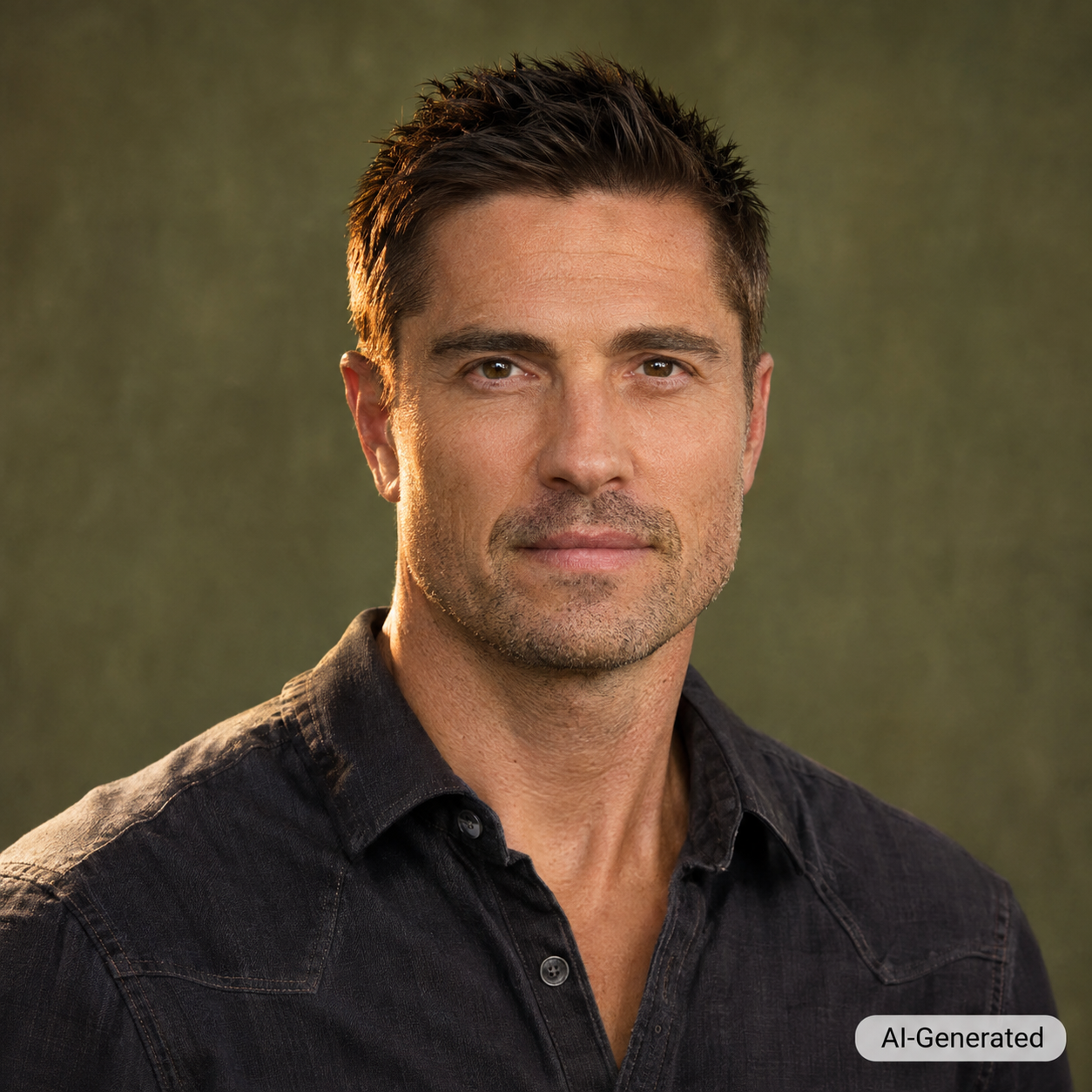
AI-Generated portrait of Nathan Fillion

What is Nathan Fillion’s religion, and is he a Christian? Fans of ABC’s The Rookie may ask because Nathan Fillion plays John Nolan, a character whose choices invite moral questions. The answer requires a distinction: a scripted role and a public biography tell us something about a career, but they do not reveal a private profession of faith.

Who is Nathan Fillion?

ABC identifies Fillion as an actor and executive producer from Edmonton, Alberta. He stars in and executive produces The Rookie. Before John Nolan, he played Richard Castle for eight seasons on Castle and Malcolm Reynolds in Firefly and Serenity. His credits also span film, voice acting, and games. That long career explains why many viewers first met him in a completely different fictional world.

John Nolan and the actor behind the role

John Nolan begins the series as a man making a major midlife change: he enters the Los Angeles Police Department as an unusually old rookie. His story raises questions about purpose, second chances, and courage after disappointment. Those themes can feel spiritual, but the screenplay supplies Nolan’s experiences. Fillion’s decision to portray him tells us about his work as an actor, not his beliefs about God.

What has Nathan Fillion said about faith?

We could not verify a direct public statement in which Nathan Fillion clearly professes faith in Jesus Christ and explains that conviction. Some sites assign religious labels based on fragments: a family background, a holiday greeting, a role in a faith-related production, or an unsourced biography. None of those can establish a person’s present beliefs. We should use the actor’s own words from a dependable source before saying more. A missing public statement is a reporting limit, not evidence that he rejects Christianity.

We should also avoid the opposite shortcut. Silence in a television interview does not prove that a person is an unbeliever. Actors are usually being asked about a series, a role, or a project rather than their spiritual lives. A public profile can describe the available record and acknowledge where it ends. It cannot read a heart. The question “Is this person saved?” ultimately reaches beyond what a stranger can establish from press coverage.

A biblical lens for viewers

A role about starting over can remind viewers that a career restart and spiritual rebirth are different. People can make brave decisions and still need the mercy of Christ. The show’s version of hope arrives through work, friendship, and perseverance; the gospel points to a Savior who does for sinners what they cannot do for themselves.

Christianity makes a particular claim about the human problem and God’s remedy. Romans 3:23 says all have sinned; no admirable career or popular performance removes that need. According to 1 Corinthians 15:3–4, Christ died for sins and was raised. Ephesians 2:8–9 then says salvation comes by grace through faith, not as wages for good works. A person can be generous, thoughtful, and loved by an audience without those traits telling us whether the person has placed faith in Jesus. That is why Famous Faith does not use a character’s virtue as proof of an actor’s salvation.

It is reasonable to let a compelling story raise deeper questions. Who can be trusted? What do people do with guilt, loss, or fear? Where does hope come from when effort is not enough? Those questions should take us to Scripture, not to assumptions about a performer. The Bible’s claims can be considered directly. A favorite television character may start a conversation, but the actor does not have to become a spiritual symbol for the conversation to matter.

The answer

On the reliable public material we could verify, Nathan Fillion’s personal religious beliefs are not clear enough to identify he as a Christian. We also cannot say that he is not one. What is established is he work as John Nolan on The Rookie and the professional background described by ABC. If Nathan Fillion gives a clear first-person account of faith, this profile can be updated with that statement and its source.

Photo note: The featured portrait is an AI-generated editorial illustration, not a photograph of Nathan Fillion.

Sources: ABC’s official Nathan Fillion cast biography. Scripture: Romans 3:23; Romans 5:8; 1 Corinthians 15:3–4; Ephesians 2:8–9.

What Is Eric Winter’s Religion? Is He a Christian?

AI-Generated portrait of Eric Winter

Eric Winter plays Tim Bradford on ABC’s The Rookie, a character whose stern manner and developing relationship with Lucy Chen have made him a favorite among viewers. The camera shows us a fictional officer’s loyalty, losses, and decisions. It does not show us the actor’s private convictions. So what, if anything, has Winter said about religion, and is there good reason to describe him as a Christian?

Eric Winter beyond Tim Bradford

ABC’s official cast biography identifies Winter as an actor and producer with work in television and film before The Rookie. His credits include The Mentalist, The Good Doctor, and The Ugly Truth. Those projects put him in very different stories from Tim Bradford’s police work. He also has a public career that includes interviews, entertainment appearances, and family life. None of that biographical material, by itself, defines his religious beliefs.

Tim Bradford is a strong presence on The Rookie. His discipline can seem severe, yet the series gives viewers reasons to see concern beneath it. He trains younger officers, faces emotional strain, and learns that strength includes trust. Fans are free to admire that arc. It would still be a mistake to transfer Tim’s choices, virtues, or moral failures to Winter. An actor gives a character a face and voice; the writers give that character a story.

Has Eric Winter publicly professed Christian faith?

We have not verified a clear first-person public profession from Winter explaining that he follows Jesus Christ or describing how he understands the gospel. Some entertainment pages attach religious labels to celebrities without linking to an interview or statement. A family background, an old role, a holiday message, or someone else’s description is not enough to settle a person’s present beliefs. We would need Winter’s own words from a dependable source before making a firmer claim.

This uncertainty should not be turned into a negative verdict. People differ in what they share publicly, and a lack of religious discussion in promotional interviews is not evidence of unbelief. It simply limits what a profile can responsibly report. We can say that Winter portrays Tim Bradford; we cannot state with confidence from the sources at hand whether he personally identifies as a Christian.

Strength, mercy, and the gospel

The appeal of Tim Bradford’s story may be his mixture of toughness and care. Viewers may see a disciplined man who still needs help, forgiveness, and honest relationships. Those are human themes that can lead to spiritual questions. The Christian gospel, however, is not a lesson that disciplined people earn God’s approval. Scripture says all have sinned and fall short of God’s glory (Romans 3:23). The strongest person in the room still needs grace.

Ephesians 2:8–9 describes salvation as a gift of grace received through faith, not something produced by effort or good works. The heart of that message is Jesus Christ’s death for sins and resurrection, as summarized in 1 Corinthians 15:3–4. Being brave, protective, or admired can be good, but those traits are no substitute for trusting Christ. This is why we do not infer anyone’s salvation from a role on a television series, from a polished public image, or from the kindness fans observe at a distance.

Christians also have reason to speak with humility here. Only God knows a person’s heart. A celebrity’s silence on faith does not license speculation, and a celebrity’s use of religious language does not automatically reveal a saving trust in Christ. The better practice is to quote what someone has actually said, recognize what is still unknown, and explain the gospel without pretending to know the private state of a stranger’s soul.

The answer

Eric Winter’s religion and personal relationship to Christianity are not established by a reliable public statement we could verify. We cannot responsibly say that the actor is a Christian, nor can we say he is not. The character of Tim Bradford gives viewers plenty to discuss about courage, trust, and change. For an answer about Winter’s faith, we would need Winter to speak clearly for himself. We will update this profile if a verifiable statement becomes available.

Photo note: The featured portrait is AI-generated editorial art, not a photograph of Eric Winter.

Source: ABC’s official Eric Winter cast biography. Scripture references: Romans 3:23; Ephesians 2:8–9; 1 Corinthians 15:3–4.

What Is Melissa O’Neil’s Religion? Is She a Christian?

AI-Generated portrait of Melissa O’Neil

Melissa O’Neil is familiar to millions of viewers as Lucy Chen on ABC’s The Rookie. Lucy’s courage, loyalty, and difficult choices invite questions about the woman who plays her. What is Melissa O’Neil’s religion? Has she publicly said she is a Christian? Those questions deserve a careful answer that separates a scripted character from the actor’s own convictions.

Who is Melissa O’Neil?

According to ABC’s official cast biography, O’Neil grew up in Calgary, Alberta, and won Canadian Idol at sixteen. Her career then moved across music, theater, and television. She performed on Broadway in Jesus Christ Superstar and Les Misérables, appeared in the science-fiction series Dark Matter, and joined The Rookie as Lucy Chen. It is a remarkably varied path: a televised singing competition, stage productions demanding live performance, and a long-running network drama.

That range helps explain why viewers connect with Lucy. On The Rookie, the character faces danger, professional pressure, and changing relationships within the Los Angeles Police Department. Fans may see moral courage or sacrificial friendship in those stories. The qualities we admire in a character, however, are written for that character. They do not tell us what O’Neil believes about God, Jesus, salvation, or the Bible.

Has Melissa O’Neil identified as a Christian?

We have not found a reliable, direct public statement in which O’Neil identifies herself as a Christian or explains a Christian testimony. That is a limit on what we can report, not proof that she does or does not believe. Her role in Jesus Christ Superstar also cannot answer the question. Actors can portray biblical figures, sing religious music, or work on faith-related productions without personally affirming the theology in the script. Conversely, a person may have private convictions and choose not to discuss them in interviews.

It is easy for celebrity profiles to turn a fragment of biography into a confident religious label. We do not want to do that. An unsourced claim about church membership, family background, or a social-media post would still leave the central question unanswered: what does she personally believe about Jesus Christ? Until O’Neil speaks clearly on that subject in a source we can verify, the honest answer is that her Christian faith has not been publicly established.

Why the distinction matters

Christian faith is more specific than a fondness for spiritual themes or a role in a religious musical. The New Testament says that salvation is God’s gift of grace received through faith, not a reward earned by good works (Ephesians 2:8–9). It centers on the death and resurrection of Jesus Christ (1 Corinthians 15:3–4). We cannot infer that confession from an actor’s kindness, popularity, charitable work, or fictional storylines. These may be meaningful things, but they are different questions.

The same caution works in the other direction. We cannot inspect someone’s heart or declare that a private person is outside God’s reach because an interview did not mention religion. Readers can appreciate O’Neil’s performances and still leave room for uncertainty about her personal beliefs. Respect for her privacy and accuracy in reporting belong together.

What viewers can take from Lucy Chen’s story

The Rookie often places Lucy under pressure to choose between fear and courage, self-protection and care for other people. Those scenes can open worthwhile conversations about conscience, sacrifice, and hope. Yet a television drama cannot provide the gospel, and Lucy’s decisions should never become evidence for O’Neil’s salvation. If the show prompts deeper questions, the better place to take them is Scripture itself.

The Bible presents every person as needing God’s mercy. Romans 3:23 says all have sinned; Romans 5:8 says Christ died for sinners. The good news is not that admirable people eventually become good enough. It is that Jesus saves those who trust him. That invitation applies equally to celebrities, viewers, and the people whose stories we watch on screen.

The answer

Melissa O’Neil’s religion is not clear from reliable public statements we could verify. We therefore cannot responsibly call her a Christian or claim that she is not one. What we can say is that she plays Lucy Chen on The Rookie and has built a career in music, theater, and television. If O’Neil later describes her faith publicly, this profile can be updated with her own words and an appropriate source.

Photo note: The featured portrait is AI-generated and is an editorial illustration, not a photograph of Melissa O’Neil.

Source: ABC’s official Melissa O’Neil cast biography. Scripture references: Ephesians 2:8–9; 1 Corinthians 15:3–4; Romans 3:23; Romans 5:8.

What Is Joe Dempsie’s Religion? Is He a Christian?

Joe Dempsie at a Paris event in 2018

Joe Dempsie played Gendry in Game of Thrones, giving the series a character whose practical skills and ordinary beginnings stood beside the ambitions of kings. Viewers who follow an actor beyond a familiar role often wonder about his real convictions. What is Joe Dempsie’s religion? Has he publicly said that he is a Christian?

What is publicly known about Joe Dempsie’s faith?

The public interview material reviewed for this profile does not establish a religious affiliation or a clear personal profession of Christian faith from Dempsie. His religion remains unconfirmed here. That is a limit on this article’s evidence, rather than a claim that he is atheist or indifferent to spiritual questions.

A British background, a role involving fictional gods, or a character’s attitude toward religion cannot answer the question on his behalf. An actor’s own words deserve priority over the assumptions a viewer brings to a performance. The same care applies to every person on Famous Faith: what is stated publicly can be described, while what is private should not be invented.

Why ordinary lives can carry serious questions

In a February 2025 Channel 4 interview about Get Millie Black, Dempsie described his appreciation for stories that address large themes through the lives of ordinary people. He valued complex characters and an authentic sense of place. His comments explain something about the work he finds compelling; they do not identify a religion.

That interest provides a useful starting point for a Christian reflection. Moral questions do not belong only to famous leaders or people facing spectacular choices. They are present in a promise kept, a colleague treated fairly, an inconvenient act of service, or a temptation resisted when nobody applauds. The ordinary scale of a life does not make its decisions meaningless before God.

Gendry and the dignity of useful work

As a blacksmith, Gendry contributes something more concrete than a family slogan. His skills matter in a world where many people seek status without attending to the work that sustains others. That fictional contrast can prompt viewers to notice the practical labor they overlook in their own communities: repairing, cleaning, caring, building, preparing, and maintaining.

Scripture gives work dignity because human beings are creatures with responsibilities in God’s world. Colossians 3:23 directs believers to work heartily for the Lord. It does not reserve faithfulness for prestigious occupations. A Christian can serve God in an ordinary job by telling the truth, refusing exploitation, and doing the task with care. Such work deserves appreciation even when it never produces public recognition.

A family name cannot settle a person’s worth

Gendry’s place in the story also invites questions about inherited identity. Westeros often treats family connections as the key to honor, power, and opportunity. Scripture challenges the idea that ancestry determines a person’s value before God. Each person bears his image; nobody needs a celebrated surname to deserve humane treatment.

Neither can spiritual life be inherited as a possession. Christian parents, church attendance, or membership in a respected community do not remove the need for personal faith in Christ. John 1:12–13 describes becoming God’s children through receiving Christ, rather than through human descent. Family history can shape our questions and opportunities, but it cannot do our trusting for us.

Good work does not purchase forgiveness

Appreciating honest labor must not become another way of ranking who deserves salvation. The Gospel begins with God’s holiness and our universal need. His Ten Commandments reveal our failures to love him and our neighbors. We have lied, coveted, hated, acted selfishly, and given created things the devotion that belongs to God. All of us have sinned and deserve judgment from a just Judge.

A strong work ethic cannot cancel guilt. Neither can charity, a moving performance, a difficult childhood, or the approval of a crowd. God provided the rescue we could not earn: Jesus Christ, the eternal divine Son, became truly human and lived without sin. He willingly died on the cross as the substitute for sinners, was buried, and rose bodily from the dead.

Jesus’ resurrection means Christian hope rests on his victory over sin and death. Salvation is a gift of grace received through faith, not wages for our achievements. Ephesians 2:8–9 makes that distinction explicit. You can acknowledge your sin before God and trust the finished work of Jesus, relying on his death and resurrection as the sufficient basis for forgiveness rather than trying to make your own record acceptable.

Good works then become a grateful response to grace. Ephesians 2:10 follows the announcement of salvation with a purpose for the life God gives. Christians are not freed from caring about their neighbors; they are freed from treating neighbors as opportunities to accumulate spiritual credit. Service becomes an expression of love rather than a price demanded for acceptance.

The answer remains careful

Joe Dempsie’s reviewed public words illuminate his interest in character and storytelling, while leaving his religious affiliation unconfirmed. Readers can appreciate his portrayal of Gendry and think biblically about work, status, and belonging without declaring what is in the actor’s heart. The question of faith also turns toward us: where are we placing our own confidence before God?


Source: Channel 4, Q&A with Joe Dempsie, February 25, 2025.

Photo: Joe Dempsie in Paris, 2018, by Estellecht, via Wikimedia Commons, CC BY-SA 4.0. Cropped version, resized.

What Is Charles Barkley’s Religion? Is He a Christian?

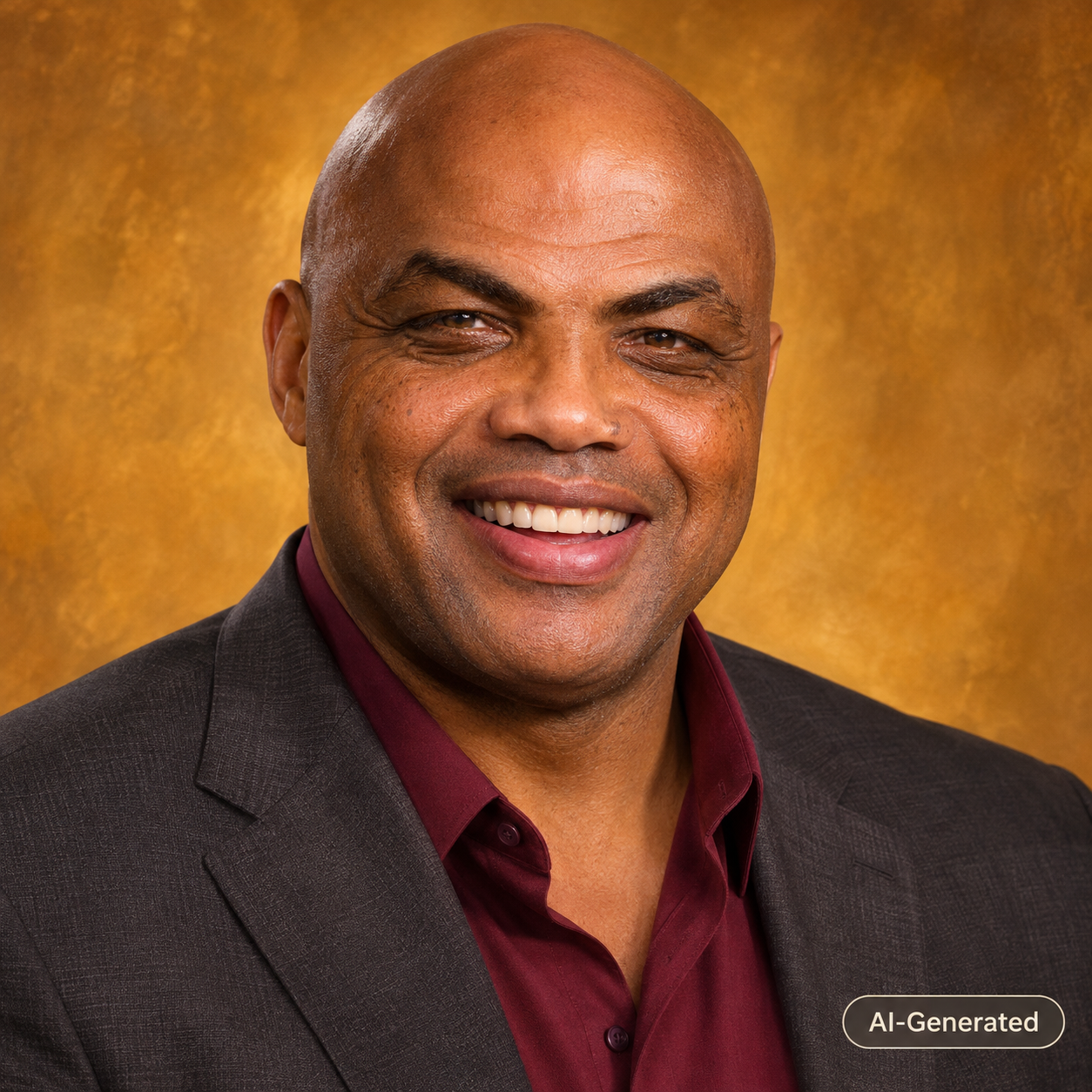
AI-Generated portrait of Charles Barkley

Charles Barkley has spoken about thanking God, but he has also publicly questioned Christianity. In a July 2015 interview with WBRC’s Rick Karle, he said he was not a Christian and was unsure how to describe his beliefs. That dated statement deserves to be heard alongside his expressions of gratitude to God.

It would therefore be misleading to give Barkley a confident Christian label simply because he mentions God. His public comments document both thankfulness and serious uncertainty. They do not establish a settled denomination or give us access to his private convictions today.

Gratitude alongside difficult questions

Barkley became a familiar name through professional basketball and later through sports broadcasting. His blunt way of speaking has also made questions outside basketball part of his public life. When he talks about religion, the same directness is evident.

At a South by Southwest discussion published by Sports Illustrated in April 2015, Barkley recalled thanking God during his playing years with Philadelphia. He said that people had objected to those remarks. While describing himself as far from a religious fanatic, he explained that he was grateful to God for his life.

His WBRC interview that July came during a painful period. His mother had recently died, and he spoke about the murder of nine people at a Charleston church. Asked whether he was a Christian, he answered negatively and expressed confusion about how God could allow such violence.

The context matters. This was a direct statement made amid grief and horror at a particular tragedy. It should neither be hidden nor treated as an unchanging declaration covering every later year. The honest answer is that Barkley has publicly expressed belief-related gratitude and doubt, with an explicit rejection of the Christian label in that 2015 interview.

Does the Bible make room for grief?

A Christian response should begin with compassion. The deaths of loved ones and the killing of worshipers are not occasions for clever slogans. Scripture contains lament, questions, and tears. In John 11, Jesus wept at the grave of His friend Lazarus. He did not treat human sorrow as an inconvenience.

The Bible also calls evil real. Christianity does not require saying that murder becomes good because God exists. God’s holiness means He opposes evil and will judge it. His promise of final justice gives moral seriousness to suffering rather than making the victims disappear into an argument.

That truth raises a personal question for all of us. We rightly condemn violence, but God also sees the wrongdoing we prefer to excuse. Have we lied, stolen, or coveted what another person has? Have we carried hateful anger or entertained lust? Jesus’ teaching reaches the heart, not merely the acts that become headlines.

This is not an accusation aimed at Barkley from a supposedly better position. The writer and reader also stand under God’s law. We are guilty before a holy and just God, and neither success nor a record of charitable deeds can remove that guilt.

Where Christian hope rests

The Christian answer centers on Jesus Christ, God’s divine Son who became human. He lived without sin and voluntarily died on the cross in our place, bearing the full penalty for our sins. He was buried and rose bodily from the dead. Christianity places its hope in that historical victory over sin and death.

Salvation and eternal life are God’s free gift by grace through faith in Jesus Christ. Religious attendance, improved behavior, and good works cannot buy forgiveness. Jesus’ finished work is sufficient; the sinner’s hope is to trust Him rather than offer a personal record as payment.

This good news does not require grieving people to pretend that every question is easy. It points them toward the Savior who entered human suffering and rose again. Barkley’s comments give a reason to discuss faith carefully, while the gospel invites every reader to consider Christ personally.

Sources

Rick Karle’s WBRC interview, July 8, 2015; Richard Deitsch’s Sports Illustrated account of his SXSW conversation with Barkley, April 2015. Bible passages: Exodus 20:13–17; Psalm 13; Matthew 5:21–28; John 11:33–35; Romans 3:23–26; 1 Corinthians 15:3–4; Ephesians 2:8–9.

Featured image: AI-generated portrait of Charles Barkley, created with OpenAI. It is not a photograph.

What Is Ms. Rachel’s Religion? Is She a Christian?

AI-Generated portrait of Rachel Accurso

Ms. Rachel, the children’s educator known to millions of families through YouTube, has publicly described herself as a Christian. She has spoken about loving Jesus, praying, and caring for other people. She has also celebrated Pride and expressed support for LGBTQ people, linking that support to her understanding of Jesus’ command to love our neighbors.

Those statements deserve a careful answer. Famous Faith believes every person should be treated with love and dignity. We also believe the Bible teaches that same-sex sexual acts are sin. Jesus died for gay and straight sinners alike, and salvation is God’s free gift through faith in Him. We cannot see Ms. Rachel’s heart, and the material reviewed here does not clearly establish what she believes about the basis of salvation.

Who is Ms. Rachel?

Rachel Griffin Accurso, known online as Ms. Rachel, creates educational videos for young children. Her songs, simple words, and playful teaching have made her familiar to many parents. She began making videos after seeking resources to help her son, who had a speech delay. Her husband, Aron Accurso, is also involved in creating the show.

Her videos reached families far beyond their original audience. A 2025 Glamour interview described how her work grew from videos made for children into a widely watched educational program. Her success also means that statements she makes outside the classroom can reach many parents.

What has Ms. Rachel said about faith?

In a 2025 Instagram message welcoming a range of people, including gay and transgender people, Accurso said she was Christian. A report on her post quotes her connecting that welcome to prayer and the example of Jesus.

In an interview with National Catholic Reporter, she spoke about coming to love Jesus and being drawn to His teaching about caring for neighbors and people in need. She also spoke about prayer. The interviewer reported that she was raised in a Unitarian tradition and said that she is not Catholic. A religious upbringing, however, does not by itself tell us everything someone believes today.

We should not add words to her testimony. In the material reviewed for this article, we did not find a clear explanation from Accurso of what she believes about Christ’s death and resurrection as the basis of salvation, or whether she trusts Him alone for eternal life. The interviewer’s own interpretation of a Bible passage should not be treated as her statement about salvation.

What has she said about Pride?

In 2024, Accurso posted a message celebrating Pride and expressing support for LGBTQ viewers. After receiving criticism, she spoke about her faith and the command to love her neighbor. E! News reported on her response and the criticism it followed. Her 2025 message again welcomed LGBTQ people and connected inclusion with her Christian identity.

These public statements show her support; they do not explain every detail of her personal theology about sexuality or salvation. We should describe what she said without inventing a fuller statement for her. We can also be clear that Famous Faith disagrees with celebrating behavior that we believe Scripture calls sin.

Love every neighbor and speak truth

Jesus commands us to love our neighbors (Matthew 22:37–40). That command has no exception for people who are gay, straight, transgender, or different from us in any other way. Every person is made in God’s image and deserves kindness, honesty, and respect. Mockery, bullying, and cruelty do not become acceptable because someone disagrees with another person’s choices.

Love also does not require us to call every action good. Famous Faith understands the Bible to teach that marriage is between a man and a woman and that sexual intimacy belongs within marriage (Genesis 2:24; Matthew 19:4–6). From that reading, we believe same-sex sexual acts are sin, as is sexual activity outside marriage between a man and a woman. Passages often considered in this discussion include Romans 1:26–27 and 1 Corinthians 6:9–11.

Christians differ in how they interpret these passages. We want to state our conviction plainly and represent other people fairly. Being attracted to someone and engaging in sexual conduct are not identical questions, and an LGBTQ label alone does not tell us the details of anyone’s life or relationship with God.

God’s standard applies to everyone

It is easy to point to someone else’s sin and overlook our own. Have we lied? Taken what was not ours? Coveted what belongs to another person? Jesus also taught that God’s concern reaches into our hearts, not merely the behavior other people see (Matthew 5:21–28).

Romans 3:23 says that all have sinned and fall short of God’s glory. That includes the writer, the reader, and every person we might discuss. God is holy and just, and our sin brings real guilt. No person’s kindness, religious activity, popularity, or moral record can erase that guilt or purchase eternal life.

Jesus died for gay and straight sinners

The good news is what God has done for people who cannot save themselves. Jesus Christ, the eternal Son of God, became human and lived without sin. He willingly died on the cross in the place of sinners, bearing the judgment we deserve. He was buried and rose bodily from the dead (1 Corinthians 15:3–4).

Jesus died for gay and straight sinners alike. Every one of us needs the same Savior, and no one earns His gift by becoming good enough first. Ephesians 2:8–9 says salvation is by grace through faith, not by works. Trust Jesus Christ and His finished work alone for forgiveness and eternal life. Good works may follow as a response to grace; they are not the payment for receiving it.

What can we conclude?

Accurso publicly identifies as Christian and has connected her support for LGBTQ people with her understanding of Jesus’ teaching. Famous Faith disagrees with celebrating same-sex sexual conduct, while insisting that all people must be treated with love and respect. We have not found enough public evidence to describe precisely what she believes about salvation, and we will not claim to know her heart.

The question before each of us is personal: Where are we placing our hope of forgiveness? The Bible points us to Jesus Christ and the grace He offers sinners.

Sources: National Catholic Reporter interview with Ms. Rachel; Glamour, 2025 interview; E! News, June 2024; LGBTQ Nation, December 2025.

Image: AI-generated editorial illustration of Ms. Rachel; not a photograph.

What Is Ralph Fiennes’s Religion? Is He a Christian?

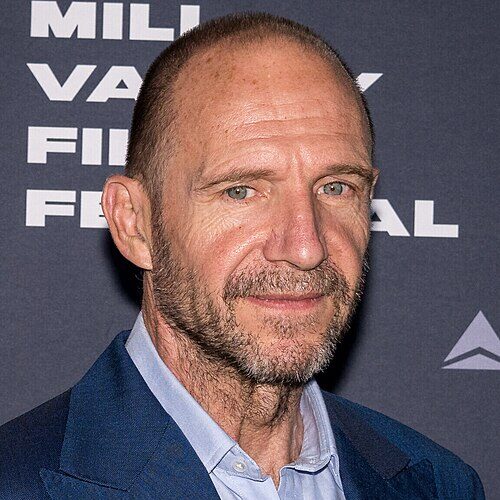
Portrait of Ralph Fiennes at the 2024 Mill Valley Film Festival

Ralph Fiennes was raised Catholic, but he has said that he is no longer a practicing Catholic. He has also described an ongoing curiosity about faith and about people who devote their lives to the church. His public account combines distance from childhood religion with a continuing interest in spiritual questions.

What Ralph Fiennes has said about religion

During a 2024 interview with Moviefone about Conclave, Fiennes explained that the role brought back memories of his Catholic upbringing. He recalled his mother taking him to First Communion and teaching him about Jesus. In the same answer, he clearly said he was no longer practicing Catholicism.

He gave further background in an NPR interview that October. His mother was a committed Catholic, and he attended a Catholic boys’ school in Ireland. Around age 13, he told her that he did not want to attend Mass and did not believe. He also said that interest in faith had stayed with him as an adult.

That is a more careful description than simply calling him either a devout Catholic or someone who has no interest in religion. Leaving a childhood practice and remaining curious about faith can both be true. The interviews reviewed here do not provide a full statement of his current beliefs about God.

Playing a cardinal is not a profession of faith

In Conclave, Fiennes plays Cardinal Lawrence, a man helping oversee the election of a new pope. The role involves prayer, church customs, doubt, and difficult choices. In a National Catholic Reporter interview, Fiennes discussed the need to portray religious rituals accurately and the interest he found in a priest struggling with prayer.

These comments show how seriously he approached the part. They do not turn his character’s words into his personal creed. Viewers should separate what Lawrence says in the film from what Fiennes says in an interview about his own life.

That distinction is especially useful with an actor whose work ranges so widely. Fiennes has played terrifying villains, troubled leaders, and people trying to act with courage. A convincing performance depends on understanding a character; it does not require sharing that character’s convictions.

A long career beyond one role

Many people know Fiennes from Schindler’s List and The English Patient. Others recognize him as Lord Voldemort in the Harry Potter films or as M in the James Bond series. His screen work often places him in stories about power, duty, fear, and moral choices.

His role as President Snow in The Hunger Games: Sunrise on the Reaping brings him into another story where power shapes human lives. Those stories can start useful conversations about right and wrong. Yet a fictional leader’s beliefs still tell us about the fiction, not the actor’s spiritual life.

Curiosity and doubt in light of Scripture

The Bible does not treat every question as a failure. The Psalms contain cries of confusion, sorrow, and longing. In Mark 9:24, a father honestly brings both faith and weakness to Jesus. Scripture gives readers room to ask for help rather than pretend to have no struggles.

At the same time, biblical faith has a definite object. It is trust in the God who has made himself known, especially through Jesus Christ. Hebrews 11:1 connects faith with confidence in what God promises. Curiosity may lead someone to investigate those promises, but curiosity alone is not the same as trusting them.

The Bible also distinguishes outward religion from the heart. In Matthew 15:8, Jesus warns about honoring God with words while remaining far from him inwardly. A religious title, family tradition, or careful performance of a custom cannot replace personal faith.

That teaching is for all of us, not a verdict about Fiennes’s private heart. It asks the churchgoer as well as the skeptic to consider what they truly trust. Respectful research should state the public evidence and leave claims about a person’s inner life where they belong—with God.

The Christian message of grace

Christianity makes a stronger claim than saying that religion can be interesting or helpful. It says that God made us, that he is holy, and that our sin has broken our relationship with him. We have all failed to love God and our neighbors as we should. Sin brings real guilt and God’s just judgment.

The gospel announces what God has done about that problem. Jesus Christ, God’s Son, became man and lived without sin. He willingly died on the cross for sinners, taking the judgment they deserve. He was buried and rose bodily from the dead. His resurrection shows that the Christian message rests on more than a moral example or a feeling of hope.

We cannot earn forgiveness through religious activity, impressive work, or public respect. God saves by grace through faith in Christ (Ephesians 2:8–9). He calls us to repent of sin and trust Jesus as Lord and Savior. A changed life follows that grace; it does not buy it.

For the reader who shares an interest in spiritual questions, the Gospels are worth examining directly. Read what Jesus says about himself, his death, and his resurrection. Christianity invites an honest search, and it calls for a personal response to the Savior at the center of its message.

Sources

Photo: Steve Disenhof, Wikimedia Commons, CC BY-SA 4.0. Cropped by TDKR Chicago 101 and further cropped for framing; displayed at reduced size.

What Is Jane Williamson’s Religion? Is She a Christian?

AI-Generated portrait of Jane Williamson

Jane Williamson, the creator known as “THE Utah Mom,” has made millions laugh by playing an exaggerated version of a social-media mom. But what is her religion? Some online biographies describe her as a member of the Church of Jesus Christ of Latter-day Saints, while others do not confirm her affiliation. The material reviewed for this article did not include a clear, direct statement from Williamson establishing her current beliefs.

That distinction matters. Her Utah-based comedy may draw on familiar local culture, but a character and a location cannot tell us what their creator personally believes about God or salvation.

Who is the Utah Mom?

Williamson’s short videos poke fun at the pressures and habits people associate with the “Utah mom” stereotype. Her characters navigate seasonal decorating, favorite drinks, social expectations, and competitive friendships with an energy that makes ordinary situations ridiculous. Many viewers recognize the joke even if they have never lived in Utah.

In a November 2022 Studio 5 interview, Williamson discussed the creation of her character and the fictional name “Chickenleigh.” The show described her work as playful humor about local stereotypes. The exaggerated character is a performance; it is not a statement of doctrine or a full account of Williamson’s life.

In a September 2026 conversation on Weekly Trash, she described growing up in New Jersey and moving with her family before living in the West. She also talked about humor in a large family and how she had made her distinctive laugh more exaggerated in her videos. Those details help explain the person behind the sketches without turning her comedy into a confession of faith.

Is Jane Williamson Mormon?

The question is understandable because her work often plays with Utah culture. A creator profile describes her as a member of the Latter-day Saint church, but it does not link that claim to a clear statement from Williamson. Another online discussion says it could not confirm her current affiliation. Those accounts are not enough for us to settle the question.

Williamson has spoken publicly about her family and her character, and the Weekly Trash episode description mentions an “almost mission.” The available material does not explain enough for us to state her present church membership or personal understanding of salvation with confidence. Attending a religious school, having religious relatives, or making jokes about a community would not settle those questions either.

So, is she a Christian? We cannot responsibly give a definite answer from the public evidence reviewed here. That is not a claim that she has no faith. It is a recognition that we should let her own clear statements, if she chooses to make them, define her beliefs.

Why a religious label needs careful explanation

Questions about Utah sometimes lead readers to ask how Latter-day Saint teaching compares with the gospel presented on Famous Faith. Whether or not Williamson identifies with that church, it is fair to compare published teachings without assigning them to her personally.

The Church of Jesus Christ of Latter-day Saints teaches the importance of Jesus Christ’s atonement. Its third article of faith also connects salvation with obedience to the laws and ordinances of its gospel. Famous Faith believes salvation is God’s free gift, received by grace through faith in Jesus Christ alone, apart from works or religious ordinances. Those are meaningful differences, and individuals deserve to be heard rather than judged solely by a label.

Beyond the perfect image

Williamson’s comedy often works because people recognize the pressure to look as if everything is under control. A carefully arranged home, the right clothes, and a cheerful family photo can become a way to measure ourselves against someone else. Social media makes those comparisons especially easy.

The Bible reminds us that God sees beyond outward appearances. First Samuel 16:7 says people look at what is outward, but the Lord looks at the heart. That is not an invitation to guess what is in Williamson’s heart. It is a reason to examine our own lives honestly and remember that our worth before God is not established by a polished image.

God’s law and our need for mercy

God’s commands give us a more searching standard than the approval of an audience. Have we lied to make ourselves look better? Taken something that was not ours? Coveted another person’s possessions or life? Jesus taught that even the thoughts and motives of our hearts matter to God (Matthew 5:21–28).

These questions apply to the writer and every reader. Romans 3:23 says all have sinned and fall short of God’s glory. God is holy and just, so our sin brings real guilt. We cannot cancel that guilt with a good reputation, religious activity, or an improved routine. We need a Savior.

The gospel is God’s gift

Jesus Christ, the Son of God, became human and lived a sinless life. He willingly died in our place, paying the full penalty for our sins. He was buried and rose bodily from the dead (1 Corinthians 15:3–4). His finished work is sufficient for sinners who cannot rescue themselves.

Ephesians 2:8–9 teaches that salvation is by grace through faith, not earned by works. Baptism, religious ordinances, and good deeds cannot purchase forgiveness or eternal life. Good works may follow as a response to grace; they are not the price of receiving it. If you recognize your need for mercy, trust Jesus Christ and His finished work alone as your Savior.

We can enjoy a funny video and still remember that no online persona tells the whole story of a person’s life. The more personal question for each of us is where we place our own hope.

Sources: Studio 5, November 23, 2022; Weekly Trash, September 8, 2026; Nfluence creator profile; Mormonread, April 2026; Church of Jesus Christ of Latter-day Saints, Article of Faith 3.

Image: AI-generated illustration based on an image of Jane Williamson shown in a supplied screenshot of her Instagram profile; not a photograph.