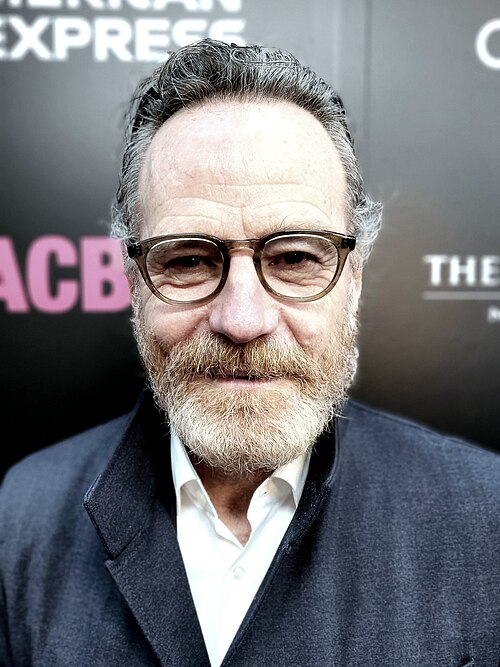
Bryan Cranston is widely known as Walter White in Breaking Bad. His character’s pride and moral collapse raise serious spiritual questions, but Walter’s choices do not tell us Cranston’s religion. Cranston’s own interviews describe a Catholic background and a later distinction between belief in God and organized religion. Those comments deserve to be read together, with their dates and context intact.
What has Bryan Cranston said about his beliefs?
In a 2011 interview published by Malcolm France, Cranston identified himself as Catholic. He also recalled being uncomfortable and bored at childhood Mass and said that a church he joined would need to welcome people across backgrounds. That is an earlier self-description, not a complete statement of everything he believes today.
In his 2024 conversation with Rainn Wilson on Soul Boom, Cranston spoke about beauty and the natural world as reasons to believe there is a God. He also said, “I am not a religious person.” He criticized the use of religion for power and superiority. Taken together, these remarks support describing his public outlook as belief in God alongside reservations about organized religion. They do not establish a specific present-day church commitment or a clear profession of the Christian gospel.
Believing in God and knowing God
The Bible also points to creation as a witness to its Maker. Psalm 19:1 says the heavens declare God’s glory, and Romans 1:20 teaches that His power is displayed through what He made. Beauty can stir gratitude and serious questions. Christian faith, however, goes further than recognizing that a Creator exists. It asks who God is, what has gone wrong between Him and us, and how we can be reconciled to Him.
Scripture also condemns religious hypocrisy. Jesus rebuked outward honor that concealed a heart far from God (Mark 7:6–8). Greed and the desire to control others are not made holy by religious language. At the same time, abuses of religion do not settle whether Jesus rose from the dead or whether His promises are true. Those questions deserve attention in their own right.
A welcoming message with a definite claim
Christians should treat every person with dignity because all people bear God’s image (Genesis 1:27). Welcoming a neighbor does not require pretending every belief is identical. Jesus welcomed sinners and called them to repentance. He also made the specific claim that He is the way to the Father (John 14:6). Biblical love combines humility toward people with honesty about that claim.
We should therefore avoid turning Cranston’s Catholic upbringing, appreciation of beauty, or criticism of institutions into a verdict about his soul. His own words give us a limited public picture. They can prompt us to examine whether our faith rests merely on a general idea of God or on Jesus Christ and His finished work.
A personal question for the reader
There is nothing wrong with being interested in Bryan Cranston’s faith. Learning what another person actually believes can lead to thoughtful, respectful conversations. But our first concern should be our own standing before God and where we will spend eternity. A celebrity’s confidence, uncertainty, religious background, or kindness cannot answer that question for us.
The gospel: forgiveness through Jesus Christ
The Bible says God created us and is perfectly holy. All of us have sinned against Him in our thoughts, words, and actions (Romans 3:23). We cannot erase that guilt by being more successful, joining a religious group, or doing enough good things. Sin deserves judgment, and its wages are death (Romans 6:23).
God loved sinners enough to send His Son. Jesus Christ, fully God and fully man, lived a sinless life, died on the cross for our sins, and rose bodily from the dead. His death and resurrection are the heart of the gospel (1 Corinthians 15:3–4). He alone can reconcile us to God.
Salvation is a gift of grace received through faith, not a reward for our works (Ephesians 2:8–9). Jesus calls us to repent and believe—to turn from sin and self-rule and trust Him as Savior and Lord (Mark 1:15). You can speak honestly to God today, confess your sin, and ask for His mercy through Christ. A prayer is not a magic formula; the hope is Jesus Himself. Read the Gospel of John and find a church that faithfully teaches Scripture as you consider and respond to His invitation.
Image: Philip Romano, Wikimedia Commons. Attribution-Share Alike 4.0 International. Cropped and/or resized for display.
