The King of Queens Cast: Religion, Faith, and What the Bible Says

AI-generated painted title card for The King of Queens cast and faith guide, labeled AI-Generated.

The King of Queens makes a familiar promise: spend a little time with this household, and an ordinary problem will become a very funny mess. Doug wants comfort, Carrie wants a straight answer, and Arthur rarely wants to remain quietly in the background. Friends arrive with advice that may help or may make everything worse. Under the jokes are questions about truth, patience, marriage, and the way we treat people close to us.

This guide connects nine cast profiles with those biblical questions. It also separates two subjects that can easily become confused. What an actor has said about faith is one question. What a fictional character can teach us about our own conduct is another. A script cannot tell us what its performer believes about God.

Who played the familiar faces in Queens?

Kevin James played Doug Heffernan, and Leah Remini played Carrie Heffernan. Jerry Stiller, who died in 2020, played Carrie’s father, Arthur Spooner. Victor Williams played Deacon Palmer, while Merrin Dungey played his wife, Kelly. Patton Oswalt played Spence Olchin, Gary Valentine played Danny Heffernan, Nicole Sullivan played Holly Shumpert, and Larry Romano played Richie Iannucci.

Those roles gave the show a circle of marriages, friendships, family duties, and competing plans. The people who performed them had separate lives and different public stories. The profiles below follow the evidence available for each person, including a clear statement when a present religious affiliation cannot be confirmed.

What do the cast members’ public statements establish?

Kevin James has openly described himself as Catholic Christian. Leah Remini has discussed leaving Scientology, her Catholic childhood, and her belief in God, without supplying a full statement of Christian doctrine in the interview cited here. Stiller’s Jewish background was a visible part of his life and comedy. Oswalt publicly identified as an atheist in a dated interview.

For Williams, Valentine, Sullivan, Romano, and Dungey, the sources reviewed do not establish a definite present religious affiliation. That is a limit of the evidence, not proof that any of them lacks faith. It would be unfair to assign a religion from a surname, a relative, a charitable act, or a role. Each linked profile explains its sources and the boundary between a fact and an assumption.

Which cast profile would you like to read?

What happens when comfort becomes king?

Doug’s desire for an easy day supplies a useful starting point for self-examination. Comfort is a good gift, but it becomes a problem when another person’s needs feel like an offense simply because they interrupt our plans. A small excuse can grow into a larger lie when protecting convenience matters more than telling the truth.

Philippians 2:3-4 calls Christians to consider other people’s interests. That does not mean rest is wrong or every request must receive a yes. It means love should shape the answer. We can set a reasonable boundary honestly instead of building a story that makes us look better. The question is how we respond when loving someone costs us something.

  • Tell the truth about your plans.
  • Share work without keeping a score.
  • Listen before defending your comfort.
  • Admit a mistake while it is small.

These are applications for viewers. They are not accusations against James or any other performer. Comedy can reveal a temptation by making it larger than life. Scripture asks us to notice the quieter version that appears in our own kitchens and conversations.

Can a sharp reply repair a marriage?

Doug and Carrie’s exchanges often turn on who can land the next line. A joke may succeed because an argument feels familiar. Yet winning a verbal contest and caring for a spouse are different goals. We can make a true observation in a way that humiliates someone, or use humor to avoid admitting that we are hurt.

Proverbs 15:1 commends a gentle answer. Ephesians 4:29 asks whether our words help the listener. Biblical gentleness does not forbid a serious disagreement, and forgiveness does not require hiding harm. It calls us to speak honestly without making cruelty our method. A marriage needs more than two people who can prove a point. It needs people willing to hear a concern and take responsibility.

What do Arthur and Holly reveal about dignity?

Arthur’s place in the Heffernan home raises questions about patience with an older relative. Holly’s work raises questions about how a household treats someone who provides help. The show’s comic situations can send viewers back to a serious issue: do we see a person, or merely an interruption, obligation, or service?

The Bible gives older people and working people dignity that does not depend on how convenient they are. First Timothy 5 discusses responsibility toward family. James 2 warns against valuing people according to visible status. Care can require planning, outside help, and healthy limits. It should still begin with the conviction that a neighbor matters more than the task we want completed.

What makes a friend more than an accomplice?

Deacon, Spence, Danny, and Richie give Doug a wider world than his own living room. Friendship brings laughter and loyalty, but it can also become a way to avoid correction. We may call someone supportive when what we really mean is that the person always agrees with us.

Proverbs 27:6 recognizes the value of honest correction from a friend. Ephesians 4:15 connects truth with love. A faithful friend can listen with compassion and still say that a dishonest plan is wrong. The same standard applies when we are the one being corrected. Humility means receiving the help we would like to believe we no longer need.

Does identifying a fault make us right with God?

It is easy to finish an episode thinking that another person needs to change. Scripture turns the examination toward all of us. Romans 3:23 says everyone has sinned and falls short of God’s glory. We have lied, acted from pride, envied a neighbor, and failed to love. Recognizing those failures is a beginning, but recognition cannot erase guilt.

Religious labels cannot do that work either. Belonging to a church, admiring a Christian actor, having Jewish or Catholic roots, or being known as a good friend does not give us a perfect record before God. We need forgiveness that rests on something stronger than our next promise to improve.

What is the gospel’s hope for an imperfect household?

Jesus Christ, the eternal Son of God, became human and lived without sin. He willingly died on the cross for sinners, bearing the judgment we deserve. He was buried and rose bodily from the dead. First Corinthians 15:3-4 places His death and resurrection at the center of the good news. Christianity offers more than a useful lesson about getting along.

Ephesians 2:8-9 teaches that salvation is God’s gift, received through faith rather than earned through works. Jesus calls us to repent and believe, turning from sin and trusting His finished work for forgiveness and eternal life. Good works follow as a response to grace. They do not become the payment that makes God accept us.

No article can announce the hidden condition of a cast member’s heart or declare an individual’s eternal destination. We can report public statements accurately, disagree with care, and point readers to Christ. After the laughter, the most useful question is personal: what am I trusting to make me right with God?

Sources and image credit

Featured image: AI-generated painted editorial title card created for Famous Faith. This is an illustration, not official show artwork. No endorsement is implied.


What Is Merrin Dungey’s Religion? Is She a Christian?

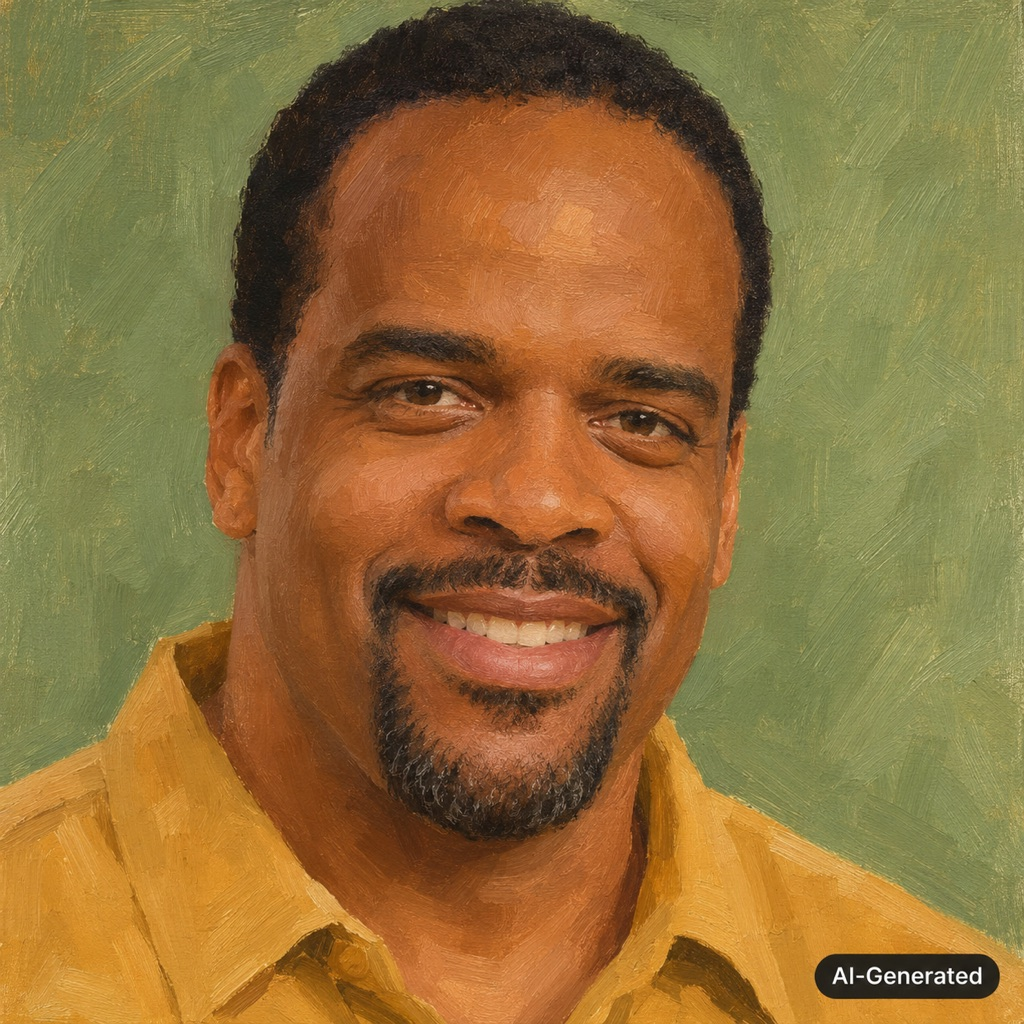
AI-Generated portrait of Merrin Dungey

Merrin Dungey’s current religious affiliation is not clearly established in the interviews reviewed for this profile. We have not found enough verified evidence in those sources to identify her as a practicing Christian or give her another definite religious label. Her television work does not answer that private question for her.

King of Queens viewers recognize Dungey as Kelly Palmer, Deacon’s wife. Audiences of other series may associate her with a best friend, an investigator, a hospital executive, or a villain. That range makes an important point: a performer’s skill at showing different personalities should make us more careful about treating any one character as a window into her beliefs.

What has Merrin Dungey shared about her life?

In a 2016 Sactown Magazine interview, Dungey described growing up in the Sacramento area, enjoying performance, and finding acting opportunities while studying at UCLA. She discussed piano, ballet, and early television experience. The conversation offers a lively account of how a creative interest became a profession.

She also reflected on discovering more about her identity as a Black woman as she entered college and began auditioning. That is her own account of personal development. It should be treated with the same care as any other part of a person’s story, without turning it into a claim about religion that she did not make.

In a 2018 Assignment X interview, Dungey discussed portraying morally complicated people on television. She recognized the difference between the responsibilities a character thinks she has and the way an audience may judge her. Neither interview supplies a clear profession of Christian faith or a complete statement about God.

Does playing Kelly Palmer establish anything religious?

Kelly’s place in The King of Queens brings another marriage and another family into the story. The role can prompt questions about trust, communication, and the limits of what friends know about one another. Those are questions about the series. They are not proof of Dungey’s beliefs or evidence about her own relationships.

A character’s name, family, or decisions cannot be used as a substitute for an actress’s testimony. The same caution applies to playing a frightening villain or a compassionate helper. Acting asks people to portray lives they do not necessarily share. A good performance makes that boundary easy to forget, which is precisely why a faith profile must remember it.

What does the Bible say about judging appearances?

First Samuel 16:7 contrasts the way people focus on outward appearance with God’s knowledge of the heart. The passage should make us humble. We see a small part of another person’s life, and a screen performance gives us an even more carefully selected part.

James 2 warns Christians against giving people different treatment because of visible status. The warning reaches beyond a church meeting. We can favor someone who seems impressive, dismiss someone who does not fit our expectations, or assume a person’s entire outlook from a group identity. Scripture challenges those habits rather than blessing them.

  • Ask what a person has actually said.
  • Resist reducing someone to a single role.
  • Give unfamiliar people a fair hearing.
  • Examine your own quick assumptions.

These choices help us speak more truthfully and listen more patiently. They also remind us that an unanswered question is sometimes the most accurate result of research. We are not owed a detailed confession from every public figure whose work we enjoy.

Can understanding a character excuse wrongdoing?

Trying to understand someone’s motives does not mean every action is right. Dungey’s discussion of complicated roles provides a useful starting point for that distinction. In ordinary life, a person may offer a reason for a harsh decision while still needing to acknowledge the harm it caused.

The Bible takes both truth and mercy seriously. Micah 6:8 joins justice, kindness, and humility before God. We should not ignore wrongdoing because we find a person sympathetic, nor refuse compassion because we believe an action was wrong. Holding those responsibilities together is harder than choosing an easy hero and villain.

What does Christian faith offer imperfect people?

The Christian message begins with a problem shared by everyone. Romans 3:23 says all have sinned and fall short of God’s glory. We are not merely misunderstood characters who need a better explanation. We have failed to love God and our neighbors through our actions, words, and desires.

Jesus Christ lived without sin and willingly died on the cross for sinners, bearing the judgment we deserve. He was buried and rose bodily from the dead. Through Him, God offers forgiveness and reconciliation. Ephesians 2:8–9 teaches that salvation is a gift received through faith rather than a reward for good works.

Jesus calls us to turn from sin and trust His finished work. We can come honestly, without pretending our motives have always been pure. His grace gives hope to people whose lives are more complicated than a simple label.

Dungey’s interviews establish parts of her public story, while her present religious beliefs remain unconfirmed here. We can appreciate her performances without inventing a faith for her. The deeper invitation is to consider the biblical Jesus ourselves and ask whether we are willing to receive the mercy He offers.

Explore the King of Queens cast and faith guide.

Sources and image credit

Featured image: AI-generated painted editorial portrait of Merrin Dungey, created for Famous Faith. This is an illustration, not a photograph or an official publicity image. No endorsement is implied.

What Is Larry Romano’s Religion? Is He a Christian?

AI-Generated portrait of Larry Romano

Larry Romano’s present religious beliefs are not clearly established in the official career material and other sources reviewed for this profile. There is not enough verified evidence here to call him a practicing Christian or assign another definite faith. An Italian surname, a New York background, or a familiar television role cannot supply that answer.

Romano played Richie Iannucci in the early seasons of The King of Queens. The character belongs to the world of Doug Heffernan’s friends, while the actor’s work extends into film, theater, writing, and directing. A profile about his religion should begin by separating that real career from the assumptions a viewer may bring to a character.

What does Larry Romano’s public work establish?

Romano’s official website highlights his film Saturday in the Park and identifies it as a directing project based on his earlier stage work. His professional biography also lists acting credits including Donnie Brasco and The Thin Red Line. Those are useful facts about a creative life, rather than a religious testimony.

An Encyclopedia.com career entry identifies his King of Queens role as Richie and records work in music and theater. Together, the sources describe a performer whose interests go beyond the part many television viewers remember. They do not provide a clear current confession about God, Jesus, or salvation.

It is fair to report what these sources establish and stop where they stop. Not finding an answer in a career biography is not proof that a person lacks faith. It is a reminder that a professional page may have a limited purpose and that public curiosity does not give us access to every private belief.

Why can a familiar name create a false shortcut?

People often attach expectations to a surname or a place. They may assume someone must belong to the religion common in a family or neighborhood. Sometimes that guess happens to be correct, but it is still a guess. A reliable profile needs evidence that actually concerns the person being described.

The same rule applies to a role. Playing a police officer, a soldier, or a friend in a sitcom does not establish an actor’s moral or religious convictions. Actors interpret scripts. A reader should not confuse an effective performance with a personal confession, even when the character feels especially natural.

What does the Bible say about careful judgment?

Proverbs 18:13 warns against answering before listening. That wisdom applies to a conversation at home and to a claim about someone we have never met. A confident sentence can travel faster than the evidence behind it, especially when it confirms what an audience already expects.

The command against bearing false witness also reaches careless speech. We do not have to invent an elaborate accusation to misrepresent a neighbor. Repeating an unsupported label can create a false impression. Christians should value truth even when a less certain answer makes an article less dramatic.

  • Look for the original statement behind a claim.
  • Distinguish a fact from an assumption.
  • Correct an error when better evidence appears.
  • Allow a private question to remain unanswered.

These principles are not special favors for actors. They are part of loving a neighbor. The person being described may never read the article, but God still cares about whether our words are honest. Accuracy is a moral responsibility as well as a writing skill.

Where does a person’s identity finally rest?

Work can become a large part of how we describe ourselves. A performer may be remembered for one role while continuing to create very different projects. Outside entertainment, the same pressure appears when someone becomes known mainly as a parent, an employee, or the person who once made a mistake.

The Bible gives a deeper starting point: human beings are made in God’s image. That dignity does not depend on a successful career or a public reputation. It also comes with moral responsibility. Our value is not erased by failure, and our failures are not erased by success.

Romans 3:23 says all have sinned. We have lied, envied, acted selfishly, or refused to love as we should. A better story about ourselves cannot undo those wrongs. Neither can a familiar religious identity make us innocent before a holy God.

What hope does the gospel offer beyond reputation?

Jesus Christ, the Son of God, lived without sin and died on the cross for sinners. He bore the judgment we deserve, was buried, and rose bodily from the dead. The Christian message is about His finished work rather than our ability to produce an impressive personal history.

Ephesians 2:8–9 teaches that salvation comes by grace through faith, not by works. Jesus calls people to turn from sin and rely on Him for forgiveness and eternal life. We do not have to make ourselves worthy before seeking His mercy. Good works follow as a response to the gift.

Romano’s work can be described from the public sources available. His current religion requires more restraint. For the reader, that limit can be useful: it shifts attention from guessing about another person to considering our own beliefs. What do we think is true about Jesus, and what are we trusting to make us right with God?

Explore the King of Queens cast and faith guide.

Sources and image credit

Featured image: AI-generated painted editorial portrait of Larry Romano, created for Famous Faith. This is an illustration, not a photograph or an official publicity image. No endorsement is implied.

What Is Nicole Sullivan’s Religion? Is She a Christian?

AI-Generated portrait of Nicole Sullivan

Nicole Sullivan’s current religious affiliation is not clearly established in the interviews and studio material reviewed for this profile. We have not found a clear public profession of Christian faith in those sources. That leaves the question open; it does not prove that she has no religion or invite a writer to guess from her name or upbringing.

King of Queens fans know Sullivan as Holly Shumpert, whose work brings her into the Heffernans’ unusual household. Other viewers recognize her sketch comedy or voice acting. A performer can make a character feel familiar while keeping important parts of her own life private. Religious belief is one area where that distinction matters.

What has Nicole Sullivan shared publicly?

In a 2010 Smashing Interviews conversation, Sullivan spoke about comedy, early theater work, and her experience with The King of Queens. She described meeting her husband while working on the show and remembered Jerry Stiller as generous and encouraging. The interview offers a personal view of professional life, not a statement of religious doctrine.

She also discussed support for Alley Cat Allies and the work people do to help vulnerable animals. Those comments show an interest in a practical cause. They should be reported for what they are, without turning a charitable concern into evidence that she belongs to a particular faith.

CBS’s archived biography also records her theater background and work on MADtv. These sources help explain the career behind Holly. They do not establish where Sullivan worships, whether she prays, or what she believes about Christ. An honest profile can appreciate the work while leaving those questions unresolved.

Why should kindness and religion remain separate questions?

A kind act is valuable whether or not the person performing it gives a religious explanation. Christians should be able to recognize generosity in a neighbor who believes differently. Assigning a Christian label whenever someone does something admirable misrepresents both the person and the meaning of Christian faith.

The reverse mistake is also possible. A fictional character who makes a poor choice does not prove that the actress shares that character’s morals. Holly is a written part, and Sullivan has played many other parts. A comedy performance should not become a shortcut for judging a real person’s conscience.

What does Holly’s place in the household reveal?

In the episode “Walk, Man,” Doug hires Holly to walk Arthur while giving Arthur a different explanation for her visits. CBS’s original episode description makes the comic misunderstanding clear. The situation raises a useful question for the viewer: are we treating another person as a neighbor, or mainly as a convenient way to solve our own problem?

The Bible’s command to love our neighbors reaches ordinary working relationships. A person who helps with a task has dignity beyond the service provided. James 2 warns against treating people as more or less important because of their status. Philippians 2:4 asks us to consider another person’s interests alongside our own.

  • Learn the name of someone serving you.
  • Be truthful about what you are requesting.
  • Give credit rather than taking kindness for granted.
  • Notice when a helpful person needs help.

These habits are small enough to practice today. They are also difficult when comfort has become our main concern. A comedy can make selfishness look absurd, but recognizing the joke does not automatically change our conduct. We still have to choose to love a real person.

Does caring for others earn forgiveness?

Good works matter. The Bible encourages generosity, mercy, and care for people who are overlooked. It also says those works cannot erase guilt or purchase a place with God. A generous person can still be dishonest, proud, or unwilling to forgive. The moral standard applies to every part of life.

Romans 3:23 says everyone has sinned. That includes the reader and the writer, so a celebrity profile should never become a way to feel superior. The question is not whether we have ever done something kind. It is whether we can make ourselves righteous before a holy God. Scripture says we need a Savior.

What good news does Jesus offer?

Jesus Christ lived without sin and willingly died on the cross for sinners, bearing the judgment we deserve. He was buried and rose bodily from the dead. Through Him, forgiveness and eternal life are offered as a gift. Ephesians 2:8–9 teaches that salvation is by grace through faith, apart from works.

Jesus calls us to turn from sin and trust Him. Kindness then becomes a response to mercy rather than an attempt to pay for it. Christians should help neighbors because they are loved by God, not because each good deed adds another point to a spiritual scorecard.

Sullivan’s interviews give readers reason to appreciate her craft and the warmth of some of her working relationships. They do not establish a definite religious affiliation. We can respect that limit and still allow a familiar character to prompt a worthwhile question: do we see the people around us clearly enough to love them well?

Explore the King of Queens cast and faith guide.

Sources and image credit

Featured image: AI-generated painted editorial portrait of Nicole Sullivan, created for Famous Faith. This is an illustration, not a photograph or an official publicity image. No endorsement is implied.

What Is Gary Valentine’s Religion? Is He a Christian?

AI-Generated portrait of Gary Valentine

Gary Valentine’s present religious beliefs are not clearly established in the professional material reviewed for this profile. There is not enough verified evidence here to describe him as a practicing Christian or assign a definite religious label. A familiar surname, a family connection, or an entertainment biography should not replace a clear statement from the actor himself.

Valentine is familiar to King of Queens viewers as Danny Heffernan. Danny’s place among Doug’s friends gives the comedy another personality, another opinion, and another chance for an ordinary plan to go sideways. The actor behind that role has a separate life, and a responsible faith profile should keep those two stories distinct.

What do reliable career sources establish?

CBS’s archived cast biography identifies Valentine as Danny and describes his background in stand-up comedy. It records years spent performing in clubs and festivals before television became a larger part of his work. The same biography lists appearances on late-night television and a Comedy Central special.

Those details establish a professional path. They show an actor and comedian who developed a skill through repeated performance. They do not explain his present beliefs about Jesus, prayer, church, or salvation. A studio biography usually has a different purpose from a religious testimony, and readers should not expect it to answer a question it never asks.

The public material cited here supports the career information above. It does not support turning a guess about private faith into a confident headline answer. The honest answer is limited: his current religious affiliation remains unconfirmed in the evidence reviewed.

Can someone else’s faith tell us his beliefs?

It is tempting to reason from a family or social connection. If one person speaks about church, perhaps a relative must believe the same things. That shortcut can produce a neat sentence, but it is unreliable. People from the same household can develop different convictions, and adults do not speak for every member of their family.

The same caution applies to public friendships. Sharing a stage with a Christian, appearing in a film with a religious theme, or enjoying a holiday does not amount to a profession of faith. A fair description follows the evidence to its limit and stops there. It should not quietly turn association into belief.

What does the Bible say about borrowed faith?

The Bible values the teaching that happens in a family. Deuteronomy 6 describes parents speaking about God’s commands during ordinary life. Second Timothy 1 recognizes the faith Paul saw in Timothy’s mother and grandmother. A family can pass on instruction, love, and a powerful example.

Yet those gifts do not make trust in God automatic. A person must respond to the truth rather than rely on another person’s reputation. John 1:12–13 describes receiving Christ and becoming God’s children, while distinguishing that new life from ancestry or human decision alone. Being close to a believer is not the same as trusting the Savior.

  • Appreciate good teaching from your family.
  • Ask whether you believe it yourself.
  • Make room for honest questions.
  • Refuse to use a relative’s reputation as a shield.

These questions belong to regular churchgoers as much as to anyone in entertainment. It is possible to speak warmly about a parent’s faith while never considering what Jesus asks of us personally. The point is self-examination, not speculation about Valentine’s household.

What can a sitcom teach us about comparison?

A group of friends can become a place where everyone keeps track of who is doing better. The temptation is familiar even when the details are exaggerated for comedy. We can measure our worth by attention, success, money, or the way someone else is treated.

Galatians 6:4–5 calls people to examine their own work rather than building an identity on comparison. First Corinthians 12 pictures different members serving together instead of competing to become the same person. In Christian life, a neighbor’s gift is a reason for gratitude, not evidence that our own life has less value.

This is an application for viewers. It should not be mistaken for a claim about the actor’s motives. A script can reveal a common human temptation without giving us permission to read it back into the performer’s private character.

Where does the gospel offer a secure identity?

The Bible says all have sinned and fall short of God’s glory. Our problem cannot be solved by becoming more famous, more useful, or better than a relative. God’s standard exposes our pride, dishonesty, and failure to love. We need forgiveness, not a more favorable comparison.

Jesus Christ lived without sin, died on the cross for sinners, and rose bodily from the dead. He bore the judgment we deserve so that God could offer reconciliation as a gift. Ephesians 2:8–9 teaches that salvation comes by grace through faith, not through works or family standing.

Turn from sin and trust Christ’s finished work. His invitation does not depend on who knows your name. Valentine’s public career can be described with confidence; his private faith requires greater restraint. For every reader, the more important question is whether our own hope rests on Jesus rather than on borrowed credentials.

Explore the King of Queens cast and faith guide.

Sources and image credit

Featured image: AI-generated painted editorial portrait of Gary Valentine, created for Famous Faith. This is an illustration, not a photograph or an official publicity image. No endorsement is implied.

What Is Patton Oswalt’s Religion? Is He a Christian?

AI-Generated portrait of Patton Oswalt

Patton Oswalt has publicly identified as an atheist. The evidence reviewed for this profile supports that description rather than presenting him as a Christian. His religious outlook should be reported through his own statements, not guessed from a joke, a television character, or an assumption about comedians.

King of Queens viewers know Oswalt as Spence Olchin. Other audiences know his voice as Remy in Ratatouille or recognize his stand-up work. Those performances can create a sense of familiarity, but knowing a character is not the same as knowing the actor’s beliefs about God, death, or the purpose of life.

What has Patton Oswalt said about belief?

In a 2011 A.V. Club interview, Oswalt said, “I’m still very much an atheist.” His statement should be dated and attributed, rather than used as permission to invent everything he believes today.

The Freedom From Religion Foundation also describes Oswalt’s public atheism and points to that interview. A label such as atheist tells readers something important about a person’s stated outlook, but it does not summarize an entire character or explain every moral conviction. People who disagree about God may still share concern for family, truth, and a neighbor in pain.

Oswalt has also discussed grief and parenting in public interviews, including a 2019 PBS conversation. Those subjects deserve care. A bereaved person’s pain should never be used as a clever opening for a religious argument or as proof that his stated beliefs must have changed. Compassion should not depend on winning a debate.

Should Christians treat an atheist as an opponent?

Christians can disagree seriously with atheism while treating an atheist with patience and dignity. First Peter 3:15 connects an explanation of Christian hope with gentleness and respect. That instruction is easy to praise and harder to practice when a joke or criticism feels personal.

The starting point is listening. What claim is a person actually making? Is the objection about God’s existence, suffering, hypocrisy, or a bad experience with religious people? Those questions should not be collapsed into one argument. A thoughtful response also admits when Christians have behaved badly rather than defending every action done under a Christian name.

  • Represent another person’s words accurately.
  • Refuse to answer mockery with contempt.
  • Admit the limits of what you know.
  • Make room for a difficult question.

Respect does not require pretending every belief is equally true. It requires recognizing that a person is more than the position we disagree with. Christians believe each person bears God’s image, including the neighbor who does not believe in God.

What does the Bible say about grief and hope?

The Bible does not treat sorrow as an embarrassment. The Psalms include cries of fear and loss, and John 11 records Jesus weeping at the death of Lazarus. Grief is not proof that a person has failed to think correctly. It is part of living in a world where people we love can die.

Christian hope also makes a specific claim. First Corinthians 15 connects that hope with Jesus’ bodily resurrection. Paul says the truth of that event matters. The gospel is therefore more than an inspiring story chosen because it makes loss feel easier. Christians believe Christ truly rose and that His victory over death changes the future.

That claim deserves examination. It should not be offered as a quick way to stop someone from crying. A Christian can share hope while also bringing a meal, listening without a speech, or simply remaining present. Love becomes more credible when it has the patience to serve.

Can either humor or religion solve our guilt?

Humor can expose foolishness and give people relief. Religion can shape a community and its habits. Neither a sharp joke nor a respectable religious identity can erase the wrongs we have done. The Bible’s moral questions apply to the comedian, the pastor, the writer, and the reader alike.

Have we lied, acted from pride, used people for approval, or refused to forgive? Romans 3:23 says all have sinned. Christianity does not begin with the claim that religious people are the good group. It begins with our shared need for mercy before a holy God.

What is the good news Christians want to share?

Jesus Christ lived without sin and willingly died on the cross for sinners, bearing the judgment we deserve. He was buried and rose bodily from the dead. Through Him, God offers forgiveness and eternal life as a gift. Ephesians 2:8–9 teaches that salvation is received through faith, not earned by works.

Jesus calls us to repent and trust Him. That invitation is for doubtful people, convinced atheists, lifelong churchgoers, and anyone who realizes a good public image is not enough. It is not a demand to become impressive before seeking mercy.

Oswalt’s public atheism should be described honestly. Christians can appreciate his talent, disagree with his outlook, and pray for him without turning him into a target. The question that remains for each reader is personal: what is true about Jesus, and where are we placing our hope?

Explore the King of Queens cast and faith guide.

Sources and image credit

Featured image: AI-generated painted editorial portrait of Patton Oswalt, created for Famous Faith. This is an illustration, not a photograph or an official publicity image. No endorsement is implied.

What Is Victor Williams’s Religion? Is He a Christian?

AI-Generated portrait of Victor Williams

Victor Williams’s present religious affiliation is not clearly established in the interviews and professional material reviewed for this profile. There is not enough verified evidence here to identify him as a practicing Christian or assign him another definite religion. His role as Deacon Palmer on The King of Queens does not settle the question.

Even the character’s name can mislead a quick search. In the sitcom, Deacon is a person’s name, not evidence that Williams holds a church office. Viewers know the actor as Doug Heffernan’s friend, but friendship on screen and a private confession of faith are very different things.

What has Victor Williams discussed publicly?

In a December 2023 Casting Networks interview, Williams described discovering an interest in acting, studying at NYU, and building a career across comedy and drama. He spoke gratefully about having steady work. Those comments reveal his approach to a demanding profession, rather than supplying a religious label.

The interview also makes clear that his career reaches beyond The King of Queens. Williams discussed his work on Justified: City Primeval and the choices that helped him develop as an actor. A person who plays different kinds of characters should be understood through his own statements, not through whichever role a reader remembers best.

A 2025 Harts & Minds episode with Williams focused on fatherhood, family traditions, and life as a creative parent. Its description highlights ordinary family routines and the challenge of being present for children. Those are meaningful subjects, but a discussion of parenting is not automatically a declaration of Christian faith.

Why does an honest answer leave some things open?

Celebrity biographies sometimes repeat a religion without identifying the original interview or statement behind it. Repetition can make an unsupported label look settled. A responsible profile should ask where the claim came from and whether it actually describes the person’s present beliefs.

We have not found a clear profession of Christian faith in the material cited here. That does not prove Williams has no faith. It tells readers the limit of this profile’s evidence. A person may choose to keep religion private, and privacy should not be treated as a gap we are entitled to fill.

What makes Deacon’s friendship worth considering?

Deacon’s place beside Doug gives the show room to explore loyalty, disagreement, and the influence friends have on one another. Familiar friends can be a comfort, but closeness can also tempt us to excuse a poor decision rather than challenge it. That is a question about the story and our own friendships, not a claim about Williams’s private behavior.

Proverbs 27:6 describes the value of honest correction from a friend. Ephesians 4:15 connects truth with love. The two belong together. Bluntness without care can become cruelty, while affection without honesty can leave someone trapped in a harmful habit. Biblical friendship seeks another person’s good even when the conversation is difficult.

  • Be present when a friend struggles.
  • Refuse to cover for a dishonest plan.
  • Offer correction with patience and humility.
  • Accept the same honesty in return.

These habits can strengthen a friendship, but they do not make one person morally superior to another. We all need people who will listen, tell the truth, and remind us that admitting a fault is better than defending it forever.

Does being dependable make someone right with God?

Dependability matters. A parent who shows up, a coworker who keeps a promise, and a friend who listens can make everyday life better. Christians should be grateful for such goodness wherever they see it. The Bible does not teach that people outside the church are unable to love their families or care for neighbors.

It also does not teach that a good reputation cancels sin. Romans 3:23 places everyone under the same diagnosis. Have we told a lie, acted from envy, taken what was not ours, or refused to love a neighbor? Our failures are more than an image problem. They are wrongs before God.

What is the gospel’s answer to that problem?

Jesus Christ, the Son of God, lived the sinless life we have failed to live. He willingly died on the cross for sinners and bore the judgment we deserve. He was buried and rose bodily from the dead. His resurrection is central to the Christian message, not a hopeful detail added to a lesson about kindness.

Ephesians 2:8–9 says salvation is a gift of grace received through faith. We cannot earn it by becoming a better friend or a more patient parent. We are called to turn from sin and rely on Christ’s finished work for forgiveness and eternal life. A changed life follows as a response to mercy.

Williams’s interviews give readers a public account of his craft and family interests. They do not give us a complete account of his religion. We can respect that limit, appreciate his work, and let the question of faith lead us toward an honest examination of our own hope in God.

Explore the King of Queens cast and faith guide.

Sources and image credit

Featured image: AI-generated painted editorial portrait of Victor Williams, created for Famous Faith. This is an illustration, not a photograph or an official publicity image. No endorsement is implied.

What Was Jerry Stiller’s Religion? Was He a Christian?

AI-Generated portrait of Jerry Stiller

Jerry Stiller was Jewish, and his Jewish background was a visible part of his public life and comedy. His long partnership with Anne Meara often drew on their different family backgrounds. The material reviewed for this profile does not establish that he professed Christian faith. It would be wrong to invent such a confession or claim to know his final relationship with God.

Stiller, who died in 2020, gave television two unforgettable fathers: Frank Costanza on Seinfeld and Arthur Spooner on The King of Queens. Arthur could make a quiet room feel like a public hearing. Yet a loud fictional father should never be confused with the whole story of the actor who brought him to life.

What was known about Jerry Stiller’s Jewish background?

In a 2008 appearance covered by Cornell University’s Chronicle, Stiller spoke about his family’s Jewish roots and performed material shaped by that background. Cornell Hillel hosted the event. His comedy partnership with Meara also made their Jewish and Irish Catholic backgrounds part of the act.

A Jewish Telegraphic Agency profile described their Jewish household and Meara’s conversion to Judaism. These accounts support reporting Stiller’s Jewish identity. They do not provide a complete record of every private conviction, prayer, or doubt he held. A familiar cultural identity and a detailed statement of theology are different kinds of information.

That careful distinction matters especially when writing about someone who has died. An obituary can record a career and a family’s memories, but it cannot give a writer God’s knowledge of a person’s heart. Famous Faith can explain Christian teaching without pretending to announce a verdict on an individual soul.

Was Jerry Stiller like Arthur Spooner?

Arthur’s demands, complaints, and unexpected ideas were written for comedy. A viewer may remember the noise before remembering the craft required to make it funny. The role belongs to a fictional household, while Stiller’s life included a marriage, stage work, and a long career beyond one basement in Queens.

In a 2010 interview, castmate Nicole Sullivan described Stiller as loving and generous toward others on the set. That memory offers a useful contrast with Arthur’s personality, while still remaining one colleague’s public account. Appreciation for kindness does not require us to turn it into a claim about salvation.

What can Arthur’s demands make us examine?

Comedy often enlarges a fault until everyone can see it. Arthur’s habit of pulling a household toward his own needs can make viewers laugh, then recognize a quieter version of the same impulse. We may demand attention without asking how another person is doing. We may confuse being heard with being right.

James 1:19–20 calls people to be ready to listen and slow to anger. Proverbs 15:1 commends a gentle answer. These passages do not demand that every disagreement be avoided. They challenge the belief that volume, pressure, or a perfectly timed insult can produce the righteousness God desires.

  • Listen before preparing your reply.
  • Make a request without demanding control.
  • Notice the needs of an older relative.
  • Refuse to use humor as a weapon.

This is an application of a fictional character’s behavior to our own conduct. It is not an accusation that Stiller lived the same way. That boundary allows viewers to enjoy a performance while considering a serious moral question fairly.

How do Jewish roots connect with the Christian Bible?

Christianity is rooted in the Scriptures of Israel. Jesus and His earliest followers were Jewish. The promises to Abraham, the account of the exodus, the prophets, and the Psalms are part of the biblical story Christians receive as God’s Word. Any comparison should begin with respect for that shared history.

The central difference concerns Jesus. The New Testament presents Him as the promised Messiah, the Son of God, and the risen Savior. John 20:31 connects life with believing in Him. That is a theological claim about Christ, not permission to treat Jewish people with contempt. Romans 11 warns Gentile believers against pride.

Can a beloved legacy answer our deepest need?

A long career can leave laughter, affection, and meaningful memories. Those are real gifts. The Bible nevertheless says every person has sinned and needs mercy. A reputation, a religious heritage, or the love of an audience cannot remove guilt before a holy God.

Jesus Christ lived without sin and died on the cross for sinners, taking the judgment we deserve. He was buried and rose bodily from the dead. Ephesians 2:8–9 teaches that salvation comes through grace and is received by faith, rather than earned through a worthy legacy or good works.

Jesus calls us to turn from sin and trust His finished work for forgiveness and eternal life. We cannot earn that gift, but we can receive it with empty hands.

We should remember Stiller’s public story accurately and appreciate the skill that made Arthur Spooner memorable. We should also allow the question of faith to turn toward ourselves. Are we relying on our family background and achievements, or on the Savior who offers forgiveness freely? The Bible’s hope rests in Christ.

Explore the King of Queens cast and faith guide.

Sources and image credit

Featured image: AI-generated painted editorial portrait of Jerry Stiller, created for Famous Faith. This is an illustration, not a photograph or an official publicity image. No endorsement is implied.

What Is Kevin James’s Religion? Is He a Christian?

AI-Generated portrait of Kevin James

Kevin James has publicly described himself as a Catholic Christian. The actor and comedian, known for The King of Queens and Paul Blart: Mall Cop, has discussed his father’s faith, attending church as a child, and taking his beliefs more seriously as an adult. His Catholic identity comes from his own interviews, not from a guess based on a character he played.

James has also connected faith with the choices he makes in entertainment. That creates an interesting discussion about conscience, influence, and the difference between wanting to become better and finding forgiveness through Christ.

What has Kevin James said about his faith?

In a CBN interview about his 2012 film Here Comes the Boom, James said, “I’m Catholic Christian.” He recalled his father taking the family to church and acknowledged periods when he had been less faithful and less interested in learning.

He described returning more seriously to his faith later in life and continuing to learn. The same conversation explains why he wanted prayer included in the film: faith was part of his own experience and something he had noticed among fighters.

These comments establish his public religious self-description at the time. They also show an ongoing concern with growth rather than a claim that he always gets everything right.

Has he discussed religion more recently?

Yes. James appeared in the February 12, 2026 episode of EWTN’s Catholics and Cappuccinos, hosted by Siobhan Fallon Hogan. The broadcaster lists faith among the subjects of their conversation, alongside his film Solo Mio, friendships, and fasting.

That appearance places his religious discussion in a more recent Catholic setting. It does not mean that a short profile can settle every part of his theology. We should distinguish a person’s stated affiliation from assumptions about everything he believes.

It is also unnecessary to use his screen characters as evidence. Doug Heffernan’s choices belong to a television script. James’ own words provide a more responsible starting point.

How can faith influence an entertainer’s choices?

In the CBN interview, James discussed wanting a film to encourage people without becoming heavy-handed. His comments about prayer show an interest in making room for faith within an ordinary story.

That question reaches beyond Hollywood. What we create, recommend, laugh at, and share affects other people. A Christian does not stop being responsible for those choices when a subject is entertaining.

Philippians 4:8 encourages attention to what is true, honorable, just, pure, and worthy of praise. Ephesians 4:29 asks believers to consider whether their speech benefits those who hear it. Those passages invite thoughtful choices. They do not require us to assume that every project by a professing Christian is automatically wise or helpful.

Is becoming a better person the same as being saved?

Becoming more patient, generous, or honest is good. It is not the whole Christian message. If salvation depended on comparing our behavior with yesterday’s behavior, we would still face the guilt of what we have already done.

In Luke 18:9–14, Jesus tells of two men praying. One presents his religious record and compares himself favorably with others. The other acknowledges his sin and asks for mercy. Jesus uses the story to expose confidence built on our own goodness.

The point is not that obedience is worthless. It is that obedience cannot become our payment for forgiveness. Church attendance, a familiar religious label, and good intentions cannot remove the need for God’s mercy.

What does the Bible say about forgiveness?

Romans 3:23 says all people have sinned and fall short of God’s glory. That includes people whose work makes others happy, people with respected religious backgrounds, and those who have never entered a church. Our guilt is personal, and we cannot repair it by earning applause.

Jesus Christ, the eternal Son of God, became human and lived without sin. He willingly died on the cross for sinners, bearing the judgment they deserved. He was buried and rose bodily from the dead on the third day (1 Corinthians 15:3–4).

Salvation is received through faith by God’s grace, not through works (Ephesians 2:8–9). Jesus calls people to repent and believe: to change their minds toward God and rely on Christ’s finished work. A life of obedience grows from that grace. It does not replace it.

What can readers learn from James’ public comments?

James publicly called himself “Catholic Christian” in a 2012 interview and has discussed the place of faith in his life. Famous Faith distinguishes Catholic teaching on justification from salvation by grace through faith in Christ alone, and a label alone cannot reveal what he personally trusts. We can report that accurately while leaving the judgment of his heart to God.

His acknowledgment of continued learning also invites a personal question: are we willing to examine our own beliefs? Open the Gospels and consider Jesus’ words. Our hope cannot rest in a favorite actor’s profession or in a family tradition we have never considered for ourselves. It must rest in the Savior who offers mercy to sinners.

Sources

Explore the King of Queens cast and faith guide.

Featured image: AI-generated painted editorial portrait of Kevin James, created for Famous Faith. This is an illustration, not a photograph or an official publicity image. No endorsement is implied.

What Is Joe Dempsie’s Religion? Is He a Christian?

Joe Dempsie at a Paris event in 2018

Joe Dempsie played Gendry in Game of Thrones, giving the series a character whose practical skills and ordinary beginnings stood beside the ambitions of kings. Viewers who follow an actor beyond a familiar role often wonder about his real convictions. What is Joe Dempsie’s religion? Has he publicly said that he is a Christian?

What is publicly known about Joe Dempsie’s faith?

The public interview material reviewed for this profile does not establish a religious affiliation or a clear personal profession of Christian faith from Dempsie. His religion remains unconfirmed here. That is a limit on this article’s evidence, rather than a claim that he is atheist or indifferent to spiritual questions.

A British background, a role involving fictional gods, or a character’s attitude toward religion cannot answer the question on his behalf. An actor’s own words deserve priority over the assumptions a viewer brings to a performance. The same care applies to every person on Famous Faith: what is stated publicly can be described, while what is private should not be invented.

Why ordinary lives can carry serious questions

In a February 2025 Channel 4 interview about Get Millie Black, Dempsie described his appreciation for stories that address large themes through the lives of ordinary people. He valued complex characters and an authentic sense of place. His comments explain something about the work he finds compelling; they do not identify a religion.

That interest provides a useful starting point for a Christian reflection. Moral questions do not belong only to famous leaders or people facing spectacular choices. They are present in a promise kept, a colleague treated fairly, an inconvenient act of service, or a temptation resisted when nobody applauds. The ordinary scale of a life does not make its decisions meaningless before God.

Gendry and the dignity of useful work

As a blacksmith, Gendry contributes something more concrete than a family slogan. His skills matter in a world where many people seek status without attending to the work that sustains others. That fictional contrast can prompt viewers to notice the practical labor they overlook in their own communities: repairing, cleaning, caring, building, preparing, and maintaining.

Scripture gives work dignity because human beings are creatures with responsibilities in God’s world. Colossians 3:23 directs believers to work heartily for the Lord. It does not reserve faithfulness for prestigious occupations. A Christian can serve God in an ordinary job by telling the truth, refusing exploitation, and doing the task with care. Such work deserves appreciation even when it never produces public recognition.

A family name cannot settle a person’s worth

Gendry’s place in the story also invites questions about inherited identity. Westeros often treats family connections as the key to honor, power, and opportunity. Scripture challenges the idea that ancestry determines a person’s value before God. Each person bears his image; nobody needs a celebrated surname to deserve humane treatment.

Neither can spiritual life be inherited as a possession. Christian parents, church attendance, or membership in a respected community do not remove the need for personal faith in Christ. John 1:12–13 describes becoming God’s children through receiving Christ, rather than through human descent. Family history can shape our questions and opportunities, but it cannot do our trusting for us.

Good work does not purchase forgiveness

Appreciating honest labor must not become another way of ranking who deserves salvation. The Gospel begins with God’s holiness and our universal need. His Ten Commandments reveal our failures to love him and our neighbors. We have lied, coveted, hated, acted selfishly, and given created things the devotion that belongs to God. All of us have sinned and deserve judgment from a just Judge.

A strong work ethic cannot cancel guilt. Neither can charity, a moving performance, a difficult childhood, or the approval of a crowd. God provided the rescue we could not earn: Jesus Christ, the eternal divine Son, became truly human and lived without sin. He willingly died on the cross as the substitute for sinners, was buried, and rose bodily from the dead.

Jesus’ resurrection means Christian hope rests on his victory over sin and death. Salvation is a gift of grace received through faith, not wages for our achievements. Ephesians 2:8–9 makes that distinction explicit. You can acknowledge your sin before God and trust the finished work of Jesus, relying on his death and resurrection as the sufficient basis for forgiveness rather than trying to make your own record acceptable.

Good works then become a grateful response to grace. Ephesians 2:10 follows the announcement of salvation with a purpose for the life God gives. Christians are not freed from caring about their neighbors; they are freed from treating neighbors as opportunities to accumulate spiritual credit. Service becomes an expression of love rather than a price demanded for acceptance.

The answer remains careful

Joe Dempsie’s reviewed public words illuminate his interest in character and storytelling, while leaving his religious affiliation unconfirmed. Readers can appreciate his portrayal of Gendry and think biblically about work, status, and belonging without declaring what is in the actor’s heart. The question of faith also turns toward us: where are we placing our own confidence before God?


Source: Channel 4, Q&A with Joe Dempsie, February 25, 2025.

Photo: Joe Dempsie in Paris, 2018, by Estellecht, via Wikimedia Commons, CC BY-SA 4.0. Cropped version, resized.