What Is Russell Wilson’s Religion? Is He a Christian?

Russell Wilson has spoken about football, leadership, family, and faith throughout his public career. His comments about God and Jesus have led fans to ask a straightforward question: Is Russell Wilson a Christian?

When a public figure speaks about faith, there is a temptation to either cheer too quickly or dismiss too quickly. A better approach is to listen carefully. We cannot see a person’s heart, but we can take their public words seriously and compare every message with the Bible.

What has Russell Wilson said publicly about faith?

Wilson has spoken openly about Christianity for many years. In an interview reported by NBC Sports, he described a turning point as a young person and said that his faith became central to the direction of his life. He has also spoken about prayer, Jesus, and the influence of his father. At a University of Wisconsin commencement address, Wilson talked about God, purpose, and using life well.

His public language is not limited to a vague belief in something spiritual. He has identified his faith in specifically Christian terms and has regularly connected it to the way he hopes to live.

Is Russell Wilson a Christian?

Russell Wilson publicly identifies as a Christian. That is a reasonable conclusion from his repeated statements about Jesus and faith. It is still important to say what we do not know: only God knows the full condition of Wilson’s heart, just as only God knows ours.

The Bible teaches that being a Christian is not about looking successful, speaking positively, or having a clean public image. It is about being reconciled to God through Jesus Christ. We all have sinned and fall short of God’s glory. The hope of the gospel is that Jesus died for sinners and rose again, offering forgiveness to those who trust Him.

That keeps us from turning a celebrity into a spiritual example that no one can question. Public faith should lead us to ask better questions: What does the Bible say? Who is Jesus? Have I turned to Him? The spotlight does not make a person’s faith true or false. God’s Word remains the measure.

What should we take away?

Wilson’s public statements make his Christian identity clear, and Christians can be glad when someone with a large platform speaks about Jesus. At the same time, the right response is prayer, not hero worship. Pray that he would remain faithful, grow in humility, and point people to Christ rather than to himself.

The same gospel Wilson speaks about is available to anyone. Jesus does not save people because they are famous, talented, or admired. He saves by grace.

Sources

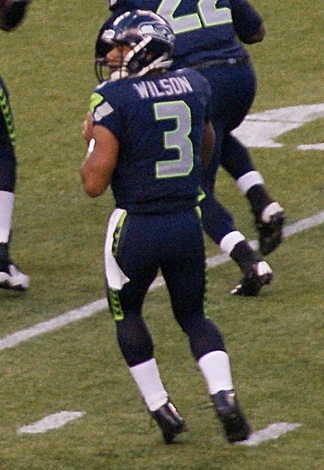
Image credit: Russell Wilson with the Seattle Seahawks in 2012, photo by Neal D, CC BY-SA 2.0, via Wikimedia Commons.

What Is Chris Evans’s Religion? Is He a Christian?

Portrait of Chris Evans at San Diego Comic-Con in 2013

Chris Evans has publicly discussed an interest in Eastern philosophy, especially being present, quieting the mind, and resisting the pull of ego. His interviews offer a more careful picture than simply calling him Buddhist. He has explored those ideas without always accepting that religious label.

The actor is famous for playing Steve Rogers, but his personal beliefs should be drawn from his interviews. Captain America’s dialogue, moral choices, and heroic image belong to a fictional story.

What Chris Evans has said about spirituality

In a January 2017 Tatler interview, Evans spoke about the value of slowing down mental noise. He connected peace with attention to the present rather than being controlled by the past or future. The article noted that he did not describe himself as Buddhist, despite an interest in Eastern thought and an earlier retreat in India.

Evans discussed Buddhism, Hinduism, and Taoism together. His emphasis was practical: awareness of the present, less attachment to ego, and a quieter mind. That is evidence of a spiritual outlook, but it is not a full explanation of his views on God, death, or salvation.

The date matters. These remarks came from 2017, not a new statement this year. It would be careless to turn them into a detailed account of everything he believes today. The evidence supports describing his public interest in Eastern philosophy. It does not support inventing a current church affiliation.

From screen comedy to Captain America

Evans built his career across several kinds of films. Before carrying Captain America’s shield, he played Johnny Storm in Fantastic Four. He also appeared in comedies, thrillers, and smaller dramas. His work includes Not Another Teen Movie, Sunshine, Snowpiercer, Gifted, and Knives Out. He directed and starred in Before We Go.

His role in the Marvel films made him familiar to a global audience. Steve Rogers often stands for duty, courage, and sacrifice. Fans may admire those qualities while still recognizing that the actor and character are different people. A convincing performance gives us a reason to appreciate his skill, not a shortcut to his private convictions.

Marvel lists Evans among the cast of Avengers: Doomsday, scheduled for December 18, 2026. That return makes this a useful time to look at the person behind the role, with care for what he has actually said.

Peace, pride, and the Bible

The desire for peace is easy to understand. Many readers know what it feels like to replay yesterday’s mistakes or worry about tomorrow. The Bible takes those burdens seriously. In Matthew 6:25–34, Jesus teaches His followers not to let anxiety about tomorrow rule their lives. He points them toward their heavenly Father’s care.

There is also a point of contact in the warning about ego. Philippians 2:3–4 tells Christians to put away selfish ambition and consider the needs of others. Pride can damage our relationships and distort how we see ourselves. Humility matters in ordinary life as much as in public success.

Yet biblical peace has a specific foundation. It is more than a calmer state of mind. Romans 5:1 connects peace with God to being made right with Him through Jesus Christ. The deepest problem is not simply distraction or an overactive mind. It is sin, which separates us from a holy God.

This is where a comparison needs to stay clear. Useful habits of attention do not make every religion’s claims about God the same. Christianity teaches that Jesus is the Son of God who came to save sinners. John 14:6 presents Him as the way to the Father. That claim asks for a response beyond general admiration for spiritual wisdom.

The gospel for anyone seeking peace

We do not need celebrity status to feel restless. Ordinary people struggle with guilt, fear, pride, and the pressure to prove themselves. Scripture does not tell us to solve those problems by pretending we are already good enough.

God made us to know and love Him. But we have broken His commands. We lie, act selfishly, hurt others, and give created things the place that belongs to Him. Romans 3:23 says all have sinned. God is just, so our wrongdoing cannot simply be brushed aside. We need mercy that deals with guilt honestly.

Jesus Christ, God’s Son, lived a sinless life. He willingly died on the cross for sinners, bearing the judgment we deserve. He was buried and rose bodily from the dead. His resurrection shows that death did not defeat Him. This is the good news summarized in 1 Corinthians 15:3–4.

Salvation is received by grace through faith, not earned through works or perfect spiritual discipline. Repent—turn from sin—and trust Jesus as Lord and Savior. Come to Him relying on His finished work. Forgiveness and new life are gifts He offers, not prizes for people who have learned to appear peaceful.

Evans’s public comments can start a thoughtful discussion about attention and humility. For the reader, the Bible invites a further step: seek peace with God through the living Christ.

Sources

Photo: Gage Skidmore, Chris Evans at San Diego Comic-Con, 2013, via Wikimedia Commons. CC BY-SA 2.0. Cropped by Fandraltastic; resized to 500 pixels wide.

What Is Viola Davis’s Religion? Is She a Christian?

Portrait of Viola Davis

Viola Davis has publicly affirmed belief in God and described prayer as a source of hope. She has spoken about turning things over to a higher power when she does not have answers, and she has shared a personal story about praying before meeting her husband, Julius Tennon. Those are her own statements, rather than conclusions drawn from a character she played.

Her public faith story is closely connected with the need for hope, love, and a life larger than professional success. The available interviews give us meaningful details while leaving some questions about denomination and doctrine unanswered.

What Viola Davis has said about God and prayer

In a 2020 AARP interview, Davis identified herself as a believer in God. She explained that she sometimes needs to hand things over to a higher power because she does not possess every answer. Asked about hope, she connected it both with prayer and with the need to keep going.

She also described living for love, her family, and the chance to share wisdom that might help others. These statements show belief operating in ordinary relationships and difficult moments, rather than only in awards speeches.

Her 2022 conversation with Oprah Winfrey offered another example. Davis recalled praying for a husband with specific qualities, including love for God and a connection to church. She told the story in relation to meeting Tennon. Prayer was part of how she understood that experience.

Oprah Daily used the language of manifestation in describing the conversation. That editorial wording should not automatically become a full religious label for Davis. The direct evidence is that she addressed God in prayer and connected that prayer with her relationship story.

What we can say, and what remains private

Davis’s remarks support a clear statement that she has publicly expressed belief in God, prayer, and the importance of faith. The references to God and church fit a Christian setting. The interviews cited here do not provide a complete statement of her views on every Christian doctrine or establish a current denominational membership.

It is better to keep that distinction than to fill gaps with assumptions. A person can speak openly about prayer while keeping other convictions private. Research should tell readers what has been said and allow the limits of the record to remain visible.

The life and work behind those comments

Davis has built a career across stage, television, and film. Her work includes Doubt, Fences, How to Get Away with Murder, Ma Rainey’s Black Bottom, and The Woman King. She often plays people under pressure, bringing complicated emotions into view without reducing a person to one feeling.

In the AARP profile, Davis discussed an early life marked by poverty and the struggle to feel seen. Her later success did not make questions of worth disappear. Her memoir, Finding Me, also places her career within a wider personal story. Professional recognition is only one part of a human life.

That matters when discussing faith. The belief of an actress is not the belief of every character she portrays. Her public reflections on hope and prayer provide evidence about her outlook; a dramatic performance does not function as a personal creed.

Prayer and hope in the Bible

The Bible encourages people to bring real needs to God. Philippians 4:6–7 calls believers to pray with thanksgiving rather than be ruled by anxiety. First Peter 5:7 describes casting our cares on God because he cares for us. Prayer is not reserved for people who already feel strong.

Davis’s willingness to admit she does not have every answer has a biblical point of connection. Proverbs 3:5–6 calls for trust in the Lord rather than relying only on our own understanding. Humility recognizes the limits of our knowledge without treating truth itself as impossible to find.

Scripture also gives prayer a boundary: God is a Father to trust, not a force to control. First John 5:14 connects confidence in prayer with his will. Jesus himself prayed in Gethsemane with submission to the Father (Luke 22:42). Faith does not promise that writing a detailed request guarantees a particular outcome.

That distinction protects hurting readers. An unanswered prayer does not prove that someone failed to believe hard enough. Christians can ask boldly, grieve honestly, and continue to trust God when his answer differs from what they hoped. Biblical hope rests in his character, not in a method for obtaining the life we want.

The gospel gives hope a lasting foundation

Christianity addresses a need deeper than success or a feeling of worth. Romans 3:23 teaches that all have sinned. We have disobeyed a holy God and cannot remove our guilt by earning praise, caring for others, or speaking religious words. We need forgiveness that we cannot create for ourselves.

God has acted through Jesus Christ, his Son. Jesus lived without sin and willingly died on the cross for our sins, bearing the judgment sinners deserve. He was buried and rose bodily from the dead. First Corinthians 15:3–4 presents those events as the heart of the good news.

Salvation is God’s gift by grace through faith, not a reward for good works (Ephesians 2:8–9). Jesus calls us to repent, turning from sin and self-rule, and trust him as Lord and Savior. His finished work, rather than our record, is the ground of acceptance with God.

If you are searching for hope, you can begin by reading the Gospel of John and considering Jesus’ promises. You do not need a public platform or a polished story to come to him. The gospel offers mercy to real people with real failures, and a hope that reaches beyond the circumstances of this life.

Photo: Viola Davis at SXSW in 2023, by Nomoretitanic, via Wikimedia Commons, CC BY-SA 4.0. Commons cropped version; resized. Image reuse remains under the same license.

What Is Kate Hudson’s Religion? Is She a Christian?

Portrait of Kate Hudson

Kate Hudson has spoken publicly about being Jewish and about meditation as part of her life. Those statements support describing a Jewish identity with spiritual practices influenced by her upbringing. They do not establish that she is a Christian, nor should her mother Goldie Hawn’s beliefs automatically be assigned to her.

Hudson stars with Hugh Jackman in Song Sung Blue, released December 25, 2025. The film follows two musicians who form a Neil Diamond tribute act. It gives her a recent movie credit within the past twelve months and a timely reason to look carefully at what she has actually said about faith.

What has Kate Hudson said about being Jewish?

A November 2022 Kveller article highlighted Hudson discussing Jewish identity in Vogue’s Beauty Secrets video. It is a useful reminder that an everyday interview can contain a real statement about identity. It should still be reported accurately rather than expanded into a full account of religious observance.

Being Jewish can describe family, peoplehood, culture, religious belief, or several of these together. A public reference to Jewish identity should not be treated as proof of a particular level of synagogue attendance or agreement with every teaching within Judaism. The sources here do not establish those details about Hudson’s present practice.

Does Kate Hudson practice meditation?

In Vogue’s November 23, 2022 feature, Hudson discussed a daily meditation practice and credited her mother with teaching her to care for her mind. The article presented meditation as part of her approach to wellbeing. It did not provide a comprehensive religious confession.

Meditation can be practiced for different reasons and within different traditions. Knowing that a person meditates is not enough to decide what that person believes about God, Jesus, sin, or salvation. Likewise, a wellness routine should not be mistaken for a complete spiritual system. A careful profile distinguishes what is documented from what a reader might assume.

Is Kate Hudson a Christian or a Buddhist?

The linked sources do not establish a present Christian profession. They support her public Jewish identity and interest in meditation. They do not provide enough detail to describe her current beliefs as a fully defined Buddhist system, either. Family influences and personal practices matter, but they do not answer every question about doctrine.

This is especially important when a parent is also famous. Interviews with Goldie Hawn can explain Hawn’s own spiritual life. They cannot serve as a substitute for Hudson’s words. Each person should be allowed to speak for herself instead of being assigned an entire set of beliefs by association.

What can Christians learn from the questions her story raises?

The Bible values quiet reflection, prayer, and attention to what is good. Psalm 1 describes meditation on God’s instruction, and Philippians 4:8 directs believers toward what is true, honorable, and praiseworthy. Biblical meditation has an object: God’s truth. It is more than a general method for feeling calmer.

Scripture also treats peace as more than a technique. In Romans 5:1, peace with God comes through being justified by faith in Jesus Christ. Better habits can help someone manage a busy day, but they cannot remove moral guilt or bring reconciliation with God. Christianity makes that distinction without denying the value of rest or thoughtful attention.

Hudson’s recent film centers on music, love, and pursuing a dream. Those themes can prompt worthwhile reflection about human hope. Yet neither a hopeful performance nor personal charisma answers the question of salvation. The Christian message directs us away from celebrity status and toward Christ himself.

Readers should also approach Jewish identity with respect. Jesus and his first disciples were Jewish, and the Bible offers no justification for contempt toward Jewish people. Christian disagreement about Jesus must never become an excuse to misrepresent someone’s heritage or treat a neighbor without love.

What is the gospel of Jesus Christ?

The Christian message begins with God, who made us and is holy, loving, and just. Every person has sinned and fallen short of his glory (Romans 3:23). Sin includes our actions, words, desires, and refusal to love God and our neighbors. It brings guilt, separates us from God, and deserves his judgment. Fame, good intentions, religious customs, and kind deeds cannot erase that guilt.

God did not leave sinners without hope. Jesus Christ, the eternal Son of God, became human and lived without sin. He willingly died on the cross for sinners, taking the judgment they deserved. He was buried and rose bodily from the dead on the third day (1 Corinthians 15:3–4). His resurrection shows his victory over sin and death. He is alive, and he calls people to come to him.

Forgiveness and eternal life are gifts of God’s grace, received through faith in Jesus rather than earned by works (Ephesians 2:8–10). To repent is to turn from sin toward God; to believe is to rely on Christ and what he has done. Neither a family background nor a public label can replace that trust. A changed life, including love, honesty, and good works, follows salvation as its fruit. It does not purchase it. This invitation is for ordinary readers and famous people alike.

How should readers understand this profile?

This article separates the person’s public statements from Famous Faith’s Bible commentary. Older interviews tell us what someone said at that time; they cannot settle every question about present beliefs. We do not know anyone’s heart or claim to decide whether a person is saved. Christians can evaluate public ideas by Scripture while speaking truthfully, respecting the person, and praying with humility. The same questions about sin, grace, and faith apply to us.

Photo credit

Featured portrait: Kevin Paul, via Wikimedia Commons, CC BY 4.0. Resized and compressed for this page. The photograph does not imply the subject’s or photographer’s endorsement.

What Is Elle Fanning’s Religion? Is She a Christian?

Portrait of Elle Fanning

Elle Fanning’s present religious practice is not clearly established by the sources reviewed here. A careful answer should distinguish evidence about someone’s early environment from a direct adult profession of faith. It should also separate an actress from the characters she plays.

Fanning stars in Predator: Badlands, released November 7, 2025. The studio lists her among the leads of the science-fiction film. That is a recent movie credit, but participation in an imagined universe is not a statement about the actor’s personal understanding of God.

What is known about Elle Fanning’s religious background?

A 2017 Independent profile reported a Baptist family background and attendance at an Episcopal school.

Information of that kind can explain a childhood setting. It cannot tell readers every belief a person holds years later. Education, family tradition, personal conviction, and current religious practice are related questions, but they require different evidence. Treating one as automatic proof of the others gives an appearance of certainty that the reporting does not support.

Is Elle Fanning a Christian today?

This profile does not establish a current, detailed profession of Christian faith. That is a limit on the available evidence, not a declaration that she has rejected Christ. A writer should avoid inventing either a testimony or a story of unbelief when a direct source is missing.

The distinction is especially useful for readers who remember a celebrity from childhood. People grow, ask questions, and sometimes change their views. An early biographical detail should not silently become a permanent adult label. Clear reporting is more respectful than guessing what would fit an appealing headline.

Can a movie role reveal an actor’s religion?

A role can require an actress to understand ideas she does not personally accept. It can also require her to portray moral failure without endorsing it. The setting of a film, the beliefs of a character, and the convictions of the performer belong to different parts of a discussion.

Christians can evaluate a story’s treatment of truth, violence, loyalty, and human worth. They should make clear when they are offering that evaluation. Film commentary should not be disguised as private knowledge about a cast member’s heart.

How does the Bible distinguish inherited religion from faith?

Deuteronomy 6 encourages parents to teach their children about God as part of ordinary life. A family can pass on knowledge, habits, and a love for Scripture. Yet the New Testament also emphasizes a person’s own response to Jesus. John 1:12–13 describes becoming God’s child through receiving Christ, not simply through family ancestry.

This does not mean that Christian upbringing is worthless. It means that upbringing is an introduction rather than a substitute for trust. The same point applies to someone who first hears the gospel as an adult. Knowing religious facts and relying on Jesus are not identical.

What should readers look for in a Christian testimony?

The central subject is Jesus himself. Who is he? Why did he die? What does his resurrection mean? A Christian testimony should direct attention to God’s grace rather than merely to good manners, family respectability, or a feeling that life has a purpose.

Christians should apply that standard to themselves with humility. A person may use the right words while resisting the truth they express. Another may be asking honest questions that deserve a patient answer. We cannot see the heart, but we can explain the gospel clearly and truthfully.

The purpose of this profile is therefore modest: report what can be supported, identify what remains unknown, and provide a clear biblical comparison. A celebrity’s private beliefs do not have to be settled before a reader examines Christ’s invitation.

What is the gospel of Jesus Christ?

The Christian message begins with God, who made us and is holy, loving, and just. Every person has sinned and fallen short of his glory (Romans 3:23). Sin includes our actions, words, desires, and refusal to love God and our neighbors. It brings guilt, separates us from God, and deserves his judgment. Fame, good intentions, religious customs, and kind deeds cannot erase that guilt.

God did not leave sinners without hope. Jesus Christ, the eternal Son of God, became human and lived without sin. He willingly died on the cross for sinners, taking the judgment they deserved. He was buried and rose bodily from the dead on the third day (1 Corinthians 15:3–4). His resurrection shows his victory over sin and death. He is alive, and he calls people to come to him.

Forgiveness and eternal life are gifts of God’s grace, received through faith in Jesus rather than earned by works (Ephesians 2:8–10). To repent is to turn from sin toward God; to believe is to rely on Christ and what he has done. Neither a family background nor a public label can replace that trust. A changed life, including love, honesty, and good works, follows salvation as its fruit. It does not purchase it. This invitation is for ordinary readers and famous people alike.

How should readers understand this profile?

This article separates the person’s public statements from Famous Faith’s Bible commentary. Older interviews tell us what someone said at that time; they cannot settle every question about present beliefs. We do not know anyone’s heart or claim to decide whether a person is saved. Christians can evaluate public ideas by Scripture while speaking truthfully, respecting the person, and praying with humility. The same questions about sin, grace, and faith apply to us.

Photo credit

Featured portrait: Harald Krichel / WikiPortraits, via Wikimedia Commons, CC BY-SA 4.0. Resized and compressed for this page. Use of the photograph does not imply endorsement of this article.

What Is Steve Harvey’s Religion? Is He a Christian?

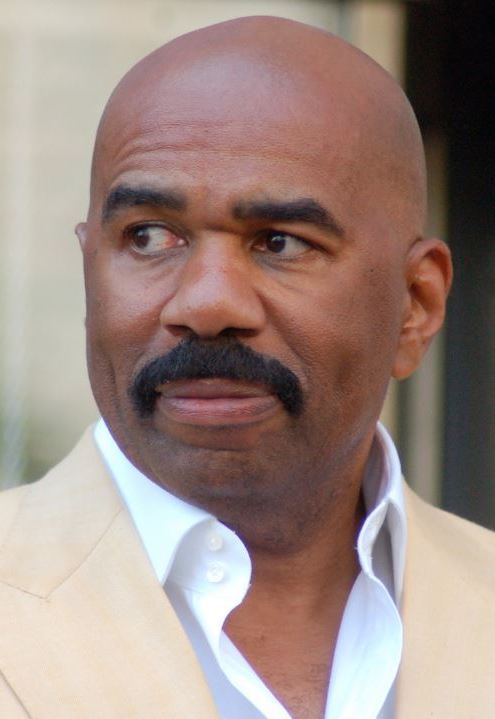
Portrait of Steve Harvey at his Hollywood Walk of Fame ceremony in 2013

Steve Harvey publicly identifies as a Christian and often speaks about prayer, God’s help, and faith. He has also expressed a broad acceptance of other God-centered religions. Both parts belong in an honest account of his beliefs. His own words give readers a fuller picture than either a flattering label or a short clip chosen only to criticize him.

Has Steve Harvey said he is a Christian?

Yes. In an interview with Kam Williams about Still Trippin’, Harvey said, “I’m still very much a Christian and have a great relationship with God.” He was answering questions about faith and the language in his comedy. He acknowledged personal flaws while describing his love for God.

His official website also carries a message called Prayer Changes Things. In it, he credits God with rescuing and changing him and encourages people not to be too proud or ashamed to pray. This is direct evidence of how he presents his faith publicly, rather than a conclusion drawn from a television role.

In a 2012 Time Out interview, Harvey recalled that his mother taught Sunday school for 40 years. He described a period when making decisions without seeking God left him unhappy. His account connects faith with both his upbringing and his desire for a different way of living.

His broader views about other religions

Harvey’s Christian identity is not the whole story. A 2021 video about prayer included his view that there is more than one route to heaven. The Christian Post documented those remarks in 2022. The video was filmed during a visit to the United Arab Emirates and included discussion of religious harmony.

A more recent example appears in the February 16, 2026 closing remarks of The Steve Harvey Morning Show. The program’s published transcript records him describing God-based faiths as valid across religious lines. The page notes that its transcript is automatically generated, so readers should use the linked recording when checking exact wording.

During the same discussion, he described morning prayer, referred to Psalm 5:3, and spoke about leaving room for God’s will when making plans. His public outlook joins Bible-based encouragement with a broad view of religious acceptance.

We should report that combination clearly. Respect for people of other religions and agreement with all their teachings are different things. It is also important not to turn one statement into a claim that we know everything about Harvey’s current beliefs.

Why his faith reaches so many people

Harvey built his career through stand-up comedy, Showtime at the Apollo, and The Steve Harvey Show. He was part of The Original Kings of Comedy and later became familiar to a wider audience through Family Feud, radio, books, and other television work.

His style often blends humor, advice, and personal stories. Many people hear his thoughts about faith in an everyday setting rather than at a church service. That can make the conversation accessible, especially to someone who is discouraged or feels that religious people would reject them.

Still, a host’s confidence and a message’s popularity cannot settle whether an idea is true. Each claim deserves to be considered on its own. That applies to every public speaker, including Christian writers and teachers.

Prayer and humility in light of the Bible

The Bible encourages prayer and dependence on God. Psalm 5:3 describes bringing requests to him in the morning and watching expectantly. Philippians 4:6–7 teaches believers to bring concerns to God with thanksgiving. Harvey’s encouragement to pray has a clear point of contact with these passages.

Scripture also calls us to submit our plans to God’s will. In Luke 22:42, Jesus prays in submission to the Father even while facing the cross. Prayer is not a way to control God or guarantee an easy life. Faithful people can still face illness, loss, and hardship.

Acknowledging our failures is another valuable starting point. First John 1:8–9 warns against denying sin and points toward confession and forgiveness. Grace does not mean pretending that wrong behavior no longer matters. It gives sinners a reason to turn honestly to God and seek change.

Are there many ways to God?

This is where Harvey’s broad religious statements differ from the New Testament. In John 14:6, Jesus identifies himself as the way to the Father. Acts 4:12 teaches that salvation is found in him. Biblical Christianity does not present Jesus as one interchangeable option among many paths.

That teaching does not excuse hostility toward people who disagree. Christians are called to love their neighbors and explain their hope with gentleness and respect (1 Peter 3:15). Peaceful relationships do not require pretending that conflicting beliefs say the same thing.

We can appreciate a desire for harmony while disagreeing about salvation. This comparison concerns public ideas. It is not a verdict on Harvey’s heart or eternal destiny, which we are not in a position to judge.

The gospel for the interested reader

The Bible says our deepest problem is sin. God made us and is holy, but every one of us has failed to love and obey him. Our wrongs bring real guilt and just judgment. Neither career success, good intentions, nor a religious label can make us right with God.

God has acted in mercy through Jesus Christ, his Son. Jesus lived without sin and willingly died on the cross in the place of sinners. He was buried and rose bodily from the dead. The Christian hope rests on his finished work, not on our ability to become good enough.

God calls us to repent of sin and trust Jesus as Lord and Savior. Salvation is by grace through faith, not earned by works (Ephesians 2:8–9). Good works follow as the fruit of a changed life; they are not its purchase price.

If you came with questions about Steve Harvey, consider the larger question his words raise: What do you believe about God and Jesus? Read the Gospels and examine Christ’s claims. His invitation is to receive forgiveness and new life through him.

Sources

Photo: Angela George, Wikimedia Commons, CC BY-SA 3.0. Commons crop from the 2013 Hollywood Walk of Fame ceremony; displayed at reduced size.

What Is Jennifer Lopez’s Religion? Is She a Christian?

Portrait of Jennifer Lopez at the 2025 Sundance Film Festival

Jennifer Lopez has a Catholic upbringing and has publicly spoken about belief in God, prayer, and gratitude. She has also described exploring other spiritual teachings. Her public words point to a faith story shaped by Catholic roots and a broader personal search. Looking at those statements in their original settings gives a clearer answer than a label based on fame or family alone.

What Jennifer Lopez has said about religion

In a 2004 interview with Blackfilm, Lopez explained that she had attended Catholic school for 12 years and gone to church every Sunday. Although she said she no longer kept that same routine, she regarded it as a valuable foundation. She also said she had explored different philosophies and spiritual teachings, keeping what she found useful.

She described a belief in a force or energy in the world, along with the idea that the love a person puts out comes back. This is a real part of her public spiritual record. It should sit alongside her statements about God rather than being left out because it does not fit one simple category.

In 2007, Lopez denied being a Scientologist and identified her upbringing as Catholic, CBS reported. A relative’s religion should never be assigned to someone else without that person’s own statement.

Belief in God and public prayer

In a 2010 ELLE interview, Lopez discussed her hopes of becoming a mother and said, “I also believe in God and I have a lot of faith in that.” This was a personal explanation of how faith influenced a decision in her life. It was not a statement about every medical decision another family should make.

Her public record also includes prayer addressed to God and Jesus. The Christian Post reported on a backstage video from the close of her All I Have Las Vegas residency in 2018. In it, she thanked God for her gift and said, “Thank you Jesus, thank you God.”

These examples show that Christian language has had a place in how she expresses gratitude. They also come from different years. They should be reported with their dates, rather than presented as a new or complete account of her current church life.

Her career and why readers ask about her faith

Lopez became widely known through dance, film, and music. Her portrayal of Selena Quintanilla in Selena introduced her to many moviegoers. Out of Sight, The Wedding Planner, Maid in Manhattan, and Hustlers show different sides of her acting career. Her music and live performances helped make her a familiar name far beyond the movie theater.

That broad reach means people encounter her in many settings: a performance, a film, a personal interview, or a short social media clip. Each setting calls for care. A lyric may belong to a song’s narrator, and a character’s beliefs belong to a script. A direct answer about her own faith carries a different kind of evidence.

So, is Jennifer Lopez a Christian? The evidence reviewed here supports Catholic roots, stated belief in God, public prayer involving Jesus, and openness to other spiritual ideas. It does not settle every question about her present convictions or religious practice. Only God knows her heart.

Love, spirituality, and the Bible

There is much to appreciate in gratitude and a desire to give love. James 1:17 teaches that good gifts come from God. First John 4:19 connects our love with God’s prior love for us. Thankfulness can help us recognize that our abilities and opportunities are not things we created entirely by ourselves.

The Bible gives love a deeper meaning than an energy that returns to us. Jesus calls his followers to love their enemies and do good without making repayment the goal (Luke 6:27–35). Biblical love seeks another person’s good, even when there is no applause or benefit in return.

Scripture also teaches that God is personal. He speaks, creates, loves, and judges. He is more than an unnamed force. In Acts 17:24–31, Paul describes the Creator who gives life and calls people to turn to him. That makes the question more specific than whether spirituality feels helpful: Who is God, and how has he made himself known?

Christians are told to test spiritual claims rather than accept them only because they seem useful (1 John 4:1). That is a standard for all of us. It is possible to respect someone’s search while clearly explaining where biblical teaching agrees or differs.

The gospel for the reader

The Christian message centers on Jesus Christ. God is holy, and we have all sinned against him. Our pride, dishonesty, selfishness, and failure to love are more than personal setbacks. They bring guilt and God’s just judgment. Neither fame nor religious activity can wipe that guilt away.

God has provided rescue through his Son. Jesus lived without sin, willingly died on the cross for sinners, was buried, and rose bodily from the dead. His death deals with sin, and his resurrection gives a firm foundation for forgiveness and eternal life (1 Corinthians 15:3–4).

God calls us to repent, changing our minds toward Him, and trust Jesus as Savior. Salvation is a gift received by grace through faith, not a reward earned through good works (Ephesians 2:8–9). A changed life follows God’s grace; it does not purchase it.

For the interested reader, the invitation is personal. You can examine Jesus’s words in the Gospels, bring honest questions, and turn to him for mercy. The hope of Christianity rests on what Christ has done, not on celebrity approval or our ability to improve ourselves.

Sources

Photo: Everwest / WikiPortraits, Wikimedia Commons, CC BY 4.0. Cropped by Krimuk2.0; displayed at reduced size.

What Is Macaulay Culkin’s Religion? Is He a Christian?

Portrait of Macaulay Culkin at a Home Alone anniversary event in 2025

Macaulay Culkin has described himself as spiritual rather than a practicing Catholic. He grew up in the Catholic Church, but his own interviews show a more complicated adult relationship with religion. His clearest statements include belief in God expressed with uncertainty, questions about religious labels, and distance from regular church life.

Many readers know him as Kevin McCallister in Home Alone. Yet a Christmas movie cannot tell us what its star believes. To answer that question fairly, we need to listen to Culkin himself and keep the dates of his comments in view.

What Macaulay Culkin has said about religion

In a May 27, 2004, interview on CNN’s Larry King Live, King asked whether Culkin was Catholic or Christian. Culkin answered that he was neither at that point. He explained that he had practiced Catholicism, been baptized, and received his first Communion. He then described himself as “more spiritual than anything else.” He said he guessed he believed in God, while questioning the usefulness of the label.

That answer gives us something more useful than a religious category copied from a celebrity database. It records a person explaining both his background and his uncertainty. In the same interview, Culkin discussed his father’s work as a church sacristan and how seeing preparations for Mass affected his view of ritual. His comments reflected personal doubt about practices he knew from childhood.

Speaking to Terry Gross on Fresh Air in June 2004, Culkin again said he was not very religious. He joked about being an ex-Catholic and recalled attending Catholic school. These were his own comments during interviews about Saved!, rather than lines spoken by a character.

Those interviews are old. They should not be presented as a new announcement about what he believes today. A later Esquire profile, published in 2020, adds some context. When asked about church, Culkin said his most recent visit had been his sister’s funeral about eleven years earlier. That describes his attendance at that time; it does not reveal every private belief he may hold.

A life beyond Kevin McCallister

Culkin became one of the most familiar child actors of the early 1990s. Home Alone made his quick wit and expressive face famous around the world. My Girl, The Good Son, and Home Alone 2 showed different sides of his talent. As an adult, he chose smaller and less conventional projects, including Party Monster and Saved!.

That career helps explain why fans remain curious about him. Many people remember the child they watched years ago and may forget that the real person has continued growing and making choices. His interviews deserve the same care we would give anyone discussing family, belief, and painful experiences.

The religious setting of Saved! also requires care. Acting in a film that questions Christian behavior does not make every idea in that film the actor’s own belief. His personal answers in interviews provide the stronger evidence.

How his comments connect with the Bible

Culkin’s questions about religious routine raise a serious issue. The Bible itself warns against treating outward acts as a substitute for a heart that loves God. In Mark 7:6–8, Jesus rebuked people who honored God with their lips while their hearts were far from Him. Going through familiar motions cannot repair a broken relationship with God.

At the same time, Scripture gives a more specific account of God than a broad feeling of spirituality. Acts 17:24–31 describes God as the Creator who gives us life, calls people to repent, and has appointed Jesus as judge. Biblical faith rests on who God has revealed Himself to be, rather than on a label we can shape to fit our preferences.

This comparison is about ideas, not a claim to know Culkin’s heart. His older interviews document uncertainty and distance from Catholic practice. They do not give us the right to invent a present church membership, conversion, or settled rejection of God.

What the gospel offers the reader

Perhaps you also grew up around church but now have questions. You do not have to pretend those questions are gone. Christianity invites you to examine Jesus Himself, including His teaching, death, and resurrection.

The Bible says God is holy and good. We have sinned against Him through our words, actions, desires, and failures to love. Romans 3:23 includes all of us in that problem. Religious habits, success, kindness, and good intentions cannot erase guilt before a just God. We need more than a fresh start through our own effort. We need forgiveness.

God’s answer is Jesus Christ, His Son. Jesus lived without sin, then willingly died on the cross for sinners. He bore the judgment we deserve. He was buried and rose bodily from the dead, as 1 Corinthians 15:3–4 explains. The resurrection means our hope rests on a living Savior.

Ephesians 2:8–9 teaches that salvation is God’s gift, received through faith rather than earned by works. Turn from sin and trust Jesus as Lord and Savior. You cannot purchase His mercy or qualify for it by becoming impressive. Come to Him honestly, depending on what He has done.

Macaulay Culkin’s public story reminds us that a religious childhood and an adult faith are not always the same story. For the reader, the invitation is personal: look carefully at Christ and the forgiveness He offers.

Sources

Photo: Kevin Paul, Macaulay Culkin at a Home Alone anniversary Q&A, 2025, via Wikimedia Commons, CC BY 4.0. Resized to 500 pixels wide.

What Is Christian Bale’s Religion? Is He a Christian?

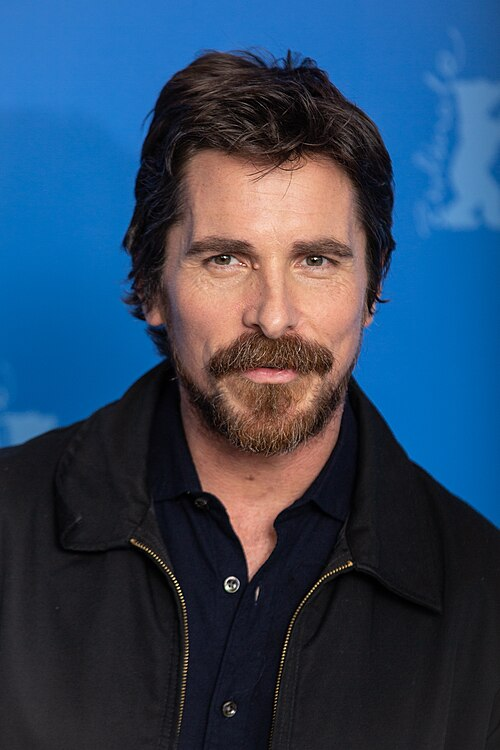
Portrait of Christian Bale

Christian Bale has described himself as not religious while expressing interest in the questions religion raises. His public comments include respect for people of faith, criticism of religious violence, and a willingness to discuss different views. His first name and his portrayals of biblical figures do not establish his religion.

The most useful starting point is his own description of himself. The interviews reviewed here support a nonreligious self-description at the time he gave them. They do not supply a recent, detailed statement of everything he believes about God or an afterlife.

What Christian Bale has said about his beliefs

In Johnny Davis’s interview for the January 2015 issue of Esquire, preserved in an archived copy of the magazine, Bale said, “I’m not religious.” He described exploring things during difficult times and remembering kind religious people who had helped his family.

He also explained that a period living in a Jehovah’s Witness’s home did not mean the family adopted that faith. That is an important distinction: contact with a religious community is not the same as membership. Bale spoke of understanding that religion could help people while also objecting to violence carried out in its name.

In that conversation, he favored open discussion of beliefs. He questioned why strong faith should make someone afraid to hear another person’s view. This suggests an interest in debate and understanding, rather than a reason to shut religious questions down.

These remarks came during promotion for Exodus: Gods and Kings. They should be dated honestly. A statement from that period is evidence of what Bale said then, not a license to invent a more recent conversion or a permanent position he has never explained.

Reading religious texts without assuming religious commitment

In a 2014 Religion News Service interview, Bale described reading the Torah and finding Moses a strikingly complex figure. He discussed the need to portray the story with seriousness so the people would feel human rather than distant fairy-tale characters.

A National Catholic Register interview from the same period records his conversations with Jewish and Christian contacts about Moses. He encountered sharply different expectations about how the role should be played. The discussion shows research and engagement, not a declaration that he accepted a particular faith.

It is especially important to keep speakers separate in these interviews. Director Ridley Scott also discussed his own religious outlook. Scott’s words cannot be assigned to Bale simply because they appear in an article carrying both names.

The person behind the performances

Bale’s screen career includes Empire of the Sun, American Psycho, The Dark Knight trilogy, The Fighter, and Ford v Ferrari. These films place him in very different moral worlds. A role may explore sacrifice, obsession, courage, or corruption without telling us which worldview the actor holds.

That is part of why his own statements matter. Appreciating a performance is one thing; reporting a person’s religion is another. Fans can admire the work while leaving unanswered questions unanswered. A confident label is not more truthful simply because it makes a shorter headline.

How the Bible approaches questions and religious failure

The Bible does not ask us to confuse honest questions with hostility. Acts 17:11 commends people who examine what they are taught. The Psalms contain grief, doubt, and searching prayer. Christianity invites thoughtful examination of its claims, including the claim that Jesus rose from the dead.

Bale’s concern about violence in religion also deserves a serious response. Jesus rebuked the use of a sword to defend him at his arrest (Matthew 26:52). His command to love enemies in Matthew 5:44 rules out treating cruelty as spiritual strength. A person can use God’s name and still act against God’s commands.

At the same time, Scripture’s accounts of judgment require careful reading in their historical and literary setting. They should not be reduced to a movie’s presentation or turned into permission for private violence today. Reading the biblical text itself is a necessary step before accepting or rejecting its message.

Christians must bring humility to that conversation. First Peter 3:15 calls for gentleness and respect when explaining hope. Those words are not optional manners added after the argument; they shape how a faithful answer is given.

The gospel concerns every reader

The Bible’s central diagnosis includes all of us. Romans 3:23 says all have sinned and fallen short of God’s glory. We have disobeyed God through pride, dishonesty, selfish desires, and failures of love. Religious affiliation cannot erase that guilt, and rejecting religious hypocrisy does not erase our own need for forgiveness.

God’s good news is Jesus Christ. The Son of God became man, lived without sin, and willingly died on the cross for our sins. He bore the judgment sinners deserve. He was buried and rose bodily from the dead, as First Corinthians 15:3–4 declares. His resurrection grounds Christian hope in an event, not a mood.

Salvation comes by grace through faith, apart from works (Ephesians 2:8–9). Jesus calls us to repent, turning from sin and self-rule, and trust him as Lord and Savior. We do not earn acceptance by being cultured, charitable, famous, or good at religious debate.

You can consider that invitation without pretending your questions have disappeared. Read one of the Gospels and examine Jesus for yourself. Christianity asks for trust in a real Savior who knows our failures and offers mercy, not a performance of certainty for an audience.

Photo: Christian Bale at Berlinale 2019, by Harald Krichel, via Wikimedia Commons, CC BY-SA 4.0. Resized; image reuse remains under the same license.

What Is Gwyneth Paltrow’s Religion? Is She a Christian?

Portrait of Gwyneth Paltrow

Gwyneth Paltrow has a publicly discussed Jewish identity and an interfaith family background, along with a broader interest in spirituality. That combination is more accurate than treating her mother’s Christianity as proof that Paltrow herself professes Christian faith. Her own comments deserve to be read in context and with their dates attached.

She appears in Marty Supreme, released December 25, 2025. A24 lists her in the cast of Josh Safdie’s film alongside Timothée Chalamet. The recent film makes her a current subject, but the character she plays is not evidence of her own beliefs. Her Pepper Potts story also forms part of the Avengers films, including her appearance in the Rescue armor in Endgame.

What is Gwyneth Paltrow’s religious background?

Paltrow’s father, Bruce Paltrow, was Jewish, and her mother, Blythe Danner, is Christian. In a December 2024 Hanukkah conversation with Noa Tishby, she reflected on growing up with both traditions. She spoke warmly about Jewish family life and holiday memories while lighting Hanukkah candles.

The conversation was also covered by Kveller in December 2024. Her public connection with Jewish heritage should not be erased because her upbringing also included Christmas. At the same time, a holiday conversation is not a complete statement about every doctrine she accepts or every practice she follows today.

What has Gwyneth Paltrow said about spirituality?

In an April 2010 interview, Paltrow distinguished spirituality from organized religion. She criticized the divisions she associated with religion and expressed a preference for spirituality. That is a dated statement, and the later Hanukkah conversation adds important context about her continuing connection with Jewish identity.

These sources show why one short label may miss part of the picture. Family identity, spiritual interest, formal religious membership, and personal convictions are related questions, but they are not identical. It would be careless to take one old criticism and conclude that she has no meaningful relationship with a religious tradition now.

Is Gwyneth Paltrow a Christian?

The sources used for this profile do not establish a public profession of faith in Jesus Christ as Lord and Savior. A Christian parent, a Christmas celebration, or a general interest in spirituality cannot establish that profession on someone else’s behalf. The answer should remain limited to what Paltrow has actually made public.

Nor is it necessary to speculate about formal conversion reports or private observance to answer the main question. Her public discussion of Jewish heritage is clear enough to report. Claims about a completed religious process or a specific current affiliation would require evidence beyond the interviews linked here.

How do these themes compare with the Bible?

The Bible takes family history seriously. Its account of God’s promises unfolds through real families, and Jesus was Jewish. Christians should therefore discuss Jewish identity with respect and accuracy, never as a punch line or an excuse for hostility. Romans 11 explicitly warns Gentile believers against arrogance.

The New Testament also presents a specific claim about Jesus as the promised Messiah. John 1:14 describes the Word becoming flesh, and John 20:31 connects life with believing in Jesus as the Christ, the Son of God. Christianity cannot be reduced to a general appreciation for spiritual experiences or family celebrations.

Concerns about religious division also deserve an honest response. Jesus condemned hypocrisy, and the command to love a neighbor leaves no room for using faith as a cover for cruelty. But wrongdoing committed in religion’s name does not by itself settle whether the gospel is true. Christians must examine both their conduct and the claims of Christ.

For readers from interfaith homes, the central question is personal rather than competitive: who is Jesus, and what has he done? Honoring relatives and thinking carefully about their traditions can coexist with a serious examination of the biblical message.

What is the gospel of Jesus Christ?

The Christian message begins with God, who made us and is holy, loving, and just. Every person has sinned and fallen short of his glory (Romans 3:23). Sin includes our actions, words, desires, and refusal to love God and our neighbors. It brings guilt, separates us from God, and deserves his judgment. Fame, good intentions, religious customs, and kind deeds cannot erase that guilt.

God did not leave sinners without hope. Jesus Christ, the eternal Son of God, became human and lived without sin. He willingly died on the cross for sinners, taking the judgment they deserved. He was buried and rose bodily from the dead on the third day (1 Corinthians 15:3–4). His resurrection shows his victory over sin and death. He is alive, and he calls people to come to him.

Forgiveness and eternal life are gifts of God’s grace, received through faith in Jesus rather than earned by works (Ephesians 2:8–10). To repent is to turn from sin toward God; to believe is to rely on Christ and what he has done. Neither a family background nor a public label can replace that trust. A changed life, including love, honesty, and good works, follows salvation as its fruit. It does not purchase it. This invitation is for ordinary readers and famous people alike.

How should readers understand this profile?

This article separates the person’s public statements from Famous Faith’s Bible commentary. Older interviews tell us what someone said at that time; they cannot settle every question about present beliefs. We do not know anyone’s heart or claim to decide whether a person is saved. Christians can evaluate public ideas by Scripture while speaking truthfully, respecting the person, and praying with humility. The same questions about sin, grace, and faith apply to us.

Photo credit

Featured portrait: Georges Biard, via Wikimedia Commons, CC BY-SA 3.0. Resized and compressed for this page. The photograph does not imply the subject’s or photographer’s endorsement.