What Is Matt LeBlanc’s Religion? Is He a Christian?

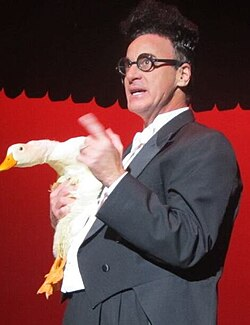
Matt LeBlanc portrait

Matt LeBlanc is inseparable from Joey Tribbiani in the minds of many Friends fans. Joey’s loyalty, appetite, and hopeful pursuit of acting made him an important part of the ensemble. But what is Matt LeBlanc’s religion, and is he a Christian? The available public record is much clearer about his career than his beliefs. That calls for an honest answer, not a confident label borrowed from his character or ancestry.

The career behind the familiar face

LeBlanc was born in Newton, Massachusetts, in 1967. His early work included commercials and television roles before Friends brought him worldwide recognition. The sitcom ran for ten seasons, from 1994 to 2004. The Television Academy records his Emmy nominations for playing Joey and for his later performance in Episodes. He also continued Joey’s story in the spin-off series Joey.

Episodes gave him a different comic challenge: playing a fictionalized version of himself within a satire of television production. That character should not be confused with a documentary portrayal any more than Joey should. LeBlanc’s later work included Man with a Plan and presenting Top Gear. His affection for vehicles was more than a casting gimmick; he discussed cars and driving in the program’s own interviews.

In a 2016 Top Gear question-and-answer interview, LeBlanc recalled learning to drive with his father and shared memories of family travel, favorite cars, and memorable roads. Such details make a biography richer without pretending they reveal religious convictions. An actor is a person with skills, interests, and relationships, not merely a faith label waiting to be assigned.

What has Matt LeBlanc said about religion?

The sources reviewed for this article did not yield a reliable, direct statement explaining LeBlanc’s current beliefs about God, Jesus Christ, or a church affiliation. That is a limit of this research, not proof that he has never discussed religion anywhere. It also is not evidence that he is an atheist. Silence cannot support either a positive or a negative declaration of faith.

Some celebrity websites circulate a Catholic label, but a repeated description is not enough if it cannot be connected to a dependable source or his own words. His Italian and French-Canadian ancestry also does not establish religious practice. Ethnic background may help explain family history; it cannot tell us whether a person currently believes a creed or trusts Christ.

Joey Tribbiani is not Matt LeBlanc

Joey’s fictional family and religious references belong to the scripts of Friends. They cannot establish the actor’s personal religion. This is an easy mistake to make because viewers spend years with a character and begin to feel they know the performer. But acting is precisely the ability to portray someone who may think and live differently.

The most responsible answer to “Is Matt LeBlanc a Christian?” is that Christian faith is not established by the evidence reviewed here. We should neither invent a conversion story nor claim to know his inner life. A clear gospel explanation does not require an unsupported verdict about a celebrity.

Why a religious label would not be enough anyway

Even if an actor publicly identifies with a church, the larger question remains: what does it mean to be reconciled to God? Christian faith is not merely a family habit or a box on a biography. Jesus Christ is not an accessory to an otherwise successful life. The Bible presents Him as the Lord and Savior whom every sinner needs.

God’s commandments reveal why. Have you lied, stolen, dishonored your parents, coveted another person’s possessions, or used God’s name without reverence? Jesus taught that lust and hateful anger reveal sin even when no one else sees them. These questions apply to us, not just to LeBlanc. Romans 3:23 teaches that all have sinned. None of us can truthfully claim spotless righteousness before God.

God is holy and just. Our wrongdoing deserves judgment, and the Bible warns of hell. Being liked by friends, succeeding at work, or doing good things cannot erase the debt of sin. A judge does not dismiss a crime because the defendant is charming. Our need is not simply to become more impressive; it is to receive forgiveness.

Christ alone can save

God has provided the Savior we could never provide for ourselves. Jesus Christ, the eternal Son of God, became man and lived a sinless life. He willingly died on the cross for sinners, bearing the judgment we deserve. He was buried and rose bodily from the dead. His resurrection confirms that the gospel is more than advice or a comforting philosophy.

Salvation is by grace through faith, not earned through works. Ephesians 2:8–9 leaves no basis for boasting. Repentance means turning from sin and self-rule. Faith means trusting Jesus Christ alone, relying on what He accomplished rather than on your own record. The invitation is not to clean yourself up until God owes you acceptance; it is to come to Christ for mercy.

Pray for Matt LeBlanc without filling in the blanks of his private beliefs. And consider your own standing before God. You may never learn every detail of a favorite actor’s faith, but you do not need that information to respond to the gospel. The crucified and risen Jesus offers forgiveness to sinners who repent and trust Him.

Sources

Photo: Richard Goldschmidt, derivative by Keraunoscopia, via Wikimedia Commons; CC BY-SA 3.0. Existing tone adjustment, background blur, and crop; displayed at a reduced size. License

What Was Matthew Perry’s Religion? Was He a Christian?

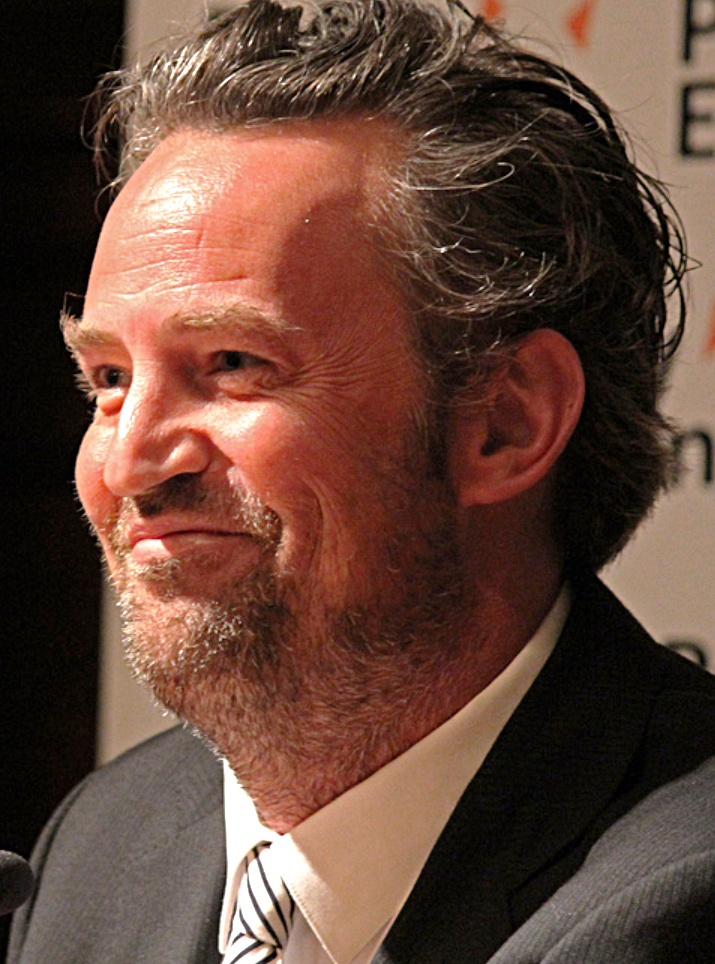
Matthew Perry portrait

Matthew Perry brought Chandler Bing’s sarcasm, insecurity, and surprising tenderness to Friends. After his death in October 2023, many readers wanted to know what he believed about God. Was Matthew Perry a Christian? His memoir contains meaningful comments about prayer and an experience he understood as God’s presence. Those words deserve attention, but they should not be expanded into certainty about his salvation or eternal destination.

A familiar performer and a complicated life

Perry was born in 1969 and spent much of his childhood in Canada before pursuing acting in the United States. His portrayal of Chandler on Friends made him internationally known. The character’s defensive humor and eventual relationship with Monica gave the series some of its most memorable moments. Perry also worked in films such as Fools Rush In and The Whole Nine Yards, and in television beyond the sitcom.

His public life also included a long struggle with addiction. In his 2022 memoir, Friends, Lovers, and the Big Terrible Thing, he wrote candidly about that struggle. This subject should be approached with compassion, not used as entertainment or reduced to a simplistic moral verdict. A person’s vulnerability is not permission to invent details about his soul. The words he actually published are more useful than either sentimental certainty or harsh speculation.

What did Matthew Perry write about God?

In a memoir passage reproduced by Mockingbird in November 2022, Perry described praying for help during a desperate period. His plea included the words, “God, please help me.” He wrote about seeing a golden light and understanding the experience as being in God’s presence. He later considered alternative explanations but returned to the conviction that the experience had been real and meaningful.

The account also connected his sense of God with helping other people pursue sobriety. These are substantial statements about prayer, dependence, and perceived divine help. They establish that God was part of Perry’s own telling of his life. They do not, by themselves, answer every question about what he believed concerning Jesus, the cross, repentance, or salvation.

A careful article can take his account seriously without claiming to prove the supernatural cause of an experience. Nor should it promise that a dramatic experience removes addiction forever. Perry’s struggle was complex, and spiritual claims are not a substitute for appropriate medical care or recovery support.

Was Matthew Perry a Christian?

Perry’s published words support saying that he believed he had encountered God and that he prayed for help. The evidence discussed here does not provide a full, unambiguous confession of the Christian gospel. It would be an overreach to turn that limited record into a declaration that he certainly was, or certainly was not, saved.

Only God knows his heart and final standing. We should resist using a person’s death to manufacture the religious ending we prefer. The distinction between believing in God and trusting Jesus Christ is important, but it should be explained without pretending that a writer has access to someone’s final private prayers.

Our need goes deeper than public success

Perry’s story reminds readers that fame cannot make a person whole. Yet the gospel addresses more than loneliness, addiction, or disappointment. It addresses sin and our need to be reconciled to a holy God. Those who have never experienced addiction still need the same Savior. Respectability is not innocence.

Consider God’s commandments personally. Have you lied, stolen, coveted, or treated God’s name lightly? Jesus taught that lust and hateful anger reveal wrongdoing in the heart. Romans 3:23 says that all have sinned. That includes the person writing this article and every person reading it. We cannot honestly approach a struggling celebrity as though we stand outside the problem ourselves.

God is just. Sin deserves judgment, and Hebrews 9:27 teaches that death is followed by judgment. Scripture’s warning about hell is serious. Fame, good intentions, helping others, and a moving story cannot cancel guilt before God. We need a righteousness and forgiveness we cannot manufacture.

The Savior who died for sinners

Jesus Christ, God the Son, became man and lived without sin. He willingly died on the cross, bearing the judgment sinners deserve. He was buried and rose bodily from the dead. As 1 Corinthians 15:3–4 teaches, His death for sins and resurrection are the heart of the gospel. This is not merely an inspiring story about overcoming adversity; it is God’s saving action in history.

Forgiveness is offered by grace through faith, not earned by achievements or purchased with promises to improve. Repent and trust Jesus Christ alone. Turn from sin and self-rule, and rely on the risen Savior rather than your own merit. Ephesians 2:8–9 excludes boasting. Christ does not require sinners to become worthy before they come; He calls them to come in repentance and faith.

Remember Matthew Perry with compassion. Pray for his family and for people whose struggles are hidden behind a successful appearance. If his death has made eternity feel urgent, do not postpone your own response to Jesus. We cannot decide Perry’s eternal destiny, but we can clearly tell you where the Bible directs you to find forgiveness: in Christ alone.

Sources

Photo: Policy Exchange, via Wikimedia Commons; CC BY 2.0. Existing retouched portrait; displayed at a reduced size. License

What Is Lisa Kudrow’s Religion? Is She a Christian?

Lisa Kudrow portrait

Lisa Kudrow made Phoebe Buffay one of the most distinctive characters on Friends. Phoebe’s unusual stories, songs, and ideas were part of the comedy, but they are not a guide to Kudrow’s personal religion. When asking whether Lisa Kudrow is a Christian, the best starting point is her own public writing about her Jewish family, not her character’s dialogue or an internet guess.

The actress behind Phoebe

Kudrow was born in Los Angeles in 1963. Before her acting career, she studied biology at Vassar College and worked with her father, a physician involved in headache research. Her route into comedy included the Groundlings. She played Ursula on Mad About You before becoming famous as Phoebe on Friends, where she also portrayed Phoebe’s twin sister.

She won an Emmy for her work on Friends. Afterward, she continued working in projects including The Comeback, Web Therapy, and Who Do You Think You Are? Her performances often depend on careful observation of awkwardness, vulnerability, and the gap between what people say and what they mean. That range is a reminder that an actor’s intelligence and life story can be quite different from a familiar comic persona.

What has Lisa Kudrow said about her Jewish background?

In an essay originally published by Vogue in 1998 and republished in 2024, Kudrow described growing up in a Jewish family that did not celebrate Christmas. She wrote that her household was secular Jewish rather than religiously observant, while remaining proud of its heritage. Her childhood attraction to Christmas decorations became a humorous account of negotiating family identity and later holiday celebrations.

That is valuable first-person evidence about her upbringing. It is not a complete, current theological statement. The essay distinguishes cultural identity from religious observance, and a careful profile should preserve that distinction. Being Jewish can describe family, ancestry, community, culture, or religious commitments; those meanings overlap, but they are not identical.

It would also be wrong to infer Christian conversion from enjoying Christmas or celebrating with relatives who are not Jewish. Decorations, gifts, and family traditions do not prove belief in Jesus as Messiah. The question is not whether a holiday appears in someone’s home, but what that person believes about God and Christ.

Is Lisa Kudrow a Christian?

The sources reviewed for this article do not establish a public profession of Christian faith. Her documented Jewish background is clear; her precise present beliefs about God are not fully explained by the material discussed here. We should not upgrade an old essay about childhood into a definitive statement about every conviction she holds today.

We also should not treat Jewish identity as an insult or as a reason to caricature a person. Christianity began in a Jewish setting. Jesus, His apostles, and the authors of the Old Testament were Jewish. The central Christian claim is that Jesus is the promised Messiah and risen Lord, not that one ethnic group is morally superior to another.

Heritage cannot settle our standing before God

Family history matters, but no one inherits forgiveness simply by belonging to a family or tradition. That is true of someone raised Jewish, someone raised in church, and someone with no religious background. The Bible addresses every one of us as personally accountable to God. A Christian parent’s faith cannot substitute for your own response to Christ.

The Ten Commandments reveal our need. Have you lied? Taken something that belonged to someone else? Coveted what another person has? Used God’s name without reverence? Jesus taught that lust and anger also expose sin in the heart. These are not accusations aimed at Kudrow. They are questions we must ask ourselves. Romans 3:23 teaches that all have sinned, and God’s holiness means our guilt is real.

God is a righteous judge. Our sins deserve judgment, and Scripture warns that separation from God is not a trivial or temporary inconvenience. Hell is part of the Bible’s warning. Being pleasant, funny, educated, or charitable cannot erase a broken law. Neither religious observance nor secular good intentions can supply the righteousness we lack.

The good news of Jesus Christ

God’s answer is not that we should invent a better version of ourselves and hope it is enough. He sent His Son. Jesus Christ lived without sin, fulfilled the righteousness we have failed to live, and willingly went to the cross. He died for sinners, bearing the judgment we deserve, was buried, and rose bodily from the dead. These events are the heart of the gospel in 1 Corinthians 15:3–4.

Jesus is the only Savior, not one path alongside equally saving alternatives. Salvation is given by grace through faith, not purchased through works or inherited through ancestry. Ephesians 2:8–9 leaves no room for boasting. Repentance means turning from sin and self-rule; faith means relying on the crucified and risen Christ rather than your own goodness. Forgiveness is found in Him.

Christians should pray for Lisa Kudrow with respect and genuine love. Pray that she would know Jesus as Messiah and Savior. And if her story makes you think about your own family’s beliefs, ask the deeper question: have you personally trusted Christ? A beautiful heritage can tell you where you came from. Only the Savior can reconcile you to God.

Sources

Photo: Lan Bui / TheBuiBrothers.com, via Wikimedia Commons; CC BY-SA 2.0. Existing crop; displayed at a reduced size. License · TheBuiBrothers.com

What Is Courteney Cox’s Religion? Is She a Christian?

Courteney Cox portrait

Courteney Cox is best known as Monica Geller, the determined, competitive, and deeply loyal friend at the center of many Friends stories. But what is Courteney Cox’s religion? Is she a Christian? Her public comments include spiritual language, especially when she has spoken about grief. Those comments deserve to be reported accurately, without stretching them into a religious identity she did not clearly state.

More than Monica Geller

Cox was born in Birmingham, Alabama, in 1964. Before Friends, she became recognizable through television work and her appearance in Bruce Springsteen’s “Dancing in the Dark” music video. She later played Gale Weathers in the Scream films and starred in Cougar Town. Her career has also included producing and directing, rather than acting alone.

As Monica, Cox helped make the New York apartment feel like the group’s gathering place. Monica’s hospitality, anxieties, and relationship with Chandler gave audiences both humor and affection. That character is fictional, however. Neither Monica’s family background nor anything said in a sitcom script should be treated as an account of Cox’s personal faith. An actor can convincingly portray a religious character without sharing that character’s convictions.

What did she say about Matthew Perry?

During a May 2024 CBS Sunday Morning interview, Cox reflected on Matthew Perry’s death and her continuing sense of connection with him. As reported by People, she said, “I talk to my mom, my dad, Matthew.” She described feeling guided by people who had died and sensing Perry nearby. The conversation shows how she expressed her spiritual understanding of grief; it does not establish a Christian denomination or a profession of saving faith in Christ.

Grief can make questions about death and eternity intensely personal. Reporting Cox’s words does not require affirming that departed people are actually visiting or guiding her. Nor should a short interview be turned into a complete inventory of everything she believes. The distinction matters: we can describe what she said while leaving unsupported conclusions unstated.

Is Courteney Cox a Christian?

The evidence reviewed here does not provide a clear public statement that Cox trusts Jesus Christ as her Lord and Savior. It supports saying that she has discussed spiritual experiences, not that Christian faith has been established. This article does not claim to read her heart or decide her eternal destiny. God knows what no celebrity profile can discover.

From a biblical Christian perspective, spiritual experiences must be tested rather than assumed to be reliable. Scripture directs people to God, not to consultation with the dead. Deuteronomy 18:10–12 warns against seeking the dead, while 1 Timothy 2:5 identifies Jesus Christ as the mediator between God and humanity. That comparison addresses the ideas in the interview, not a speculative claim about Cox’s motives or private practices.

Death makes the gospel urgent

The death of someone we love reminds us that life is fragile. The Bible teaches that death is followed by judgment, not simply by a vague continuation of our earthly relationships. Hebrews 9:27 makes this solemn connection. None of us can avoid answering to God because we have been admired, successful, generous, or loved by friends. We need more than comforting impressions. We need a Savior.

God’s law explains why. Have you always told the truth? Have you ever stolen, coveted another person’s life, or used God’s name carelessly? Jesus taught that God also sees lust and murderous anger in the heart. These questions are not a way to single out an actress. They expose the shared guilt of ordinary people and celebrities alike. Romans 3:23 says that all have sinned; Romans 6:23 says that sin earns death.

A just judge cannot dismiss wrongdoing because the guilty person has other admirable qualities. God’s judgment is perfectly righteous, and Scripture warns of hell. We cannot cancel our debt through a more positive attitude, charitable giving, or a religious family history. The seriousness of sin is precisely what makes God’s mercy so astonishing.

Jesus Christ is God the Son, who entered our world, lived a sinless life, and willingly died on the cross for sinners. He bore the judgment we deserve. He was buried and rose bodily from the grave. The gospel announces a real victory over sin and death, not merely a technique for feeling close to those we miss. Jesus alone can reconcile us to God.

The response is repentance and faith: turn from sin and trust Christ, not your own merit. Ephesians 2:8–9 teaches that salvation is by grace through faith, not earned by works. Christians grieve, but their hope rests on the risen Savior and His promises. Emotional comfort is precious; forgiveness and eternal life in Christ are greater still.

Pray with compassion

Pray for Courteney Cox and for everyone grieving someone they love. Pray that their questions about eternity would lead them to Jesus. If this subject touches your own loss, you do not need to pretend grief is easy. But do not let the search for comfort replace the search for truth. Bring your grief and your guilt to Christ, the Savior who died and rose again.

Sources

Photo: Albert Domasin, via Wikimedia Commons; CC BY-SA 2.0. Existing crop and red-eye correction by Electroguv; displayed at a reduced size. License
What Is Jennifer Aniston’s Religion? Is She a Christian?

Jennifer Aniston portrait

Jennifer Aniston became a household name as Rachel Green on Friends. Her work has stayed familiar to audiences long after the sitcom ended, which makes the question understandable: What is Jennifer Aniston’s religion, and is she a Christian? The answer needs more care than a celebrity label. Public interest in spirituality is not the same as a confession of faith in Jesus Christ, and an actor’s screen roles cannot tell us what she believes away from the camera.

From Rachel Green to a lasting Hollywood career

Aniston was born in 1969 and grew up in an acting family. Before her breakthrough, she worked in smaller television and film projects. Friends, which ran from 1994 to 2004, transformed her career. Rachel’s movement from a sheltered young woman into a working adult supplied both comedy and an emotional center for the series. Aniston’s performance won major recognition, including an Emmy and a Golden Globe.

Her later career includes romantic comedies, the independent drama The Good Girl, and the television drama The Morning Show. Those projects demonstrate a range that extends beyond the character who made her famous. They also help explain why fans continue to follow her interviews. A long career gives people many opportunities to hear an actor’s opinions, but it does not automatically produce a complete account of that actor’s religious beliefs.

What has Jennifer Aniston publicly said about spirituality?

In a 2025 Vanity Fair interview, Aniston discussed using crystals and various practices to create a calmer home environment. She recommended rose quartz, amethyst, and white jade while describing her approach to managing the pressures around her. That interview documents an interest in spiritual or wellness practices; it is not a statement that she trusts Jesus Christ as Lord and Savior.

Some religion databases classify her broadly as spiritual. Such a category is descriptive rather than decisive. It cannot establish church membership, a particular creed, or a person’s current understanding of God. A widely circulated quotation about having her own interpretation of God also appears on quotation websites, but without a securely established original interview it should not become the foundation of a confident religious verdict. Repeating an attribution across several sites does not make it a verified confession.

Is Jennifer Aniston a Christian?

The sources reviewed for this article do not establish a clear public profession of Christian faith. The responsible answer is therefore that her Christian faith is not confirmed by this evidence. That is not the same as claiming she secretly rejects Christ, or pretending to know everything she has ever believed. It is a statement about the limits of the public record.

Likewise, a Greek family connection, meditation practice, or role in a film involving God cannot settle the question. Christianity has specific claims about who God is, what sin is, and what Jesus accomplished. A general openness to the supernatural is not a substitute for those claims.

The gospel is more than a search for calm

Wanting peace is understandable. But the deepest problem the Bible identifies is not simply stress or an unsettled mind. It is sin against a holy God. Romans 3:23 teaches that all people have sinned. The Ten Commandments expose this personally: we have lied, coveted, taken what was not ours, or dishonored the God who made us. Jesus also addressed the heart, showing that lust and hateful anger cannot be dismissed merely because they remain hidden from other people.

This includes the writer and the reader, not just a famous actress. Our respectable public image cannot erase our guilt. God is just, and sin deserves judgment. Romans 6:23 connects sin with death. Scripture warns of final judgment, not merely disappointing consequences in this life. Good deeds cannot purchase an acquittal, and an individually designed picture of God cannot change His holiness.

The good news is that God has acted in mercy. Jesus Christ, the eternal Son of God, became man and lived without sin. He willingly died on the cross for sinners, bearing the judgment we deserve. He was buried and rose bodily from the dead. The resurrection is not a metaphor for positive thinking; it is central to the gospel proclaimed in 1 Corinthians 15:3–4.

Salvation is God’s gift by grace through faith, not a reward for spiritual experimentation or moral improvement. Ephesians 2:8–9 rules out boasting in our works. The call is to repent, turning from sin and self-rule, and trust Jesus Christ alone. He is not one helpful influence among many. He is the risen Lord and the only Savior. His forgiveness reaches deeper than temporary calm because it reconciles sinners to God.

A better response than speculation

Christians can pray for Jennifer Aniston without inventing a testimony for her. Pray that she would know the truth of Christ and the forgiveness He offers. And if you arrived here because you enjoy Friends, consider the question personally: are you relying on your own goodness, or on the crucified and risen Savior? Celebrity curiosity can start a conversation, but your own response to Jesus matters far more than a label attached to someone else.

Sources

Photo: gdcgraphics, via Wikimedia Commons; CC BY-SA 2.0. Existing crop by User-duck; displayed at a reduced size. License

What Is Clint Eastwood’s Religion? Is He a Christian?

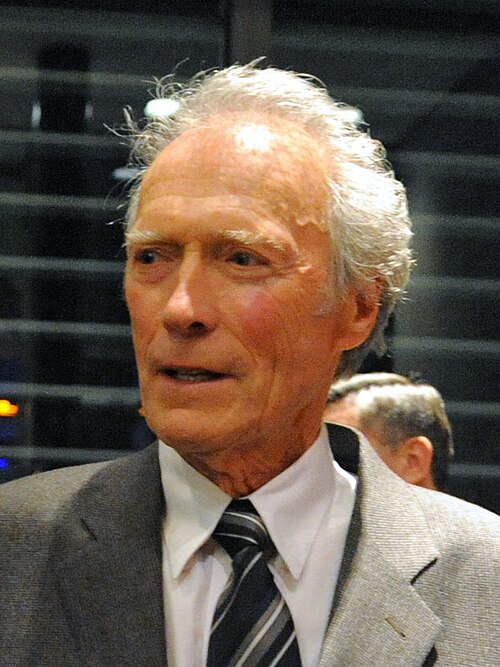
Clint Eastwood in 2011
Photo: U.S. Department of Defense / Erin A. Kirk-Cuomo, via Wikimedia Commons (public domain)

Clint Eastwood has been one of Hollywood’s most recognizable actors and directors for decades. But fame, a tough screen persona, or films that explore moral questions do not tell us whether a person is right with God.

What has Clint Eastwood said about religion?

Eastwood has spoken publicly about spirituality and meditation, but not as a Christian testimony. In a 1973 interview, he said he did not believe in God. Years later, he described himself as not being “a person of an organized religion,” while also saying he had become more understanding of people who are religious.

He has explained that he grew up without a specific church background, though he attended different Protestant churches as a child. He has also practiced Transcendental Meditation for many years. Those statements show an interest in spirituality, but they are not a profession of faith in Jesus Christ.

Is Clint Eastwood a Christian?

Based on his public statements, there is no solid basis to call Clint Eastwood a Christian. Only God knows a person’s heart, and people can change; still, Famous Faith should not attach the Christian label without a clear confession of trust in Christ.

The hope of the gospel

Christianity is not simply organized religion, moral effort, or spiritual practice. The Bible teaches that all of us have sinned and need forgiveness. Jesus Christ died for sinners and rose again, offering forgiveness and new life to those who repent and trust Him.

Please pray for Clint Eastwood, and consider the same question personally: have you trusted Jesus Christ?

Sources

What Is Elizabeth Berkley’s Religion? Is She a Christian?

Elizabeth Berkley

Elizabeth Berkley is best known to many viewers as Jessie Spano on Saved by the Bell. A familiar role can make a person seem known to us, but a television character does not tell us what an actor believes about God.

What is publicly known?

Berkley’s public work has included acting, producing, writing, and speaking about body image and the pressures young people face. Her official work and interviews focus mostly on those areas, her family, and her career.

I could not find a reliable public statement in which Berkley clearly identifies her present religion, denomination, or beliefs about Jesus Christ. That does not prove she has no faith. It simply means the public record is not strong enough for Famous Faith to attach a label.

Is Elizabeth Berkley a Christian?

The careful answer is that we do not know. It would be wrong to use Jessie Spano, an old interview, or a family background as proof of someone’s relationship with God. Scripture reminds us that “the Lord looks on the heart” (1 Samuel 16:7).

The question for us

Celebrity questions can be a useful reminder to look at our own lives. None of us is made right with God by being successful, liked, or well-intentioned. We have all broken God’s law and need forgiveness.

Jesus Christ died for sinners and rose again. He offers forgiveness and new life as a gift to those who repent and trust Him. Please pray for Elizabeth Berkley, and take the gospel seriously for yourself.

Sources

Photo: Wikimedia Commons

What Is Ed Alonzo’s Religion? Is He a Christian?

Ed Alonzo

Ed Alonzo played Max, the magician who owned The Max, on Saved by the Bell. His character was one of the show’s most memorable supporting figures, but Max is not Ed Alonzo.

What has Ed Alonzo said about faith?

Alonzo’s public work centers on comedy, magic, television, and live performance. I could not find a reliable public statement where he clearly identifies a present religion or explains what he believes about Jesus Christ. That makes this a simple answer: the public record is not enough to label him.

Is Ed Alonzo a Christian?

We do not know. Christians should not turn a magician’s act, a stage persona, or an online guess into a spiritual verdict. The Bible calls us to truthfulness. God alone sees the heart.

The point is not to force a celebrity answer. It is to remember that all of us will answer to God. We have broken His law and need forgiveness. Jesus Christ died for sinners and rose again, offering new life to those who repent and believe.

Please pray for Ed Alonzo and use every celebrity question as a reminder to examine your own faith.

Sources

Photo: Wikimedia Commons

What Is Tori Spelling’s Religion? Is She a Christian?

Tori Spelling

Tori Spelling made an early appearance on Saved by the Bell as Violet Bickerstaff before becoming widely known for Beverly Hills, 90210. She comes from a Jewish family, which is an important part of answering a religion question honestly.

What is publicly known?

Biographical sources identify Spelling’s parents as coming from Jewish families. That tells us about family and heritage. It does not automatically tell us how actively she practices, what she believes about God now, or how she responds to Jesus Christ.

Is Tori Spelling a Christian?

There is no clear public profession that supports calling Tori Spelling a Christian. Jewish background and Christian faith are not interchangeable. Christians believe Jesus is the Messiah and Savior promised in Scripture. That claim deserves careful respect, not vague labels.

God does not save people through a famous parent, a religious family, or a public image. We all need forgiveness. The Ten Commandments show our sin, and Jesus Christ offers the only rescue that reaches the heart: His death for sinners and His resurrection from the dead.

Please pray for Tori Spelling and for every reader who has a religious background but has not personally trusted Christ.

Sources

Photo: Wikimedia Commons

What Is Leah Remini’s Religion? Is She a Christian?

AI-Generated portrait of Leah Remini

AI-generated painted editorial portrait of Leah Remini; not a photograph.

Leah Remini has spoken publicly about her Catholic childhood, her years in Scientology, and leaving that organization in 2013. Asked about faith in a June 2025 interview, she said she believed in God and in faith, while explaining that she did not force religious beliefs on herself or her daughter. Those words support a careful account of her outlook, rather than a confident claim about every doctrine she accepts.

To many viewers, Remini is Carrie Heffernan, the quick-thinking wife whose patience with Doug could disappear in an instant on The King of Queens. Her real religious story is much more serious than a sitcom argument. It concerns belonging, conscience, and learning to ask questions about a system that once shaped her life.

What has Leah Remini said about religion?

In her 2025 Us Weekly interview, Remini recalled being baptized Catholic as a child. She also said, “I believe in God and in faith.” The conversation addressed life after Scientology and the process of building a different future. Her answer did not lay out a complete Christian confession or explain precisely how she understands salvation.

That distinction matters. A person can leave one religious organization without adopting every teaching of another. A childhood baptism, a church visit, or belief in God can be important parts of a story, but they do not allow an outsider to fill in all the missing details. Reporting less than we know is unhelpful; claiming more than we know is unfair.

Remini has told her story through interviews, her memoir Troublemaker, and the series Scientology and the Aftermath. We do not need to repeat every dispute surrounding that history to understand the central point here: her publicly described beliefs and experiences are the relevant evidence, not guesses about the character she played.

Can Carrie Heffernan explain Remini’s private beliefs?

Carrie’s sharp remarks and Doug’s attempts to avoid trouble created much of the comedy in The King of Queens. The role is familiar, but it is still a performance. A scripted character cannot serve as a reliable account of an actress’s religion, marriage, or conscience.

The series does raise questions worth bringing home. When conflict starts, do we want to understand the other person, or do we want to win? Are our words truthful and useful, or simply sharp enough to hurt? Those are questions for viewers, including Christian viewers. They should not become charges made against an actress because a joke appeared in a script.

How does the Bible address religious control?

Jesus warned that religious appearances can hide pride and wrongdoing. In Matthew 23, He confronted leaders who burdened others while neglecting justice and mercy. That warning should first make Christians examine their own churches and conduct. A religious title does not give anyone permission to manipulate a neighbor or silence an honest question.

First Peter 5:2–3 tells church leaders to care for people willingly and avoid ruling over them harshly. Acts 17:11 commends listeners who examined the Scriptures to evaluate what they were taught. Biblical faith is not protected by forbidding every difficult question. Truth can be examined, and leadership should be accountable.

  • Listen carefully to a person’s own account.
  • Test religious teaching against Scripture.
  • Refuse to excuse cruelty as spiritual authority.
  • Give wounded people patience and practical care.

These principles do not mean every claim about any organization is automatically proven. They do mean Christians should care about truth and the well-being of people who describe painful experiences. A conversation about faith should offer room for honesty.

Is leaving a harmful system the same as receiving salvation?

Leaving a controlling environment can be an important step in a person’s life. It does not, by itself, answer every question about God. The Christian gospel is more specific than gaining independence, becoming stronger, or rejecting a false claim. It announces what Jesus Christ has done for sinners.

The Bible also places all of us under the same moral standard. We have lied, acted selfishly, spoken cruelly, or loved our own approval more than the truth. Romans 3:23 says everyone has sinned. Religious achievement cannot erase guilt, and changing labels does not create a perfect record.

Where does the Bible locate lasting freedom?

Jesus Christ lived without sin and gave His life on the cross for sinners. He bore the judgment we deserve, was buried, and rose bodily from the dead. Through Him, forgiveness and reconciliation with God are offered freely. Salvation rests on His work, not on the power of a religious organization or the size of our personal accomplishments.

Ephesians 2:8–9 describes salvation by grace through faith, apart from works. Jesus calls people to turn from sin and trust Him. That invitation is for people inside religious systems, people leaving them, and people who are unsure what they believe. No one is beyond the reach of His mercy.

Remini’s words show belief in God alongside a complicated religious history. Famous Faith will not pretend to see her heart. We can pray for her, report her statements honestly, and point readers to the biblical Jesus, whose truth and grace deserve to be considered for themselves.

Explore the King of Queens cast and faith guide.

Sources and image credit

Featured image: AI-generated painted editorial portrait of Leah Remini, created for Famous Faith. This is an illustration, not a photograph or an official publicity image. No endorsement is implied.